Transcript Synced · select any line to jump ▾ 0:02 Georgie Healy: Founders scale faster on Deel. Set up payroll for any country in minutes. Hire anyone anywhere. Get visas handled fast and get back to building. Visit deel.com/dayone. That's deel.com/dayone. 0:21 Georgie Healy: What about community or brand as a moat? Do you see that as being powerful? 0:28 Amy Saper: What is this? "Stripes thing, it's so expensive. Okay, great. First order of business, let's explore ripping out Stripe." Some of the engineers heard that rumor and apparently they came into his office and were like, "We will literally all quit en masse tomorrow if you take Stripe away." Call that Stripe had a ton of, you know, developer love. You could call that brand. But what I think it's really about is brand that is perpetuated by just a truly world-class product that is better than any alternative. And I think that is a moat. If a brand is just marketing fluff, with nothing behind it, then no, I don't think it's a moat. 1:04 Speaker: Every second day for the last 2 years, I'm told we're in an AI bubble. What do you think? What do we look for? And how do you not get caught up in high valuations and hype? Hello and welcome to In the Blink of AI, your front row seat to the AI revolution. 1:18 Georgie Healy: Today we have a true Silicon Valley powerhouse, but can I tell you a secret? When we recorded this, I was so sick with the flu that I completely blacked out and I don't remember any of it. But that said, I had to not reschedule this because we had Amy Saper. She's a partner at Uncork Capital and oh my goodness, she has been at the heart of every tech revolution. She's been at Twitter, she's been at Stripe, and as the partner at legendary Uncork Capital, she was one of the first investors in household name now, Gamma. It's the AI-enabled presentation tool. And she's just the epitome of AI and investing and knowing what it takes to succeed. We chat about founder slope, what really it takes to create a durable moat right now as an AI startup, how to crack the code on founder market fit, and her insights on voice driven prompting and a bunch of other stuff. But do I remember any of it? No, I don't. I don't know where I was. I don't know what was happening. I was slumped in the chair praying for death. However, it was an incredible show. You're going to get the most out of it because, you know, we never have investors on the show, and when we do, they have to be the best of the best. And that has happened today. Shout out to Tristan Cameron for introducing us. If it wasn't for him, this— Mm-hmm. Conversation never would have happened, and he's been one of the earliest and biggest supporters of the show. So love your work, mate. Thank you so much. Let's dive into the show, uh, and just know that your girl was battling it out while this episode happened because guess what? It's my favorite thing in the world to do. Let's dive in. 3:17 Speaker: You're listening to a Day One FM show. 3:20 Georgie Healy: I'm thrilled to be partnered with Stripe for today's episode. Did you know that Stripe Startups offers early-stage venture-backed startups access to Stripe fee credits, expert insights, and a focused community of builders. We love builders on In the Blink of AI. Apply today at dayone.fm/stripe. 3:45 Speaker: Hello, Amy. Thank you for joining In the Blink of AI. I've been looking forward to this one with you for a while. For the listeners at home, crazy flu on my end, but Amy has been such a trooper joining us and putting up with me for this episode. I'm so thrilled. 4:03 Georgie Healy: How about we start off with your AI hack of the week, Amy? 4:07 Amy Saper: Sure. And thanks so much for having me. It's a pleasure to be here. So I've recently started using voice mode in ChatGPT while driving or in transit, and it's shockingly effective at simulating a live conversation. So if I'm evaluating an investment, I'll pretend it's one of my partners or an associate poking holes in my analysis, testing my own judgment, identifying competitors. And for certain decisions or debates, it sounds simple, but I think that the voice modality, I find it more natural than text when you want to simulate an actual real conversation. It's also a great way to be extra efficient while driving. And I'm sort of the queen of multitasking, so love anything that lets me do, you know, 3 things at once. 4:47 Georgie Healy: Obsessed with that. You and I have kids as well, so the juggle is real. Conversational AI is becoming just, I feel like, more and more talked about. Do you have a back and forth dialogue, or is it really just kind of you send it, you listen, listen to it and leave it at that? 5:02 Amy Saper: Yeah, I absolutely have a back and forth dialogue. And I think one of the things that's so interesting is that AI can also have near-perfect memory. So while if you're talking to, you know, a, your actual partner and associate, they might forget a comment that you made, you know, 3 months ago or a few weeks ago. And AI will be able to kind of sometimes pull those connections through that you might not have recognized, which I think is, is really interesting. 5:27 Georgie Healy: Yeah, it's brilliant. My AI hack of the week is a bit of a random one, but I'm really proud of this one because never, never would have been able to do this without AI. I play piano just for fun these days. I used to take it really seriously, Amy. I used to be like, is this going to be my career? But in recent years, it's really just a joy. But there's certain songs, and I am like classically trained, pure sheet music visual player. I need to see the music to be able to play the song. I'm not audio auditory learner. And there's songs I really want to play that don't have sheet music for them. Like think of any like pop song or something like that. 6:09 Georgie Healy: Yeah. 6:10 Georgie Healy: It might not have a piano accompaniment for it. There is this amazing tool called Songscription. I was able to upload the YouTube video and it transcribed in like treble clef, bass clef, full piano transcription, the actual song. Now, I don't know how copyright laws play into this, but I just find the technology incredible. And just like so fun at home to be able to kind of do that with any music or anything I hear on the radio. 6:41 Georgie Healy: So— 6:41 Amy Saper: That's really cool. 6:42 Georgie Healy: Okay, I am so pumped. I am going to put the charger in my laptop because clearly my brain is not working and it's about to die. Thank you for being so patient. My laptop gave me the horrifying sound of I'm about to die. Could you imagine? All right, let's dive in. Okay, so, Amy, listeners may notice your American accent. Where are you dialing in from? And tell us about Uncork Capital. 7:10 Speaker: So I'm here in San Francisco, the global capital of AI. I'm a general partner at Uncork Capital. We are a seed-stage venture capital firm with over $1.2 billion under management. We, I was previously a partner at Accel, and I began my career in product marketing, international expansion roles at Twitter, Uber, and Stripe. But here at Uncorked, I focus on seed stage investing. 7:35 Georgie Healy: Yeah, your hit, your career to date has been absolutely incredible. I would love to give a bit of context though for your Aussie link and your time at Twitter. Can you explain to the listeners where you've kind of crossed the ocean towards us a little bit? 7:53 Amy Saper: Yeah, absolutely. So in my 4th year at Twitter, I moved to Singapore to help open our APAC hub there and launch Twitter's business across Asia Pacific, which included the Middle East, Southeast Asia, India, Australia, and New Zealand. And while living in Singapore, I met with our Sydney-based team quarterly. Sydney is one of my absolute favorite cities in the world. I would do the Bondi to Coogee walk daily if I lived there. 8:18 Georgie Healy: Ah! 8:19 Amy Saper: Also, our Dubai team, which— who I also spent a lot of time with, was almost entirely Aussies. And I was spending so much time with our Australian teams in both the Middle East and Australia that I actually at the time had an iPhone note of translating Aussie slang because I couldn't understand, you know, what are togs, what are sunnies, what are all of these Australian terms. 8:42 Georgie Healy: So lovely. 8:43 Georgie Healy: I could— 8:44 Amy Saper: I adore. Totally. 8:45 Georgie Healy: Everything. Yes. 8:46 Amy Saper: The abbreviations were wild. So I, you know, I had to keep up with my Australian friends and colleagues. 8:52 Georgie Healy: So funny. I have friends that have had babies or kids and they often ask me for like the, what would this be shortened to in Australian? Like, because, because like they'll pick the most beautiful name and I'm like, nope, that's becoming Steve-O. That's becoming like, like completely bastardized. 9:12 Amy Saper: I'm like, how are you putting Z's in all these names? 9:14 Georgie Healy: It'll be like the most beautiful name. 9:17 Amy Saper: We're like, nah. 9:20 Georgie Healy: Okay, amazing. Let's, let's talk about, you know, your investing in seed stage startups. Look, you are very proficient across the AI space. This is something that you at Uncorked are obviously very aware of. AI Capital, SF, I'm aware. What, what has happened to your investment thesis as AI has evolved? And as you're starting to become more aware of what technologies might be able to create a moat, perhaps not create a moat. Maybe talk to us about how that thinking's evolved and how you invest. 9:55 Amy Saper: Yeah, absolutely. So when it comes to AI, my general theses are I'm primarily focused on two parts of the AI ecosystem, if you will. So AI-enabled applications with a primary focus on engineering, product, and design teams. This is AI that removes friction in the creation of new products or for builders and designers and people who are creating really interesting projects and products and services. And then the AI infrastructure layer, which enables the application layer to proliferate. And I think that as, you know, to your— I guess there are a lot of questions in there, so happy to go in whatever directions you want, but maybe do you want to start with how has my thesis evolved? And then we can get into kind of some examples at the app layer and infra layer, if that's helpful. 10:42 Georgie Healy: Yeah, I would love that, especially because I feel like in early days, just to be AI-enabled was being ahead of the curve. And now it's like, well, every startup is AI-enabled. So yeah, tell me how that's evolved. 10:58 Amy Saper: Yeah, so I think that a couple of things. So at the app layer, one of my favorite, and I love sharing company examples, what I do is really like, why I get so excited about this job is that I get to work with incredible founders whose ideas are so creative. And span things that I personally would never have thought of. So, one of my favorite examples right now in AI applications is a company whose seed I led just a couple of months ago. They're called BuildCheck, and they have an AI design review app for construction drawings. So, on the surface, it looks seemingly niche. AI, AI platform for architects and GCs and developers to automatically check architectural plans against things like code compliance, catch design errors before they become change orders in construction. But when you dig in, it's actually a $20 $80 billion industry where an enormous amount of time and money is wasted on manual review. I'm talking 1,000-page PDFs that are— people are taking pen and paper to and just crossing lines off, photographing and re-uploading, which obviously leads to just an insane amount of coordination errors and wasted money. And so I think what's so interesting about BuildCheck is that they have this wedge around AI-enabled design review using their own computer vision models. But then you can expand into coordination across architects, engineers, contractors, really the entire pre-construction workflow. And so it's a great example of what I look for at the app layer, this seemingly niche AI-enabled workflow that is actually surprisingly massive and eliminates really tedious, manual, human-centric work with automation and tools that computers are just frankly better equipped to do than a lot of human reviewers. And it lets the humans focus on the more creative parts. of, you know, dreaming up new buildings and, and what they might look like and who they may be for. 12:49 Georgie Healy: It's a really clear example and something I guess we can all imagine and see. Taking photos, uh, manually writing comments could be enabled with tech. 13:03 Georgie Healy: As a startup founder, you're juggling multiple priorities, from the expected, like finding product-market fit, to the unexpected. Like customer requests for SOC 2 or ISO 27001 certification. Achieving compliance is time-consuming, and time spent on that is time away from the needs of the business. And that's where Vanta comes in. Vanta is the all-in-one solution for startups to become compliant quickly and build a security foundation with ease. With a combination of automation, an extensive partner network, and a security marketplace containing 385 5+ pre-built integrations, Vanta provides the necessary tools and expertise for startups to achieve compliance seamlessly, no matter how urgent your needs are, and at every phase of growth. Over 10,000 leading companies including Cypherstash, Handle, and Indebted trust Vanta to automate compliance so they can focus on growing the needs of their business. Here's the important part. Startup listeners of the show get $1,000 off if they go to dayone.fm/blink. 14:23 Georgie Healy: Um, Amy, what about when it's a startup that's doing something so incredibly technical and you and I don't have PhDs in computer science and they sound like brilliant founders? What do you do when it's super technical like that? Do you, do you play? Do you get an advisor? How do you, how do you approach those kinds of startups? 14:42 Amy Saper: Yeah, you know, it's a, it's a great question, something that we've been thinking about a lot internally. And so I have a, in the US, what we, we called our degrees a little bit different, but I have a Bachelor of Science, I have a BS degree from Stanford. I took computer science classes, I had a math concentration. Um, I'm not an engineer by background, but I've taken probably 7 or 8 computer science courses at Stanford. So I like to say I know enough to be dangerous. And I think that in today's world having some level of technical proficiency, I do think is fairly required to invest in developer tools and API-first businesses. I think it was my time at Stripe that, which is a very technical API-first developer platform, that gave me the confidence to understand that it was sometimes more important to be able to understand how to read and evaluate technical documentation, API documentation, communicate with engineers about how, you know, easy or difficult something was to build than to be able to actually build it myself. Mm-hmm. And so, I think that I, my time there really helped my own just sort of confidence around technical proficiency. And when I'm talking to founders, I do need to understand at a base level, you know, what they're building and why. But I definitely lean on, if they're building a developer tool, they're selling into, you know, growth stage engineering leaders at an AI company. That's obviously not my, my role now, but I, I have a great network of friends from Stripe, Uber, Twitter who are at all of these really interesting fast-growing AI companies. That I'm able to lean on for feedback and, you know, help me sort of actually dig in and use the products and evaluate them. But I think that what I had to get over from a personal perspective to start really investing in developer tools and infrastructure is understanding that the founders don't want to work with me because I can give them engineering advice. They want to work with me because I can help fill in their own gaps. Mm-hmm. Ops. And my background, especially from, from Stripe, but also at Uber and Twitter, is on the product, product marketing, go-to-market, uh, you know, launch strategy, user research, all of these other components that a lot of the very technical founders, you know, have never experienced— scaling, you know, orgs, navigating organizational changes and things like that. And so those are areas that I think my background was able to complement the founders. Um, and so leaning on sort of my strengths and then filling in the areas where I'm not as experienced with trusted people around me is how I've been able to kind of get up to speed, especially in the more technical domains. 17:15 Georgie Healy: Ooh, I'm excited because you've had an incredible investment in this space that we'll talk about a little bit later in the show that clearly you attracted them with that expertise. But before we do that, tell us a little bit more about the API infra layer that you are quite passionate about. 17:32 Amy Saper: Yeah, so I will say, I think my time at Stripe again got me excited about the infrastructure layer because I think that's where I really discovered that there's magic in building infrastructure that other developers are building on top of. So, you're building the picks and shovels layer, and then it enables you to participate in the upside of lots of different companies that are building on top of you. And sometimes those companies might surprise you and build things that you didn't even think were possible. I think one example at Stripe was we— the origination of one of Stripe's most successful APIs is a product called Stripe Connect, which now powers many of the world's largest marketplace businesses. Mm-hmm. That came about because marketplace businesses or platforms were trying to force Stripe's core payments API to work for this use case of having one entity and a bunch of smaller entities. Take Shopify, for example, store builders. You know, Uber could be another example. And then we realized, hey, this really should be its own product and we should really build out features that are specific for this use case because it's unique. Um, and I think that's one of the things that I love about the infrastructure layer. That being said, as an investor investing at the infra layer, there is sort of a chicken and egg problem because a more robust infra layer can lead to the acceleration of new apps, which is very exciting. However, if you're too early in the infra layer and your customer segment doesn't grow and expand, you can sometimes wind up with too small of a market. So I look for a proven aptitude to build for developers. And clever ideas about how you'll land your first customers. But also, I now know to really look for signs that the market you're building for is going to be 10 times larger in the future than it is today. So, I do think that creating that infrastructure or, you know, building that kind of developer platform for other people to build on top of can be really rewarding when done right, but it's also really tricky to identify your place in the market and make sure that the segment that you're targeting is one where you can be the winner and one that's growing really quickly. 19:37 Georgie Healy: Cheeky question on that. Like, I remember when I was briefly a founder, of course I said that the market size was massive and growing. Always, always. How much do you have to rely on your own research and how do you kind of get a, get a real sense check for where a market is going? 19:57 Amy Saper: It's a great question. It's one that we spend a lot of time thinking about, and I think that I tend to be fairly skeptical around the more tops-down views. Um, you know, a founder might say, well, the US jobs report predicts, you know, XYZ. Um, I tend to look at both the sort of larger top-down signals as one data point, but also what part of that market is going to be addressable to you. Because I think so much of founders' or companies' failure to really break out into venture-scale businesses is about distribution and getting your first, you know, $1 million, $10 million, $50 million, $100 million, um, and not, you know, maxing out, uh, because the, the market wasn't large enough. So the market does have to be large enough to potentially see a venture scalable outcome. Um, but I think that a lot of investors or founders maybe spend a little bit too much time, um, on the macro view of the market and not enough time at understanding how they're going break in. I think travel is a really great example here where I've gotten tons of pitches around, you know, our OTAs like Expedia Group, Priceline Group, and others. They're so massive and we're just going to build a better one and we're going to, you know, if we just capture X percent of this market. But they're also really deeply embedded with travel agents and hotels. And, you know, while I still hope that there will be lots of innovation in that space to come, it's not as easy as to say, you know, it's a $1 trillion market or whatever, making these numbers up. And if we just capture 10% of that, then we have a big business. So therefore, invest in us. You need to be able to take that a layer, a layer deeper and say, hey, I would rather you say, you know, there are 20,000 go-to-market engineers, you know, in the US. This is this new role that people are excited about. We've, you know, we've reached out to 10 of them and validated this, they have this pain point, here's how we're going to get to, you know, 1,000. And 20,000 and so forth, and walk me through kind of specific examples of your conversations with those users. So I think a lot of the validation, a lot of what I do is frankly work that I did when I was at Stripe or Uber or Twitter in talking to potential customers. I really identifying who is your ICP exactly. Don't just tell me it's an engineer. Tell me what type of an engineer. Tell me, you know, what seniority, what type of market, what tools are they using? Yeah. You know, what are their kind of saved tabs on their browser of choice? And then I'll go find 10 of those engineers and talk to them to better understand their pain points and willingness to kind of try a new tool here. 22:41 Georgie Healy: Oh, this is why operator experience is so valuable, right? Also, I love how much we laugh at those pictures, but we've heard them time and time again and it still happens. It's like, yes, we do kind of need to, to put that aside and actually understand the reality. Um, Amy, okay, I'm gonna stop beating around the bush. I actually caught up with a friend investor, um, Sally Yu from King River Capital here, and she saw Gamma, one of your portfolio companies, and was blown away because they are such a huge deal. 23:17 Amy Saper: Um, overnight success, Amy, would you call them, or I don't, I think they're an overnight success, 5 years in the making. Um, so I, Gamma is an AI-enabled presentations platform and they're such a special company, but more importantly, just a really incredible small but mighty team. They recently announced that they passed $100 million in ARR, 70 million users. They raised their Series B at a $2.1 billion valuation led by— Wow. Um, but I met the team 4 years ago and led their seed round when their founder and CEO Grant Lee likes to say, I bet on them when they were just a team and a dream. And so, it was the— I think they had the 3 founders and a couple of early employees, maybe 6 or 7 people on the team, a handful of alpha users, no AI in the product, definitely no monetization yet. But what struck me was they had this really clear vision on a gap in our communications tooling for, you know, those of us who rely on presentations and documents at work, that they're— we were missing this layer. Mm-hmm. Between something that was as easy as— easy to create as a doc, but as beautifully designed as a great presentation, also being 100 times easier to create. Because how many times have you tried to put together a deck for something and you're moving around the boxes, you're trying to create a Gantt chart, you're trying to format the chart, you're spending hours on just making it look the way you want it to look, when what you really should be focusing on is what ideas do I want to communicate and what's the context and how do I want people to feel? 24:51 Georgie Healy: Yeah. 24:51 Amy Saper: And so Gamma actually started pre the AI wave, but with a very similar idea to what they have today, which is that we all deserve something better than PowerPoint. Design should be something that we all have access to. I personally felt so constrained by great design talent at Stripe and Twitter, and I think that they felt like it's, you know, we wanna democratize access to beautiful design, make it really, really easy. And then AI just became this beautiful accelerant to their business. Where it virtually eliminated the biggest point of friction, which was customizing the, they call them cards in Gamma to create your, your presentation and kind of bring your ideas to life. And it's been so amazing to see, you know, they were really working in the dark for a while. I invested several years before they started monetizing. They had all sorts of ups and downs. Our, our, you know, biggest startup bank called SVB imploded. They were using SVB. I remember being on the call with you trying to figure out— 25:57 Georgie Healy: I remember that. 25:58 Amy Saper: Oh my gosh. I'm going to help you make payroll. We're going to figure this out. Like, it was definitely not, uh, they had a big launch like 3 weeks after that. Um, so it was certainly not just up and to the right from there, but I think they're such a great example of just the commitment to an idea and really a focus on just an incredible team and and what that enables and how important culture is. 26:23 Georgie Healy: Amy, this brings me to the next question quite well though, because to me, not a VC investor, I feel like there's no moat there. Like, why couldn't I just use AI to completely, like, copy-paste that product? 26:39 Amy Saper: It's a great, it's a great question. I think that to create a moat in AI, you have to own the workflow and become a source of truth. But you also have to build permissioning and audit and roles and permissions and get really deeply embedded such that then the user data starts improving the product quality. So, with Gamma, for example, they recently launched a new Teams product, which I would've killed for at Stripe. And so, it lets you kind of get into granular roles and permissions and who can change what. So, for example, you know, when I was at Stripe, I would've loved to be able to say, hey, the product marketing team and the design team can change the hex codes of what our corporate colors are, but the sales team team can't go rogue and just, you know, make their own presentations with whatever brand guidelines they want. And so that's just one kind of tiny example of the level of thoughtfulness and detail that Gamma is putting into understanding how do we understand your company's design system, embed it fully into the product so that everyone that you onboard to the tool automatically has that straight out the gates. And then over time, as you start to create more content, it gets to understand your voice, your design aptitudes and capacity and preferences, and it just gets smarter and smarter over time. They're also building on top of a myriad of different models, which I love. I think in the, in the early days, you know, there was this talk about our AI applications, just, you know, GPT wrappers. But what I love is, you know, when Nano Banana, Google's, you know, new image model came out, Gamma was able to incorporate that from day one and offer that, you know, as well as Stable Diffusion or other image generation models. And they don't— they can take what the best parts are of every single frontier model and incorporate that into one beautiful platform rather than being sort of beholden to any one company. The frontier models are, you know, also going to come up with their own ways for you to create slides, but they're going to be serving a much broader, more horizontal use case without the nuance of kind of the edges of the products, which are really what makes you, you know, stick with a product and come back to it day in and day out. And that's, I think that's an example of why I'm still bullish on early-stage startups, even when everyone's talking about, you know, but OpenAI and Anthropic and others are raising billions and billions of dollars. Yeah. I think startups have such a great ability to really deeply focus and say, this is all we're gonna do, so we are going to crush it and focus on every possible edge case that matters to our users, when the larger, more horizontal players just don't have the liberty of doing that. 29:22 Georgie Healy: This brings me to what founders keep telling me time and time again is like being nimble and flexible and adapting because you really do not know when the next model is going to completely perhaps even change the way you offer services to customers. If, if Nano Banana comes out— Gemini 3 came out and it did disrupt a few startups in my cohort at the Google Accelerator. But you can be nimble and you can adapt to change. And, um, clearly Gamma doing that really well. What about community or brand as a moat? Do you see that as being powerful? Like, say yes, many technologies could be copied, many products could be copied, but that loyalty and brand awareness, how, how much do you weight that yourself, Amy? 30:12 Amy Saper: So I personally don't think that brand or community could be a moat at face value. That being said, I think a great brand, a loyal customer base, you know, a thriving community often comes from building a truly phenomenal product. Product that makes people's lives easier, and that could be a moat. So, it sort of depends on what the brand and community represent. And I think one of my favorite examples of this actually is I remember at Stripe, we powered this grocery delivery app called Instacart that's available here in the US. And their new CFO came to do a fireside chat, and he told us the story of, you know, his first week on the job. And like with his CFO hat on, he's like, All right, I'm going to take a look at our P&L. Let's see how we can improve our margins. You know, we gotta get our books in order, et cetera, et cetera. And he was like, what is this Stripe thing? It's so expensive. Okay, great. First order of business, let's explore ripping out Stripe. And some of the engineers heard that rumor and apparently they came into his office and were like, we will literally all quit en masse tomorrow if you take Stripe away. And that to me was just such this, like, talk about, you know, stickiness. And so, that's a moat. I mean, you could call that Stripe had a ton of, you know, developer love. You could call that brand. But what I think it's really about is brand that is perpetuated by just a truly world-class product that is better than any alternative. And I think that is a moat. And so, if a brand— brand is sort of an outward manifestation of a product that's 10 times better, I think it's sticky. If a brand is just marketing fluff with nothing behind it, then no, I don't think it's a moat. 31:50 Georgie Healy: Okay, another spicy question for you, Amy. When a, when an investor says they're founder-friendly, a lot of us do roll our eyes a little bit because every investor says they're founder-friendly. What does it mean for you? Do you use this terminology? And if so, like, what, what is real investor founder-friendliness? 32:11 Amy Saper: Yeah, so I think there's two things. I think I do like to say that when I'm making decisions, I'm founder first. I would say I look at— one of my, one of my colleagues says, you know, we invest in team, team, and TAM. Um, so the team is, you know, doubly important. Uh, I am a people person to my core. It's the— maybe it's the middle child in me. It's in my nature. Um, but I've made every major decision in my life based primarily on people. My nose for people is what led me to join Twitter, Uber, Stripe. It guides me in my decision-making now as a VC. And I think that at the seed stage, stage, so much of our bet is on the founder and it's on their ability to execute and build a massive business. And so I do try to understand who they are as a person, why they've landed on this specific idea, their ability to uplevel themselves, etc. And so that's sort of on the making the investment side of things. I think sometimes when people are referring to founder-friendly, they're talking about post-investment, how do you support the founder? And I do think that, you know, our role as a VC is to, is to be a coach, and that includes both, you know, picking them up when they're down and also giving them the harsh feedback when they need it. Or what's often more effective for me is just helping the founder recognize a tough decision that they need to make and then coming to that conclusion themselves. So I don't think that, you know, saying you're founder-friendly means that, you know, you're just— you're always sort of affirming whatever, whatever the founder comes up with. I definitely push back on my founders, which I think they would, they would all share. Um, but hopefully they would also have each have examples of times times, um, where they kind of needed to be, needed to be pushed. But I do think that I'm a people person at my core. I think you have to be a people person if you're a seed founder— seed stage, sorry, seed stage investor— because that's the job. It's a people job. It's betting on people. 33:59 Georgie Healy: Um, I'm so glad that my editor can edit out every time I cough and fight for my life in the background. You being a people person and founder first, is it just you being like, she's coughing, I'm going to keep going for a little longer because she needs me right now. And I'm seeing it in real time. Um, may there be more middle child investors out there in the world. I feel like this is what we need more of. 34:23 Georgie Healy: Right, right. 34:25 Georgie Healy: Um, you talked to me about founder slope, and I had never heard this term before. 34:31 Georgie Healy: Yeah. 34:31 Georgie Healy: I, I, I feel like people need to understand it and know it a bit more. Amy, is this a term you came up with, or, or just something that you're like, that is everything that I stand for? 34:41 Amy Saper: I do. It's honestly, I'm trying to remember the first time I heard it or internalized it, but I do like to say I invest in slope, not y-intercept. So again, maybe it's the former math concentration in me. Mm-hmm. Um, but if you think of, you know, the y-intercept is where you start on the graph, you know, do you have tons of experience? Have you had some success before? Your slope is how quickly can you accelerate and grow. Um, and so I care much more about your slope. And what I mean by that is your capacity to learn, take in new information, your ability to really be humble and understand and admit what do you know and not know. And apologies to, you know, continue going back to Stripe, but for me, the pinnacle example of this is John and Patrick Collison, the founders of Stripe. They did not come from fintech. They did not come from, you know, the finance world at all. They were very young when they started the company. Yeah. And Patrick could be seen roaming the halls of Stripe literally with his nose in a book. He just could not read and learn quickly enough. He would have a different lunch guest every day, whether it was an economist, a politician, a, you know, leader of a Fortune 500 company, and he would consider lunch a success if he talked as little as possible and just got the other person talking the whole time. And I loved that. And this is even when, you know, Stripe was worth billions of dollars, he was always focused on what, how much more he had to learn. And I think that those are such critical skills for founders. And so, you know, you can say in some ways it sort of ruined me as an investor because now I'm like, well, I'm searching for the next Patrick Collison or bust. But I also think that it has guided me in terms of what to look for in those signs of slope, which I can pick up on both in my own direct conversations with the founder, but also in their references. You know, they're— Yeah. Seed investment, which I unfortunately haven't announced yet, but is a really exciting infrastructure platform in the reinforcement learning space, which is a very exciting one right now. And the founder told me a story of how she had walked into a PhD-level computer science class as a freshman in college, and the professor heard about this and tried to explain to her, "Hey, this is a class for, you know, PhDs." And she said, "Just give me a chance." chance. I'm gonna, you know, pour my all into this. She aced the first exam, basically just locked herself in the library and studied everything that she could, and ended up crushing the course as a freshman in college, um, in a course filled with grad students. She might have even helped, you know, teach it after that. Um, and I heard similar stories when I did her references from internship managers, because mind you, she's very young, so hadn't— didn't have professional working experience about about her starting at the beginning of the summer and being able to just go soak up as much knowledge as she possibly could, such that she was presenting to key customers and, you know, contributing PhD researcher-level work in spaces like hardware designs, very technically complex spaces. And I think those data points of her not just kind of having high expectations for herself, but then pushing herself to learn as much as she could and surrounding herself with people whose knowledge she could glean from was a big part of my thesis to invest. 38:07 Georgie Healy: I would love to have you at a dinner party just to be like, these are the people that are fascinating to me because the number of people that you would have to see the potential in and the signals you'd get, I'm sure it's a muscle that you've hard won, but investing in seed stage, But I bet it's a skill set that many friends would find fun at a dinner party. Also, I love how much you mentioned Stripe. I should say to the listeners though, because we're sponsored by Stripe, you are not paid to do this. 38:41 Amy Saper: I didn't even know that. 38:43 Georgie Healy: That's so funny. Amazing. Yeah, so good. So good because it's so beloved here in Australia as well. But yeah, that is not planned, guys. All right. So in Australia, we obviously have a much smaller market. And the top AI startups, you know, the best of the best will tell me that they cannot beg, borrow, or steal to get AI engineering talent. And it's a real, it's a real limiting factor to their growth, unfortunately. What would you say to people that might not have the budget, but really, really, really need to attract that technical talent? 39:19 Amy Saper: I have to say it's really hard. It's never been harder to attract great technical talent than it is right now. I think the best founders recognize that, don't shy away from it, lean into it, appreciate how hard it is, and do whatever they can to use their own, you know, competitive advantages. So, for example, you know, we had a founder in our portfolio who was trying to close a— trying to close a candidate who lived in New York and would just come up with excuses to say, hey, I'm going to be here, buy a flight, show up at their doorstep, go on walks. And another founder who who is not a coffee drinker. A lot of people do coffee walks to close candidates. And so he took potential candidates out for boba walks. And so he was probably, you know, eating his body weight in boba. Mm-hmm. He would do like 12 of them a day. And just pack your calendar when it's in, especially in the early days. I think like number one, maybe biggest mistake The biggest mistake is that I see is just underestimating how much time it's going to take and how much effort you have to put in. These people are not going to show up on your doorstep. If you're a seed stage company, you're not going to find brilliant technical talent that is going to just cold apply to your job posting. You have to go out and find them and you have to put in the time. I think the other things are you can think creatively around how to get them on board. I don't think that, I always tell my founders, you're not gonna win an apples to apples comparison of, hey, well, you know, Meta's gonna pay me $3 million and you're gonna pay me $150,000. $50,000, tell me why I should join your startup. You're not gonna win by pulling up the spreadsheet of here's what I think your equity could be worth and so forth. You have to find people that truly want to work at a startup and help them recognize, you know, why your startup is going to give them the most upside. And so I do think that a lot of that could be expanding their scope. I've worked at startups anywhere from 10 people to 6,000 people, and generally the larger the startup, up, the more narrow the scope is. And for hungry early career folks who maybe like the idea of leaning a little bit more generalist, being able to tell them, hey, you're an engineer, but you can do some design work, you can even do some marketing. If you wanna learn sales, you can talk to customers, can be really, really appealing, especially if they might wanna found a company in the future. And I think that's something else that I tell a lot of my founders is, um, you know, don't shy away from whatever their next career aspiration is. They're not signing up up for, you know, it's not indentured servitude. They're not going to say that they, they're only going to work for you for the next 10 years. Appreciate that they're real humans and maybe in, you know, 3, 4 years they want to go start their own company and help them achieve that goal. So, one thing might be introducing them to your board members, your venture capitalists. I'll get on the phone with them. I do a lot of close closing calls for candidates. And I will offer to them, you know, if you want to come hang out in our office, come meet other founding engineers at other startups. Steps. And, you know, to the extent that the, the founder is comfortable with it, I'm happy to also, you know, be a resource for them to bounce ideas around and just learn a little bit more about the mechanics of what goes into, to founding an early stage company that you wouldn't get if you're employee 3,000 at a, at a growth stage company. So I think I push founders to lean into the, the work and not shy away from the hours because there's no avoiding that. That, um, and then also think creatively to use whatever tools they possibly have available to them that do not come from a higher salary. 42:50 Georgie Healy: That is so beautifully said. And, and, uh, gosh, uh, portfolio companies, ask more of your VC. That sounds incredibly supportive and helpful. We had a previous guest on the show, he had a $180 million exit last year, very hot right now, amazing founder, and he says he spends 70% of his time trying to onboard engineering talent. Like, like you say, in calls, having meetings, uh, you know, going for bobo catch-ups. Like, it's just, you know, there's no competing with the salaries. It's just the best you can do is, is really that human connection with your potential team. Guess what, Amy? We are at the spicy hot takes part of the interview. Are you ready? 43:40 Georgie Healy: Let's do it. 43:40 Georgie Healy: Let's do it. Okay, this I couldn't, I couldn't get over. You are a professional singer and sang backup in a Michael Jackson video. First of all, iconic. Second of all, I know like all the choreography to every video he's ever done. We'll discuss later. Which video were you backup singer for? 44:01 Amy Saper: So I have to say, I don't know if I would call myself a professional, a professional singer. At one point, that was my dream career. I was, when I was a child, I was a, it was an extra in Cry, which was a video that he made after 9/11. And I couldn't even tell you, it's like if you pause 3 minutes in, I'm like third person from the tree. But I was so excited about it. I wanted to be a professional singer. I thought that was going to be my career path. I took a little bit of a left turn, but here we are. 44:27 Georgie Healy: You're like music, math. I was piano, math. You know, it happens more often than you'd think. Every second day for the last 2 years, I'm told we're in an AI bubble. What do you think? What do we look for? And how do you not get caught up in high valuations and hype? 44:43 Amy Saper: So I will say to the bubble question, it does feel like everyone is asking this question. I do think that some valuations are way too high. Not every company that is raising at many billions of dollars is going to become a publicly traded company. I think that's true. That being said, and again, you're talking to an optimist, I'm a glass half full type of person. I have never seen this degree of, this number of market dislocations happening at any one point in time. And I think relative to what we saw with crypto and blockchain in 2021 and 2022, where it seemed like everyone was trying to take, uh, you know, use cases that already exist and stick them on a blockchain. Now I kind of feel like the opposite's happening where AI is enabling use cases that are new that didn't even exist. Exist before. And that to me is a point in the favor of this is really here to stay. That being said, I am investing at the seed stage. I do need to be able to see that they can raise a reasonable Series A. And if they're raising, you know, if they're trying to raise their seed round at $100 million with $10,000 in revenue, I will talk to the founders about the expectations that places on what the Series A investors will need to see in order to get there. And so I do need to be able to, to I kind of squint my eyes and see how they're going to be able to either raise the next round or, you know, maybe get to profitability. So, I think that it is, this is an enduring trend, it's here to stay, and there are some kind of wild behaviors happening at the same time. 46:09 Georgie Healy: What skills and degrees do you think the future generation needs to be developing, especially in this very fast-moving time in tech? 46:17 Amy Saper: I love this question and think about it a lot, as I'm sure you do, with, you know, I have 3 little kids and I'm thinking about what are their careers going to look like? What should they be focusing on? Ability to learn, number 1. So again, going back to my high slope point, your ability to take in new information, determine which pieces you like and want to incorporate and how to determine what sources of information are trustworthy, um, what to believe and not, I think is the most important thing to learn. I actually, um, a funny example from last night, my kids are obsessed with obsessed with Claude in particular, maybe just because Claude is easier for them to say than ChatGPT, and they love voice mode. So whenever they have a question now, they don't rely on my answer. They want to ask Claude. So last night, my daughter wanted to know, you know, where— why are we superstitious around Friday the 13th? Like, where did that come from? I'm like, I actually don't know. And so she was like, let's ask Claude. He or she— they gave an answer on, you know, events that happened in the 1300s and went on. And then Charlotte, my— My 6-year-old replies, but how do you know this? Are you an expert in this? Which I thought was so funny and astute in that she is trying to question, you know, the validity and credibility of Claude's response. And so I think a hunger to learn and kind of some healthy skepticism around what information you are receiving is going to be more important than ever. 47:41 Georgie Healy: I couldn't agree more. My kids are specifically interested in chatting with Gemini and the voice mode on that. But yeah, and they're asking things like, "Why aren't dragons real?" And, "What would it take to make dragons real?" And I'm like, "I am genuinely curious." Great question. Yes, yes. Okay. You're not a politician, neither am I, but are there any policies in SF that are helping foster growth? This is a topic that we're increasingly looking at in Australia. We feel a little bit stagnant, and there's a lack of inertia here. So, I'd love to beg or borrow or steal from you guys. 48:18 Amy Saper: Well, I have to say, I mean, San Francisco, I do, you know, we're at the global center of innovation, especially in AI. That has been true for a while. That being, but that being said, I'm really grateful that our current mayor, Daniel Lurie, he's almost a year into his term. He recognizes that and doesn't take it for granted like prior administrations have. And so he's really focused on fixing the issues that our city has, which impact the tech industry, you know, drugs, homelessness, public safety and so forth, but also really working hand in hand with both the startup founders and the public company CEOs and just spending time meeting with them, understanding their needs, helping them make sure that they can find the office space that they need, connecting disparate parts of the ecosystem. And I think, you know, it sounds fairly obvious on the surface, but prior administrations have not been able to bring together these disparate, you know, factions, if you will. And I think we've sort of created these false dichotomies of tech versus the arts versus small business. Mm-hmm. That just don't need to exist, that in fact, we're all sort of plagued by the same problems and being able to work hand in hand can actually make things better for everyone. And so I think that he's been really pro-innovation, which I am really optimistic. You know, we've got OpenAI and Anthropic and all these companies, they're gonna be bringing thousands of jobs into the city, hotel rooms filled for conferences, and the knock-on effects across the city are gonna be massive. 49:42 Georgie Healy: Mm-hmm. 49:43 Amy Saper: And so I think that, that has been really effective. 49:47 Georgie Healy: So beautifully said. And to finish off the entire episode, Amy, what are you excited about in this AI-driven future? 49:57 Amy Saper: So I think that every— for those of us who love what we do, and I'm fortunate that, that I love what I do, but every job has its parts that are mundane. They're repetitive, they're energy-depleting. I'm really excited about an AI-enabled future where we can collectively spend less of our time on the mundane, repetitive, energy-draining tasks and more of our time on human and people-centric parts of our job, creative pursuits, and God forbid, maybe even hobbies outside of work. I think that we're in the— we're in really early innings of, of the, you know, AI revolution right now. And I'm personally so optimistic to see where that takes us 5, 10 years down the line. 50:37 Speaker: Thank you so much, Amy. This has been an absolute joy. Where do people follow you? Where do they find you? And if they're a seed-stage, amazing AI startup, where do they go? 50:47 Amy Saper: Yeah, absolutely. So, if you're based in North America and building an AI-enabled application for engineering product design or an AI infrastructure platform, I would love to hear from you. The easiest way to find me is on Twitter or X, I should say, where I'm @Amy. Pretty, pretty easy to find me there. Whoa, iconic. 51:05 Georgie Healy: You own that. You own that handle. 51:07 Amy Saper: And @Amy. 51:10 Georgie Healy: Early adopter right there. Thank you so much, Amy. This has been a joy. 51:14 Amy Saper: Thanks for having me. 51:17 Georgie Healy: Thank you for listening to In the Blink of AI. You can check out the show notes for anything discussed in this week's episode, and we will be back next week. This podcast was produced by Day One with music by Dan Hansen and visual artwork by Sophie Tyrrell. If you loved the episode, please tell your mates, and I love AI news. Please share your thoughts and suggestions to georginarosehealy@gmail.com.

 In The Blink Of AI with Georgie Healy
Presented by Deel & Stripe
In The Blink Of AI with Georgie Healy
Presented by Deel & Stripe 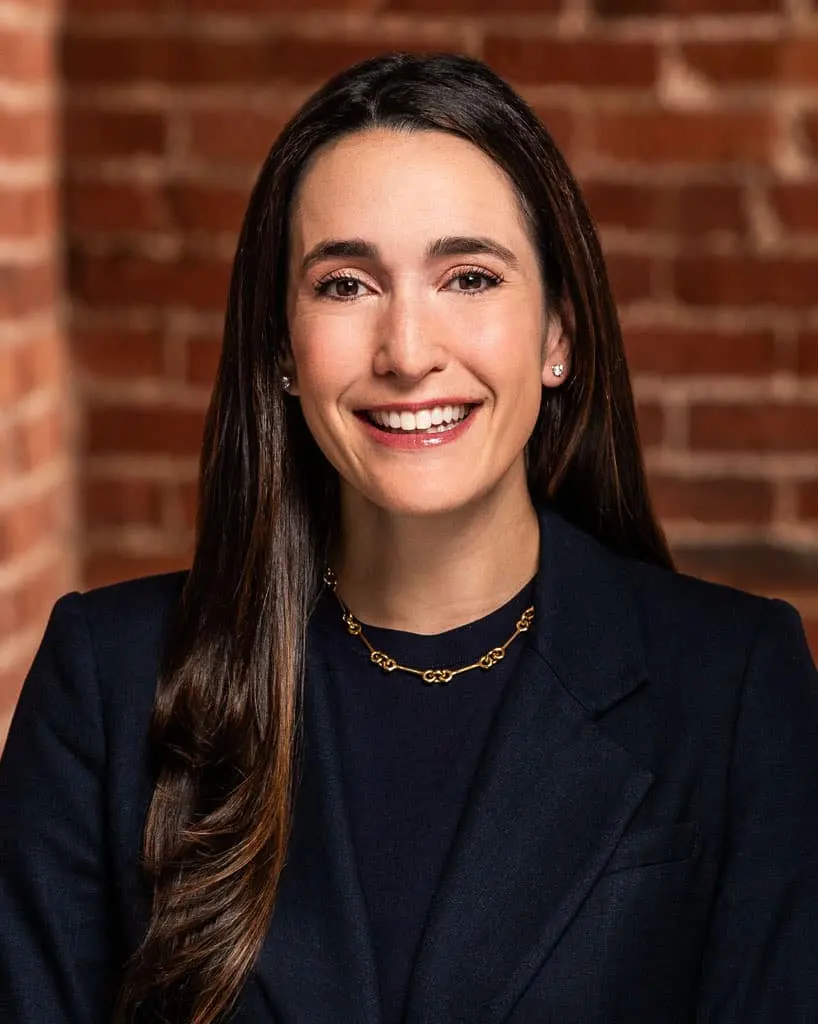
 ▶
▶  ▶
▶  ▶
▶  ▶
▶  ▶
▶ ▶
▶ ▶
▶