

Your weekly front-row seat to the AI revolution!
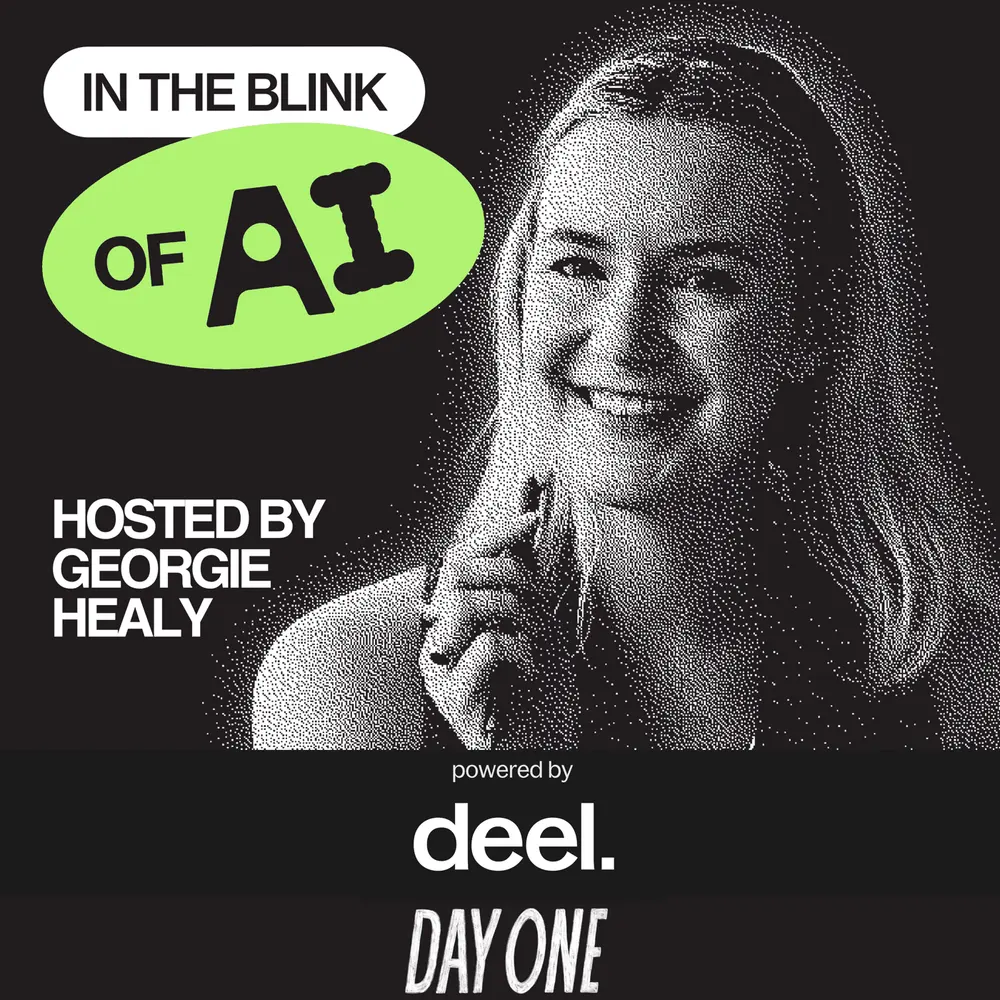
Host of the show Georgie Healy leverages 15 years in tech mixed with a vibrant Aussie sense of humour to interview leading experts in Artificial Intelligence to unpack AI’s transformative potential. Tune in for candid conversations as the rapid speed of technology navigates innovation and ethics.
The podcast unpacks the headlines, offers weekly AI-hacks and always ends with spicy rapid-fire questions.
Hosted by Georgie Healy, In the Blink of AI is a Day One® show.
Day One is the podcast network dedicated to founders, operators, and investors.
Subscribe ▾


Every episode
 New
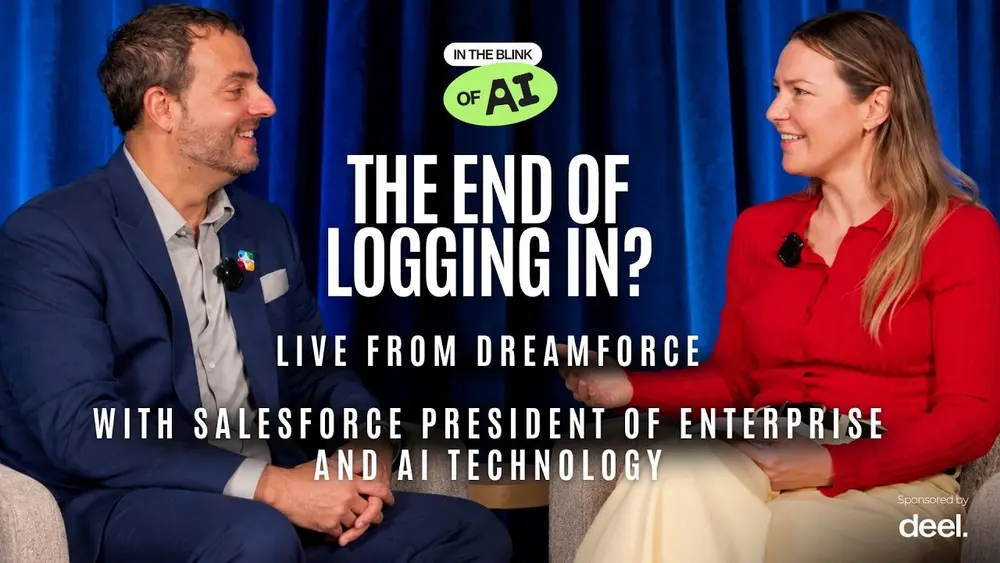
New The End of Logging in? Live from Dreamforce: Agentic AI, Headless and Customer Zero
Recorded at Dreamforce 2026, Georgie sits down with Joe Inzerillo, President, Enterprise and AI Technology at Salesforce. Joe oversees Slack and leads Salesforce's Customer Zero program, where the company puts its own AI to work on itself before customers do.
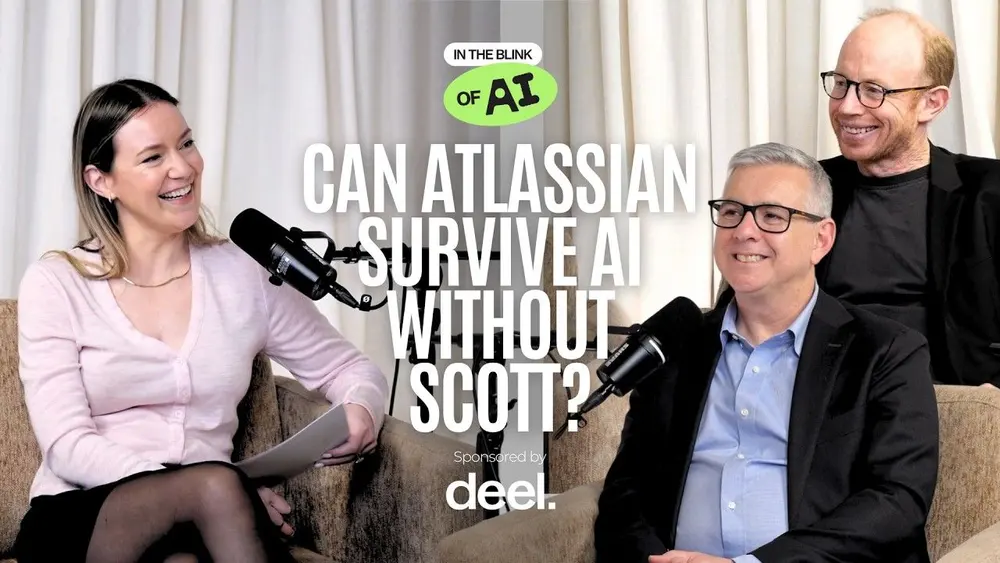
Inside Atlassian and the The $100m House Next Door
Mike Cannon-Brookes and Scott Farquhar built Atlassian into one of Australia's most successful tech companies, and one of the rare local startups to become a global software giant. Then the partnership behind it came apart.
Inside Alexa Plus: Amazon's Blake Nussey on Voice AI, Far Field Tech and Building for Australia
Blake Nussey leads at Amazon on Alexa, and he joins Georgie for a deep dive into Alexa Plus, now live in Australia. They cover the shift from rigid voice commands to a true personal assistant powered by over 70 models, and why Amazon built a model agnostic architecture to trade…
Georgie’s First Ever Ask Me Anything (50K Special)
Vibe coding til he dies

Elon Musk: Hero to Headcase
We're Afraid of the Wrong Thing in AI — with Paloma Newton
Elita founder Paloma Newton on why South Australia's AI Royal Commission aims at the wrong problem, why AI was never going to hand us more free time, and why women stepping back from AI is a bigger loss than it looks.
Benjamin Plummer (Dragonfly Intelligence) on AI's Real Bottleneck, and Why He's Betting on Australia
Nine years inside Bridgewater, an AI lab built with IBM Watson's inventor, and now Dragonfly Intelligence — Benjamin Plummer on AI's real bottleneck and why he's betting on Australia's two trillion dollar services economy.
Deel's COO on the AI Agent Writing Its Own Code
Deel's COO on the internal agent that takes a bug ticket, writes the fix and opens its own pull request — plus what he looks for when hiring, and why the SaaS apocalypse is not real.
Lucas Cantor: “I Don’t Think Anybody Knows What AI Is”
The Emmy-winning composer who finished Schubert’s Unfinished Symphony with AI pressure-tests the story we’re all being told about artificial intelligence — what it does versus what it’s sold as.
Why AI Can't Replace Marketing Strategy — with LinkedIn's Robin O'Connell
Robin O'Connell works inside LinkedIn's marketing and advertising team in Australia. He joins Georgie Healy on why the smartest move for any marketer is trying to replace your own job with AI — to find out fast what it can't do — and why strategy and real customer judgement are the parts AI still can't touch.
"The SaaS Apocalypse Is A Myth" with Freddie McKenzie, Co-Founder & CEO of Manifest
Freddie McKenzie is the co-founder and CEO of Manifest, an AI platform helping creative and marketing agencies capture the value of their work without timesheets. He joins Georgie Healy to unpack Manifest's $2M pre-seed raise, why he refuses to automate his inbox, and why the so-called SaaS apocalypse is a myth.
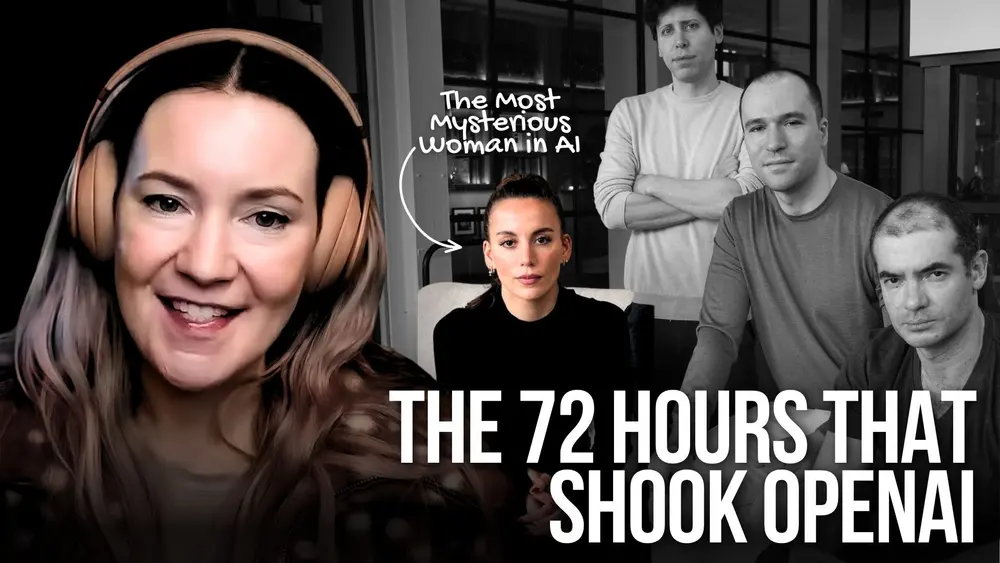
Mira Murati, the Quiet Superpower in the AI Race
The first episode of AI Icons: Georgie Healy tells the whole story of Mira Murati — from post-communist Albania to OpenAI CTO, the 72 hours that shook OpenAI, and her record-breaking new lab, Thinking Machines Lab.
How AI Models Are Really Judged, with Peter Gostev (Arena / LMArena)
Peter Gostev is head of AI capabilities at Arena (LMArena), the community-based platform where millions of real people vote in blind tests to rank AI models, born out of research at UC Berkeley. Before Arena, Peter was Head of AI at Moonpig and built a large following sharing hands-on explorations of what the latest models can actually do. He joins Georgie Healy from London for a genuinely nerdy, insider look at how models are judged and where the frontier is heading.
Inside ElevenLabs: Voice AI, Cloning Ethics, and the End of the Call Centre?
Damian Naughton is the General Manager of ANZ at ElevenLabs, the voice AI company now past US$500 million in ARR, just four years after its 2022 founding. Formerly a regional VP at Slack and an early team member at Sydney's Hyper Anna (acquired by Alteryx), Damian is leading ElevenLabs' new Sydney office and tripling the local team as enterprise demand for voice AI accelerates.
"AI Should Bring Us Closer Together, Not Make Us More Lonely" with Akshay Kothari Co-Founder of Notion
Akshay Kothari is the COO and co-founder of Notion, the workspace platform now used by over a hundred million people. Before Notion, he co-founded Pulse, the newsreader app built as a Stanford class project that Steve Jobs name-checked on stage at WWDC 2010 before LinkedIn acquired it. He joined Notion in 2018 when the team was fewer than ten people, and in this conversation with Georgie Healy he traces that journey and where knowledge work is heading as agents take centre stage. Akshay shares his AI hack of the week, turning a screenshot of restaurant recommendations into a shareable Notion database, and explains how the unit of work has shifted from taking notes to simply having a chat. He unpacks the design obsession behind Notion's identity, the block architecture that lets anyone build their own tools, and the new Developer Platform that brings outside agents like Claude and Codex onto Notion's context graph. He paints a picture of a "factory of agents" working round the clock while humans move to reviewing and applying taste, makes the case for model optionality and cost control, and shares his rule for custom agents: macro delegate, then micro steer.
Building AI at Scale: Inside Australia's Largest Bank with Blair Hudson
Blair is the Chief Engineer of Generative AI at Commonwealth Bank, overseeing nine to ten teams building the AI platform that powers Australia’s largest bank and its millions of customers. Including me, a Dollar Mite since primary school. His origin story is not what you would expect. He was a self-described hacker who grew up clicking through every system configuration setting he could find on his mum’s school computers after hours. That curiosity took him from building on GPT-2 before ChatGPT even existed, to the heart of one of Australia’s most important institutions.
You Can. But Should You? | AI and Ethics with Dr Simon Longstaff
"Can does not imply should." That one line from Dr Simon Longstaff cuts to the heart of everything wrong with how the tech industry is currently building AI. The Executive Director of The Ethics Centre and one of Australia's most respected moral philosophers joins Georgie for a conversation that is equal parts grounding and mind-expanding, and one of the most important episodes the show has produced. Simon's path to becoming Australia's foremost ethics expert is not what you would expect. He left school at 16, cleaned toilets on a remote island in the Gulf of Carpentaria, drove ambulances, became a paramedic and fire officer, and was eventually adopted by one of the clans of the Anindilyakwa people. It was at the end of a ship loading wharf that an indigenous elder taught him something about seeing patterns in the world, a lesson he has carried through 35 years of philosophical work and only recently realised had shaped everything. In this episode he unpacks why ethics is not an optional extra bolted onto technology but the foundation it has to be built on, why the pharmaceutical approval model could be the blueprint for governing AI, and why "necessary fictions" mean that CEOs deploying AI are responsible for outcomes they literally cannot understand. He also makes the case that the coming wave of job displacement does not have to be a catastrophe, and explains what ancient Athens and pre-colonial Indigenous life have to do with universal basic income.
Learn how to use AI at its exponential with Anthropic's Head of Platform Engineering
When Katelyn Lesse was leading engineering at Stripe, she noticed everything around her shifting because of AI. So she left, and joined Anthropic. Today she leads platform engineering at one of the most important AI companies in the world, which is why we were so thrilled to host her for Anthropic's first ever interview in Sydney. Katelyn does not lead with technical jargon. She leads with a question every builder needs to sit with right now. Are you building on the exponential, or are you stuck on the linear? Most people, she says, are already further behind than they realise. In this episode she shares the exact framework she uses to think about building in the AI era, why your frustrations with Claude are actually signals you are onto something, and what it really means to be AGI pilled inside Anthropic.
How to Build a Side Project That Goes Global Before You Graduate with Anna and Viv from Toastie
Anna Zhou and Vivian Shen, the co-founders of Toastie, join Georgie Healy for one of the warmest and most personal conversations the show has had. Two software engineers at Google by day, they have quietly built one of the most thoughtful health tracking apps in the world by night, all without spending a single dollar on marketing. Toastie was born from a problem they were both living. Anna was diagnosed with an autoimmune disease and handed a few photocopied sheets to figure out the rest of her life from. Viv has been managing PCOS for years, experimenting with medications and diets on her own. They realised the tools available simply were not built for people like them, so they built one themselves. Today Toastie helps users track symptoms, food, body signals, lab reports and scans, surfacing the patterns and irregularities that would otherwise go unnoticed. In this episode they unpack why almost one in two Australians live with a chronic illness but no one talks about it, why slapping AI on everything is the wrong instinct and how they decide which features actually need it, and the cold LinkedIn email that landed them their first global partnership before they even had a product. They also share why ChatGPT and Gemini are not enough when the stakes are this high, what their users actually write to them in the feedback form, and the story of the user who quietly security audited their app and was so impressed they wrote in to tell them. Plus the early hackathon they won by faking the backend in real time, why they call themselves boomers when it comes to social media, the worst startup advice they have ever received, and a special offer just for In The Blink of AI listeners. 🎁 Use promo code ITBOA2026 to get a 90 day free trial of Toastie 🍞 Find your Toastie personality: https://toastie.au/quiz
The New Rules of Design (with Andrew Hogan | Head of Insight at Figma)
"Code is getting cheaper. Which means taste is getting more expensive." That one idea from Andrew Hogan reframes everything people think they know about competing in AI right now. Andrew, Principal Researcher at Figma, joins Georgie to make the case that features are no longer a moat — and that the companies quietly investing in how their product feels are the ones building something that's actually hard to copy. In this episode they get into why 56% of non-designers are already doing design work, why the job title "designer" isn't going anywhere, and why anyone who's still treating design as a finish-line coat of paint is going to get lapped. They also unpack what agent management platforms actually need to get right, why design matters even more when kids are the users, and what GeoCities taught us about creative ownership that most product teams have completely forgotten. Plus: the prompting-together technique that turns prototyping into a team sport, why "no tech at all" is unnecessarily painful for parents, Andrew's verdict on Australian coffee, and why the golden era of the side project might be the most important shift nobody's naming loudly enough.
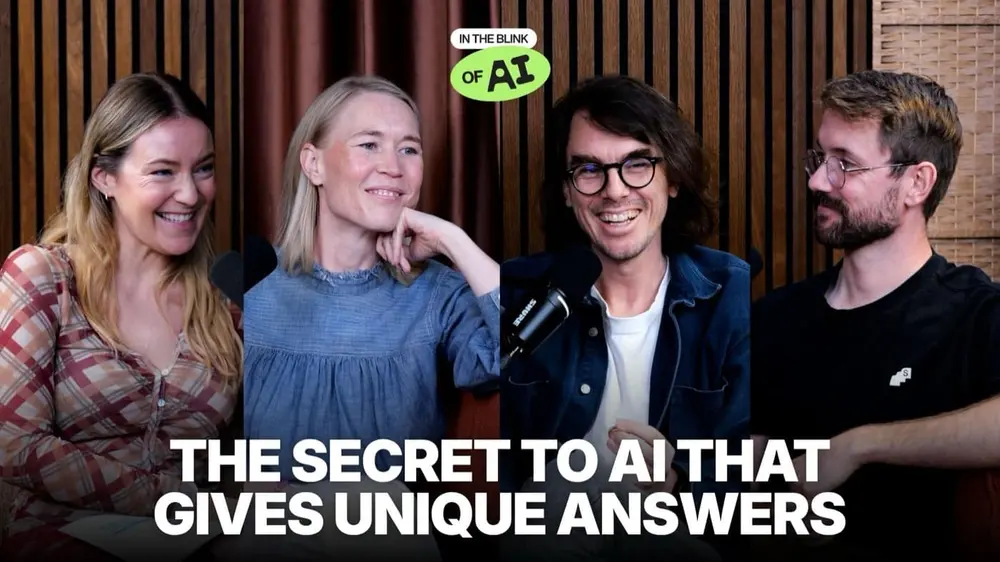
How Springboards Built an AI Model That Actually Thinks Differently
"Shit at the speed of light is still shit." That one line from Pip captures the entire philosophy behind Springboards, the AI company she co-founded with Amy and Kieran that is quietly pushing back against what the rest of the industry is doing. The three of them join Georgie Healy for one of the most thought-provoking conversations the show has had about what AI is quietly doing to creativity, and what it takes to build a model that breaks the mould. Pip and Amy never planned to start an AI company. Both worked in advertising and got laid off within three weeks of each other, which led them to accidentally build the first version of Springboards themselves to solve a problem they kept running into: existing AI tools were not helping them do creative work better, they were making everyone's creative work look the same. Kieran joined as their technical co-founder and together they have now released Flint, a divergence model designed to break the AI hive mind. In this episode they unpack why 69 out of 70 language models will tell you that time is a river, why mainstream AI has converged into one gray mush of sameness, and why the scariest part of this might be that most people will not even notice. They also get into how they built Flint to score 7.5 on novelty bench when the frontier models score ones and twos, why the smallest possible model was always the goal, and why they deliberately avoid making the tool feel too polished. Plus why humans are evolutionarily lazy and what that means for our brains in the AI era, the unexpected analogy about sourdough and alcohol that changes how you think about creativity, and the honest reflection from all three founders on being the self-loathing AI company in a space full of hype. 🎧 Link in comments
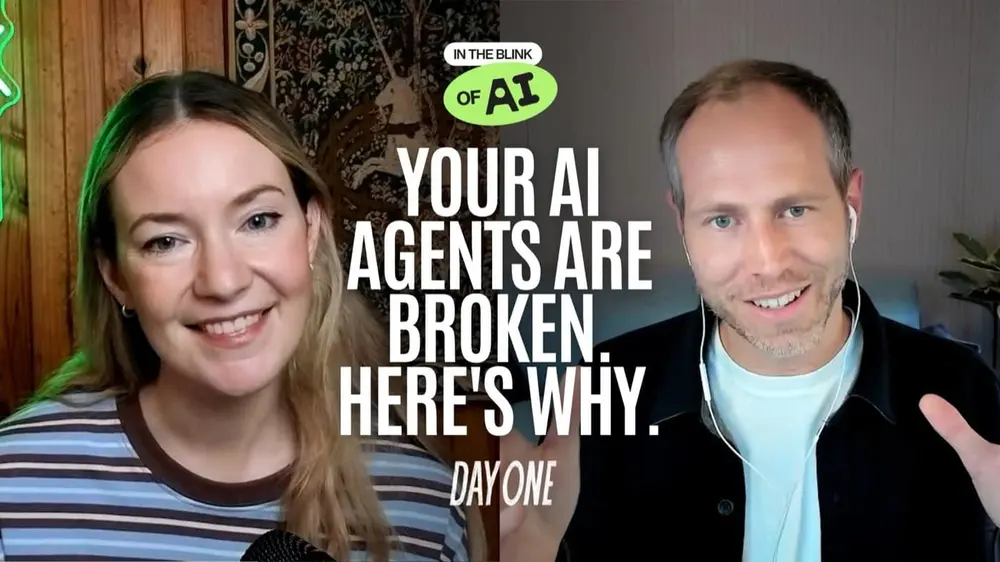
How to Stop Your AI Agents From Breaking with Josh Clemm, VP of Engineering at Dropbox
Josh Clemm, VP of Engineering at Dropbox, joins Georgie Healy to cut through the noise and get to what is actually happening with AI agents right now. Josh has scaled engineering teams at LinkedIn and Uber Eats, founded his own AI venture, and is now building Dash, Dropbox's context layer designed to make agents dramatically more reliable. This is someone who has been on the coalface of this technology longer than most. In this episode Josh introduces two ideas that will change how you think about AI at work. Context rot, the reason your large language models quietly get dumber the more information you give them. And work slop, the plausible sounding but completely hollow output that gets generated when AI tools are used without intention. He also delivers the most reassuring reality check of the year for anyone feeling overwhelmed by the idea that everyone already has a fully functioning team of AI agents working for them. They also get into how the index approach behind Dash solves what real time fetching cannot, why the next AI breakthrough might actually come from old fashioned software engineering principles, and the two engineers Josh considers the greatest builders of their generation and why neither of them was asked to build what they built.

How to Build Distribution Before You Build the Product with Frank Greeff from Kinso (Replay Ep)
A replay: after a $180M exit Frank Greeff went straight back to building. Why scrappy MVPs no longer survive, why he self-funded after top VCs said no, and why "taste" is the moat in AI products.
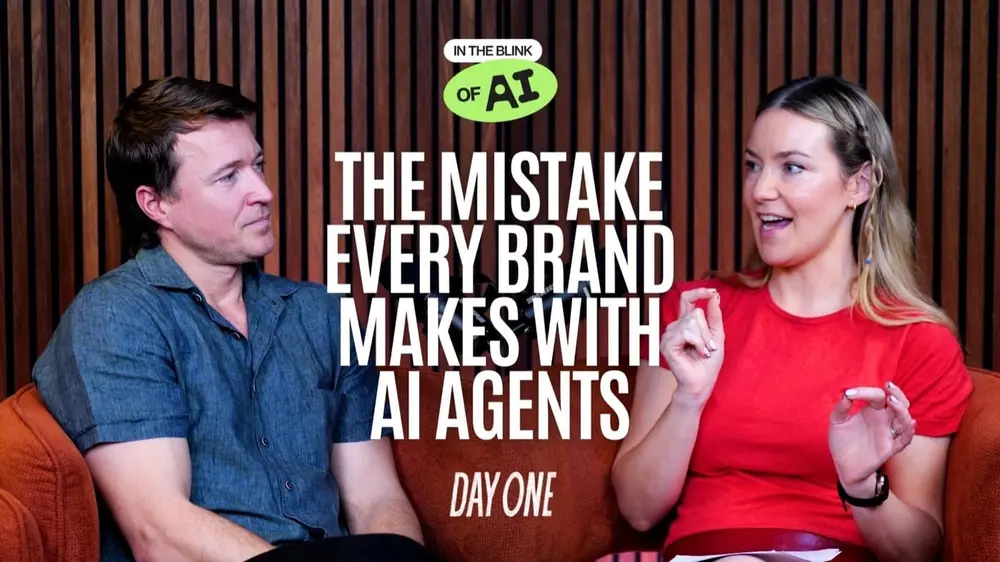
The Right and Wrong Way to Use AI Agents in Customer Service with Jason Maynard, CTO of Zendesk
Jason Maynard, CTO of Zendesk, joins Georgie Healy for a conversation that cuts through the AI automation hype and gets to what is actually happening on the front lines of customer service. Jason shares the framework every business needs right now for deciding where automation genuinely helps customers and where it quietly destroys trust. He introduces the dolphin problem, the counterintuitive reason why the brands that listen hardest to complaints end up winning the most. And he explains why, despite everything you are hearing about AI replacing jobs, customer service job postings in the United States went up 10% in 2025. They also get into digital snap and how to design your way out of it, why your AI agent is really just an extension of your brand identity, a brand new role emerging inside service organisations that looks a lot like what happened to marketing in the early 2000s, and three rapid fire scenarios that reveal exactly when you need a human and when you do not. This is one of the most grounded and practical conversations we have had on the show about what AI in customer service actually looks like when it is done well.
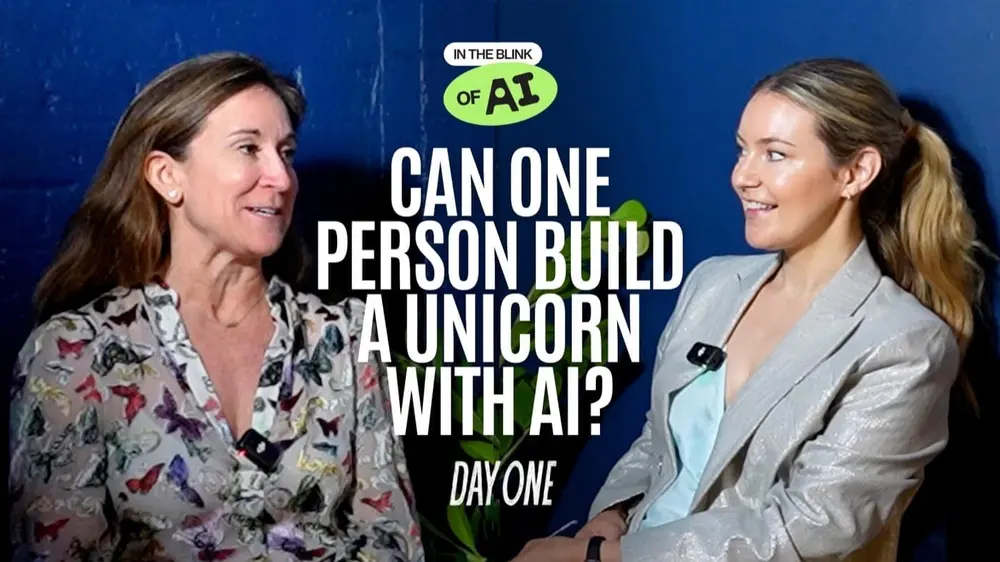
How to build faster with AI in 2026
Jeanne DeWitt Grosser, Chief Revenue Officer at Vercel, joins Georgie in Sydney to discuss what the shift to agentic AI actually means for developers, founders, and enterprise teams in 2026. Jeanne shares why the primitives required to build reliable agents at scale have only just arrived, and what that means for companies still stitching together fragmented infrastructure. They explore Vercel's product suite, the real-world application of vibe coding for non-technical builders, and why Next.js has become the default framework that AI models reach for unprompted. Jeanne also breaks down the go-to-market and engineering alignment model Vercel has built internally, and the design partnership approach, refined at Stripe, that turns customer relationships into a product roadmap. The conversation covers what founders should prioritise right now, why small and fast beats big and planned in the current AI landscape, and how to get genuine signal from customers before you try to sell them anything.
The Future of AI Payments: Agents, Stablecoins and Going Global
Stripe’s Head of Startups, Hayley Hopwood, joins Georgie to unpack what the next era of commerce actually looks like and why founders need to rethink payments now, not later. They start with something unexpected: vibe coding a household chore app in 20 minutes. But the conversation quickly moves into much bigger territory. From OpenAI’s arrival in Australia to agentic commerce and stablecoins, Hayley explains how AI is reshaping the final mile of every transaction and why payments are no longer just infrastructure, they are strategy. They dive into frictionless checkout, tokenization, and the psychology of “one click” buying. Hayley shares why Australia will not build the next foundational LLM but can absolutely dominate in niche AI verticals like health, insurance, agriculture and education. She also unpacks why founders must build for global from day one, even if they are only selling locally, and how ignoring tax, currency and billing models early can quietly kill your scale later. Plus: is B2B SaaS actually dead, what jobs will change first in the AI era, why mediocrity will not survive, and what founders should do in 2026 to stay ahead of the curve. This is a masterclass in building durable infrastructure in a world moving at AI speed.
The Copyright War That Will Shape the Future of Music and AI | With Holly Rankin (aka Jack River)
Every time you ask an AI to write a song, generate a script, or mimic a creative style, there's a good chance it learned how to do that by consuming someone's life's work, without asking, without paying, and without them ever knowing. Holly Rankin, the artist behind Jack River and founder of cultural strategy company Sentiment Agency, has spent the last few years making sure that fact doesn't quietly disappear into the fine print. She's testified before Australian Parliament, rallied creative industries, and become one of the most articulate voices in the fight to ensure the AI economy doesn't get built on the back of stolen human culture. In this episode, Holly and Georgie get into all of it, the staggering labour that goes into making a single song, why the "it's too complicated to license" argument from Big Tech is a convenient myth, and what the Anthropic book piracy settlement really signals about where this is all heading. They talk about the viral Briggs Senate moment, why Spotify and YouTube are quietly backing creators, and what emerging attribution technology could mean for a fairer future. But underneath the policy detail is a bigger question Holly keeps returning to: if we let machines consume and replicate everything that makes us human, what exactly are we left with?

The Bias Built Into AI, And Why It Should Scare You
Tracey Spicer is one of Australia’s most respected journalists and the author of Man-Made: How the Bias of the Past Is Being Built into the Future. In this episode, Georgie sits down with Tracey for a sharp, funny, and occasionally jaw-dropping conversation about what happens when we treat AI like neutral math instead of what it really is: opinion written in code. They unpack why algorithmic bias is getting worse in the generative AI era, how recommendation engines can quietly radicalise people (from Andrew Tate pipelines to hyper-performative “tradwife” culture), and why “move fast” without guardrails is a dangerous blueprint. The discussion also goes into the weird and unsettling frontier of humanoid home robots, privacy risks in always-on devices, and what Tracey learned researching sex robots, including the disturbing ways consent is engineered out of the product. Plus: why Tracey’s favourite AI tool is Claude, what she thinks about Grok and the chaos machine of X, why we are not getting a four day work week anytime soon, and her case for “regulatory sandpits” to test AI safely before it hits the rest of the world.
The Five Things Enterprises Get Wrong About AI in Production (And How to Fix Them)
Enterprise AI is past the hype phase and into the hard part: scaling what works without breaking security, blowing out costs, or shipping chaos into production. In this episode, Georgie chats with AWS technologist Rada Stanic about using AI as a “study buddy” to renew technical certifications faster, and why tools like AWS QuickSight can generate strong first drafts of strategy docs when you provide the right templates and context. They go deep on AIOps: the operational discipline enterprises need to deploy agents and GenAI reliably at scale. Rada breaks AIOps into five practical pillars: defining agent intent, identity and security boundaries, policy and governance, observability and evaluation, and managing the rapid model lifecycle as new LLMs drop constantly. The conversation also covers why security questions dominate every enterprise AI project, why data quality still makes or breaks outcomes, and why “RAG” is fading as a buzzword even though retrieval is still foundational. Finally, Rada shares a sharp concern for the next generation: what happens to junior roles when AI fills the entry level work, and why the pace of change itself may become the next generation’s greatest advantage.
What It Takes to Build a $100M AI Company at 17
Liam Millward is one of Australia’s most watched young founders, but this conversation goes way beyond the headline of raising a record pre-seed at 17. Liam breaks down how Instant is building an AI powered marketing manager for e-commerce brands, why retention marketing is the real lever for growth, and how personalisation at scale changes the economics of marketing teams. Georgie and Liam unpack what it actually takes to win in B2B SaaS right now, why “nice-to-have dashboards” are getting crushed, and what young founders should do instead of spending their time posing with VCs. Liam also shares the downside of raising big too early, his bet on Google winning the model race, and the one tool he has mandated across Instant’s engineering team. Plus: why New York (not SF) is the next chapter for Instant, how Australian buying habits can create painful customers, and Liam’s spicy prediction that AI agents will become the majority of internet traffic shockingly soon.
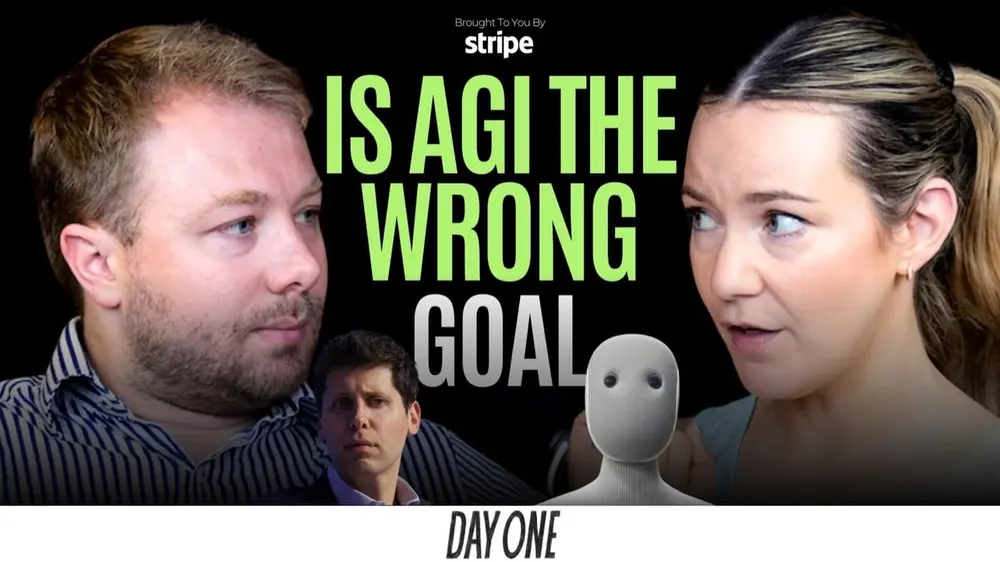
Why the Next AI Breakthrough Is Robotics
Is the next AI breakthrough hiding in robotics, not chatbots? This week on In the Blink of AI, Georgie Healy is joined by cognitive robotics researcher Colm Flanagan for a grounded look at the next phase of artificial intelligence beyond large language models. While tools like ChatGPT live comfortably in the cloud, robots do not have that luxury. A self-driving car, drone, or warehouse bot cannot wait seconds for an answer. Decisions have to happen instantly, on device. Colm explains why this constraint could force a fundamental rethink of how we build AI, pushing models to become smaller, faster, and rooted in real-world experience rather than just trained on internet text. The conversation explores whether LLM progress is starting to plateau, what a “data ceiling” really means, and why chasing AGI might be the wrong goal altogether. From robots that form memories like humans to the privacy tradeoffs of machines that watch and learn from us, they unpack the technical limits, the hype cycles, and what actually matters for builders today. If you want a clear-eyed take on where AI is genuinely heading, and why the next breakthroughs may be physical rather than digital, this episode connects the dots.
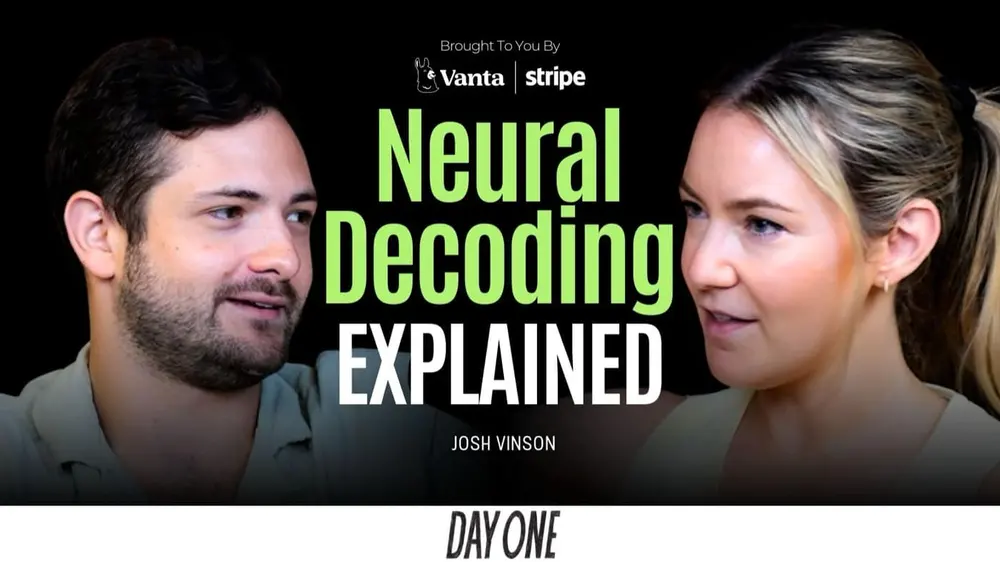
Inside Neural Decoding: How AI Turns Brain Signals Into Meaning
Josh Vinson works at the edge where AI meets the human brain. With a background in psychology and machine learning, he is part of a growing group of engineers exploring neural decoding, the emerging field focused on translating brain signals into meaningful insights about thought, intent, and experience. While the idea of “reading thoughts” still sounds like science fiction, Josh explains why parts of it are already real, and why recent advances in large language models have quietly accelerated progress in this space. In this episode of In The Blink of AI, Georgie Healy sits down with Josh to unpack how brain computer interfaces actually work, what separates invasive implants like Neuralink from noninvasive approaches such as EEG, and why the hardest challenges are not ethical or philosophical but technical. They explore the twin problems of noisy hardware and radically different brains, and what it would take for neural decoding to become reliable enough for clinical and everyday use. The conversation stretches beyond medicine into the future of communication itself. From experience transfer and lucid dreaming headsets to brain wearables that could track attention, presence, and mental fatigue, Josh shares a clear-eyed view of what might be possible and what should give us pause. If you’re curious about where human cognition and artificial intelligence truly begin to blur, this episode offers a grounded look at what’s coming and why it matters.

Procure Pro’s AI Playbook for Construction Procurement
Tom Newby, Head of AI and co-founder at Procure Pro, joins Georgie Healy for a fast, candid tour through the most useful, controversial, and surprisingly human parts of the AI wave. They start with Tom’s favourite under-the-radar tool in Australia, Hex, and its new “AI data analyst” agent that can actually do analyst work, not just answer simple queries. Georgie shares her own weekend hack: using AI to redesign a very average rental outdoor area with photo-based before-and-afters. From there, the conversation turns to the bigger questions: whether using LLMs makes us “lazy”, why the blank page problem is real (and how AI helps you get to a wrong answer fast so you can refine), and what it takes to build AI features that actually matter inside a product. Tom breaks down Procure Pro’s mission to save a billion hours of construction admin and explains “bid leveling”, the messy PDF-to-spreadsheet reality that procurement teams face every day. Georgie also brings the headlines. They unpack Australia’s surge in commercial data centre construction (and why the export narrative might not hold), plus Tom’s spicy take on OpenAI’s recent cadence, model naming chaos, and why distribution and “apps” could matter more than raw model gains. They finish with rapid-fire stories: Tom’s accidental three-hour job, a 7-Eleven game exploit turned Slurpee rewards, a surprisingly thoughtful answer on ADHD and LLM workflows, plus a practical trust framework for everyday AI users.
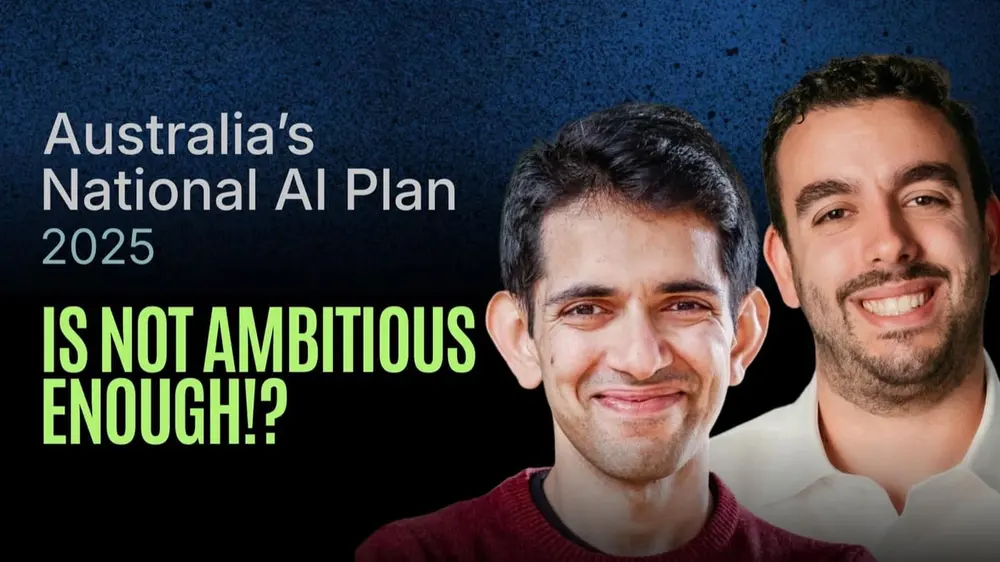
Why Australia Is Falling Behind on AI and How to Fix It
Australia has a new AI strategy, but does it match the speed of the moment? Dr Tom Kelly, CEO of Heidi Health, and Anish Sinha, founder of UpCover, sit at the coalface of deploying AI in two of the most regulated industries in the country: healthcare and insurance. They have both built companies where safety, compliance, and real-world adoption are not optional, and they bring that builder perspective to a frank assessment of the government’s latest plan. In this episode of In The Blink of AI, Georgie sits down with Tom and Anish for a practical conversation on what Australia’s AI strategy gets right, what it completely misses, and what it would take to move from vague principles to measurable outcomes. They argue the plan needs sharper priorities, clearer success metrics, and a more decisive approach to accelerating adoption in industries where AI can lift productivity quickly. Tom unpacks why Australia is non-competitive on energy and compute, why chip availability and latency matter if we want world-class AI experiences locally, and what policy levers could make Australia a serious data centre and infrastructure contender. Anish explains why tech-neutral regulation is a relief for startups, why government should focus on long-term market-making rather than short-term accelerators, and why Australia should look to Canada for inspiration instead of trying to copy the US or China. This is a sharp, builder-led episode for anyone trying to understand what Australia should actually do next in AI, from infrastructure and sovereignty to education, public sector productivity, and stopping bad actors without slowing innovation.
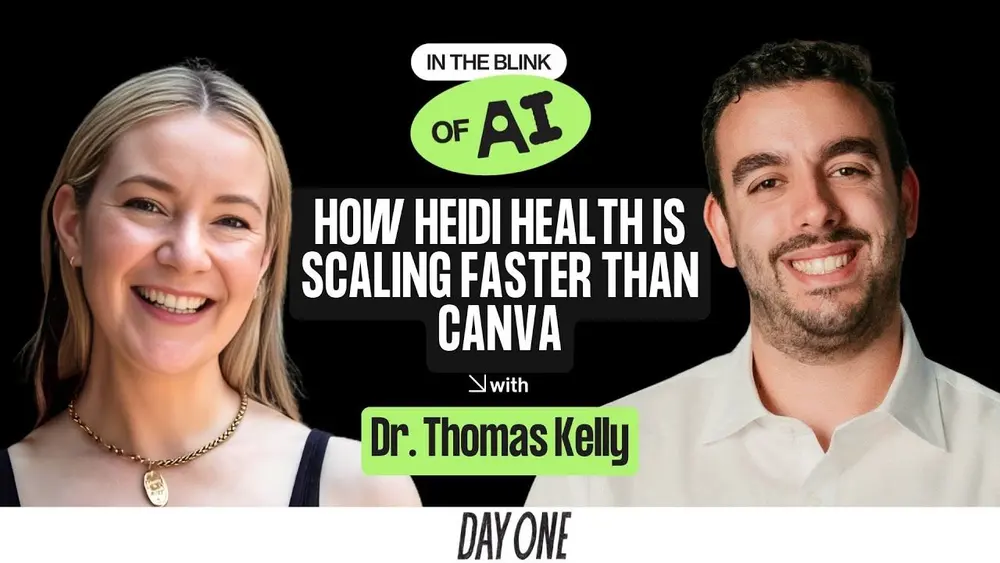
How Heidi Health Built Its Accuracy Advantage (Re-release ep)
A re-release of the year’s most downloaded episode: Heidi Health’s Dr Tom Kelly on why they ditched live transcription, and how a two per cent accuracy gain unlocked a forty per cent jump in adoption.
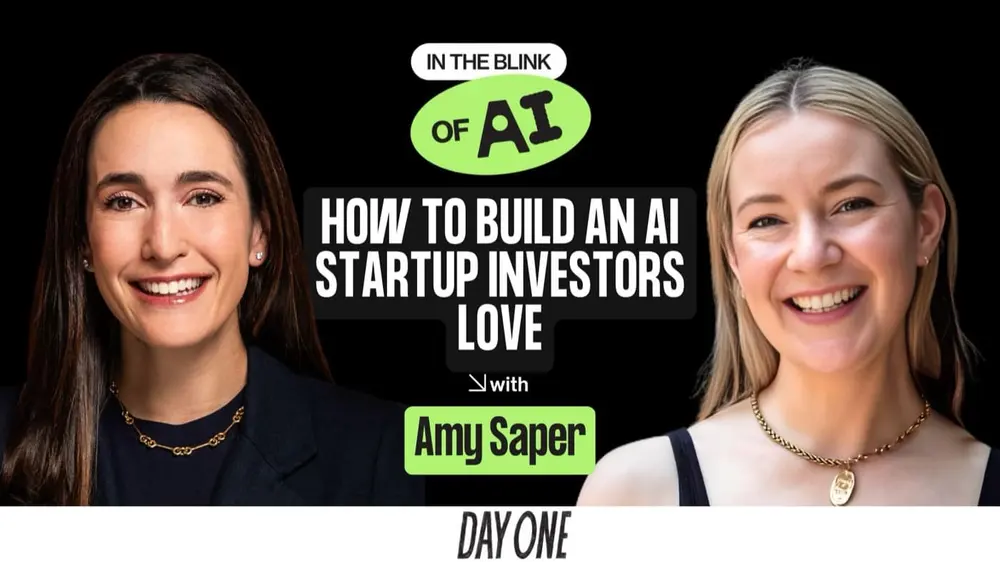
Betting on Slope: Seed Investing, AI Moats, and Founder Psychology with Uncork’s Amy Saper
Amy Saper sits at the intersection of Silicon Valley’s AI boom, early-stage company building, and deep operator experience. Now a General Partner at Uncork Capital in San Francisco, she cut her teeth at Twitter, Uber, and Stripe before becoming one of the most sought-after seed investors backing the next generation of AI infrastructure and applications. In this episode of In The Blink of AI, Georgie sits down with Amy for a wide-ranging conversation on how AI is rewriting early-stage investing, what real moats look like in an era of fast-moving models, and why she evaluates founders on slope, not pedigree. Amy breaks down how she invests in AI-enabled apps and infra, why Gamma’s “overnight success” actually took five years, how non-technical investors can still win deeply technical deals, and what founders get wrong about market size. She also shares candid advice about hiring top AI talent (hint: bring your walking shoes), how to stand out as a seed-stage company, and why she’s bullish on cities and policies that embrace innovation. This is an energising, thoughtful, and highly tactical episode for anyone building or backing AI in 2025.
Top 10 AI Hacks Of The Year
2025 was the year AI stopped being hype and started showing up in the real world, in our phones, our homes, our hospitals, and even our holidays. But with the pace of change accelerating, how do you separate the genuine life-changing tools from the noise? To close out a huge year of In The Blink of AI, Georgie has hand-picked the top ten AI hacks shared by founders, CTOs, designers, researchers, and creative experimenters on the show so far. These are the tools and prompts they actually use every day, to travel smarter, remove mental load, make better decisions, get up to speed fast, and even check their own blind spots. In this special holiday edition, you’ll learn how to turn an AI into your personal tour guide, save hours of context-setting with one drag-and-drop move, let your kids solve the dinner dilemma, challenge your thinking before you hit publish, and unlock the real power of voice mode for deeper, more personalised results. Whether you’re a total beginner or already living in the multi-agent future, these hacks are your shortcut to a smarter 2026. Grab your phone, open your favourite LLM, and try these out for yourself.
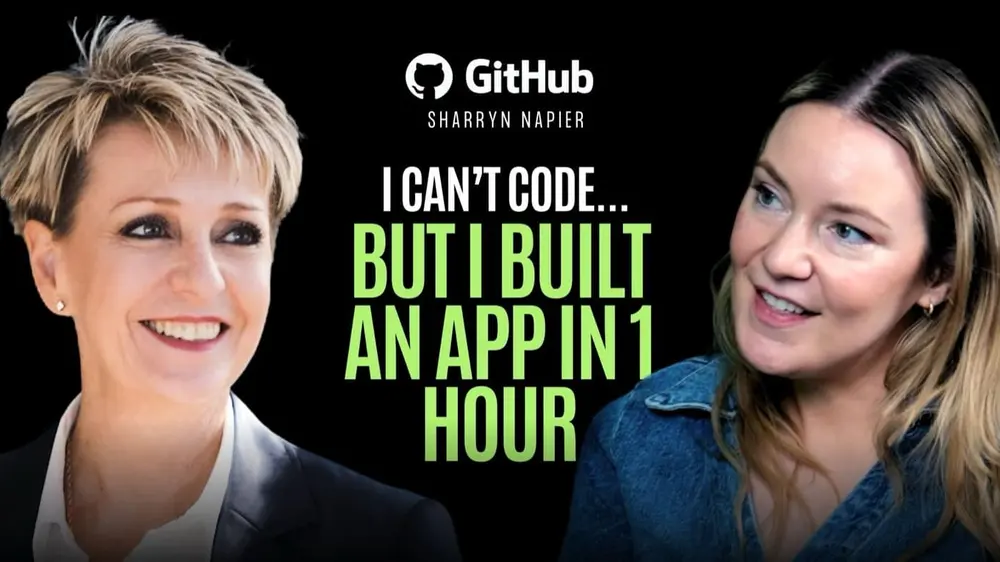
GitHub’s VP on the New Era of No-Code + AI
AI is lowering the barrier to software development faster than anyone expected, and GitHub’s APAC VP Sharryn Napier has a front row seat. In this conversation, she shares how she built a personal to-do list app in under an hour with GitHub Copilot and Spark, despite not writing code herself. Georgie and Sharryn explore why millions of new developers are joining the platform, how 80 percent of new signups use Copilot within their first week, and what the explosion of no-code experimentation means for both beginners and seasoned engineers. They also unpack the chaos and opportunity of the multi-agent era, where GitHub’s new Agent HQ aims to keep developers productive, secure, and in control. From open source culture and the next wave of technical talent to enterprise adoption, risk, and the future of software creation, this episode offers an inside look at how AI is transforming who builds software and how it gets made.
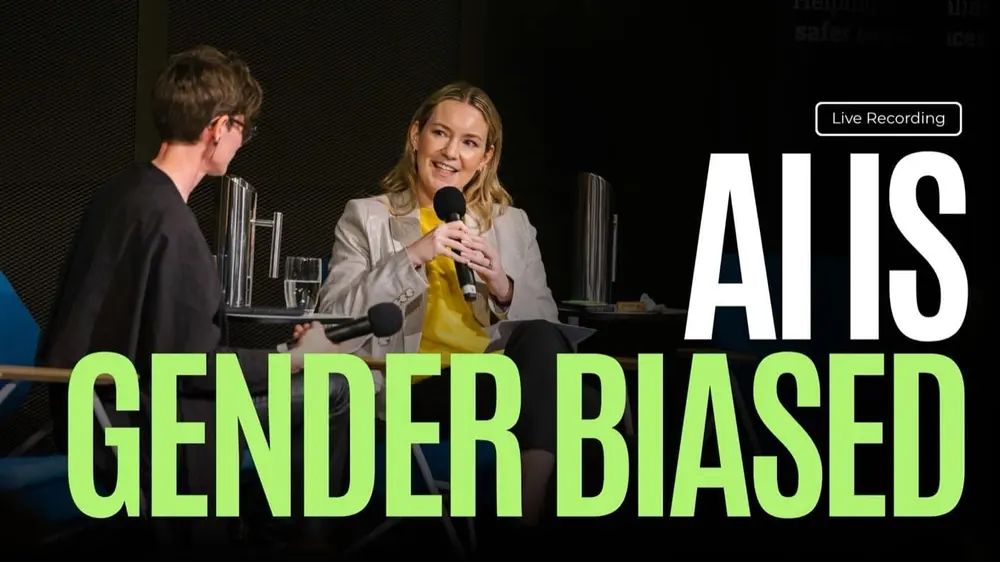
Is AI Failing Women? A Reality Check with Dr Elise Stephenson
Artificial intelligence is reshaping everything from work to healthcare to the way we interact online, but it’s also exposing deep gender gaps that we can’t afford to ignore. At the eSafety Summit in Canberra, Georgie sits down with award-winning researcher and gender equality expert Dr Elise Stephenson for a live conversation on the uncomfortable truth behind AI’s gender problem. Only 22% of the global AI workforce is women. Only 2% of Australian startup funding goes to female founders. And when generating images of British women, some AI models label them as models or prostitutes 30% of the time. In this episode of In The Blink of AI, Georgie and Elise dig into how bias creeps into AI systems, who’s responsible, and what needs to change, from data collection to funding incentives to the way we teach young people about online safety. They also explore the surprising ways women are using AI, why representation matters at every layer of the stack, and what a truly gender-responsive AI future could look like. This is one of the most important episodes we’ve made, equal parts confronting and constructive, and a must-listen for anyone who cares about building tech that works for everyone.
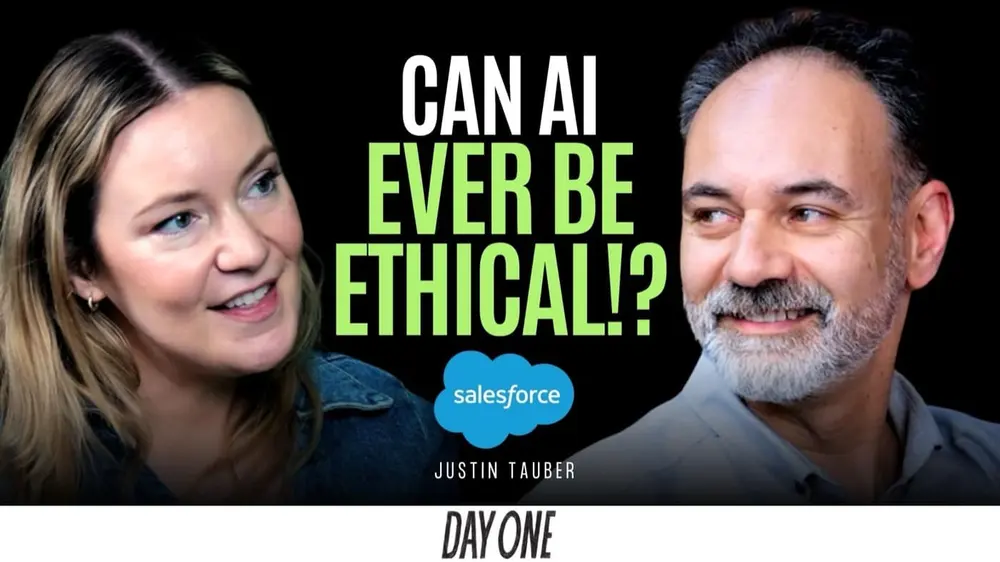
Ethics in AI with Justin Tauber from Salesforce
Justin Tauber has spent nearly a decade inside one of the world’s biggest tech companies, first in strategic innovation, now leading Salesforce’s global work on ethical and human use of AI. With a background in cognitive science and design thinking, he’s become one of Australia’s most insightful voices on how technology and ethics can (and must) evolve together. In this episode of In The Blink of AI, Georgie Healy sits down with Justin to unpack what “agentic AI” really means beyond the hype, and how enterprises can adopt it responsibly. Justin shares how scenario planning helps teams prepare for unpredictable futures, why prediction matters less than rehearsal, and how ethical constraints often spark the most original innovations. They also dig into the growing problem of “shadow AI” inside companies, the trade-offs between startups and enterprises, and why Australia’s best AI opportunity might not be moving fastest, but safest. If you’ve ever wondered what trust, transparency, and technology look like when they collide, this episode is your blueprint.
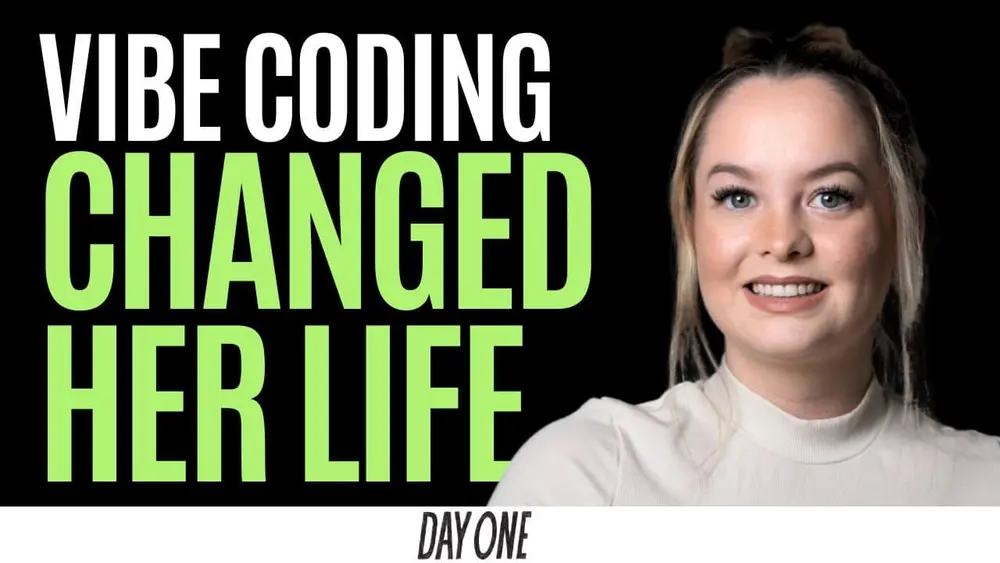
How to Build Cool Stuff With AI (No Code Needed) | Maddie Reese
When Maddie Reese discovered AI tools in June, she’d never written a line of code. Six months later, she’d won multiple hackathons, built viral projects like Startup Obituary and Pet Hero Comics, and quit her job to go full-time as a vibe coder. In this episode of In The Blink of AI, Georgie Healy sits down with Maddie to unpack what “vibe coding” actually is, and why joy might be the best productivity hack of all. From debugging API keys with ChatGPT to using Lovable, Cursor, and Replit to build entire web apps in hours, Maddie shares her exact workflow, her biggest “LLM gaslight” moment, and how she’s turning play into a career. Expect practical tips for no-coders, hilarious guinea-pig side quests, and a refreshingly real take on the future of AI creativity.
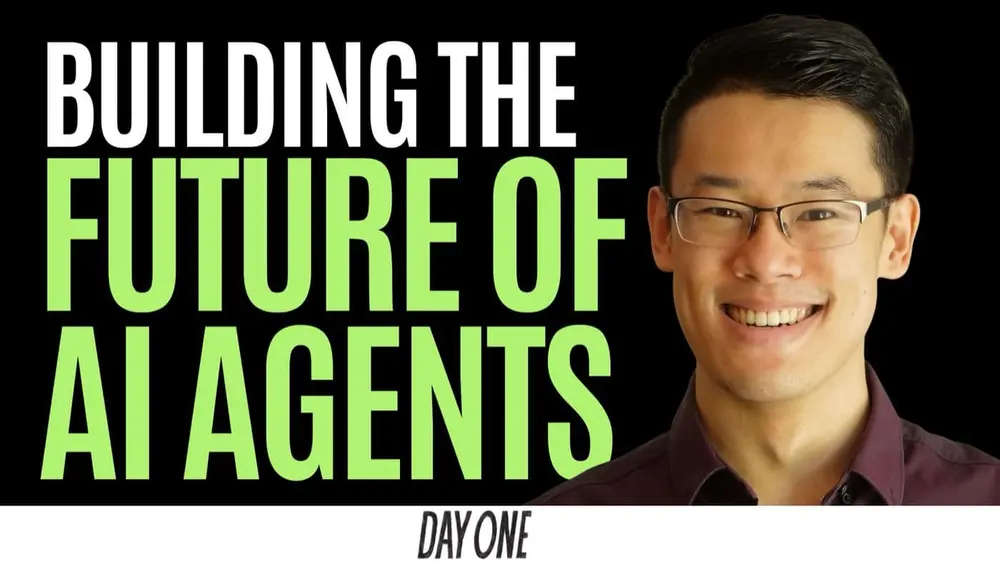
How Agentic AI Actually Works (and What’s Still Hype)
Before AI was cool, Dominick Ng was already building it. From a tiny country town in regional NSW to a PhD, a Fulbright Scholarship, and nine years at Google, Dom’s journey is the definition of technical brilliance meets humility. Today, he’s the Director of Engineering at Relevance AI, one of Australia’s fastest-growing agentic AI startups, backed by global investors and reshaping how teams build with large language models. In this episode of In The Blink of AI, Georgie Healy sits down with Dom to talk about the real limits of agentic AI, why Australia needs to embrace experimentation, and how to build world-class engineering teams that can move fast without losing soul. Dom explains how AI-assisted coding is changing what engineers can do in a weekend, what makes a great AI hire, and why “if you can’t onboard a person, you can’t onboard an agent.” He also breaks down why Meta’s hiring strategy looks so extreme, what China’s AI talent boom really means, and the cringe misconceptions about AI “making us lazy.” If you’ve ever wanted to truly understand what’s behind the hype, this conversation will make you smarter (and probably a bit more patient with your next API error).
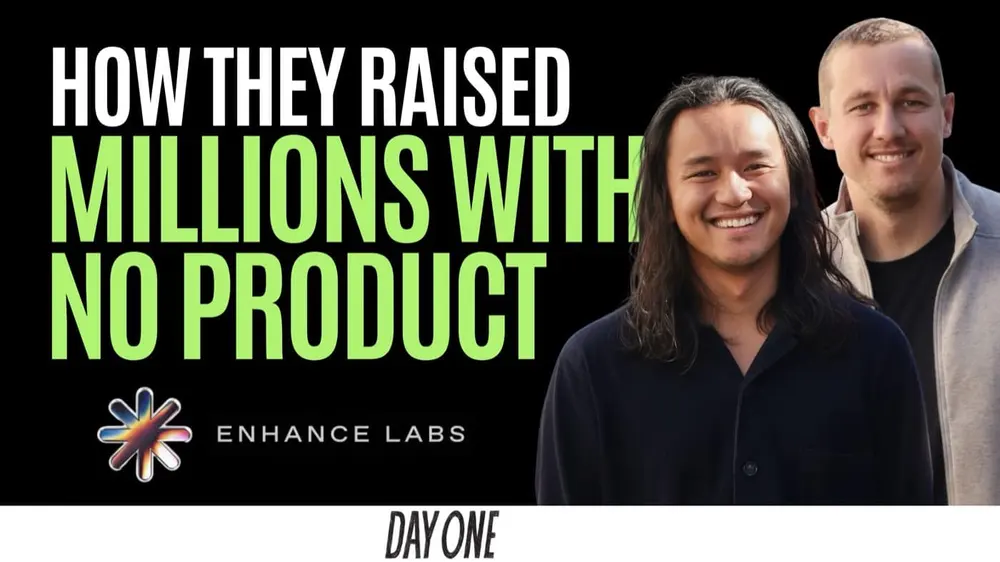
Velocity & Vibes: How Enhance Labs Raised Millions Before Building Anything
When Mike Keating and Haziq Nordin founded Enhanced Labs, they raised millions without a product, a pitch deck, or even a bank account. Backed by Blackbird and QIC, they became known for their unfiltered takes, chaotic energy, and refusal to ship something they didn’t believe in, even as the rest of the AI world raced to launch. For months, they experimented in the shadows, building, pivoting, and learning why most AI startups were destined to fail. Then came the breakthrough: a way to let every user design their own personal internet, a “living interface” that could reshape how humans interact with software. In this episode, Mike and Haziq share why they chose velocity and vibes over hype, how playfulness and curiosity became their competitive edge, and why founders must know when not to finish something. They break down what AI products will collapse by 2026, the open problems that still need a Nobel Prize, and why the next wave of innovation will come from the weird ones, the teams laughing the loudest while everyone else plays safe.
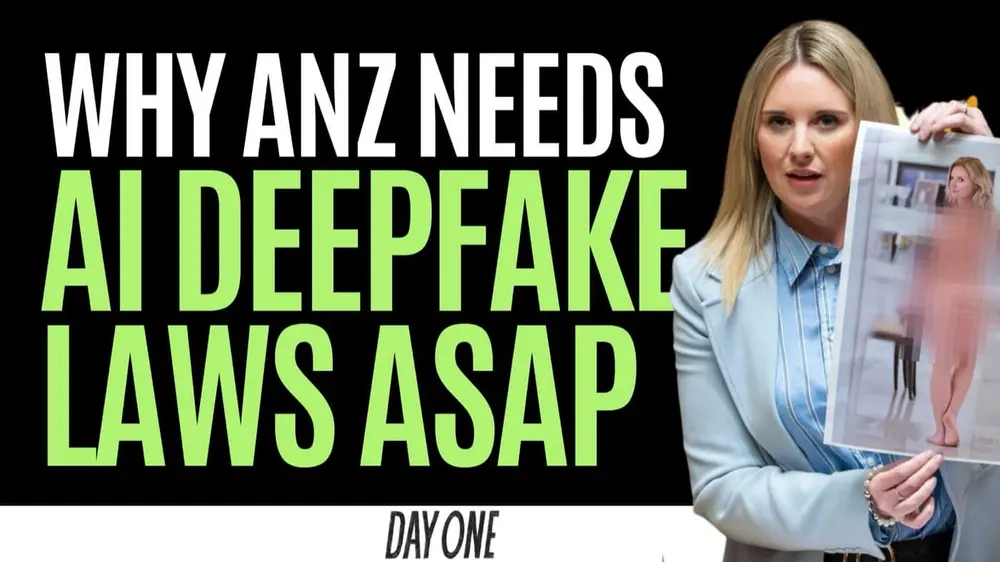
ANZ Needs AI Deepfake Laws ASAP | Replay Episode with Laura McClure
Laura McClure, Member of Parliament for the ACT Party in New Zealand, joins In the Blink of AI to unpack her viral deepfake experience, her groundbreaking member’s bill, and why tech regulation must protect victims without stifling innovation. In a powerful conversation, Laura reveals how she created a deepfake of herself in minutes—and why it’s a wake-up call for policymakers worldwide. She shares insights on balancing tech freedoms with responsible safeguards, why regulation is about behaviour not banning tools, and how New Zealand’s slow policy-making could leave them lagging behind. Laura also discusses how ACT’s libertarian values shape her pro-innovation, pro-startup stance and why deepfakes are a threat not just to teenagers, but to democracy itself. From the electricity grid challenges that could stall New Zealand’s AI adoption to the opportunities in agriculture and defence, this is a must-listen for founders, policymakers, and anyone passionate about the future of technology.
How to Stay Creative in the Age of Average AI | Christina Jones, Canva
There’s a lot of AI slop out there, bland prompts, generic images, boring text that all blends together. But how do you stand out when everything looks the same? In this episode of In The Blink of AI, Georgie Healy sits down with Christina Jones (aka CJ), Head of Design for Generative AI at Canva, for an unfiltered conversation about creativity, originality, and why taste is the new moat in AI. CJ shares her journey from experimenting with a “cat editor” chatbot called Lemon to leading the design of Canva’s Magic Studio. She explains why AI should be a creative companion, not a micromanager, and how the “Steelman approach” can turn models into your best critic instead of your biggest cheerleader. They cover why productivity isn’t the whole story, why creativity is especially essential during a cost-of-living crisis, and why observing the world around you is the fastest way to sharpen your originality. Plus: Georgie’s first ever AI rant, spicy takes on AI boyfriends, and the eternal love for the em-dash. If you’ve ever worried that AI is dulling your creative edge, this episode is your permission slip to embrace originality, and maybe get a little emo about it.
Replay Ep - Building AI Support So Good, You’ll Wonder: Is This Really AI? | Steve Hind, Lorikeet
Replay Episode! When this conversation with Lorikeet co-founder Steve Hind first aired, the company had just raised $14M. Fast forward a few short months and they’ve doubled their valuation, become the hottest name in Australian AI, and poached some of the best engineers in the country. With so many new subscribers since then, we’re bringing this one back. In this episode, Georgie Healy sits down with Steve to unpack how Lorikeet built Rae, an AI platform powering complex support for banks, healthcare, SaaS, and beyond. Steve explains why Retrieval-Augmented Generation (RAG) isn’t the silver bullet everyone thinks, what “agentic frameworks” really mean (and why it’s mostly marketing), and how starting with the hardest customer problems creates a defensible product. They also dive into what makes AI support feel truly human, why empathy matters more than “personality,” and how to balance technical brilliance with marketing clarity. Along the way, Steve shares his favourite AI tools, what he looks for when hiring, and why founders should stop being insecure about not training their own models. Whether you’re building in AI, hiring AI talent, or just curious about where the hype ends and real customer value begins—this replay is a masterclass in scaling smart AI support.

How Stripe Uses AI to Make Global Payments Feel Local
What if the next big unlock in payments wasn’t just faster checkouts, but bots buying on our behalf? In this episode of In the Blink of AI, Georgie Healy sits down with Karl Durrance, Managing Director for Australia and New Zealand at Stripe, to explore how AI is reshaping money movement at a global scale. Karl reveals how Stripe is tackling fraud versus scams (and why scams are now the bigger threat), why AI startups are hitting revenue milestones at unprecedented speed, and what agentic commerce could mean for the way we shop. From buy now pay later’s misunderstood role in credit to why stablecoins may be the real future of internet-native money, Karl shares candid insights on where payments are heading next. You’ll also hear why global expansion no longer requires a move to San Francisco, how single-use virtual cards could make agentic commerce safe, and why bots might soon handle life’s least joyful purchases, freeing us up for the ones that matter.
How Digital Twins & AI Are Saving Billions in Infrastructure Costs | Jack Curtis from Neara
What if we could simulate extreme weather before it strikes, and use AI to prevent billions of dollars in damage? In this episode of In the Blink of AI, Georgie Healy sits down with Jack Curtis, Chief Commercial & Operations Officer at Neara, the startup building digital twins of critical infrastructure like electricity grids. Together, they unpack how AI is reshaping energy, data centers, and even Australia’s role in the global technology race. From the true drivers of rising energy bills to why “climate tech is far from dead,” Jack shares a candid inside look at the intersection of AI, infrastructure, and policy. You’ll hear why digital twins are more than just a buzzword, what governments are getting right (and wrong) on AI, and how Australia can seize its moment to lead.
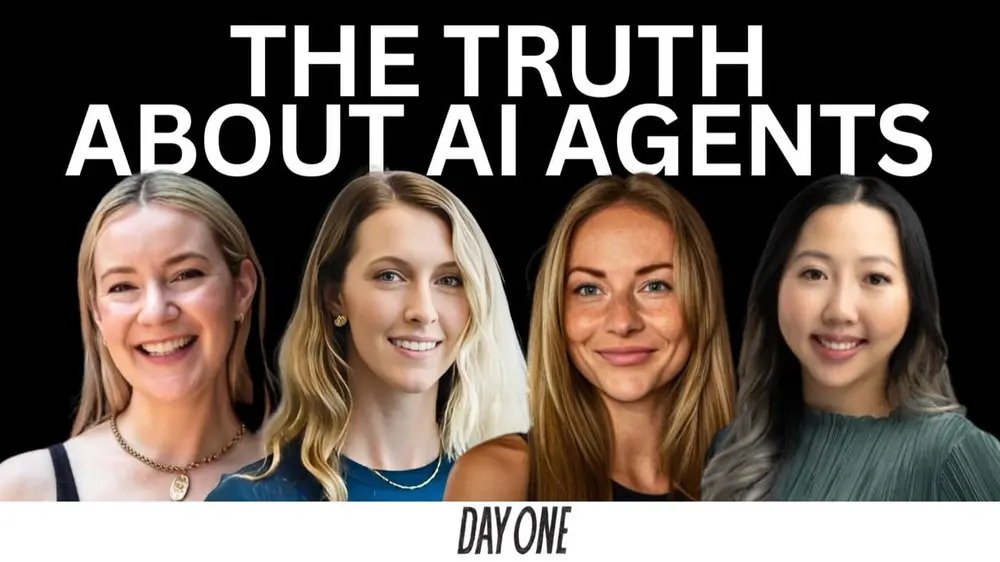
The Truth About AI Agents: Real Wins, Real Failures
At a Relevance AI community event, Georgie Healy speaks with Beth Lovell (FoBoH), Sam Garven (Hello Canopy) and Sally (King River Capital) about building AI agents that deliver real results. They share practical hacks, first-use cases, and lessons learned on data hygiene, onboarding and keeping humans in the loop. The panel also explores why women are adopting AI at lower rates and how non-engineers can use their unique strengths to create better tools.
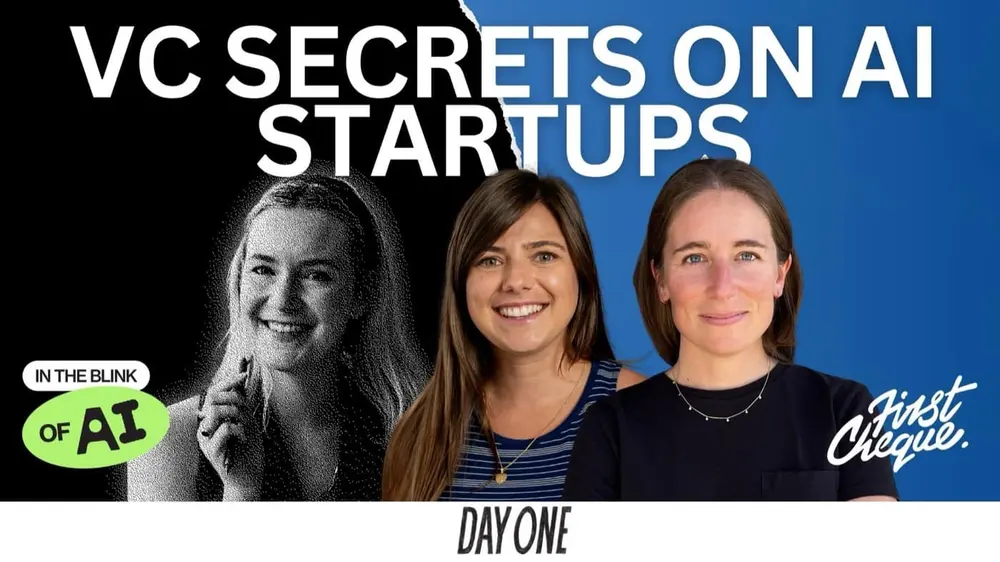
How VCs Really Assess AI Startups | Cheryl Mack, Maxine Minter and Georgie Healy
In this crossover episode of First Cheque and In The Blink of AI, Cheryl Mack (Aussie Angels) and Maxine Minter (Co Ventures) team up with host Georgie Healy to unpack how investors are thinking about AI, beyond the hype. From pitch decks to product demos, they reveal the frameworks and gut checks they use to spot real value in AI startups, even when they’re not technical experts themselves. You’ll also get a behind-the-scenes look at how Cheryl and Maxine are integrating AI into their own workflows, not just as investors, but as operators. From using ChatGPT to summarise founder meetings, to leveraging Prompt Cowboy and NotebookLM for due diligence and research prep, they walk through real examples of how AI is saving them time, sharpening decision-making, and helping them stay ahead in deal flow. And yes, we finally answer the question: what is an agent… and does anyone actually have one?
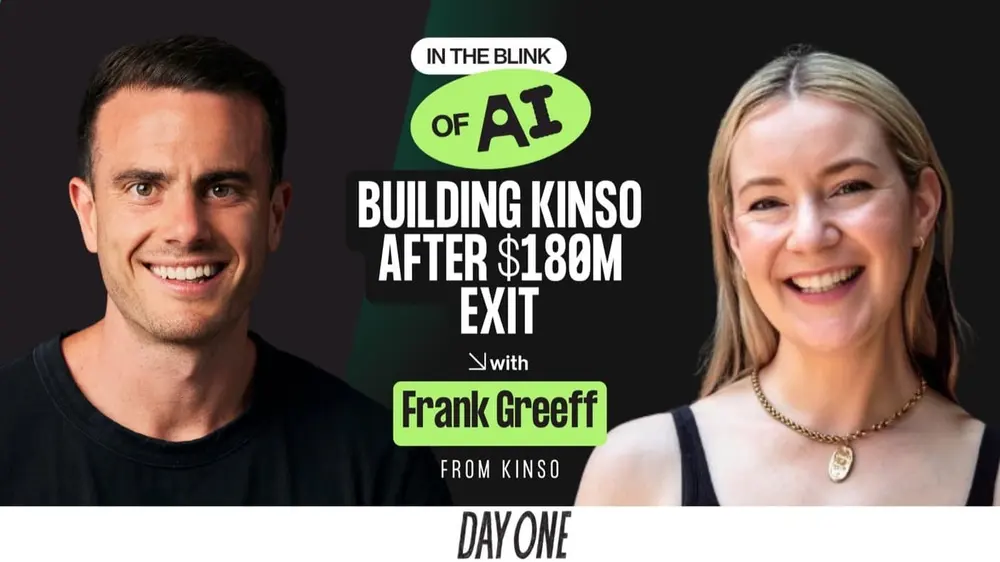
Beyond a $180M Exit: Frank Greeff on Purpose and Building Kinso AI
Frank Greeff, the founder behind a $180M exit and the viral Founders Table series, is back, this time building Kinso, an AI messaging aggregation tool set to change how businesses communicate. Instead of retiring after one of Australia’s biggest tech acquisitions, Frank is diving back into the grind, sharing why momentum and purpose keep him building. In this episode, Frank reveals the AI hacks that surprised even his engineers, why scrappy MVPs may not survive in today’s fast-moving AI wave, and how personal branding gives founders a hidden moat. Georgie and Frank also dig into what it takes to self-fund after top VCs said no, attracting A+ engineering talent in a competitive market, and why “taste” will define which AI products win. Plus, Frank unpacks Meta’s $100M AI hires, the rise of deepfakes and how he protects his family, and answers listener questions on planning exits, building AI startups, and navigating AGI, UBI, and the future of work, all while playing a spicy rapid-fire round.
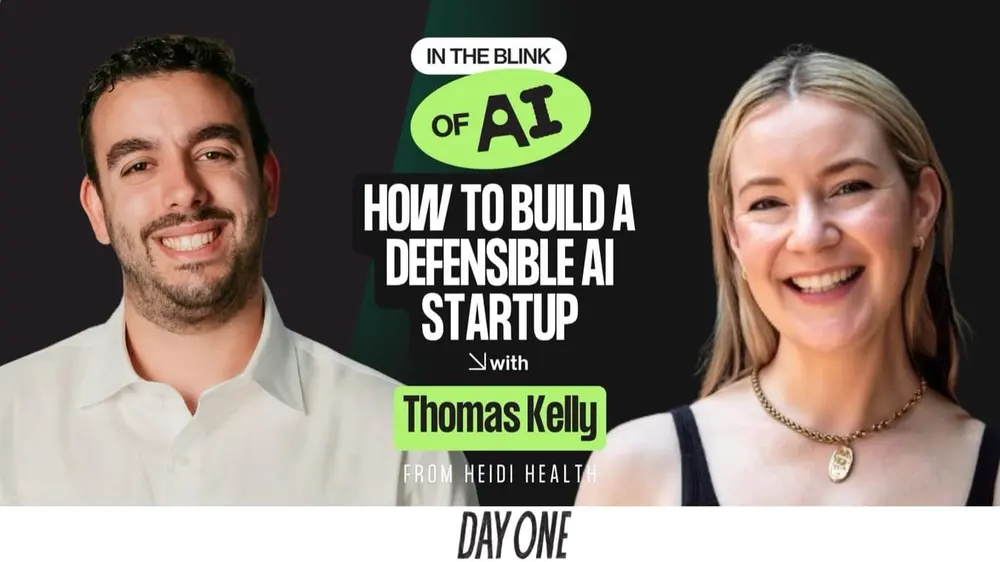
How to Build a Defensible AI Startup – With Dr. Thomas Kelly from Heidi Health
Dr. Tom Kelly, founder of Heidi Health, is building one of Australia’s fastest-growing AI startups, and he’s doing it differently. In this episode, Tom reveals how Heidi Health transforms messy doctor-patient conversations into medical-grade notes in seconds, why batch transcription beats live, and why trust and time, not flashy features, are the future of healthcare AI. Georgie and Tom unpack why most B2B SaaS startups may not survive, what not to do as a non-technical founder in AI, and how to build trust in high-stakes industries. They also explore personal branding, attention hacking, agents, and AI's limits in life-or-death decision-making. Plus, Tom shares a killer AI travel hack and plays Late Stage Startup Bingo, guessing the hottest Aussie AI companies, from Relevance AI to Leonardo.
How BuildShip Is Building the Future of Dev Tools (With Harini & Shams)
Harini Janakiraman and Shams Mosowi are the powerhouse co-founders behind BuildShip, a platform helping businesses automate complex backend and AI workflows in minutes. In this episode, they unpack what it really takes to build a fast-moving AI startup that developers not only use, but love. Georgie dives into their founding story (from Antler hire to co-founder), their approach to vibe coding with tools like Claude and Cursor, and why product alone isn’t enough in today’s AI landscape. The trio also plays “hit or miss” with popular dev tools like Midjourney, Replit, Cursor, and GitHub Copilot, and they don’t hold back. Harini and Shams share honest lessons on building for tech-literate users, hiring remotely, and turning branding into a technical moat. Plus: the viral power of great merch, why Shams temporarily moved to San Francisco, and how developers can earn exclusive BuildShip swag by shipping real tools.
How to Build a Magnetic AI Brand - With Pistachio’s Isaac Peiris
Isaac Peiris, founder of the growth agency Pistachio, has helped scale media brands like Mama Mayer and The Daily Australian through organic content and audience-first strategies. In this episode, he breaks down why brand matters more than ever for AI startups, the importance of knowing your audience, and how emotional connection beats transactional marketing. Georgie and Isaac unpack famous brand fails like Google Glass and the Metaverse, and dissect Duolingo’s recent AI messaging stumble. They also highlight success stories like Waymo’s patient trust-building and Magic Brief’s smart organic content flywheel. Isaac shares practical advice for AI founders on prioritising spend, validating through social engagement, and building your “thousand true fans.” Plus, hear his insights on AI as a creative accelerator, when it helps, and when it hurts.
Why Notion Is Betting on AI Building Blocks – with Andrew McCarthy, GM ANZ at Notion
This week’s episode of In The Blink of AI is a special one, recorded live at UNSW in front of a sold-out audience. Georgie sits down with Andrew McCarthy, General Manager at Notion for Australia, New Zealand, and Asia, to explore how one of the world’s most loved productivity tools is quietly reshaping the way teams work with AI. Andrew shares how Notion’s modular “building block” approach is changing the game for startups and enterprise alike, why simplifying workflows beats chasing the next shiny tool, and how students, founders, and even origami fans are building powerful systems without writing code. They cover the anti-SaaS philosophy behind Notion’s design, what startups can learn from OpenAI’s use of AI for internal ops, and how AI can bridge the gap between newcomers and tenured employees, giving everyone superpowers at work. Plus: Notion skincare routines, sports dreams, and a very wholesome story about digital journaling and self-love.
The Billion-Dollar AI Opportunity No One’s Talking About - With Asseti’s Aonghus Stevens
Aonghus Stevens, founder of Asseti, built his first drone business as a teenager and now leads one of Australia’s most fascinating AI infrastructure startups. In this episode, he shares why the real money in AI isn’t in the apps, but in the unsexy, invisible backend of enterprise and asset management. Georgie and Aonghus unpack the surprising power of drones and defect detection, why asset degradation is a billion-dollar problem, and how Asseti is using AI to transform the way buildings, warehouses, and industrial sites are monitored and managed. They also dive into what makes a great VC partner, how to talk AI without sounding like a buzzword machine, and why drone delivery startups might be more hype than hope. Plus, Aonghus names the one boring AI workflow that’s actually revolutionising how massive global clients manage their assets, and why most legacy systems are still stuck in 1995.
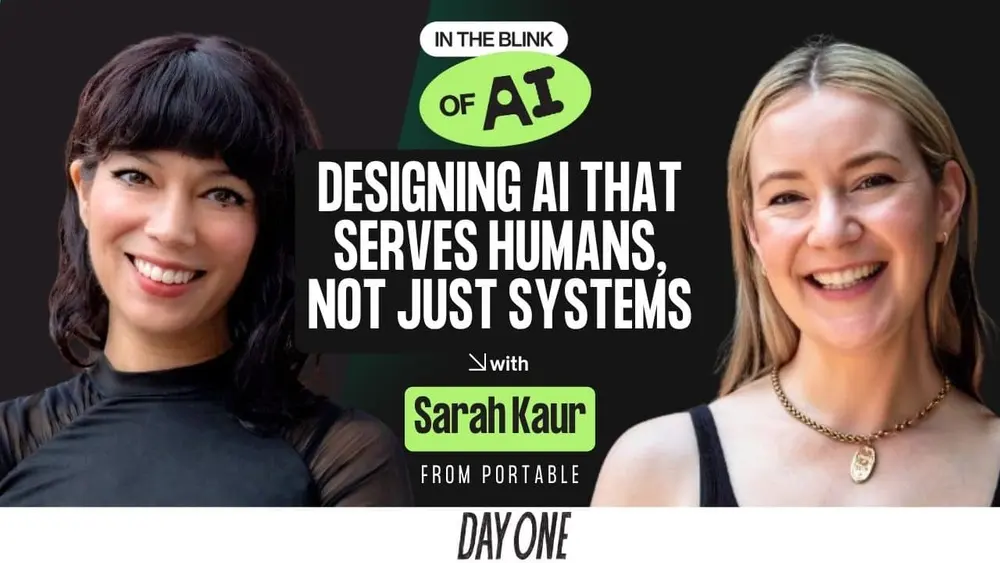
Sarah Kaur on Human-Centred AI, Design Ethics, and Reimagining Tech from the Ground Up
Sarah Kaur is not your typical technologist, and that’s the point. As Principal Design Strategist at Portable, she brings an artist’s eye and a community-first mindset to the world of AI and justice tech. In this episode, Sarah joins Georgie Healy to explore what it really means to build AI that works with people, not just on them. They dive into the hidden biases in design, the pitfalls of “black box” systems, and the real cost of leaving communities out of the development process. From building tools in Australia’s family law system to dreaming up a sovereign digital twin that protects your data, Sarah’s approach to ethical innovation is bold, reflective, and deeply grounded in care. Whether you’re designing for scale or simply wondering how AI can be made more equitable, this conversation will give you a new lens on what it means to build technology that respects, adapts, and listens.
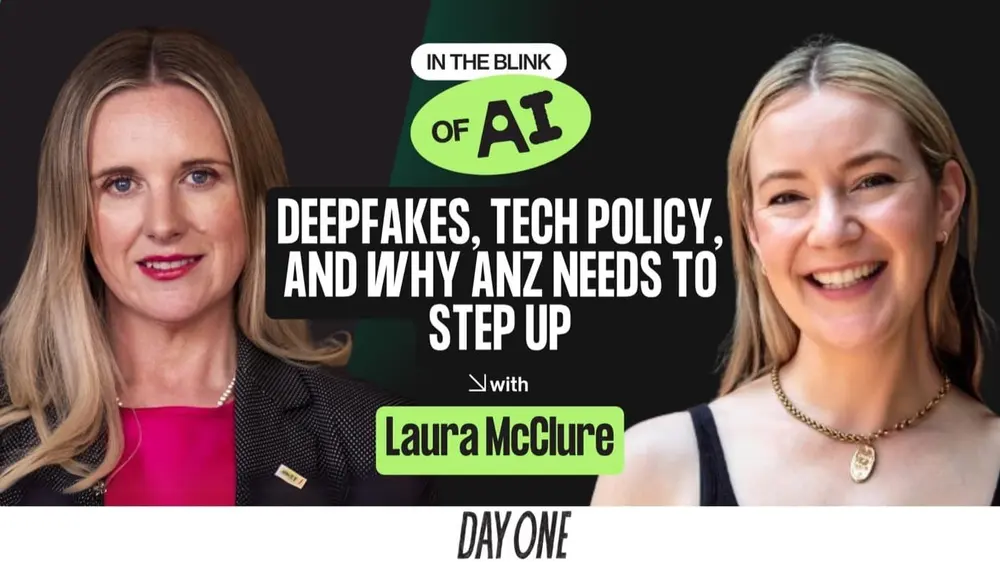
Why Laura Shared a Nude Picture of Herself in Parliament
Laura McClure, Member of Parliament for the ACT Party in New Zealand, joins In the Blink of AI to unpack her viral deepfake experience, her groundbreaking member’s bill, and why tech regulation must protect victims without stifling innovation.
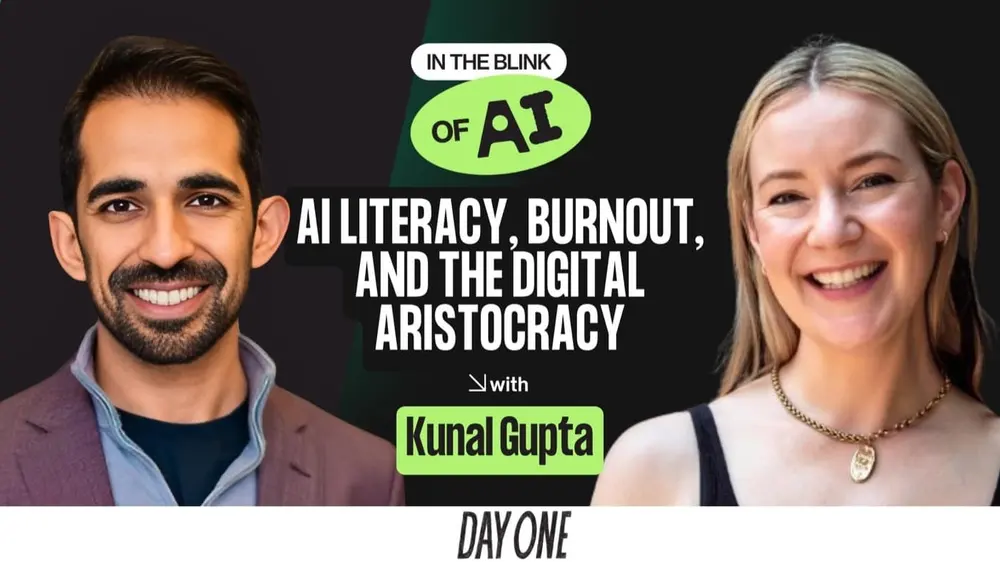
Kunal Gupta on AI Literacy, Burnout, and the Digital Aristocracy
Kunal Gupta, founder, investor, and author of 2034: How AI Changed Humanity Forever, joins Georgie Healy for a deep dive into the intersection of AI, self-awareness, and responsible innovation. From his base in sunny Lisbon, and with a live cameo from his AI clone, Kunal shares how meditation, writing, and intentional living helped him navigate burnout and build resilience in the fast-paced world of AI. This episode unpacks the rise of the “digital aristocracy,” explores the untapped potential of AI literacy as the next great equaliser, and reveals Kunal’s personal hacks for balancing the demands of a hyper-connected world. He also gives listeners an inside look at his acclaimed AI newsletter, Pivot Five, and why consistency, and curiosity, are key to building authentic communities in the AI era. Whether you’re an entrepreneur, AI enthusiast, or just trying to find balance in an AI-driven world, Kunal’s insights will inspire you to ask the right questions, and stay human at the heart of it all.
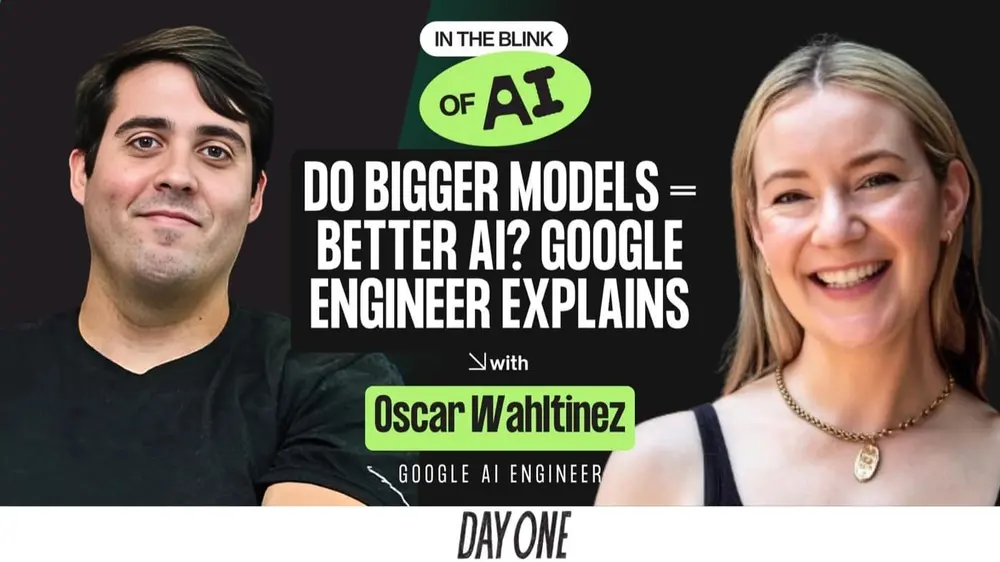
Oscar Wahltinez (Google) on the Truth About LLMs, Model Size Myths & Responsible AI
Oscar Wahltinez, AI engineer at Google Sydney and longtime advocate for responsible AI, joins In The Blink of AI to demystify the most hyped—and misunderstood—parts of the AI revolution. From model size myths and token prediction mechanics to the surprising truth behind model leaderboards, Oscar explains the inner workings of large language models (LLMs) in clear, human terms. With nearly a decade at Google—including time at the legendary Mountain View campus—Oscar shares his technical insights, product gripes (sorry, Google Assistant), and reflections on what it actually means to build AI responsibly. You’ll hear about the core innovations behind modern LLMs, the rise of decoder-only models, and the power of RAG systems and embeddings. He also calls on AI startups to stop obsessing over the models—and start building for real users. If you’re wondering how AI models actually work, what responsible AI looks like in practice, or whether AGI will be our greatest asset or deepest threat—this one’s for you.
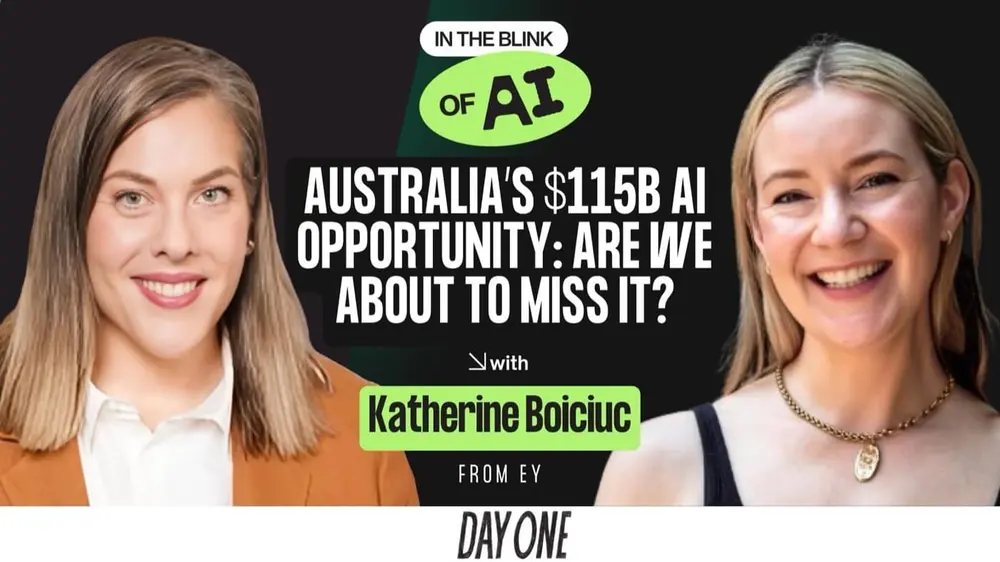
Katherine Boiciuc (EY) on Why Australia Must Lead - Not Lag, in the AI Revolution
Katherine Boiciuc, Chief Technology and Innovation Officer at EY Oceania, delivers a powerful wake-up call on why Australia is at risk of becoming a global AI laggard. With a unique perspective at the intersection of technology, innovation, and policy, Katherine breaks down how Australia, despite inventing WiFi, is sitting on the sidelines of the AI revolution, missing a $115 billion economic opportunity. She shares how EY has up-skilled over 85% of its 400,000-strong workforce in AI, built the world’s largest private AI platform, and implemented AI agents at scale, while most organisations are still debating their first AI hires. This episode dives deep into what Australia needs to do now to avoid falling irreversibly behind, from setting a bold national AI strategy to investing in mass up-skilling programs and embracing AI across industries like healthcare, financial services, retail, and energy. Katherine also offers inspiring and practical advice for women looking to pivot into AI, shares her favourite tools and productivity hacks (including the AI prompt that gives her “permission to log off” for the day), and calls on every listener to claim their seat at the AI table, before it’s too late.
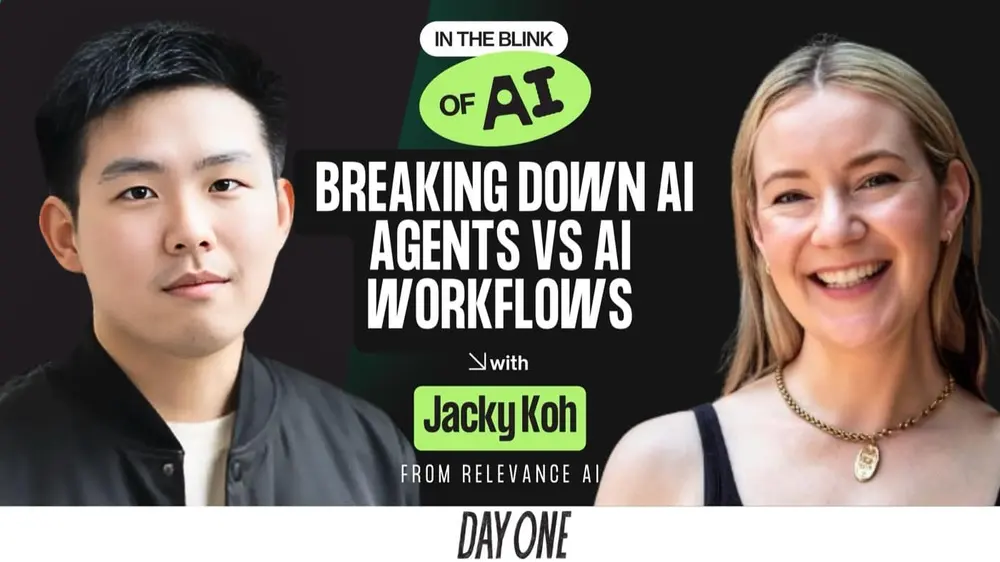
Jacky Koh (Relevance AI) on Building the AI Workforce and Why Most AI Agents Are Just Workflows
Jacky Koh, Co-Founder and Co-CEO of Relevance AI, has been building AI agents long before they became the hottest trend of 2025. Fresh off their Series B raise, Relevance AI is on a mission to democratise access to AI agents, making them easy to build for everyone, not just engineers. In this conversation, Jacky unpacks why most “AI agents” today are just glorified workflows, how real multi-agent systems will power the future of business automation, and why Australia needs to think bigger if it wants to compete globally. Plus, he shares the origin story of Relevance AI’s iconic pixel-art agents, how he leads calmly under pressure, and his spicy predictions for AI’s next black swan event.
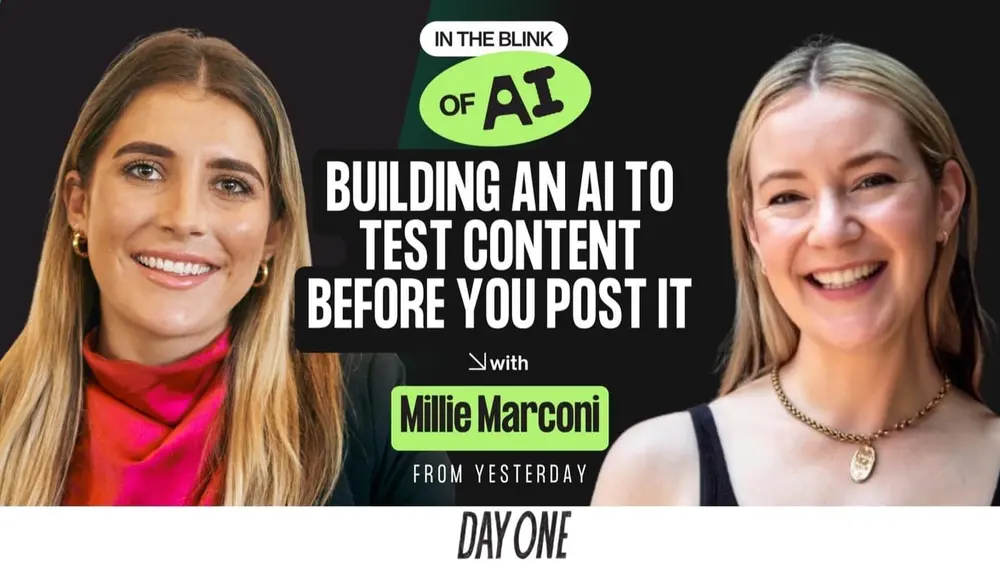
Millie Marconi on Building an AI to Test Content Before You Post It
Millie Marconi is the founder and CEO of Yesterday, and the creator of Test Feed, a breakout AI tool that lets users preview how their content will land with a synthetic audience before posting it online. In this episode, Millie shares the story behind building Test Feed after a viral LinkedIn post backfired and sparked a personal reckoning around reputational risk. We explore how synthetic audiences are making elite-level brand testing accessible to everyday founders, why building in public is both terrifying and empowering, and what non-technical founders can bring to the AI table. Millie also opens up about her nomadic lifestyle, her favorite AI tools (Claude and Gemini, anyone?), and the unexpected upside of being “canceled.”
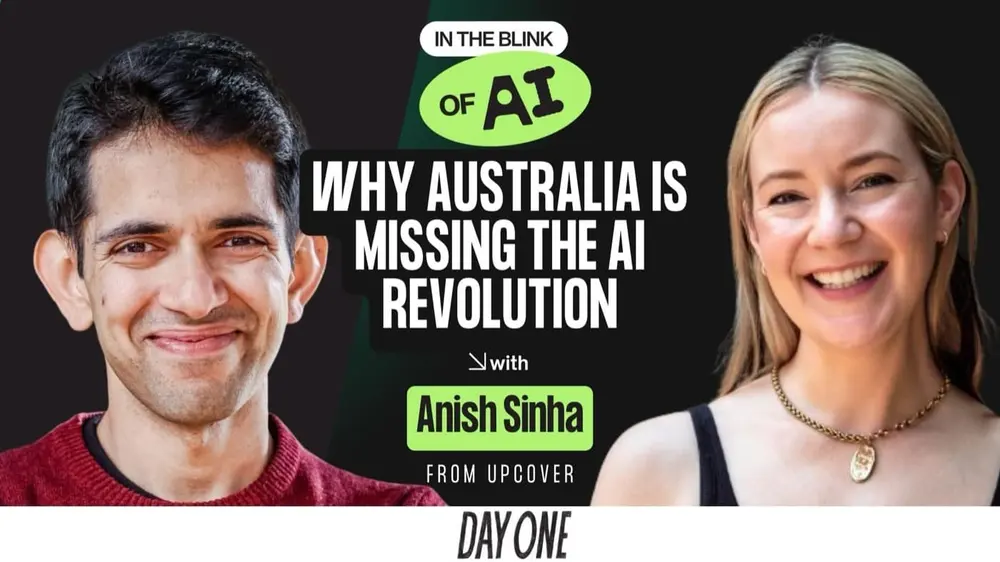
Anish Sinha (upcover) on How Founders Can Thrive Despite Australia’s AI Budget Blunder
Anish Sinha, co-founder of upcover, blends his background in finance, startups, and risk management to tackle one of Australia’s overlooked challenges: the future of AI and innovation policy. From building a modern insurance platform serving 60,000+ businesses to sounding the alarm on Australia’s absence of AI strategy, Anish’s story shows how bold thinking and practical execution go hand-in-hand. In this conversation, he shares insights on why the government’s silence on AI is a major risk, how Australia could learn from China’s tech playbook, and how AI agents will reshape the future of business operations — including in highly regulated industries like insurance.
Accelerating Discovery: Alain Richardt on AI, Quantum Chemistry, and the Future of Materials Science
Alain Richardt, founder of Atomic Tessellator, combines deep expertise in chemistry, quantum mechanics, and AI to accelerate groundbreaking discoveries in material science. From childhood experiments with toxic chemistry sets to building high-powered simulation tools capable of modeling complex atomic interactions, Alain’s journey highlights the transformative potential of marrying traditional chemistry with cutting-edge AI. In this conversation, he explains how AI-driven simulations now achieve results thousands of times faster than traditional methods, shares ambitious projects like developing fusion reactor materials, and reveals the exciting future of “declarative materials” where scientists specify desired properties, and AI generates the perfect material match.
AI Agents, AlphaGo & the $18B Wrapper: Will Liang on What’s Next in AI
Will Liang, former CTO and Executive Director at MA Financial and a LinkedIn Top Voice in AI, joins the show to unpack the real-world impact of AI on business. A professional Go player turned deep tech expert, Will shares why most AI agents are just glorified workflows, why Perplexity AI is winning without its own model, and how companies can move beyond AI as a buzzword to embed it into their core operations. He also weighs in on whether Nvidia will remain dominant, how Claude and Gemini stack up against ChatGPT, and what he'd prioritize if he were CEO of OpenAI.
Building Legal AI That Lawyers Can Actually Rely On (ft. Deeligence)
Georgie Healy speaks with Elena Tsalanidis and Justin Hansky, co-founders of Deeligence, a legal AI startup transforming the way law firms handle M&A due diligence. Both ex-lawyers, Elena and Justin share how their deep domain expertise led them to build an AI platform that accelerates contract review with accuracy lawyers can trust, without ever compromising on confidentiality.
How AI is Changing Law Firms Forever (Ft. Denise Farmer, Clio)
Denise Farmer, General Manager of APAC at Clio, the world's largest legal technology platform, joins Georgie Healy to discuss how artificial intelligence is reshaping the legal sector. With over 20 years in legal tech, Denise highlights why lawyers using AI will outperform their competitors and why fears of AI replacing lawyers are misguided. She explains how AI tools are eliminating administrative tasks, reshaping billing models beyond hourly rates, and opening the door for more accessible legal services. Denise also shares insights into Australia's progressive regulatory stance on responsible AI use, the ethical implications lawyers must consider, and practical steps for legal professionals adopting AI in their practice. This conversation offers clear insights into AI’s transformative impact on law firms, providing lawyers and legal tech enthusiasts actionable strategies to leverage these tools safely and effectively.
Meet Juno: The AI That Knows Your Customers Better Than You Do (Ft. Michelle Gilmore, CEO Juno)
Georgie Healy speaks with Michelle Gilmore, co-founder of Juno, an AI-driven interviewer built to deeply understand customers without bias. Michelle, a seasoned behavioural researcher, reveals the overlooked importance of thorough customer research, sharing why so many founders avoid it despite its immense value. She explains how Juno overcomes human biases in traditional surveys, enabling businesses of all sizes to access honest, real-time insights previously reserved for companies with large budgets.
Georgie Healy answers: Will AI Take Your Job? How to Thrive in an AI-Driven Future
Georgie Healy goes solo to address listeners' burning questions about AI's impact on jobs, careers, and the future of work. Drawing on insights from previous podcast guests, Georgie explores which jobs AI will transform, how professionals can adapt, and why emotional intelligence might be our greatest advantage. She also shares her personal journey, from chemical engineering to running Google's AI accelerator, offering actionable advice to stay competitive and fulfilled in an AI-driven world.
How AI is Making Games Uniquely Yours (Ft. Marty Burgess, Lightning Forge Games)
AI isn't just assisting game developers; it's changing how games are fundamentally experienced. Marty Burgess, CEO and co-founder of Lightning Forge Games (LFG), explores the game-changing (literally!) potential of AI agents that seamlessly replace players during internet outages, replicate pro gamers, and even play on your behalf. He reveals how LFG's AI-driven gaming tools aren't just for internal use, they're opening up a SaaS platform, Saturn AI, to share these innovations across the industry. Marty explains the concept of "perfect game balance" and "dynamic worlds," detailing how AI can deliver tailored gaming experiences suited precisely to individual players.
The Ultimate AI Toolkit for Busy People ft. Gareth Rydon
AI can transform how you work, and you don’t need to be an expert to take advantage of it. Gareth Rydon, co-founder of Friyay, breaks down some of the most powerful AI tools for productivity, from meeting transcription assistants to AI-powered shopping hacks. This episode dives into practical ways to integrate AI into everyday tasks, how to think about AI models like ChatGPT, Claude, and Gemini, and why you should stop stressing over perfect prompts. Plus, Gareth shares his insights on the evolving landscape of generative AI, the competition between LLMs, and which AI tools are actually worth your time.
Lorikeet’s $100M Bet on AI: Steve Hind on Scaling Smart AI Support with Lorikeet
In this episode of "In the Blink of AI," host Georgie Healy interviews Steve Hind, co-founder of Lorikeet, a leading AI customer support platform tailored for complex industries like FinTech and health tech. Steve discusses the evolving landscape of AI, addressing common misconceptions about its capabilities and the importance of prioritising customer experience. He emphasises that delivering effective support, whether through humans or AI, hinges on the intent and goals of the business. Steve elaborates on the uniqueness of Lorikeet's platform, which enables companies to train AI agents to handle intricate support queries, and highlights the significance of understanding the diverse needs of customers across various sectors. The conversation also touches upon the recent $14 million funding round for Lorikeet and the impact of AI technologies like Retrieval-Augmented Generation (RAG) in enhancing customer support. Throughout the discussion, Steve shares insights on the importance of empathy in AI interactions, the role of customisation in chatbot personalities, and the necessity for businesses to adapt to the fast-paced AI advancements. He concludes with a reminder to approach AI with a mindset focused on improving customer experiences, urging listeners to be kind to AI as it continues to evolve.
Revolutionising Pet Healthcare with AI ft. Jing Wei from Fetch
In this episode of In The Blink of AI, Georgie Healy chats with Jing Wei, Lead AI Engineer at Fetch, an InsurTech startup backed by Airtree. Fetch is leveraging AI to streamline pet insurance claims, making vet care more accessible and efficient. Jing shares insights into AI’s role in pet healthcare, tackling handwritten vet notes, PDFs, and complex medical data to speed up claims processing. She also discusses the rise of robotic pets, including China's viral AI guinea pig Boo Boo, and the implications of AI-driven pet monitoring. The conversation explores how AI is improving veterinary diagnostics, the challenges of building AI models, and the unexpected costs of running AI startups. If you’re curious about AI in pet healthcare, robotic pets, or the technical realities of AI adoption, this episode is for you!
The Investor’s Playbook: What VCs Look for in AI Startups
Episode Summary In this episode of In the Blink of AI, host Georgie Healy sits down with Danielle Haj-Moussa, an investor at Main Sequence, Australia’s largest deep-tech VC fund. As the first VC guest on the podcast, Danielle offers a rare inside look into what investors are really looking for in AI startups, how scaling laws are shaping the future of AI, and whether we are in an AI bubble. She dives deep into the intersection of AI and robotics, how foundational AI models are impacting real-world applications, and why Australian founders are uniquely positioned to thrive in deep tech. Danielle also shares her thoughts on AGI, AI bias, and compute efficiency, plus an unexpected insight into why so many deep-tech VCs are also DJs! If you’re a founder, investor, or just someone who wants to understand how AI startups succeed, this episode is packed with valuable insights.
Saving Lives with AI: The Story Behind Harrison AI
In this episode of In The Blink of AI, Georgie Healy sits down with Dr. Kevin Cheng, Chief Customer Officer at Harrison AI, one of Australia’s most successful AI startups. Harrison AI is transforming the medical field by developing AI-powered solutions that assist radiologists and pathologists in diagnosing diseases with greater speed and accuracy. Dr. Cheng shares the real-world impact of AI in healthcare, including a compelling story of how their AI system detected early-stage lung cancer in a UK patient, potentially saving her life. He also dives into the challenges of building AI in healthcare, the role of regulatory frameworks, and the future of consumer-driven healthcare innovations. The conversation covers AI’s potential to enhance medical workflows, reduce clinician burnout, and increase accessibility to quality healthcare—especially in underserved regions. Kevin also addresses common concerns about AI replacing human doctors and explains why he believes AI will always be an assistive tool rather than a replacement. This episode is a must-listen for anyone interested in the intersection of AI, healthcare, and innovation.
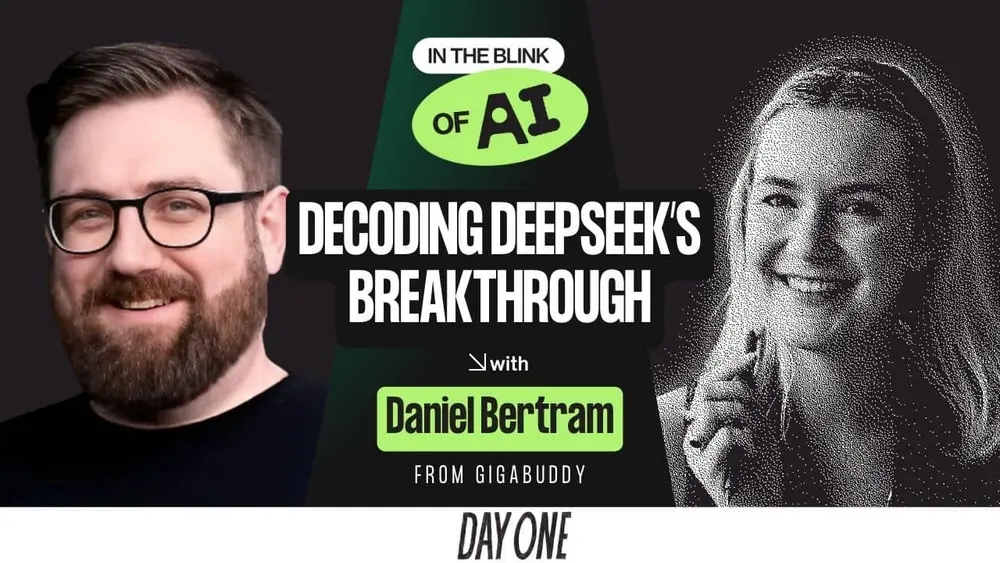
Decoding DeepSeek's AI Breakthrough: The $5M Model That Shook Nvidia
In this groundbreaking episode of In the Blink of AI, Georgie is joined by Daniel Bertram, CEO and co-founder of GigaBuddy, to unpack the breaking news about DeepSeek’s new AI models. Together, they dive deep into the implications of DeepSeek's R1 and V3 reasoning models, NVIDIA's market shake-up, and the broader context of open-source versus closed AI systems. They also explore AI ethics, privacy concerns, and what these developments mean for startups, investors, and everyday users. Whether you're an AI enthusiast or curious about how these technologies impact you, this episode offers invaluable insights.
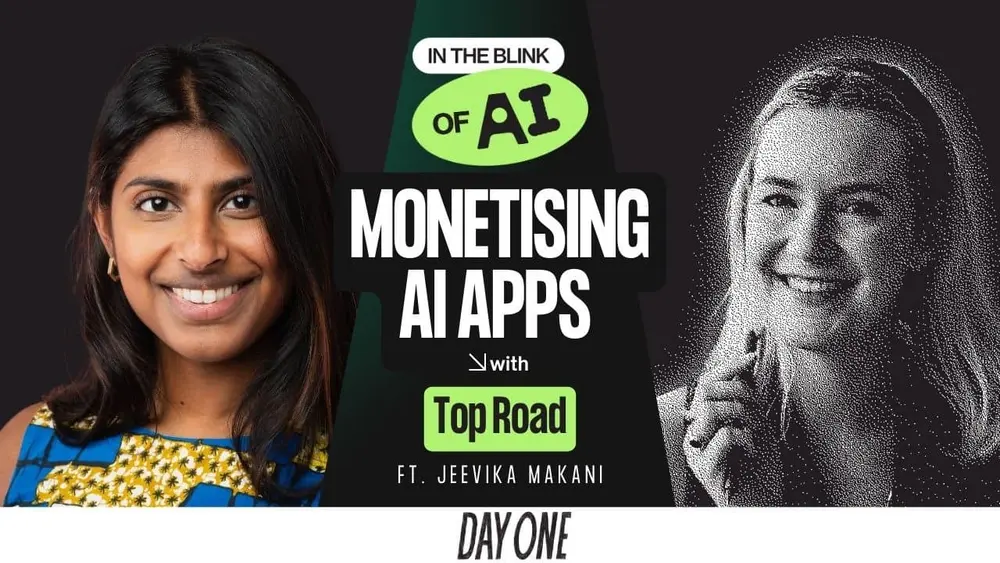
Democratising Generative AI: Jeevika Makani on Building TopRoad
In this episode of In the Blink of AI, host Georgie Healy interviews Jeevika Makani, co-founder of TopRoad and Y Combinator alum. Jeevika explains TopRoad’s mission to democratise AI by helping developers monetise custom GPTs in the OpenAI store. She reveals how “apps” (or GPTs) can offer more specialised functionality than ChatGPT alone, enabling end-to-end user experiences, like e-commerce fulfilment or streamlined travel planning. Jeevika also shares her experiences graduating from Y Combinator, discussing what founders need to succeed and why creating tangible value for users is more important than hype. Finally, she dives into the broader potential of AI, dispelling the notion that we’ve reached “peak” AI. According to Jeevika, the true AI revolution has only just begun.
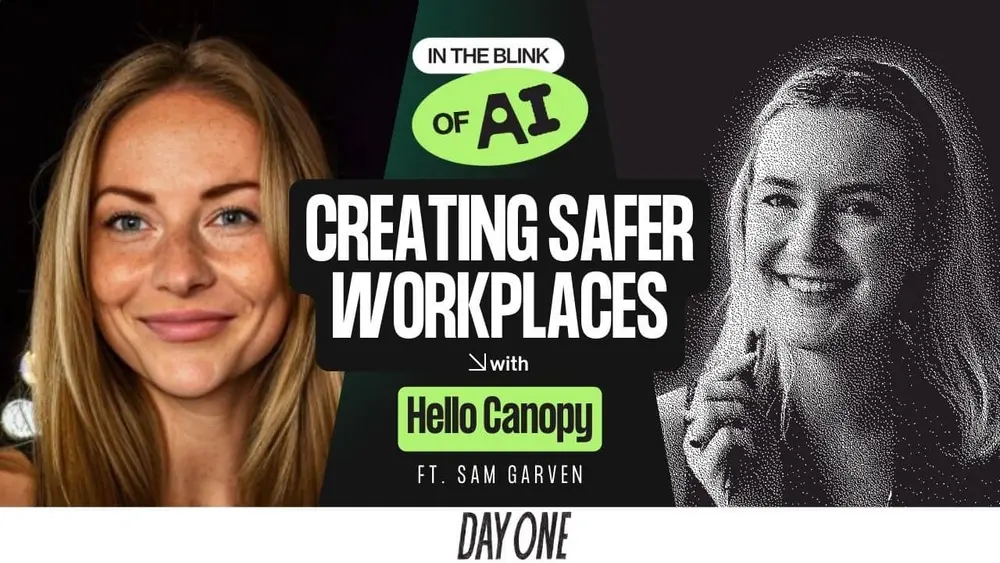
Sam Garven on Building Safer Workplaces with AI: Say Hello Canopy
In this compelling episode, Georgie Healy interviews Sam Garven, co-founder of Hello Canopy, a revolutionary AI-powered misconduct and psychosocial safety reporting platform. Sam shares her personal journey from experiencing workplace harassment to founding a startup aimed at creating safer workplaces. She discusses Canopy’s mission, the challenges of building an AI product as a non-technical founder, and the unique aspects of the Australian startup ecosystem. Sam also opens up about her experience with the Techstars Accelerator and emphasises the importance of building in public and embracing vulnerability. This episode is packed with insights on leadership, innovation, and resilience.
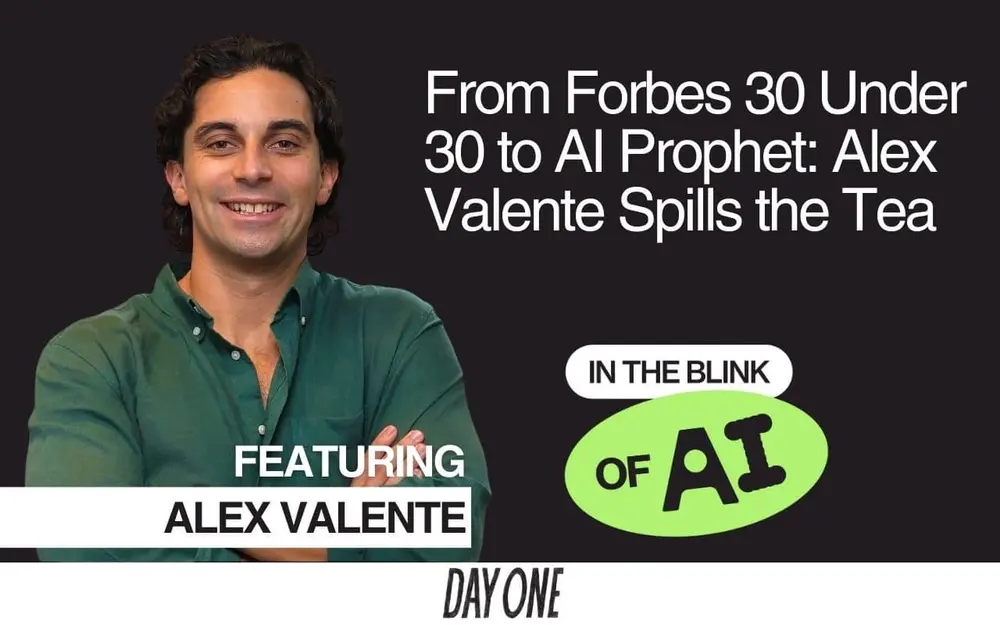
Forbes vs. Alex: AI Predictions That Hit or Miss
Join host Georgie and Forbes 30 Under 30 honoree Alex Valente on In the Blink of AI as they explore Forbes' top 10 AI predictions for 2025, from Meta’s Llama models to RoboTaxis and AI safety. A must-listen for tech enthusiasts and curious minds alike!
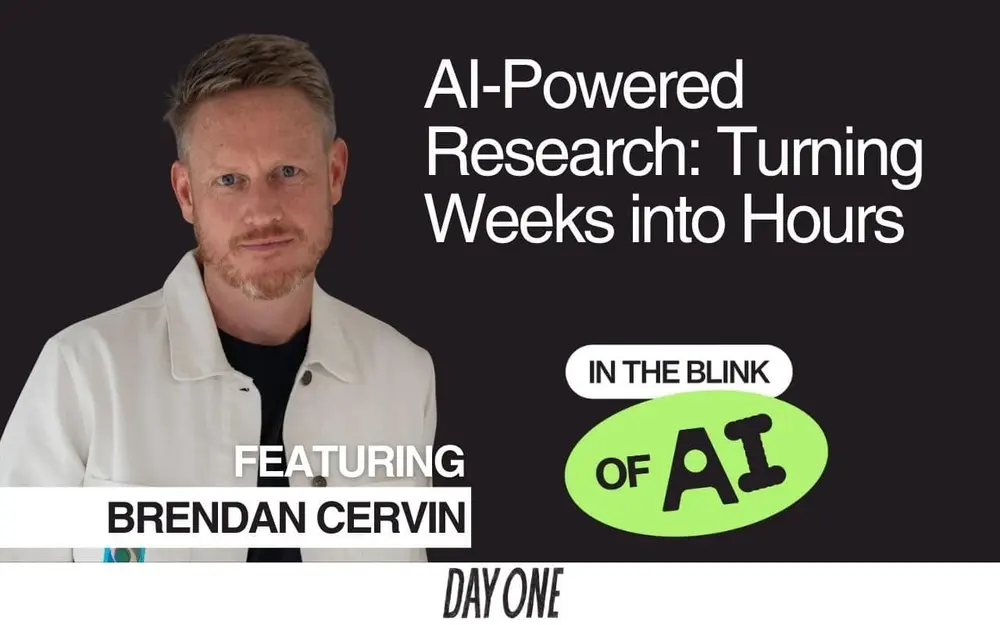
From Surveys to Insights Overnight: Brendan Cervin on Ideally’s Journey
Brendan Cervin, CTO of IDEALI, reveals how their AI-powered platform is revolutionising consumer research, enabling companies to access overnight insights. Learn how AI is reshaping market research and driving innovation in business processes.
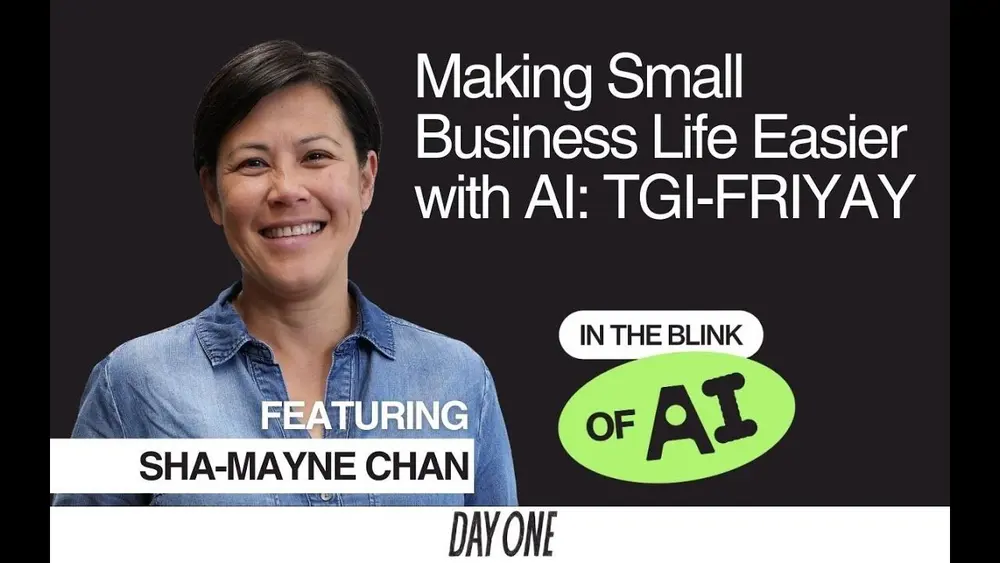
Building AI Autopilots for growing businesses: Sha-mayne's journey with Friyay.ai
Friyay co-founder Sha-mayne Chan on putting small businesses on autopilot — what AI can actually take off an owner’s plate, and why Australian SMBs are among the most hesitant in the world to try.
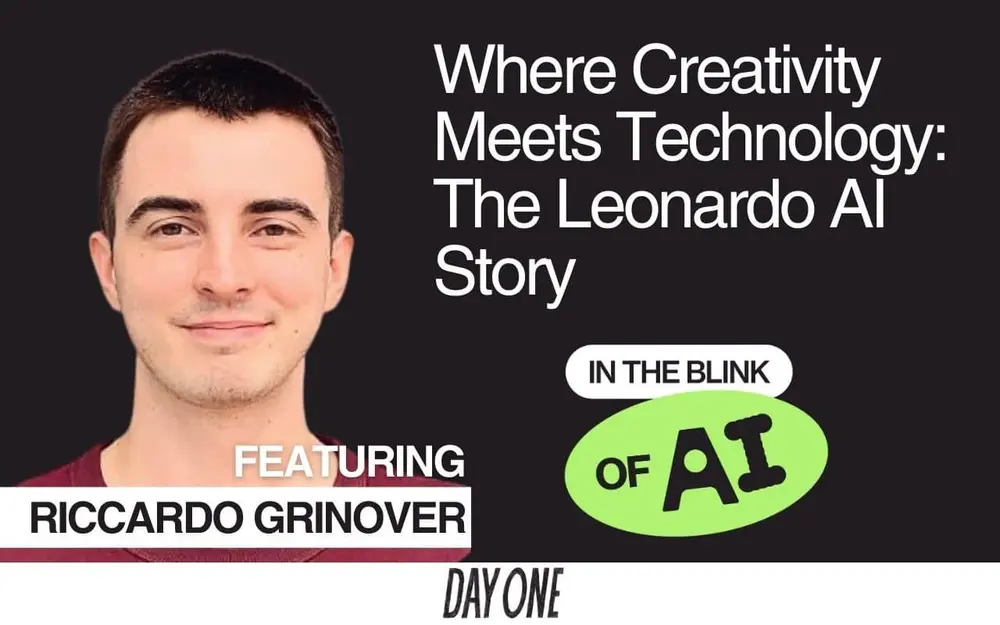
Creativity at Light Speed: Inside Riccardo Grinover’s Work with Leonardo AI
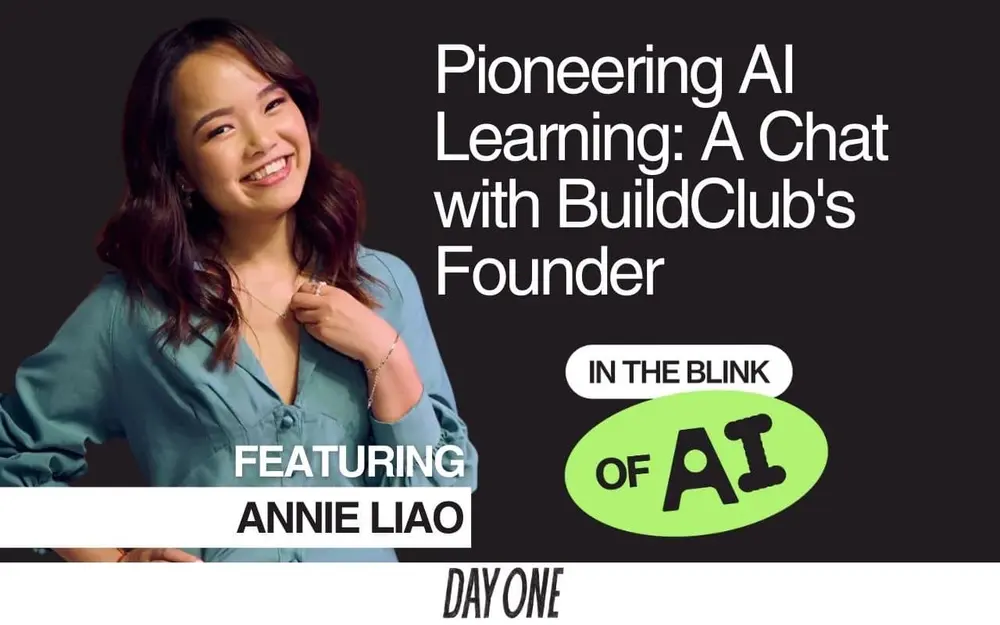
Scaling AI Education for Founders: Inside BuildClub with Annie Liao
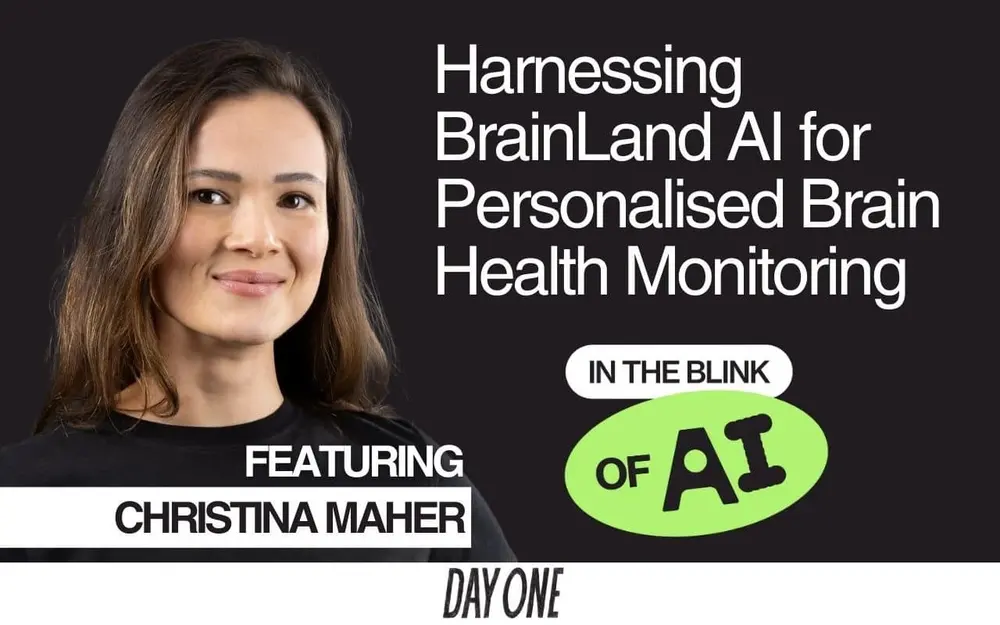
Innovating for Better Brains: Christina Maher's Journey with BrainLand

Simplifying Taxes with AI: Inside Angela Shi’s Journey with Luna at Empathetic AI
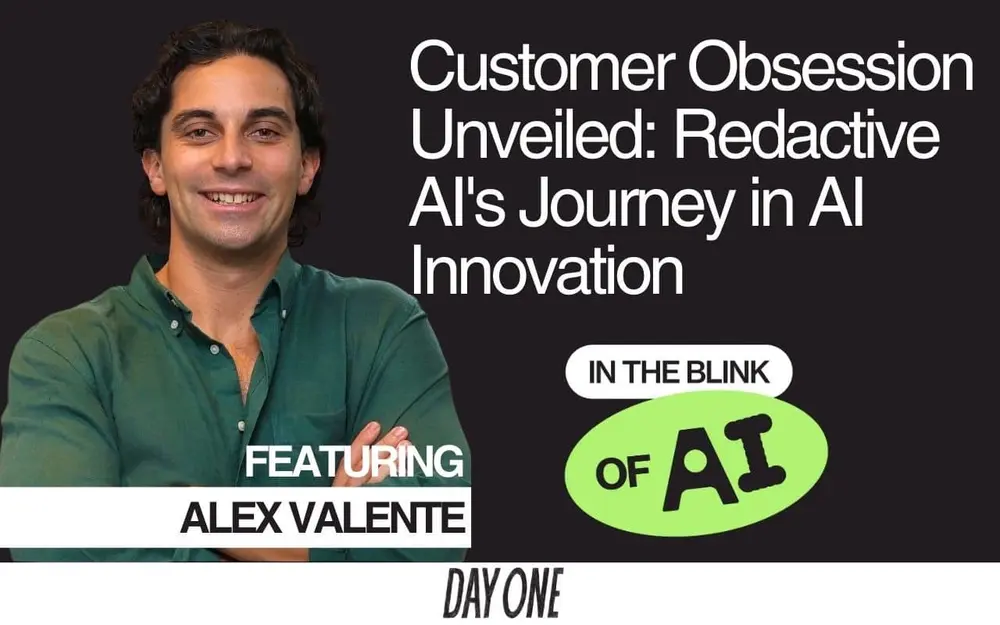
Navigating Founder Mode: Building Redactive AI with Alex Valente
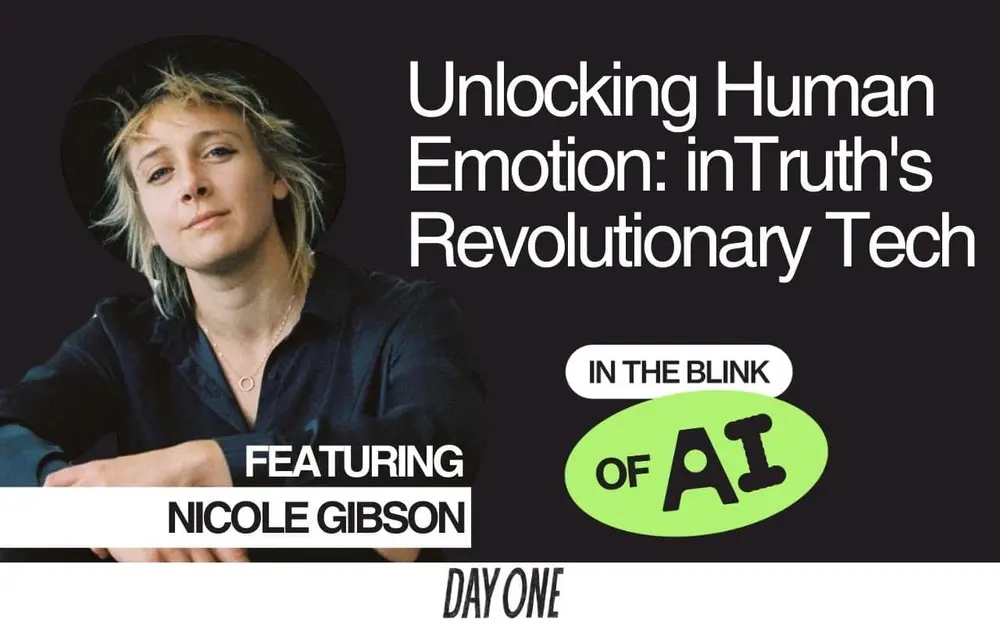
Mapping Human Emotions: Nicole Gibson on inTruth's Biometric Breakthrough
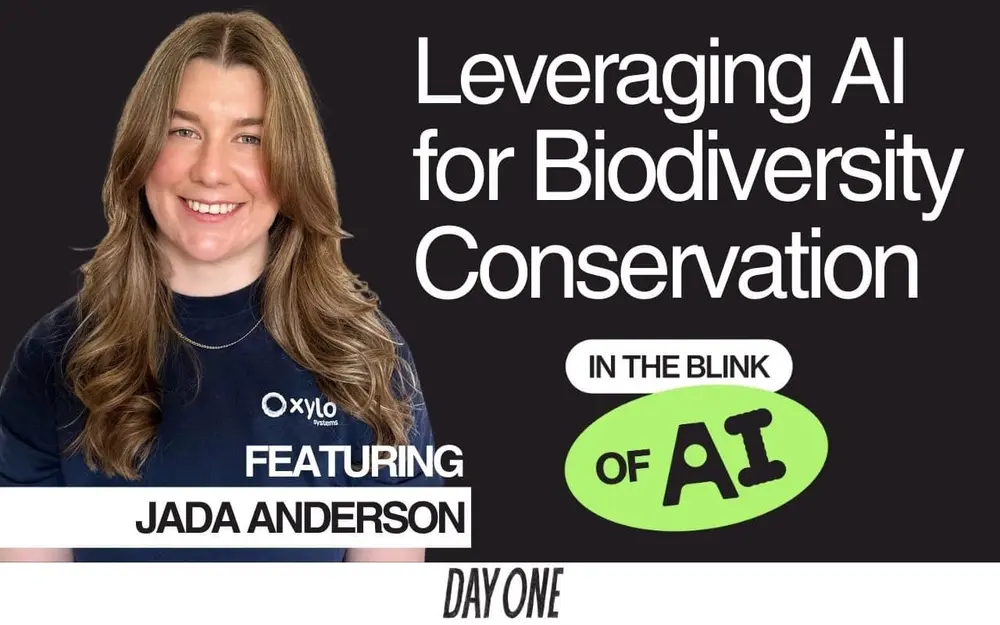
Leveraging AI for Biodiversity Conservation with Jada Andersen of Xylo Systems
[TRAILER] In the Blink of A.I-Conversations with AI Innovators
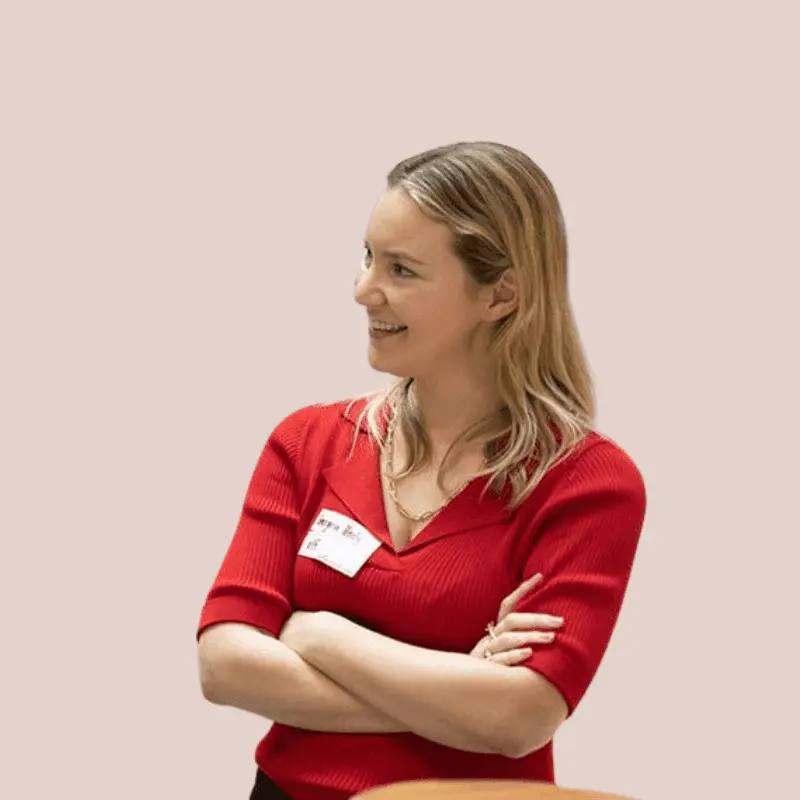
Georgie Healy
Georgie Healy is the host of "In The Blink of A.I.," a podcast that delves into the innovative minds behind Australia's AI startups and scale-ups. With over 20 years of experience in engineering and technology, Georgie engages with founders, product builders, and industry leaders to discuss the challenges and opportunities within the AI sector, aiming to make the Australian startup ecosystem more transparent and connected.
If you like In The Blink Of AI with Georgie Healy, try these

In The Blink of AI is produced with Day One — the podcast network for founders, investors and operators, and the team that helped build Blackbird Ventures' Wild Hearts. Want a show like this for your company?