Transcript Synced · select any line to jump ▾ 0:02 Cheryl Mack: Founders scale faster on Deel. Set up payroll for any country in minutes, hire anyone anywhere, get visas handled fast, and get back to building. Visit deel.com/dayone. 0:15 Maxine Minter: That's D-E-E-L.com/dayone. 0:21 Cheryl Mack: Are you building a SaaS business and looking to achieve compliance with SOC 2 and ISO 27001 or other security and privacy frameworks? 0:32 Maxine Minter: Compliance can unlock major growth and build essential customer trust, but let's face it, it's usually time-consuming and expensive. 0:37 Cheryl Mack: And like really kind of a pain. That's where Vanta comes in. Vanta automates up to 90% of customer compliance tasks, making you audit-ready fast and saving you up to 85% of the associated costs. Plus, Vanta scales with your business, offering a market-leading trust management platform to continuously monitor compliance, unify risk management, and streamline security reviews. Join 7,000 global companies, including Atlassian and Dovetail, that trust Vanta to build and prove their security in real time. 1:03 Maxine Minter: And for our listeners, Vanta is offering 10% off. 1:06 Cheryl Mack: Just go to vanta.com/first. That's vanta.com/first. 1:14 Maxine Minter: Okay, 3, 2, 1. 1:19 Cheryl Mack: Hey, I'm Sheryl. 1:20 Maxine Minter: I'm Maxine. 1:20 Cheryl Mack: This is First Check, part of Day One, the network dedicated to founders, operators, and investors. 1:25 Maxine Minter: If you want to be a better early-stage investor, this is the show for you. 1:28 Cheryl Mack: So TL;DR, if you don't want to suck at investing, listen up. We have another ex-investment banker coming on the show today, and I have a question because we seem to have a lot of ex-investment bankers in the VC space, and I don't know a lot about what they do, but it seems to me I've heard that they make a lot of money. So I'm wondering why in the world would anyone go from like, I do all this stuff at a really high level and make lots of money to, hey, I'm going to go into VC where the long tail of making money is very far away and the feedback loop is just like absolutely brutal. Do you have any idea? 2:12 Maxine Minter: I don't know. Like, it's more fun, it's more interesting. You work closer with the founders. I don't know. We should ask her. 2:18 Cheryl Mack: We should. 2:20 Maxine Minter: I mean, I think Christina is one of those people who is deeply thoughtful about the stuff that she does, and I am confident she thought a lot about why to make the move. So I'm really excited to see what she thinks. We'll spring it on her. Excellent. I need to have all of my burning questions answered about investment bankers and why they moved to BC. Right, but I'm so excited to have her on the podcast today. So we've got Christina Farr from NewView Capital. She is a growth stage investor based out of San Francisco but invests globally. So she has this really interesting perspective across ecosystems and also across stages because she has to cover them all to be a great growth investor. I mean, you and I are early stage investors and I wouldn't say I'm particularly knowledgeable about growth stage, so excited to get a primer here from one of the best growth stage investors. Yeah, what is growth stage? What does that even mean? What is growth as a concept? 3:08 Speaker: What is that? 3:10 Maxine Minter: So yeah, excited to have her on. She also has a really interesting perspective on secondaries. NuView does a very interesting secondary strategy, and this is a strategy that's popped up a lot over the last 2 years, where companies were struggling, early-stage investors and also early-stage employees, and sometimes even founders were looking for liquidity off the table. So excited to dive in with her there and just kind of pick her brain about what she's seeing up, up there in growth. That's to get us a good perspective across what's happening. We can ask her how the weather is up there. Hello, how's the weather in the stratosphere? 3:44 Cheryl Mack: Um, I think the secondaries angle is actually really interesting because we have such a nascent secondaries market in Australia and It's actually been the talk, probably the number one thing that I hear all the time recently from VCs across the board because of the whole kind of like liquidity crunch and like, how do we get exits and how do we find liquidity in this market? We just don't have the right answers. I don't know if that's 'cause our, the structures that we use or we haven't had that much demand, but I think it's something that's going to change a lot, like a huge drastic change in the next like 3 to 5 years. 4:20 Maxine Minter: 100%. Yeah, I can't wait to have her on. 4:23 Cheryl Mack: Get into it. 4:24 Maxine Minter: So excited to have Christina Bar here from YouView. I have been really looking forward to this conversation for ages. My wonderful conversations with Christina in the past, I just feel like I come away educated, especially on growth and especially around secondaries every single time. So excited to dive in and nerd out with you on those. But the question we ask everyone before we kick off is what's the first thing you ever invested in? 4:47 Christina Fa: This is a bit of a cop-out answer. I think the first thing that like I or my family ever really invested in collectively is probably the education of me and my sisters. It's, I think for any immigrant family, education is always such a big focus area. And so my family is no different. What it taught me wasn't so much the content, right? Like I've never had to do calculus a single day in my life in the real world, but I think it teaches you the value of hard work, work ethic, grit, focus, resilience, time management, right? All things that are very, very important in the world of investing. 5:21 Maxine Minter: Absolutely. I actually have been thinking about this recently, but the value of a lot of like meta skills that you learn, both studying and studying hard subjects at university, but also the kind of early career. I saw you were obviously an investment banker early on in your career. And actually, like, sure, there's lots of tactical skills you learn there, but there's lots of meta skills you learn that I think are crucially important for success later on. Like, one, how to grind. Two, like, how to manage upwards. 5:53 Cheryl Mack: How to work with difficult people. 5:55 Maxine Minter: Right. Yeah. Yeah. How to manage people yelling at you, et cetera. But when you think about your education, like, there's obviously the content, right, that you learned, but what jumps out to you as the most important skills you learned in education that have been most useful that you still use today? 6:10 Christina Fa: I think sticking to the task irrespective of how hard it is. Investing, similarly to learning something new, is you're constantly learning about new things, whether it's a new area of focus, a new trend, a new business model, a new sector. I think you really reap a lot of rewards when you get to that like aha moment. Happens in math, happens in physics, happens when you're learning about a new company. There's like this like aha moment that like ticks through. And I think it's such a rewarding feeling to have when you've done the hard thing and you've like stuck to your guns for a long time. 6:45 Cheryl Mack: Yeah, I think that's a really important skill to have. One of the things that maybe fed into your education, and we were just talking about this, Maxine and I, is you went in and became an investment banker before becoming a VC. And I've noticed that there's a lot of ex-investment bankers in the VC world. Well, what do you— why do you think that is? And what made you make the jump? 7:04 Christina Fa: I think it happens more at the growth stage. So you won't see it quite as often in like early seed stage investing. I think the reason is because look, at the growth stage, the type of diligence that we do is probably a little bit different to the diligence that you would do at an early seed stage, angel stage check, right? We were often looking at financials. And I think building out that foundation around Understanding the P&L statement of a company, knowing how to navigate Excel, knowing how to dig through a data room. All of those are skill sets that you sort of pick up and you learn along the way. And so investment banking is a great foundation for you to pick that up and learn it. 7:43 Cheryl Mack: P&L, crazy. Are you sure you're not using those calculus skills? 7:48 Christina Fa: Addition and subtraction only. 7:51 Maxine Minter: Oh, right, right, right. Okay. So third grade. Got it. I mean, I feel like investment banking absolutely, the skills are transferable. One of the things that Cheryl and I was saying, like in Australia, Australia, first of all, the base rate of lawyers in the Australian population is like outrageously high. And I think kind of translated into the VC space, both early and late stage, is a way overrepresentation of former lawyers. And that makes sense to me, right? Because law for most people is like fairly boring, pretty grind-oriented. So it makes sense to me that lawyers would want to go and do something like VC. It's much more fast-paced. It's much more interesting. Much more human. But as an investment banker, like, yeah, you've got the skills, but why actually make the move? Like, why does VC actually attract investment bankers to a greater degree? 8:36 Cheryl Mack: And don't you make less money? 8:37 Christina Fa: This honestly probably depends on like what level you're, you're making that move over. In investment banking, if you think about your day-to-day job, or like at least my role at the time, it was in the M&A team or the general industrials team or a coverage team. What that means is you are generally helping companies navigate a merger and acquisition or an event where they're like going public, right? A private company IPOing. Now I think what investment banking teaches you is process management and you understand what does it mean and what do you need to go through? How do you value a company during one of these transactions? And like valuation is a key skill that you learn during your, during your investment banking days. And but like what you're doing in banking at the time is really like a lot of understanding and managing that process on behalf of your client. What you don't get to do is you don't really get to see, well, like, like after the process is finished and the transaction's closed, you don't really have that ongoing relationship with your client again, right? Until they want to do another big transaction. You don't necessarily know how a company is run. Reasons why a lot of bankers move into, move into investing is because Hey, I understand this is a great company. I got really excited about it. I really believe in the problem that they're solving. And so how do I maintain that long ongoing relationship with them? How do I actually invest in this company? How do I put my money where my mouth is? Right. I think if you are a banker, you're often pitching and you're saying, hey, I think this is a great company. You should buy them. And if you really believe it, then you should, then you should do it. But like banking doesn't really give you that opportunity to do so. What it does teach you is your ability to navigate and understand financial statements of a company. Investing then allows you to make that decision and, you know, have conviction in your decision. 10:27 Cheryl Mack: Hmm. Makes sense. That's actually really cool. 10:30 Maxine Minter: Yeah, that makes sense. 10:32 Cheryl Mack: So maybe that kind of begs the question, like, what exactly is growth VC or growth stage? 10:36 Maxine Minter: Yeah, we'd love a 101 primer on growth stage investing. Like, where does it start? What is it? Why does it exist? What's the role that it plays in the progression of a company? And as investors, take us back to brass tacks. 10:50 Christina Fa: We should probably call out the different purposes of why we even segment early versus growth stage capital. Like, what is that distinction? The purpose of early stage venture capital is to invest in early ideas, early teams, early people who are probably still like experimenting and they're playing around. To see if there's something here that might work, right? Growth capital, on the other hand, by contrast, your— the capital is there to enable the products and ideas that have been proven to work. And it's about how do I build this now into a large company? So the question at this point becomes, how do I scale this? And then also from there, like, it's how do I win? How do I dominate this market? I think there's a very natural tendency for winner takes all, or you know, winner-takes-most dynamics in technology and software. And that's really where growth stage capital comes in. The general consensus of like where growth starts and where like early stage ends is it's probably somewhere around like Series B, Series C. But like broadly think of it as when a company has found product-market fit and they are ready to scale. 12:01 Maxine Minter: Super interesting. My mental model had always been that kind of Series A is the point at which you've like found product market fit. And actually I think it's a dominant perspective in Australia, right? Like Series A is the point at which you found product market fit sufficient to like start thinking about building the company around it. Has that shifted over time? Is my definition off base? 12:22 Cheryl Mack: Spoken like a true early stage investor. 12:25 Christina Fa: Yeah. Yeah. Let's, let's define it. Like what does product market fit mean? 12:30 Maxine Minter: Great. 12:31 Christina Fa: The way that I think about it is you've built a product that customers want to buy. Right, at a price and at a margin structure that enables a sustainable business longer term. That's part one. Like, part two is you found these customers, they stay, and they retain long enough for you to like make back your CAC, and ideally, and then some, right? And now if you can prove both these points, what you then really need is, is capital to pour gas on the fire. And you want to scale that like customer acquisition motion again and again and again. And then you do that enough times, it's repeatable, and then you can build a big company coming out of that. I agree with you that there's traditionally been a notion that product-market fit is found at Series A, but like these days, like what you want to call your fundraise round is all kind of alphabet soup. More and more often I see it at Series B. It is potentially because we had a lot of craziness in 2020 and 2021, right? And so I think that seed to a graduation rate potentially was higher than what we would've seen historically. When we think about product market fit as growth stage investors, like that's what we're doing diligence on and that's what we're trying to prove to justify does this company need more capital to, to grow and scale? 13:49 Maxine Minter: So interesting. Yeah, I, I agree. I think it's like we are, we seem to have just like moved down a noun, but the de-risking points still seems to be the same somewhere between kind of 2021 and 2023. It seems to have shifted. And so it ends up being kind of pre-seed, seed, and like in some cases Series A starts to all be like narrative progression to product market fit stage. And then now kind of like between Series A and Series B is like you found product market fit, you found a repeatable motion. We understand the mechanism of growth here. So we're ready to pour capital on that mechanism of growth and think about horizontal expansion or like expansion of product. So what does that mean in terms of the size of the Series B like on the bottom end, what for growth capital, like what is the average size of checks that are being written or like investments that are being made at those stages? And what are the kind of traction points that on average you're seeing at that stage? 14:46 Christina Fa: On average, like I can tell you like historically, like Series B generally looked like a company that was getting to like $5 to $10 million of run rate revenue. And that's sort of about when growth stage investors are saying, hey, it kind of looks like you're able to demonstrate and prove product market fit now. That, that threshold came down a lot during the, the craziness of 2020 and 2021. And so instead of 5 to 10, it looked more like 1 to 5. And then in terms of round size, I would say like average Series A round is probably around like $10-15 million. And so the average Series B round is probably somewhere around like, call it $20 to $30 million on average. 15:27 Maxine Minter: Super interesting. Yeah, it's amazing, isn't it? Just as a side note, how quickly stuff changes in our industry. Or maybe I've just lost track of the space-time continuum, but like 4 years is, you know, not, if I think about kind of the progression of time we're talking about here, right? Like 2020 to today, 4 years in the grand scheme of things is a very short period of time, but a lot of these metrics have moved quite significantly over that period of time. 15:51 Christina Fa: Totally. 15:52 Maxine Minter: You know, and having to kind of get a sense of where stuff is moving and how it's contracting back. And also like the founders, right? We're in this all day, like we're transacting day in, day out in this marketplace. But for a lot of the founders, they're transacting like one time in that period of time. Mm-hmm, mm-hmm. 16:09 Cheryl Mack: Yeah, the poor founders, they're like, hey, but I heard the metric was this. It's like, no, that was yesterday's metric. Like, now it's this. Like, anecdotally, the metric I heard all the time was you have to get to a million ARR in order to do your Series A, but that's changed, right? I think that like a lot of founders, I still hear them saying like, oh yeah, we're trying to get to 1 mil ARR so we do our Series A. I'm like, oh, I'm sorry. Thanks for playing. 16:33 Christina Fa: Interesting. What do you guys see in Australia? Like, do the numbers that I mentioned, does that translate to the Australian ecosystem? Is that consistent? 16:41 Maxine Minter: My experience, no. My experience has been that in the Australian ecosystem, I don't do a lot of Series A and almost no Series B. I get to— my only vantage point is like companies I've invested in going through those. 16:54 Christina Fa: Yep. 16:54 Maxine Minter: So based on the anecdotes I hear from investors and like the guidance I hear investors giving companies, the range I hear from them is, hey, we want to see somewhere between $2 and $5 mil ARR, AUD, before we're willing to do a Series A. 17:08 Christina Fa: Really? Oh, okay. Interesting. 17:10 Maxine Minter: Yeah. Which has been super interesting. 17:13 Cheryl Mack: Yeah. 17:13 Maxine Minter: But then, like, we all know there's kind of like a range there, right? Like, that's the guidance they give, and then they do a Series A with $100K ARR for the right kind of company. So there's like the rule and then all of the exceptions. 17:26 Christina Fa: Yeah, yeah. 17:27 Maxine Minter: What have you seen, Cheryl? 17:29 Cheryl Mack: Yeah, the guidance I hear most often is now the $2 mil ARR mark for Series A. That, but again, has, it has so many exceptions, right? And I think Australia is doing a lot more like deep tech and med tech and climate tech where like those types of numbers just go out the window. So like on average, you're not seeing quite like a concentration. I think we're seeing a lot more like a range between like $200K and $5 mil here. One of the things that I think is interesting is the narrative around how the later stage valuations have been more impacted by the last like 6 to 12 months. Like, is that something that you're seeing at your stage? 18:09 Christina Fa: Definitely. I think we have to remember that like during the, the ZIRP era, there was a lot of capital that flowed into the private venture ecosystem as a whole, right? And it started, I would say, actually more at the later stage. And so when you have a ballooning supply of capital in the ecosystem, what— and, you know, Macroeconomics 101— like, what that means is prices go up. That, that definitely happened in the growth stage first. I would say now we have returned back to a much more normalized state. And typically what you'll see is private market valuations will generally follow where public market valuations are. I think public market valuations also ballooned during the ZIRP era. And nowadays, if you look at public companies today, you don't really see very many companies that are growing much more beyond 30% year on year. I would say the, like, the very well, very highest performing SaaS companies today probably trade somewhere between 10 and 20 times next 12 months revenue. 19:14 Cheryl Mack: What are you calling it? ZIRP era? 19:18 Christina Fa: The zero interest rate phenomenon. Maybe that, maybe that abbreviation hasn't quite caught on in Australia yet. 19:24 Speaker: No, Maxine, have you heard that? No, that's my first time. Zero interest rate phenomenon. 19:32 Maxine Minter: Growth stage jargon coming down to the early stage. 19:38 Cheryl Mack: ZIRP, okay, calling it the ZIRP era. So wait, what is the ZIRP era? Is it the entire time where there was a zero interest rate? 19:45 Christina Fa: Exactly, yeah. 19:46 Cheryl Mack: Learned a new word today. Are you building a SaaS business and looking to achieve compliance with SOC 2 and ISO 27001 or other security and privacy frameworks? 19:57 Maxine Minter: Compliance can unlock major growth and build essential customer trust, but let's face it, it's usually time-consuming and expensive and like really kind of a pain. 20:04 Cheryl Mack: That's where Vanta comes in. Vanta automates up to 90% of customer compliance tasks, making you audit-ready fast and saving you up to 85% of the associated costs. Plus, Vanta scales with your business, offering a market-leading trust management platform to continuously monitor compliance, unify risk management, and streamline security reviews. Join 7,000 global companies, including Atlassian and Dovetail, that trust Vanta to build and improve their security in real time. 20:29 Maxine Minter: And for our listeners, Vanta is offering 10% off. 20:31 Cheryl Mack: Just go to vanta.com/first. That's banta.com/first. 20:41 Maxine Minter: So how is it now, right? Like with those, with the market contraction, obviously during the ZIRP era or on the other side of the ZIRP era and that kind of moving through to the growth stage, there's obviously been an increase in activity in the markets. While IPOs haven't sped up, we have had kind of a few start to move through. Sentiment seems to be rebuilding. So what's happening at growth stage? Are you seeing an increase in activity? Is it staying stable? Like, what's happening to valuations? 21:12 Christina Fa: Yeah, yeah, yeah. If you had asked me 12 months ago, I would've told you it's still very quiet. Things have definitely picked up in the last 6 months or so. I would say like AI is a big driver of that. If you have an AI story, and this is the same thing with like public market companies as well, a lot of investor attention, growth activity is starting to come back. We should never really expect it to get ever back to like the 2020, 2021 crazy era. Like that was a very super, like, unhealthy, unsustainable time. Valuations aren't getting back to those points either. We're just, we're just restabilizing, right? Back to a, call it 2017, 2018. I don't think we're quite there yet. Even I think we're still below that, but there are definitely sort of early green shoots of activity. Investors are definitely deploying capital. We're seeing some really exciting companies. And so yeah, things are coming back, which is nice. 22:04 Cheryl Mack: I like that. Green shoots seems to be a theme. 22:07 Maxine Minter: Yeah, for sure. It's interesting. I remember kind of early 2023, maybe late '22, I heard Bill Gurley talking about some research that Benchmark did on the previous cycles of kind of risk appetite in the market. And you know, what seems to happen in venture historically had been, you know, risk appetite, i.e., like valuations, round size, et cetera. The level of traction people are looking for, all of those features build slowly over time and then they come off really quickly. 22:40 Cheryl Mack: Yeah. 22:41 Maxine Minter: And then they build slowly over time and they come off really quickly. So, you know, I'm proceeding on the assumption that it builds slowly over time. I'm interested this time around though, whether that will be true because there's so much more understanding of venture as a space, right? In the last couple of cycles. Venture was much more of a cottage industry and now it's a much bigger industry. Because of that, because of the maturity of the market, I feel like we're better at assessing and understanding the opportunity in venture. So I'm intrigued to see the pace at which that appetite rebuilds this cycle and the risk rebuilds. What do you think? 23:17 Christina Fa: Yeah, I think this cycle, the recovery is happening simultaneously in conjunction with a big platform shift. So I think the speed is coming back a little bit faster. We see some pretty spicy valuations here and there and it's, everyone's just like, wow, we are so back. And I think when there is a huge platform shift and like with the GenAI innovation that's happening in the market right now, like when that happens, investors get naturally very excited. Like we're all looking at like the OpenAI Demo Days, the Google Gemini Demo Days, and we're seeing like, wow. You know, in, in a few years' time, like the way that we interact with software is going to be fundamentally so different to how we have interacted with software in the past. You know, instead of going to a website, reading everything on the website, synthesizing it yourself, you'll just ask a chatbot who will give you the right information at the right time. Like, isn't that crazy? How insane is that? And so like, I think when we see such a crazy platform shift occur in that, like, this technology has now gotten to a point where we can build a very different way in terms of how we interact with software in the future. I think that gets people very excited. And naturally, that means you're going to see a lot more capital and a lot more interesting developments in this, in the space. And so the recovery in venture and tech is coinciding with this huge platform shift right now. And so I think that recovery is going to be a little bit faster. than what we've seen in historical trends. 24:46 Cheryl Mack: Nice. That's what we want to hear. 24:48 Maxine Minter: So what are you seeing at the moment in terms of like what kinds of deals are getting done really quickly, like hot deals? What are folks getting super excited about? I mean, obviously I think GenAI is part of that, as you mentioned, right? Like it feels like a consensus view that like the LLMs and AI is a massive platform shift. And so people are kind of heavily investing there. But what kind of companies are you seeing as being really hot? One of the features of them. 25:12 Christina Fa: I think Gen AI is a platform shift, but the types of companies that we as growth stage investors get continue to be excited about is like, does this company demonstrate really impressive product market fit? And this all comes down back down to that. Usually what that means is high growth, but right now we also really value efficient growth. The third leg to the stool is, you know, do we think that this company is extremely defensive? What they are building today, do we think that this will persist for some period of time such that we can build a very large, durable, sustainable company on the back of this? And I think that is a question mark at the moment with a lot of the really exciting companies that we see in the GenAI space. It's obviously a very exciting space to be investing in. It's also a really difficult space to be investing in, right? I think about this in the framework of like exploration versus exploitation. Exploration being, hey, there's still so much more new innovation that's still to come out. We're not at the point where we can exploit this to build something that has core defensibility. There's that push and pull between the two. If you're investing in the AI space at the moment. 26:23 Maxine Minter: It is. You're right. It's like so exciting and so hard because it is such high pace and so much change. I really like that framework. 26:30 Cheryl Mack: And we're still so early in the cycle for this technology, right? Everyone is still experimenting and figuring it out and working out what it can do, what it can't do. What are the possibilities? Just the number of things that I think are coming out still, we still have so far to go. One of the things that I think we are really interested in, because where we play, there just isn't a ton of liquidity and, and secondary opportunities, but I understand that's something that you play a decent amount in. So how do you think about secondary investments at NuView? 26:59 Christina Fa: Is it helpful to walk through what secondary investing is? 27:02 Maxine Minter: Like the difference between primary and secondary? 27:04 Cheryl Mack: Oh yes. 27:05 Maxine Minter: That actually probably is a great, you're even better at this than we are. We're like, Yeah, loving the definitional piece. 27:13 Christina Fa: Good, good. Um, okay, so primary investing, it means you're issuing new shares, like brand new shares that did not previously exist. So think a company raises a seed round, they're getting new capital, right, injected into the company, and then in return investors get equity ownership. And so all the existing investors will lose a little bit of ownership in that process, and that's called dilution. In secondary investing, there's actually no new capital injection into the company, right? So it means an existing shareholder is going to sell their ownership in the company to another investor. So that's, that's what we call secondary investing. So, but like, why, why would someone sell their ownership in a company? I think if you think about like venture as an ecosystem, it's relatively nascent. It's gone through a lot of change, but like once upon a time, companies were founded and then they IPO'd very, very quickly. If you look at like Amazon, Google, Facebook, I think all three of them IPO'd within like 4 to 8 years post-founding. Now the average venture fund life is 10 years usually, and so 4 to 8 years of, you know, exits, 10-year life, like fund life cycle, that timing works well. That's just not really the case anymore. There's just like so much more private capital at the growth stages now. And so the requirements for size and scale are pretty high, right? To be able to— I don't know about the ASX, but in the US, if you look at the Nasdaq, I think, you know, a lot of public market investors are really saying, hey, you need to be at $250 million of revenue, right? Some people say it's more like $500 million. Otherwise, you'll struggle to get sufficient analyst coverage. Otherwise, you'll struggle to get enough investor interest. And so all this means companies will be private for a really, really long period of time. Now, what that means is you'll have a bunch of investors who will have their money stuck in a company for a really, really long time until that company actually has an exit or liquidity event. Now, the way to get around that is basically secondary markets or secondary investing. Historically not a large trend in the venture ecosystem. Because everyone's like, well, I want to hold on to my winners for a really long time. I really believe in this company. If you look at the companies that are staying private for, for, for a really long time, you end up with a lot of capital that is locked in and there's not a lot of liquidity for early investors, early angel investors, founders, or their employees. If you look at venture capital and you compare it to private equity, which is a much more mature asset class, In venture capital, I think it's like 0.3% of total AUM trades hands every year via secondary transactions. Now in private equity, that number is 2% every year. So it's, it's an order of magnitude larger. And I think as IPO markets continue, you know, to be pretty muted, M&A is also a little bit muted at the moment. There's just not a lot of opportunities for GPs or investors to to achieve any DPI by these traditional routes. And so secondaries as a result has been a much bigger topic in the last 12 to 24 months. 30:27 Maxine Minter: That was so good. What a great primer. I think that should just like go in the definition of primers for secondaries. So the folks in the back, this is what a secondary is. 30:37 Christina Fa: Yeah. 30:38 Maxine Minter: I love it. 30:40 Cheryl Mack: Just pull that as a snippet. 30:41 Maxine Minter: Yeah. Yeah. So the question that comes to my mind, like in 2018, 2019, the kind of sentiment was all capital invested. We want this to go into the company to grow the company as as opposed to going to earlier investors. I feel like that shifted in 2020 and 2021 because, you know, there were such like hot rounds and people were just like trying to get positions into these organizations. What is the prevailing sentiment you guys get to see when you are putting secondaries on the table? You know, how are investors coming in and existing investors thinking about secondaries, both for early stage investors, early employees, and maybe even some founders? 31:19 Christina Fa: Look, I think right now there's much higher receptivity, right? The reason for that, depending on which profile of person you're talking to, can differ. So for a lot of GPs, like Canva is a great example, right? There was the Canva secondary that happened very recently. A lot of these early investors have been investors in Canva for a really long time. I think the question at that point is, hey, like, when am I ever going to get liquidity in this name? I think for a lot of GPs, they also need to bridge the TVPI to DPI gap. Do I need to go through what TVPI/DPI is? Is that helpful? 31:52 Maxine Minter: Love the definition. No, I think we've actually defined it previously. 31:56 Christina Fa: Right. Okay. 31:57 Maxine Minter: But just as a reminder, TVPI is essentially your on, on paper value increase and DPI is the money actually distributed back to investors. 32:06 Christina Fa: Exactly. Now, at the end of the day, like TVPI isn't yet real. Right. DPI is what is true and what you can take home to the bank. And for a really long time, a lot of venture investors had great TVPIs, but they couldn't really convert that into DPI. Now, if you don't convert it into DPI, you don't return that capital back to your LPs. That means your LPs don't have capital to put into your next fund. And so that becomes this big circular loop, and there's a bit of a bottleneck because companies were staying private for such a long time. And so secondaries helps to unlock that bottleneck, right? So it's very healthy and it's very helpful for the GP and the LP ecosystem. Now, if it's for a founder, like we want our founders to be incentivized to work hard and they have a lot of ownership in the company, but they're also people, right? They also have families, they have commitments, they have personal commitments to friends and family, their children. Look, we want them to continue to be economically incentivized to build the company, you know, as much value as they can. But we also want them to not be worried about like their personal financial situation. And so I think having founders take some liquidity off the table is a good thing. Early angel investors, another great example. You have, you back this company when it was really just a team and, but your specialty is really backing, you know, these early teams with early ideas. But if you don't get that money back, you don't get to reinvest in the next generation of founders. And so overall, I think unlocking liquidity here is net beneficial for the ecosystem as a whole. 33:40 Cheryl Mack: I mean, I think as an angel, that makes total sense to me. I want money back at some point in the next 5 to 10 years so I can keep investing. Like the whole name of the game in angel investing is don't run outta money. My question is why buy secondaries? Like, hasn't the company experienced like the biggest portion of growth that they're going to experience in that time? And you're coming in at the end when they're like going to grow a little bit and you're still kind of taking on a good chunk of risk. Like to me, buying secondaries makes zero sense. Who bought all that Canva secondaries thinking they're gonna go like, are they gonna double their valuation again? 34:12 Maxine Minter: Such a spicy opinion. 34:15 Christina Fa: It's a great question. I think it depends on the investor underwriting, uh, profile. There's no such thing necessarily as like a bad investment. I think it just depends on like what your investment mandate is. There are some like public market investors care about IRR. That's the measure of return that they really care about. Venture investors historically care more about MOM. And you know, that's the metric that they've always indexed success to. 34:43 Cheryl Mack: I don't know that one. 34:44 Christina Fa: MOM is just MOIC. 34:46 Maxine Minter: Money on invested capital. 34:47 Christina Fa: Yeah. 34:47 Cheryl Mack: Right. Okay. Like how much you give me back versus how much I gave you. 34:51 Christina Fa: Exactly. IRR is just money on money, but you take into account what time period that increase happened over. 34:59 Cheryl Mack: Yeah. Got it. Sorry, carry on. 35:04 Christina Fa: The way that we think about secondary investing at NuView, I should probably caveat, is not really any different to how we think about primary investing, right? It's just another way for us to get on the cap table. So if I would invest in this company right now as a, call it a net new Series D investment, if I'm willing to do primary in this company, then I should also be willing to do secondary in this company as well. It doesn't really matter how you get on the cap table. It's just another method to, another tool in the belt. 35:32 Maxine Minter: Super cool. I know there's been a lot of innovation and adjustment in the US in particular in like mechanisms on how to buy those secondaries. Obviously you've had like EquityZen and Forge and a bunch of those folks kind of come into market. I know obviously there is the opportunity to do it actually as part of a transaction. I mean, I'm assuming that NuView does them as part of transactions. They don't do them out of cycle. Is that true? Or do you sometimes seek to do secondary transactions? Kind of not as part of an existing transaction and try to catalyze a transaction to do a secondary? 36:05 Christina Fa: Honestly, it varies. So there's different secondary transactions. One particular type of secondary transaction is called a tender offer. And a tender offer, at least if this is in the US context, but a tender offer is basically a broad solicitation to all the shareholders on the cap table. I want to buy your shares at this particular price. This is the deadline at which point the process stops. Tell me before the deadline if you would like to participate. Now the company obviously needs to engage in that process, right? Because you're reaching out to all of their shareholders, you know, that can be, you know, a relatively like long process. You need to get the lawyers involved. There are also one-off secondary transactions. And so that might just mean you're transacting with one particular seller or a handful of sellers, but you're not doing a broad solicitation to every single shareholder that's on the cap And you know, those transactions are very easy and quite simple, actually are very like sort of low overhead transactions to manage. 37:03 Maxine Minter: Oh, cool. Cause I know Carta got themselves into some hot water trying to do like a blended version there of reaching out to investors kind of without engaging the companies. And I know that there was some chat in 2020 of AngelList starting to do it at the like syndicate participant level. Level. So it kind of opens the question for me, as folks are thinking about growth stage, obviously the ticket sizes are bigger, right? The investment sizes that are going into the companies are much bigger, and there's kind of a little bit more de-risk that's happened at that stage. For— do you ever see angel investors participating in growth stage rounds? Or if not, kind of how do individual investors get access to growth stage? 37:44 Christina Fa: I think we don't see angel investors participate in growth stage rounds very often. And the reason isn't so much that you can't, it's more so just a function of checks size, right? So let's say the growth stage round size is anywhere between like $20 million to a couple hundred million. Um, if your angel check size is, you know, a couple hundred grand, or what is the reason for why the founder is letting you on the cap table at that size? So I think the question is like, what is your value add? And like, why do you deserve to invest in this growth round, given you're probably not going to be able to contribute a huge amount of capital. It's not a function of you can't, it's more of a function of, well, like, why is, why is the founder letting you in? 38:27 Cheryl Mack: That makes sense. 38:28 Maxine Minter: Yeah, makes sense. So I assume then that the best way to get exposure to growth stage, if you want it in your portfolio, is actually via a fund, like investing in funds that do growth stage investing. 38:39 Christina Fa: You can do that. I mean, that's, you're basically getting exposure to all the investments for that particular fund. You can, I think if you're an angel investor and you want to invest in growth stage companies, I think like AngelList is a good platform to do it. There are some secondary platforms where you can invest in secondary transactions in specific growth stage companies as well. I think the question for you then is just like, do you have enough data and enough information to make that investment decision? Right. I think when you're investing at the very early, you know, seed and angel stage, you're probably meeting with management. Probably spending time with them, you're getting to know them, you're, you know, falling in love with the idea and the, and the problem that they're solving. You probably won't get that kind of exposure at the later stage. And so what data, what information do you actually have to justify whether or not this investment is a good investment? And, and that diligence process at, you know, at later stage is very different. 39:35 Maxine Minter: Yeah, makes sense. So you've had this incredible career so far that spanned 3 geos. Right? You are Australian, as you can tell by the accent, and you have exposure here, but also have worked in the UK and then also now in the Bay Area where you live. So what have you noticed about the differences across each of those ecosystems, especially, you know, at the growth stage and in the secondary market? What's been your observation? 40:02 Christina Fa: Look, at the growth stage, a lot of differences between these markets as a whole. I mean, there's a difference between how you scale companies. I think in these different geos. What I will say about the difference between company scaling in, in the US versus that of Australia is like the US is a much more mature ecosystem. There's a very deep pool of talent. And so you can find people who have really, really specific domain expertise. So like, let's say hypothetically you're hiring a chief product officer who has scaled a PLG company from $10 million to $100 million and knows data infrastructure really well., right? And also has, let's call it, experience in M&A. Like, great. In the US, we probably have like 50 to 100 people who fit that bill specifically. Not really the case in Australia. It's harder to find people who have done that scaling journey before. Like, what Australia has is a pool of people who are very hungry, very smart, very talented, but they're probably approaching a lot of these things and a lot of problems from first principles. If you're building a company that is, you know, going to remain headquartered in Australia, I would probably strongly suggest getting like a very high-quality bench of advisors who can educate and give guidance and advice to your various like functional leaders. And so you can tap into the experience of people who have seen and done that fast scaling journey before. When I look at the Aussie ecosystem right now, it's funny, when I was at Atomico, uh, my prior venture role, I was actually in charge of covering the Nordics and the Baltics. Once I got to know the Australian tech ecosystem, I saw a lot of similarities between the two, right? Like a very highly educated populace. And within each of these countries, I would say they've had like a few examples of really great outside success. In Sweden, they have Klarna. They also had Spotify. In Denmark, they had Zendesk as an example. And so they had seen a couple of these examples of like really outsized large tech outcomes. And you could see, you know, people who had gone through the ranks go on then to start their own venture funds, or go on to become angel investors to support the next generation and the next generation of that ecosystem. I think we're starting to see that in Australia. And like, that's great. You know, that's really lovely to see. And I'm really, really excited about the, the Australian tech ecosystem getting bigger and flourishing. 42:26 Cheryl Mack: So excited for that. And it's happening. Like, the movement that we've seen over the last 6 years is crazy, and I think it's only accelerating. So the last question that we ask all of our guests on our show is, what is your big kahonas moment? 42:42 Christina Fa: Where did you guys get big kahonas from? 42:45 Cheryl Mack: Where did— I forget now. 42:47 Christina Fa: Where is that word? 42:47 Cheryl Mack: It's such a funny word, but it was our very first podcast guest, who I now forget who it was. Maxine, do you remember? 42:54 Maxine Minter: Jessie. Jessie Wu. 42:56 Cheryl Mack: Oh yeah. Yeah. 42:57 Maxine Minter: Jessie laid down the big, big kahonas moment. 43:00 Cheryl Mack: Yeah, because she's just like so brave. She's one of the VC investors here in Australia who just like has this really brave voice. We had a great chat with her and I think she, she was the one who brought out that word. 43:11 Christina Fa: Yeah. Okay, great. I love it. Okay, so I come from a family of doctors. 3 out of my 4 grandparents are doctors. Both my aunts are in healthcare, and then both my sisters have also ended up in healthcare as well. 43:26 Maxine Minter: Oh no. 43:27 Christina Fa: When I was 18, I graduated high school, and so like, obviously I was going to go to med school. I managed to get in, parents were stoked, and then I at the very last minute was like, this is— I really actually don't want to be a doctor. So I bailed on med school at the last minute. 43:44 Maxine Minter: Oh. 43:45 Christina Fa: Had a huge falling out with my parents as a result. So much so that I had to leave home. But we're actually fine now, like, we have a great relationship now, but it was definitely strained for a couple years. I didn't speak to them for, I think, almost 2 years, and, and I also left home. Now, I actually thought at that point that I wanted to be a lawyer, right? I think you were saying law was very, very boring and it's very dry and it's a grind, which is totally true. Yeah. But I really thought at that point that I wanted to be a lawyer. And so what I did was I went and emailed a bunch of lawyers, cold emailed them. I reckon I sent out like 50 to 100 emails in the course of 2 weeks. I probably didn't get very many replies back, but I think it was actually like really good practice as a VC associate, right? You send out a lot of cold emails, you don't get a lot of replies. Um, Eventually there was one barrister who did reply and he was like, sure, like, come in, like, be my work experience student, uh, for a little bit. So I worked for him for free. He, um, happened to be from my brother's school and he was also a Queen's Counsel, so he was actually like very well regarded in international arbitration. And so kindly like took me under his wing. I ended up working for him throughout uni as his assistant. Absolutely stoked to have that experience at the time. In the end, I ended up deciding not to do law, which he was not super pleased about. 45:16 Maxine Minter: Oh no. 45:17 Christina Fa: So, but regardless, I think the experience taught me you should just like be shameless and ask for help, right? You never know which kind-hearted person is going to respond to you. I think it just, it taught me that you have to have like a willingness to be bold and like like take charge of your life and like stick to your guns. And you have to have conviction in yourself and this is the decisions that you make for your life. 45:42 Maxine Minter: Wow, 100%. And that is such a brave call to be like, hey family, all of you who are doctors and like medical professionals, actually no, not it. Not gonna be a doctor. I am going to chase the thing I really want to do. 45:59 Cheryl Mack: That's so brave. But also then to do that again. 46:03 Christina Fa: I know. 46:04 Cheryl Mack: Then you also were like, hey, thanks for taking me under your wing, but also not going to be a lawyer either, so bye. 46:13 Christina Fa: Yeah, I know. I know. 46:15 Maxine Minter: Kahonas on this one. 46:17 Christina Fa: When I told him that, he bought me this book. It was called The Bonfire of the Vanities. I don't know if you guys have ever read it. 46:24 Maxine Minter: No. 46:24 Christina Fa: It was a hilarious book to buy someone when they tell you that they are not going to do law, they're going to— they're going to go into finance because the book is about this man who is a— what is he? He's like a bond trader, and he has this like incredible fall from grace and his battle with the legal system as a result. Such a hilarious book to buy someone who's like, I'm not gonna do law, I'm gonna do finance. 46:54 Maxine Minter: Oh, I think he was just trolling you. 46:56 Cheryl Mack: He's like, well, all right. 46:57 Christina Fa: He definitely was trolling me. It was hilarious. It was a, it was a good guy. 47:01 Cheryl Mack: Oh man. Well, I'm glad it worked out with the family in the long run though. They're, they came around. Being in, in finance is not, not the worst. 47:10 Maxine Minter: No, they came around. 47:12 Christina Fa: My dad is actually a software engineer. There was a brief stint where I was at Google for, for 2 years and he was stoked when I was at Google. He was just like, this is my dream. Like, I love that you get to work at Google. Oh, and then obviously he was like, what? So I left Google again. So, oh man, a roller coaster for them. I know. 47:36 Maxine Minter: This has been such a treat. Thank you so, so much for jumping on with us and educating us about growth and educating us about secondaries. Amazing. And love all of the definitions. Thanks so much for joining us. 47:47 Christina Fa: Of course. Thank you so much for having me. 47:50 Cheryl Mack: Thanks, Christiaan.


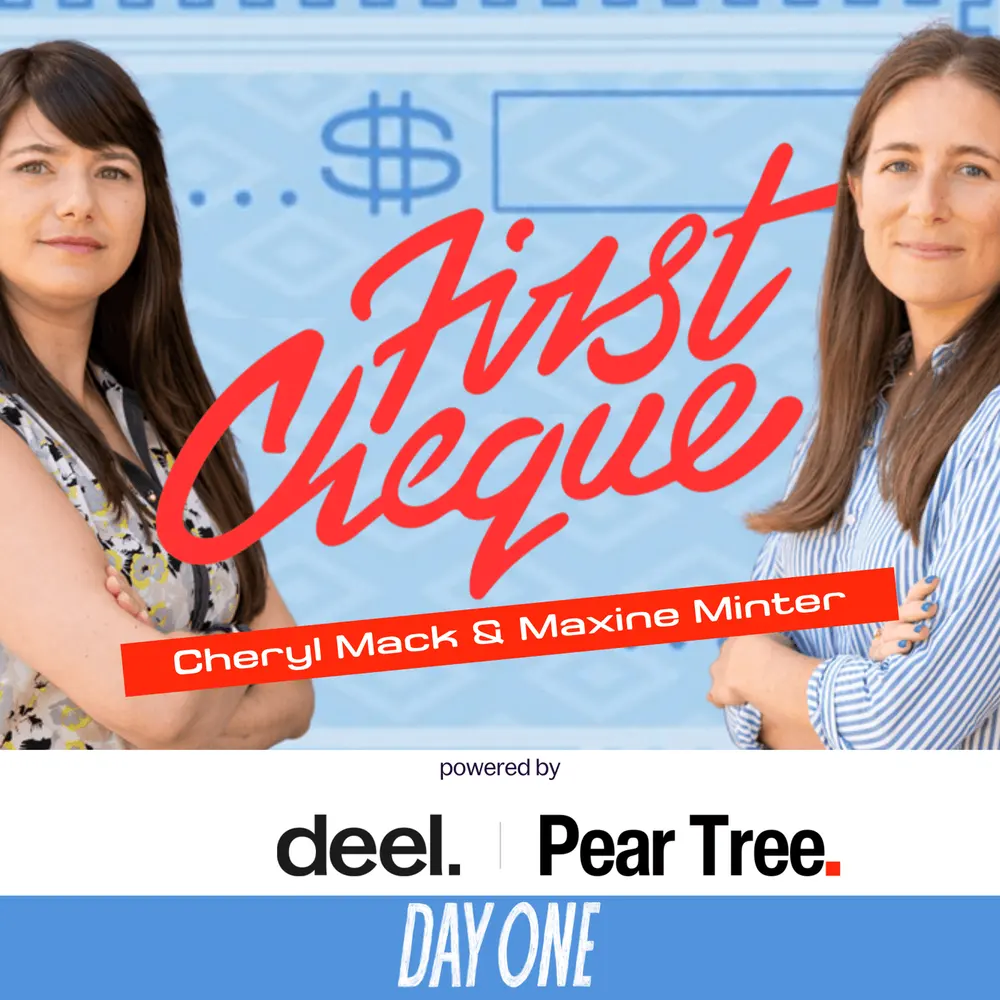 First Cheque with Cheryl Mack & Maxine Minter
Presented by Deel & Pear Tree
First Cheque with Cheryl Mack & Maxine Minter
Presented by Deel & Pear Tree 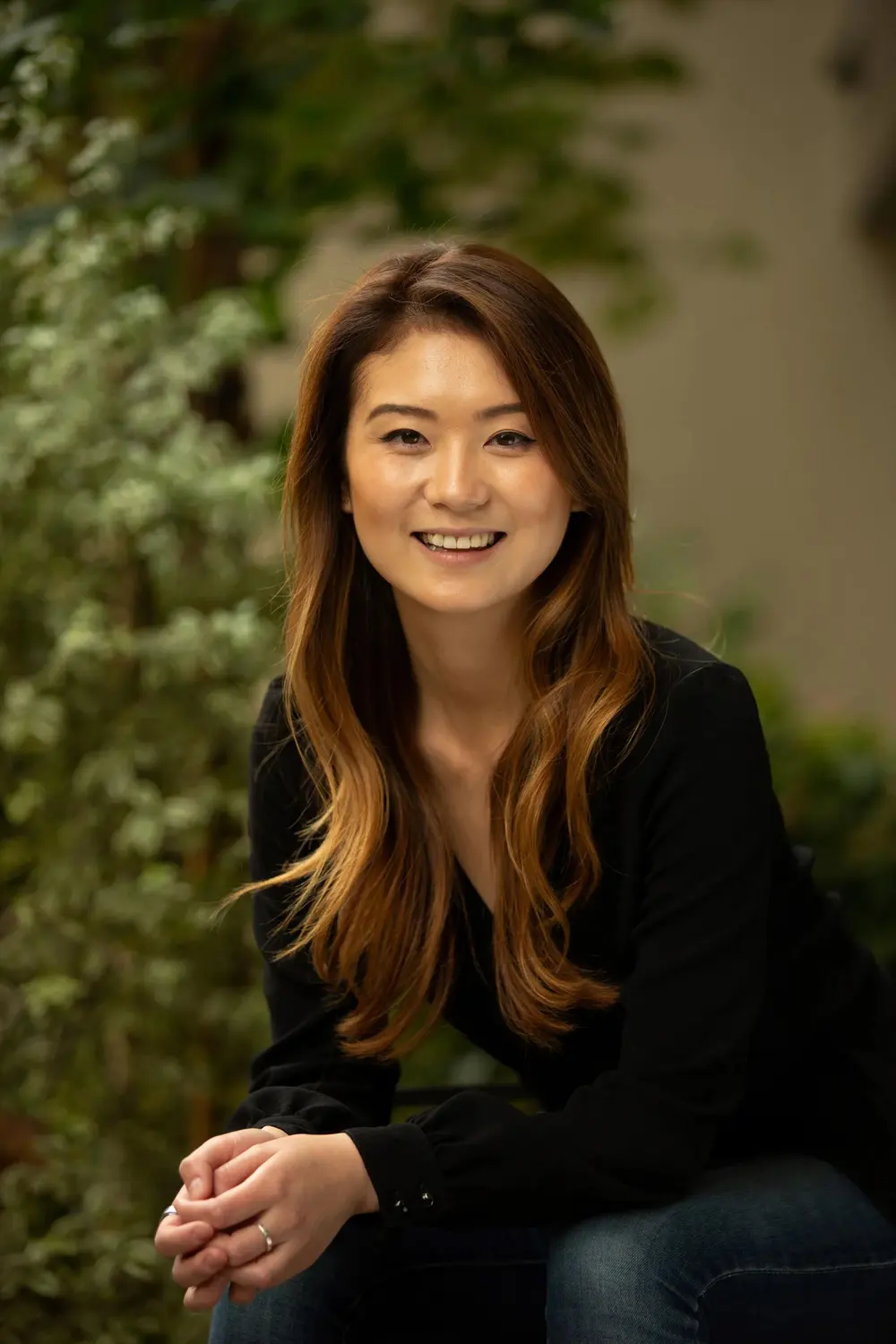
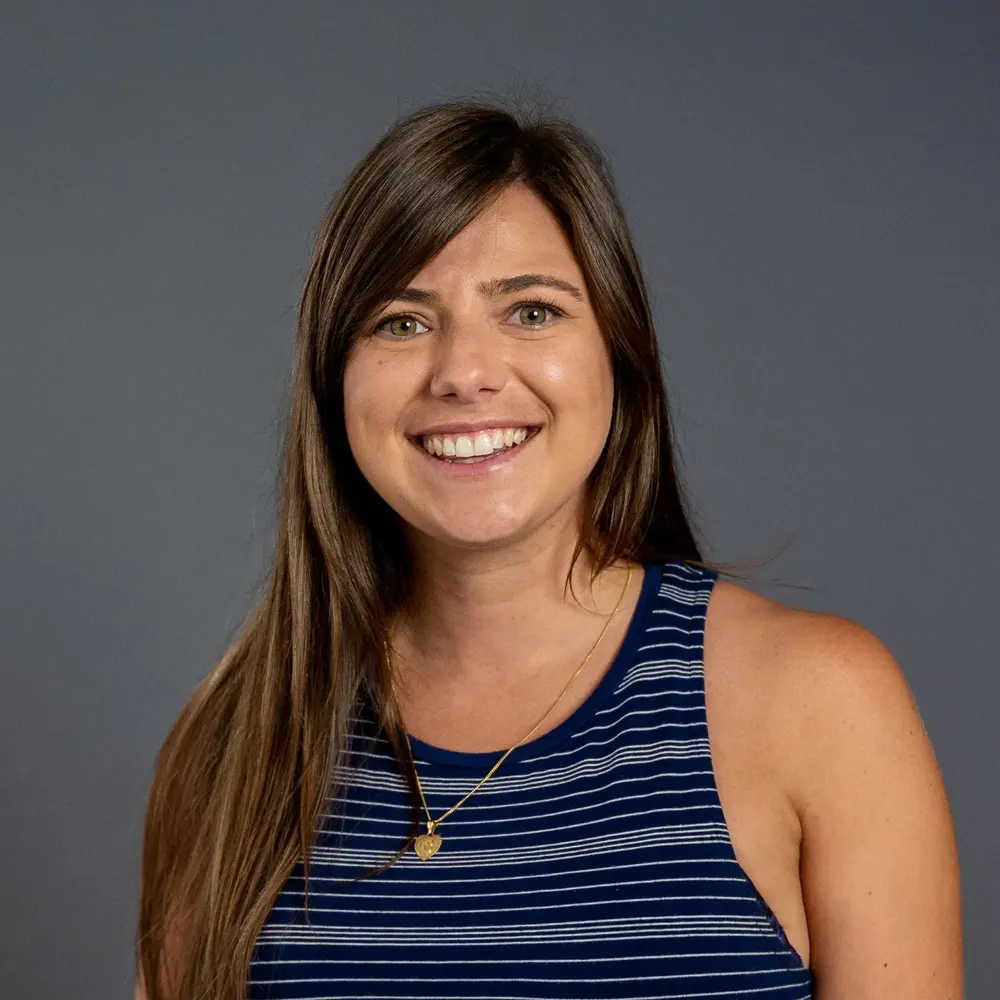
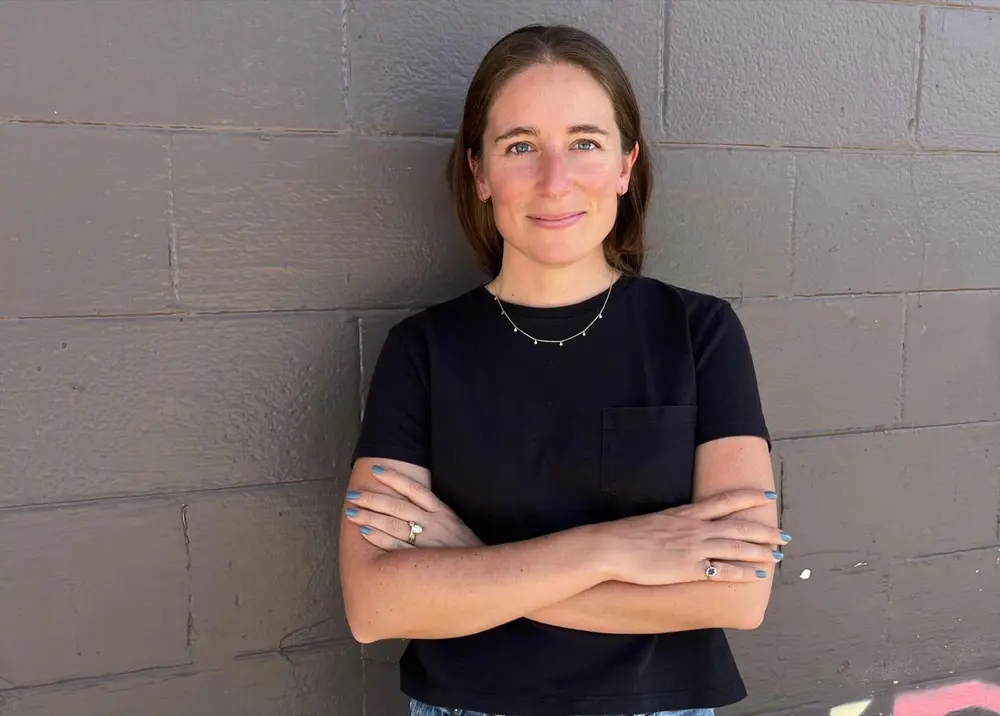



 ▶
▶ ▶
▶ ▶
▶