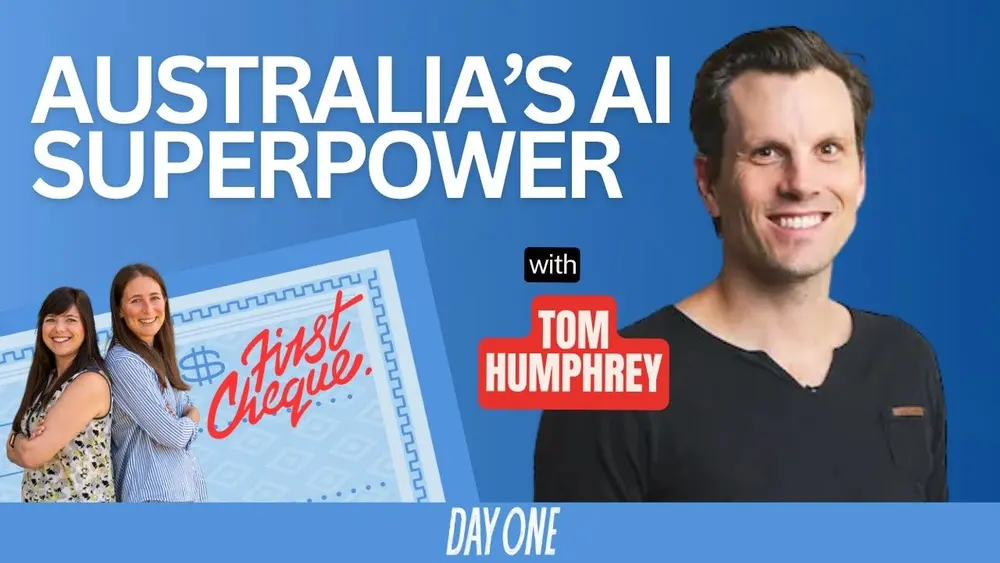
Transcript Synced · select any line to jump ▾ 0:02 Georgie Healy: Founders scale faster on Deel. Set up payroll for any country in minutes. Hire anyone, anywhere. Get visas handled fast and get back to building. Visit deel.com/dayone. That's d-e-e-l.com/dayone. 0:22 Speaker: You worked at a company for a total of 3 hours. What the hell happened? 0:27 Tom Newby: Yep. It was amicable. I'll start with that. 0:30 Speaker: Procurement That doesn't sound very sexy or cool to me. Why are you so passionate about it? What's getting you so pumped to solve this? 0:39 Tom Newby: So ProcurePro is a digital procurement platform for the construction industry. And so our mission is to save a billion hours of construction admin. 0:46 Georgie Healy: The headlines keep saying that AI's ruining our creativity. We won't think for ourselves anymore. Before we've even tried to use our brains, it's in the LLM. And sometimes I'm guilty of that. 0:55 Tom Newby: Going through these tunnels, you lose Wi-Fi and all of a sudden, like, you don't have access to Windsurf, these agents who write code anymore. And then I briefly was like, oh man, am I like, am I useless without this coding stuff? And I'm like, no, I know how to write it. It's just more fun to do it with an AI agent. Like I can do more work faster. I can stay in a flow state. I actually enjoy doing all this sort of work. 1:16 Speaker: I saw you were on a unicorn watchlist. I mean, there are worse lists to be on for sure. What would get you there, do you reckon? What would get you to unicorn status? 1:30 Georgie Healy: Hello and welcome to In the Blink of AI, your front row seat to the AI revolution. I'm Georgie Healey, and this week we are joined by Tom Newby. He's the head of AI at ProcurePro. They're in the headlines because they're on path to reaching unicorn status, but way more importantly to me, he brought amazing receipts to literally the spiciest questions I've ever asked anyone. Obsessed. If you listen to the whole show, you will know why OpenAI might be stagnating more than they like to admit. Bit awkward seeing they just launched in Australia. The $42 billion gamble that Australia is playing on data centers and why it might not work out. And why you are not lazy if you use LLMs. This is a constant rhetoric about like we're losing our creativity, we're not thinking properly because we just immediately ask LLMs all our questions. We talk about what we were doing before and no one was mad about that. Finally, the AI tool that no one is talking about in Australia and possibly one of my favorite hacks of the week ever. Let's dive in. This is in studio this week, so if you want to watch that online, check that out. And at the end, I have a few shoutouts. Thank you everyone who wrote in messages last week. Let's dive into the show. 2:47 Speaker: You're listening to a Day One FM show. 2:49 Georgie Healy: I'm thrilled to be partnered with Stripe for today's episode. Did you know that Stripe Startups offers early stage venture-backed startups, access to Stripe fee credits, expert insights, and a focused community of builders. We love builders on In the Blink of AI. 3:10 Georgie Healy: Apply today at dayone.fm/stripe. Do you wanna start us off with your favorite AI hack of the week? 3:19 Tom Newby: Yeah, I think I'll plug a tool that I've been using a lot at the moment that I don't really see getting mentioned much in Australia, which is Hex. So Hex is a data analytics platform and they're really built around notebooks. So it's really built for data analysts originally and it just fits into your process and makes sense. But they recently just launched their Threads agent, they call it, which is a conversational, it's basically a data analyst in a box, like an AI data analyst. Ask it some natural language questions and it's not just really basic queries that it's doing to answer stuff. It's actually doing the work of a data analyst and then with that output, the data analyst on your team can jump into it and validate that information and sort of pick up where it left off and keep going with it. 4:01 Georgie Healy: I've never heard of Hex. 4:03 Georgie Healy: Incredible. 4:04 Georgie Healy: H-E-X. 4:05 Tom Newby: H-E-X.tech. 4:06 Georgie Healy: Ha! 4:07 Tom Newby: It's great. 4:08 Georgie Healy: Love that. You've come in strong. Mine's a prompt. This really would not have existed if I tried it a few years ago. I was telling our amazing producer here, Jake, that we've got an outdoor area which is just hideous. And you know, summer's coming and I took photos and just said, very low budget, very low effort, how can I improve this space, right? And there's a pool, it's a rental, don't think I've got the most bougie situation, but it was amazing. I couldn't believe it was telling me, you know, this is the low-hanging fruit, like painting the back fence, which is just raw exposed metal. Yeah. It was like, it looks like a prison. And I'm like, it does look like a prison. 4:55 Tom Newby: A prison with a pool though. 4:56 Georgie Healy: A prison with a pool, a good, a high quality prison. But I wasn't even thinking of that. I was like focusing more on, I don't know, like maybe we get a pool chair and things like that. So not the things that would have added value. And it mocked up before and afters. And even just, you know, should I paint the fence or should I put, you know, those bamboo, rollout things on top of the fence. I would've assumed the bamboo rollout things would look better. Actually, no, because AI can mock that up for you. I was like, the paint looks better than that. 5:31 Tom Newby: So can you imagine? There's more you can do. 5:32 Georgie Healy: For the holidays, try a few of those before and afters. 5:35 Tom Newby: It's a lot easier than actually doing the renovation yourself as well. 5:38 Georgie Healy: Oh my gosh. And so democratized in terms of like, I am not gonna pay a landscape architect for a rental or, you know, someone to come in and do it. So that's my little project for the weekend. Okay, we're diving right in. 5:50 Tom Newby: Sure. 5:51 Georgie Healy: With the most random question I think I've ever asked anyone. Yep. You worked at a company for a total of 3 hours. What the hell happened? 5:58 Tom Newby: Yep. It was amicable. I'll start with that. A family friend, he was like a software guy who worked on like old school ERPs, these like business systems and stuff. And I was doing some tutoring for his daughter, and one day he's like, oh, you're studying IT, right? I've got these freelance clients I used to have years back that I do a little bit of work for them, but I'm too busy to do it myself. I want you to take over it. I'm like, okay, but what is it? And it was like Visual Basic script sort of stuff. And I was like, look, I don't know. I don't think I can do it. And he's like, no, no, you'll be fine. You'll be fine. So sure enough, 18 years old, drive to the other side of town, rock up at his business, and it's like an industrial warehouse classy sort of place. They set me up with this laptop. I'm basically the only person in this office and gave me this like super ambiguous like thing to do in a system I had no idea what it was, in a programming language I had no idea what it was. And I'm like, got to lunchtime, I'm like, guys, I've made a bit of progress, but I, I don't think I can honestly do this. 7:02 Georgie Healy: I feel like that's an interesting story because at the moment a lot of people are non-technical and being asked to become more technical. And there is kind of like a literacy gap that's scary when it comes to that. Any tips on like early, early days for people that are like, I know I wanna be more technical, but I don't know what I'm signing myself up for. I like, oh, I'm the AI lead now. What the hell does that mean? Are there any early signals that you'd say to look for? 7:29 Tom Newby: I mean, I feel like coming back to that example was like, if I had ChatGPT, then I could have just asked the dumb question that was really hard to answer at the time, which is, What is all this? Like, what am I actually supposed to do here? I think that's one of like the little secrets about these AI, you know, ChatGPT and the likes is like you can ask what you might have otherwise called the dumb questions, but you don't have to ask them publicly. So all that like imposter syndrome stuff, like ChatGPT is not going to snitch on you. Just ask those dumb questions and go for it. 7:59 Georgie Healy: I 100% agree. It may snitch on us. 8:03 Tom Newby: Well, not if you keep paying them, so. 8:05 Georgie Healy: Okay, good, because I'm scared if it does. The questions I've asked on there, nuts. Tom, I will get on a soapbox for a second and say everyone, or at least the headlines, keep saying that AI is ruining our creativity. You know, we won't think for ourselves anymore. Before we've even tried to use our brains, it's in the LLM. And sometimes I'm guilty of that. But for me personally, I'm building more and playing with projects more now that AI exists. What about you? 8:35 Tom Newby: Totally. 8:36 Georgie Healy: Really? 8:36 Tom Newby: Absolutely. Yeah. I definitely get the point of your instinctive point just comes to be to ask ChatGPT. But I think in so many ways it just replaced Google search. It's just a more, not objective, it's just more directed Google search and you're getting actual answer as opposed to having to read 5 pages to get to an answer. So I think it's a bit of a cop-out to say that we've lost creativity because we go to ChatGPT because we just went to Google search before anyway. 9:03 Georgie Healy: No one's saying this. No one's saying you used to just use Google Search. That's such a good point. And no one blamed that for being not creative. 9:10 Tom Newby: Yeah, but I fully agree as well. Like, we had this conversation the other day, like, are we kind of losing some of the fun? Like, we enjoy writing code as software engineers. Are we losing some of the fun because we don't get to solve the problem quite as much? And I think in some senses that's true, but like, if it also unlocks us to do more of this, more of that work and have to spend less time on the mundane stuff, I think that's still a net win. Because we had the conversation because I think it was, I was on the train from Tarragul to Sydney recently going through these tunnels, you lose Wi-Fi and all of a sudden you don't have access to Windsurf, these agents to write code anymore. And I briefly was like, oh man, am I useless without this coding stuff? And I'm like, no, I know how to write it. I just someone might say lazy, but it's just more fun to do it with an AI agent. Like, I can do more work faster, I can stay in a flow state, I actually enjoy doing all this sort of work. So I think, like, it's, you know, it's still fun. 10:09 Georgie Healy: Even writing questions, right? I really firmly don't like using AI to write LinkedIn posts, write questions for the podcast, things like that. But sometimes my brain is broken at the end of the day and I write the gist of a question. I know what I'm getting at. I want to talk about Australia's AI strategy and the sentence is garbage. And I'm like, ugh, like the question is there, the way I'm asking it is terrible. And I'm like, yes, thank you for articulating what I already had in my brain and it just is not working right now. 10:41 Tom Newby: There's a problem called like the blank page problem. And so we see this with product teams, like really acutely I can say of like, we open up a FigJam file, we're gonna start sketching how a feature's supposed to work and everyone's on a call and just, staring at a blank page and we're all silent and no one wants to say anything because effectively everyone's like, we don't want to be wrong. 10:57 Georgie Healy: Yeah. 10:58 Tom Newby: This is the blank page problem because it's really hard to get started because you're trying to avoid being wrong. And sometimes like ChatGPT and these sort of things just to spit out some answers is incredible because it might get you to a wrong answer so quickly that you can be, I hate that because of this. 11:12 Georgie Healy: I know what I hate. 11:13 Georgie Healy: Yeah, exactly, exactly. Yes, the blank page thing really sucks. 11:18 Tom Newby: Yeah, really does. 11:19 Georgie Healy: Okay, I think it's time we clarified where you work and what you do. Sure. Hi. So you're a co-founder, head of AI at ProcurePro. You work with my girl Shilpa. Shout out Shilpa. Tell us about ProcurePro for the people that are not familiar. 11:35 Tom Newby: Yeah, so ProcurePro is a digital procurement platform for the construction industry. And so our mission is to save a billion hours of construction admin. So our customers are head contractors, we call them. They're building sort of office towers, multi-story residential, schools, hospitals. They're not building like the deck out the back of your house sort of thing. 11:53 Georgie Healy: What's the biggest burning thing that you want to solve with ProcurePro? 11:57 Tom Newby: We effectively created the platform, like the place that the work now happens. So before ProcurePro, it is effectively emails, Word documents, Excel, shared drive sort of stuff. So effectively created the platform that the work now happens on. And so then one of the trajectories we're going down is essentially the Copilot sense of that whole thing. Because there is a place for everything to happen, there is a place that AI can pop in to help you do some stuff. Because procurement is just made up of a bunch of essentially little actions you can do as well as different opportunities to reduce risk or capture some value essentially along the way. That is just all these micro decisions along the way as opposed to necessarily big ones all the time. And so the Copilot thing is really just about popping in the right place with the right information and connecting all those dots. Stuff that essentially we've seen already replicated in many other industries really well, and there's a great opportunity for us to go there. The other one that we're going down is really just going after essentially construction, particularly procurement's just worst problems. They're just painful problems. So the one we're working on at the moment is called Bid Level. It's the one I'm mostly working on, and it's going after this problem called bid leveling, which is I receive I'm going out to tender as a builder to get quotes for flooring for my apartment tower I'm building. I go out to 10 different subcontractors to get prices and they all come back to me with PDF quotes. Sure. But they're all in different formats, different structures. The prices are all structured in different ways. And my job is I've got to go through all these 10 and build a spreadsheet that says for all the different work that we need to get done, essentially vendor 1, vendor 2, vendor 3, how much they're all priced. Because my job is I need to obviously work out are we getting the best price? Are we working within our budgets, but also are we choosing a vendor who actually is doing all the work? We've got to make sure everything's covered in these quotes as well. You can't just choose the lowest price and go with that. 13:48 Georgie Healy: Procurement doesn't sound very sexy or cool to me. Why are you so passionate about it? What's getting you so pumped to solve this? 13:57 Tom Newby: Like, construction is a huge industry. Like, it's, I think like 13% of the world's GDP goes through the construction industry. Wow. And procurement is like really this point, it's like they call it like the second point to protect your budget. So the first point is the price you actually like say to the client you're going to deliver this on. The second point is all your procurement of protecting your budget. It's super, super critical to get that right 'cause that basically means whether you're going to make or lose money on this. 14:24 Georgie Healy: Yeah. 14:26 Tom Newby: And so like us as founders, like we just, we are product people, we love the industries we're working in and we love the construction industry. We've gone really deep on this problem, but we just see a really great opportunity in and around this space. And we've been working with great customers over the last couple years who've been backing us along the way as well, and just keep essentially chasing the problems we can find there. 14:46 Georgie Healy: Okay, so speaking of which, I saw you were on a unicorn watch list. I mean, there are worse lists to be on for sure. What would get you there, do you reckon? What would get you to unicorn status? 14:59 Tom Newby: The way that we actually get there is to continually just focus on solving those customer problems. And I think we kind of maybe are taking a different path that you would see other unicorns taking in that we're like a vertical SaaS company. So we're going after construction industry as opposed to a lot of other unicorns you see and hear about, they're something for every industry sort of thing. And so that's a little bit unique in itself, but that's what allows us to be so laser focused and so deeply empathetic for our customers' problems to actually solve those problems and stay there with them. One of our team values, our cultural values is help the customer win. And that just manifests through everything we do. As I said, we use FigJam for our product teams for how we shape up and design and scope features. And in those FigJam files, there'll be photos of our customers with quotes attached to them and essentially annotations of the stories they've told us either in a user interview or at a conference or just on a phone call about the hard lessons learned they've had there. And as we're going through a design process or shaping up a feature, we've got engineers and designers and product managers that are all recounting these stories as if they're mates with these people because they're so deeply empathetic. And that's the sort of people we want to attract to the business as well. 16:21 Georgie Healy: Yeah, I love that answer. This was a wild question to ask. 16:25 Georgie Healy: Yeah, yeah. 16:25 Georgie Healy: But I really appreciate that and that's really exciting. Um, when you reach unicorn status, don't forget the little people, okay? Yeah. Um, we've got some headline news I'd love you to unpack with, uh, your awareness in the industry. The AFR just reported a push to nearly $42 billion in commercial data centre construction projects. Do you see this as a good thing for Australia to be investing in that kind of infrastructure? 16:52 Tom Newby: I mean, I think the answer has to be yes. 16:56 Georgie Healy: Well, you'd be surprised. I'm about to have someone on the show that very firmly thinks that from an environmental and climate perspective, terrible decision. 17:04 Tom Newby: Yeah, I mean, there's definitely some fair merits there. Look, we've seen a massive, massive boom in data centre construction from our customers. 17:12 Georgie Healy: Really? 17:13 Tom Newby: 'Cause it's a lot of the similar size customers that we work with are the ones that go into the data centre space. And I think a couple of them were kind of lucky during COVID that that was kind of this nice, mainstay staple safe work because it was continuing to boom obviously during COVID as well. The question really to ask is what's the role for public sector investment, I guess, in that as well? Because I think that's where there's some other interesting conversations. Is there actually a reason why Australia has the right to need to push really hard into this space? Is there something unique about Australia? that we don't know about, like you and I don't know about, right? Is there something that these data, these big labs, OpenAI, Anthropic, the likes, Google and such, they know about Australia that we don't that is worth investing into this space? And is some of that from the public sector spending perspective as well? Are we actually in a place where we would expect with high electricity costs and a latency connection to the rest of the world, that data centres here in Australia really make heaps of sense beyond like serving Australian traffic. Because I think there's kind of this beautiful pitch of like, oh yeah, we're going to build all these data centres here and we're going to then produce all the stuff we're going to export to the world. But I just don't know how much of that really stacks up. 18:39 Georgie Healy: Yeah, I have, I have seen this rhetoric of like, we could be the hub for APAC for data centres, like it could be here. And there's also rhetoric around, well, if we don't build it here, we're still going to have the demand. And do we really want to be relying on other Asian nations for that. But more to the construction standpoint, putting all of that aside, say we do decide, yes, we're going to be a hub for data centers. The government's getting involved and approves it. From a construction standpoint, where do you see that working and, and how? Like, I have no construction background. I wouldn't have a clue the considerations that would come into building data centers. Maybe just a few thoughts on, on that that you could think of. 19:22 Tom Newby: From what I understand, they're a little bit like industrial projects because we're not really quite concerned about what carpet, what colour is the carpet in the data centres, those sort of things. They're more industrial in nature, but they're really very efficiency-minded. It's all about how much you can squeeze into a square metreage. And so it's kind of one of the more interesting things is that there's been a couple of builders that have been working with, I think it was NextDC in particular, because they've been pushing a lot of the data centre construction in Australia. That have been working on innovative designs that are mixing a bit of prefab as well. So that because they're building so many of these data centers and there is a bit of rinse, lather, repeat to it, how can we standardize these things so that we can ship more of them? Which is actually really different to most construction. Most construction in every project is entirely different. So there's not much of that standardization repeatability. So there's some interesting things there. Yeah. But yeah, it's really like industrially sort of style projects that are going on there. 20:29 Georgie Healy: OpenAI just launched in Australia. 20:32 Tom Newby: I was there. 20:33 Georgie Healy: You were there? 20:33 Tom Newby: I was there last week. 20:34 Georgie Healy: They didn't invite me. How rude. So I can be really mean to them publicly on the show, of course. 20:42 Tom Newby: Yeah, I'll be really nice to them. 20:43 Georgie Healy: Yeah, you have to be because you got the invite. Exactly. Do you reckon they can win the LLM race? 20:48 Tom Newby: This is like the— 20:52 Georgie Healy: The billion dollar question. 20:52 Tom Newby: The trillion dollar question, right? I wouldn't have the foggiest, hey, like the thing I've read recently was that supposedly, I think it was verified that they haven't done an actual like full-blown training, like model training run since like March last year. It's like 18 months. 21:13 Georgie Healy: And it's super expensive, right? 21:15 Tom Newby: Super expensive. And everything since then is basically like GPT-4.0 that's been like, essentially tweaked and optimized essentially later on. 21:23 Georgie Healy: A lot of people were disappointed by GPT-5, being like, this was not the level up we were hoping for. Yeah, you heard about the code red when Gemini came out? 21:32 Tom Newby: Well, today GPT-5.2— sorry to date the podcast. 21:36 Georgie Healy: What? No, breaking news, breaking news. 21:40 Tom Newby: Yeah, GPT-5.1 was only like, I don't know, 3 weeks ago maybe. And then— 21:45 Georgie Healy: Do you think that was an answer to Gemini 3? Do you think that they pushed that release? 21:49 Tom Newby: Yeah. 21:49 Georgie Healy: Just to be like, we're busy. 21:51 Tom Newby: This was, yeah, this was sort of what they were mentioning last week at their Australian launch of like, hey, there's something new coming. We can't say what it is. 21:57 Georgie Healy: Yay. 21:58 Tom Newby: And it's just weird to see something new come out that quickly. But I mean, from our perspective, like the thing that's still strange, the common trope about OpenAI is all their models are very confusingly named and it's not getting any better, but they just, they don't seem to have the mini models anymore. And I think there was a lot of disappointment in GPT-5, I think, from the general consumer using ChatGPT and the likes because it wasn't necessarily groundbreaking. But from the development community, people who are integrating these things into products, GPT-5 Mini is this absolute beast of an LLM. It's really good at doing tool calls. So it's the mainstay of integrating into an application. You're probably going to be working with that. But that's stopped. 5.1, 5.2 don't work on Mini. 22:43 Georgie Healy: That is fascinating and really good to get a peek behind the scenes of where it's being used and valued in certain communities and groups that really rate it. You're such a good sport. Thank you, Tom. What would it take you to switch from whatever your personal LLM of choice is to another model? Because in my household, I am a— I work at Google. I am a GPT advocate. 23:08 Georgie Healy: Yeah. 23:08 Georgie Healy: My husband's a Gemini girly. 23:10 Tom Newby: Yeah. 23:10 Georgie Healy: And when we're on holidays, well, my model says this. Well, my model says that. Well, yours isn't integrated with Maps. And like, yeah, but your image generation sucks. Like, this kind of stuff happens all the time. I'm curious where you're at and what it would take you to switch. 23:25 Tom Newby: I'm a ChatGPT person. I have been for like since like quite early on. 23:31 Georgie Healy: Yeah. 23:31 Tom Newby: I think actually it's almost not as much about the model anymore as much as like the actual, the big picture user experience of it. Like I pick up my phone and the mobile app experience of that works really well. It's integrated with Codex, so I can do remote coding things as well. And I think their sort of investment, like the commentary out of them at the moment is like, yeah, models are really cool, but they're not everything. It's actually everything that goes around it to make that experience work. And that was the big thing that came out of the release or the Australian events for OpenAI was the— Apps SDK, they're calling it, so that you can, as a software company, you can embed your product within ChatGPT and immediately get this insane distribution. 24:16 Georgie Healy: They're really bullish on the apps. 24:19 Tom Newby: I think that's going to be the thing that wins because it's effectively just going to be the new platform, if you will, that you start your day, you do work from, as opposed to like a Google search. 24:29 Georgie Healy: I can see it. I can see it. All right, last one on the headlines. Apparently 36% of Australians are confident in AI. They use it, they don't trust it. Should they trust it? And what are the risks around the everyday user? 24:46 Tom Newby: They shouldn't blindly trust it, that's for sure. I think overarching principle is that the fundamentals of everything hasn't really changed with AI. And one of the key fundamentals here is to, like, fact-check your sources. And I think that information, that, that skill maybe has been lost a little bit over the years. You know, we had Google PageRank algorithms that started to get quite better at promoting sane sources as opposed to the insane sources and stuff. But I think now when you get given this well-shaped answer from your chat client of choice, you still have to do the, or you still really should do the work of kind of fact-checking where that came from. And I think that may be a skill that some people have to remember to come back to. One thing that I've tried as just a bit of a fun one is, 'cause all these chat agents, they start to build up their context and understanding of you. They save stuff even though they don't always tell you, but what they're learning about you. And of course you start getting into the, you're absolutely right territory where everything you say is correct. 25:47 Georgie Healy: Yes. 25:47 Tom Newby: And a lot of them have some mechanism you can do like essentially a private chat, which means it doesn't bring any of your stuff. It's like as close as you can get to like the model directly, or at least like the product as if you signed up new. And sometimes it's good just to pull that up side by side and ask the same question again just to see what it does. Sort of taking away the bias of your information. 26:07 Georgie Healy: That is a great tip. I have not tried that before. When we used to use Google Search, I would get incorrect answers all the time because there'd be blog articles and they're definitely not research and blah blah. And I just waste so much time trying to find reliable sources. And I feel like we are pretty harsh on the models considering the experience. Overall. I don't know if you agree. 26:32 Tom Newby: There's, yeah, there's definitely some parts that it's, you need to separate like the model from like the chat client, I think, as well. Like separating the raw models from ChatGPT or like the Gemini like bundled products, you could say. Um, and the, the LLMs like by nature themselves obviously do have the hallucination risk, and there's some stuff that they just struggle with the precision in a case where you really need really precise, accurate points on it. Where a decimal place being the wrong place or a number being the wrong place is not great. 27:01 Georgie Healy: Oh, huge. Yeah. 27:02 Tom Newby: But I think if people's experience of using chat clients and saying they're not good, they're not reliable is based off pre-January 2025, so anything from basically 2024, they've changed so much basically by virtue of having consistent connection to the internet to keep searching that they're actually pretty accurate now. 27:22 Georgie Healy: They're pretty decent. 27:23 Tom Newby: And you can ask for sources most of the time as well and sort of validate that as well. 27:27 Georgie Healy: Any tips for leveling up a little bit, just getting from beginner to intermediate? 27:31 Tom Newby: One of them is just trying new use cases out, sort of starting from that position of, I don't know if it's possible, but it's worth trying. Because you need to essentially start building that intuition as to what it's good and what it's bad at. But to take that a step further, it's then I think a really practical example, a really practical activity you could do would be to take a particular thing you want to do. You're trying to get it to write your LinkedIn post 'cause you want to generate some AI slot for LinkedIn. And don't just— 28:01 Georgie Healy: How dare you? 28:02 Tom Newby: Don't just essentially let it produce one output and say, "Oh, okay, that's done." Actually throw different prompt, different examples, like test different things of like saying, "Hey, give me 3 options," or, come back with questions before you write something for me. We internally have an internal AI chatbot called Julius. It answers questions about how our product works for our team internally. And the biggest thing and the most important thing we did was actually making a Slack channel that's available internally because it made it then this, something that everyone on the team could see. And so then people could see how other people are using it and be like, Oh, I didn't think it could do that. I didn't think of asking it that way. And I think that social part of it as well is really interesting, which is where obviously you see people sharing you know, this is what's working for me on great podcasts like this one. 28:51 Georgie Healy: Oh, stop. It reminds me of an answer you gave earlier on the dumb— asking the dumb questions. If it's an internal-related question, this truly sounds brilliant for that where I'm like, oh, I've already asked Tom, my manager, 3 times. He's definitely given me the answer. I need to know, but I can't ask him a 4th time. I'll get fired. I love a tool like that. Go for it. Yes. 29:14 Tom Newby: Exactly. 29:15 Georgie Healy: Genius. You know what? We've gotten to the end of the interview with some spicy rapid-fire questions. Are you pumped? 29:25 Tom Newby: Let's do it. 29:26 Georgie Healy: Actually, this first one requires my laptop. We have never done this on the show before. Brought out a laptop. All right. First one. Oh, sorry. Context. Our friend Shilpa said that you are amazing with identifying images, and I'm not sure if I've Like places. Yes, places. Sorry, not images, places. I've got 4 places to show you. Some of them are really mean, really mean. Some of them I think are less mean, but we'll find out. This is the first image. 30:02 Tom Newby: Oh, this is going to test my history knowledge instead. 30:06 Georgie Healy: Yes. And this isn't even one of the mean ones, Tom. Oh. 30:11 Tom Newby: Pass the laptop over. 30:13 Georgie Healy: Yeah, go have a look. 30:16 Tom Newby: So first of all, what I'm going to say is this must be ancientcityofpetra.webp because in the top left-hand corner of this image I have the name of the place. 30:27 Georgie Healy: It's like now I can't give you my laptop ever again. 30:29 Tom Newby: This is part of the trick though, is that a lot of people share information online and there's lots of detail hidden in photos that gives away where they are. Um, so the context is that, like, I, I love Google Maps. It's like my number one app. I've used it while I've been down in Sydney today, like, genuinely 100 times because I love looking at maps. And, um, then when people— we have a remote team all around Australia— they share photos of where they live, I then might find where they live. At least I want to find out their beautiful area that they live because they post beautiful photos of the beach down the road from them. 31:02 Georgie Healy: Um, publicly available images. 31:04 Georgie Healy: Exactly. 31:04 Tom Newby: But it's also a great opportunity to teach them about what information they share online. Yeah, because it quite easy to find. 31:09 Georgie Healy: Like, surprise, you're lucky it was me who found it, not someone else. 31:12 Tom Newby: But I have seen this image before. Um, there's like— you basically, for this, you'd be relying on like your memory of like historical knowledge of these sort of places. 31:22 Georgie Healy: It would be unusual if you had actually been there, I feel. 31:25 Tom Newby: Yeah, the camels are a bit of a giveaway that it's not— 31:28 Georgie Healy: sorry, I was giving you an easy win here with the camels. Yeah, like you can narrow it down a little bit by camel placement. Exactly. All right, you do not get the laptop ever back because all of them are labeled. 31:38 Tom Newby: I'm not gonna cheat. I won't cheat this time. 31:41 Georgie Healy: Where are we here? 31:43 Tom Newby: Uh, these are Easter Island. 31:45 Georgie Healy: Yes, Easter Island! Yeah, pretty easy. 31:48 Tom Newby: Well done. 31:48 Georgie Healy: Have you ever been? 31:49 Tom Newby: I haven't. I haven't been, no. 31:51 Georgie Healy: Tell the audience what you're looking at in this photo. What does it look like? 31:56 Tom Newby: What I'm seeing in the photo is it's obviously a like old historic location. Definitely not a new build here in Sydney, that's for sure. 32:05 Georgie Healy: Construction industry had no part in this. 32:07 Tom Newby: Yeah, I'm trying to sort of just glean from any details of like the people that are in the place. Um, my guess is it's probably somewhere in like— I can see a crucifix at the back, so I'm gonna guess this is somewhere in Europe. 32:23 Georgie Healy: You're right, correct. 32:25 Tom Newby: And like it's giving like, it's giving like catacombs sort of vibes. 32:29 Georgie Healy: It is, yeah. 32:29 Tom Newby: Yeah. 32:30 Georgie Healy: This is Wieliczka in Poland. It's their salt mines. Did you know they had salt mines in Poland? 32:38 Tom Newby: I did not know. 32:39 Georgie Healy: Fun fact. Been there. It's quite cool. 32:42 Georgie Healy: Yeah. 32:42 Georgie Healy: Quite eerie and interesting, right? 32:45 Tom Newby: Looks pretty cool. 32:46 Georgie Healy: You'll never get this. What are we looking at in this photo? 32:52 Tom Newby: We're looking at a bunch of rocks, and I wish my geology knowledge was better to tell you what sort of formations they were. 32:58 Georgie Healy: Bunch of rocks. 32:58 Tom Newby: A bunch of rocks in an ocean. There's some people kayaking. 33:04 Georgie Healy: Yep. 33:04 Tom Newby: Looks like down there. 33:06 Georgie Healy: I'm going to narrow it down for you. It is in the southern hemisphere somewhere. 33:10 Tom Newby: It does not look— It does not look warm and toasty. 33:14 Georgie Healy: It's not warm and toasty. Very, very good. It's on the southern side. 33:20 Tom Newby: Definitely not the Great Barrier Reef. 33:21 Georgie Healy: It's not Cairns. 33:22 Tom Newby: No, not Cairns. That's for sure. Like my— you're really limited in information for me to run off here, except if I obviously knew these— 33:29 Georgie Healy: Look, I gave you ocean, I gave you rocks. What more do you want, mate? 33:32 Tom Newby: Oh, that's like 40% of the world. That's fine. My guess is gonna be somewhere in South America. No. 33:40 Georgie Healy: Further south. South, south, south, south, south. Think closer to Antarctica. 33:45 Tom Newby: Like south of South America? 33:48 Georgie Healy: It's in Tasmania. 33:50 Tom Newby: I mean, Great. I was assuming you were saying like, you're situated in South America, now go south from there and Tasmania is somehow located below. It's basically right there. 33:59 Georgie Healy: Sure, sure. 33:59 Tom Newby: Yeah, okay, really cool. 34:01 Georgie Healy: Cool, right? 34:01 Tom Newby: Yeah, have you been? 34:02 Georgie Healy: I've done this kayaking thing here. Is that you? No, no, this is a random Google image, but it's a great kayak trip where they take you on like this speedboat around there. But I knew you'd never get it 'cause it's just random ocean and rock, but I had to test you anyway. 34:18 Tom Newby: Oh, look, some people would. 34:19 Georgie Healy: I love how you saw the, um, crucifix and you're like, I'm thinking Europe. And I was like, wow, that would not have occurred to me. All right, now I, I hate asking this one, but I have had permission from yourself. Does having ADHD make you better than non-neurodivergent folks when working with LLMs? 34:39 Tom Newby: Than normies? 34:40 Georgie Healy: I'm, I'm not saying that. I'm not saying that. 34:44 Tom Newby: Fine, I'll say it. I guess it depends on whether, again, you're talking about working with LLMs from the chat client or whether it's working with them, it's integrating them. I think overarching, the thing that I've found with ADHD, and I found a lot of people in similar situations, is you can kind of pattern match really quickly. There's a lot of— 35:08 Georgie Healy: Really? 35:09 Tom Newby: It looks like intuition, but effectively it's just pattern matching of information. 'cause your brain kind of works a little bit differently, that you don't really follow the sequences of thought quite as much and you kind of leap between things. And so in a sense, that can be really good with working with LMs 'cause there's a lot of uncharted territories with what we're doing. And so it can be really useful to have these divergent thoughts or these divergent ideas as to how we could solve the problem or that intuition as to like— Yeah. Why is it kind of struggling with this problem? And then trying to like engineer a solution around it. But it can kind of come at a bit of a con as well of with it, if you don't have the ability to have that like sequence thought when you're trying to solve a problem methodically, which is like the engineering part of solving the problem, that can still be a challenge obviously. But I think it's a net win. Like just the simple thing of— 36:00 Georgie Healy: Yeah. 36:00 Tom Newby: LLMs spit you back like a bunch of text, code, whatever it is super quickly. My brain works really quickly and I can read that really quickly and then move on to the next thing, like, because my brain just works at that sort of speed. 36:15 Georgie Healy: As a startup founder, you're juggling multiple priorities from the expected, like finding product market fit, to the unexpected, like customer requests for SOC 2 or ISO 27001 certification. 36:31 Georgie Healy: Achieving compliance is time-consuming, and time spent on that is time away from the needs of the business. 36:37 Georgie Healy: And that's where Vanta comes in. Vanta is the all-in-one solution for startups to become compliant quickly and build a security foundation with ease. With a combination of automation, an extensive partner network, and a security marketplace containing 385+ pre-built integrations, Vanta provides the necessary tools and expertise for startups to achieve compliance seamlessly, no matter how urgent your needs are, and at every phase of growth. Over 10,000 leading companies, including Cypherstash, Handle, and Indetted, trust Vanta to automate compliance so they can focus on growing the needs of their business. Here's the important part. Startup listeners of the show get $1,000 off if they go to day one, .fm/blink. 37:34 Georgie Healy: Can I ask you, um, when you knew you had ADHD and how that felt? Like, how old were you, and were you already like in engineering and technical at the time? And then it was like, no wonder I'm so fucking good at this. Like, I— like, how did it feel? 37:52 Tom Newby: It took 2 years ago, my diagnosis. 37:53 Georgie Healy: Really? 37:54 Tom Newby: Okay. 37:55 Georgie Healy: Um, we like, bingo! 37:57 Tom Newby: And it just happened because other software engineers, like friends of friends sort of stuff, were all talking about it in some other Slack channels and stuff. And the things that they were describing, I just assumed the stuff that everyone struggled with, but apparently is kind of unique-ish, at least to ADHD. Yeah. And so it was, I guess, reassuring in a sense to know that, ah, those things that I struggle with aren't like a character trait flaw sort of thing. There's a reason kind of why that's the case. Bit of a sort of worry and anxiety. Like, I'm medicated, that— 38:34 Georgie Healy: Yeah. 38:35 Tom Newby: Then it'll make me less me, which has not been the case at all. Like, it still has all the traits that I love about having ADHD, essentially. Um, but yeah, it was well and truly years into it, and it's one of those things we're like, looking back, we're like, oh, that makes so much sense. Like, I taught myself to code at like 12. 38:55 Georgie Healy: Oh my gosh. 38:56 Tom Newby: I was building things all during high school. I did well at school, but every time I was all day I was at school, all I was thinking about was the side projects I was building at home. And it's like, oh yeah, that's not normal. That's not a normal thing to do. But it's, I guess it's also just part of the DNA of why I became a founder as well. The bits that make me work is I just love bringing new things to life, creating things. Yeah. 39:20 Georgie Healy: I'm sure there'll be lots of listeners that will be like, hell yeah, That's how I feel. How does one cheat at 7-Eleven online games, and what does one benefit from the outcomes of that labor? 39:33 Tom Newby: So again, like, teaching myself to code at like 12, there was a promotion that ran over like a summer, like when I was a kid, for 7-Eleven that was like a— it's kind of like an online, like, air hockey sort of game. I was again learning to code, so I'm like, how does this work? And this is obviously like 20 years ago, so you could just write like inspect source because there was no like minification protecting of stuff. And you're just like, I was just pouring through this code trying to work out how it works. But eventually I worked out like, I think I can just change my score. And I did and it worked. I'm like, oh cool. And then at some point you realize you can exchange them for like Slurpees essentially. 40:13 Georgie Healy: Hell yeah. 40:13 Tom Newby: And so you exploited that for a little bit, but the problem was you had to like walk down the road to, you know, all the way to the 7-Eleven to get it. 40:21 Speaker: And you're 12, so you're not gonna drive to the next suburb over And you have ADHD, so you basically rely on novelty. 40:26 Tom Newby: So once you've done it the first time, you're like, cool, well, that problem's solved, move on to the next one. 40:29 Georgie Healy: What flavor did you get? 40:31 Tom Newby: Oh, it was always Coke and raspberry. 40:33 Georgie Healy: Both? 40:33 Tom Newby: Both. And if it was blue, top it off with a bit of blue. Blue is a flavor, not a color. 40:38 Georgie Healy: Whatever blue flavor is. Okay, maybe I have a form of ADHD because I can't mix flavors. I cannot. Never the two flavors of anything shall meet. 40:50 Tom Newby: I mean, I'm not like a mix them all around, bit on top, bit on the bottom. It's fine. 40:55 Georgie Healy: But then they mix. 40:57 Tom Newby: Just a bit of spice. 40:58 Georgie Healy: Too much spice. All right, I love this. You have a baby that turns 1 on Boxing Day. That's so soon. Congratulations. 41:10 Georgie Healy: Thank you. 41:10 Georgie Healy: You've got a while before this becomes an issue. But what do you think when it comes to education? I don't know about you, but my parents were very like, you go to uni, you study engineering or law or like that, these are the paths that will always give you like a very stable outcome and future. Have you started thinking about that yet, or are you like, that, that is for a decade for me to start worrying about that? 41:35 Tom Newby: I mean, like, definitely a bit of the latter, that it's a while off. And understanding what that context is going to be like is really hard because what we had 2 years ago is entirely different to now, right? That said though, I've held a position for quite a while that engineering, my view, software engineering at least, should be more of a trade than it currently is. My personal experience was I went through uni, again, maybe the ADHD here, but I went through uni and I was working instead and doing my own things and having a great time and was fine during uni and technically ticked all the boxes and technically learned all the things, but I didn't actually really learn them until my first 2 years in the industry. And then just learnt everything really quickly. 42:18 Georgie Healy: Using the tools hands-on with real problems, not all this theoretical stuff. I couldn't agree more. Like, I did engineering at UQ as well. 42:25 Georgie Healy: Oh, friends. Oh no. 42:27 Georgie Healy: I don't really know why I'm doing double derivatives. And I did, but what? 42:35 Tom Newby: Which, this was like, this is my story going through uni, is that again, like, the message you got from family was like, oh, software engineering is like, I don't really know anyone who's a software engineer. 42:45 Georgie Healy: Yes. 42:46 Tom Newby: You would have been the same thing. Queensland, engineering, mining, boom. 42:51 Georgie Healy: So it's like— I did metallurgical and chemical. Why? Queensland. 42:56 Georgie Healy: Exactly. 42:57 Georgie Healy: I saw the graduate salaries and I was like, bingo, do I want to live in the mines? No, no, no, I actually don't. 43:05 Tom Newby: So the consolation we made was that I did like electrical and IT because it's like kind of hedging your bets a little bit. 43:10 Georgie Healy: To the listeners, by the way, that is the hardest engineering. 43:13 Georgie Healy: That is the hardest one. 43:15 Tom Newby: What, electrical? 43:15 Georgie Healy: Hell yes. 43:17 Tom Newby: Oh, it makes me feel better about dropping out 2 years in. 43:19 Georgie Healy: No. Oh my gosh. And we both know the worst one. Let's say it together. Civil. 43:25 Georgie Healy: Civil. 43:27 Tom Newby: There's nothing civil about a civil engineer. 43:30 Georgie Healy: Yeah. Oh my gosh. One more question for you. Queensland tech scene, is it ever going to compete with New South Wales and Victoria? And I say this as a strong Queenslander that loves Queensland. Does it need to compete? Will it compete? Do you want it to compete? What do you think? 43:47 Tom Newby: I'd like it to compete. I don't think it'll— I don't think in a reasonable time horizon it'll beat Sydney or Melbourne, um, just from like sheer numbers of population, the size of the scene and stuff like that. Like, I haven't been on there a few times recently, like it's really great, like there's really active down here in Sydney and you can meet a lot of founders and there's a lot of energy and buzz that but it's there in Brisbane. It's definitely there, but a lot of these people are just quietly at home doing their work and being quite successful in it as well. So kind of a different scene, but I'm still bullish and optimistic for it. I think the problem is that we don't have the success story. The story goes that big company, or company starts, they become successful, and then a bunch of the early stage employees get a bit of ESOP or they have a successful like exit themselves, whatever. And they then go and start the next company. It's the generational then, the ex-Canberra, ex-Atlassian, ex-SafetyCulture, then they start their own little business, thus sort of fulfilling the cycle of creating the ecosystem. We haven't had just, we haven't really had a lot of that in Brisbane yet. 44:56 Georgie Healy: Mm-hmm. 44:57 Tom Newby: Which is maybe a bit of a shame and maybe just part to the fact that You can't— it's difficult to scale a tech company with a large home base in Brisbane with a lot of tech talent because there's not a lot, and you're still competing against mining, a bit of finance, and a lot of gambling companies. Um, really, a lot of gambling companies. 45:18 Georgie Healy: I didn't know that. Yeah, yeah. But I agree with you, there's something— there are some diamonds in the Queensland rough. 45:26 Tom Newby: Oh yeah. Some really smart cookies there that are just, a lot of them are like just bootstrapped and then just heads down, bums up doing their own thing and building really strong businesses. 45:35 Georgie Healy: And they don't need to be in the front page of the AFR to be killing it. 45:40 Georgie Healy: Yep. 45:40 Georgie Healy: I've seen that too. Tom, this has been an absolute pleasure. Thank you for joining in the Blitz AI. Thanks, Ellie. Before you go, what do people need to know to follow ProcurePro and follow you if that's of interest as well? 45:52 Tom Newby: Yeah, yeah. The best place to follow us is on LinkedIn, so ProcurePro's LinkedIn. If you're someone who works in the construction industry, be that a builder yourself, obviously reach out and chat to us about ProcurePro. But if you're someone who works in your own construction and is also looking at making moves into construction tech as well, we're always open to those sort of conversations. And if you want to connect with me, if you're interested in AI and like building AI products and those sort of things, like connect with me on LinkedIn as well. 46:19 Georgie Healy: Legend. Thank you so much for being on the show. 46:21 Georgie Healy: Thanks, Thank you to everyone who sent in a message last week regarding Australia's National AI Strategy. We had the episode with the CEO of Heidie Health and of UpCover, and that was a discussion that many of you told me that needs to be had, is not being had enough, and is not candid enough. And having those guests was just such a net positive because they really live and breathe and build at the what I often say, 'cold face of innovation', right? But more importantly, it really means a lot to me that you guys care enough to write in and take the time to send me a message or comment or like or subscribe or do any of those things. You know, it's like that additional extra work that really makes a huge difference to the show, huge difference to the production quality we can get, and a huge difference to the kinds of guests I can get on the show. When they to see, you know, how much the episodes are liked and the kind of impact it can make. It only makes the show better. So thank you so much. It was our most, I think, most downloaded episode ever, and it's the first episode for 2026. So more of that to come. 47:38 Georgie Healy: I can't wait. 47:39 Georgie Healy: Thank you guys, and I'll see you next week. 47:42 Tom Newby: Bye.


 In The Blink Of AI with Georgie Healy
Presented by Deel & Stripe
In The Blink Of AI with Georgie Healy
Presented by Deel & Stripe 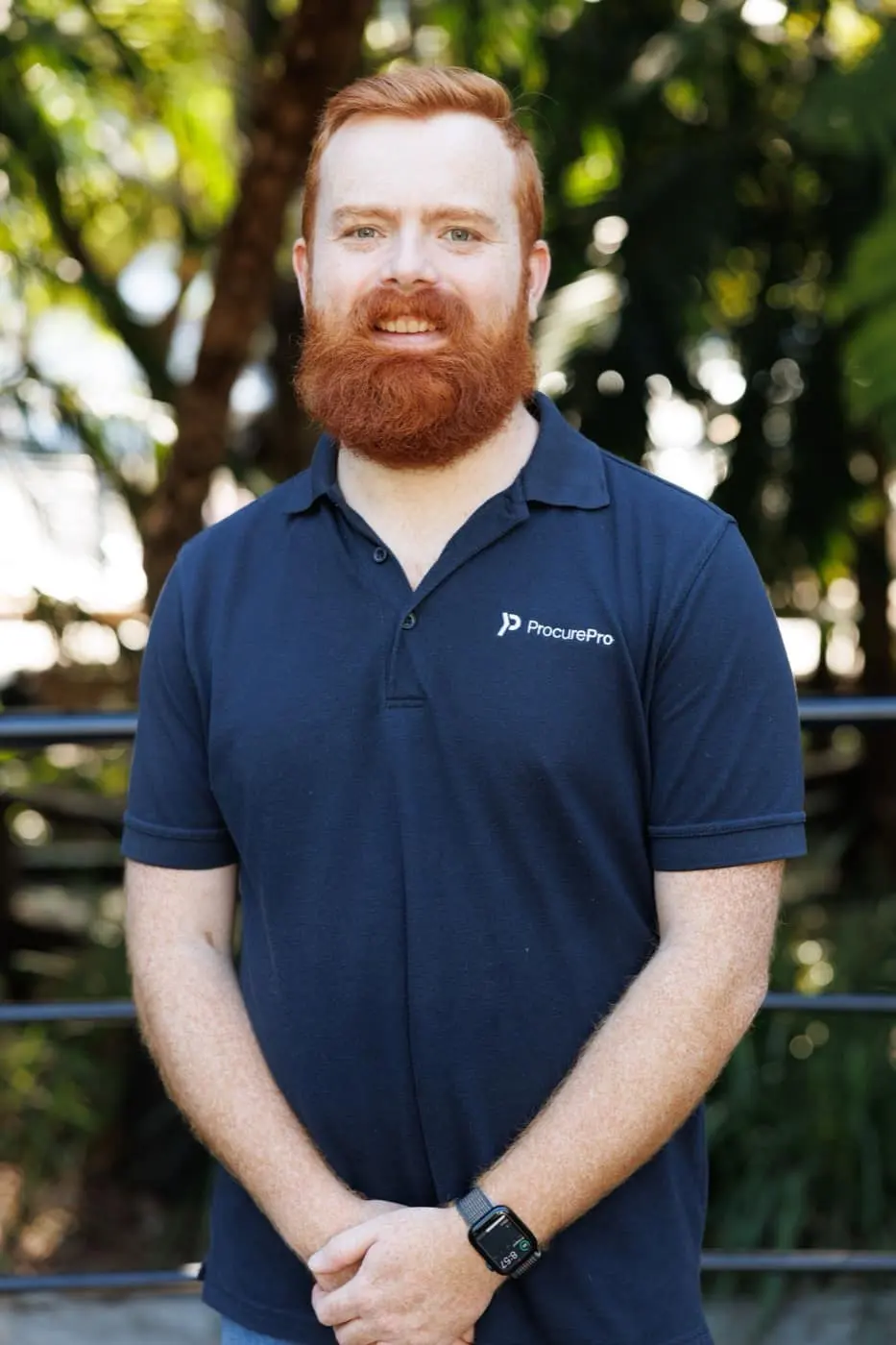


 ▶
▶  ▶
▶  ▶
▶  ▶
▶  ▶
▶ ▶
▶ ▶
▶