Transcript Synced · select any line to jump ▾ 0:02 Speaker: Founders scale faster on Deel. Set up payroll for any country in minutes. Hire anyone anywhere. 0:09 Speaker: Get visas handled fast and get back to building. 0:12 Speaker: Visit deel.com/dayone. That's d-e-e-l.com/dayone. 0:20 Tom Humphrey: In Australia, when it comes to technology or innovation, we kind of approach things from a perspective of doubt where the US approach things from a perspective of opportunity. 0:34 Speaker: Absence of domestic celebration of what is going on in Australia is actually costing Australians the opportunity to back that next generation of companies coming through. 0:43 Speaker: I just didn't know. I think we just, most of us just didn't know. In fact, I feel like the narrative is more that actually Australia is not going to produce the next LLM. Australia is behind in AI. If you ask anyone anywhere, including in Australia, mostly that's what they say. 0:57 Tom Humphrey: These are really important topics. Like we've got a lot to figure out, but at the same time, let's just take a step back. There's a lot of cool stuff going on and let's celebrate that. 1:05 Speaker: Okay, 3, 2, 1. 1:08 Speaker: Hey, I'm Cheryl. 1:09 Speaker: I'm Maxine. 1:10 Speaker: This is First Check, part of Day One, the network dedicated to founders, operators, and investors. 1:14 Speaker: If you want to be a better early-stage investor, this is the show for you. 1:17 Speaker: So TL;DR, if you don't want to suck at investing, listen up. Yeah, Tom is one of my favorite people. He has spent a bunch of time in the US, and yet he is still such a huge Australia champion. 1:33 Speaker: Oh, he is a huge Australia fan. He was like in the US for most, most of the 2010s, I think, and did some really interesting investing. I think he was based out of Colorado or something, but still loved Australia through and through the whole time. And I think he had operating experience in Australia kind of prior to the 2010s, which is pretty rare in the investor group in Australia. 1:52 Speaker: Yeah, he was at Canopy before they got acquired, which is pretty cool. 1:56 Speaker: That's very cool. Yeah, it's great to have that perspective, I think, around the table. Both as an operator and the go-to-market nerd. I know he, we're going to get into how he thinks about go-to-market on this episode, which I'm super excited about. 2:07 Speaker: And I'm excited to debate with you and him on whether PLG is out of vogue or not. 2:12 Speaker: Yeah. Yeah. I, I'm so interested. I feel like everyone hates it, but maybe they don't. Maybe it's just me and I actually love it. I also, he has written some amazing and some really interesting stuff recently. On the talent ecosystem in the Australian ecosystem and brought his kind of telltale signature nerdiness to it. Very data-driven in the way he thinks about it. So I am super excited to get into it with him. Yeah, let's do it. 2:39 Speaker: You're listening to a Day One.fm show. 2:41 Speaker: Thanks for joining us today. I'm Cheryl Mack, CEO of Aussie Angels, the preferred fund and syndicate admin platform for emerging managers in Australia. If you're an investor or keen to write your first angel check, please check out some of the syndicates on AussieAngels.com. Let's get our guest on because we are super excited for this particular chat. Something that Maxine recently read in the AFR. We're going to jump into it. But first question we always ask all of our guests, Tom, what is the first thing that you ever invested in? 3:14 Tom Humphrey: You know what? I love that you've asked this question because my oldest son is 7 years old right now and I've just signed him up for a brokerage account and we are kind of looking into investing in stocks. If he had his choice, he'd go all in on Disney, I think. But the first stock I invested in was actually through my parents, which is why I'm passing that on, and was BHP. A crazy kind of realization I had last week was just that if you apply the Figma revenue multiple to Canva right now, it's bigger than BHP and is the second largest company in Australia behind CBA, which is pretty wild to think about how the world is changing. But yeah, BHP started off conservative. Mining and, and here I am early stage tech investing. 3:54 Speaker: I love it. Did you actively invest? 3:57 Tom Humphrey: Did I actively invest in ZHP? 3:59 Speaker: Yeah. Did you actively invest the whole way through? Like when you learned early in your journey that like compounding is amazing and it turns out you can own like incredible little pieces of companies that are doing stuff out there in the world. Did you like hold onto that and keep going from being a kid? Or was it like one of those things where they like made a great decision for you early and then you only really like realized how valuable that was later on in life. 4:22 Tom Humphrey: Yeah, I look, I definitely learned that through my parents, just like the value of invest early and hold. You know, Dad was an architect, Mum was a teacher, so they didn't really come from that background, but you know, they did have that DNA in them of just like, you know, investing in the stock market and thinking long term. And yeah, so I definitely think that that kind of came early. I've never been a day trader. Like right now I just find like with the day-to-day of work and just the amount of energy and brainpower I've got to put into just like Blackbird and the early stage investing. I don't have time to look at this, the stock market. So I'm a bit more sort of ETF kind of focused at the moment if I'm putting anything into the stock market. But yeah, like I definitely still have that carry that sort of like long-term mentality now. 5:02 Speaker: I think it's such a powerful thing. I don't know if you guys have been tracking the Invest America accounts that they've just announced, but the kind of TL;DR is that the US has just launched every single child in the US, of which there's like 65 million of them, will get $1,000 into an account that they can't touch until they're 18. And it will just be kind of invested and compounded. And then— 5:25 Speaker: Invested in what? 5:27 Speaker: That's a great question. I'm not sure. It's being run by Brad Gershner, or like is being managed by Brad Gershner. So I imagine like a balanced portfolio. I can't imagine it's gonna be a particularly high-risk asset pool, right? 5:41 Speaker: No. 5:42 Speaker: Like I imagine it's gonna be like similar to a super, like a balanced super portfolio. 5:46 Speaker: Or like an S&P 500 or something. Yeah. 5:49 Tom Humphrey: I mean, I love that. And I think that the key there would be if that sort of like action will translate into folks getting more engaged and actually picking it up. 5:57 Speaker: Yeah. Yeah. That's why I asked, because a big part of the way that they're positioning it, I don't know if it's political right now because of the current politics in the US or whether it's genuinely what's driving it. But this idea of like the earlier you realize the power of capitalism, the more capitalists you will make, which is like obviously a very like American right position, but I do think like, especially in a generation where you watch, we've watched kind of progressively millennials to Gen Z and now to Gen Alpha, like attitude towards debt and like short-termism in spending habits. I'm really interested to see what they learn, even, even in within 18 years, if they learn, like it really changes behavior in terms of spending and like long-termism and savings and those kinds of things and investing behavior. 6:43 Tom Humphrey: Look at what's happening right now. There is, you know, like you look at Robinhood and you know, there is this big push to democratizing access. Access to equity markets and even like accessing the brokerage platforms. Now you can invest pretty much anywhere in the world through most brokerage platforms. When 10 years ago you were kind of like, oh, you're on CommSec, you can only invest really in ASX companies. And there was a lot of friction to that. And so I feel like on one hand you're seeing like a lot more retail investors coming in and you see like, you know, meme stocks like AMD and just, you know, you know, some of the meme stocks which are going on and like even that, how that's translating into the way in which companies operate. Like you think about, The CEO of the past was kind of like the conservative kind of like stalwart CEO at the front and a bit more, um, you know, traditional. And then the CEO kind of today, you think of Elon Musk and it's just like really about like how many Twitter followers do you have and how much can you muster sort of like a retail investor following. Um, so yeah, it's interesting to see like that's, that's only like a thematic, which is kind of underway and you know, how that will translate even further. 7:43 Speaker: Yeah, totally. Really fascinating. It's hard to imagine what that's going to look like in 18 years, right? Like imagine every single 18-year-old in the US is going to have, I don't know what that compounds out to be. I think it's like $35K or maybe $50K by the time they're 18. 7:56 Speaker: Mm-hmm. 7:57 Speaker: Like every single person, every single child in the US is going to graduate 18 with $50K in their bank account that they can then use. And if they manage to hold onto it until they're 50, it'll be a million bucks. 8:07 Speaker: Mm-hmm. 8:08 Speaker: Like fascinating to think about. Anyway. Oh, it's not why we got on call today to nerd out with you, although I feel like we could chat about that for a while, but it is America-related. So, you wrote a really fascinating article in the AFR or kind of authored an opinion piece in the AFR about the talent in Australia and specifically in relation to STEM talent, technical talent, and AI talent. And I wanted to kind of open source the conversation here so that you could share with our listeners what we're seeing in the Australian talent pool and a little bit more about that. So can you give us the TL;DR, what that article was about, and then let's dive in? 8:45 Tom Humphrey: Yeah, look, before I get into the TL;DR of the article, I'd probably just like frame it as like, why did I write that article? Which is, I think it's important, important context. One thing I've noticed, and I spent 10 years in the US and now I've been back about 4 and a half. And one thing I've noticed is like a general sort of like cultural sort of difference between the two countries, which feeds into the media, but also just the cultural dynamic where It's almost like in Australia, when it comes to technology or innovation, we kind of approach things from a perspective of doubt where the US approaches things from a perspective of opportunity. So what I mean by that is if you think about AI right now in the US, the kind of general kind of mood over there is like, holy crap, here's a huge opportunity. Let's get after it. Whereas in Australia, we're sort of like a deer stuck in the headlights. You know, and you pick up the paper and it's just, you know, everything's just like doubting the opportunity or stumbling over sort of like how we kind of get there. You know, we're like, what about copyright? What about data and security? You know, Australia's falling behind. What's our natural advantage? Like, what about job losses? And it's just like this whole cycle of just focusing on the negatives or the downside of it and not taking a step back and just going, you know what, actually there's some pretty interesting things going on here. There's this huge opportunity. Here's what's working, celebrating the wins. So that was like a little bit of a context to, you know, what the article was about. It was a bit of a, like, if I could just frame it, like a little bit of a moment of like, hey folks, these are really important topics. Like we've got a lot to figure out, but at the same time, let's just take a step back. There's a lot of cool stuff going on and let's celebrate that. So with that in mind, like, what do we have to celebrate or be excited about in Australia? And like, to add to your point, like the first angle there is the talent. We have a really good talent ecosystem here for the opportunity of AI to put some Kind of concrete to that point, 8% of all AI experts in Asia-Pac, and that includes China, are based in Australia. So AI experts means PhDs, researchers, AI, ML experts. We have more AI PhDs in Australia than any other country in the entire world. And why does that talent matter? That matters because innovation follows talent. You can see this playing out in the Bay Area where there's this huge talent war going on in AI right now, and Meta's throwing around crazy salaries for talent. And the reason for that is because talent matters. Now the next question is like, well, why do we have that talent? And that's actually quite interesting. There's two reasons for that. The first is our universities. So we have really strong university research institutions here. We've got 6 of the top 100 universities in the world for AI courses and research. And the other kind of big piece to it is immigration. And we're attracting a lot of, specifically from Asia, a lot of talent down to our PhD programs. From Asia. So if you look at our PhD programs in Australia, UNSW, ANU, et cetera, 88% of all students that are going through our PhD programs here are immigrated talent. They did their undergraduate overseas, majority in China, then India, and then all over Southeast Asia. So there's this kind of talent dynamic here, which is really interesting. And that's sort of feeding into the ecosystem here. Like we've got like early stage companies that are raising seed rounds. And they've already got like a research team with PhDs. Springboards is one that I work closely with. They've raised a $3 million US seed round. They've got a 3-person research team, 2 PhDs from ANU, and they're doing really sophisticated stuff at that model layer. It's not just building an application. So the second thing outside of talent though, just to kind of be clear on that, is just like, I'd also say the other big piece is output. We've had a lot of really interesting AI output in the region. If you look at it from the perspective of model development, We've had 6 companies in Australia train foundational models, release those publicly. Just 2 weeks ago, actually, Leonardo, which is now part of Canva, obviously, they released 2 image models. And when they were released on the leadership scoreboards globally, they're number 5 in the world and number 10 just for quality of image generation. And that doesn't even kind of hit the media. Like to the point I was saying about media, like nobody even knows that. You probably didn't even know that. 12:55 Speaker: Nope. Did not know that. 12:58 Speaker: That's wild. 12:59 Tom Humphrey: Yeah. Like here we are like batting up there. Like we're above Google. We're above like a lot of other players and, you know, no one even kind of realizes that. And then from a funding perspective, Australia, um, by my research is actually since 2015, there's been more funding going into AI companies here than the rest of Asia, excluding China, but the rest of Asia and, and, uh, and just behind South Korea. Australia's getting more funding here. We're getting more funding into Australia than we've seen in Singapore, more than India. So there's a lot actually happening here that's to be excited for. And, you know, we've got some really interesting companies that are emerging out of the ecosystem, you know, whether it's Leonardo, Heidi, Lorakeet, all of these AI companies. And the interesting thing about those companies, I'd say, which is quite unique to Australia, specifically to our region, is that these are companies that are building for a global audience. Like when you look across Asia, Say like you pick India, they've got a company there which has been one of the leaders, it's Safran, but they're building LLMs for India. You go to Japan, the big kind of like flagship company there is Sakana, they're building LLMs for Japan. A lot of these kind of Asian countries, when it comes to AI, they're building AI for their countries. They're very kind of geographically focused. When you look at Australia, we've got companies that are building for a global audience, like Heidi, Leonardo, over 90% of their audience and customers and revenue is actually offshore. And so I think that that's something to be really excited for as well. Like we are building products from Australia in AI that are global first and are kind of globally leading products. And that's something to be celebrated as well. So that's kind of like the overarching message I'd say, look, yes, there's a lot of work we've got to do in Australia. We need data centers. We've got to fix copyright. We've got to work out all things, but there's a lot of things to be excited for. 14:40 Speaker: For sure. For sure. I guess I say like no notes, just mic drop. Why aren't we more excited in Australia? I had this moment, why are we not more excited? Like, why don't we celebrate this more? And I think like, we laugh, but it is actually like— 14:53 Speaker: I just didn't know. I think we just, most of us just didn't know. In fact, I feel like the narrative is more that actually Australia is not going to produce the next LLM. Australia is behind in AI. If you ask anyone anywhere, including in Australia, mostly that's what they say. So I like, this is the first I'm hearing of it. 15:10 Tom Humphrey: Yeah, and that's cool, right? Like all that does, that mentality, is just dampen our ambition, right? If we think that we will be that, like we need to like actually take a step back and go, look, we can actually build globally leading products. We have an opportunity to build at the model layer. Like let's lean into that. And if we do kind of like just craft that mentality and believe in that, like that's the first step to actually kind of executing and making something of it. And yeah, that's kind of like, I'm just Again, just going back to the initial framing, like, you know, if we can kind of change that mentality and feed that into how we talk about it in the media to change the dynamic for us. 15:45 Speaker: 100%. I also think that like, it's not going to come from anyone else, right? No one else is going to find this out if domestically we don't talk about it, you know, like— Yeah. 15:54 Speaker: China's not going to start talking about us. 15:57 Speaker: And I think increasingly people, especially in the US, are starting to realize, hey, there is actually something quite interesting going on in Australia. But I'm sure you guys are familiar with the, and we had Ben on the podcast talking a little bit about like how successful the Australian ecosystem has been kind of up until today. Stat that is living rent-free in my brain and is making me feel quite sad about what is going on in Australia is that this like absence of domestic celebration of what is going on in Australia is actually costing Australians the opportunity to back that next generation of companies coming through. I was recently looking through the data and the US, their allocations to pre-seed has consistently gone up about 20% per year for the last 5 years. They are like up 70% on the amount that they're allocating at pre-seed over the last 4 years, whereas Australia has gone backwards over that same period. 16:49 Speaker: And let me guess, Australia has gone back. 16:52 Speaker: It's gone backwards. We are putting more into the later stage, but we also just like, I mean, it is a macro trend across the world that Yeah. Yeah. We're just investing less, especially at the early stage, especially with this like market contraction that's happening. Early stage has taken a bigger haircut on a percentage basis than elsewhere. And I think relevantly, Australia, we domestically invest about 60% of our funding into early stage, like of our funded companies at early stage, about 60% of that is domestic. About 40% of that is international. Whereas benchmarking to the US, it's like 79% is domestic. And the rest of it is international. And so we have these incredible, like, ingredients around the Australian ecosystem. It's proved it's really efficient. It's proved it's really capable. That is all backwards-looking data, not even taking into account the AI arms race. 17:43 Speaker: And then we're like, cool, let's go invest overseas. 17:45 Speaker: Yeah. Right. Or we're just not investing in it. We, we're investing in a different asset class and international investors are the ones that are allocating to that. Difference, and they will be the ones that then the capital recycles outside of the Australian ecosystem. And so I think it would be so great if we started to hear people kind of realize how much opportunity we have in the Australian ecosystem. And that is phenomenal. Those, some of those stats that you mentioned. 18:10 Tom Humphrey: Draft off your point. Like, I think like the other big thing, which I think a lot about is just like, we really are a capital constrained ecosystem for venture. Like, you know, just whatever metric you wanna look at, like percentage of dollars put into R&D versus GDP, or just like total VC dollars in VC, like exits out, like whichever way you want to look at it, it's very clear that we don't have a robust, like a capital ecosystem for innovation in Australia. And yet we are achieving what we're achieving in spite of that. And, you know, to Ben's point, like one of his greatest points is like, we're like the most capital efficient market in the world because of it. Like we've got gritty founders who despite the fact they might not be getting the dollars here, are still kind of like just squeezing everything, every dollar out and, and achieving these outcomes on the global stage. And so I feel like we've got the ingredients here to just, just be really great. But, you know, we just need to like put more fuel into the, into the car and the engine's kind of humming. And, um, yeah, so I totally agree with everything you just said. 19:05 Speaker: 100%. So one of the things that jumped out to me then when you were just mentioning it is that we have, as you said, I think it was 88% of our PhDs are from international students, but that we also have on a per capita basis, one of the highest AI and STEM PhDs in the world. And so I think one strategy that I have seen a lot outside of Australia, but I have only just started to see in the Australian ecosystem, is investors like developing relationships with universities and actively sourcing and backing companies early. Do you have any views there on like sourcing from universities, like getting to know early PhD program stuff? Like, how do you think about like tactically for the folks listening? Like if you're an angel investor or you are venture curious and or like you're running a fund, like how would you actually start to utilize this opportunity to start allocating to this group more effectively? 20:00 Tom Humphrey: Look, I think, um, there's the good and the bad. I'll start with the bad, which is that like, The Australian university ecosystem is really different to the US. I urge all your listeners to maybe search for Blackbird Manifesto, which my colleague Michael Tolo wrote. He was specifically talking about the biggest challenges with universities and commercializing research, which is happening at universities today. And if you look at the US, like, and you go to like MIT and Stanford, they're just organizations that are really orientated around the commercialization of that innovation, which is happening on those campuses. What that really means is like they have these really standardized kind of processes for like how much equity should the university get for that IP when it spins out. It's, you know, and it's really orientated around like, we've got to set this up for success so that it's, you know, it's not like going to be like 30, 40% is being held as deadweight with the university on the cap table. It's, you know, much lower. And we're kind of like really kind of shifting this into like an orientation startup mindset. Um, you know, in Australia we don't, we don't have that. 21:02 Speaker: Whereas Australia is still nearly last place in commercialization on the OECD. 21:08 Tom Humphrey: Yeah. Yeah. And like, we lose a lot of like commercialization, a lot of like our best stuff. Like we just hand off, like Google Maps, like innovating Australia just got handed off to the US. Like. 21:16 Speaker: Here you go on a silver platter. 21:19 Tom Humphrey: Like we even invented like Bluey, the TV show, right? 21:22 Speaker: And Wi-Fi, Wi-Fi as well. Nobody, like no one in Australia owns that patent. We were like, hey, we invented this cool thing here. Everybody can have it. We're not sure what to do with it. 21:32 Tom Humphrey: Yeah, like there's lots of stuff. Like even like going to like the creatives, like we like created Bluey, the TV show. It's like the number one most streamed TV show in the entire world right now. And yet it's kind of, it's owned by the BBC. It's owned by the UK because they kind of like, the ABC didn't get off their ass to kind of license it. It got taken by the BBC. And so it's just like all this awesome, like innovation that happens in Australia and it kind of gets offshored too quickly. And we just got to figure out like, how do we kind of make sure that we commercialize this in a way that sets it up so that it's, you know, optimized for Australia and is set up so it's optimized for success. So yeah, that's what I'd say. On the good side, I'd say, look, we do have really great institutions here. We've got great research, which is happening when we talked about the talent specifically to AI, but that applies to STEM, like robotics and all these other kinds of areas. Quantum computing is a great area. I would say also, if you go to the university today, there's a lot more interesting activity. Like you go to UNSW, they've got these like accelerator programs. They've got 10x. They're even kind of spinning off into like much more subject-specific. You know, there's the 10X Defence Accelerator, which is really focused on just like, you know, defence tech. You go down to Melbourne, University of Melbourne have got their kind of like own VC fund there, which is around like investing in, you know, University of Melbourne alumni and students and what's spinning out of there. So you've got NextGen, which is like a VC fund, which is kind of spun up, you know, we're going to invest in like students. 22:52 Speaker: They do a great job. 22:53 Tom Humphrey: Yeah. So it's just like, there's a lot of interesting stuff which is happening, which wasn't here like even 3 years ago. 22:58 Speaker: Um, so I'm optimistic about where we're trending. 23:00 Tom Humphrey: But at the same time we're really well behind. 23:02 Speaker: 100%. I actually, I was super excited to see Baker Street announced, which is a commercialization syndicate for alumni. So alumni investing back into their ex-generation. I was like, oh yeah, of course. Every single one of the big universities in the US has this angel group that's university affiliated that allocate into companies coming out of those groups. And Stanford Angels and Entrepreneurs is extremely prolific. So is the Berkeley one. And there's one associated to like most of the big universities here. Like that would be awesome to see, to start to see that kind of like investment back into that ecosystem. 23:40 Speaker: Funny enough, we've actually been approached several times by universities at Aussie Angels, but every single time it has not gotten off the ground because the bureaucracy involved. And, you know, it's always like some champion who is He's like, yes, absolutely. We're gonna do this. Let's run it through. We build a whole thing and then it goes up to the powers that be and it either gets stalled there or it gets shut down. So I think I've talked to 3 or 4 universities at some point over the last couple years where they've, someone's wanted to champion it and then it's gone nowhere because they couldn't get through the red tape and others couldn't understand how it worked. 24:16 Tom Humphrey: We, we launched a product. I mean, we call it a product, but that's probably a bad name for it. Like a, a platform, if you will., um, called Foundry. And it was specifically targeted— this was 3 years ago we launched it— and it was specifically targeted at this problem of commercialization. It was just like, hey, we've got this really interesting research going on on campuses, but the problem is this bridge from like taking something which is like in a lab on campus and getting it into like a startup with like a seed round and kind of off on this kind of like startup innovate innovation kind of focus mentality. Um, that commercialization bridge. And so we, we, we launched Foundry and like every year we do 2 cohorts, we bring in 10 companies and teams, and they all have to be affiliated with the university. And the idea is to create that bridge. And to be fair, like the bridge is not, as I was saying before, just about like, how do we kind of set up the university structures? It's not just about that. The other kind of big things is just like getting the right mentalities in place. So like often these teams on universities are very research focused. They might have never had experience in like, how do I build a company? How do I talk to customers? And so it's that commercialization element. It's also like we don't really have great ecosystems of like mentors. Like, you know, they're looking for like, I need to talk to someone who's done this before. Like I need to, and we haven't really had great examples of that. And so a lot of that's just, how do we bring this network of other kind of like deep tech frontier tech operators around these people to help them kind of like answer these questions? And then the other kind of big piece is just talent. Like it's been really difficult. Like if you are like Gilmore, for example, and you're trying to send rockets up into space and you're like, I need this really specific kind of like rocket engineer and you look around Australia and it's like, well, there aren't any, there's no one here because we haven't sent a rocket up before and you have to kind of like look overseas and then it becomes this question of like, how do you bring that talent in? And that's a really important part of commercialization, you know, to commercialize a lot of this technology, you need talent, right? And so I think there's a piece there around like, how do we kind of like lure in the right talent from overseas and make sure we've got the visa programs and the government kind of like involvement to lubricate that as a process. 26:09 Speaker: 100%. Yeah. 26:13 Speaker: I think that brings us to like our most important question here, which is like, how does this affect investor decision-making, this talent landscape that we have, which has so much opportunity but struggles with these types of things around commercialization, bringing the right talent in? Like, what does that mean for your average investor? 26:34 Tom Humphrey: Look, I mean, like the talent equation in Australia is getting a lot better. If you asked me 5 years ago, that's hypothetically say I'd give it like a C-. Now I'd give it a B-. 26:44 Speaker: All right. A whole extra grade. 26:46 Tom Humphrey: Yeah. Good work, picked up. 26:49 Speaker: On a small base. It's good. It's good trajectory. 26:52 Tom Humphrey: I think you've got a good analogy there, but yeah, look, I'd say, look, in certain areas we're really strong. Like if you take like, let's just focus in on the AI opportunity because we're talking AI. Like I'd say like if you break down the AI opportunity, there's two very different types of talent. You've got like AI engineering talent. And you've got like AI research talent. We're talking like PhDs in ML. Um, and on the engineering side, we're pretty good. Like we have engineers that have built world-class products before they're coming out of Canva and Atlassian. And this is, these engineers are translating quite well into the AI opportunity. Like you need to remember that a lot of the opportunity in AI doesn't necessarily need PhDs and research talent. Like there is an application level opportunity here. You know, Heidi. You know, our portfolio is a company that's doing incredibly well and growing very fast. They don't have a research team. They're not like training ML models. They don't need to, and that's okay. You can build applications in AI. And then the other piece to it is the research, the PhDs, and that sort of like more specific, you know, AI technical talent. And like I said before, we've got that kind of PhD program thing going on, the immigration piece, the university piece. And so there's a lot that's working there. And I just think, you know, we're seeing that kind of, you know, move into some of these companies. We've got, you know, these PhDs feeding in, like Leonardo, for example, did an incredible job of building up a research team, you know, from scratch, like probably like the first, like really like powerful, like maybe Harrison AI is another good example, like building up these really strong research teams. And both of those companies now are kind of putting out these models, which are like, as I said, world-class in scale. You know, Harrison AI, for example, their AI model, like RAD-1, is the world's best model for identifying cancer from radiology scans. So, you know, we've got that piece to it. And then I'd say like the other kind of thing on talent, which is an interesting kind of piece, is the boomerang effect. You know, some of this talent does bleed overseas and that's going to continue, especially the AI technical talent. Like by my count, we have about 15 to 20 of the top 500 researchers in the world right now in AI are Australian and most of them are not here. And that's because they're at Meta, they're at Anthropic, they're at DeepMind. And you know, that's— 28:59 Speaker: But they'll come back, right? 29:01 Tom Humphrey: Yeah, they will come back. And you know, an example of that is like Jesse Clark in, you know, from Marko. Like he, you know, was head of robotics AI at Amazon in Seattle, PhD, you know, was at Stanford as a researcher. And so incredible talent. And then, you know, had a family and moved back to Australia. And now he's kind of like co-founded Marko down in Melbourne. And so that is the example of the boomerang effect. And I think we will see more of that. Like it's, you know, there's Australia's a pretty cool place to live. And, you know, a lot of those, a lot of those folks will come back and actually them going overseas and being trained and coming back is probably good for us. So. 29:34 Speaker: 100%. I also think that in parallel with the fact that like, I feel like the Australian ecosystem has normalized a particular operating model that is fairly unique internationally, which is for a collection of reasons, including government incentives. It's a nice place to live and also time zone overlap is a lot of them are putting a base in Australia and then a base in on the West Coast of the US. And so like Canva is an example of this, right? But loads of it, it actually shortcuts the pace at which we get like world-class insights into our operating teams in Australia. So you don't have to rely necessarily on the boomerang effect. And I feel like I'm meeting more and more founders who are, you know, I'm benefiting as an investor, I'm benefiting from the boomerang effect, but I think the market in Australia will then benefit from the fact that they want to be in Australia, that they're coming from incredible operating backgrounds and they'll build simultaneously across those two places. Like I think something that is not obvious to people that live outside of Australia, but is maybe fairly obvious to Australians, which is like a 14-hour flight for us is like, okay, that's no problem. 30:37 Speaker: Yeah. 30:38 Speaker: Whereas Everyone else in the world is like, what you just have described is torture. I think what you're talking about is torture actually. And so the prospect of getting onto a flight and popping over, in inverted commas, popping over the Pacific Ocean to the US is not a huge proposition, right? There are, I have met founders who've gone to the UK for 2 days from Australia. That's a 20— You are spending more time in the air than you are spending on the ground in the UK if you do that pop over to the UK. But I think because, you know, when you live on that side of the world, you're just so used to being so far from everywhere, it's kind of normalized. And so I think that as well is a really interesting thing to think about, like to try to draw some of those trend lines and think about what does the Australian ecosystem look like in 10 years where we've got this really strong talent base, this boomerang effect, some of the best researchers in the world potentially coming back to be based here. 31:33 Tom Humphrey: And you're right, like, you know, this idea of like building global teams, I think is really important. Like a lot of the companies which we're investing in, you know, you might start in Australia, but very quickly they're building like an overseas kind of office and overseas team and usually the US, but it could be elsewhere. Um, and there is like a lot of arbitrage to that. Like, you know, it's like talent arbitrage. Like if you're suddenly like hiring for talent in two markets, like that just gives you greater footprint for just tapping into different talent pools and a lot of arbitrage from that. You know, to your point as well, like you just kind of picked up on it, but like the R&D tax credit, like that is like a little secret weapon here. And, you know, just the ability to hire and build an engineering and also specifically AI research team in Australia and get 43 cents back on the dollar. All that, and you're paying in Aussie currency and then you sell your product into US currency over in the US. There is so much like just arbitrage, economic arbitrage in that. And if you think about two companies battling it off in the same market and one's trying to build an engineering team in San Francisco and $250K USD a pop for their engineers and that's it. And then happening in Australia and they're paying like $200K a pop in Aussie dollars. And you get the 43%. It's like, you know, they both raised $10 million and just think about how far that can go in terms of execution and investment. And like to your point before about like what Ben was saying about the capital efficiency of our ecosystem, like that's kind of like part of it. Like we are a capital efficient ecosystem. You can invest in a company here and get a lot more bang for the buck in terms of product and velocity. And yeah, that's a really cool thing about like building teams. 33:08 Speaker: I think the kind of quiet rule, not rule, but like perception had been that like when you played that arbitrage, you took some kind of like talent haircut. Relative to the Bay Area, but I actually think that's a misconception. And I think that that's one of the things I really wanna highlight with your article and the, like, the research that you're flagging is like, I actually don't think that that's true. You know, especially if I think about the folks that are running hardest at AI in the Bay Area right now. Like, if you can find me an ML engineer in the Bay Area for $250K, I will give you my firstborn. Like, the top ones are getting paid like a million bucks. And so I think like that's a really interesting, uh, stats to open source so that people fully understand the opportunity across those two ecosystems. 33:55 Tom Humphrey: I would say for certain roles, there's still a gap. Like I think, you know, one thing I think a lot about is product. And I think like, especially as you get to senior levels, like senior product managers, there is a gap in Australia around that. And I just don't think we've had like the ecosystem of like enough companies outside of like Canberra and Atlassian where there's been enough sort of senior product managers mature into that sort of like, oh, you've got like a really world-class kind of at-scale product. But, you know, like I do think like in other roles, like engineers, like, you know, good parity there on kind of talent, you know, go-to-market talent, other kinds of areas. You know, the other thing I think a lot about is just like the roles are really changing in organizations. Like, you know, there's this new role. At AI companies, like for deployed engineer, like that role didn't exist a year ago. And now like you just see these like new or like AI architect, like where did that come from? You know, like, and so the roles are changing. And so this idea of having like, there is no arbitrage or like difference in role type because they're new roles. And like, we've got an opportunity at kind of like upskilling and kind of like building the best folks in the world for these new roles because no one's actually kind of got any kind of like mantle in that case. 35:03 Speaker: 100%. Yeah. Which is probably selfishly one of the topics I was super excited to chat to you about was one of the DNA elements that the Australian ecosystem seems to have developed really effectively that is almost kind of, was structurally necessary for the previous kind of cycle. And this was the idea of product-led growth. And maybe I am just like, I missed a beat, but it seems like we had a real moment on product-led growth. Right? 2019, 2020, 2021. 35:34 Speaker: Everyone wanted PLG. 35:36 Speaker: Everyone obsessed, right? And then, and you wrote some really wonderful pieces in that window. And then I feel like it's come off vogue and either I'm playing catch up or I'm missing a beat, but I don't understand why people aren't still really obsessed with this because it feels so valuable for companies. And so I'd love to just maybe resurface a bunch of thinking that you did back in 2020, 2021. To talk a little bit about, first of all, what is product-led growth, right? And why does it matter for businesses and why has Australia got so good at it? 36:07 Tom Humphrey: Okay. Yeah, I can talk to that. And then I would love to talk to your kind of comment around like, is it changing and product-led growth is out of vogue, so. 36:15 Speaker: Which I disagreed with Maxine about, by the way. We had a whole argument about this. I was like, it has not. 36:21 Speaker: Oh, interesting. Okay. 36:22 Tom Humphrey: I was like, let's just quickly kind of COVID we can kind of like argue it. So product-led growth to me, it's interesting. Like I think that there's a miscategorization of product-led growth. I think like when people often talk about or think about product-led growth, they think Slack and Canva. And it's like the only way to be product-led is that you have to have a signup here, freemium product motion, and it's gotta be usage-based pricing. And it's just like, if you're not that, then you're not product-led. And I don't, like my argument would be like product-led growth is not a state of being. It's not like, oh, you look like you've got a freemium product and if you don't have that, you're not product-led. It's more like an approach. It's a methodology. Product-led growth is like you look up and down your go-to-market engine, your go-to-market funnel, like everything from how do I market my brand? How do I reach my customers? How do I acquire customers? How do I kind of land and expand them? How do I customer success them? And it's about looking up and down all the activities you do along that funnel and figuring out how do I use product to do that job as best as possible rather than humans. That's it. Super simple. And I think that that's an important framework because you have all these companies that come along and they've like got an enterprise sales motion. Like, hey, like we've got outbound sales. I visit a customer site. My average ACV is $100K and it's never going to be like a freemium model. So I can't be product-led. It's like, Absolutely not. You can be product-led. You can still use product to do customer success. You can use product to do better, kind of a better job at like acquiring customers and kind of reaching out to them. So it's a really important mindset shift. And so it's about, again, like looking at the full funnel and diagnosing where you can use product. Why is product-led growth important? Two reasons. One, you can scale faster. So if you look at public companies today in B2B SaaS, On average, product-led companies that are defined as such grow 2 times faster than non-product-led companies. And the reason for that is it's a lot easier to scale product than it is to scale people. If you have a go-to-market engine, which is dependent on account executives and you have to hire them, train them, some will fail, they leave, hire more. It is a lot harder to kind of get that engine scaling up quicker than if all you do is like a product and you can throw money into that engine and kind of scale it up on ads or SEO to kind of get that going. It's a lot easier to scale faster. And the second reason is it's more efficient. You get higher margins. So on average, there's a big marginal differential. It's about 15% in terms of gross margin that you have by being product-led versus like having kind of like put that into a human-led engine. So those are the two reasons why it's great. We've got great DNA in Australia for it. Like if you think about like Atlassian and Canva and these companies, Xero in New Zealand, all product-led growth companies. In terms of that they're using majority product in their go-to-market engine. And that's been fantastic for us. It was almost like, as we're speaking a lot about this, but like it's built out of necessity because back in the day, like you kind of like starting a company in Sydney, it's like you have to be product-led to sell because how are you going to sell to people in America otherwise? And so it's built out of necessity, but today it's actually, you know, built out of like desire. And so that's kind of like the kind of TL;DR on it. And we can kind of debate whether it's still sexy or not. 39:34 Speaker: It's out of vogue or not, right? I think, I mean, I really love that definition and like the fact that you expand it outside of just like, oh, there's like something specifically in my product that like directly acquires customers. I thought that kind of up to me as actually you were talking through this is like what one or two of the big drivers there is like efficiency, the like infinite scalability of it because you're using product in each element of your sales funnel and also the capital efficiency. I wonder in the world with AI, like, do all companies start seeing product-led growth by putting agents in their sales funnel as opposed to putting product? 40:10 Speaker: But is it, if it's an agent, then is it just a, like, it is still, is it product? Because it's an agent that is technically impersonating a human. So. 40:20 Tom Humphrey: So look, it's a really interesting question. I think I actually want to take that point up a level. And I, I would say everything I know about go-to-market right now is I feel completely stale. You know, you said I wrote that piece back in 2021 and it, you know, like I used to be in go-to-market. I feel like I'm so out of touch with how to be go-to-market. I feel, I felt out of touch with some of the developments going on, but like throw in AI and now I'm just way out of touch. Like I used to do like outbound SDR. Now it's like all AI agents kind of like doing this outbound, whether it's on LinkedIn or or email. And I worry a little bit about that too, because, you know, in my head I'm just like, where are we going to be in 5 years? Like everyone's email inbox is getting just absolutely bombed by 1,500 different AI agents at some point. 41:06 Speaker: Yeah, but then I'll have an AI agent answering my email. So it'll just be AI agents talking to each other. 41:12 Tom Humphrey: Yeah, exactly. Well, maybe that's going to happen, but I also think spam filters are just going to go up and it's going to be harder to cut through. I also think about like the same thing with phone calls. Like I get like all of these robo calls like every single day. At some point the telco is just going to lift the bar for kind of getting through. The other big one is SEO. Like, you know, SEO used to be like a main strategy for growth in marketing. You know, now like you see what's happening with Google and it's like the AI summaries at the top and you used to, you know, invest in a content engine and that's kind of gone. Like HubSpot, for example, as a company, like it was very content-led SEO as an engine. Its web traffic's down 75%, like since November last year when Google changed the algorithm and did AI summaries of SEO. It's a huge challenge, right? So, you know, now we're talking a lot about like AEO, like, you know, or GEO, like, you know, Gen AI, ChatGPT, kind of like. 42:01 Speaker: Yeah. Google's traffic also is down because people are just using ChatGPT instead. 42:10 Tom Humphrey: I'm trying to think through where the puck's going, like 5 years from now, like what's going to be important. And honestly, my gut thesis right now is we're almost going back to stone ages here on go-to-market where I'm seeing the companies that are doing the best on go-to-market right now. It's not like the hard outbound kind of SEO like engines. It's like investing in brand, investing in community, doing kind of like podcasts, trying to like lean in on virality and referrals, trying to kind of like figure out how to do like customer events or customer dinners or going to conferences. Like it's almost like going back to basics. Yeah. On go-to-market. 42:46 Speaker: Going back to when we didn't have computers or cloud and actually seeing each other face to face. 42:53 Tom Humphrey: Yeah, exactly. It's like in-person events and it's sort of like trying to go back to the offline kind of marketing versus online. It's, it's a really interesting, um, thing that's going on. 43:02 Speaker: I agree. Like, I think it's a really interesting moment, um, where we're kind of going back in towards these like curated networks, in-person, offline stuff. I do get a little bit nervous about discoverability. There, right? Like, 'cause if we go back to gated communities and like, one of the beautiful things that Google did was deliver on their promise of organizing the world's information, right? So that anyone could go on and just kind of search that. And one of the reasons that this podcast exists, for example, is to open source a bunch of the conversations that we know were being had in those kind of like offline, in-person experiences and weren't being open sourced. Yeah. Right. And so, and even then, like, we try to open source it, but there is a lot more information you just can't communicate in this kind of forum, but you can in, you know, some of those more kind of education forums or like anonymized forums and those kinds of things. So I do, I am a little bit nervous if that is where we end up just in terms of like leveling the playing field in terms of knowledge, like having a few areas where we go for information like a model. Where all the AI summaries, and that's the single source of truth, and we don't get an opportunity actually to look at the underlying information in the same way that you did with, say, SEO. There were like 3 or 4 articles that maybe had different positions on different topics. I know the folks, the researchers that are working on these models are working super hard to like think about sourcing and like surfacing competing opinions on stuff and all of that kind of thing. But I think human laziness probably wins out over completeness of information. 44:36 Tom Humphrey: There is like, I mean, there's definitely like a big push to sort of like PR and like you can see it at like both a company level as well as a founder level. Like a lot of founders today very early are investing in their own personas and very active with LinkedIn. Like sometimes even they've got like shadow people in the background, shadow copywriters. 44:54 Speaker: Yeah, the whole concept of building in public, right? 44:57 Tom Humphrey: And yeah, and like it can really work. Like, you know, if you think about the hype cycle around Manus, which kind of Manus AI, which kind of happened. You know, a year ago or so and just like they did such a good job at like creating this hype cycle, which kind of like was the momentum for, um, their flight. Like in my portfolio, I think like Laura Keek's been doing a fantastic job at just like building like a marketing engine. Just, just around that. And like, it's not about SEO. It's not about outbound. It's just about like build the brand of, of the founders as well as the, um, the company. But I, I definitely, I probably disagree with your point going back to your kind of point earlier around product like growth. Is it dead or out of vogue? And I don't think so. Cause I think if you look at like all of the companies right now, which are the flagship ones in AI, like Lovable, Cursor, Heidi, Leonardo, like all of them are to me product-led growth companies. Like it's all like, to me, like the telltale of a product-led growth company is you go to the website and does it say contact sales or does it say sign up now? 45:51 Speaker: Oh, interesting. 45:53 Tom Humphrey: And especially if it says sign up for free and then we'll kind of upsell you. At some point. And like, you know, all of those companies had that motion. And again, it's not that you have to have that motion to be product-led, but you know, that's a telltale sign of it. I would say what we're seeing right now is not the product-led growth is gone or out of vogue. It's just changed. And we're leaning into different types of kind of go-to-market strategies, as we mentioned, like, you know, brand building. But we're also seeing sort of like enterprise come into play a lot earlier. Like if you think about Canva, for example, Canva was product-led growth, like just purely like sign up here for the vast majority of its life. And it's only really been in like the last 2 to 3 years that it's really kicked in like enterprise motion and kind of, you know what, we're going after the Fortune 500 here and just like, we're going to have account executives and selling this enterprise motion. If you compare that to say Heidi, Heidi's one year into its life and it's actually got a pretty robust like enterprise motion going on already. And so I'd say like enterprise is coming into play a lot earlier in companies' lives than before. And maybe the other kind of thing I would say is that there is an interesting kind of enterprise motion that maybe is sexier now as well. I talk about how like I see like 2023 being the year of consumer AI. ChatGPT came out in November 2022. 2023 was the year of just the consumer AI. It just went, whoom. Yeah. You know, straight up 2 months, 100 million monthly active users. Then we had like, I'd say 2024 is like the year of prosumer AI. That's like Heidi and stuff where it's like, you know what, bottoms up. And then we overlay like an enterprise motion. I would say 2025 is the year of like enterprise first as a motion. And in that bucket, I say is like a Laura Key, whereas it's like, there is no productized motion really. Like it is like an enterprise first motion. And the reason for that is because enterprise adoption of AI is being really laggy. Consumers, wow, like adoption of AI and consumer, like we're all on it. Like I think 90% of Australians use, you know, AI every week. You know, prosumer is kind of happening. You go talk to your average doctor, like they're kind of like adopting things like Heidi, like that's kind of happening too. Where it's not happening is the enterprise where there's like, you know, the big clunky organizations adopting AI for their enterprise use cases. Penetration's really slow there because they're much more like integration effort, a lot work on implementation. Um, you know, a lot more kind of fears around data security, privacy, integrating with legacy systems, blah, blah, blah, blah, blah. So it's been slower, but that's kind of like the unlock which is happening now. And that's why we're seeing more companies popping up that are like enterprise GTM first, but not to say that product-led growth is dead. 48:31 Speaker: I also think though that the, the line between enterprise and not enterprise has been blurred over the last 5 to 10 years since, you know, Canva made that decision and, and Heidi Health has started targeting enterprise. Like when you used to think about enterprise, we were thinking about about like the Oracles and the Salesforces of the world. Now, when we talk about enterprise, we mean, you know, the mid-tiers, the ones that are slightly bigger, maybe they've been around for longer, but they're just as keen about innovation as the smaller businesses. So, I think that line has blurred, and that's another reason why we've come to expect that actually enterprise is easier now. 49:08 Tom Humphrey: Totally. I agree. 49:09 Speaker: Yeah, super interesting. I love to double-click that point, 'cause that is, that like, peaks my interest and my curiosity that that pace has like truncated so quickly. Do you have a like story or like why you think that that pace has accelerated? Like I would imagine that enterprise appetite for AI is a big driver there, but what do you think are the ingredients of— 49:32 Tom Humphrey: There's two reasons to answer your question. The first is AI and is specifically the AI value proposition. All right. So like, put it this way. Like if you think about 5 years ago, like what was your classic B2B SaaS product? Let's take lawyers. Like you're a lawyer and the classic kind of traditional SaaS kind of product is like a legal CRM, a legal document management system. I go into like a law firm, I knock on the door and I say, hey, I want to kind of like pitch you my document management CRM system. And they're like, oh, okay. Like, well, we need to get the whole organization on this. And like, we will need to do a pilot and you get all the decision makers in the room and we do a pilot and test and integrate. We've got to rip and replace and we need to integrate with all our other systems. 2 years later, you get a $100K ACV contract out of it. Off you go. Slow sales cycle. With AI, you hit up a lawyer online and you say, hey, I've got a product here that if you start using it, it's going to like take away 40% of your, you know, your day-to-day pain and it's going to improve your productivity 2x. Do you want to use it? And they're like, Hell yeah. And they just sign up here and start using it and it's and it's unlocking this kind of single player mode of using a product as opposed to like historical traditional SaaS was only like multiplayer mode. You could only, you know, use a CRM or document management system if the entire organization came on. With AI, a single user can sign up and get value out of it. So that's unlocking like a new kind of model of, you know, value proposition that's single player mode. That's really high value proposition, like 50, 60, 70% productivity gains as opposed to like 10% productivity gains with traditional SaaS. That's the first kind of element. And then the second element is like how that specifically unlocks a new kind of buyer motion into these organizations. So let's pick a different, like let's talk about hospitals. Historically hospitals, you'd have like a central administration team and they would kind of like decide on products that they would buy. Now you've got them kind of like figuring out, oh, do we kind of set up like an AI scribe for the hospital? Yeah. And they go, yeah, sure, like let's pilot a couple of products. And then you've suddenly got 5 doctors in the hospital saying, hang on, I'm using this Heidi product. It's the best thing since sliced bread. We should be using that, not like this clunky thing. And it's like, oh, okay. And you know, and suddenly it's kind of like a bottoms up kind of element to their enterprise decision-making processes, which is, which is really different. So those are the 2 reasons I think that's changing. 51:53 Speaker: Super interesting. I think, um, like maybe embedded in that first one, but One that I think is really powerful when we think about AI is just like the software can actually personalize to the way that things are already happening in the organization as opposed to SaaS. 52:10 Speaker: The whole organization having to change. 52:12 Speaker: Yeah, 'cause SaaS was essentially just like a sophisticated if this, then that process, right? And so you would like have to change your entire workflow around the single locked-in process that you would build. For SaaS, whereas, you know, AI, you can truly like evolve to the way that people are actually operating day in, day out, like especially on the agentic and multi-agentic systems. And so I think that's, I had not extrapolated that out then to like the way that the buy decision actually changes because you don't need to get as much organizational buy-in because you don't have to change so many people's behaviors to get that to like actually implement and start adding value. You can start to build like bottoms-up motion. And I think like a company that we both work for, right? Marlu, they have seen this in the way that they are selling in. It just is so like, they're so quick to adopt it. The financial advisors are so quick to adopt it because they don't have to change anything. They just get even better with their existing workflows. So yeah, super interesting. I have historically kind of avoided enterprise sales motions because my mental model is just like it chokes out any early stage businesses or not like, you know, that's an extreme example, extreme statement, but like it's very, very hard to. 53:22 Speaker: I just think it just takes so long. 53:25 Speaker: It does. Yeah. Yeah. Unless you've got like, if they're, unless they've raised an enormous amount of capital. Yeah. You know, 2 years for $100K. 53:33 Tom Humphrey: Like, you know, Palantir is probably like the gold class of what you can do. Like, you know, I think CrowdStrike, you know, like there you can build like a really cool company that's enterprise sales led, you know, some of the best companies out there. Um, so like, I, I look, I definitely think we've got a bias against it. And like, if you can, like, if you've got a company and it's like, if, if you can lean into a product-led growth motion, then great. Do it, but you need to make sure it's a natural buying journey for the customer you're targeting. Like don't try and force a square peg through a circle, circle hole, like by saying, hey, I'm going to like try and get all of these buyers who need an enterprise motion. I'm going to try and force product-led growth motion on them. It's got to be a natural kind of thing. But there are these verticals where, you know, like Fleet Space is a great example in our portfolio where it's like, you know, they're selling to mining companies. Very clunky, you know, contracts kind of sales process, very enterprise led, but, you know, they're unlocking multi, multi-million dollars of, you know, contracts from these companies just purely based on like, wow, we are delivering huge value to these organizations. And so like, I think like it's less about like, is it an enterprise motion or product that grows motion, but it's just like, is this motion the natural fit for this kind of customer and the value proposition such that, you know, the juicy that you get squeeze out of it in terms of ACVs is is worth, worth it. 54:51 Speaker: 100%. Yeah. I think also, but from an early stage perspective, like you calling back to the very beginning of this conversation, talking about kind of a, a capital-starved ecosystem or one where we are undercapitalized as an ecosystem, right? It's just harder to fund businesses with an enterprise motion because it just takes them longer to lock in those early customers, right? But when they do, they're off to the races. And I think that's probably why, you know, the US that is better capitalized probably does a better job for this. But you know, that's really interesting that we may be seeing kind of increase in efficiency in the capitalization of these kinds of businesses. Fascinating. I feel like we could nerd out on go-to-market forever, but we have already taken over an hour of your time. And so I want to make sure we get an opportunity to ask our last question of you, which we ask everyone, which is what is the biggest big kahunas moment you've ever had? A moment that you feel really brave. 55:43 Tom Humphrey: I reckon the— well, I had a third kid. 55:46 Speaker: Yeah. 55:47 Tom Humphrey: 3 boys under 6. 55:48 Speaker: That is bravery. 55:52 Tom Humphrey: 3 boys under 6 with a wife who's a startup founder CEO. 55:55 Speaker: Wow. Wow. 55:56 Tom Humphrey: That's probably the gravest, stupidest— some call it brave, some call it stupid— moment. 56:02 Speaker: I'm so impressed by you guys. That is amazing. 3 boys under 6. They must keep you super busy. Super busy, full of joy. 56:10 Tom Humphrey: Rumble in the jungle on the couch. Uh, it gets pretty chaotic, but, um, yeah, love them to death. 56:17 Speaker: Amazing. Well, thank you so much for joining us. I'm so, so grateful, and I feel like I have 900 more questions. I'm sure we'll have to get you back on the podcast soon. 56:26 Tom Humphrey: Thanks for having me. See you soon.


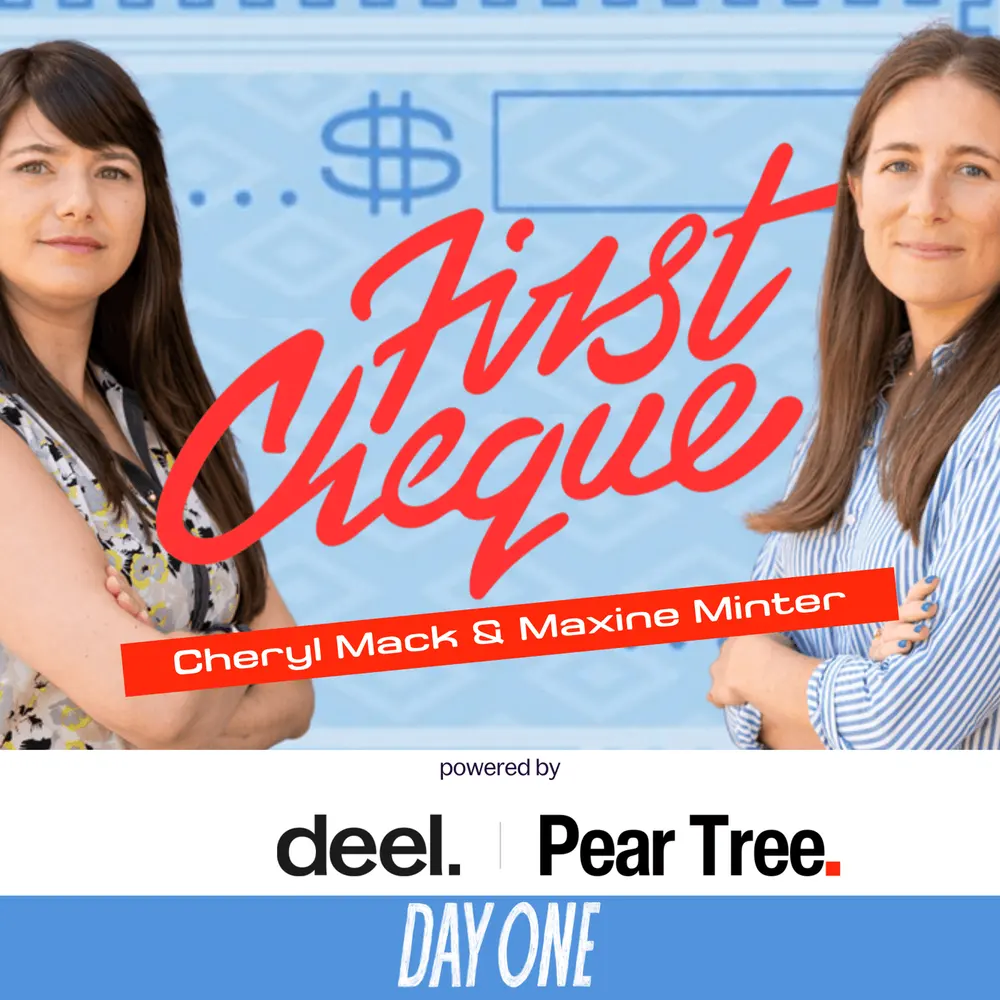 First Cheque with Cheryl Mack & Maxine Minter
Presented by Deel & Pear Tree
First Cheque with Cheryl Mack & Maxine Minter
Presented by Deel & Pear Tree 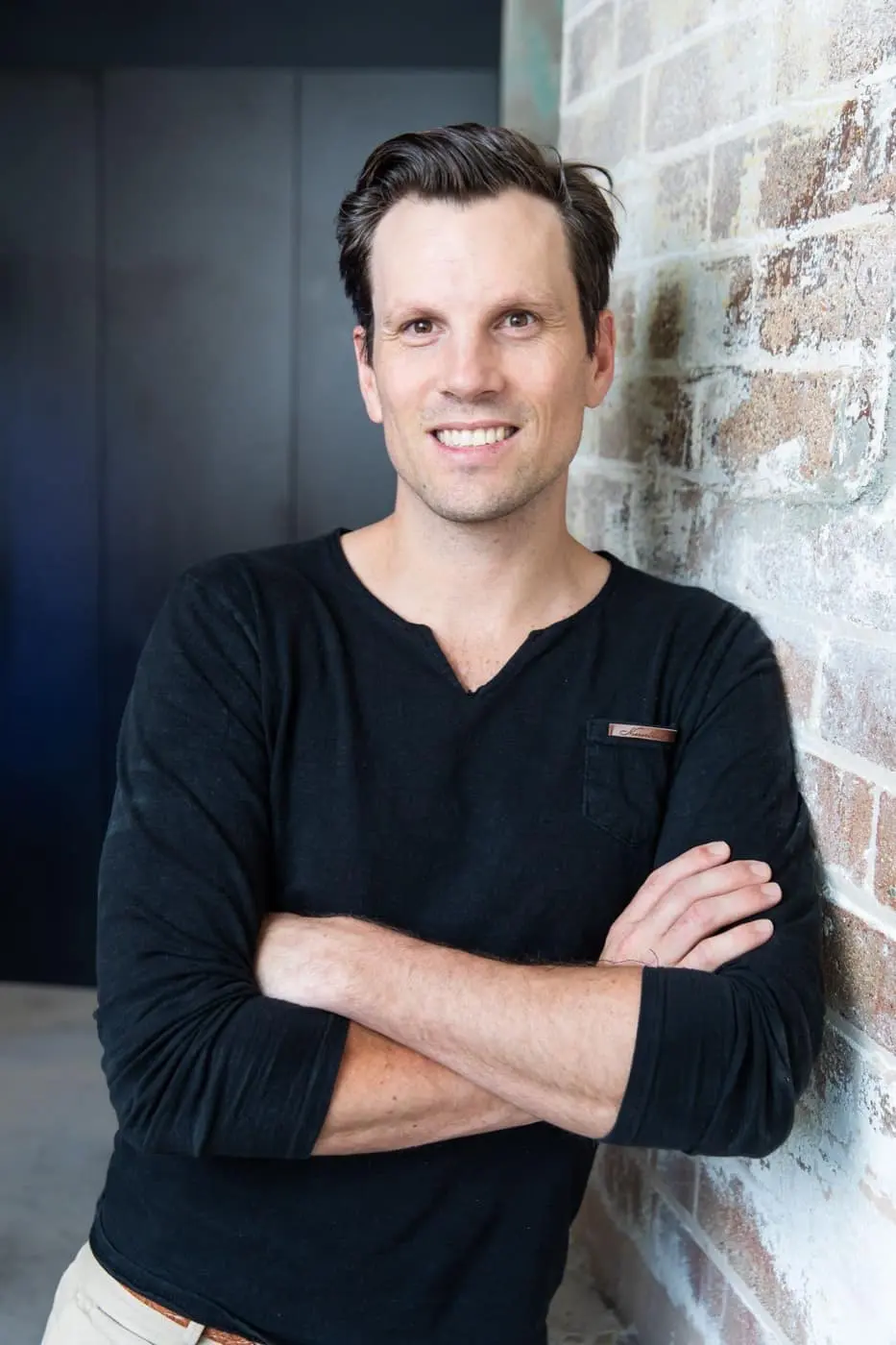








 ▶
▶ ▶
▶ ▶
▶