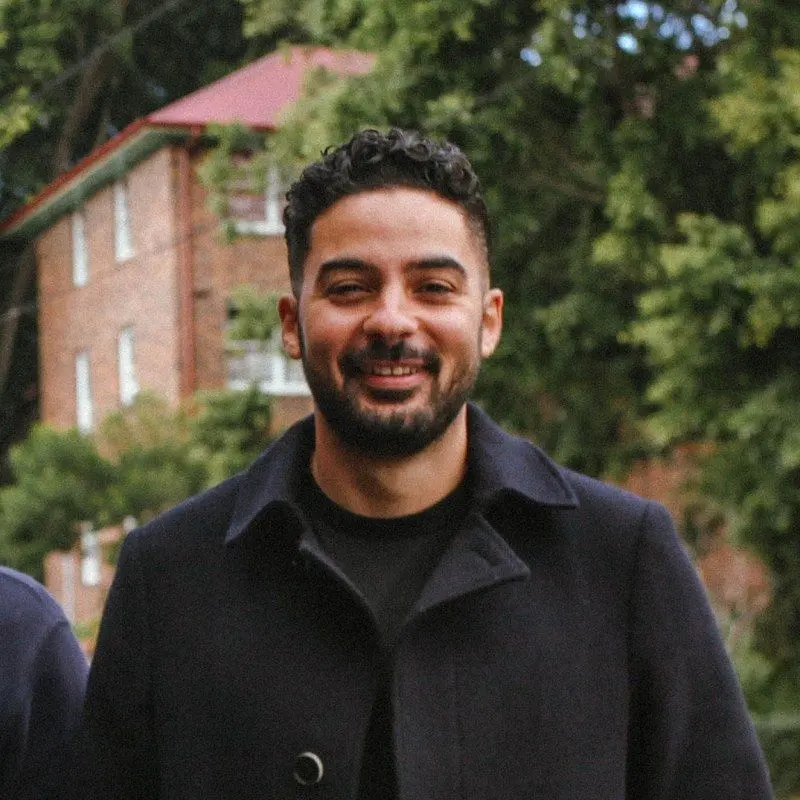
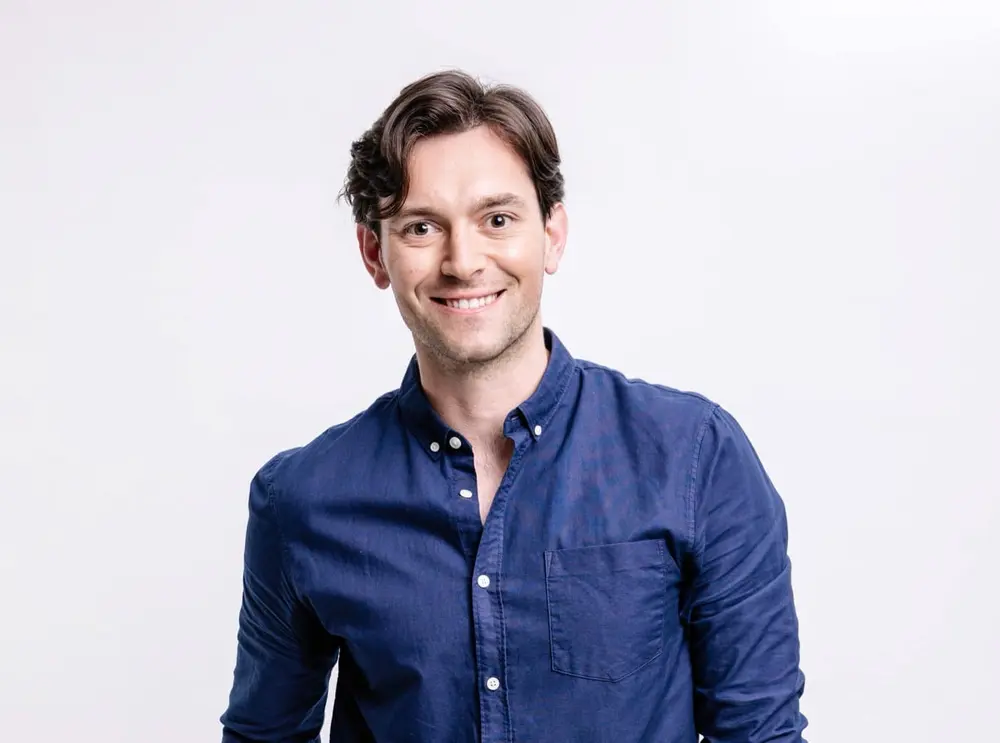
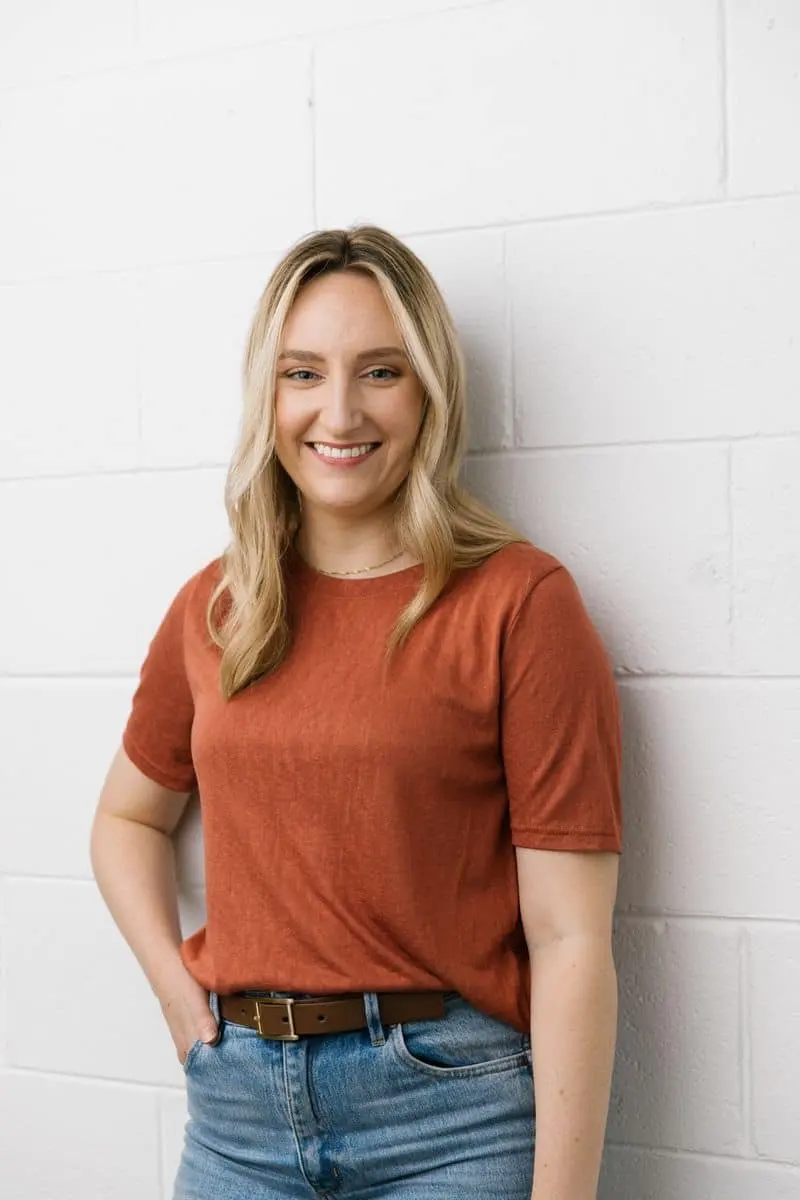
Transcript Synced · select any line to jump ▾ 0:00 Will Richards: You're listening to a Day One FM show. 0:04 Gemma Clancy: The Startup Retro is recorded on the lands of the Kabi Kabi and Wurundjeri people. 0:10 Will Richards: G'day and welcome to the Startup Retro, a weekly show brought to you by the team behind the Overnight Success newsletter, where we help you level up on the Australian startup ecosystem by giving you an insider's view on Aussie startups and venture capital. 0:21 Gemma Clancy: The Startup Retro is brought to you by Day One, the podcast network for founders, operators, and investors. I'm Gemma Clancy. 0:28 Will Richards: And I'm Will Richards. In today's episode, we dive into the latest developments in the Breakthrough Victoria turmoil. 0:34 Gemma Clancy: I'll give a quick update on the future Made in Australia legislation. 0:38 Will Richards: We chat about two new funds that have raised cash and how they'll be deploying that into Australian startups. 0:43 Gemma Clancy: And of course, cover our favorite startup raises of the week. 0:46 Will Richards: And I interviewed Slice's co-founder Farouk Ismail, who gave some really spicy takes on why they took international funding, plus some fantastic tips on expanding into the US. 0:56 Gemma Clancy: And finally, we'll leave you with a couple of podcast recommendations. And we wanted to let our listeners know that we recorded this episode on Thursday the 15th of August, so a little bit earlier than usual. 1:04 Will Richards: So, yeah, the major news coming out of Breakthrough Victoria is the CEO Grant Dooley, who's been in the role for 3 years now, is stepping down. He cited that it was for, you know, personal reasons to spend more time with his family. But I think there's a this is sort of another key leadership position in this fund that's getting a lot of scrutiny from the likes of the AFR and a lot of question marks around whether it's really serving a purpose to the, to, yeah, basically Victorian taxpayers who have, who are essentially LPs in the fund. 1:41 Gemma Clancy: Hmm. 1:42 Will Richards: It's kind of got no mandate that really makes a heap of sense. And compared to commercial funds that exist all across Australia and the world, the cost of the actual fund compared to how much money they have under management is quite high. 1:57 Gemma Clancy: Yeah. There's been a lot of negative commentary around Breakthrough Vic and the way it's been managed. And I'm sure that as the guy leading the show, Dooley has felt pretty under pressure. So, regardless of, I guess, all of the conversation, whether people are right or whether they're wrong or whatever, wherever on that spectrum you sit around what you think about Breakthrough Victoria, I'm sure it's been a pretty hard time for him. So, I'm not surprised that he's decided to kind of leave and hand over the reins. 2:27 Will Richards: Yeah, I think hopefully it is a— maybe, you know, it is, it is a good chance for the org to, to refresh and, um, you know, make a change. And hopefully we see that, that change, um, fairly soon. I, I do think though there is a bit of a pile-on, um, especially in Breakthrough's instance. So, you know, it's always good that questions are asked, um, but it's definitely getting a fair bit of airtime at the moment, and I was just making their week Worse than the CEO stepping down as well, there's also now reports coming out that one of the portfolio company's co-founders, so, the portfolio company is SIA Medical. 3:01 Gemma Clancy: Hmm. 3:02 Will Richards: The co-founder, Dean Freestone, is claiming that he was unfairly dismissed, you know, when he was working at the startup that was funded by Breakthrough Victoria. And that he's suggesting that he felt like his equity was unfairly diluted and the fund itself actually withheld a loan to the business that they said they would offer him. Obviously, there's a lot of— There's still details to come out of this and it hasn't gone to court yet. And this is all, you know, it's a potential legal battle and it's all hearsay at the moment. But it's just another thing that, you know, the media is picking up surrounding the cloud of Breakthrough Victoria. 3:36 Gemma Clancy: Yeah. Yeah. I'm not sure if I would be wanting to take over the new job of leading Breakthrough Vic at this point. And certainly, like, in their hunt for a new person, I'm sure that whoever takes over the reins is going to be looking at kind of what needs to change in order to change the narrative around Breakthrough Vic, because you wouldn't want to jump on a sinking ship, that's for sure. You'd want to jump on something that you thought was recoverable. And certainly from a media perspective, this is in a crisis management stage, I would say. 4:06 Will Richards: I think it's going to get worse before it gets better, because I can already— we can already sense that the Liberal Party in Victoria is going to jump on this as, as an example in the next election of maybe a policy or decision that didn't quite work. And it is a lot of money. So yeah, I think, I think this sort of pressure is just going to keep building for the fund, unfortunately. 4:27 Gemma Clancy: Watch this space. No doubt more news to come. 4:30 Will Richards: For sure. 4:31 Gemma Clancy: On the topic of government, there's a little bit of an update in regards to Future Made in Australia legislation that's happening this week. The Future Made in Australia initiative that was announced as part of the most recent federal budget, and as part of that was $22 billion announced to be invested invested over 10 years into making more things here, essentially, um, so that, you know, to, to kind of serve our national interest, advance Australia in kind of modern technologies, etc. As part of that, I mean, there's been a lot of scrutiny around one that, you know, the headline investment into PsiQuantum, and the government this week, it's, it's trying to pass legislation to put actually some more guardrails around how the funds behind this initiative will work and actually put it into law. So they don't actually need to do this to spend the money, spend the current money, because it's already put aside in the budget. But they wanted to put in more guardrails. The Treasury's encouraged that there be more guardrails put in place, and it makes a lot of sense. Like, it's a lot of money, so there needs to be kind of a framework around it. Um, the ironic thing is that they're having trouble getting support for it because the Coalition and the Greens are essentially proposing that it's part of a political play, especially in the lead-up to the next election, which would probably be early next year. I— it's a bit ironic because I guess, you know, the whole idea of the legislation is that there'll be guardrails put in place so that can't be used for political, you know, purposes, things like pork barreling. But yeah, but that's what they're proposing. So it'll be interesting, I guess, to see what happens, what deals are struck in the process. But, um, it's, it's really important, I guess, that hopefully that things like this don't get used just for political purposes. So I certainly hope that some form of legislation can get put through, and that seems to be the general consensus that we want to see legislation in place because it will secure the future of Australia's national interest in like its kind of trajectory, like when it comes to science without kind of the influences of who is or isn't in power at the time. 6:28 Will Richards: Yeah. It feels like it's such a big initiative. It needs to have such a long-term perspective on what it is. It doesn't matter who's in power as long as it's going to the right places. Because it is, it's the national interest of the country. So, let's hope that big bunch of money, like Breakthrough Victoria goes to the right initiatives. Yeah, the other big announcements we saw this week were a couple of new venture funds announced that they've completed a capital raise, which is really exciting. And one was by a solo female GP. 6:56 Gemma Clancy: Yeah, Maxine Minter. It's always really good to see, um, kind of the milestones that she's been achieving with co-ventures. Um, and this fund is worth about, um, over $5 million, I believe, which is really exciting. Um, I think one of the most exciting about things about co-ventures is that they invest really early, you know, they, they like being the first check, and that should be really exciting for a lot of founders. There needs to be more of that so that we can encourage more, more founders kind of coming up the ranks, um, in future. So that's really cool to see. 7:25 Will Richards: Yeah, we, we reported on it, um, a few weeks ago, and I think we were probably one of the first— well, we were the first organisation to sort of announce that it was happening because I got onto the, the Euphemia, um, fund announcement, and, and they basically said that they were leading the round, um, as one of the LPs in the Aussie Angels raise for the fund itself. So it's, it's quite cool to see some fellow podcast hosts coming together, one using the Aussie Angels platform and Cheryl's platform, and the other the fund manager raising the money on it. 7:52 Gemma Clancy: Yeah. 7:53 Will Richards: But yeah, so I won't— I don't think we'll go into too much detail right now because I hope, really fingers crossed, to get Maxine on the podcast for next week's episode. And I'm really keen to ask her some questions about what the process was like and what she plans to do with the money now that it's landed. 8:06 Gemma Clancy: Yeah, that would be great. So what is the other new fund, Will? 8:10 Will Richards: Yeah. The other new fund is, it's a funny one. I wouldn't say it's a fund necessarily, and I wouldn't say it's a startup. So, it was a bit of a weird one of like, where do we put this in the newsletter? But it's a biotech incubator called Proto Axiom. And they raised some money from some really, really interesting investors. And they're calling the round actually a Series B. 8:31 Gemma Clancy: Yeah, I did see that. I think I had to read it a few times to understand, is this a startup raising? Is it a fund or, but like it's an accelerator, so, I guess. —what are they raising the funds for? 8:41 Will Richards: So, yeah, that's a good question. Let me actually say that the people who invested in the fund are a couple people like Salesforce's Marc Benioff, the president of the World Bank, AJ Banga. 8:53 Gemma Clancy: Big names, yeah. 8:54 Will Richards: So, there's some really big names coming into this Sydney biotech incubator. So, Proto Axiom will use the majority of their funds to invest in early-stage biotech ventures. And the majority of these have been and will continue to be into the future spinouts universities from Australia and with a real focus on commercialisation and getting them through clinical trials. 9:18 Gemma Clancy: Right. So, when we talk about biotech, I mean, I think it's one of those things that you feel like you inherently know what that means, but can you give us some examples of kind of what biotech might involve? 9:26 Will Richards: Yeah, it's a very, very broad category, but I think in this instance, it's probably best to maybe talk about what they've invested in previously. 9:34 Gemma Clancy: Yeah. 9:35 Will Richards: So, they invested in a majority stake in a University of Sydney spin-out called EndoAxiom previously, back in March 2023. And that company was developing an oral insulin for type 1 diabetes. So, really in the health tech space. They also invested in a UNSW spinout called Swan Geomics. And that was a business that was purely focusing on DNA sequencing. 9:58 Speaker: Wow. 9:59 Will Richards: So, quite a broad range of stuff that they invest in, but it's definitely in the sort of, I think, the health techy human biology space in this instance. 10:09 Gemma Clancy: It's a lot of things that I do not understand, but I think are super cool. I loved biology in school, so I feel like I would probably find most of the startups that came out of that incubator absolutely fascinating. 10:19 Speaker: Yeah. 10:19 Gemma Clancy: I wish I had the time to kind of like learn about that stuff in more detail, but I'm really— it's really cool to see, yes, like actual investment kind of going into companies like that because it's the kind of stuff that a lot of investors would probably get scared off by because it's really hard to get your head around, like DNA sequencing, like— understanding then the use cases and then getting your head around commercialisation. It's like really complex, certainly not as simple as like some B2B SaaS startups. 10:43 Will Richards: And the process is really, it's a really long process, especially when you're dealing with these types of businesses. There's obviously clinical trials, there's different phases to those clinical trials. They take years and years and years. So yeah, one to definitely watch. They're hoping to raise an extra $10 million. So extend this $20 million Series B to a $30 million Series B. So we'll see if that happens. That extra money comes in. But regardless, they're hoping to make around 5 to 7 new investments over the next 2 to 3 years. So, they're going to be pretty active. So, Gemma, what was your favourite startup that raised capital this week? 11:22 Gemma Clancy: It's a startup called Aglow, which I kind of, I quite like the name of and the brand is really beautiful, which makes a lot of sense for the category that they're in, which is in beauty services and clinics. They're a, I hesitate to say New South Wales-based because I actually I think the co-founders are split between New South Wales and somewhere in New Zealand. So they're kind of a little bit here and a little bit in New Zealand. And they've raised $1.25 million, actually primarily from Icehouse Ventures, which is a New Zealand-based fund, and previously Unavailable, which has— wears various hats, but is kind of both like a venture studio, brand agency, and has kind of partnered with Icehouse Ventures in a fund essentially, including investing in Aglow. And I assume that the link was made there because Previously Unavailable as a brand agency actually did a rebrand for Aglow. So they're responsible for their now beautiful, beautiful visual brand. 12:20 Speaker: Mm-hmm. 12:20 Speaker: It was also supported by a few angels. So Ryan Baker, who was the founder of beauty tech SaaS platform Timely, and another one of their investors, Peter Haig, is the co-founder of Tyro. So they've got a really great investment team there. And essentially what Aglow does is that they help beauty businesses. So you've got like your skin treatment clinics, you know, maybe laser clinics, anything you think beauty services. 12:46 Will Richards: Mm-hmm. 12:47 Gemma Clancy: They help them run membership programs, which mean that they can get people to pay kind of upfront for, or not necessarily upfront, but on a regular recurring basis for their services rather than on like a pay-as-you-go model where, you know, you just go in for one service, get your hair done or get a skin treatment and then you just pay for it then. They're trying to encourage these businesses to move to a model that's maybe a little bit more like like a gym and, you know, you pay on a monthly basis. So that, that's, you know, kind of— it's actually almost like a budgeting thing for the user. But also, more importantly, it's really great for the, for the beauty business because they can see that recurring revenue coming through and they can kind of plan in advance based on knowing what kind of revenue they're going to get coming in the door. 13:25 Will Richards: That's so interesting. So when you, when you think about beauty salons, could you go through some more examples of maybe like what that would be? Obviously I'm not someone who maybe traditionally attends a beauty salon, but like just to get my sense around my head around— Oh, but you're so beautiful. 13:39 Gemma Clancy: I will. So yeah, no, so it's a good question. And I actually kind of was reflecting on this, and I think that this is— it's a perfect time for a business like this because beauty services, I think historically, especially the likes of like these kind of more advanced skin treatments that you can get these days, used to be put aside for people who are incredibly rich, like, you know, people— rich and famous people, essentially. The, you know, the idea of kind of going and getting a facial on a regular basis was something that only really rich people would do, whereas actually now going and getting skin treatments— yes, it's too expensive and it's probably reserved for people with quite a bit of income, but getting your eyelashes done, getting your eyebrows done, getting facial, getting your hair done, nails, all these kind of things is actually a part of a lot of women's regular routine and something that they do on like every few weeks, every couple of months, they'll go and get these kind of treatments done. And it's a huge thing on social media. Like I actually, I'm a bit of a dermatology freak even though I have absolutely no background in it. I just, I love skincare. So I like, there's this whole corner of social media that is like dermatologists going really deep on all these ingredients and everything in skincare. Mm-hmm. And it's made skincare like a really kind of something that the average person, I guess, thinks that they should have access to, not just at kind of like a basic chemist warehouse or like supermarket product level, but at like a really advanced level. And that includes these professional services. So people think, "Oh, well, I need to go and get these treatments regularly. I need to go and get my nails done all the time, get my eyelashes done, et cetera." And so that's why I think it really makes sense for this kind of platform to enable these services to be kind of billed on a more regular time frame, because previously I just don't think many people would have even thought that that was necessary. 15:21 Will Richards: So interesting. I feel like it also changes the relationship so much between the clientele and the business owner and the people who they see in that business, from something that's like, oh, is this just a transaction, or is this, you know, this is a long-term thing. I wanna make sure that they don't churn. Yeah. I know that they've paid for a few months ahead maybe, or a few, this like, you know, a few more visits in the future. So I wanna make sure that they're really happy. And because you've got that reassurance that they're not gonna leave you for the shop down the road potentially, you can give them way more value in those sessions because you know they're hope— Well, they should be coming back next time as well. 15:56 Gemma Clancy: Yeah, totally. 15:57 Will Richards: Could you give a sense of like how much they've grown? 'Cause they've only been around since May 2023 and it feels like they've grown a fair bit. 16:04 Gemma Clancy: Yeah, it's pretty crazy. So May 2023, they launched, and now they're being used by more than 600 salons and clinics, um, with more than 5,000 members of those clinics total, um, across Australia and New Zealand. That's just like insane growth. Like, that's so fast just to think that they individually have onboarded and brought on board like over 600 clinics with this new tech tool that is actually essentially a new category. It's not a tool that they like would have necessarily been aware of or even thought of before. So it's not something they're necessarily going out and looking for. I really need a solution for this they would have had to actually create demand for this product, reach out to these people to get them to start using it. 16:41 Will Richards: Yeah. 16:42 Gemma Clancy: So yeah, in the press that the company got this week, it said that they were currently on track to have about $16 million in annual recurring revenue as a business, and that some of their clinics were generating more than $1 million in recurring revenue, which is pretty huge. I'm not super clear on, I guess, how the business model works and exactly kind of the split of— I guess I don't know whether they're kind of holding on to some of the revenue from the customers and making money off of that for its pure subscription. But clearly, whatever the model is, it's working very well, which is pretty cool. 17:16 Will Richards: Yeah, it must be just really hitting it as soon as a salon probably like learns about it or hears what the benefits are, trials it, gets some really positive feedback, they must just absolutely love it. 17:28 Gemma Clancy: Yeah, I mean, it certainly makes a lot of sense to me as somebody who goes to a lot of kind of different beauty services as a woman. And I'm sure most women listening to this can kind of relate. Just makes perfect sense. You can see that this is just where the beauty industry is going. So no doubt they'll wanna kind of get some more traction under their belt because I have a feeling there's gonna be some competitors knocking on their door in the not too distant future. 17:51 Will Richards: For sure. 17:52 Gemma Clancy: Yeah, definitely want to watch the founders if you wanna go and find them on LinkedIn and follow them, Joe Blundell and Karl Margrain. And they've got some really interesting backgrounds as well. I won't list off their resumes right now, but if you go and jump on their LinkedIn profiles, you see that they're like very well credentialed. So I think that I think they've got a lot of the ingredients they need to succeed. 18:12 Will Richards: Fantastic. I'll get to my startup of the week as well, but just before I jump onto that, it was quite interesting because that, that business is following that gym membership model. And we also saw another startup that really focuses on actual gym memberships themselves, a business called Hapana that raised $17.3 million in a Series A, so pretty monster round. And they work with groups like like F45, you know, UFC gyms, KX Pilates, those sorts of organizations, and offer like a white label solution to, um, to those businesses to, you know, build their own schedules and handle payments and those sorts of things. So it's quite interesting to see like two businesses in the same week really focusing on allowing other businesses to manage their own sort of recurring revenue businesses, um, both raise some significant money. 19:00 Gemma Clancy: Yeah, spooky, but must be a trend. So, Will, what was your pick of the week this week? 19:07 Will Richards: Yeah, so my pick of the week was a business called Decarise. I hope I'm pronouncing that right, but I hadn't heard of them before we received the press release. Have you ever heard of them before? 19:18 Gemma Clancy: No, no, I haven't. What do they do? 19:21 Will Richards: So, they are a hydrogen injection technology, which is, um, yeah, I had to do a bit of research on what that actually means, and thankfully their investor Investable released some investment notes as well, so I was able to go pretty deep on what the business does and, and where they're heading with it. But basically what they do is they have a technology that can replace— well, can sit alongside diesel motors in large vehicles. So like heavy transport, heavy transportation vehicles like mining trucks or trains, or even stationary power generators. And this hydrogen technology, injection technology, can work alongside inside diesel engines and basically replace diesel fuel, or replace the vast majority of diesel fuel, which means that instead of using diesel, they can use 90% hydrogen without replacing the vehicle. And then the output of that is the vehicles or the power generators use 85%— or sorry, produce 85% less carbon emissions. 20:23 Gemma Clancy: Okay, super interesting. So that's very technical. Um, what is the actual use case for this technology? 20:30 Will Richards: Yeah. So, it's not something you're going to see replacing diesel vehicles on the cars driving up and down the high street. What it's really going to be used for is decarbonising really hard to electrify sectors in mining and heavy transport. So, expect to probably see this technology deployed in those really, really big dump trucks that you see at mining, you know, at mining videos in the Pilbara where they can get into these big diesel engines and install this sort of stuff. So, when you've got the likes of Twiggy Forrest sort of saying, we're going to decarbonise our entire mining operation, it's technologies like this that will actually enable them to do that. 21:09 Gemma Clancy: Mm. 21:10 Will Richards: It's not something you're probably going to ever see unless you really work in these heavy industries. But yeah, these, I think the best thing about it is they don't have to replace the existing fleet of vehicles. So, it would be very hard to turn those big heavy trucks into electric vehicles or electric-powered vehicles. But instead, they can basically just chuck this sort of hydrogen injection technology alongside the engine and make it a whole lot greener. 21:34 Gemma Clancy: It's interesting that you mentioned Twiggy Forrest because I did see some news recently. I haven't read it in a huge amount of detail, but I was seeing that he was kind of almost taking a bit of a step back from hydrogen after years and years of talking about, you know, hydrogen's the future. And he still says like he really believes in it, but he has taken a bit of a backward step on hydrogen. And it's kind of on the— in the context of this, all this conversation around what is the right energy mix for Australia. In the world. Is it, you know, renewables? Is it hydrogen? Is it nuclear, etc.? It's really interesting for a business like this, I think, because they might have really great technology, but they do need a lot of other things to fall into place in order for that technology to become really needed and for like their growth trajectory to take off. And like, I mean, I certainly believe that hydrogen will play a role in some way, shape, or form, but the degree to which it plays a our role in our energy mix will be so determined by do enough people believe in hydrogen to produce enough of it in order to kind of make these technologies relevant. 22:33 Will Richards: Yeah, it's a, it's a really good point. And I think what Twiggy did with his comments this week and some of the reporting that came out in that, in that sector was more around him pulling back from maybe some very optimistic, um, goals that he, that he'd set out that were— I think when he set them pretty pretty crazy and far-reaching goals. So it's more of a snap back to reality. I think that he's always been the biggest hydrogen bull out there, but this technology I think is quite different to maybe what people think about hydrogen more in general in terms of like, oh, it's going to replace power generation across the grid. I think this is a really niche use of hydrogen technology in a sector that produces a lot of, um, a lot of carbon emissions. And I struggle to see how, you know, other technologies such as like electric vehicles or EVs that have a real, you know, a real use case on Main Street, but probably don't have a use case in this sort of heavy transportation requirement. So, you know, you might see EVs on the road. 23:35 Gemma Clancy: Yeah. Yeah. 23:36 Will Richards: Like Teslas and whatnot, but you're not going to see hydrogen vehicles, but it's probably the reverse in these sorts of instances. 23:41 Gemma Clancy: Yeah, because my understanding is that if it's— if you're gonna kind of charge electric vehicles out in like the regions, for example, like out on a mine site, they need to kind of have like solar panels and, um, and similar renewable kind of generating technology out there quite close to the, to the site in order to actually make it viable. But, um, I might be wrong about that, but that's, that was my, that's my understanding. More than happy to learn more about it. But yeah, I think, I think your thesis is right, and I hope for the sake of this company— and I'm sure much smarter people than me who have invested in it it, uh, believe that you're right. So yeah, let's see how it goes. 24:15 Will Richards: Yeah, the bit like the business was only founded in 2023, so, um, it's still very young, so a lot to still be determined. Um, so it'd be very interesting to see where they go. It's still only their pre-seed round, so can't wait to see it in the market. So I'm super excited to be joined by Farouk Ismail, one of the co-founders of Slice. And we covered Slice about about 2 weeks ago in, um, in the startup retro, and we really focused on how they sort of survived through COVID and expanded into the US during a really turbulent time. Um, so super excited to bring Farouk onto the, onto the podcast and chat about how they did that. But I'd be really keen to— before we jump into how you sort of got through that really tough patch and came out with a massive capital raise a few years later, can you tell me about the founding story? So you were working at CommBank at the time and saw a real opportunity in the space that you're playing Yeah, absolutely. 25:12 Speaker: And thanks for having me, Will. Yeah, so we, Yannick and I co-founded the business in 2018. And before that, we were working at CommBank, specifically in the collections and the hardship side of the business where a lot of the customers were struggling to keep up with their repayments, whether it's on credit cards or personal loans. And what we realized is there was a lot of customers that are taking out debt to fund their holidays and their travel. Travel. And the way that works from a traditional lending perspective is there's actual misalignment and incentives between the lender and the customer. And by that I mean the longer that the customer is in debt, the more profitable it is for the, the lender. And we thought to ourselves, there surely has to be a better way, especially in travel, to allow customers to save and budget for their holidays ahead of time. And to be clear, a lot of the times we get mistaken for BNPL, and I just want to make sure that that's clarified. And we're not, we're not BNPL, we actually the opposite. And the reason I say that is all of our customers pay off their flights before they go on their trip. So unlike BNPL, where, you know, let's say you see a, a fire sale on Iconic and you impulse buy a pair of shoes and then you have to pay it off over the next 2 months, we actually try to incentivize the opposite, which is responsible spending habits. Our customers, we want them to be planning ahead 6 to 12 months in advance ahead that they're going on a trip. They secure the flight prices with us at a fair price, and then they would lock it in with a small deposit so the price stops increasing. And then it's always paid off prior to departure. Now what that does and what excites me about it is, is that it's a positive feedback loop. The customer has done the right thing. They've paid it off. They've planned ahead, paid it off weekly or fortnightly, and then they receive that goodie where they go to Bali and they're enjoying the holiday debt-free. Yeah. And then when they come back, which is why we have a high repeat customer rate, is they come back debt-free. And they're looking to plan their next trip. So, yeah, so that was the assumption, and then we launched it in 2018 with a very basic MVP. Yannick and I pulled our savings together. We also took out credit cards, ironically. So we took out credit cards to fund a lot of these tickets. So we're telling the customers not to use credit cards, and we use the funding our own. But the demand was there. The customers absolutely loved it, and the customers intuitively understood the value of planning ahead and saving ahead of the trip. And yeah, so that's how we got it sort of started. It was just realizing that there was the current lending landscape was not aligned with the customer and we wanted to be on the side of the customer. We incentivized to get them on their holiday, get no more debt to pay as opposed to the longer they stay in debt, the better. 27:51 Will Richards: That's fantastic. Building a lending business whilst using credit cards is very inspiring. I'd love to also jump on, you've obviously bootstrapped since 2018, since founding, and you've just raised a really massive amount of money from from Peak XV Capital. Congratulations. Was there an issue with, was there a decision that you made those years ago to bootstrap at the very start, or was that a matter of funding, the funding environment for startups? 28:17 Speaker: Yeah, so great question. So one of the questions we've been getting is why are we raising now? And I think I'll probably flip the question is why haven't we raised before? And a big part of it is We've actually struggled to raise historically. So when we first launched the business, we wanted to validate it with a handful of customers and our optimistic ideas that we'll take that to investors, you know, and show our great work and then we'll get funding. Little did we know it's going to take 6 years to get our first external round. So we actually— I'm not going to pretend that it was a master plan that we're going to bootstrap for 6 years and raise all of a sudden. We actually did try to raise, but unfortunately we didn't have any in Australia mainly. We sort of realized that the demand was so strong from the customers, and the customers absolutely love the product. And we figured out that we could do it in such a lean way where the business can self-sustain itself. And just the demand that we saw from the customers and the stories that we had from these customers that haven't visited families for years overseas, and like, you got— because of you guys, I was actually able to go see my nephew for the first time that's 2 years old, or go home for Christmas for the first time in that really kept us going despite the rejection from investors. And we realized not to toot our own horn, but sooner or later, you know, people will recognize that we're a force to be reckoned with, right? So it's like if we just keep helping our customers and keep, you know, creating value in the market, that will come. You know, COVID was another spanner in the works, but we sort of just, yeah, we kept pushing ahead and, yeah, and then, and now we got to a point where we see the business is in a very sort of, it's at an inflection point where The demand is quite strong across Australia and the US for our direct-to-consumer product, pay later travel. But also we're launching this new exciting B2B offering, which is called SlicePay. And yeah, we thought now is a great time to go out to the investor market, and we're very fortunate to have investors that are as excited about the opportunity as we are. Peak15, who formerly Sequoia India Southeast Asia, and I think, you know, they're probably one of the best, if not the best, best VC that we could ask for to be a partner in this round. So it was kind of worth the wait. So yeah, so we're just super excited about the next stage. 30:24 Will Richards: Fantastic. I'd love for you to share that story around how you sort of thought about a travel business or a business that's enabled by travel, how you got through a period for a pretty extensive time, especially in Australia where there was no travel. 30:36 Speaker: Yeah, so that was pretty rough. So when the borders got shut down on March 18th, 2020, I remember the date because I was actually in the Philippines and I had to jump on the next flight out. I was with our team in the Philippines. Philippines. So we had our back office in the Philippines and I had to jump back because otherwise I would have got stuck, I would have been stuck there. But when that happened, pretty much 95% of our business just evaporated overnight. And immediately it was almost like the fog of COVID where we just, we were really just reactive for about 6 months. And our number one priority was to take care of our customers. So a lot of our customers were just as confused and as scared as we are. To them, some of them have paid $2,000, $5,000 for a flight that's now canceled. Mm-hmm. So we thought to ourselves, hey, we don't know how long this thing is going to go for, but if we survive COVID, we— last thing we want is for all of our customers to hate us because we didn't look after them in a difficult period. So we wanted to focus and prioritize, you know, getting them the refunds from the airlines, getting them credits, and make sure that they looked after us. That was the number one priority, and we did that for 6 months. Um, and up after 6 months, things kind of quietened down and we were able to catch our breath a little And that's when Yannick and I started to realize, hey, how long can we do this for? We realize it's temporary. This pandemic is not going to be around forever, but it just seems like, you know, there's no light at the end of the tunnel. We just, you know, every week we'll tune in to the updates and see when are they going to, you know, are they going to open the borders? Are they going to have more restrictions, loosen them? And then we realize, hey, we need to take matters in our own hands and we need to make a decision. And that's when my co-founder Yannick, he was sort of sitting down and looking at the flight radar. You know, the flight radar where you see a map and you see planes planes going over the map. 32:12 Will Richards: All the yellow planes flying around. Yeah. 32:14 Speaker: Yeah, yeah, exactly. Yeah, so Australia had like 4 planes and the US had hundreds and Europe had hundreds. So like, hey, yes, travel in the US is down 60%, but 60% down on a 300 million people population is still better than what we have here. So just out of pure survival, we decided to launch in the US. We did that in about 3 to 4 weeks where we had our website running in the US, we had ads running in the US, We've already got our legal advice and our accounting advice and we launched it within a month. And within 3 months, we came back to pre-COVID numbers. And that's really what got us through COVID. So if it wasn't for that, we'll probably be not having this conversation right now. 32:53 Will Richards: That's amazing. I've been to so many panels and heard so many conversations around founders talking or giving advice on how to expand to the US. And there's so many stories around how to do it. And so like, there's just so many tidbits of you should do this, you shouldn't do that, or think about it this way. Um, you managed to do what some startups never achieved to do in the matter of weeks. What would be like, if you could summarize 2 or 3 tips for any Australian founder looking to capture that massive market, how would you distill it down? 33:24 Speaker: I just hope they don't have to do it under the same circumstances that we had to do it in. But, um, what I would say is like, I'll sort of preempt it by saying every business is different, and depending on the complexity of your business, you might have different rules. But the realization that I had before doing it and after doing is a lot of people overthink it about launching to the US, and I think my first tip would be not to overthink it. And if you have very high conviction in your product and you have high conviction in the demand that customers have in Australia for your product, I can make a bet that there's also a subset of customers in the US that would also want your product. Now the next question becomes, you know, what the competitive landscape looks like and whatnot, but also at the same time, you don't know if you could be doing a lot better than the competitors, um, in the US. So my first advice would be to not overthink it. If you have high conviction, would be to do it sooner rather than later. And just similar to launching a first product for the first time, do it in the, in the sort of, you know, the MVP, in the minimal viable product approach. Uh, what is the path of least resistance to get your product, um, over in the US and get American customers, um, interacting with it so you can collect data and optimize it to, for the market? So that would be probably the, the key thing. Um, secondly, it's very important to realize that the US— and this is probably the common advice that you get at panels and everything else— the US is a very very complex place. You have 50 different states which pretty much act like 50 different countries. They all have their own unique laws, their own unique even cultures, you know, accents, and, you know, different slang. So, so it's important to try to familiarize yourself as much as possible, but again, not to get too bogged down in that. Just validate if there's a market first. If there's a market and if there's demand, you'll work all those little bits and pieces out. So yeah, so I'll be— my advice is go for it and see what happens. 35:06 Will Richards: Yeah. 35:06 Speaker: And for us, it's like the— what I always say is when people say, how did you do that is my advice. Like, for us, it was— it's amazing what you can do when you have no choice. You think something is impossible until you have to— until there's like a dragon following, you know, chasing you called COVID, and you're gonna have to shut down because you're running out of runway. So yeah. 35:23 Will Richards: Yeah, great advice. I'm sure there'll be plenty of founders listening who will be gearing up to just test a few things out in the US and capture that massive market. 35:31 Speaker: Just don't blame me if it doesn't go well. 35:33 Will Richards: Yeah, blame me for I'm thinking you can boil it down. 35:37 Speaker: I'm sure they'll do great. 35:39 Will Richards: I'd love to fast forward to the most recent raise and what that means for the business. I'm assuming you're going to be going through a really rapid period of growth now you've got this fuel to chuck on the fire. What does it mean for the organization in terms of culture, in terms of hiring, in terms of growth and new products? 35:57 Speaker: Yeah, for sure. Like I mentioned, so the big focus for us will be to really accelerate the growth for Panada Travel. Our DDC product and SlicePay, which is our B2B product. Paylater travels both in Australia and the US. SlicePay is only in Australia at the moment. So we really want to accelerate the growth in both those products. Now that's going to require growth from the team perspective as well. And one of the big challenges that we are thinking about and debating at the moment is how do we grow the team whilst maintaining this cultural DNA that we have, which is, you know, move fast and, you know, don't be scared take risks and test things. The goal is for us is really to attract people that value this kind of culture that we have. And if I had to sort of sum it up is that, you know, coming from a banking background, I saw what a corporate culture looks like. And when we started Paylater Travel or Slice now, you know, made the decision that that's not the culture that we want to build, not this sort of hierarchical bureaucratic culture where people are too scared to sort of put their hand up and come up with ideas because if it goes wrong, then next on the line. We actually want to create a culture where the best ideas win regardless of where you are. You could be an intern that comes into the business and you come up with an idea that changes the trajectory of the business. That's really the culture that we want to foster. And, um, yeah, and so far we've done— I think we've done a great job. We have an awesome team, and now it's a case of how do we, um, keep that up and take it to the next level. Just to sort of add a bit more flavor to The way we do things at Slice is we move in quarterly leaps. So we come up with quarterly strategies and that's generally done not with me, Yannick, and myself and Peak15, for example, sitting in a room deciding on a strategy and then doing a top-down approach. It's actually the whole core team comes together for 3 days and we collaborate on what is the most important problem that we want to solve, what is the biggest opportunity that we want to go after.. And there's no, there's no sort of preset ideas. Um, everyone comes in with different ideas and the best ideas hopefully win at the end of the, of those 3 days. And then it becomes about how do we put the best people in the, in the, in the right positions to execute on those, on those ideas. And then, and then there's a sense of ownership because it's not an idea that was handed to you, it's an idea that we came up with collectively. Um, and that's really what we're trying to foster. So yeah, so we're super excited about about going through the challenge of being able to scale that up and as the team grows. 38:22 Will Richards: Fantastic. So there's definitely a few, a few roles you're hiring for at the moment, so I'm sure there'll be a few people interested in applying after hearing, um, about that culture. 38:30 Speaker: Yeah. 38:30 Will Richards: Since I've got you and we've got a little bit of time on our side, I would love to touch on the capital raise itself. You've been a business that's been growing since 2018, obviously went through a challenging period, and then you've come out of that even stronger. And then you've raised from an international VC with a really really high-quality reputation. I would love to get your perspective on what it was like going through the capital raise with that fund in particular and just how it may be compared to some of the more local VCs that you may have spoken to. And we don't have to name names, but didn't fund you. 39:02 Speaker: Yeah, sure. Um, I might have to be careful what I say. Okay. But, um, that was, it was, um, so it was an interesting experience. We started the process at the start in specifically for this round in January and probably spoke to around I would say 35 to 40 investors in Australia, most of which, or all of them actually, just rejected us pretty much, or, you know, it was like a long no kind of thing. And then as we're going through the process, I started to realize that there was a disadvantage specifically for our business as Slice, which was the fact that a lot of the funds in Australia are part of a scheme called the ESG CLP. And what that scheme is, is that it gives benefits to the LPs of the fund, which is great from their perspective, but it also creates some limitations for the funds in terms of which industries they can or can't invest in. Now, unfortunately, before we rolled up the name to Slice, our name used to be Paylater Travel. So I think off the bat, we were sort of put in the BNPL bucket, or we can't invest in this company bucket, because they assumed we are just another lending business, another BNPL business. Yeah. So that was a challenge for us. And yeah, and then, you know, when we spoke to Peak15, we had the first call with them on a Friday, pitched the business just like we pitched it to everyone else. They absolutely got it. They got the numbers, they got the growth, and they said, look, we are interested, send us a bit more information. We did. And that was on a Friday. The next Thursday, they flew in from Singapore on a red-eye flight, and they had, we had a 2-hour meeting here in our office., and we went out for dinner for a couple of hours, and yeah, that was the start of it. And, um, they just moved extremely fast. And yeah, I've gotta— I gotta say, it was, it was, it was really refreshing to see, um, and it was, it was great to see, you know, they had very high conviction and they just acted on it. And yeah, it's been, it's been awesome. 40:53 Will Richards: Fantastic. Well, I can't wait to see what you guys do next. I'm sure there'll be plenty of new products, um, hitting the market fairly soon. And, um, if anyone's interested in learning more, definitely check out the website and the open roles at the moment. But Farouk, really appreciate the time and thanks for joining us. 41:08 Speaker: Thanks, Phil. Appreciate it. Thanks for having me. 41:13 Will Richards: So each episode we're going to leave you in the same way we wrap up our weekly newsletter, which is with a section we call KaaS, which is of course Knowledge as a Service. We're going to share our favorite startup relevant read, listen, or watch this week. So, Jane, what was your KaaS for this week? 41:27 Gemma Clancy: So my pick this week, I'm going to be picking up on my New Zealander kiwi theme with a podcast that is hosted by a Kiwi, David Booth. It's called diaspora.nz, and it's a podcast profiling founders, innovators, and emerging leaders of the great Kiwi expat community. And if you don't know David Booth, David is— he's got an amazing background. He's, uh, he was an expat for 10 years, and he left New Zealand, um, so in 2014. He went to San Fran, and then he went to London, and then back to San Fran, and now he's come back to New Zealand. And he's actually an entrepreneur in residence and investor at Blackbird Ventures now, but he's based in New Zealand. So, he founded a company called On Deck, which is a community to help people start better startups. That's how he describes on his LinkedIn profile. And they've helped 1,000— over 1,000 startups to be founded and launched through their programs and community. Wow. And those sites have gone on to raise over $2 billion. So, you know, mildly successful, I would say. No, David— so David has an amazing background, and clearly when you listen to the podcast, you can really hear his breadth and depth of experience as a startup founder and probably all that time spent in London and San Fran as well, mixing with a lot of amazing people. But yeah, it's a really cool podcast, and he's interviewed some awesome Kiwi founders who you probably otherwise wouldn't have heard of. Like, you know, you often find you find the same kind of people get interviewed over and over again on a lot of podcasts, um, like hearing their founder journey, especially like, you know, there's probably more Aussie founders who get put in the limelight than New Zealand founders. But the whole premise, I guess, of, of his podcast is that he thinks that New Zealand isn't just— and New Zealanders aren't just defined by the, like, people who are in New Zealand and stay in New Zealand. He actually wanted to capture the stories of all these New Zealanders who have gone overseas, and even if they're still overseas, he wanted to kind of like claim them as their own, kind of how we claim New Zealand— sometimes claim New Zealand as our own. But yeah, I've listened to a couple of episodes episodes, and I think they're like really amazing. I picked a couple out, the female founders, and yeah, I just think it's really well done, really, really interesting people, and I'd highly recommend a listen. 43:42 Will Richards: Amazing. One to definitely check out. I'm in desperate need of more podcasts at the moment, so I'll be subscribing for sure. 43:48 Gemma Clancy: Yeah. So, if you're looking for one to start with, I just listened to the most recent episode, episode 6 of season 2 with Rachel Carroll, who's just super fascinating. Uh, she speaks really fast, she clearly just loves hard things. And I— and she's got amazing stories. Like, um, she, she raised her Series A while she was pregnant, and then she was in the middle of her Series A raise when she was pregnant. She had her baby, and the next day she went out and was pitching. Like, insane, insane kind of story. So yeah, that's just, just ones to get you started. Um, well, what was your pick this week? 44:23 Will Richards: Yeah, so, so on the topic of podcasts, I actually attended a, a live recording recording of one of Australia's sort of preeminent startup podcasts. So, Rohit's The Startup Playbook podcast, they had their 8th birthday. 8 years, Gemma. Imagine us doing this for 8 years. I couldn't imagine that. 44:39 Gemma Clancy: Wow. 8 years is a long— That's a lot of episodes. 44:43 Will Richards: Yeah. I did speak to a guest who I'll— They'll remain nameless, but they did say not every marriage lasts that long. It's pretty incredible he's kept it going for this long. So, yeah. So, the live recording was with Leigh Jasper, who has a very, you know, pretty incredible background in the business he's built with Aconex in the construction tech business and now with Sanyal Ventures. And he also sits on the board of, or I think he still sits on the board of Launchvic, or at least he did at one point. I'll have to re-listen to the episode. But yeah, he, he's got a pretty incredible story about how he, how he's created so much wealth and value and how he sort of went about that. And it was so interesting how it all just sort of boiled down to through being really, really consistent and treating everything like a marathon, not as a sprint. 45:29 Gemma Clancy: Mm-hmm. 45:29 Will Richards: The business he sold, you know, that went public and it took a really long time to get public and went through a lot of different eras in terms of technology. Like they started building that back in the early 2000s when they were racking their own servers. And then when they sort of IPO'd and sold the business, it was all on the cloud and people were using their iPhones and It was quite interesting to sort of hear how different the process was to build a company back then to what it is now. And he is starting new companies now and he's back at the driver's seat of a startup at the moment. And it was quite interesting just to hear his perspective on how much it has changed since he started his first business. 46:07 Gemma Clancy: Yeah, so interesting. Well, like, what was a key thing that he felt like had changed from when he started being a founder to now? 46:14 Will Richards: I'm sure he would answer it differently to the way I took away, but I think his main comment that was quite interesting was around how the challenge around starting a new business now is a lot easier than it was maybe 20 years ago, especially a technology company. And that really boiled down to the fact that there's so many plug-and-play options for various challenges that didn't exist 10, 15 years ago. So, the big one he called out was like even their own, you know, payments system. They built that by hand back in the day and now they use Stripe. And it was just something that they plugged in one morning and it was a job done in, you know, in the matter of minutes or hours. 46:51 Gemma Clancy: Mm-hmm. 46:51 Will Richards: When previously that was a really big project and they always were sort of one of the first companies that had an online payment system that worked really securely. 46:59 Gemma Clancy: Yeah, it's funny because when I was listening to one of the other Diaspora podcast episodes with Victoria Ransom, they were talking— Victoria actually touched on a similar point. She had started a company, it was like early 2000s, I'm going to try and remember correctly. But they— Yeah, she said the same thing. It was like, you know, she had to learn everything from scratch. But now, you know, if you want to learn something, you just Google it. And also, it's something as simple as like, you know, having servers. Shit, back then, you know, yeah, you had to kind of figure out all your own technology stack from scratch. You couldn't just kind of call up AWS and get that sorted straight off the bat. So yeah, it's pretty crazy to think how different it is these days. And almost like they— these founders who have done it before, way way back, you know, way back when, or probably only a decade ago, which is not that long ago, um, having to probably learn a whole different way of doing things. Even if objectively maybe it seems easier, they're probably still having to learn, learn how to do things slightly differently. 47:57 Will Richards: Yeah, I do think it's funny, like, these successful second-time founders who've, who've had quite large exits, um, when they start their next thing, they still, they still get VC investment on board. And it's quite interesting that they, that they do that and they still want to de-risk their startup to an extent with, with external Yeah, yeah. 48:15 Gemma Clancy: I think it's about velocity, right? It's about like having the money to probably move faster. 48:19 Speaker: Yeah. 48:19 Speaker: And achieve goals faster rather than just having that painfully slow growth that maybe you'd have to go through if you're trying to bootstrap, which you hear from a lot of founders. They know that if I just had that little bit of extra money— I was actually just talking to a founder today who said that— if I just had that little bit of extra money, then I could grow so much faster. I know that I could grow so much faster, but, um, yeah, easier said than done. Thanks for joining us for this episode of The Startup Retro. We would love to hear what you thought of the show, so feel free to reach out to us directly on LinkedIn, or even better, you can follow us on your favorite podcast player and leave us a review so that more people can find us. And if you enjoy the podcast, you'll probably also really enjoy our weekly newsletter, Overnight Success, which goes into even more detail on the news headlines and startup raises users, and much, much more. You can subscribe to the newsletter at overnightsuccess.vc. Catch you next week. 49:12 Will Richards: Catch you next week. 49:24 Speaker: Listen to the Unfunded Podcast, brought to you by the Day One Network and hosted by me, tech writer Joan Weston-Howell. We're sharing the no-holds-barred untold stories from entrepreneurs who have decided to build a business on their terms. I'll be interviewing successful founders and operators on the grit and ingenuity it takes to build and scale independent startups without the support of traditional venture capital funding. Subscribe to the Unfunded Podcast now, wherever you get your podcasts.