Transcript Synced · select any line to jump ▾ 0:02 Cheryl Mack: Founders scale faster on Deel. Set up payroll for any country in minutes, hire anyone anywhere, get visas handled fast, and get back to building. Visit deel.com/dayone. That's d-e-e-l.com/dayone. 0:20 Maxine Minter: Australia has created more unicorns per dollar of VC invested. 0:27 Cheryl Mack: Than anywhere else in the world. 0:28 Maxine Minter: An astronomical stat. 0:30 Ben Grabiner: Which actually surprised me, which is We have pretty significant, 40% of your seed capital comes from overseas in Australia, which is higher than— 0:38 Maxine Minter: Yeah, that blew me away. 0:39 Ben Grabiner: In the US and Europe, which suggests that like actually other people, other funds in other countries see the opportunity more than we do. 0:46 Cheryl Mack: You know, you can't just like show up in our country and think you're gonna start a fund. 0:51 Maxine Minter: Wait, did you poo poo him for his fund? I am like celebrating people, anyone who wants to start a fund in Australia, you'd go for it. 0:58 Ben Grabiner: Sydney is the 3rd, 4th, and 5th most, you know, biggest creator of decorns. And that's like, Not adjusted for population. That's not adjusted for dollars invested. That's not adjusted for anything. 1:06 Maxine Minter: It's wild. 1:07 Ben Grabiner: I'm not gonna be allowed back in the UK after this, Sheryl, careful. 1:10 Maxine Minter: Nope, nope. Okay, 3, 2, 1. 1:15 Cheryl Mack: Hey, I'm Sheryl. 1:16 Maxine Minter: I'm Maxine. 1:17 Cheryl Mack: This is First Check, part of Day One, the network dedicated to founders, operators, and investors. 1:21 Maxine Minter: If you wanna be a better early-stage investor, this is the show for you. 1:24 Cheryl Mack: So TL;DR, if you don't wanna suck at investing, listen up. I first met Ben in a coffee shop in Surrey Hills, Silicon Hills. And— 1:40 Maxine Minter: Are we making that name stick? Silicon Hills? 1:42 Cheryl Mack: Yes. I've been saying this forever. 1:45 Maxine Minter: You heard it here first. Sheryl's Scoop. We're renaming it Silicon Hills. 1:50 Cheryl Mack: Yeah. Silicon Hills. Yes. A coffee shop there. And he was like, I just came over from the UK. I still work at Apple. I'm thinking about quitting my job. I'm thinking about starting a fund. I was like, mm, I mean, like, I'm excited for you, but you know, you can't just like show up in our country and think you're going to start a fund. 2:07 Maxine Minter: Wait, did you poo-poo him for his fund? I am like celebrating people. Anyone who wants to start a fund in Australia, you'd go for it. 2:15 Cheryl Mack: He just seemed too confident. I'm being totally honest. And let me also say now though, that I absolutely love Ben. He has followed through. And I just, I also thought that like a lot of people come and they go back, right? Because they're like, oh, well actually like our family's back home. Sure. But no, like he has become a true Aussie. He has followed through. They launched the syndicate, they've done deals, they launched the fund, they managed to raise that. They have, they, we've co-invested with them. He has sent me amazing deal flow. Like Ben is actually now one of my favorite people in the ecosystem. But I will admit that like when I first met him, I just didn't really take him seriously. 'Cause he was just like, wait, you call Ben? 2:56 Maxine Minter: Too strong out of the gates. There you go. Anyone who's not from Australia, you'll recognize the tall poppy syndrome is alive and well in Australia. I, I mean, I was so excited that he came to Australia, right? He was the first employee at Local Globe, which is one of the dominant funds out of the UK ecosystem. I think coming to Australia, bringing that expertise, so excited to see him kind of progress all the way up to being a fund manager. 3:19 Cheryl Mack: Yeah. And so quickly too. 3:20 Maxine Minter: Believe they've built Fund 1 so quick, right? They built Fund 1, Fund 2 is probably— They nailed it. Quite close on the horizon. Great participant in the Australian ecosystem. 3:29 Cheryl Mack: They've gotten into great deals. 3:31 Maxine Minter: They sure have. And had 2 exits already. 3:34 Cheryl Mack: Unique thesis too. 3:35 Maxine Minter: Yeah. And so it's really wonderful to see Ben and the SideStage team doing what they do out there in the ecosystem. An important pillar. I'm so glad I didn't take your advice and just— 3:46 Cheryl Mack: I know, like, okay. 3:47 Maxine Minter: Piss off back home. I think he has an Australian wife, which often anchors people to Australia. Happy wife, happy life, as they say. 3:55 Cheryl Mack: Fair, fair, fair. And I didn't, I didn't tell him to go home. I just was like a little disbelieving in his plan. 4:01 Maxine Minter: Well, I'm so glad he's here because today we have him on to talk about a report that he has collaborated with Dealroom and AWS on to talk about the Australian ecosystem, right? To talk about the efficiency of the Australian ecosystem, the amazing things that are happening, happening in the Australian ecosystem. 4:17 Cheryl Mack: And damn, are they amazing. 4:18 Maxine Minter: Oh my goodness. Yeah. So super excited to drop some incredible metrics and stats for this ecosystem. In teaser, we actually produce the most unicorns per dollar spent of any ecosystem in the world. Let that sink in for a moment. We're 25 years old at a squint. We're on our second generation of venture in Australia. And you know, we're competing against ecosystems that are 3, 5. In the US, you're probably rec number 30 now as an ecosystem, and we're producing more unicorn decacorns per dollar spent. Also, we're number 5 for decacorn production in Australia, just behind Israel. Don't spoil it, Maxine. We're gonna get into this. That's spoilers. That's spoilers. Okay. Okay. We go in much deeper. Two amazing stats. Very more to come. I'm so excited to dive in with Ben. You're listening to a Day One FM show. 5:11 Cheryl Mack: Well, we are excited to dive into this super exciting report, like just one of the best things that's come out this year. So until, before we get into that though, Ben, the first thing that we ask every guest, and you are no exception, is what is the first thing that you ever invested in? 5:30 Ben Grabiner: Thanks. It's good to be here. The first thing I ever invested in was when I convinced my dad to help me buy shares in my favorite football team. Tottenham Hotspur, probably at least 20 years ago. It's also probably on a kind of multiple basis, my best investment ever. It's probably kind of 50x plus since then. And that's kind of a lesson in, it's a lesson, I think, in investing in things that you're passionate about, but more so the power of compounding and having it, you know, sit there for 25 years has really, has really helped it grow. I don't know. 6:08 Cheryl Mack: I'd take 50x any day. 6:11 Maxine Minter: I don't— can you invest in sports teams? Like, are they publicly traded assets? 6:16 Ben Grabiner: Well, that's a good question. Actually, it was when I bought the shares, it was a publicly traded company on the AIM in London. And since then it's been taken private. So now I own, you know, shares in a private company. 6:29 Cheryl Mack: So full circle. 6:30 Maxine Minter: Do you ever pull that out in those like moments where you're like hanging around very wealthy people and they're like, oh yeah, I own a basketball team. I own a football told him and you're like, "Oh, me too." You just don't have to specify I'm this like tiny little slice. 6:44 Cheryl Mack: Doesn't matter, doesn't matter. 6:46 Ben Grabiner: You just say, "I own it." Yeah, well, the funny thing is you, I know you've heard people talk about, you know, their smallest angel investments of, you know, $2,000 and this was, you know, 250 quid. So it beats them too. 6:57 Maxine Minter: Okay, yeah. That's an excellent entry point. 7:01 Cheryl Mack: Hey, that's a small learning check. We talk about learning checks on this podcast all the time and most guests who come on, say that their learning checks, myself included, were exceptionally too high. Maxine is the only person I know that has written a very small learning check. So you nailed it, Ben. There you go. 7:16 Maxine Minter: Yeah, you absolutely nailed that. 7:17 Ben Grabiner: Should have done a bigger check. 7:19 Maxine Minter: You should have, yeah, especially if it was your best investment. 7:21 Cheryl Mack: Yeah, 50x, you messed up there. 7:24 Maxine Minter: So I am so excited to dive into this report. I think that this has been probably one of the most exciting reports, and I think has given numbers to an instinct a lot of us that are in this day and age day out really felt. So thank you so much to you guys and to Dealroom for putting this together. And I know it's live, it's out there for everyone to read. 7:46 Cheryl Mack: Headline number, Maxine. 7:48 Maxine Minter: Headline number. So Australia, one of the best ecosystems in the world, one of the fastest growing ecosystems in the world. One of the things that blew me away is this idea that Australia has created more unicorns per dollar of VC invested. 8:03 Cheryl Mack: Than anywhere else in the world. 8:04 Maxine Minter: Yeah. Than anywhere else in the world. An astronomical stat. I'm wondering, how do you think that that scales over time? Right? Can you talk to us a little bit about what is driving that in the ecosystem and how does that grow over time? 8:17 Ben Grabiner: Yeah, I look, I think, I think historically that's, that's been driven by, you know, needs must. And actually one of the most powerful things about it is that constraints breed like creativity and innovation. And if you look at some of the, you know, most successful companies to come out of Australia, you know, so many of them have got kind of stories of real constraints, not being able to, you know, there's this famous story about Lassion and the kind of on the credit card, you look at Afterpay, which didn't really, you had to IPO early on the ASX because they couldn't raise capital locally. So all of these businesses have actually been built, you know, I think in spite of. a limited amount of capital rather than because of. But what it's created is this, and you guys know this as well as I do, like an incredible kind of culture and breeding ground of, you know, very entrepreneurial, very kind of, you know, a culture here of doing more with less. And, you know, if you go to the US and you speak to some of the best funds there, like that is what Australia is known for. It is known for this kind of ability to to do more with less. And I think, so I think that's a really, you know, I think over time, you know, actually you don't really want, we don't really want to have the highest unicorn efficiency ratio. I think as you, you know, hopefully you deploy more capital over time and you get more, you know, at a gross number, you kind of get more really big outcomes. You know, part of the reason that it is so high is because there hasn't been enough, because we've been so capital constrained over so many years. 9:48 Cheryl Mack: But that's so good for VCs, right? 9:50 Maxine Minter: Right. Yeah, it's been incredible for VCs. 9:52 Ben Grabiner: Well, I mean, if you are a global allocator deploying money into private markets, you know, you're surely going to want to deploy it where your dollar is more likely to end up as a unicorn. And that's basically what we're saying is that, you know, deploying into Australian, um, you know, Australian venture, Australian companies, you know, for each dollar you invest, you're more likely to kind of hit a billion-dollar outcome. So I think absolutely, you know, if you're, if you're investing What's investing about if it's not looking for kind of underpriced opportunities? And I think that's really the message from this report is that this is Australia is this kind of underestimated, underappreciated, you know, opportunity sitting kind of right in front of us. And it's a story that is not, I think, not told enough even in Australia, never mind the rest of the world. So that's kind of why we're excited to get it out there. 10:43 Maxine Minter: Totally. I also wonder, like, I find ecosystem DNA can be fairly persistent, right? Even as the content around it or the context around it evolves. If I think about like the hippie DNA in San Francisco, right, you can still feel the hippie DNA in the startup ecosystem, even though that place is probably like ground zero for capitalism, right? And so I do wonder if as this grows, like if I think anecdotally talking to founders in the Australian ecosystem, even if you threw more capital into this ecosystem, even if you you doubled the amount of capital that's being deployed in this ecosystem, I still think that there would be this kind of efficiency bias for a lot of founders. I think it's culturally in there. I don't think it is purely driven by constraints, although that's obviously kind of a big variable. I think it's a super interesting thought bubble to say like, oh, I wonder how that changes over the next 10 years, whether effort to build and cost to build companies intersects with that kind of efficiency mindset. And so what these founders build with— Yeah. Right, you know, even less dollars with even more upside. I think that's super interesting. 11:46 Cheryl Mack: I think you could argue though, Maxine, that like over maybe a period of 20 years, that's throwing money into it would probably change that DNA. But then you throw in a layer of cycles and every time there's uncertainty and money drops, for example, like we know that despite creating so many fast unicorns and having the fastest growing tech ecosystem, funding actually declined in 2024. So like you throw in that and I think it would actually prevent even a whole ton of money coming into the system changing that DNA. 12:19 Maxine Minter: Yeah, I'd actually, I'd love Ben, your thoughts on this, 'cause some of the kind of headline stats from this report is, you know, Australia has the second fastest growing tech ecosystem globally and one of the world's highest unicorn creation efficiency numbers. But as Sheryl just said, right, funding in 2024 fell, for the stats so far in '25, it looks like it's going to be about on par with '24, right? What do you think that says about the market psychology of Australia? What do you think that that says about the kind of VC psychology allocating to these asset classes within Australia? 12:55 Ben Grabiner: Yeah, look, I think there's a macro play. So if you look, and we tried to do this, benchmark this in the report, that if you look at venture globally, you know, you kind of had this ramp up to 2021 and then it's kind of come down and arguably kind of 2024, '25 is kind of back to the, you know, 2019 kind of baseline, 2020 baseline. And so I think that's the kind of macro trend in which Australia is not, is kind of following. I think the other thing which I think is aside from the Unicorn Efficiency Ratio, what is arguably even more impressive is the kind of decacorn numbers. So actually it's on a par with, you know, Israel and India, basically, you know, basically it's, you know, if you, if you take away the US and China is, is kind of Israel, Australia, and India sitting is like, yeah, sitting is the, the, the third, fourth, and fifth most, you know, biggest creator of DeFi coins. And that's like not adjusted for population. That's not adjusted for dollars invested. That's not adjusted for anything. 13:53 Maxine Minter: It's wild. 13:54 Ben Grabiner: That is just like gross number. And when you compare that to, you know, the dollars invested, you've basically invested $30 billion of venture into Australia in the past 25 years. That's like the valuation of Canva. You go to, you know, the UK, it's like 5 times that. Israel is 3 times that. Like everywhere is bigger. And this is like a game of outliers. So I think, and it's all about outliers. Like Venture is all about backing outliers. So we're really good at producing outliers. 14:21 Cheryl Mack: The power law. We've talked about this. Like you have to worship at the altar of the power law. 14:26 Maxine Minter: Yeah. 14:26 Ben Grabiner: So that's, so I think that's wild. And so to your point, There's a ton of reasons, right? Why the venture market here hasn't caught up or the— I think we're just a bit behind. You know, the West Coast is probably 30 years ahead. Europe is probably 15 years ahead. And that is, I mean, the good news is that's changing, right? I really think, and, or maybe, maybe the net dollars deployed year to year hasn't changed, but I think we know, you know, as kind of practitioners and people who spend a lot of time in this ecosystem, like, I think you can see. Year on year, the improvement in kind of quality of companies, the improvement at what the other, sorry, this is a bit of a tangent, but the other thing that's been really interesting is the, which actually surprised me, which is we have pretty significant 40% of your seed capital comes from overseas in Australia, which is higher than— 15:12 Maxine Minter: Yeah, that blew me away. 15:14 Ben Grabiner: In the US and Europe, which suggests that like actually other people, other funds in other countries see the opportunity more than we do. 15:21 Cheryl Mack: Right. Yeah. Yeah. Like the stat that fewer than 30 seed funds in Australia made more than 5 investments last year. Like, that's crazy. I, if you had asked me that question, I absolutely would have guessed higher than that. So what's holding us back? 15:35 Maxine Minter: We only have 100 allocators in Australia. That's 30% of our people out there investing. I think, I think it's a VC market, like VC ecosystem depth problem, or part of the driver there, as opposed to like psychology or volume of investing, right? I just think there's just not enough funds in the Australian ecosystem to fully capitalize pre-seed, seed, that kind of like early stage yet, or not enough dollars in those funds that they're allocating effectively. For example, we, I don't think yet have any high volume strategies in this ecosystem. We don't have anyone who's doing the like 100 investments kind of model. Yeah. Into this market yet. The other thing that blew me away is the, like, divergence of those two lines of, like, the Australian allocators are going, like, less, right? I think that we, uh, we deployed in '25— sorry, in '24 less than in 2015, but our ecosystem is kind of up and to the right, right? Is it growing really effectively? And so I think there's, as you said, this huge opportunity that international capital is stepping into. And what do you think needs to happen in the Australian ecosystem for us to start closing that gap? Like, what does that vision for the Australian ecosystem look like for you? 16:44 Ben Grabiner: I think it's happening. You know, it's about continuing to back, you know, great founders here. It's about telling the story of what is possible, but it's also like seeing real outcomes is going to make, is good. Like even the Afterpay outcome, you know, that, that, that kind of is a pretty big wake up to the opportunity of building tech companies out of, out of Australia. We've had, you know, a whole bunch of other, you know, Hota, You know, a New Zealand company just hit, hit a billion dollars. There's, there's a whole bunch of other really interesting companies. I think those stories really help. I think that helps build the ecosystem. I think, you know, to be honest with you, I'm quite like, you know, I think we're already seeing it. We're seeing, you know, particularly funds in Southeast Asia and others like really looked up, are looking, if you go and speak to them, if you go to the US and you speak to some of their leading funds there, they will all tell you the story of Canva and yeah. I was in New York last week and speaking to some, you know, pretty top tier US funds, you know, who were singing the praises of Canva as a top 10 software company ever, which is pretty wild when you, when you think about it. So that, you know, obviously it's not all about Canva, but I think those stories really go a long way to, to showing what's possible. But also I think there's a really big opportunity over the next 10 years for those of us who are here deploying capital in Australia to kind of take advantage. 18:08 Cheryl Mack: Alpha, baby. 18:09 Ben Grabiner: The alpha. Exactly. 18:11 Maxine Minter: Yeah. What do you think is necessary in Australia to get our domestic investors to see that opportunity, to start investing behind that opportunity? 18:20 Cheryl Mack: Well, I mean, I think the data publishing that goes a long way. Like, I have often quoted Ben on this rough number that he has said, which is that we have more unicorns than, or more decacorns than all of UK combined or something. And I've been quoting that for the last like year, not really knowing exactly what the data was to back it up. But I think having the data to back it up and actually going out to family offices, to allocators and showing them is probably gonna make a huge difference now. So thank you, Ben. 18:48 Maxine Minter: Yeah. Yay, Ben. 18:50 Ben Grabiner: Yeah. Look, I think, you know, to be fair, some of the big capital allocators in it, you know, if you look at the superannuation funds, like they have been, you know, deploying quite meaningfully into venture now for some time. So I think it's happening. I think people are kind of, waking up and seeing it. And I think it's just about continuing to build and show, you know, as people get real returns and get liquidity and see the outcomes, like that's going to encourage more people to invest in this asset class. 19:19 Maxine Minter: Right. I think one of the things that I really hope to see as we kind of close that gap over time and continue the acceleration of the ecosystem is I would really love to see the kind of middle market of allocators, right? Family offices, multifamily offices, wealth platforms. Be allocating to this asset class? Because I think something that's really interesting about this asset class, as you pointed out, right, and in the report, about 40% of capital is coming out from outside of Australia. And most of the— actually, all of these success stories require international growth and require being kind of big companies internationally. And so the growth that is driven actually, I think, is really impactful for the entirety of the Australian economy, if we can have widespread participation in that. I think it's still— I think it's very sad that we don't have a lot of these folks having access to this asset class, that middle group. I mean, I would absolutely love to see some version of a kind of public strategy to give access to this group so that everyone can participate in it. But it would be excellent to see the Australian people en masse be able to participate in this asset class, as opposed to the, like, just via their super funds or if they are kind of high net worth individuals. So big opportunity. I'm really hoping we see more people allocate. 20:33 Ben Grabiner: Yeah, absolutely. And look, I think, I think the super— I mean, the superannuation mechanism is a pretty good way for, you know, ordinary people to get some access to this asset class. And I think that, that works both ways and creates interesting dynamics within the ecosystem. But I think it's a net positive thing that, you know, everyone can benefit from the kind of growth of some of the best tech companies. If we are producing in Australia, some exceptional tech companies, then we should all be able to benefit. As many people should be able to benefit from that as possible. 21:00 Cheryl Mack: And that's something that we're working on as well at Aussie Angels. Obviously we are only for wholesale investors, but creating better pathways for people to become wholesale investors and be able to take things like the Angel Academy course and gain that experience to be able to be considered wholesale. And then also lobbying the government to create better pathways for people who want to invest in this asset class. Because the reality is that like, you know, especially if you're younger, generating long-term wealth when buying a home is not available to you, like what else, right? Venture is one of the best ways of generating long-term wealth. So we absolutely, I'm with you on that 100%, Maxine. 21:39 Maxine Minter: Yeah. 21:40 Cheryl Mack: Maybe switching gears a little bit, like historically we've seen many companies like Atlassian and Canva, they're scaling by putting a lot of people overseas. Like those companies have huge presences overseas. Do we think that's still necessary or can we see the next wave of, my company scale globally from Australia. 21:58 Ben Grabiner: I think that's part and parcel of growing big companies is, you know, as you scale globally, you end up putting people in different places. And I think, I think that's a good thing. One of the current challenges of Australia, it's still a small market, right? So there is, I think there is a thin layer of truly exceptional founders and operators who are building these businesses. But the truth is, it's not yet that deep. And so if you want to hire hundreds and hundreds, or never mind thousands of of people, you do need to build teams. We'll see this with a lot of these companies. Then you need to go, if you want to get leading product experts and chief product officers that have worked in the best tech companies in the world, you kind of, it's still pretty hard to do that in Australia. And so I think that's just a natural progression, which we should be very comfortable and excited about, you know, as companies, that is a path that many successful Australian and New Zealand companies will take is that they'll start in Australia, they'll build their initial team, they'll get product market fit and they'll grow and then expand globally. And that's great. And that kind of, that creates this kind of cross-pollinization of talent between the US and Australia and Europe. And I think that's something we should be excited about and encourage. It doesn't, you know, Australia is still a small, particularly small domestic market. And so it's absolutely just part and parcel of building the big business in my view. 23:15 Maxine Minter: Yeah, 100%. I think that like cross-pollination of talent and insight is really exciting for the Australian ecosystem. And I think one of the drivers we're seeing on the ground, or at least like anecdotally are seeing on the ground, is folks rolling out of these companies, starting their next thing right at that very early stage. But they have seen what globally excellent looks like because they've had that opportunity for cross-pollination. So they are comfortably like talent-wise on par with the folks kind of invest— kind of building companies anywhere else in the world, but they want to be in Australia. And that kind of putting some teams here and some teams overseas, I think, is a really exciting accelerant for of the Australian ecosystem. Small and mighty on 25 million people. I wonder actually if you can, if you can see all of this on GDP yet, like whether you can start to see the amount of foreign direct investment coming into Australia, but also the kind of wage growth driven by some of these companies on GDP yet. 24:13 Cheryl Mack: Maybe not. 24:14 Maxine Minter: In your next report, you can report on GDP growth as a result of the tech ecosystem. Hopefully we'll be able to see it. 24:19 Ben Grabiner: I'm going to embarrass myself here because I'm going to try and like, I don't know what the GDP of Australia is. I'm going to say it's like a few trillion dollars, I expect. And so— 24:30 Maxine Minter: Yeah, that's right. 24:31 Ben Grabiner: You're in this report, the size of the VC-backed tech ecosystem is $360 billion. So it's not, it's, it's, it's not quite moving it substantially, but it's, you know, the innovation economy is becoming a much more meaningful part of the ecosystem, obviously. 24:46 Maxine Minter: Yeah, I actually think that like trying to get our minds around the pace of compounding of this ecosystem, right? Because if we do this ecosystem, if we do this well, the capital in this ecosystem should compound at something like 30 to 40% per year, right? The pace of that growth is pretty substantial. And I remember Mike Zimmerman from Main Sequence, we were on a panel a couple of years ago, and he kind of painted the picture of what the tech ecosystem for Australia looks like in 50 years. And it honestly sounded fanciful. It was like millions of people employed, like X millions or billions of dollars, maybe even trillions of dollars kind of generated out of that ecosystem. But actually now, I like from this report that doesn't feel that fanciful. 25:26 Ben Grabiner: Yeah. Well, look, we've got, you know, we've invested $34 billion over 25 years according to this report. And the value that's been created in terms of tech companies is $360 billion. So it's kind of a 10x return. On invested dollars on a kind of, on a net basis. So, you know, if we continue at that rate and we can kind of double and triple the kind of dollars deployed, then it's definitely becoming meaningful. 25:48 Maxine Minter: For sure. I mean, I would say it's probably already meaningful in my humble, but I think like watching it grow is going to be really, really fun. And I think that this report will do a lot to kind of start to close that informational asymmetry as well, right? This kind of lays out a pretty compelling argument of why the ecosystem is so great. Place to be allocating. Um, so as you think about for kind of global LPs, because I think the Australian ecosystem has just started to get to a maturity level where we're seeing some of the kind of big endowments, big global allocators starting to allocate to the almost mature funds, um, the kind of big three in this ecosystem. And thinking about the kind of progression of that, what do you think global LPs, so both family offices and big institutionals, need to know about the Australian ecosystem to help them understand the opportunity at hand? 26:32 Ben Grabiner: a few things. I think firstly they need to, you know, we have in this market proven big outcomes. Like we've got several, you know, really big outcomes that have come, like that's kind of tick. You know, not just that, but we've had like real, this is not kind of fanciful. We've had like real liquidity events. You know, you've got, you know, Afterpay is an obvious one, but you know, you look at Domain, you look at, you know, even in the past couple of years we've had several, you know, few hundred million dollar outcomes. We've had Airtrunk, which was a multi-billion dollar outcome. This is an ecosystem that has kind of liquidity at all levels. You know, you've got everything from— 27:12 Cheryl Mack: Coinbase was a big one a few years ago. 27:14 Ben Grabiner: Yeah. I mean, it's probably a push for that to be an Australian outcome, but, but, but it was, there was some Australian investors, but I think there is some, you know, there's definitely, this this is real liquidity in a way that is, we should, we take it for granted, but in many other ecosystems, like that's unheard of. I mean, even, you know, even you see, and when we, we've seen this, even, you know, you've got companies like Canva in the ecosystem that creates this kind of beautiful cyclical event where they start acquiring companies within the ecosystem and that creates liquidity further down the chain for other venture funds. So you have this, like, that's really like, So A, you can build really big outcomes. You can have really high liquidity. You've got some top, like a very good foundations as a, as a country. We've got super, very good talent. 3 universities in the top 20 globally. Very strong talent base. Very, you know, sound regulatory environment. Very like strong, pretty favorable regulatory environment. You know, from a, from a kind of tax and otherwise perspective. So you've got all these conditions here, which create a really powerful environment. And I think the question, the question the big allocators really ask is, can they deploy enough capital here? Is the opportunity like big enough? And I think that's the question that we are beginning. And I think some of these kind of gross numbers in terms of decacorns created, like prove that these outcomes that you can create, you can, there's enough really big outcomes and that's something that is, that we're proving out. But I think like the fundamentals here, if you compare it to pretty much any other market apart from the US and China is pretty wild. 28:48 Cheryl Mack: We're also starting to see like, you know, there was the PayPal mafia and now more recently there's the Uber and, and, uh, what is it, Airbnb mafia. Like we're starting to see that here with Canva, Atlassian, that these are like second time or founders that have come out of those companies and now started to start their own companies and also started to become angel investors. So we're seeing that piece come through and if you can get a piece of the next generation, like that's a huge opportunity knowing that all of these factors are in favor of this next generation of companies becoming highly successful. 29:19 Ben Grabiner: 100%. And that's actually, you know, something we've noticed, not just these companies that spawn operators who build new companies, you know, at SideStage, you know, 6 of our last 7 investments are actually second and third time founders, which is kind of by accident, but you realize, you know, these are founders that have, you know, built $100 million plus businesses that have you had real exits. And so these are really high quality founders. And they've just, you know, we're just on this kind of second and third iteration now in Australia. So there's just this liquidity of like really top tier entrepreneurial talent who've built stuff before and are now going again. And so I think it's this like amazing moment in terms of, you know, the opportunity, um, the opportunity to kind of back second and third time founders. 30:04 Maxine Minter: For sure. I was actually sad and nervous to see that allocating to early stage has fallen recently in the Australian ecosystem. System for this reason, right? Like the big fear that I have is that Australia will generate this incredible pool of talent over the next decade that are building excellent companies and we just don't have enough capital to allocate to all of those people, right? And to give all of them an opportunity to show what they can build. 30:28 Ben Grabiner: Yeah. 30:29 Maxine Minter: I think it is, it would be a disaster if they just didn't build as a result, but it's also a like close second disaster if they just move overseas and work with international investors instead, right? I feel like we should have learned our lessons at Canva and at Atlassian. So I'm really hoping that we start to see more allocating to that early stage so the full amount of that talent can have a shot at building excellent companies. I think that'd be an excellent thing for the Australian ecosystem. 30:55 Ben Grabiner: 100% agreed. 30:57 Cheryl Mack: So you're saying we need more pre-seed funds? 30:59 Maxine Minter: Yeah, and angel investors, right? Because I think our angel investor ecosystem is not deep enough yet, right? If you like compare it to the US, the number of people that are allocating at pre-seed or seed or even Series A, right, who are angel investors, value-add angel investors, as we start to see this generation of talent coming out of these companies, as many of them as possible that are allocating even small amounts, because a lot of it is just the insight that they bring with those dollars, those small and mighty checks where they're coming in and supporting, as opposed to just leaving it in the hands of professional investors. Yeah. I think that that would go a long way from an acceleration of companies perspective. It's not going to fill the capital gap, right? But like it is going to, I think, assist in the acceleration of those companies to get more people around them. 31:45 Ben Grabiner: 100%. And I think, I mean, what you're doing, Sharon, in terms of building out the Angel ecosystem is like so important and so valuable. And you realize it's, it's that it's those sorts of things, which really are going to create the foundations for the, for the next decade or two. And we have this kind of philosophy around helpfulness to check size. And you actually should rate, if you rate your investors based on their kind of helpfulness to check size ratio, you realize that many of your angel investors are actually top of the table when it comes to like the quality of the support and help they give per dollar invested. And there's just nowhere, there's nowhere near the depth of kind of, you know, value-add angel investors here as there are elsewhere. And I think And I think that's a big part of, you know, when we started SkyStage, we actually started as this kind of collective of founders who were angel investors and that kind of evolved into the fund. And I think that's another just really key kind of pillar of the ecosystem. 32:40 Maxine Minter: 100%. So if anyone's listening to this who's an operator who wants to allocate, you should start allocating small checks, small learning checks, but just like start the process. 32:48 Cheryl Mack: Come to Aussie Angels. We will help you write your small checks. We've got 2,300 investors. That number should easily be double or triple that. So yeah, if you are looking to write your first check or deploy more smaller check, come to Aussie Angels. 33:03 Maxine Minter: Lastly, like the last question I wanna understand is obviously you get this vantage point over the Australian ecosystem. You are out there actively investing and operator in this ecosystem. If you think about what you've watched over the last few years with SideStage, can you project out to us, for us, like what does the ecosystem look like in the next 5? What are you most excited about? 33:23 Ben Grabiner: I'm most excited about the kind of compound effect of all of this stuff. And I think, you know, the compounding that happens over time as you have really great companies spawning out operators and you have, you know, the stories of success, like what happens next is you end up on 5 or 10 years. Like there's no reason why, why we can't be, you know, still be top of that decacorn table in 5 or 10 years time. Like I think the opportunity in Australia is to build the, you know, number one, you know, tech ecosystem outside of the US and China. And, you know, I think it's possible. I think we've got some, we've got the right sort of talent. We've got the right sort of connectivity. And over time, you know, those sorts of, they will, you know, attract the right capital. 34:08 Maxine Minter: Yes. Go Australia. Number 2 fastest growing ecosystem. 34:11 Ben Grabiner: Silicon, Silicon Surrey Hills. 34:14 Cheryl Mack: Yeah. So like it's Silicon Hills. 34:16 Maxine Minter: Silicon Hills. Number 2 fastest growing ecosystem in the world. Number 1 for unicorns created per VC dollar invested and number 5. In the world for decacorns invested. I think that's a pretty good track record to date, and let's hope we see that trajectory continuing. Thank you so much for producing this report. I am so excited to scream it from the rafters for anyone that will listen. 34:40 Ben Grabiner: And you'll put a link. You gotta put a link. 34:41 Cheryl Mack: Yeah, we'll put a link to the report. Don't worry, everyone, you're gonna get this. We actually, you should all be jealous. We got to read the report first, which is what happens when you listen to First Check. Yeah, you get inside access, but hopefully it is all, it's all out there now. You can jump on. We'll put a link in the show notes. Uh, but the last question that we always ask, uh, our guests— 35:02 Speaker: Maxine, do you want to ask the last question there? Sure. Well, what is your biggest big girliness moment? A moment that you felt super brave. You can't say producing this report. 35:12 Ben Grabiner: No, I think— I mean, probably got to be moving to Australia. So, you know, 4 and a half years, I was, um, you know, very happy in London, had, had my first kid, just, you know, sold my last business and was, you know, enjoying myself at Apple and mid-COVID decided for a bunch of reasons to, to kind of throw it all away and move to Australia. And, you know, it felt, it felt like a big scary move at the moment, but in retrospect turned out to be perfect timing. You know, for a lot of reasons, but partly I think because of the opportunity that we've talked about today, like I think I didn't really realize that before I moved. I didn't really realize the quality of the opportunity in Australia. And having moved here and looking back, I was like, ah, damn, like that was really the right time to be doing that. It gave me just enough run-up to now, you know, to be building in this world right now in Australia. I feel very privileged. 36:09 Cheryl Mack: Well, yeah, I mean, if you hadn't moved, you would have been, what is this? You're so far down the list here. 9th, 10th on the Decacorn creation list. I've been listening back in the UK, so— 36:21 Maxine Minter: Ouch, zing. I'm glad you made it to Australia, Ben. 36:24 Ben Grabiner: I'm not gonna be allowed back in the UK after this show, okay? 36:28 Cheryl Mack: Nope, nope. 36:29 Maxine Minter: They're turning you around at the border. Wonderful, thank you so much for this, Ben. 36:35 Ben Grabiner: Thank you for having me.


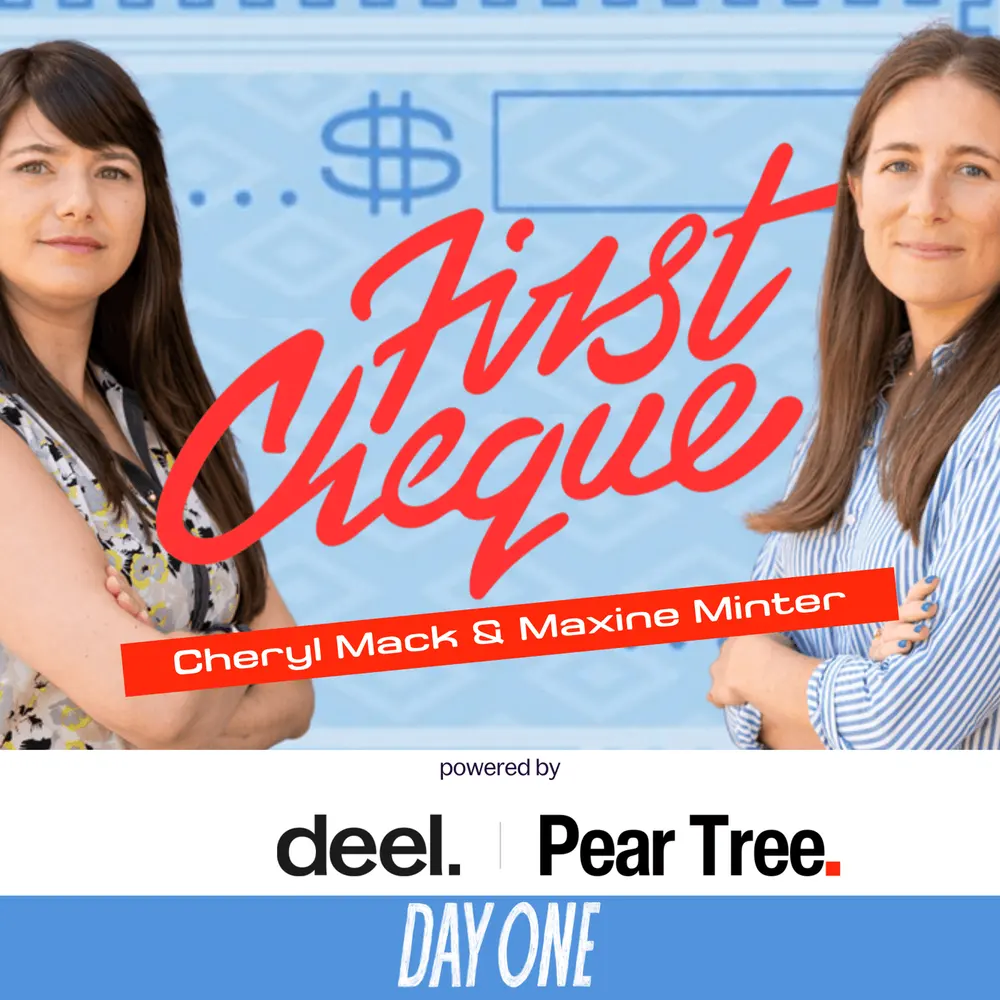 First Cheque with Cheryl Mack & Maxine Minter
Presented by Deel & Pear Tree
First Cheque with Cheryl Mack & Maxine Minter
Presented by Deel & Pear Tree 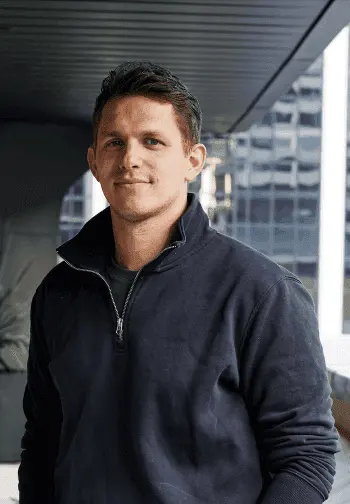







 ▶
▶ ▶
▶ ▶
▶