Transcript Synced · select any line to jump ▾ 0:02 Speaker: Founders scale faster on Deel. Set up payroll for any country in minutes, hire anyone anywhere, get visas handled fast, and get back to building. Visit deel.com/dayone. That's D-E-E-L dot com slash day one. 0:23 Speaker: Are you building a SaaS business and looking to achieve compliance with SOC 2 and ISO 27001 or other security and privacy frameworks? 0:32 Speaker: Compliance can unlock major growth and build essential customer trust, but let's face it, it's usually time-consuming and expensive. 0:37 Speaker: And like really kind of a pain. 0:39 Speaker: That's where Vanta comes in. Vanta automates up to 90% of customer compliance tasks, making you audit-ready fast and saving you up to 85% of the associated costs. Plus, Vanta scales with your business, offering a market-leading trust management platform to continuously monitor compliance, unify risk management, and streamline security reviews. Join 7,000 global companies, including Atlassian and Dovetail, that trust Vanta to build and prove their security in real time. 1:03 Speaker: And for our listeners, Vanta is offering 10% off. 1:06 Speaker: Just go to vanta.com/first. That's vanta.com/first. 1:14 Speaker: Okay, 3, 2, 1. 1:19 Speaker: Hey, I'm Sheryl. 1:20 Speaker: I'm Maxine. 1:20 Speaker: This is First Check, part of Day One, the network dedicated to founders, operators, and investors. 1:25 Speaker: If you want to be a better early-stage investor, this is the show for you. 1:28 Speaker: So TL;DR, if you don't want to suck at investing, listen up. We are here today to talk about portfolio allocation, and we are going to make arguments about diversification versus concentration. I love this topic. Uh, I talk about it at the First Believers, uh, session, um, almost every cohort, and I am super excited to get into it with you, Maxine, because I know that you're going to have some, uh, unique perspectives as well. 2:03 Speaker: Yeah, I can't wait to get into it. I don't know that my perspectives are particularly unique. I think of them as like fairly vanilla, very much the vanilla bean of the food world. But I do think it's a really important consideration for folks, regardless of whether you are thinking about becoming an investor, just starting out on your journey, all the way through to even Fund 2, Fund 3, you know, seasoned investor, thinking about diversification, how it shifts over time. The various factors of diversification, I think is really exciting food for thought. So excited to dive in on another one of our one-on-one series. So what is diversification? Do you want to educate us a little bit about what you think about when you hear diversification? 2:47 Speaker: Yes, absolutely. I think it's such an interesting topic because a lot of people start angel investing and start their investing journey with very little thought as to like what is the strategy? And this is something that typically comes a little bit later for most people where they're like, hey, I've made a couple of investments. Now I'm going to start to think about how I want to create a strategy around what I'm going to invest in, when, where, how, how much, uh, later on. So if the listeners get nothing out of this conversation but to think deeper about this earlier, then I think we've done our jobs. Um, but diversification is essentially like how many investments you make across your portfolio. And for some people, like, diversity could be just 1 or 2. We call that more concentration, but either way— 3:36 Speaker: Who is that? Who is that? That's a diversified strategy. 3:41 Speaker: But the concept of like, what does your portfolio allocation look like could be like— 3:46 Speaker: For sure. 3:47 Speaker: Yeah, my diversity is 3 companies. Wouldn't recommend, and we can go through the reasons for that, but all the way to like, you know, how do you allocate to like 500 or 600 companies? And in general, like you have a portfolio, right? You have a portfolio, an amount that you are willing to lose in this asset class. And then you need to decide how to spread that out, whether it's across stage or whether it's across different types of companies or whether it's across like different numbers of companies. There's so many ways that you can create diversification. Or concentration if that's your jam. Um, and so yeah, that's basically what we're going to talk about today. 4:26 Speaker: Amazing. I wonder if it's useful to go into portfolio construction, like what that means, because that is an important, I think, foundational concept before we think about diversification/concentration as a portfolio construction question. I wonder if that's a helpful place to jump off. When I think about portfolio construction, essentially what that means is Who, how many, and over what kind of various vectors do you invest in companies, right? There are like, if I zoom all the way out, there's a portfolio construction question, which is like what asset classes, right? Mm-hmm. Cash being an asset, property being an asset, you know, various forms of managed investments, be they your superannuation fund all the way through to investing in a manager, and then there might be— manager here being like a VC fund, and then, or a private equity fund or something else. And then there might be those like direct investments you do, either a company that you build, which is in one way an investment you're making through two companies that you invest in directly by syndicates or via direct investment. So there's the kind of portfolio construction across asset classes. There's portfolio construction within each asset class. So how many positions you buy, what the nature of those positions are, and why you have selected them, the geography of those positions, et cetera. I think there's also, this is helpful to name, like, why is diversification even a consideration when you're thinking about portfolio construction? 5:56 Speaker: I think it's also helpful to think about like, why is it important to think about this? Like, why can't you just jump in and go ahead? 6:03 Speaker: Yeah. 6:04 Speaker: When it comes to this type of strategy, particularly when you think about, well, what does my portfolio construction look like within this asset class? It can be really important to think about it in terms of like, well, if you're actually trying to set goals for how you want to like build wealth in this asset class, or if your goal is to like learn, those are two very different things. It can also be important for setting expectations. Like I think a lot of people go into angel investing or like they hear that I'm an angel investor and they're like, oh, Oh, you must have, you know, you must be investing in the next Facebook. And of course I think every investment I make is going to be the next Facebook. But the reality is that like, that's just not the case. And we'll talk about power laws in a moment. I think expectation setting is a really important piece of like why you would want to think about portfolio construction. And a couple of others, I think like also accountability, like just keeping yourself accountable to what you're looking to do across your portfolio. And then also managing risk. We operate in a very risk-filled environment and our jobs as venture investors is to manage risk and find ways to mitigate risk. And we'll also talk about that in my analogy for having children as well later. 7:10 Speaker: I cannot wait for the analogy for children and diversification as it applies to family construction. Amazing. And probably relevant to more people than portfolio construction, to be honest. But I do, I think that that risk piece at the end is a really important one to highlight, right? I feel like there are threads of this that come up when people are like, well, isn't it just betting? Like, isn't it just luck? Like investing is just a luck game. There's no skill, et cetera. And this is one of the really valuable elements of skill, right? It's being thoughtful about construction, but construction is a way for you to manage the risk you are exposing yourself to. It's a recognition that in, especially in early stage, but also in most company investing, but yet unlisted. So venture capital and private equity through to listed positions, you're exposing yourself to a bunch of vectors of risk that you can't control. And one of those factors of risk, you know, they can be anything from like geopolitical risk, location risk, right? If you were invested in companies in Israel right now, it's really, there's a whole bunch of thick headwinds that they're facing that completely outside of their control. If there are also vectors around the industry, you know, for example, if you invested in a company in the services industry that required let's say a coworking space in 2018 or 2019, come 2020, like there was nothing you could do about the fact that your demand side just disappeared overnight and didn't come back for 2 and a half years. And so if you had, you were consolidated all on, you know, businesses that had in-person elements, you would've had a complete wipeout of your portfolio in a way that would've been, you know, completely outside of your diligence control, et cetera. Yeah. So we build in diversification into portfolios to manage for the fact that there are a whole bunch of risk factors that we don't control. And so what's really important when you're thinking about portfolio construction, and I think this is particularly relevant, like thesis, non-thesis investing, right? A thesis investment strategy is essentially a consolidation strategy, even if you invest in a bunch of companies in that thesis, or it can be. And so I think for a lot of angel investors, I hear thinking about like, oh, where can I particularly add value? Where can I, where do I have a unique insight? I don't hear them talking in equal effort around like, and what does that mean? And taking on in terms of consolidation risk in a particular stage or industry or around a particular technology. But we'll come to that in a moment. So yeah, I really want to double down and underline that risk here is that in my opinion, the major factor we're protecting against by using, by considering Diversification versus consolidation. 9:44 Speaker: Yeah, man, that's so interesting that you pull that out, that as angels we talk about like, well, I have experience here, so I invest here. And in effect, that is in direct conflict with our desire to create diversification because that is actually concentration strategy. 9:57 Speaker: Love. 9:58 Speaker: But I think what's probably useful to talk about first is this like spectrum, right? So at the very far left, you've got like 100% concentration, like one type of business. One sector, one stage, one location, even like only Australian B2B fintech companies that are at the pre-seed stage, like extremely concentrated. And, and only one of them, maybe just one. Like I'm only gonna find one B2B fintech SaaS company that is in Australia. Like that is 100% concentration. And then at the very other end, you've got like, you know, YC, for example, that is invested in over 4,000 companies. That is a crazy amount of companies. And then for example, like you've got also Sequoia where they invest in almost every— they've got a fund for every stage and even they've got like the Peak 15 fund, which is even different. So they've got another fund for different stages and different— they've got a fund in every country. They've got— so like that's a very wide diversification. And then somewhere in the middle is like, you know, I think most investors kind of fall somewhere in the middle of that, right? Like none of us are out there. Very few of us are out there investing in just one company. But like, for example, I think more on the concentration side, you've got Peter Thiel who has said like he's going to invest, or he invests in like 7 or 8 at a time. I'm guessing maybe his timeline is maybe like 1 to 2 years on that. You know, 7 or 8 companies that have the biggest chance of creating that like mega return, that like 1000x return. But that's pretty concentrated if he's just investing in 7 or 8 companies versus your average VC fund that's investing in somewhere between like 30 to 40 companies per fund, which is I'd say somewhere in the middle. So it's this like crazy spectrum of, and everyone falls somewhere on this spectrum. And I guess today I'm hoping we can go through some of the arguments, um, for being more on that diversification side, maybe not as crazy as YC or Sequoia, but then also the argument for being more on the concentration side and being more like the Peter Thiels and the like pros and cons of each. 11:59 Speaker: Yeah. My observation, like especially venture funds are generally more consolidated. As you go up the growth curve and they are less consolidated kind of early on. So like YC obviously being a seed stage accelerator, right? It is highly diversified. It's geographically diversified because they accept founders from all over the world. It is industry diversified. I mean, Startmate is the same, right? Like actually there's maybe an argument that you could say Startmate for a similar vintage of deploying is more diversified because they've been doing like wider range deep tech. Yeah. For earlier, but I think for the folks listening to this and thinking about diversification for themselves, the first question is like, I think it is built, my thesis is it's all built out strategy, like thinking deeply about what is the opportunity set that you think you see, and then what is the right strategy to build behind that opportunity set to maximize returns and manage the risk appropriately. Tactical example, I might see a huge opportunity in like pre-IPO Like secondaries, the fund that I build there and how consolidated I might be, might be a question of like my ability to diligence the risk and also my desire to add value. I think that's something we haven't introduced into this discussion yet. So for like a large diversified strategy, especially if you are just an angel investor, but also as a fund manager, you need to think really thoughtfully about the degree to which you can support all of those companies and like add value and actually support development of that company, fundraising of the company, et cetera. Whereas, you know, if you are doing a very consolidated bet, of which there are some folks doing at an early stage, you're doing a very consolidated fund construction. It's probably because you have a thesis that you can be value-additive. And so, you know, if you're thinking about building that pre-IPO secondaries fund, you are likely going to construct less companies in that portfolio and you are going to lean further in on them versus an early stage fund, right? Like there are funds out there that have hundreds of companies per fund. I mean, I guess YC being the extreme example of that. YC being an accelerator, I think is like quite like a different construction, but even like fund managers, they put 100 companies in a single fund with that implicitly saying like, not going to be super high touch on that first investment. Like maybe we seek to double down and we're more high touch on the second one or something like that. But that, like, it's almost impossible. impossible for a fund. I think it's almost impossible for a fund to be like high value add at the same— high value add by exertion of personal effort from fund managers to the companies and do like a 100% fund. So I think the first thing to ask yourself as you're building this construction for yourself is like, what is my strategy? Where is it in the kind of growth trajectory that I think I see opportunity? And then what has to be true in terms of size of check? For me to participate at that stage. You know, once you have a view on what size of check you need to participate at that stage within a range, then thinking about, okay, what do I need to deliver as a product to the founders and a product to the LPs in order to be able to maintain that? Therefore, like, where do I end on the spectrum? I would say I have not seen any single fund above 100, and I have not seen any single— 15:11 Speaker: 100 companies? 15:12 Speaker: 100 companies. Have you seen more? 15:15 Speaker: Well, I guess like a single fund or— like, for example, Sequoia has multiple funds that obviously has invested in way more than 100 companies. And same with YC. Like, YC's each vintage is— actually, wasn't one of them— I think a few of them there were probably like 200 or 300 companies because they invest. 15:33 Speaker: I think they're like 300 companies a year, so maybe like 150 per cohort. And so each fund. 15:38 Speaker: Excluding YC, no, I can't think of a company that's doing more than that. Oh, maybe like Founders Fund or Hustle Fund. Don't they— They have a very broad— 15:47 Speaker: I'm not sure. 15:47 Speaker: Something to look into. 15:49 Speaker: Elizabeth or Keith, if you guys are listening to this, which hopefully you are, let us know what your strategy is. We clearly need to be reeducated. 15:56 Speaker: Yes. If, if you do have more, please let us know. You know what I think is also really interesting here though, is this concept of like the power law that comes into play, right? So like very few people disagree that a very small fraction of the companies are going to return the vast majority of the fund's profit. The way that that actually plays out, I think is what's the interesting point, right? That like, there are very different opinions regarding the lessons to take from that power law. Like no one is disagreeing on the power law, but many funds create their portfolio construction differently based on how they interpret that power law. And the question of like, is it better to index on venture as broadly as possible in the hopes of unearthing one of those like winning outliers, like a Canva, or is it better to like concentrate resources on a smaller number of investments? Just like you said, it's basically impossible to be high touch on a hundred plus company portfolio. Do you concentrate on on a few of those smaller investments to maximize the return on the winners. And this also kind of comes in when you think about like having children, then like if you had a billion children or 100 children, you can't possibly support them all. So you're less likely to have one that is really successful. 17:03 Speaker: I love it, I love it. Look, to be honest, if we all knew who the Canva would be 10 years before Canva, you would construct a fund of a single company and you would just put all of your firepower into Canva in their seed round. That's what you would do. The reality is, is that we don't know because of all of these like externalized risks. And I guess you can make the same argument for children, right? Like they pop out as this like largely, you know, inert slug. 17:29 Speaker: Amorphous blob. 17:30 Speaker: It's really hard to know. Yeah, it's hard to know whether they— I guess the measure there is that they become value-additive to your life or they become rich. Like, I don't know what success looks like in children here, but Well, so the study that was done is that— 17:45 Speaker: this study done in California was like, if you wanted to have the best chance of having a wealthy child that could support you in your old age, how many kids do you need to have? And the research came out that you needed to have— you had about a 15% chance of having a wealthy child. So you needed to have at least 10 children in order to have a chance of having one that would be wealthy and support you in your old age, but ideally like 20. But I think that's a really interesting analogy because there are factors that you can control in this, and then there are factors that you can't, which is kind of similar to VC in the sense that if you raise your kid right, give a good education, maybe lots of books and toys in the house, then they have a better chance of being successful and therefore helping you in your old age. But there are other factors that you can't control, right? Like there are genetics at play and whether they have good, bad friends that lead them down into bad paths and whether they get into like the best school or not. Like there are things that you can't control. And so, if you were just going random, then you need to have 10, but there are things we can control. And so, do you really need to have 10 in order to have a chance at having a successful one? And so, I think that's similar to like venture, right? Like you are making informed bets, but you're— there are also factors that you can control in terms of like, what do you know most about? And like, how do you help your portfolio companies and timing and what you're betting on based on the timing and a billion other things. 19:12 Speaker: I love that someone has spent time and like a significant period of time to get to that conclusion, studying how to get a rich child. I just— horrifying that it came out of California, although like not even remotely surprised. Um, hectic. I really— and like how you digested that research, what led you to that kind of research? I'm just not gonna ask that question. 19:39 Speaker: Um, but I will say But it came back to Venture is the answer. 19:43 Speaker: Right, right. We tied it back to Venture. Yeah. 19:47 Speaker: Are you building a SaaS business and looking to achieve compliance with SOC 2 and ISO 27001 or other security and privacy frameworks? 19:55 Speaker: Compliance can unlock major growth and build essential customer trust, but let's face it, it's usually time-consuming and expensive. 20:00 Speaker: And like really kind of a pain. 20:02 Speaker: That's where Vanta comes in. Vanta automates up to 90% of customer compliance tasks. Making you audit-ready fast and saving you up to 85% of the associated costs. Plus, Vanta scales with your business, offering a market-leading trust management platform to continuously monitor compliance, unify risk management, and streamline security reviews. Join 7,000 global companies, including Atlassian and Dovetail, that trust Vanta to build and improve their security in real time. 20:27 Speaker: And for our listeners, Vanta is offering 10% off. 20:29 Speaker: Just go to vanta.com/first. That's first. 20:34 Speaker: Banta.com/first. 20:37 Speaker: I think what's really interesting is, you know, for a lot, I think we're in the age of the ecosystem now where there's like a collection of funds that do an enormous amount of kingmaking. And what I mean by that is like Benchmark publicizes that they have done research to show that a seed stage investment from Benchmark increases the probability that they would either get to Series A or Series B, like mid-stage growth, by 5x. And so, you know, in your kid example, that materially reduces the number of children you have to pop out, right? Like 4 kids and 20 kids, really different lifestyle that you're going to be living around that, you know. 21:16 Speaker: Yeah. 21:17 Speaker: And cost, right? Those are expensive. As far as I understand, I don't have kids, but like it is expensive investment, every single one of those slugs. And so I think it is a really Great analogy to help normalize. Like we probably do some of this evaluation for ourselves generally in day-to-day life. But when you're thinking about investing in early stage, thinking about that each of those checks is expensive, you know, they are money that you're allocating. And so from an overall average return, one part is like, of course it would be better if you only invested 8 checks and found a billion-dollar company than you invested 30 checks and found a billion-dollar company. But what's the probability trade-off? You make there, that you are going to find a billion-dollar company because with the power law, if you don't find those outliers, the asset is largely unperformant, right? The actual fund managers perform on the power law in the same way that the underlying investments perform on the power law. When you're thinking about consolidation versus diversification, you're also thinking about building a strategy that allows you to be compensated for the risk you're taking, but doesn't dilute out the returns because you've got this long tail of non-performing investments. 22:22 Speaker: Yeah. It's so interesting you say that because again, there's another study done around like, what are the chances that the average manager would pick a winner if they only had 10 chances? And spoiler alert, the results were not good. The average manager only given 10 chances does not pick an outsized winner. So the argument could be made, the opportunity cost of missing one of those big winners is basically infinite because even adding one like outsized return to your portfolio changes your average return materially. Like for example, I think AngelList did research on like 3,000 deals that went through the platform. The average return being like 2.7x, but adding just, I think like a Facebook, just adding Facebook, 'cause obviously Facebook was before AngelList's time, but just adding Peter Thiel's investment in Facebook changed that return to an average of like 5.9x. Wow. So like just adding one outlier changed things a huge amount so that the argument for the spraying and praying model broadly indexing into every possible credible deal means, or could mean, that roughly outperform the concentration argument. 23:30 Speaker: I think that is a perfect set of data and anecdote to really highlight that the power law is king in our industry. 23:38 Speaker: Yeah. 23:38 Speaker: Right. And so if you construct in a way that reduces the probability that you don't see the power law and/or you don't invest, sorry, you don't see the outliers. That will then form the power law, like almost guarantees that you will have a non-performing fund and the average fund, right? So like the unit that collects a whole bunch of these investments is non-performing. It's sub 3x, which means it's better for you to have invested in the stock exchange than it was to invest in, you know, a venture fund. Maybe a controversial opinion I hold, but I do think that thesis investing is a place that this is implicitly baked in, but we don't talk about it in terms of diversity. Diversification versus concentration, or at least I haven't heard folks talk about it in terms of diversification and concentration. There's lots of people in the ecosystem who are running thesis investments, right? We are, we have a thesis investment around pre-seed as a stage that is a form of consolidation. That is a form of concentrating on one particular stage. We're not doing multi-stage. We also have a thesis around Australian founders, another form of filter that then you know, concentrates us just to a much smaller set of builders than, you know, someone like Sequoia who's investing all countries, you know, all stages, you know, all the way up through past listed. 24:52 Speaker: A lot of these studies that are done are based on like assuming that there are no smart VCs and that everyone is just picking randomly, right? Like when you see these correlation ventures running these, like, I know it's funny that you said that earlier, like it's just gambling and picking randomly, but like it, The argument can be made that it's actually not picking randomly. We are making informed bets and creating diversification within a portfolio construction strategy that is based on your own smarts, I guess. We could say that there are dumb VCs, and I think there's an ebook coming out shortly, uh, that maybe will provide some memoirs from one of those. Highly recommend checking that out. The argument can be made that like really there are smart VCs. There are ones that use the knowledge that they have to create, not concentration, but like we call call it? I— contrarian thinking. No, contrarians that are contrarian thinking, right? And that's how they create those really big outliers. 25:48 Speaker: I think emerging managers is probably an example where my mind goes when I hear you talking about that, in that the top performing 10 funds have anywhere between 40 to 80% first, second, or third time funds from emerging managers. Reason for that, that I understand, is for a lot of them, they are managers that have seen a particular insight in the ecosystem that they're operating in. They are constructing cleverly around that insight and delivering significant alpha against the average to their investors. And I think I saw Sapphire VC had a, I'm maybe going to misquote their numbers here, but I think it was something like the average performance in their portfolio was like 1.9 to 2. And then the top 25, the average was like 5 or 6, 25%. It's like orders of magnitude more effective if you are good at this, or you are able to like pick a thesis and a strategy, construct a strategy around what will work for that particular moment in history. And it changes, right? Like if you were, I don't know, like maybe if today you had a thesis on transistors, like it might be harder for you to generate alpha than like— What is a transistor? I don't even know what that is. Right. It's long gone technology. But if you have a thesis today on like AI as an inflection point and you have a particular insight and a particular network to allow you to do that, and a particular fund construction that allows you to be, you know, say you wanted to run a consolidated fund structure. And because you have a network of people who are incredibly helpful for a particular kind of business, that could, you could generate really impressive returns. I will, to be intellectually honest here, I will also name that it's much harder to scale 4, 5, 6 funds and operate them as a business than it is to run a small consolidated group of Fund 1, 2, and 3. And so it's not the only, like diversification versus consolidation is definitely not the only factor that is driving outlier performance in that group. But I do think it is, it's part of it. 27:44 Speaker: Yeah, absolutely. I think it also raises the point that as you invest in more and more companies, theoretically the quality goes down, right? So if you are like investing in a particular space, each subsequent investment that you make has a potential to be not as good quality as the first, say, 10 that you did. So as a fund gets bigger and bigger and has to find more and more, it just makes sense to create more diversification because the quality goes down. So having that concentration in the early days, like there's an argument there, right? To say like, well, yeah, the larger your portfolio is, the less quality you're going to find. Cause theoretically there's less. 28:22 Speaker: I've never heard that before, that quality goes down over time as opposed to going up. 28:27 Speaker: I will get the research for you. 28:29 Speaker: Yeah. Hit me with the knowledge because my experience has been actually the opposite, right? Cause as you get to scale, in theory, you are doing a better job at sourcing, you are doing a better job of picking, you're well known in the market, like you're doing well, like your brand should be increasing, more people should know you, more people reach out to you, those kinds of things. And so in theory, you're seeing more companies and therefore like better companies. One would hope, and maybe this is the argument on dumb VCs, but like one would hope you get better at picking the more that you see, but maybe that's the vector, right? Like you get worse over time because you get more jaded. I think a traditional challenge is for a lot of investors, when you've been in it for a while, you see the same like ideas to solve the problem, the same problem. 29:12 Speaker: Over and over again, same problem. 29:14 Speaker: Over and over again. And I just, the thing that lives rent-free in my brain is Google as an example, right? They were definitely not the first to search. It was a known problem, like known set of companies had tried to be solving it. When, say, John Doerr met Larry and Sergey, like, how did he get to conviction that Google was it? Or was it the actual decision that Google was it? 29:38 Speaker: Or had he already invested in the other ones and this was just another play? 29:43 Speaker: No, no, no. He was like, this was his first search, as I believe his first search investment. And so I think my point here is that, like, it's like maybe we do get worse at picking over time because we become more jaded and we're like less open to seeing outsized, you know, like new insights come through, or I'll ask the curious question, which is like, why now? Why is this— it hasn't worked for the last 15 years, but it's now the right time for it to be changing. So you should see more deals if you're getting better. You should be better, should be better at picking, but maybe you're worse, and then you should be learning from them. So I would think that you get better over time, not worse. 30:19 Speaker: Yes, I would agree. I think I misrepresented what the point there is, that like portfolio, as your portfolio gets larger, the average quality across all deals goes down because not necessarily that the more deals you get, uh, the more deals you invest in, the subsequent ones are, um, less good. But like if you look at a portfolio overall of say 500 companies, there's an argument to be made that there are going to be— The average quality of each company is going to be less than if you had a portfolio of say 50 companies. Not that I necessarily agree with that, but like there's an argument to be made that like the larger the portfolio, the, the average quality of each company goes down. 30:55 Speaker: That's such an interesting thought. And maybe there's an explanation why it's harder to generate alpha and generate outsized returns in a like large scaled fund than first, second, third time fund. 31:06 Speaker: Yeah. Cause there is data to suggest that specialized first and second funds tend to outperform, right? So that is a version of concentration. 31:16 Speaker: Yeah. It's the definition of concentration. It's like specialist in terms of, you know, like it is like, that's the photo that would pop up in the dictionary when you looked up concentration. Yeah, I think it's really interesting. I think for folks that are either evaluating it for themselves right now, whether they're fund managers or whether they're angel investors, thinking about like what is the construction that you need to generate alpha, or if you're not going to generate alpha, like you should just invest in an index fund, like go and invest in a fund of funds that funds every single venture fund in your ecosystem. 31:47 Speaker: Yeah. Well, I think as an angel or just like an early stage investor that wants to invest in the early stage asset class. I think it is a really interesting question to say, like, if let's say I've got a, I've got $500,000 that I want to invest in this asset class. And you then decide, like, do I want to go for maximum diversification as possible? Which would mean like go invest in like 2 to 3 funds that have the widest diversification. So pick the funds that invest in as many companies as possible. Like that's probably the maximum you could get in terms of if you want maximum diversification. Or do you like go super concentrated and like pick 3 companies to invest 200-something odd in each? And that's like as concentrated, or you just one, you could put it into one. And then like there's a spectrum of everything in between, right? And I think most investors who are investing in this asset class end up falling somewhere in between where like, I personally have invested in a few funds, I've invested by a few syndicates, and I've invested in a few companies directly. So I've diversified, but I'm like, I'm probably somewhere in the middle that like I didn't go for maximum diversification, but some amount of diversification to create some type of portfolio construction that I feel is diversified enough for my risk tolerance. Right. So like, I feel like most investors end up falling somewhere in the middle and it's just to what degree do you create that diversification for yourself that you feel comfortable with? 33:09 Speaker: Totally. I think the other thing to say is that that middle is huge. 33:13 Speaker: Yeah. 33:13 Speaker: Right. Truly huge. Like on one side, the like most concentrated is essentially a founder building a company. True. Yeah. Like they are all in very deep on one investment. They're spending all of their time there. They're spending all of their capital. Mostly they're taking only enough capital off the table to survive. And then like the other side is large fund of funds invested in a whole bunch of funds and then have some direct, like probably the most diversified. But that is— there is a huge spectrum between those. 33:41 Speaker: Yeah. Any one degree inwards is basically Right, exactly. 33:47 Speaker: So I think it's definitely worthwhile thinking about for everyone as you're thinking about building your investment strategy and like where you're comfortable with what is the right level of risk tolerance, like where also like the degree to which you want to be involved. Running a large fund of funds, you're so far away from those frontline investments. Like you're not really involved in the day-to-day of those companies, but you're not, it's not even really like you're just not. 34:09 Speaker: Yeah. But even investing in a fund, like if you, as an angel investor, if you want to be involved in the companies, in any way, shape, or form, you're probably not going to get that investing in a fund. Whereas if you invest through a syndicate or direct, then you're going to get some involvement and, and be able to support, um, or at least be more present to make those decisions individually. 34:28 Speaker: Right? Totally. Well, hopefully we will see a wider range within that huge spectrum on either side of that diversification continue on. 34:36 Speaker: Thank you so much everyone for joining us today. Hopefully you learned something. Uh, hopefully you had a bit of a laugh, uh, about our children analogy. And I would love to hear your thoughts if anyone has any, uh, wants to share what their portfolio construction strategy looks like or wants to talk it through, feel free to reach out.


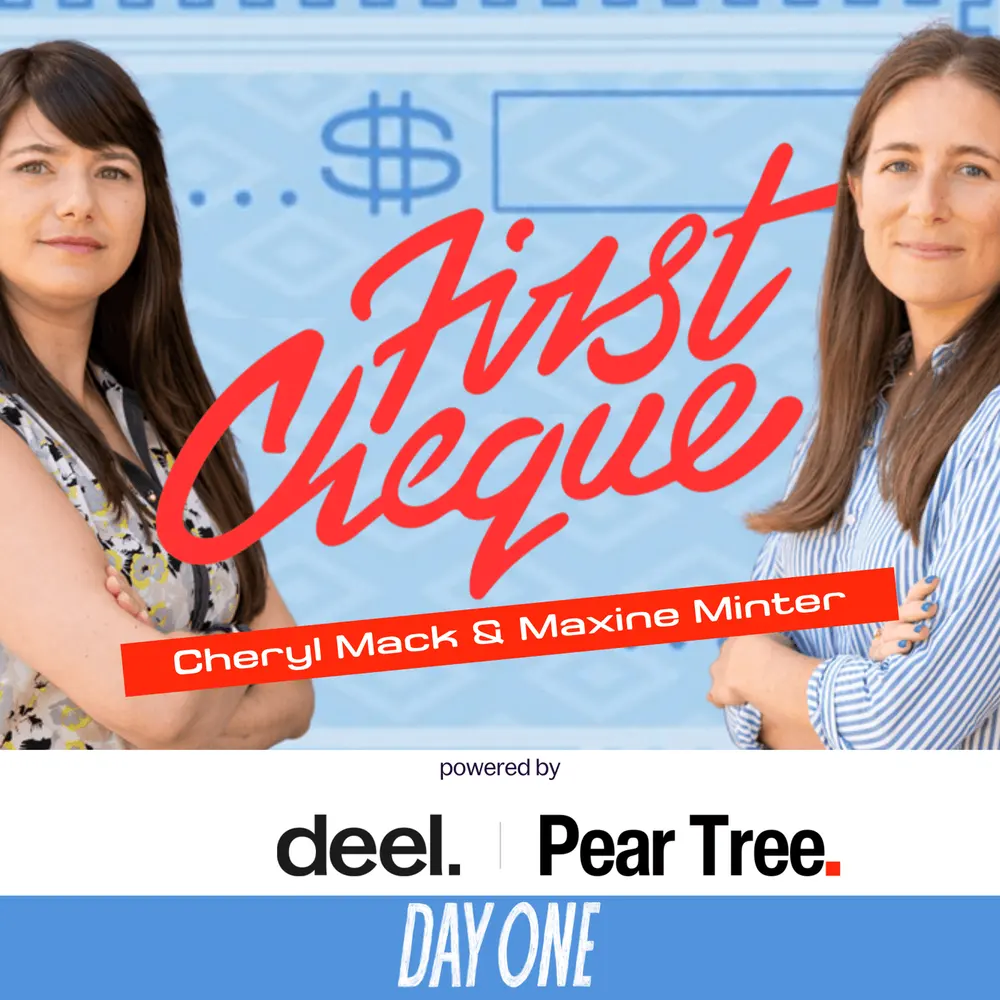 First Cheque with Cheryl Mack & Maxine Minter
Presented by Deel & Pear Tree
First Cheque with Cheryl Mack & Maxine Minter
Presented by Deel & Pear Tree 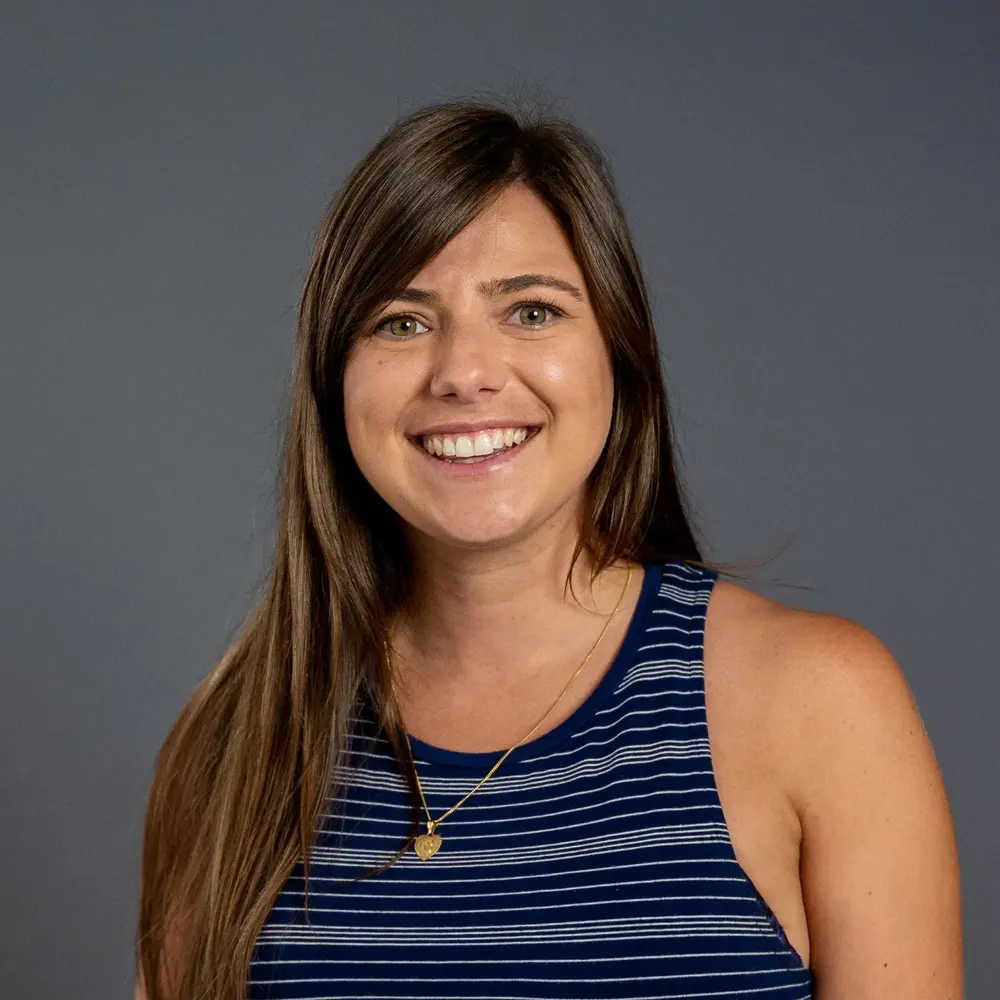 Guest Cheryl Mack CEO & Co-founder, Aussie Angels, Aussie Angels
 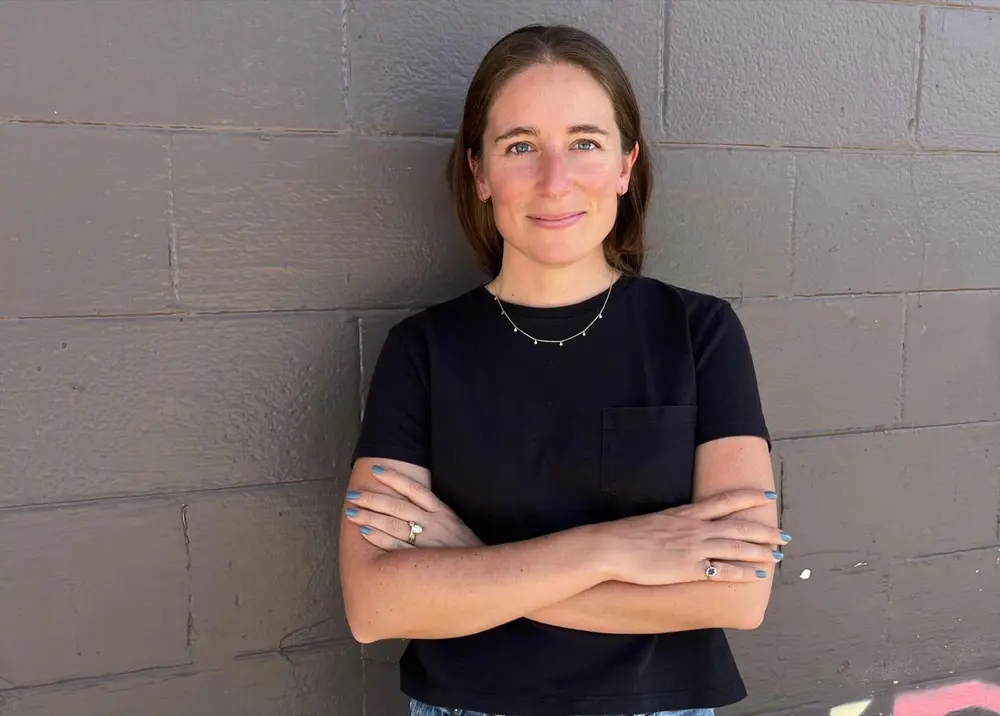 Guest Maxine Minter Founder & General Partner, Co Ventures, Co Ventures

 ▶
▶ ▶
▶ ▶
▶