Transcript Synced · select any line to jump ▾ 0:02 Speaker: Founders scale faster on Deel. Set up payroll for any country in minutes. Hire anyone anywhere. Get visas handled fast and get back to building. Visit deel.com/dayone. That's d-e-e-l.com/dayone. 0:21 Speaker: YC is all about keeping things simple and straightforward. Short answers to the point, no fluff, no BS. So can you tell us about the poem? Oh, the poem. Okay. No, I don't think I want to get into it. Man or woman, my recommendation is to not just wait around and start doing the work when you find your tech co-founder. Start doing all the work and that will actually help you. 0:47 Speaker: And what do you consider the traits of an exceptional founder? What would you have advice for, for the founders raising capital on how they could help investors get to that point? What could they be doing? 0:58 Speaker: In today's episode, we dive into the remarkable journey of Yotam Rosenbaum, musician, founder, turned investor, and someone who's navigated life not with a strict map, but with a deep trust in direction. We explore how he went from LA's indie music scene to co-founding Earbits, joining Y Combinator, then exiting, and investing in over 400 startups. Yotam shares what really matters to early-stage investors, why founder chemistry is everything, and how the Australian startup ecosystem can play bigger on the global stage. 1:33 Speaker: You're listening to a Day One FM show. 1:39 Speaker: As a startup founder, you're juggling multiple priorities from the expected, like finding product market fit, to the unexpected, like customer requests for SOC 2 or ISO 27001 certification. But achieving compliance is time-consuming and time spent on it is time away from the needs of the business. That's where Vanta comes in. Vanta is the all-in-one solution for startups to become compliant quickly and build a security foundation with ease. With a combination of automation and extensive partner network and a security marketplace, Vanta provides the necessary tools and expertise for startups to achieve compliance seamlessly, no matter how urgent your needs are and at every phase of growth. Over 10,000 leading companies, including Cypherstash, Handle, and Indebted, trust Vanta to automate compliance so they can focus on growing their business. Startup customers get $1,000 off Vanta at dayone.fm/vanta/pauline. Firstly, welcome Joatim. Joatim Rosenbaum. 2:45 Speaker: So I'm gonna kick off on a quote that you've said that I would like to dive into. 2:50 Speaker: You once wrote, "Because I suspect that like me, many others stress about not having a precise destination or a detailed map to get there. However, my experience has shown me that it's perfectly fine to have a general sense of direction, and explore the many possible paths along the way. 3:10 Speaker: What made you write that? 3:11 Yotam Rosenbaum: I think it's the fact that, well, that is sort of like the story of my life. I don't think I've ever had— some people are very clear about like what they want to do and achieve. And you know, there are certain personalities of like, I'm going to do this and then I'm going to get this degree and then I'm gonna get this job and then I'm gonna live here and have X amount of kids. And I've never been like that. And I think for a long time, I kind of struggled with that or like felt like I'm not doing life correctly. But now, you know, that I'm, you know, a bit older and have seen like how things worked out, I guess I realized that it's totally fine not to have a perfect plan of like, it doesn't work for everyone. And for me, yeah, it wasn't, it was never about having like an exact plan. It was more about like, okay, well, generally speaking, what what do I want to do? Where do I want to be? What kind of, you know, what kind of things I want to experience without knowing exactly what will come my way. And I think because of that, actually, and because of being open to possibilities, the best things that happened to me were because of that. I did not plan on becoming a startup founder. I was a musician, but I was, you know, I was at the right place at the right time with the right person. And one thing led to another and, you know, that took me on a whole other journey that that otherwise would not have happened. 4:37 Speaker: I really enjoy hearing you say that because it's really often quite challenging for a founder to hold onto a philosophy where you are not really as fixated on the specific way a destination looks or what it is, but you have a general sense of the direction you want to go and you allow sort of, I guess, the pull of the world to pull you into what art of the possible could really be for your life and It kind of reminds me sort of a, of a sort of more of a Buddhist philosophy, which I enjoy, which is about not being so fixed on your mind and where your mind believes it should be and should go, which is really based on past experiences and obviously what you absorb and what you see at this current present time. So it really gives you that sort of universal creativity to trust that something bigger is out there rather than you being so fixated. Have you always, like you said, you sort of more fell into that as you matured. How were you, did you hold that philosophy, I guess, when you were a founder? 5:44 Yotam Rosenbaum: Yeah, absolutely. I think it will be very difficult to try to build a startup with the other philosophy of like, you're going to like, you know, trying to dictate what happens when, because that's really kind of the opposite of startup life. You know, it's so hard. There's so many things outside of your control when you build a startup. It doesn't matter how much you want things to work in a certain way, you really have to adapt and do that fairly quickly and realize that the only thing that you can do is show up, do the work, try to set the direction, but like at the end of the day, like so many things come in your way and will make you, you know, have to turn many, many times. 6:24 Speaker: Yeah, I could not agree more. Although I still see and just based on some of the experiences I've had with founders and working with them, and I'm sure you many, is yeah, the ones that really kind of sort of resist and try and be quite structured and fixed and focused in a specific destination, they, A, they get disappointed the most, or B, they just go the long way around because they end up having to like, you know, experiment, butt their head up against the wall, then go a different way anyway. 6:54 Yotam Rosenbaum: Yeah, I think it's, you know, it's a fine line between I'm not advocating for having no structure and no direction and no, like, it's very much required, but it shouldn't be fixed. Like, you have to be flexible about it. 7:11 Speaker: Yeah, love that. Okay, so let's go back a bit into your background because people actually don't know your background so far. Apart from you were a founder, you were also a musician. So let me do the highlight reel for you. Hopefully I do it justice. And correct me if I have anything wrong. So you were born and raised in Israel, and after completing your military service, you earned a scholarship into Berklee College of Music, graduating with a major in composition and with pretty high esteem. Then came 6 years and spent time in Los Angeles writing and producing for TV, films, and albums. As a musician, you experienced firsthand the challenges of marketing independent music, and that led you to your startup, which was Earbits, that you co-founded. And Earbits is described as the Google AdWords for music, correct? 8:05 Yotam Rosenbaum: Yeah, yeah. 8:06 Speaker: So can you tell us a little bit about that journey, you know, from musician to startup founder of a tech company? How did you go about that, and what was sort of the pull Yeah, for sure. 8:18 Yotam Rosenbaum: So yeah, after graduating, moved to LA to pursue a career as a musician, and that's exactly what I did for a good 5 years. As you mentioned, I just worked as a musician. I composed, produced music for TV films, a few bands and albums. And then my friend and I, we had a band, or we put together a band. It was a 10-piece funk jazz hip-hop group called the Capitalist Hippie Complex. 8:45 Speaker: Oh my gosh, I didn't look that up. I should have looked that up. Sounds amazing. 8:49 Yotam Rosenbaum: You can do it afterwards. The short story is that my friend Joey Flores, at the time, so we met because when I moved to LA, I put on a post on Craigslist offering drum lessons and he was my first drum student. Then we quickly became good friends, then we became roommates, and then at a certain point he was like, hey, I write all these lyrics, like let's put together a band. You'll write the music, I'll write the lyrics. I said, look, I'm happy to do that, but like, you know, we can record an album, but like marketing music is really, really difficult. Joey comes from a marketing background. He said, yeah, no problem. I'll take care of that. So we spent a year producing an album, fantastic band, like studio musicians from LA, like, you know, top players. had a good product eventually, released the album, played shows in LA and some festivals, and spent a good 2 years trying to market and promote the band and eventually realized that we're totally failing. Like basically after 2 years, you know, our mailing list was maybe 300 people. It was not getting the traction that we were hoping to get. And we tried every marketing tool out there for bands and musicians. And we just felt like we might as well take the money and dump it into the trash. It's like no ROI, no visibility, no nothing. It was awful. 10:17 Speaker: Mm-hmm. 10:18 Yotam Rosenbaum: Meanwhile, Joey at his day job is like a, you know, marketing genius selling everything very effectively online. So one day in 2008, we decided to go for the weekend to San Diego from LA. We're on the 405, which is a like a parking lot on Friday evening. So basically just stuck in traffic and started talking about the problem that we're having of basically promoting our music. Quickly realized that the best way to market music or the most effective way to market music is the radio because that's how people connect to music. It's like, it's not like, you know, I can tell you all about my music, but it will take you a few seconds of listening to it to decide if you like it or not. Yeah. And at the time, online radio was booming. Pandora was really becoming a big thing. And then we thought about the business model of Pandora and other online radio services and realized that, well, they're using music to sell ads and commercials to things that the listener doesn't like. Like, you know, if I listen to a band I really like, I don't want to get a commercial about a burger or a car. 11:28 Speaker: Mm-hmm. 11:28 Yotam Rosenbaum: I want to learn more about the band that I'm listening to. To. And then we thought about the business model of Google AdWords where small businesses, regardless of their budget, can actually market themselves really effectively in a particular area. And then we just put the two together, like, why don't we sort of like build the Google AdWords for music, except bands and record labels will not pay to get their ads shown. They'll get basically will pay to get their music being played. to qualified audience. So if I'm a band, I have a tour coming up and I want people in San Francisco to be exposed to my music a week before the tour, I can do that. I can buy airtime in San Francisco and then airtime in LA and then the whole experience is, it's all about the music and the band. So the platform will allow the bands to monetize the audience. So buy the ticket to the concert, buy merch, buy whatever it is. By the time we got to San Diego, we were like super excited. We're like, oh my God, such a great idea. We talked about it the whole weekend. We kept on talking about the idea basically for the following 2 years. 12:40 Speaker: Wow. 12:40 Yotam Rosenbaum: I had no intention whatsoever to do anything about the idea. Again, I was just a musician. I really didn't think seriously about like trying to turn this into a tech startup. The problem was that the more we talked about it and everyone we shared the idea with, including bands, record labels, business people, like everyone said the same thing, oh, it's really smart, you should build it. You know, I had musicians tell me, yeah, like I need it, like I'll pay for this kind of service if you build it. 13:13 Speaker: Mm-hmm. 13:13 Yotam Rosenbaum: So finally in 2010, after 2 years of talking about it, we We were like, well, what are we going to do? Like, how long are we going to continue to ignore this idea that we feel really passionate about? And obviously like we're getting really strong validation from the market that it's needed. And then we decided, okay, let's give it a try. Let's see what happens. So yeah, I think it was January 2010. We started the company Earbits and started building basically from scratch, which was really difficult because when you think about it, it's really a two-sided marketplace. You need both listeners and you need a catalog of music. If you don't have a lot of music, it's going to be really difficult to get the listeners. If you don't have a lot of listeners, it may be quite challenging to get bands and record labels to give their catalog. So we started from zero and gradually, you know, build the catalog, got more traction. At some point applied for Y Combinator and got accepted into the Winter '11 batch. And that was really pivotal. That really made a massive difference on everything. Went through the program, raised some capital, and then went on to continue building the platform. Eventually, 2015, so 4 years or 5 years after we started, we were streaming more than 2 million songs per month. We had 15,000 artists on the platform and 700 record labels. and then finally got acquired 2015. I stayed on board for another 2 years under the company that acquired us and then finally late 2016 decided to step away. 14:53 Speaker: What a journey. It sounds like such an exciting one. Like I could just— 14:58 Yotam Rosenbaum: Absolutely. 14:58 Speaker: I could just imagine like ideating on the actual concept to then go and talk to the people in the market who are your industry peers and equally you guys would have been feeding off that energy that the customers at the time were giving you and just taking you down down that path that this is something you have no choice, but you're responsible now to do. 15:18 Yotam Rosenbaum: Exactly. And that's so true because, you know, some, I feel like the different types of founders, some of them, some founders just want to build something like that. They want to build a billion-dollar company. They don't care what it is. They don't like, they're just like obsessed about doing that. For us, it wasn't about that. It was really about the, like, we want to build something for our people, you know, for like, we want to improve this industry. So, so other artists and bands would have better tools to market themselves. And it was very much driven by that. And throughout the journey, it was what sort of like kept us going when things get tough and when you, you know, it was those emails from bands telling us, man, this is like, we're getting phenomenal results from the platform and from listeners finding, you know, amazing bands that they've never heard before. 16:07 Speaker: Yeah. What a great way to put those, that industry into the stage, right? Mm-hmm. 16:16 Speaker: Mighty Partners is a growth lender backing Australia's best operators with the capital and confidence to grow without giving away what they've built. Mighty offers up to $10 million in funding with flexible repayment terms for up to 3 years. Join businesses like Amber Electric, WeMoney, and Safewill who have scaled sustainably using smart debt. Grow your business. Keep your business. Mighty. Learn more at dayone.fm/mighty. 16:47 Speaker: The point when you applied for Y Combinator, how far along was the business at that time? 16:54 Yotam Rosenbaum: We launched the, our website, the web app, which is the only thing that we had. We didn't have a mobile app yet. We had maybe a little over 100 artists on the platform. So it's tiny, you know, we had listeners, we had some music on the platform. And then we also started like doing interesting things like trying different types of like partnerships. So white labeling the radio for other like website destinations that get a lot of traffic. And I think that was quite helpful in our interview at YC. I think it was helpful to demonstrate that we have kind of unique and interesting ways of like how we plan on scaling the audience. 17:43 Speaker: Yeah. And getting that market. 17:45 Yotam Rosenbaum: Yeah. 17:46 Speaker: Yeah. During your application process of Y Combinator or even first attempting to apply, what was the catalyst? What was the thinking with your co-founder at that time? And was there just still two of you? 17:58 Yotam Rosenbaum: No, so we found a third co-founder technical because the both of us were not technical. So Ben joined us and started building the platform, of course. And one of our advisors was a super smart guy and very experienced Silicon Valley, sold 3 companies, one to Google, the other to Facebook, now manages a massive fund in the Bay. But he was one of our early advisors. And he told us, guys, you should apply for YC. And at the time we already launched the website and we were so naive and green. We're like, oh no, we're too far ahead. It's far along for that. And he very kindly told us, okay, maybe, but how about like, why don't you put your application in? And if by any chance you get an interview and if by any chance you actually, you know, get in, you can decide then if you want to do it or not. So we took his advice and we put in the application and then we got invited for an interview. So once we got invited into the interview, we reached out to a few YC founders to sort of learn more about, we didn't know much about YC and also in like 2010, YC was not as well known as it is today. Mm-hmm. I mean, yeah, there was like Airbnb starting to, you know, getting pretty big, but you had to be pretty deep in the tech scene to like really know what it is. So we reached out to a few YC founders and by the time we finished the third call with them, like they all told us the same thing. It like just completely changed my life and the trajectory of my company. It's the best thing that happened to us. By the time we finished, we were like, well, okay, we really want to get into YC. 19:43 Speaker: What was the three, what was the thing that they all consistently told you? 19:47 Yotam Rosenbaum: That it was just a life-changing event for them. Like there was life before YC and life after YC and that the level of support and network and access to capital and all those, and, you know, it's just unparalleled. So yeah, then by the time we drove up to Menlo Park for the interview, we were like, wow, we really want to get in. 20:11 Speaker: Yeah, I bet, I bet. So your advisor that you came across who first advised you to apply, how did you meet him or her? 20:18 Yotam Rosenbaum: So all the smart things that we've done early on were all attributed to Joey, my co-founder. He basically said, well, we don't have much. Like we don't have a platform. We don't have music. We have nothing. We can, we should start building some sort of credibility. And one way of doing that would be to surround ourselves with smart people who already have that level of credibility. And those people should be people who are relevant to the business that we're trying to build. So in this case, And Vitor Garg, the person I was talking about, he was working at Google on the ad side of Google Ads. So very relevant to the type of business that we're trying to build. So Joey just reached out, called him and told him, hey, this is what we're planning to build. Thought you'd be really relevant to our business. Are you open to chatting with us? And Avichal said, yeah, sure. Hit me up when you're in the Bay. Happy to catch up for coffee. We did that and that's it. To this day, Avichal is one of my close advisors. Like when I have a a big problem or something that I'm really struggling with and I need someone really smart to bounce the idea with, it's him and he's always there. It's incredible. 21:32 Speaker: No, sounds like he was the catalyst that changed your life. 21:36 Yotam Rosenbaum: Ha! In a way, yes. 21:38 Speaker: That's beautiful. So you obviously had significant success with Earbits and you found that obviously through the experience you had, the profound experience you had with Y Combinator. For those who don't know what Y Combinator is, can you tell us? I know it as the superpower accelerator in the world. What is it to you? 22:01 Yotam Rosenbaum: Yeah, so I think to those who are not familiar with YC, it really had, it was the first startup accelerator. They came up with the concept back in 2005 and then managed to do it extremely well. And it kind of like snowballed, you know, the more success you have, the more like founders, the great founders want to participate and success breeds success in that way. To me, it was actually really a pretty strange experience, honestly. We went through the Winter '11 batch and we were about probably about 120 founders in that batch, about 42 companies, I think. And I felt totally out of place there. First of all, I think I was the oldest in the batch and I was 33. I wasn't that old. 22:48 Speaker: Yeah. 22:49 Yotam Rosenbaum: So I was surrounded by kids out of Stanford, Harvard, Berkeley, Berkeley, California, not all, you know, most of them technical. I was like, I just felt like, man, I don't really feel like I belong here. They all seem very smart and they all seem like they know what they're doing and I'm not that. But over time, I realized that, yeah, that first of all, no one really knows what they're doing when they're building startup. And that's despite not being technical, I had other types of strengths that were important. Yeah, and over time, I sort of like found my place within that community. And to me, you know, what YC is, it's primarily that it's just an incredible community of, of, uh, founders who, who are very open and happy to help each other in a meaningful way. 23:48 Speaker: What was it specifically that they did differently that you, cause you've got experience in Australia and we'll come to that soon, but what do you think is the sort of difference in their workshops, practices, one-on-ones, or was it philosophy that you've seen compared to the Australian community? 24:05 Yotam Rosenbaum: Sure. So the funny thing about YC, and I can only talk about my own personal personal experience going through YC, which was a while ago, but I, you know, I'm from also from what I'm hearing from founders who go through YC these days, it hasn't changed too much. And it's not like a hands-on, like, you know, program where you have to be in the office all the time and like go through a million workshops. It's quite flexible. And I think the main value of YC is you're surrounded by extremely ambitious founders. Yeah. That's the first thing. The second thing, you have access to advice from people, you know, some of the best entrepreneurs in the world, people who have built like massive companies, who have seen and mentored thousands of founders and having, you know, being able to do an office hour and ask some questions from those people is invaluable. Like, you know, it's— 25:03 Speaker: Yeah. 25:03 Yotam Rosenbaum: It's incredible. It's the combination of those two things. It's not about like, hey, you know, come sit in an 8-hour workshop and all of a sudden you'll leave that the day like knowing everything about how to build a startup. It doesn't work that way. 25:17 Speaker: Hmm. 25:18 Yotam Rosenbaum: And it's hard to replicate that because I think the main difference here is that you're basically the type of advice and the type of the program is really driven by real-life experience, both of people that are advising you and everyone around you. And it's all about, it is kind of like a pressure cooker because you know that at the end of the program, there's Demo Day. And again, like YC Demo Day was the original Demo Day, right? Like now every accelerator has a Demo Day, but YC Demo Day is investors only. It's like, you know, the room full of top tier investors and it's— 25:56 Speaker: Yeah. 25:57 Yotam Rosenbaum: you know, one in a lifetime opportunity to pitch to a room full of investors who are all like kind of like fighting for deals. Usually for a founder, you know, you have to go and battle to get meetings and whatnot. The whole paradigm shifts for YC companies where investors are chasing them pretty much. So you try to get as much as possible during those 3 months. Yeah, so it is pretty intense in that sense. 26:25 Speaker: Yeah, it sounds like it's such a privilege to obviously have been a part of the cohort and then you've had interactions since then. In fact, you have an incredible number under your belt, or would I say like you've had over 400 investments into YC companies since you were actually part of the cohort yourself. So that's sort of, I guess what you said is, um, success breeds success. So founders coming back, you had success, then you came back as an investor as well. As well. And then that sort of whirlpool of people feeding— I guess feeding, it sounds horrible— but feeding on the potential that those founders that are applying are the best of the best, the most ambitious that have actually got in. Because I believe, and I understand, it's a very, very tough process to get through, and the application volumes are significant. Can you tell me a little bit about if, if you're talking to an Australian founder now who is trying to get into YC or now looking to get into it, what are some of the things that they should be considering in their application and the process that they're gonna go through? 27:31 Yotam Rosenbaum: Sure. So the application process itself is actually really simple and straightforward and, you know, shouldn't take a founder more than an hour to fill out the application. I mean, YC is all about keeping things simple and straightforward. And that's why I think even in the application process, most of the questions are limited by, or, you know, or should be by the founder, by the short answers to the point, no fluff, no BS. If you are unable to explain what your business is doing in a few words, then you're most likely not, you know, as you mentioned, they're getting like more than 50,000 applications per year. The acceptance rate is less than 1%. It's a bit difficult to explain because YC actually cares less about the idea that you work on and more about the people who are building the the business. So I think it's important in the application to demonstrate that, you know, there's something in your experience, in who you are, that is unique and relevant to the business that you're building. So in our case, you know, when we applied, we had, like, in terms of the team composition, it was quite strong because I had the music background with, like, sort of, like, receipts to demonstrate that, you know, I was, like, professional musician. Joey came from a strong marketing background and Ben had the strong tech. So those three together were, I think, very, well, obviously very relevant to the business that we were trying to build. 29:07 Speaker: Hmm. 29:08 Yotam Rosenbaum: The other thing to note about the application for YC, many, many, many founders apply more than once. If you didn't get in the first time, No problem, apply again. Some of them, you know, apply, you know, get in on the 7th time. Obviously, you should not apply with the same, like, if you applied 3 months ago and you're applying pretty much like same and your answers are the same and nothing has changed during those 3 months, you're probably wasting your time. But if, you know, if a lot of things moved and you're able to say, well, actually, since we applied last time, We achieved this, we built that, we got this traction, whatever it is, uh, that matters a lot. 29:51 Speaker: Sage advice. And your success through investing in YC companies has, you've been investing for quite some time now. So did you first start investing as soon as you were finished with your exit or did it start a little bit earlier? Like what sort of turned you from musician to founder to investor and then stay with the YC? I can imagine because of the culture and the amazing companies, the people you saw coming through. What sort of, what was that, what was that journey like post-exit? 30:20 Yotam Rosenbaum: Yeah, so it's, we started in 2017. So after I left Earbits and actually I moved to Australia at that time, early 2017, and realized that as an alum of the program, I'm kind of in a unique position because I have access to the network and to the deals. Also have built a pretty, pretty solid network of people with access to capital. So that, that it was sort of like putting one and one together, like, okay, well, we can put together a small fund and invest in a bunch of companies from, from, from the batches and let's see how it goes. And yeah, so the first fund was relatively small, invested in 19 companies and within like a little over 2 years, 2 of them turned into unicorns and another one got acquired by the New York Times. First time around we thought, well, maybe it was just luck. Let's try again. And pretty much the same, the second fund also, like both of these funds outperformed 90% of benchmark venture funds in the US. Realized that it's not a fluke. You know, if you have access to an amazing deal flow and you're able to get allocation early on before demo day, it's a pretty solid approach. 31:34 Speaker: Wow. And so you've been investing ever since and you've had remarkable success. What is the, how did you go about diversifying your investments? Because I understand now not only you doing investing in the batches, but you're also investing in particular companies separate to that. What does that investment mix look like? 31:55 Yotam Rosenbaum: No, so it's actually all about diversification. So these days, actually, the, the fund that we're currently deploying from is a fund dedicated for all the batches from, from '25 and '26. So actually 7, 7 batches and with the objective to invest in more than 100 companies in total. And it's completely sector agnostic and, and by design, the, the objective is to diversify as much as possible because what, what we know is that From each batch, statistically speaking, 6% of the batch will turn into unicorns. That's just based on historical stats, but it varies a lot. Some batches are stronger, some are weaker, but if you basically invest in a large enough number of companies from each batch, and obviously if you're, you know, doing a good job at selecting strong companies, then you're highly likely to catch a few of the of the big ones or the big successes. 32:56 Speaker: And can you just tell us, so when you left the US and you migrated to Australia and you established the fund, what was, was that before you joined 77 Partners? Can you just tell us a little bit about that journey coming into Australia? And also what was the pull also to get you into Australia? Why did you leave the US? 33:16 Yotam Rosenbaum: So late 2016, as mentioned, I felt like, okay, it's time to, time to move on. Like I've gotten a lot out of it and like, but I just felt like it was time to move on, but I had no idea move on to what. You know, before the beginning of that journey, I was a professional musician. At the end of that journey, I was a little bit of everything, you know, as a startup founder, but I was not an expert in any one of those things. And clearly like I had no intention of going back to being a professional musician. So I really didn't know what I'm going to do next. So I reached out to the YC network and said, hey, I'm looking for my next opportunity and had a bunch of like, you know, a bunch of opportunities that popped up and ended up with basically having to choose between a job offer in Europe with a pretty established company versus a YC founder who has just received the HotDesk grant. 34:24 Speaker: Do you remember that? Yes, yes, yes. River City Labs was part of that. 34:28 Yotam Rosenbaum: That was the first round of HotDesk. And I met with him and, you know, I was not looking for like an early stage startup at that point, but then he mentioned, oh, and yeah, I got this grant. I'm moving to Brisbane for 6 months. And my eyes went like, Really? And the reason I was so interested in it was because my brother and his family have been here in Brisbane for many years. And I've visited a few times and always sort of like dreamt about like, you know, potentially living here. And at the time, my wife and I were starting to think about having kids and just couldn't picture ourselves like doing that either in LA or San Francisco. So then it was like, okay, well, Europe. Or Australia and finally decided, yeah, like the proximity to family. And also I just had a gut feel. I didn't know much about the tech scene here. I mean, I visited a few times, but like I wasn't close enough to know, but I just had a feeling that like I got the sense that it's emerging and that it will be, that there probably will be some opportunities for me here. So we moved and then our AnswerKey, the company that I joined, were hosted by QUT Blue Box. And then after 6 months, the company went back to the US and I told the guys at Blue Box, hey, I'm staying and I'm like open to like, you know, I'm looking for my next thing. And they said, well, great. Come join us as an EIR. for, to run our programs here. And that's what I did for, for about 2 years. I was, I was there at QT Blue Box, which was in hindsight, really sort of like the, the perfect job for me or a first job here, because first of all, I realized that as, as an EIR, I was able to utilize all the, like the knowledge that I had from my own experience and help other founders. 36:27 Speaker: Hmm. 36:28 Yotam Rosenbaum: And just also just allowed me to build my network here and get to know a lot of people relatively quickly. And that's where I met Brent Watts. 36:39 Speaker: Yes. 36:40 Yotam Rosenbaum: And then the two of us left Bluebox late 2019. And then Brent said that he is starting 77Partners and I've been in a support role there. 36:53 Speaker: With 77Partners. And is that, and shout out to Brent, who is an amazing— Absolutely. Investor in Hooman and, and has done so much. I actually had the pleasure of and privilege of joining his cohort, um, and it's the first cohort of female VCs, um, that he ran a program for backed by, um, QIC. So you came to Australia backed by Hot Desk, which was a government-funded program, correct? With— in Queensland. And then obviously, um, we all get opportunities. It just goes to show some of those I guess, um, direct intentional investments into the ecosystem to build the ecosystem in Australia is really what obviously brought you here as an opportunity and definitely gave me the opportunity to meet Brent and then yourself through that vehicle. Uh, so big shout out to them. But I can imagine, yeah, getting involved in a university accelerator because you not only did Blue Box but you also had some experience with UQ as well, didn't you? 37:52 Yotam Rosenbaum: That's true. So later, around the same time that, that we started 77, uh, UQ reached out and And yeah, I ran two cohorts over there. 38:03 Speaker: Oh, wow. 38:04 Yotam Rosenbaum: But at UQ, it was sort of like a side, it was a part-time thing. At QUT, it was a full-time position for about two and a half years, yes. 38:14 Speaker: Yeah, understand. So you've had your share of exposure to the Australian ecosystem by this point. You've got 77 partners, you've seen some of the founders that have come through. What was your initial thoughts on the ecosystem here considering where you had come from? 38:31 Yotam Rosenbaum: A few things. First of all, I think there's, there's so much great talent here in Australia and I think a lot of desire to, to build and, and, and, you know, there's definitely a lot of activity. The one thing I've, I, I noticed over the years is sometimes I would meet with founders and and I think they don't realize that what they're building actually has a much bigger potential than what they're thinking about. There's still, some of them are still in, you know, in the Australian bubble that is pretty, pretty relatively small, but with a few of them, it's just a conversation of like, well, actually, have you considered applying for YC? Have you considered like, you know, expanding to the US? And then they're like, oh, actually, yeah, that's a good idea. And we've seen, with a few of them, you know, successfully going to the US and yeah, taking it to a whole other level. I think it's, that's part of what makes the Bay Area, San Francisco so effective. And it's the same actually in Israel, in Tel Aviv, where you have the high, like a really condensed area of founders who are very, very ambitious. Yeah. It sort of like opens your mind to that type of thinking. And it's hard if you're removed from it. And if most of the people around you have, you know, normal jobs and, you know, are not super ambitious to build the next unicorn, it's going to be difficult to, on your own, to, you know, decide that that's what you want to do. But when everyone around you is doing it, you start feeling like, well, 'Oh damn, I can do it too,' right? 40:13 Speaker: Yeah, yeah, absolutely. Do you think it's changed a lot since you first came here to now? Have you seen some of that ambition growing founders or do you think there's still work for us to do? 40:23 Yotam Rosenbaum: No, I certainly think that it has changed quite a lot. I feel like, yeah, back in 2017, there was, I think, a lot less activity, a lot less knowledge or like a lot of people were a lot less exposed, I think, to the possibility of a startup, of being a founder. And I think all the work that everyone in the ecosystem is doing, I think it pays off in a big way. It's a very long-term investment, I think. So any program that, you know, you shouldn't be judged by a time horizon of a few months or even a couple of years. It's more of about like, well, 10 years later, let's see what happened, right? 41:02 Speaker: Absolutely. In alignment with the cycle of building a company. And its opportunity to perform. 41:07 Yotam Rosenbaum: And the way it works, it is really like a snowball effect because, you know, now we have, you know, Go1, a YC company here in Brisbane, massive success that, you know, and obviously they're not the only successful company, but the more success stories you have, it feeds, it really feeds the ecosystem. So you have other people looking and saying, I can do that too. You also have founders who, with exits, who can then, you know, invest in the next generation of founders. So it just takes time. It's just like, you know, a jungle doesn't grow overnight. It develops over a long time. 41:47 Speaker: How important do you think it is for founders who are sort of working autonomously or not really exposed to that now? How important do you think it is for them to actually join a community? So obviously the ideal would be, apply for YC and try there. But what about the programs in Australia and the communities in Australia? 42:07 Yotam Rosenbaum: Sure. I mean, sure, YC is a great program, but it's not the only program. It's not the only way to build a startup. And frankly, like, you don't even have to go through an accelerator to build a successful startup. There are plenty of startups that didn't do that. But I do think that It's, it can be extremely lonely to try to build something in vacuum. And I think that's like having some kind of a support system around you is, I think, pretty crucial in order to survive in this game. So it doesn't matter if it's a program or if it's a bunch of friends who are all like building something or just like like-minded and can support you, whatever it is. But I think I just think it's important to have that. It can be, you know, it can be whatever. It can be virtual or it can be in the real life, but something that you're not like completely on your own, you know, trying to build something on your own is really difficult. 43:04 Speaker: Yeah, and that follows nature, right? We as humans have, you know, would need to find connection and have connection and that's how progress is built. So it makes absolute sense to what you're saying. 43:16 Yotam Rosenbaum: And obviously, And I think any founder with any level of success would admit that, you know, it's a teamwork. It requires a village, like the amount of support and effort, like you really can't do it on your own. 43:31 Speaker: Yeah, that is clear from some of the interviews I've done so far on Perspective X. I had Paul Stovall, who obviously is Octopus Deploy and quite successful in what they've built. They've bootstrapped most of the way and then and then did some strategic investment for an acquisition later down the track. And the whole interview we were going through his journey and it more or less sounded like he wasn't as reliant on mentors or community or programs and he kind of worked out in the shadows. And then by the end of it, I said, did you have any mentors? And he was like, oh my gosh, I wouldn't even be here without my mentors, you know, and without the community around him. Right. Yeah. 44:12 Speaker: Right. 44:13 Speaker: What you're saying echoes true with many people. You had some pretty successful people surrounding you in YC at the time. You had some significant leaders, you know, from Paul Graham, there was Sam Altman, and then Gary Tan. The leadership sounds quite exceptional there. What can you give guidance or advice and insight into how, you know, I'm a leader in the ecosystem, there's many of us in the ecosystem that are doing amazing things, trying to build that sort sense of community and ambition. What do you think are some of the things that we could take away from your experience over there that we could be doing more that we're not doing right now? 44:50 Yotam Rosenbaum: As leaders? 44:52 Speaker: Yeah, leaders of the ecosystem and helping other founders pull through. 44:57 Yotam Rosenbaum: I think, as far as I can see, it seems like we're doing the right things. I mean, at the end of the day, it's really being there. As, you know, supporting founders, hopefully giving good advice, realizing that I think most people realize that it's not about competing here. It's more about supporting, like, and this is definitely part of the philosophy at 77, where like, we're happy to have founders working with us, go through our program, as well as go and do whatever other program or get advice from whoever else they want to get advice because that's That's better. Like that, if it works for them, that's fantastic. So not being protective of like, oh, I'm good. Like this is my founder. Like I don't want anyone else to touch him or anything like that. So just, I guess, giving back to the community as much as possible. That's it. At the end of the day, like, you know, the heart, the real hard work is what the founders have to do. 45:58 Speaker: Have to do. I know exactly. And it's, I like, I like that it's an abundance mindset because we are a small ecosystem still. We're still maturing. We have a lot more access to global players as well. And the quicker we can get founders thinking globally from the onset and, and, you know, we're, we're definitely a fan of 77Partners and love sending founders to your program because it gives them that access actually into the US. You guys have a very solid pathway. To go directly there, and you're very real with your introductions, your network, and how you actually go about providing that advice and guidance and network into the US. 46:39 Speaker: So we— 46:39 Speaker: I couldn't agree more. 46:40 Yotam Rosenbaum: Thank you for that. And maybe now would be a good time to plug our, our program. Applications are open. Applications are open for the next 77 Venture Challenge, uh, which is is not an accelerator. 46:54 Speaker: Yes, I know. 46:55 Yotam Rosenbaum: It's really a program designed for, for founders who actually probably already went through an accelerator and the program is really about helping them become investment ready. So we actually started the program because of my own personal experience going through YC and the experience that I've seen many founders going through an accelerator that by the end of the accelerator, you have a good pitch, a good story, but you have no clue on how to raise capital. And yeah, that's why we decided to put the together the, the program. It's, uh, 12 weeks, super light touch, no more than 2 hours of contact time per week with a pure objective of getting the founders as close as possible to being investment ready. Um, yeah, applications are open. It's, uh, available for Queensland-based founders and companies and funded by QIC. 47:44 Speaker: Okay, lovely. And how many companies do you take on in this cohort? 47:48 Yotam Rosenbaum: So we take 10 companies per cohort. This will be cohort number 8, which means we had 70 companies already go through the program. We also invest in at least 1 out of the 10 companies per batch. There were a few batches that we actually invested in 2 out of the 10. Free, equity-free. It's all upside for the founders, honestly. 48:09 Speaker: I can't plug it more as well. So I'm 100% supportive of your program and love what you guys are doing. So speaking of Semisat and partners and then also you have Access Fund, correct? 48:22 Yotam Rosenbaum: Well, it's First Big Ventures is the, the current vehicle. 48:26 Speaker: Yes. Okay. And so can you tell us a little bit about that and let's dive into your journey as an investor in the YC companies as well as the companies that you're seeing come through from Australia? 48:35 Yotam Rosenbaum: Yeah, so the fund, as mentioned, the current fund is investing in the batches from 2025 and 2026. The approach is pretty simple. We basically, because of the fact that we've been doing it for a long time and because we're alumni, we have access to the deals early on. And that's not a trivial thing. So basically anyone outside of the YC network or unless they're like a top tier VC in Silicon Valley, getting a location in YC deals is really, really hard. And frankly, investing in YC companies is not at all similar to investing in non-YC companies. It's a very different type of game and it doesn't suit all investors for sure, but you sort of have to play by the rules of YC if you want to participate. So our process is pretty simple. We, in each batch, we screen the entire company, like all the companies in the batch and we select about 20 that we want to invest in. We're able to connect with the founders about 3 weeks before Demo Day and get allocation in the deals early on before the deals are completely oversubscribed. 49:56 Speaker: Yeah, and I understand that's very competitive. You mentioned to me when we had an earlier call that you had to do some pretty extreme things to get into, uh, as an investor. 50:07 Yotam Rosenbaum: Sometimes, yes. I mean, I, I, I wouldn't call it extreme, but, uh, you sometimes you have to be creative. 50:14 Speaker: Yes. Yeah. So, so can you tell us about the poem? 50:16 Yotam Rosenbaum: Oh, the poem. Okay. Uh, no, I don't think I wanna get into it. 50:22 Speaker: Well, you did. Can I mention that you actually obviously did something quite creative to get the attention of the founder so you could get into the actual, uh, investment round with them? Sure. Yes. Yeah, I think it goes to show the sort of competitive nature that you're talking to, right? And whereas here Australia, I feel, is getting a little bit more competitive with the investor community fighting for different deal flow. I've seen that secondhand, obviously, working with the founders that we work with. But I can see it's going that direction, but I can only imagine how competitive it is over there, especially— 50:57 Yotam Rosenbaum: Yeah, totally. And I actually, I think that's a good thing that it's becoming competitive here. That's great. It means that there's good quality and that there are more people who are interested in investing. And I think that's great. That's good for founders. But yeah, as I mentioned earlier, like the whole like dynamics of YC, particularly as you get closer to Demo Day and Demo Day is very different. It's not about like, you're all but guaranteed to to raise capital as a YC founder. And there's just like huge demand from investors who want to get allocation, particularly in certain deals. So in every batch, there will be like the hot deals where they close before they even open. Like, you know, it's just like oversubscribed within minutes. 51:45 Speaker: Yeah. I'd love to dive in further to your experience as an investor and what you what you feel now compared to what you wrote a few years ago, which was only a couple of years ago. In 2023, you wrote a LinkedIn article that you are challenging the conventional thinking of investment and saying that revenue isn't everything and calling out herd mentality in investor behavior. I'm curious, has— can you elaborate on those thoughts firstly, but also share, has, has your thoughts changed obviously since the current economic climate that we're in? 52:20 Yotam Rosenbaum: I think it's really easy to get very excited about revenue. And very often some of the hot deals of Demo Day are the ones who went from like zero to whatever X amount of revenue in a very short amount of time. And yeah, it's exciting, right? But the reality is that it's It's not necessarily, it's not the best indicator for long-term success or failure. The reality is that at Demo Day, many of those founders are still pitching ideas, some of them are pitching ideas that they've pivoted to, you know, weeks or sometimes days before Demo Day. And many of them will have to pivot many, many times after Demo Day. So whatever traction you have at Demo Day, sure, it demonstrates that you've built something and you're able to hustle and get some some early sales and that's great, but it doesn't, it like, it's not like they've already reached like product market fit and that's the indication of that. So yeah, my view has definitely changed in that regard where, you know, in the past that might be sort of like a primary, you know, thing to look at and now what we're looking at primarily is not the market opportunity or the early traction, it's the people, it's the founders. And what we're looking for are founders who are not just exceptional individuals, but, and perhaps more importantly, the founding team that actually knows each other quite well and has some history together. Because there's a huge difference between, you know, a founding team that just got together a couple of weeks before YC start building together. And then after a few months realized that they don't know how to work well together and the whole thing implodes versus, you know, the two, you know, roommates or guys or girls who have built something together in the past and actually, you know, have some history together. They are a lot more likely to survive all the stuff that will come their way. 54:35 Speaker: Yeah, because it's like a marriage and you're in it for a long time. 54:38 Yotam Rosenbaum: Absolutely. Absolutely. Yeah. And, and it's guaranteed to become difficult. 54:43 Speaker: Yes. And what, what do you consider the traits of an exceptional founder? 54:48 Yotam Rosenbaum: It's a good question. Um, and probably pretty difficult to, to define. It's a combination of few, a few things. I think people who have very high aspirations are like extremely motivated to build something really significant. And again, like, I'm not saying that there's anything wrong with someone who just wants to build a lifestyle business. That's perfectly fine. But when you're looking for like, when you're trying to invest in the next, you know, Airbnb type company, it requires someone who thinks big. And, you know, have that desire to build something really, really big. That's one thing. It really helps if there's any evidence from their past that they have done something extraordinary. And that can be anything. It doesn't have to be, oh, I've built, you know, I've exited another company and that's extraordinary. No, it can be actually as a child, I was like a pro athlete or like, I've, you know, no, it doesn't even have to be the pro athlete. It is like, I've dedicated, you know, an insane amount of time to learn, to learning something, to executing something that, because I think that's a huge part of the deal here is the ability to show up every day and do the, and grind and do the work. 56:13 Speaker: Mm-hmm. 56:14 Yotam Rosenbaum: So anything that will indicate that this person nope, first of all knows that this is what's required and second of all have that type of mentality and tools to actually be able to do that effectively. 56:26 Speaker: Hmm. 56:29 Yotam Rosenbaum: People who can, you know, who can explain quite well what it is that they want to do. You know, you ask them a question, you don't get like a 20-minute response, you get like a pretty concise concise and to the point answer. People where you feel, or when I feel, I constantly want to learn more. It's like, oh, tell me more. People who know something about the industry that they're trying to disrupt that is unique and that they're looking at the problem from a different angle. 57:03 Speaker: Hmm. 57:05 Yotam Rosenbaum: Those are just a few things. Again, it's a combination, I think, of a lot of things and that's why it's so hard to to define, but I think the one thing that is very clear, you know, like when you have a call with the founder and you finish and you're like, wow, I really like them, right? And yeah, you can try to answer, to ask yourself, why do I really like them? It's not, you know, it's not the color of their hair or like there's something about them. I think, yeah, it can come in different types and shapes and forms. It's not that the that it will always be the charismatic type of founder that always wins. Not at all. So yeah, it's just a combination of many things, I think. 57:50 Speaker: I think you did a pretty good job of defining the traits and profiling them. You've had quite a significant exposure to different founders and successful founders, given your investment And I think, uh, from what you're saying, it's quite easy for them to see where they can actually fit in and relate. And a combination sounds pretty fair. You're looking for those types that are seriously, um, uh, resilient, determined, have some grit, ambitious with a, a big vision, uh, and bigger, bigger than their imagination. Maybe back to your original philosophy, allowing it to be bigger than it can be. 58:29 Yotam Rosenbaum: Mm-hmm. 58:29 Speaker: And so I think that's, that's pretty clear. And if you have industry or domain expertise in that space and you really understand it, um, that's such a trait. It's going to help you when you go to market, and you to be able to just navigate and also get into the network, um, is, is super powerful as well. So I think you did a pretty good job, even though I know it's hard to define. Do you feel when you're, um, working with companies to pick them for investment, uh, do you get enough exposure, or how do you go about actually going through a process to actually identify those traits? 59:00 Yotam Rosenbaum: Yeah, a lot of it is pre-screening. So basically trying to get a good feel about the team early on. And some of it, you know, through the access to the YC bookface, which is like the internal tool and where we are able to see the founders and the companies and get a better feel of like, okay, well, I can see these guys like build a company together or they went to the same university at the same time. Sometimes they'll even like just specifically write about their history together and trying to, yeah, basically trying to pick teams that have that strong bond together. And we actually rate that the level of bondness. 59:49 Speaker: Oh, wow. 59:50 Yotam Rosenbaum: Yes. 59:51 Speaker: Yeah. That's pretty cool. 59:52 Yotam Rosenbaum: So obviously like those who, where there's no indication that they actually know each other will rate pretty poorly. And those who have, you know, built and exited the company together, you know, and spend the past 7 years doing that. Yeah, they will rank very high, obviously. And now they're building another company together that really demonstrates that, okay, well, that's a good founding team. 60:15 Speaker: I find it, like, I think that's a drain for a lot of, um, people to have that access to technical co-founders, for example. So if they're a team and they get access, and I definitely feel like you can't manufacture an entrepreneur. They, they sort of have that in them. There's something in there. And also that you can't just meet someone off the street, like you're saying, and okay, let's go and do a business together because their cracks will form and you don't know how you fight well together as well. 60:42 Speaker: So the— So the— 60:44 Speaker: how do you, how do you sort of bridge, like, for those I guess there's a lot of business founders in Australia. Australia's an emerging ecosystem. Like there's a lot of female founders that I work with that aren't technical, but have been looking for a technical co-founder for a very long time. Now, how do you sort of, how do they get rated or how do you go about thinking about that, especially in such a young market like Australia? I guess what I'm trying to get to is sort of the diversity question is there is a lot more, I think a lot more men in tech. , and it has been for a long time. That's obviously what work the world is actively doing to change, but the nature is of that. So women getting, like, has a very low investment globally, uh, in female founders. And if everyone scored in that way, not that you do because you have other traits that you look and weigh up, of course, but it's very tough for, um, female founders to get investment. So it's kind of sort of puts them on the back foot when they don't have natural access to network with other co-founders who have the technical experience or haven't had them in their work environments to sort of build that relationship and that bond that you're suggesting. So how would you look at that? 61:53 Yotam Rosenbaum: From my perspective, gender matters not at all to me. 62:01 Speaker: Of course. 62:04 Yotam Rosenbaum: Actually, at 77, a large number of our portfolio is female-led. Not because we tried, just because that's the way it happened. I don't know. I think it's hard for me to answer that question because again, like the gender just does, it really doesn't matter to me. I will judge a female founder. It's just in the same way that I'll judge a male founder. If it's a solo founder or if it's a team, it just doesn't matter. 62:38 Speaker: I think it matters obviously to a lot of other people when there's unconscious bias. You don't obviously have that with your track record, right? So you've got a track record to show you don't have that unconscious bias, but it does exist and there is a lot of challenges in female founders. I wouldn't say it's about it's not raising the capital necessarily, but it's about having a team, finding a tech co-founder, that process and that challenge. Like there's a number of hurdles. 63:03 Yotam Rosenbaum: Honestly, I think finding a tech co-founder again, like this is regardless of gender, it's freaking hard. And it doesn't matter if you're a man or a woman, like it is very difficult to find a good and the right technical co-founder. I think for anyone who is in, I that position, man or woman, my recommendation is to not just wait around and, you know, start doing the work when you find your tech co-founder. Start doing all the work and that will actually help you get the tech co-founder. 63:36 Speaker: Attract. 63:36 Yotam Rosenbaum: And that's sort of like what we did when we started Earbits. Because again, like Joe and I had no tech background at all. And like, okay, what should we do? Well, we should definitely start looking for someone, but at the same time, we should start like like doing everything else that we can do to demonstrate that we're not just like two guys with an idea. We're actually two guys with an idea who are executing on the idea. And that makes a huge difference because when you finally actually bump into that potential tech co-founder, you're not pitching, hey, wanna build my idea? You're pitching, hey, here's my idea and here's what I've already achieved. And here's all the people that I surrounded myself with and all the traction that I managed to get without even having a technical co-founder. And then you're a lot more likely to attract that, like your tech co-founder. 64:29 Speaker: That's exactly the advice I was hoping you would give. So that's, that's, that's, that's leaning into the other traits that you talked about, having that grit, that resilience, that ambition to actually go after it and not let anything stop you. 64:40 Yotam Rosenbaum: And, and, and frankly, like so much has changed. Like today, what you can do as a non-technical co-founder versus what you could back in 2010, like you can build a lot of things on your own without any technical knowledge. So yeah. 64:57 Speaker: Exactly. So on that note, not that I wanted to talk about AI, but I see that the latest cohort out of YC significant AI, like the investments into AI is huge. What's it like over there? Like, what's your sort of signals that you're seeing with the investments into AI, especially into those sort of platforms, I guess, that have that sort of vibe coding slant to them? What are you seeing is the trend compared to what's happening in Australia and what could Australia be doing more of? 65:28 Yotam Rosenbaum: Sure. So yeah, it's nothing new. I mean, it has been like that for the past couple of years. 65:36 Speaker: Yeah, I've seen the graphs changing over time, but the investment lately has been quite significant into AI. 65:40 Yotam Rosenbaum: Yeah, so in the last batch, yeah, pretty much all companies have to do something with AI. They're not all like, it's at this point, it becomes a little silly, I think, to talk about it this way because it's like in the '90s, you know, at a certain point, all tech companies were doing something with the internet, right? And at some point it was an and like, okay, well, it's part of the, like, if you're building a tech company, you're probably building something related to the internet. And these days, if you, you know, it will be hard to build a tech company that doesn't have to do something related to AI because it really touches so many areas of tech and our lives. With that said, I think it's, despite the fact that they all have to do something with AI, it's actually really, really diverse. It's not You're not seeing 100% of the companies building agents or, you know, it's anywhere from AI infrastructure to hardware robotics, of course, agentic AI, but it's actually quite diversified. 66:51 Speaker: Hmm. 66:53 Yotam Rosenbaum: And actually, you know, NLP actually recently asked me about, are you concerned about the about it and about the fact that it's all AI. And my answer was, uh, not really. I would be concerned if we only invested in like agentic AI or the type of companies that actually have a higher potential of being disrupted by OpenAI or any one of the bigger labs, like releasing a feature that all of a sudden like makes a bunch of companies, uh, dead overnight, but that's not the case. 67:24 Speaker: I think it is important to talk about it. Even just your insight there, um, is really important to talk about it. We're seeing a lot of founders— I'm seeing a lot of founders come through who still aren't considering that and still sort of, I would say, 5 years behind in what they're— how they're solving the problem. It's because they're more wedded to the solution or the idea that they had originally versus the problem. And so I definitely would say that there's— there could be a lot more done here locally to consider the AI strategy and what that means and being very aware of the disruption that could happen overnight. 67:58 Yotam Rosenbaum: For sure. And I think founders, you know, they need to not be overly concerned, but they do need to like look at the landscape and try to ask themselves, how would things look like? Where is it leading to? Like in one year, would the type of solution that I'm trying to build would still be relevant or not? You can't have maybe an absolute answer to that or like absolute certainty about it. But I think the founders that are really successful are those who are really good at identifying the trends and then asking themselves, okay, well, if that's the trend, can I can I build the right thing for, for in the right time? 68:44 Speaker: No, I agree. Agreed completely. Um, from an investor perspective, you know, we talked a lot about from the founder perspective, your experience in investing. You talked earlier when that article that I mentioned about herd mentality and investor behavior. What are some of the things that you see in the Australian ecosystem for investors that you think we could improve on? That should, we should be leaning into or do less of? What's your insights? 69:11 Yotam Rosenbaum: Herd mentality is not something that's unique to Australia. It's everywhere. I mean, and I suppose it's quite normal. The reality is that what makes, well, part of what makes fundraising so difficult for founders is that it's always, it's really hard to get the first person to say yes. All like investors, no one wants to be the first one. To say yes, but nobody also wants to lose on a good deal. So once you're able to actually get the momentum going, it becomes a lot easier to complete the round because I think a lot of investors, they, you know, if they see someone else that they trust get into a deal, that instantly makes their interest higher. That's just the way it is. And again, that's not like an Australian thing. That's everywhere. I very often, when I try to, again, like I'm not immune to it at all, but I do try to base my judgment, you know, like actually not trying not to look around and see what others are doing and get to my own conclusions. Even like, you know, when we assess companies either for the challenge for 77 or for investment opportunities, we we try to have like to do that individually before we get together and talk to each other. Because once you start talking to other people, you start to conform to other opinions, whether you know it or not. And I think having that individual opinions is, that's really important. I don't know if that answers the question. 70:48 Speaker: I think it does. What are some of the things that you think they should be doing instead? 70:53 Yotam Rosenbaum: What I would hope for generally for investors to do more is to make founders' life easier. And I think the one thing that we can do better is to be respectful of their time, to try to give them direct and honest feedback as much as possible, and not to leave them hanging. So the problem is that from an investor perspective, there's no incentive actually to to get on the deal as quickly as possible and to— actually, your incentive is to wait as much as possible to get to know the founder more and to see how the company is doing, right? Like, you're only gaining more and more information. But that's good for the investor. That's terrible for the founder, right? Because like, for a founder, if you're trying to raise, you don't want to like spend the next 6 months like catching up again and again with the with an investor. 71:48 Speaker: I call it death by a thousand cuts. 71:51 Yotam Rosenbaum: Right, exactly. So I prefer investors who are able to move relatively fast and make decisions pretty quickly and provide good feedback for the founders. So even if it's a no, you know, it's a no and here's why. And, you know, it's a no now also. It's not no forever. Maybe you can go and actually improve on some of of the things that you got is feedback and come back to the investor and they'll actually invest. 72:17 Speaker: What would you have advice for the founders raising capital on how they could help investors get to that point? What could they be doing? 72:25 Yotam Rosenbaum: Again, part of the reason why we put together the program is the 77 Venture Challenge is because I think for many founders, particularly first-time founders, they have very little understanding of like what fundraising is. And the way they approach it is sort of like, shoot in all directions and try and hopefully, you know, hit a few and be successful. But the main advice is to understand that fundraising actually is a lot more successful if you treat it as a process. If you actually design, you know, or reverse engineer the whole thing, ask yourself how much money you're looking to raise, why you're looking to raise it, how, when do you need to raise it, from whom, put together a list of like potential investors that may be relevant to you, realizing that it's numbers game. If you want to close 3 investors, you'll probably have to reach out to at least 30. 73:25 Speaker: Mm-hmm. 73:27 Yotam Rosenbaum: And then, yeah, and then just run it as a process and not, and also try to condense it as much as possible. So because again, as I mentioned earlier, a lot of it is about momentum. So even if you have your 30 or 100 investors that you're going to talk to, there'll be a huge difference if you squeeze that into a 2-week period versus a 6-month period. 73:52 Speaker: Mm-hmm. 73:52 Yotam Rosenbaum: And that's again, like part of the value of Demo Day at YC is that that's exactly what the situation for those founders, they have like like, you know, 2 weeks of like back to back, just like dozens of meetings. And that changed the whole dynamics because you know that this founder is talking to dozens of other investors. And also some of these calls will actually turn into some momentum, like actual momentum or check written. 74:19 Speaker: Mm-hmm. 74:20 Yotam Rosenbaum: And then you use that momentum for your next call. And that builds even more momentum versus like, oh yeah, like 3 months ago, I, I closed one investor and, and, you know, trying to get that train moving is a lot harder. 74:34 Speaker: Yeah, I think sometimes, um, firstly, that's really good advice and I definitely think the opening and closing is my favorite part of that. So actually being time constrained and communicate, what's your thoughts on them communicating that, like actually saying I'm opening around, we're closing it in. 6 weeks or 5 weeks or 3? What are your thoughts on that? 74:56 Yotam Rosenbaum: Generally speaking, I would advise doing it, but it can be difficult, right? Because you can only do that if you're okay if the outcome is going to be, well, I didn't manage to raise the capital and I'm going back to building my business, which I think is actually really good. Like if you can afford to do that, that's really good because that demonstrates that whether you're raising the capital or not, you're like, you're building your business. And yeah, so having a timeframe is actually really beneficial, but it shouldn't be fake. It should be real. It should be. And in order to do that, you have to come prepared. You have to, again, like, you know, if you're putting a timeframe, you're saying, yeah, I'm raising, I'm starting today and I'm closing in 6 weeks and you have only 3 calls on scheduled for those 6 weeks, you're most likely not going to raise the capital that you're looking for. But if you, before you announce that you're opening the round, you already have your list of like, you know, a bunch of relevant investors and you know how you're going to connect to them in a meaningful way and be able to get to get a, to talk to them. Sure. Then it makes a lot of sense. 76:07 Speaker: Okay. Great advice and great advice for investors as well on what they could be doing better. I find your background has been, it's such a rich and diverse background going from obviously industry with the music as a musician. You walked into finding a problem that you had no choice but to solve in the industry that you were already part of. You found some amazing co-founders and you guys took the advice of someone who changed your life. and went into YC. You then had an amazing experience in YC, grew a business, a remarkable business that changed an industry and helped the indie, indie industry, uh, in music, um, get a voice. And then obviously turned into an investor, not only in the US, still with YC, um, cohorts that are coming through, but now sharing your experience with founders through 77 7 Partners, through your own fund into cohorts in YC, and also willing to come on podcasts like this to actually share your experience both as a founder and investor, which is actually— it's be— it's, it's coming. There's a lot more people coming back to Australia now who are like you, founders who are turning into investors and sharing their advice. Um, but you've been part of a pretty successful, community over in the US. And it's, it's one that I wanted to get into this, um, podcast because I think there is still a lot for us to learn in Australia. Yes, we're going in the right direction, but the, there's a lot of new founders that are coming through that aren't part of a startup ecosystem. They're coming from industry. The age of founders are actually getting, the average founder in Australia is actually getting a little bit older in Australia, um, with the most recent survey being average age of a I think it was 42, which was really quite interesting. So— 78:03 Yotam Rosenbaum: And by the way, not necessarily a bad thing. 78:05 Speaker: I think so. Yeah, absolutely. I agree completely. Given I'm 44, so I'm gonna say that, but I think the traits that you've highlighted of it as a human and that ambition and having that ambition and that push and that drive has really shone through. And then for investors to take more of that into consideration and look beyond the numbers, look beyond the revenue, but look at the sort of tenacity, I guess, of the team and the founder. That sort of stuff that we need to hear and we need to learn from. So I really, I thank you for your time today, uh, for sharing all of your, uh, wisdom. I encourage the founders to go and check you out on LinkedIn. Go and reach out to 77Partners if you have have the opportunity to apply for the program, do so because you're not only getting the experience of applying for that program, but you're getting access to a new network that could potentially get you into another market. So is there any other parting words that you feel like you can say on the back of my sort of roundup of your career and what you've done so far for the community at large? 79:12 Yotam Rosenbaum: I mean, for me, maybe just to wrap it up, I feel Really grateful for the opportunity to be here in Australia. You know, it was kind of a bet that we took, my wife and I, and we feel that it was such a good bet that worked out really well for us. I think we have the best of both worlds here in Australia. I mean, sure, we're, you know, a bit far removed from the rest of the world, but but still are able to do the things that we want to do and founders also like have the capability to live in such a great country and still like build global businesses. Yeah, I think maybe for people who have only experienced living in Australia, maybe they take that for granted, but I've lived in a few countries and very happy to be here and very happy to, to, to, to participate in the ecosystem and to support founders. Yeah, so thank you very much. Yeah, it was great chatting with you. 80:18 Speaker: Thank you, Jotun, and keep doing what you're doing. So thank you. 80:20 Yotam Rosenbaum: Thanks. 80:23 Speaker: Thank you for tuning in to the PerspectiveX podcast. If you enjoyed this episode and want to hear more, please hit the subscribe button wherever you get your podcasts. This podcast was produced by the Media Gurus and our friends at Day One, the podcast network for founders, operators, and investors.

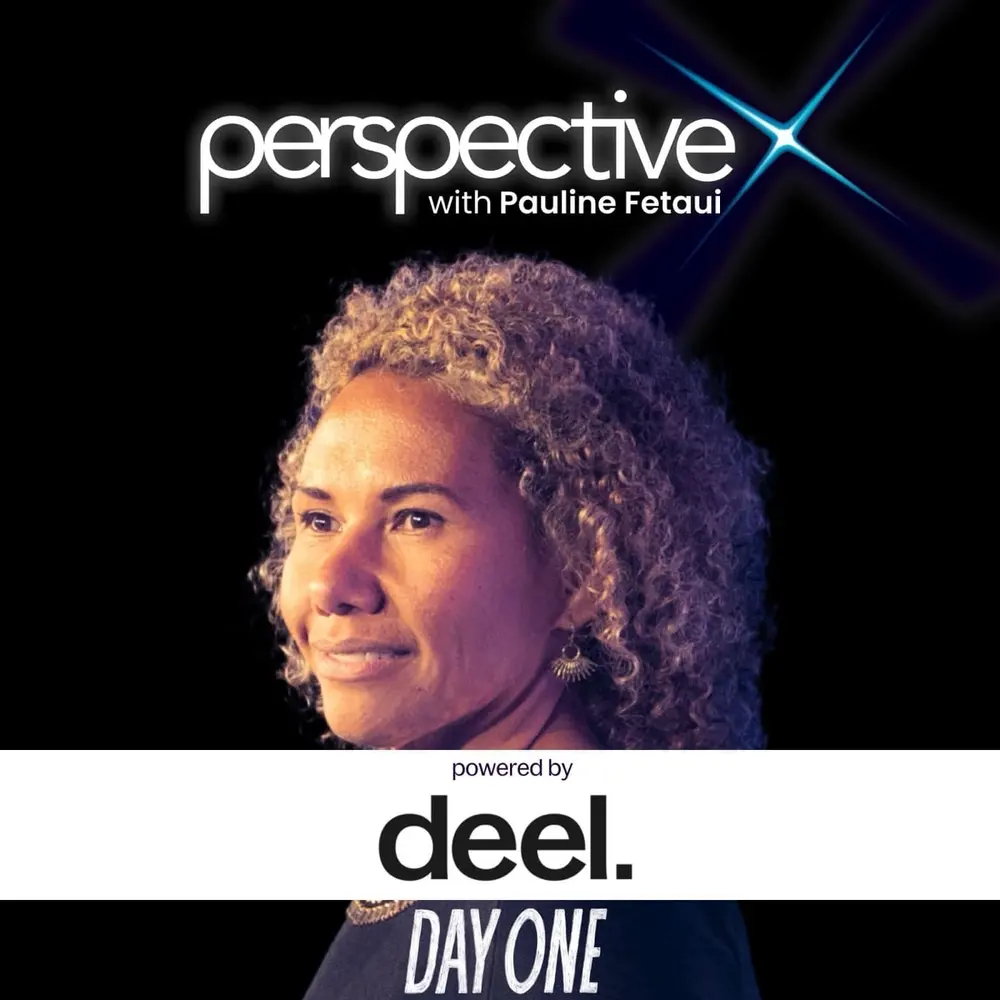 Perspective X with Pauline Fetaui
Presented by Deel
Perspective X with Pauline Fetaui
Presented by Deel 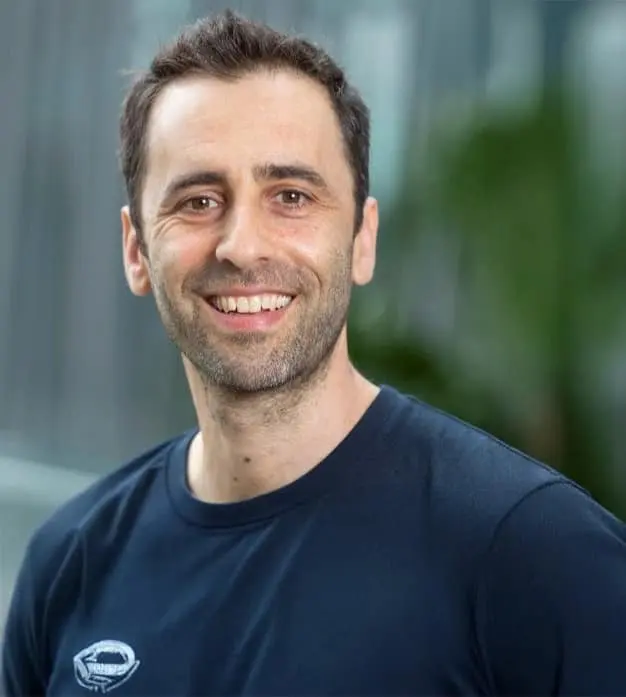
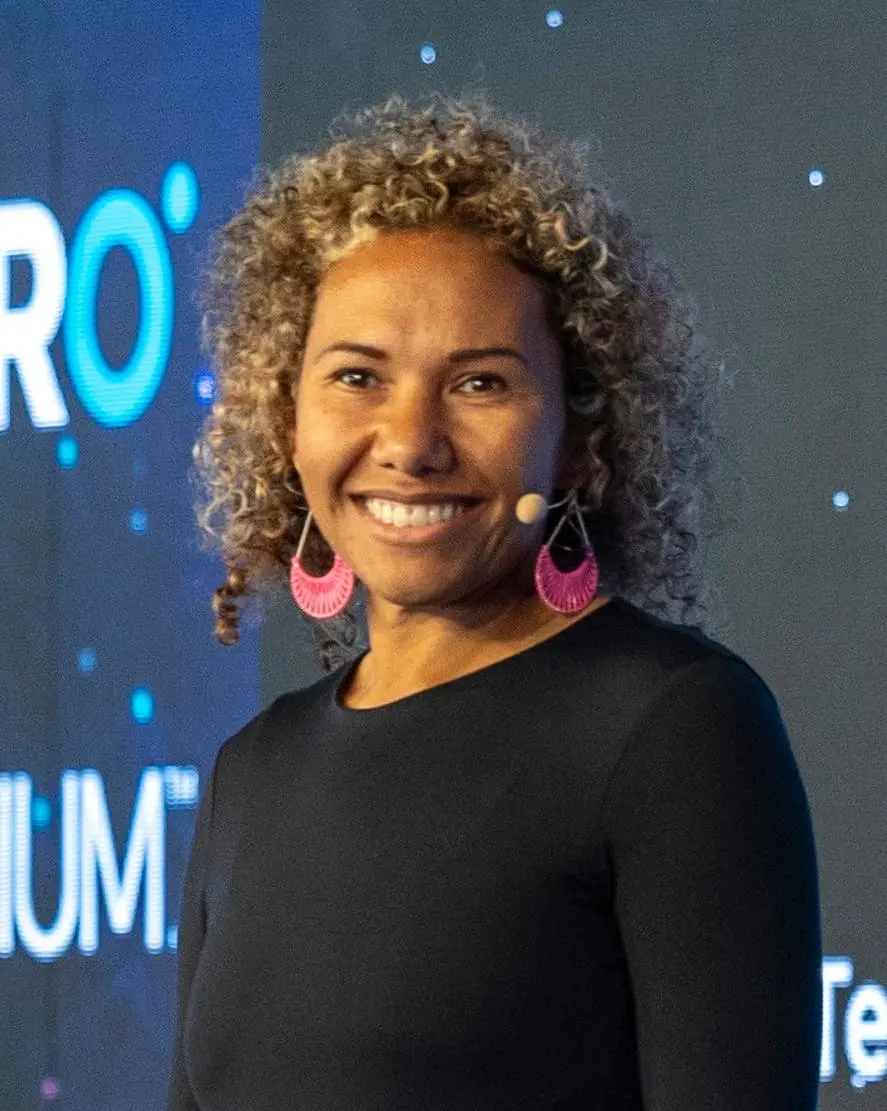
 ▶
▶ ▶
▶ ▶
▶