Transcript Synced · select any line to jump ▾ 0:02 Pauline Fetaui: Founders scale faster on Deel. Set up payroll for any country in minutes, hire anyone anywhere, get visas handled fast, and get back to building. Visit deel.com/dayone. That's D-E-E-L.com/dayone. 0:21 Yas Grigaliunas: The little micro facial expressions I could see when it was like, no one said it out loud, but it was like, not another raffle, not another cupcake, not another brownie. How do you raise money without asking people for money? Friends and family just gave us so much stuff, so much so that the garage sale couldn't be held at my home anymore. 0:42 Pauline Fetaui: Literally the, probably the world's biggest garage sale. 0:45 Yas Grigaliunas: I rang Minimovers at the time and I said, I'm having a garage sale, it's for charity, it's literally 500 meters from my house, can you please send a truck? I was like, oh my gosh, like this is crazy. In 2017, we did $150 grand in a day. —$150 grand in a day, and that was it. That was like, okay, there's a whole business model that I needed to retrospectively unpack from all of that information. 1:12 Pauline Fetaui: So BNE4 is an accelerator program that was running with funding. 1:17 Yas Grigaliunas: Yeah. 1:17 Pauline Fetaui: Tell me a little bit about that experience. 1:19 Yas Grigaliunas: Steve Baxter was there. He was like, what the heck are you doing here? You're not a tech founder. I got completely blocked. You're not good for the company. You're, you're too assertive and aggressive. And my daughter said to me, "Mum, this is your business. You have to fight for it." And so I did, and I spent 100 days, like, basically 5:00 AM until midnight every day, working, working, working, doing everything I could to bring the business back to its core. 1:47 Pauline Fetaui: You know, I can feel your energy, like, screaming through the screen right now. 1:51 Yas Grigaliunas: Yeah. 1:54 Pauline Fetaui: Some people wait for permission. Yaz, the founder of World's Biggest Garage Sale, just builds. It started with a mission to raise money for cancer charities. A garage full of things she no longer used, and one question almost no one thinks to ask: how do you raise money without asking people for money? That question built something far bigger than she ever planned. And before anyone had the word circular economy, Yaz was already living it. In this episode, we go back to the beginning, the energy that does not run out, the conviction that walked into rooms it was told it didn't belong in, and what it takes to fall so deeply in love with yourself that nothing can break you. Welcome to Perspective X, and this is my conversation with Yaz. 2:36 Speaker: You're listening to a Day One FM show. 2:41 Pauline Fetaui: Yaz, what an honor it is to have you on Perspective X. I have been waiting to talk to you probably for a few years now. I have had the honor to learn about you firsthand through my experiences with River City Labs and your journey through River City Labs, but mostly watching your journey in the circular economy. Thank you for being here. 3:10 Yas Grigaliunas: Thank you. It's such an honor and pleasure to connect like this for the first time. 3:15 Pauline Fetaui: I know, I know. So I did write something that I'm going to read, and the reason why I want to do that is because I wrote it with intention, and I feel like it's a little bit of a love letter And so on my way of introducing you to everyone else. So here we go. So, Yaz Grigli-Lunas, you have a tapestry of a journey into entrepreneurship. I see you as someone who leads by the heart. You have a coded language that narrates your learnings along the way. Others may recognize you as Yaz, a passionate founder who built the circular economy in Australia before impact or climate became mainstream. How you did this is through Brisbane neighbourhood charity Garage Sale, 50 volunteers and an idea that most people would've called too small to even matter. In 2013, you founded the world's biggest garage sale as a way to raise money for cancer charities without asking people for money. It later became Seconomy, one of Australia's most recognised circular economy enterprises with a national footprint. Officeworks as a 21% shareholder, and you executed a $4 million raise in 4 weeks. You created stores in Brisbane and Melbourne. You built jobs for people that mainstream workforce had overlooked. You diverted 4.3 million kilograms from landfill. You were named Global 100 Inspirational Leader. You spoke out on the TEDx stage. You led the Queensland Social Enterprise Council. Yeah. And became the inaugural Chief Circular Entrepreneur at Circular Australia. And then in October 2024, you made a significantly difficult decision for your business. You decided to close it. You yourself are unapologetic. You are yourself naturally in every single room that you enter. So today I would like to explore all of it, but most importantly, I'd like to explore you. Thank you. 5:26 Yas Grigaliunas: That's so beautiful. I feel like I should have brought some tissues in the room with me. There could be tears today, Pauline. 5:33 Pauline Fetaui: Oh, you can cry. Water is so good for our skin, so just let it all out. But, um, yeah, you are very welcome. Like, that is— that doesn't even capture it all, but I hope this episode will capture a lot more of it, but not nearly enough, um, as I know that you will dive into in your next stages of life. So let's kick off firstly around circular economy. So starting the world's biggest garage sale as a charity for cancer fundraising, that was really personal for you. I know that. So I'd love to dive into a bit of like what inspired. 6:09 Yas Grigaliunas: Yeah, it's funny. As I look back, it was a whole other life chapter in my life, but it's one I really remember very fondly. I was a member of a triathlon squad at the time, And I remember the coach wanting to raise money for cancer research. And so I jumped on the bandwagon and during training sessions at 5 in the morning would bring in homemade cupcakes and brownies and all sorts of different things. And I'm not a cook, right? I've always been the working parent. So to cook was one thing, to bring it in and sell them for like $3 or $4 a pop was another. And of course triathletes would eat them like monsters at the time, but there's only so many cupcakes and brownies you can sell weeks after weeks after weeks. 6:51 Pauline Fetaui: Mm-hmm. 6:51 Yas Grigaliunas: And so I could see see a little bit of donor fatigue, which is what I called it at the time, kind of slipping in. There's lots of charities, lots of things we wanted to raise money for. And what made cancer research important— one of our really beloved triathlon, um, teammates was diagnosed with cancer. My mother lived at the time with cancer. And so naturally it just triggered something in me that had me wanting to just put my energy and time into it. And so when I sat down and thought about the, the little micro facial expressions I could see when it was like, no one said it out loud, but it was like, not another raffle, not another cupcake, not another brownie. That's when I asked myself the question, like, how do you raise money without asking people for money? And then I thought, well, I have a, have a garage full of stuff that I don't use. You know, at the time I lived in a traditional, like, marriage and two daughters who had outgrown a lot of their young baby clothes and toys. And yet I still had them all stuffed in cupboards and cubicles in my house, in my big 4-bedroom and a study house at the time in Kedron where I lived. And I thought, well, I'll have a garage sale. I'll call it the world's biggest garage sale. And then I'll ask my friends and family to give me their stuff that's lying around. And I called it Dormant Goods for Good. So it wasn't about giving us the stuff you love. It was about giving the stuff you've used that you no longer use. And those idle assets and dormant goods. Now at the time, Pauline, I won't pretend it was, I didn't write a business plan. I just literally on the back of an envelope, I'm having a garage sale. I'm gonna register the World's Biggest Garage Sale Facebook page, which I did and registered the email and just kind of created a business structure without building a business on a one-pager. And my friends and family just gave us so much stuff, so much so that the garage sale couldn't be held at my home anymore. The garage was so full, you couldn't, like, I had to kind of shimmer through this little aisle that I created in order to get in and out. And after a few weeks of all the donations coming in, just 2 days before the garage sale, which was marketed by letterbox dropping the neighborhood, by just phoning businesses in the area, letting them all know about it in the— and, and a friend said to me, you can't have it in your garage, you're going to have to move it to somewhere. So I rang the local hall. The little Wavell Bowls Club. Then I thought, how am I going to ask all my friends to move all this stuff for me? And so I didn't. Instead, I rang Minimovers at the time and I said, I'm having a garage sale, it's for charity, it's literally 500 meters from my house, can you please send a truck? We can't afford to pay you. Any money we spend gets taken out of the takings. Please, can you just donate 2 guys and a truck? And they did, and they moved everything to The Waverl Bowls Club. And then it was an all-nighter. Like, my family, my siblings— God bless them, they're amazing— um, my siblings, all my triathlete friends, we literally set that garage sale up, um, in the hall overnight. And the next morning we did $15,000 in a single day. 10:06 Pauline Fetaui: Wow. Literally the— probably the world's biggest garage sale. 10:11 Yas Grigaliunas: Yeah. And you know what was so exciting? I remember I had just had surgery on my shoulder. I was still in a sling. Wayne Swan was the Member of Parliament at the time who dropped in because he lives in the area. And, and so the word had spread and people were— I remember this one lady arriving at 4 AM because we were still setting up for the 6 AM start, and she literally jumped over the fence trying to get something because she was so excited about the stuff. But we really curated it and set it up so that it was a shopping experience, like the toys were with the toys and the cots are with the cots. And there's so many beautiful memories I have from that day, but all I remember is literally sitting on the toilet with $10,000 stuffed down my pants because I had to hold all the cash. Like we had to, like that was the safe way of holding the cash. The banks weren't open on the weekend. And all I thought was, imagine if we did this properly. So already before it had ended, I was already thinking we need eftpos, we need tills, and we had kind of makeshift tills and a slightly antiquated eftpos system set up by a friend at the time who's a very strong technology leader, but it— the generosity of the 50 people that helped, the, the way the community showed up, and our ability to pack up and not leave a footprint all within 48 hours. To then donate that money was one thing, and it made such a great impact at the time for the Smiling for Smitty charity, which is now a part of the Mater Foundation. And that charity raises money for cancer research, and I knew I couldn't go and fight cancer myself. So I needed to bring the energy that I have, which is building things that don't exist. It didn't scare me. I had this really— and I probably still have it— this daggy folder system with to-do lists and Post-it notes and who was doing what and how we were managing it all. And in the end, it was the beginning of something that blossomed for— 12:11 Pauline Fetaui: Mm-hmm. 12:11 Yas Grigaliunas: Well beyond what I even imagined the next one could be. But it kind of was just born out of a need to be able to make money without asking people for money because everyone has idle assets. And I learned so much since then around all the data of the billions of dollars we have. And I think I was scratching the surface and not knowing how deep the canyon was. Mm-hmm. Of the circular economy at the time. And in 2013, I wasn't using the terms circular economy, but the moment that event was done and I started to research dormant goods, idle assets— who, what are people doing with all this stuff they have laying in their, their homes— I realized that there was a business model under that that could then create impact. 13:01 Pauline Fetaui: Yeah. And it's not to say that you were just sitting around idly wondering, okay, I'm going to start a business, I'm going to do this, I'm going to do that, because you you already preoccupied with your own role. So it's interesting to see how you got that energy to keep going. Can you give us an idea of the peak of your events that you ran? Like what level? So we can just understand from 15K to what did it get up to? 13:31 Yas Grigaliunas: Yeah, if I get the data right, and it's a long time ago, so forgive me if there's something out there in the ether that slightly varies. But the first one was, you know, pulled together after hours, you know, inside of a working week, um, and it was $15K and I think about 500 square meters of hall, um, and 500 people through the door because of course I had a door counter and there was some— A little clicker. Like, I wanted the data. I have always been a data nerd and I I think data, like the details are in the data and data gives you information. It's when emotion can be taken away and decisions can be made with data. So 500 people through the door, you know, 50 volunteers, 500 square meters, $15 grand. And so I just went back to work after that, donated the money, kept training. And then I decided that I was gonna run the world's biggest garage sale every year for one day. But the next year I took 4 weeks off work. So I took my annual leave, took 4 weeks off work, and I put it all through a Jira board at the time, back when Jira was new, because we were using that tool at work. So the crew I was working with is like, use our platform, build your garage sale using sprints. So we had backlog, to-do, blocked, done. It was just amazing. And that second year we went into a 5,000 square meter warehouse And so 10 times the size, and we did $15,000 the first year, $60,000 the second year, and there was 150 volunteers that year. And we started to get donations from businesses. Now this was really the difference. That's when it went from just consumers have a problem with dormant goods Businesses have a problem with idle assets that they didn't want to throw out. And it was Skygate or DFO, a friend of mine was working at the time, that were throwing out all this furniture that— or they didn't want to throw it out, all this furniture from Brisbane Airport, from DFO, and they were upgrading all this furniture. And these were Italian-made leather chairs. And yes, they were 10 years old or whatever, but they were still perfect. So we went and arranged more trucks to pick it all up. Wow. And I remember someone saying to me at the time, don't you dare spend money to pick this stuff up. And I'm like, but it's like hundreds of chairs worth thousands of dollars each originally, and I thought I could flip them for more money. So that event got to $60 grand because we got a lot of corporate donations as well. So we donated all that money in the second year, and then in the third year, 10,000 square meter space. Wow. Um, honor to Goodman who gave us the space for free. It was in Hendra. And again, about 150 volunteers, like almost $100 grand. I was like, oh my gosh, like, this is crazy. Like, the way— and actually, no, I've missed one in there. It went from the hall to the school. The school was second, where we did $60 grand. Then the 5,000 square meter warehouse. All 3 of those years, or all 2 of those later years, I took a month off work to build it. And it was probably in reality, like maybe 10 to 12 weeks of project management, but light touch to begin with. And then just the day, and the day was epic. And then we had corporate volunteers coming in to help by this time. And I just looked at it and I remember a mentor at the time said to me, like, you've created a business, you need to go and actually build this company. And that was so 2013, '14, 2015, they were the 3, and then I skipped '16 because I was traveling. And then in 2017, I came back from traveling Australia and I quit my job, no plan B, and decided to build the world's biggest garage sale as a company. A friend of mine who was working at BDO at the time, she was a partner there, she set the corporate structure up. She made sure it was all protected and corporate so that in the future years we could get investment and all sorts of great things. She had a very good foresight at the time. And in hindsight, that was a great decision to have her do that. But especially when you liquidate, you definitely want the right structure when you liquidate, but that's not why you set it up. But in 2017, we did $150 grand in a day. 17:47 Pauline Fetaui: $100 and— 17:49 Yas Grigaliunas: $150 grand in a day. Yeah, $150K in a day. And that was it. That was like, okay, now with all this data, there's a program of work, there's a project here, there's, there's a whole business model that I needed to retrospectively unpack from all of that information. And, um, and that's when I found River City Labs, when a friend of mine at the time who said like, they're raising— like, go into BNE4, they're giving away $60 grand at the time, you got to go pitch your pants off. And— 18:23 Pauline Fetaui: But what BNE4 is— so BNE4 is an accelerator program that was running with funding. 18:28 Yas Grigaliunas: Yeah. 18:29 Pauline Fetaui: Uh, tell, tell me a little bit about that experience. It was so funny. 18:34 Yas Grigaliunas: I had my little big love heart, World's Biggest Garage Sale shirt, bright red logo, like front and center, this big on my chest, like gigantic. Um, and I've, I've walked in for what was meant to be $60K, but it ended up being $100K. They had decided that— 18:50 Pauline Fetaui: Noting that the River City Labs accelerator program was typically tech businesses. 18:54 Yas Grigaliunas: So I was like, no, I can't apply. I'm not a technology company. I'm not a tech founder.. But anyway, I applied anyway because someone said, do it anyway. So I applied and, um, and I had to come in and pitch to all these different tables. And there was like a sales table, a tech table, investment table, like all these different specialty areas. And Peter Ellis was there at the time, Steve Baxter was there, and a whole bunch of the mentors and advisors at the time. And I mean, Steve Baxter is a pretty scary guy if you, if you look at Shark Tank, and he's very unfiltered. But what— it was the first time I'd met him, but what Steve didn't know at the time and probably appreciates now is that he and I share a similarity in that we're very comfortable saying what it is that we're thinking, even if the words that come out are not necessarily going to land right. So he was like, what the heck are you doing here? You're not a tech founder. And I think heck— you can probably replace heck with maybe a profanity. But what I loved is I'm like, no, Steve, I'm not a tech founder, but I have more revenue than all these other companies combined, all while doing it as a side hustle in my spare time for the last 3.5 to 4 years without even trying to build a business. I'm a business builder. That's what I can do. Sales and growth and partnerships are my specialty. Tech is not. And that's why I should be in this accelerator, because I want to understand where the value is from a tech platform side of things. Boom. Anyway, I'm pretty sure he would have voted no. I don't know this for sure, but I'm imagining in the room when you're deciding, everyone's talked to everybody and you kind of go, yep, put them in, don't put them in. I'm sure I would've got a no vote from Steve, but you know, I'm just not his style of company, but I'm an executor and I'm a business builder. And I think that that was probably what got me through is that we'd had a lot of revenue, a lot of data, had a CRM, had customers, had partners by this stage, big businesses that were recognizable who were, supporting us, and I just needed the time and space and place. And that's— that makes me pause— the time and space and place to immerse myself so that I could go from taking my annual leave every year and building a side hustle to actually taking the time in a 6-month program with the best people in Brisbane right at your fingertips. And so that was transformational for me. 21:22 Pauline Fetaui: You know, I can feel your energy like screaming through the screen right now. And I just don't think we have— there's not a lot of founders who have the capacity that you have and the energy. You're a 0 to 100, probably a 0 to 1000 person. And I could just imagine how much conviction you would have pitched with at that time and how quick off your feet are you. And because you were driven by data and you can respond so quickly like that, I think there's one thing with, with the founders, especially female founders, is know your data, like actually know what's going on in your own business. And you've demonstrated that time and time again, which is probably why you did get in the rooms that you got into. But also Steve, Steve does recognize for all of the— yes, abruptness that Steve brings, he would have recognized that in you and would have said, okay, yeah, let's give her a go. Yeah. 22:16 Yas Grigaliunas: I, I, yeah, I would, I will ask that we come back to that because I had to ring Steve as an investor in my company when my company was liquidating. And, and so we can come back to that at another time as we continue on. But what I love about people like Steve is he's not saying the things he says to create a reaction in you. He's like just cutting through the bullshit. This is what you should be doing. This is how I think you should "Scale, work, these are the people you gotta talk to." And you realize retrospectively, like at the time I would listen to and have a lot of mentor whiplash. Like Steve would tell you this and then someone else would tell you that and someone else you respect tells you this. And you've got like all these people who you respect telling you all these things that sometimes are very polarizingly opposite. But that's the founder's job is to take— Yeah. The pieces of advice and the data and then really dig into the detail to find the place you're supposed to land. So people like Steve are the best because they don't waste your time. Time is one of those things I'm super passionate about. There's 168 hours in a week. We all have that many hours. Steve has that many. Everyone has that many. All the billionaires in the world and all the poorest people all have the same number, 1-6-8. Yeah. Every week. And so for me, it was like, well, Steve saves me so much time. I don't have to dick around trying to figure it out. He just says it how it is. I wish more people would just say it how it is because it's a gift that time ticks away. 23:57 Pauline Fetaui: It is. I love the way, and I mentioned in the intro of your coded language, your brain, it looks at things so differently. You analyze life and the present moment and what you have in life in such a way that helps you. A, you're like a— what's it called? A lyrical magician with your words and your language, and it's really amusing and beautiful to watch. But not only that, it just puts everything in perspective. 168 hours in a week. I never even thought of that. And if everyone just understood that, then carved away, "Okay, well, how many hours do I sleep? How many hours am I sitting? Eating?" Yeah. How many people spend hours scrolling and then doing all of the other stuff, then how much are you actually contributing to the world? Um, I can imagine that's what you would have gone through, which is why you actually looked into how many hours in a week. 24:54 Yas Grigaliunas: I did. I got taught that a long time ago when I was, um, at Videopro, actually working under a different manager from, from now. But he taught me that young, and I learned so much from him as a leader because he thrust books into my face and I would just read them. Back at the time, before Audible, I would literally read it like Who Moved My Cheese? about change. Eat That Frog! about time management. 7 Habits of Highly Effective People about how to be effective. Good to Great about how to take a good company into a great company. And so I have to admit, when I came into the accelerator, I had this massive juxtaposition of a feeling. I was a business builder at Videopro in my previous tenure. I'd built a business from the ground up, a business unit within the business from the ground up with all these business building skills for over a decade. Mm-hmm. And then when I came into the accelerator, it was like none of that mattered. It didn't matter that I had these business building skills. It didn't matter that I could scale a company. It didn't matter that I knew how to build systems and do strategy and execute. None of that mattered. You were basically starting from the ground up. And I have to admit, I sat there on that table where all the other founders from that cohort sat, and I would have this feeling in my head like, I'm here to build my business and this is what I'm going to do. And I am going to spend— I was literally first to arrive. most days, last to leave most days. I absolutely slept there, even though you sign a contract saying you shouldn't. I absolutely slept there some nights for safety because catching the train home at night was more unsafe than accidentally getting caught sleeping there for the night. And what I realized and recognized— and I'm not saying that everyone should work that way, but the way my brain works is I thrive in that environment, and I take rest when I need. But I would look at some of the other cohort, and I'd be like, how are you building your business from 9 to 5? Like, how do you do that? I would love to— like, there's some great skills for me along the way that I've learned on how to strike more of a balance. But I was so passionate about that program, and so, like, sit in the front row, ask the first question, wear the shirt everywhere, go to every session even if you don't think you need to because you have skills in that area. and you just gotta show up to everything. And when you do that, oh my God, it's— it's— I can still feel myself sitting in that boardroom around the table with a bunch of people. I can still feel myself hearing Vu Tran, long before he was a unicorn, teaching us about sales and business development, and me feeling like, oh, I could probably skip this thing with that Vou guy later today because I've done sales and business development for decades, but I still went to the room and I just loved meeting Vou and the way he spoke just helped me feel like I was normal, even though I guess normal is not really a way I live my life, but he just helped me feel like, yeah, I belong here, I belong here. He helped me feel that and it was great. Like, he's so great to listen to and and what I would've heard that day versus what I would hear today would be very consistent. And I think that's the mark of whether a founder makes it or, or breaks it. I think that the continuity of consistency is where I believe the value is, and it's intrinsically the values of a person irrespective of what they're doing. 28:26 Pauline Fetaui: Founderscale faster on Deal. Set up payroll for any country in minutes. Hire anyone anywhere, and get visas handled fast so you stay focused on scaling. Deel takes care of onboarding, HR, IT, EOR, benefits, and compliance so your team can grow without borders. It's why more than 40,000 fast-growing companies trust Deel to move fast. Visit deel.com/dayone. That's D-E-E-L dot com slash day one. Where do you get this from? 29:02 Yas Grigaliunas: I think it's— I do look back and I ask myself this question a lot. I think I'm like this really obedient but outlier that wants to jump the fence and work on the fringes where nobody else is, but still stay connected to the crowd to understand what they want and need. And I have this ridiculously consistent energy source that I have no idea why it doesn't wane. I used to say I won't burn out, I just burn bright. And it sounds a bit like, uh-uh. But the reality is, people have been telling me for 30+ years that I'm gonna burn out. 30+ years. When I was at Silvio's, making pizzas as a manager and arriving first in, last out, or filo as I call that, first in, last out, right? I just, I love it. There's like an energy you feel when you're up before the sun and you're winding down the day and you're ticking off everything on your daggy, still to this day, to-do list with a pencil and a highlighter. And I've been doing that for 30 years. 30:15 Pauline Fetaui: Wow. 30:15 Yas Grigaliunas: It is like, it just makes me feel, and I don't get everything done every day, but I just cross out the things that don't get done and flip them. Like, there's just this, there's a building block of a baseline of foundational structure that runs so deeply in my soul that irrespective of what happens around me or to me, or that I, you know, create for myself, good or bad, or as I say, gritty, shitty, or unpretty. Like, I just feel I'm so grounded that nothing will break me. Now don't get me wrong, there are cracks and scars and, you know, war wounds all over me, outside and inside, but they don't define me. And I just feel like it's go back to time. It's such a waste of time to worry about the things that are out of our control. And I think it was the circle of concern, Covey circle, that Graham showed me years ago, decades ago. And I just made up this other little quip that goes, if it's something you can't control, don't let it spin you out of control because ultimately you're just going to lose time and it's only your time that you steal away. So it's not that I don't— my daughter asked me, she's like, "Mom, how do you just— how do you process these things?" Because I don't— the shit can happen and it happens, but I can process it. I don't bury it. I process it. I build strategies to work through it. I take like a whole abundant dot, all the dots of the world that I've learned from all the people that I've met. And I just almost pluck them off the shelf to find the recipe and the formula that's gonna help me just get on with things today so I can live my life. 32:13 Pauline Fetaui: Would you say that you have a high level of confidence and internal conviction? 32:18 Yas Grigaliunas: Oh, yes. 32:19 Pauline Fetaui: 'Cause it sounds like you do. 32:20 Yas Grigaliunas: I do. And you know what? I used to, I have, I don't know what it's called, but there's this state that people talk about now where you can be in your body and living your life. But then you can also be watching your life. 32:33 Pauline Fetaui: It's like an observer mode. 32:36 Yas Grigaliunas: And, and so for me, I just think to myself, like, you know, like The Little Engine That Could. It's actually my all-time favorite book. It's about the little engine that climbs the mountain, and everyone thinks the little engine won't climb the mountain because the little engine is little and all the big locomotives refuse to take the toys over the mountain. And the little engine was female, and it took me until my adult life to know that she was a woman or a girl or whatever. And all my life when I'd read that book, I always assumed it was a male because of the bias. Like, I'm 50, so I grew up in that era, and I think that it was that moment that I've gone, hold on a minute, whoa, how did I not know as a strong conviction woman, firstborn, lots of energy, all the things going on to just jump in and try stuff. How did I— 33:33 Pauline Fetaui: Hey. 33:34 Yas Grigaliunas: How did I get blindsided by bias? And so I think that it's just had me now want to question things as they're being processed in my life and ask myself all the hard questions now, kind of like, I guess, Steve Baxter style, but with heart and humility, but also with hustle. And you can be all of those things. And I think when I became grounded was when I realized, Pauline, that when I was little, I grew up with— my mum was a single mum after my dad left. She had me at 19, my sister at 20, and my other sister at 21. And so she was 3 girls under 3 at 21 years old. Imagine that. I mean, just imagine. I have a 20-year-old daughter. I can't imagine her having 2 children right now. And we were always at the park together and we'd get on the seesaw, but 3 girls and a seesaw doesn't work. And so there'd always be 2 of us on the seesaw and 1 of us idle. And I didn't know it at the time, but I'm not like— I like to move. You can see it in my body. There's an energy there. So I would stand on the seesaw next to Ellen and Jane, my sisters, as they would go up and down on the seesaw like this, up and down. And there was a second seesaw, like the little wooden crickety ones that gave your butt splinters. And I would try to stand in the middle of the seesaw like this while they were seesawing and straddle it. Now it looks like you're not doing much, but the mind games you have to play to perfectly parallel that seesaw so that you are neither up nor down is so intense and internal. And I feel like it really just connected me to me somehow. And I could perfectly, you know, pause the seesaw and then I could choose to go up or down. And I think when I learned as an adult that I unpacked that story and connected to that story in that moment, I accepted that I can be the softest hard-ass you'll ever meet, super soft and kind, but the most intense person. Dare you to keep up. You'll never beat me. I will go right now and run to the Gold Coast in my work shoes and not stop until I'm there. Equally, I will sit and not move for days if that's what I feel I need at the time. And I think when you stop fighting that, the labels of having to be either or, and you can accept that you can be polarizingly both, there's a harmony and a peace that lands you parallel to the ground when that happens. And I think that's when I fell so deeply in love with myself and I accepted everything that I am. 36:21 Pauline Fetaui: And that is why you are on this episode, because that is what I feel, um, so many other people could take away. Just your energy, the way you're navigating life, your level of conviction is it's addictive and we need to surround ourselves with people like that because there are so many people at the moment navigating really challenging times. You know, obviously geopolitical experiences, revolutionary in regards to technology and AI and what that is doing for people around job displacement. 36:58 Yas Grigaliunas: Yeah. 36:59 Pauline Fetaui: And people are gonna even more so lose their sense sense of purpose or identity because they've identified with the things that they're doing in the world. You have showed and just walked us through an example of your level of identity, which sits inherently within yourself. 37:14 Yas Grigaliunas: Yeah. 37:15 Pauline Fetaui: And because of that, you have been able to navigate some pretty tough things and create some pretty bombastic things in your life, which is pretty cool. So yeah, it's what we all kind of need to feel and hear and experience around us, that level of energy. Um, and no, not all of us are going to run to the Gold Coast in our work shoes. 37:36 Yas Grigaliunas: I am wearing flats today, just for full disclosure, and I'm not going to do that today, but I do want to do that one day. 37:45 Pauline Fetaui: I, I have no doubt that you probably will. I've been watching your 50 burpees every day of your life. Um, and, uh, yeah, so I do not doubt that at all. But I'm going to take us back now to go back to a bit of the, the circular economy and, and really about what you created. So obviously you got to the peak of doing these events annually. 38:07 Yas Grigaliunas: Yes. 38:07 Pauline Fetaui: You then made the decision to go all in. You really built a whole framework and I got to witness and understand some of those frameworks. And it was really well before its time because still back when was it like 2017, '18? 38:23 Yas Grigaliunas: Yes. '18 was when I came into the accelerator. Yeah. 38:26 Pauline Fetaui: Yeah. So, so it was really well well before its time, definitely before circular economy was a buzzword, you know. What was the sort of, um, what was it like trying to convince people that this thing existed? 38:39 Yas Grigaliunas: Oh gosh, it was so hard. I literally remember people saying, circular what? And it was such a new term at the time. I remember being at River City Labs and talking about the world's biggest garage sale, and that was the brand name, literally all of those words and the domain was worldsbiggestgaragesale.com.au. It was a lot, a lot of words and letters. And it was in 2018, before going into the accelerator, before like we got accepted and before like jumping in, I knew that the vision was economy or circular economy. And so I mashed the two words together. I often do that. Stroddle is another word that like I just create two words. Stroddle is like strolling and dawdling. If you walk really slow, you're a stroddeleur. But anyway, um, I know, just like, it's annoying sometimes. But, um, but socconomy came as a word mashed together of circular and economy, and at the time nobody owned any of that. So I got the circular— the economy domain, there's the Twitter, the Insta, the everything— so socconomy everything. And I remember, um, it was Wayne Girard at the time who, prior to his chief entrepreneur role, um, just called me up to pitch socconomy me in River City Labs at the Stairs Stadium one day. And I'm like, oh my God, are you serious? Like, I haven't even launched this to the world. And he's like, doesn't matter, do it, practice, go pitch to me. And I pitched to him and he's like, nope, you need to say this, do this, make it like this. And I just got up on stage and pitched The Economy. And it was like when I said it out loud, Pauline— and I think this is part of my innate accountability— when I say something out loud generally it's imprinted then for me to do it. So Soconomy became the vision, World's Biggest Garage Sale was the brand. And being immersed at River City Labs for that first 6 months and then staying there— so I didn't move out of River City Labs until I got an actual warehouse, um, for the business, which would have been 2020, um, just before COVID actually. I just did not want to leave the environment that held me accountable to build the thing that I said I was going to and businesses and brands were a big part of what I was doing in the building of the enterprise, was educating people at the same time. So we held the first Circular Economy Meetup at Stair Stadium. I remember Lou Jury saying, "You gotta own the term, Yaz. This is your lane." And so I held the first meetup with like 20 people, and by the time the last meetup happened, It was 200 people before COVID would turn up to these monthly events. And, and I gave platform and stage to other people in circular economy so that we could build the narrative around these businesses and brands. And there was Movus and a whole bunch of other people like Coreo back before they were big. They all were guest speakers at these circular economy meetups, which ultimately created brand validation and verification of the value of this economy. And still to this day, whilst my business doesn't exist, there is such a requirement and much more momentum now for it. And it just, it melts my heart. I don't feel any sadness for the fact that my business didn't make it because I believe that it paved the way for many. and I had the courage and the voice and the velocity and ferocity to, to just do it even though it didn't exist. And I, I feel like there's a lot of motivation in that for me. I get internally ignited by the fact that something doesn't exist or something is so badly broken and it needs to be fixed. I love the hard stuff. It, it excites me. 42:28 Pauline Fetaui: Yeah, so it sounds like you were doing obviously the market testing whilst you were obviously building your own brand and your, and your structure for your actual future vision of economy. And, um, a lot of people would think, oh my gosh, doing the change management for a new industry is really tough. Um, you were doing that, but you were also in an event-driven structure. 42:50 Yas Grigaliunas: Yes. 42:51 Pauline Fetaui: Trying to turn it into a fully fledged, um, ongoing business. Can you just give us a little bit of an understanding of the journey from actually going from running those events to to actually having a warehouse and being able to feel strong and going, okay, well now this is a business. And especially during the time you mentioned in 2020 as COVID was happening is when you got your warehouse. 43:12 Yas Grigaliunas: Yeah, it was interesting because it was about 2019 when Officeworks reached out to ask whether or not we could support them on some of the diversion of their assets. They'd obviously found us on Google And what they wanted to do was send the broken assets to us to see whether or not we could renew, repair, repurpose, or ultimately recommerce, another term that was not widely used at the time, their assets to minimize what they were sending to landfill. They had a strong strategy internally and they were wanting to divert assets that were going to waste. And so of course I said yes. Um, and I remember literally there was this event called Retail Rescue. Now it was world's biggest— Retail Rescue by World's Biggest Garage Sale, and it was planned for March 2020, and Officeworks were sending all these pallets. We'd just run, um, so in between that we'd run a circular economy pop-up shoe shop, um, in the winter garden. Again, the first circular economy retail shop um, and the Winter Garden gave us a store, and it was on the back of winning the Lord Mayor's Business Award. And that's in the Brisbane city. 44:29 Pauline Fetaui: Yeah, yeah, in the Brisbane city, in a beautiful little— 44:32 Yas Grigaliunas: the gorgeous little, um, fancy plaza there. And we had that open for 3 months. We generated $100,000 in 3 months. It created 2 full-time jobs in the business, and it really started to demonstrate that people wanted re— e-commerce as a shopping choice. And we sold all those shoes and then moved all the remaining assets out to another warehouse at Coopers Plains to hold the Retail Rescue. And this was basically Officeworks dropping off pallets and we were just unpacking pallets. And it was so embarrassing. Like at the time we didn't have any platform, we were using Google Docs or Google Sheets. And there's all this, what I call surprise chain. Came in, we had to turn Surprise Chain into supply chain. And my team must have been so infuriated with me, and founders can be very infuriating at the time, at, in the early stages, and I own that completely. We are very crazy. And, um, we were getting all these pallets of Surprise Chain, including like pens and pencils and a whole bunch of shit that just was crap. But anyway, I'm like, we gotta capture the data, we need the data, I need you to inventory everything that comes out of these boxes. And some of the like black pen 50. Blue pen, 70. Filing cabinet with broken drawer, 7. And so like we had all this data from Officeworks because I knew that if we could deliver value to Officeworks to show, no AI at the time, manually done, to show all these assets flowing through surprise chain to then be turned into supply chain, we could potentially partner with them. And they're a billion-dollar company, right? 46:07 Pauline Fetaui: Like I was like, oh my God, we want Officeworks. 46:09 Yas Grigaliunas: So anyway, just the universe, Pauline— like, I know I'm intense, you can see and feel, and I own that energy— but the universe, when I'm in my space of, of pause, sends these little vibrations to me. And I knew we had to sign a lease to hold the warehouse for a period of, um, 90 days or whatever it was. Yeah. And so I signed this lease and someone said to me, you don't have to sign the lease, they're loaning it to you. I'm like, no, I have to sign the lease. So anyway, I signed the lease, paid a dollar for the warehouse to borrow it for all these assets to flow. The next, like 24 hours later, I got a call from the lease company and they said, we have a problem. Um, Officeworks were just about to sign a lease on this building and you've now taken the building. And I'm like, okay, what do they need it for? And they said, oh, it's overflow storage for their assets. I'm like, okay, well, how much space do they need? And it was like their warehouse company that needed the space for office on behalf of Officeworks. DB Schenker, it was. And so DB Schenker came and saw me and I just said to the guy, what, like, what do you tell me what you need? He's like, we just need this amount of space. I'm like, I'll just fence it off. You can have that space. You can just borrow it while we're here. And so anyway, Deeby Schenker, who managed Officeworks space at the time, were borrowing warehouse space from me while Officeworks were pouring all these assets into the building and we were unpacking it and setting it up. All the meanwhile, this thing called COVID was— 47:48 Pauline Fetaui: Looming. 47:49 Yas Grigaliunas: Looming in the background. And Trevor Evans, who was the waste minister at the time, came to the warehouse the day before the warehouse sale. And I was on the phone to NRA asking Trevor, like, what do we do? Like, is the world gonna shut down? This event's on the Saturday and like, can I still run the event? There's social distancing. Anyway, we still ran the event. We weren't allowed to call it Officeworks 'cause that was the agreement with Officeworks, but everyone knew it was Officeworks stuff. It was so obvious. Obvious. But the Retail Rescue Project happened. 1,500 people shopped that day, door counter. We had FPOS and Shopify and everything was like flipping through and we captured all the data and we diverted 98% of the assets from landfill. Everything, everything was sold except for some damaged boxes and filing cabinets and stuff. But I theorized we could repair it. And we just didn't have the time. So we cordoned it off and planned to move it to our bigger warehouse. And anyway, the world shut down on the Monday. And if not for that $35,000 and the 1,500 people and the data we captured for Officeworks, we wouldn't have probably had a business. There was many times like that through the founder journey where right at the last minute something happens that is well-timed that you don't realize is so well-timed. And it's where you just have to feel the fear and do it anyway. Had I made that event one week later in my calendar, we wouldn't have been able to have the event. Completely different. 49:26 Pauline Fetaui: It's where timing and luck does play a role, but it's not luck, obviously, it's universal alignment, isn't it? 49:30 Yas Grigaliunas: It's universal alignment. And something said to me to have the event on that day in March. And had I not done that, we, I don't think we would've had a warehouse full of stuff and not been able to do anything with it for Officeworks. And instead we closed closed that warehouse that day. We moved everything the next week, um, to our giant warehouse which we'd just signed a lease for in COVID at Rivermakers with BMI Group. And I'm so grateful, like, relationships of what is, is really what opened so many doors for me, Pauline. And as I sit here and, and fondly recall the memories of each of those magical moments, there's not the process, the strategy, the business plan, and all that data is there, but it's the people that made it happen. And every single moment in the business, there were people that showed up who helped the business stand up and scale up. And, um, even though the business doesn't exist anymore, even in the end, there were people that showed up and helped the business closed down with the same values and velocity that it began with. And that's a really peaceful place to land when you lose everything. 50:52 Pauline Fetaui: Let's talk about Officeworks. And obviously you had the, you had the problem-solving personality running. So obviously they were taking up some space. You let them have it. Great opportunity. You seized it. You had the data to back it up. You then, I think it was in 2022, you managed to secure them into your business as an investor, as a strategic investor. You— I remember this time you raised $4 million. And the most remarkable part— and I got to watch from an outside the window looking in— you raised in, in 4 weeks, like, yeah, it was remarkable to watch you do that, to look at you move and the way you systemized your raise with data, with complete high conviction and that velocity you talk about. It was— and also in the impact space, not with technology yet. You had system, you had framework, you had structure. You had evidence and traction, but you managed to get $4 million as a female founder working in a very still quite new space. Tell us about that experience of raising capital. 52:15 Yas Grigaliunas: Well, to get to that point, the move to the warehouse in 2020 after the COVID weekend got shut down, the timing of living at, living at Rivermakers, a vacant space that wasn't yet used, it was 3,000 square meters, and, and BMI Group we're still trying to manage the lease of that site, and, and we could live there on an amazing peppercorn lease at the time, so it was really financially viable for us. We moved in and we could just take all the assets in from Officeworks to that space, but we could no longer have events or let people walk through the warehouse because of COVID So in that 2 years— well, in that first year, from 2020 to 2021, No one from Officeworks could come fly up and meet with us, but we had this relationship agreement where they were going to send us assets, and we just said yes, and the trucks turned up. And because we were a retailer, we were considered— we were able to stay open because we were selling essential goods. Officeworks chairs, Officeworks desks, everyone working from home. So legally legally we could stay open and everyone kept their jobs. And obviously JobKeeper and JobSeeker at the time, all of those government supports helped us manage the revenue changes that happened. But we, we just went online. Now, we didn't have a Shopify store that was big enough to penetrate the market at the time, but we knew everyone was shopping on Gumtree and Facebook. So we brought to life a strategy to leverage Gumtree and Facebook as our platforms to get customers to us, to our products. And then we had a drive-through garage at our warehouse and we created a click and collect. And it was so daggy, but so freaking amazing. We were selling desks and chairs on personal Facebook pages because businesses can't sell on Facebook Marketplace. So we would assign our passwords to each other and whoever was on Facebook Marketplace that day was literally in the Facebook of the person who's donated their Facebook page. And we were like, Yaz was listing products, Donna was listing products, everyone was listing products on their Facebook pages. And we were just hitting the market with desks, chairs, office products, anything we had, surprise chain. And we would take the photos, put it online, and have the system. People would take photos, put it online, sell the product, Shopify tap and go, drive through. And that happened for a really good— like the first year we did $1 million in revenue by driving customers through the door on Facebook and Gumtree. And look, it was a bit scum tree at the time. Some of the customers were not necessarily so awesome. There were some awful experiences. Mm-hmm. Um, but what we were learning, Pauline, was we were also learning that not everything Officeworks sent to us was sellable in its current condition. So then we started to build real circularity, and we would take these shitty old chairs that had tears in them and we would deconstruct them and then reupholster them with Indigenous materials that we sourced from Indigenous artists. And then we would pay the artists a percentage of of the sale back and we started to really renew, repurpose, e-commerce and we had the time and space. And in hindsight, it was a blessing because Officeworks couldn't come up and infiltrate our systems and, and see that we were a start. And not that we were doing anything wrong, but at the time, the gap between, you know, how we operated and how they would have liked us to operate. And I have that hindsight now because they invested and we had another 2 years of trade after that. 56:00 Pauline Fetaui: Yeah. 56:00 Yas Grigaliunas: But, um, we had space and time to really bed down the processes and systems. And look, it was not pretty at the time. There were— without a few key people, we would never have got that off the ground and sold millions of dollars. We won lots of awards during that time. We had such a strong, close-knit team. Um, and so from 2020 to 2022, it did get quite busy and we had to employ more people, it also got to a point where, you know, and Good to Great talks about it in its book, but when you get, when you go from a team of say 4 or 5 and it's very agile, and then you go to a team of 10 and 15 and 20, it starts to get a bit fragile. Different personalities, not everybody's seen under the hood, not everybody's built the engine with you, not everybody understands the business strategy and structure. Mm-hmm. But I knew that to scale, we were going to have to raise capital. Officeworks wanted us in Melbourne and Sydney, and we just could never have funded that ourselves. So they— their desire for our service and partnership drove the need for a capital raise. And it all happened at the same time as my marriage was falling apart. So I made a decision. My marriage was literally falling apart in the business, in public, and it was just awful. Um, my daughter was very unwell at the time, and, and I know in hindsight now there were some big challenges with her and her dad. The parenting styles were very different. We no longer agreed on how to support our children. And to be honest, it took some catastrophic moments in my life that really slapped me in the face to realize that, you know, I'm going to lose my marriage, I'm going to lose my company, I'm going to close it down and go back to work and start to just ground myself for my children. And, um, and at the time I thought, like, my ex— he wasn't my ex at the time, but he was like, nah, I don't want anything to do with the business, it's yours, like, you keep doing your thing, I'm just going to go off and do my thing and we're separating. And the whole world was just going to change. And that's when I decided I was, um— I moved into a temporary apartment in Kangaroo Point, which was going so cheap at the time because COVID. And I called it my capital raise cave, but it was also my transitional space of moving out of home. And, and I did put Post-it notes up on the wall with my little to-do, in progress, locked, done of all the investors that I knew of, people I wanted to raise capital with, and people I didn't want to raise capital with, but I could practice my capital raising with. Mm-hmm. And each person had a name on a Post-it note, including Officeworks. I literally made phone calls from that capital raise cave, and I wanted to raise $3 million in 3 weeks. And after pitching Officeworks, they wanted the whole $3 million, and I said no, that we were going to raise $4 million because we already had almost $1 million raised before Officeworks wanted to commit. And I didn't want it to just be Officeworks. On the cap table. And so yeah, we raised $4 million in 4 weeks. And it wasn't just me, I had a bunch of advisors and support people around me who helped me, who helped enable me to do that at the time. But it did help that we had a trusted brand, we'd done a lot in a really difficult time of 2 years growth, and the future looked very bright, especially when you think about the trillion-dollar challenge of the circular economy and the idle assets that sit around the world either getting buried or burnt that really needed to come out from under the dirt and actually be noticed for their worth. 59:53 Pauline Fetaui: You make it sound like it was, of course, a very difficult personal experience that you had at the same time that you were juggling. But also that, you know, it was just a matter of you doing Post-it notes and picking up phone calls. I think there was a lot more to it. I, I myself received— was part of the process and I saw it from an outsider's perspective. And what I did see was complete preparation. You— the level of science that you had and research that you had to back your— Yeah. Business proposition was, was really thought through. You're right, you had a solid stakeholder group around you supporting you. You had already significant traction in the market. So I don't want to— I just want to make sure that it's really clear that the 4 weeks didn't just happen just because Officeworks was already there. It was your persistence every moment along that process. You weren't just pushing us on Post-it notes through, you know, a few different channels. You were literally watching who opened your pitch deck. You were watching where they stopped on the page of a pitch deck. And I remember you calling me, asking me, sorry, this person just opened my pitch deck. 61:11 Yas Grigaliunas: Who did you send it to? 61:12 Pauline Fetaui: Yes. I was like, you were on it and you did not— you were relentless. Just that level of energy again. So I think, I think And I'm just saying that because a lot of people think, you know, capital raising and they look at the highlight reel of what it takes to capital raise and some people do raise quickly, but you already had from 2013 to 2022 built that level of conviction. Yeah. And validation in the market. So the overpreparation was there. 61:44 Yas Grigaliunas: Yeah. Yeah. A bit obsessive. I would call myself a bit OCD. I am. Extremely painful when it comes to detail. And, you know, Peter Laurie sat with me when I first did my first ever pitch deck and everyone was building it in PowerPoint. And I'm like, Peter, I can't build it in PowerPoint. It's not doing what I want. I hate it. And I spent hours researching platforms. And at the time I used Beautiful.ai as a platform. That was back in 20— gosh, it must have been 2018 because it was for the December pitch. Yeah. That I had to pitch, and I used Beautiful.ai. And I remember like literally building it the night before. Now, I wasn't building my pitch deck the night before Peter and his cards and our talking through, and, you know, I would have been painful for him at the time, but just the details really do matter to me. And I can be, as, as someone that can make really fast decisions and go, I've, I feel like in a lot of ways There's so much data that's been processed in the engine of my body and brain before I go that when I do go, that's why I can sustain the longevity of intensity, because the fuel— no pun intended with the current global crisis— but the inputs have filled me up. To a point where I can just rocket ship off. But those inputs are ideations and innovation and conversation that does not ever stop. Like, I'm definitely like— my kids joke that when ChatGPT came out, they're like, "Mum, you sound like ChatGPT when you talk." And I have to admit, I've published articles and written on LinkedIn for a long time, and I wrote blogs back when I was a provider and all sorts of things. I've written a lot in my life. I like to process things out loud and in writing, and I used to use emojis and like little alliterative sentences and definitely sounded very rote and robotic, but it takes me hours to write an article. And I played with ChatGPT in the early stages of it coming out and thought, well, I wonder if it could help me write and help me save some time in the way I write. And then it just— someone said to me once when there were emojis on a LinkedIn post, they're like, oh my God, chat wrote that for you. I'm like, no, I've been writing with emojis all my life. Like, this is how I want to express that I'm excited or express that I'm happy or express with the love heart. And I used to use little love hearts as my dot points. And now I don't because I don't want people to think that I run things through chat because I don't. Well, I do try and solidify some of my ideas. But the reality is the essence of who I am is, is just this vulnerable, authentic, truth-telling storyteller who wants to just cut through the noise and get to a place where we can all be richer in life. And it comes from a passion of love. Mm-hmm. And unbridled, you know, unleashed energy that is a hustle, but at the same time is completely humble. And I just feel like it's rare air. I think everyone thinks like this. I think everyone has the capability to do anything that they want in life, whether it's 50 burpees, build a startup, have children, fly to the moon. Whatever that thing might be. We all have that capacity, but something happens along the way that cages us in. And for me, I'm like, I'm out of the cage. And, and it, it means that, you know, I'm not for everybody, and that's okay. And when I, when I accepted that in myself, I'm like, oh well, it's the best attract or detract philosophy that I can live by. This is who I am. You don't have to like or love me. You either generally do love or loathe me. There's not generally an in-between with me. People, people are not on the fence and in the middle of the seesaw. They're either at the top with love or at the bottom with loathe. And that's okay, because those that loathe, like, go and find the people you love. Don't, don't waste your energy on those that you don't love, because we've all got to find our people. And I think that what this journey for me with The Economy did ultimately was it helped me find my people. 66:23 Pauline Fetaui: You just heard how she built it. What you had not heard is what it cost. $4 million raised in 4 weeks. Then it all changed. Her marriage, her company, what she built taken in a different direction overnight. Part 2 is the harder conversation. Raw and authentic, demonstrating Yaz's strength and grace. So stay with me because this is the part that usually stays hidden.
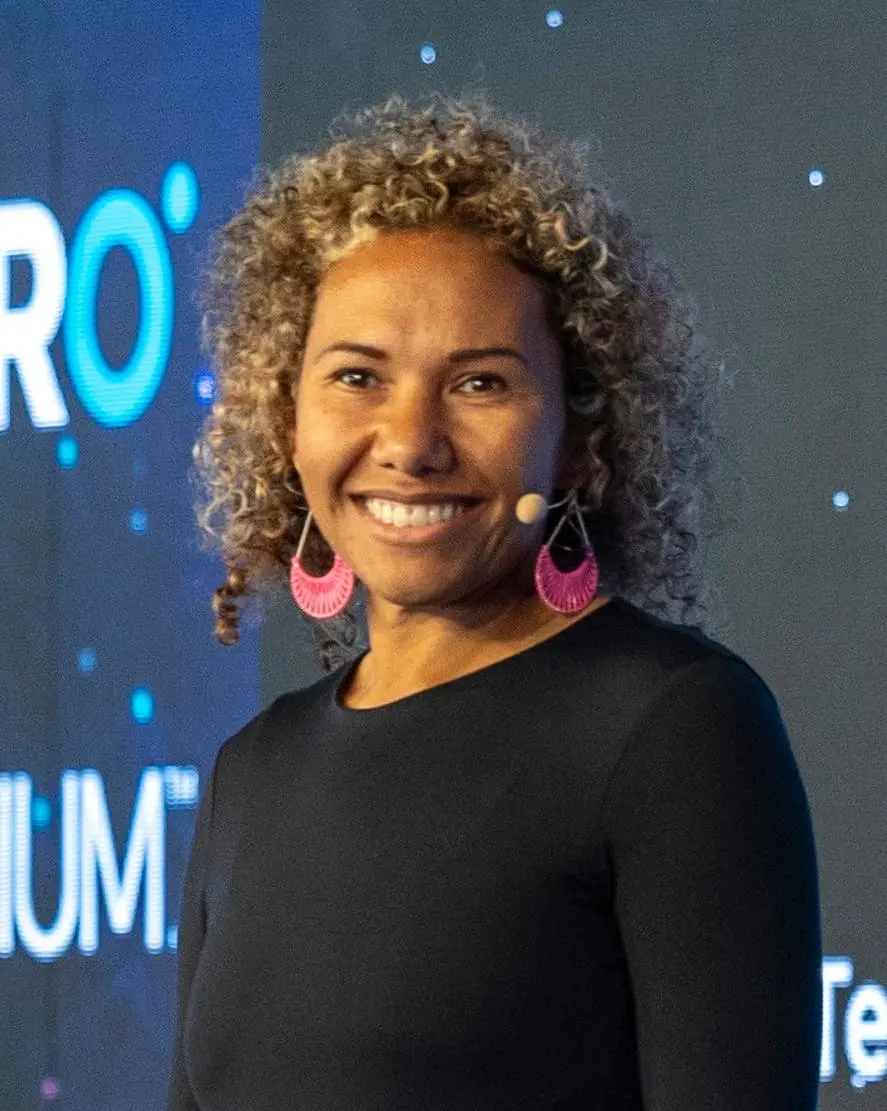
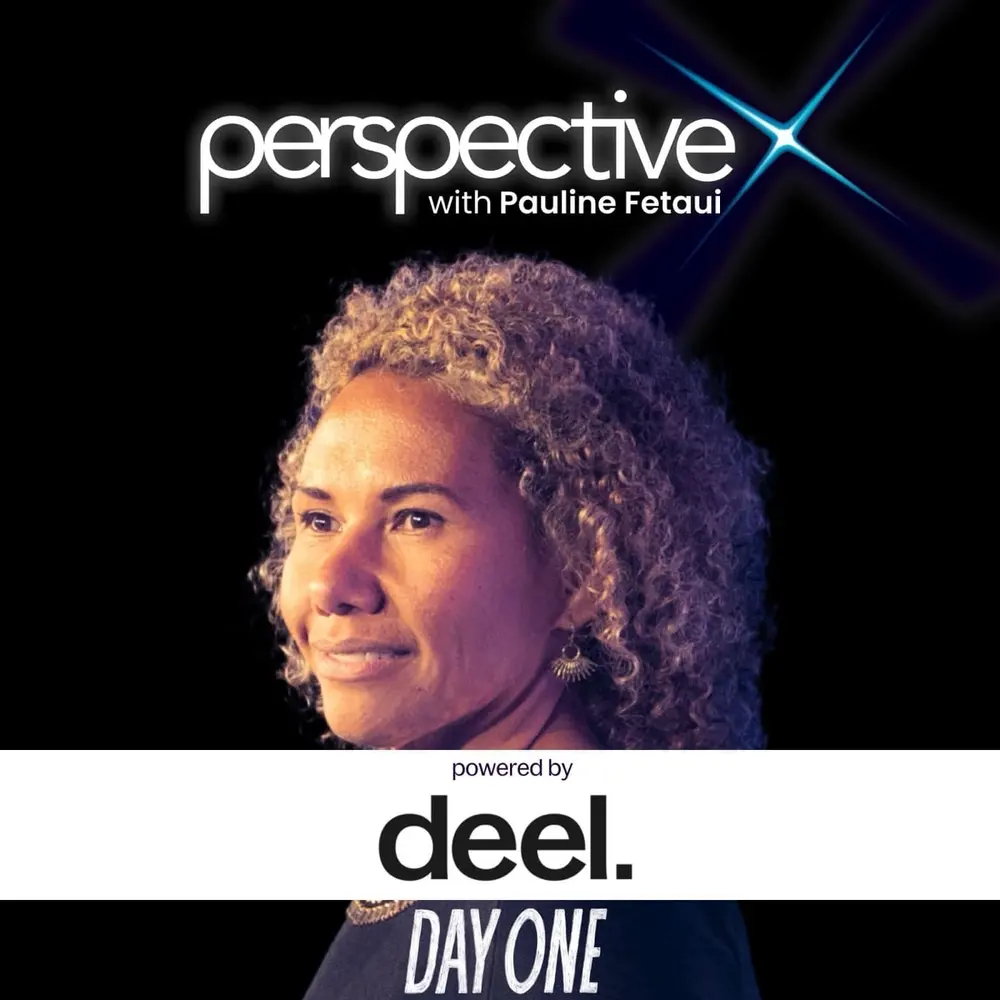 Perspective X with Pauline Fetaui
Presented by Deel
Perspective X with Pauline Fetaui
Presented by Deel 
 ▶
▶ ▶
▶ ▶
▶