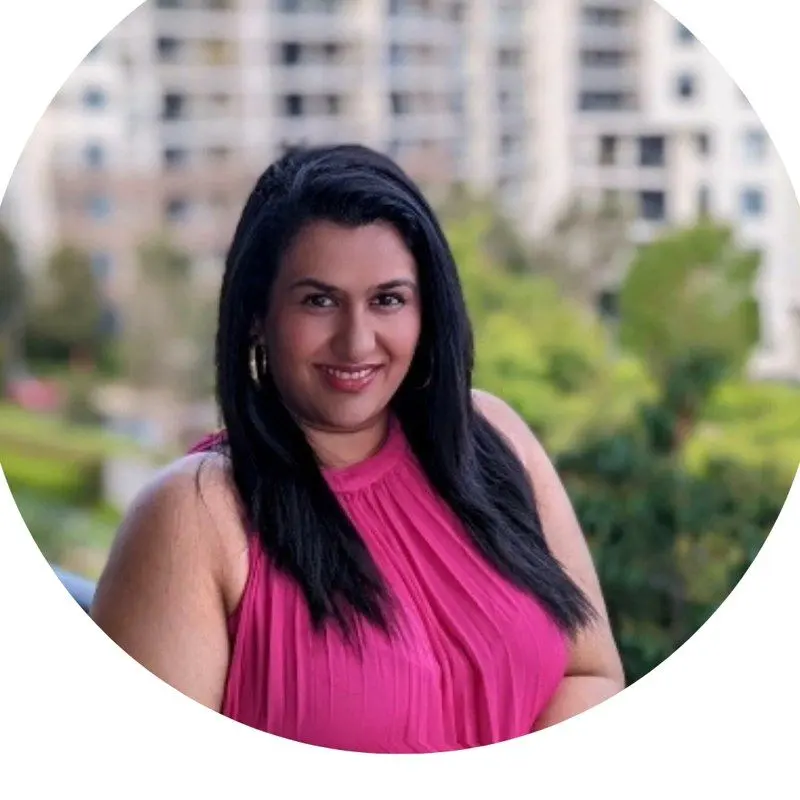
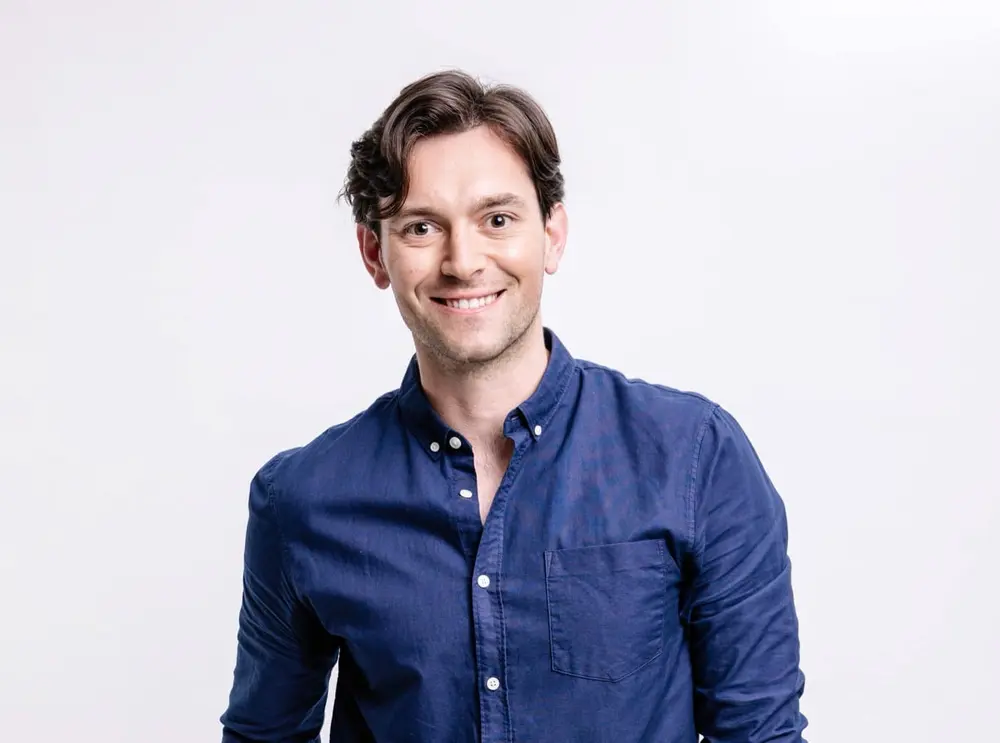
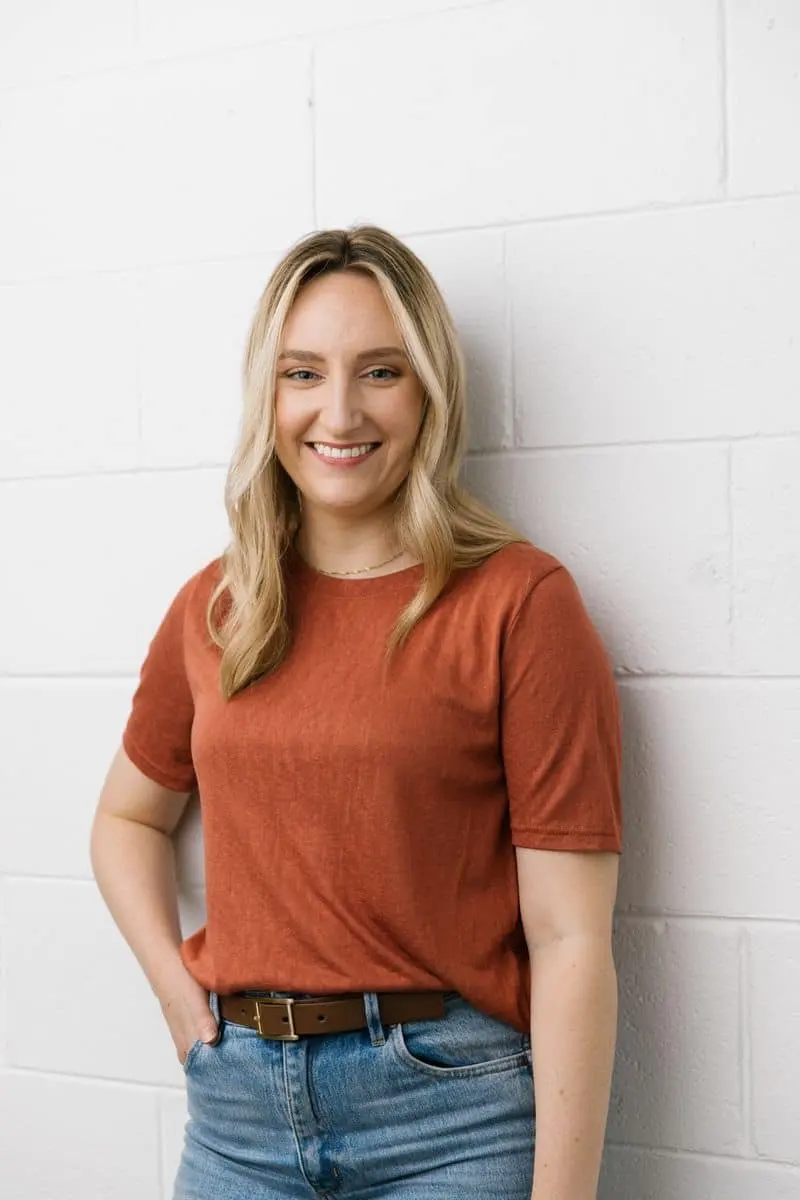
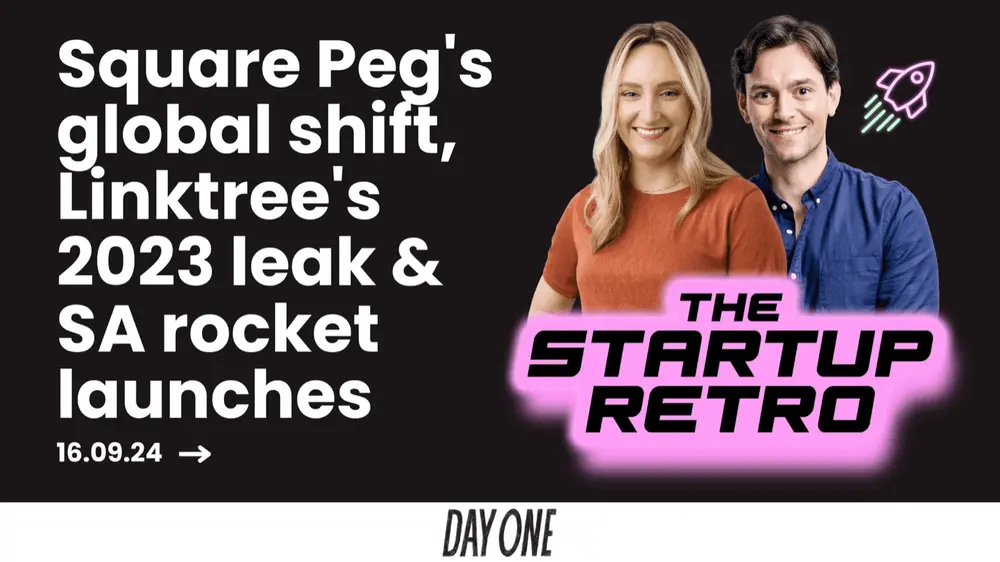
Transcript Synced · select any line to jump ▾ 0:00 Speaker: You're listening to a Day One FM show. 0:04 Gemma Clancy: The Startup Retro is recorded on the lands of the Kabi Kabi and Wurundjeri people. 0:11 Speaker: G'day and welcome to The Startup Retro, a weekly show brought to you by the team behind the Overnight Success newsletter, where we help you level up on the Australian startup ecosystem by giving you an insider's view on Aussie startups and venture capital. 0:22 Gemma Clancy: The Startup Retro is brought to you by Day One, the podcast network for founders, operators, and investors. I'm Gemma Clancy. 0:29 Speaker: And I'm Will Richards. And in today's episode, we dive into— 0:32 Gemma Clancy: The latest data released from Blackbird Ventures showing how they're performing against their gender-based investment targets. And I'm going to chat to Kirsten Hunter and Preeti Mohan, who we've been collaborating with for several months now to provide better, more regular reporting on how VCs are performing generally in this area. 0:47 Will Richards: We also chat about EVP's new fund structure, which potentially might get up to $500 million in assets under management. And we also share a resource at the end of the podcast that will help founders research competitors in a way that they've probably never thought about before. 1:02 Gemma Clancy: And of course, we'll deep dive into startup raises that we found most interesting this week, including one that could help get more eggs back onto our supermarket shelves. All right, well, let's jump into the headlines this week. The thing that most caught my eye was an article in the AFR. That was covering Blackbird releasing some data around how they've gone in meeting their targets to have greater equity in their investments across female, mixed teams, and all-male teams. And the headline was quite jarring probably for anyone, like, probably from the Blackbird team, but it, it's fairly reflective of, of actually the blog post that they brought out themselves, um, which is essentially saying that, you know, they're not really happy with the numbers. It's not not good enough. And it's quite a, quite a refreshing perspective to hear because, yeah, when you look at the data, it is a bit disappointing to see that certainly all female teams or women teams really didn't receive much in the way of funding from, from Blackbird. And that's, that's really disappointing, I guess, because Blackbird is Australia's leading venture capital firm at the moment. 2:13 Speaker: So, Jen, let's, let's jump into the numbers that, that were reported. And I think going, following on from the conversation we had with Chris last week, it's really important to work out, you know, is it the number of deals going in or is it the amount of capital being put into the startups themselves? So I know you've done some research and some analysis that actually wasn't in the article, and I think percentages in this situation tell a very different story to just absolute numbers. So what did you find out? 2:38 Gemma Clancy: Yeah, so Blackbird, the reason that they're reporting is because they made a commitment as part of this new initiative called Equity Clear to report on this data. And Equity Clear has set out kind of a framework, or the, the ways in which they want VCs to be reporting on this data so it's, you know, somewhat consistent, so we can look at different firms and compare apples for apples, I guess. And so the way that they've reported the data is that, well, they've looked at both the composition of their own investment team, um, as well as the composition of the funding that's gone towards portfolio companies. And they also look at how many companies are they adding to their pipeline for they're considering, do we invest in these companies or not? How many of them go through to getting a meeting, and how many of them go through to IC, or investment committee, stage? And when we look at the total companies that were added to Blackbird's pipeline, they saw just shy of 1,800 total companies added to the pipeline. And of those companies, 10% of them were all-women teams, and 30— around 36% of them were mixed teams. Then when we get to the meetings, it's relatively similar. So, you know, slightly less, only 9% were all women teams and 27% were mixed teams. And then when you get to IC stage, the all women team number really drops significantly. It goes down to about 4% of all the companies that got through to that stage. And then the mixed team number also drops slightly from, I guess, the initial overall pipeline number down to 29%. 4:07 Speaker: Yep. 4:07 Gemma Clancy: And then when you look at final funding figures, it's really reflected there. So the percentage of, of new investments for FY24 into all-women teams was, uh, 13%, and as a dollar percentage, or is 12% into all-women teams, and mixed teams 19% and 23% respectively. That's just, um, obviously far too low, um, if we're looking to get to equality. Yeah, so it's a really, really interesting topic, and I think it's really good to see just the main line that I took out of the blog article that Blackbird published was, "We own our numbers regardless of the progress we've made on certain metrics. We know that we still have a long way to go." And so they're certainly not shying away from that, which is great. And we're going to have a bit of a conversation with a couple of thought leaders in this space, Kirsten Hunter and Preeti Mohan, later in the podcast. Around some of the data that they've been pulling out from across the ecosystem on this issue. So it'll be really great to chat to them. 5:07 Speaker: It's quite interesting that they get 18,000 deals a year. 5:11 Gemma Clancy: No, 1,800, yeah. 5:12 Speaker: 1,800, sorry. Gets submitted and only 40% get a meeting. 5:15 Gemma Clancy: Mm. 5:16 Speaker: 60% of startups that submit their decks to Blackbird just get a hard no at the top of the funnel. 5:21 Gemma Clancy: I'm not surprised, actually. 5:23 Speaker: I guess, yeah. It probably is the case though, like every, they're the fund that probably gets the most pitches, I'd say. 5:30 Gemma Clancy: Yeah, well, I guess if you want funding, you go to Blackbird, and that's why they're— that's why they have so much power, because they've got this great brand and they've got great reputation. And then people think, I want funding, they probably send their, their deck to Blackbird as almost a— as a default, or maybe after they've sent it to a few other people for a sense check, and then they just send it to Blackbird as a default. Because if you can get funding from Blackbird, it's a really great credibility signal. Yeah, and that's why it's so important that funds like this, I guess, are funding women, because it gives them that credibility signal. 5:57 Speaker: Cool. So, Gem, another headline that grabbed my attention this week was one around grant money and grant money from the Australian government going into businesses. And this isn't just numbers going into the startup space, it's grant money going into SMEs all across the country. So I tried to pull out what is important for the startup space in these numbers, 'cause the numbers are quite large and it does also incorporate the R&D tax rebate side of things too. 6:25 Will Richards: Hmm. 6:25 Speaker: The report was done by Deakin University at a research centre that focuses on small and medium enterprise businesses. But it found that essentially of the 144,000 firms that received $2.4 billion of grant funding, $1.3 billion of that grant funding went to low-performing companies. And when you sort of say low-performing companies, okay, how do you define that? It was sort of suggesting that these companies are basically being subsidised or only surviving on the grant funding. So, they're basically built to then just go out and apply for more grants, receive those grants, and that sort of pays for their next year of survivorship. 7:05 Gemma Clancy: Hmm, that's an interesting definition because when I think a lot of VC-backed companies, you could claim that a lot of— 7:12 Speaker: Not profitable. 7:13 Gemma Clancy: A lot of VC-backed companies couldn't survive, you know, another year, maybe even 2, 3 years, especially deep tech companies couldn't survive without VC funding. Does that make them low performing? It's interesting. I don't know, it's just an interesting definition. 7:26 Speaker: Yeah, I know what you mean. I know what you mean. I think it's if you are consistently going to grant, resubmitting, if your business is set up to just claim grants to pay everyone's salary, then potentially that business shouldn't really be active. I guess the big, well, it is, you know, there is a pool of cash that's allocated for grants and, you know, over 1/4 of that money is going to these businesses that are basically just using it to survive to the next round. I would've loved to go deeper in this, in the report doesn't quite, but you know, are these, you know, are some of these charities that basically need to do this sort of thing, or are they not-for-profits that need to do this sort of thing? And they're never necessarily going to be high performance or profitable businesses, um, just by nature of the thing. So I think there's a little bit of that going on here as well. But for the startup space, I think we need to be a bit more vocal about where this money goes, and are there opportunities in in the startup space that are being, that are basically missing out on grant funding that need it to enable more startups, maybe they're platforms, maybe they're startups themselves who are in the R&D process who aren't actually getting the funding who really are eligible and they're building something quite interesting that could create a lot of jobs or wealth for Australia. 8:40 Gemma Clancy: Yeah, sounds like we need better data, greater transparency around that and maybe greater kind of detail in the data that separates companies that are maybe at that early stage and growing and therefore they're not, going to be profitable. So they rely on this kind of funding from those companies that have been around for a long time. And maybe them needing to go back for grants is a sign that they should be seeking out a different business model. 9:02 Will Richards: Exactly right. 9:04 Gemma Clancy: So there was another interesting government slash policy related headline out there in the media this week, which was around the public hearings for the Adopting Artificial Intelligence inquiry that was held at Parliament House this week. They've held previous public hearings earlier in the year in May, but they held another couple this week., and there were representatives there from big tech, so like Adobe and Atlassian, um, human rights organizations, legal experts, groups representing employees and professionals, etc. And they're all kind of there to talk to the government about, I guess, their concerns around AI and the opportunities for AI and how the government should do a better job of maybe managing this emerging technology. One of the more interesting, I guess, things that came out of it was from the Media Entertainment and Arts Alliance and also the Australian Voice Actors Association, who would essentially— like, they're representing people in creative industries, actors, you know, obviously voice actors as well. And they want to make sure that their jobs aren't being replaced. And they were suggesting that taxes should be imposed on businesses that replace staff with AI tools, which is a really interesting concept. And I'm not really sure what the detail is around how that would be implemented, but that's one suggestion. And they also wanted to see, um, some updates to employment laws to ensure that workers were consulted on how AI tools were being used in their businesses. So it's just a really interesting space to look at. And I think, you know, especially for startups who are developing AI-related tools, they've just got to be really conscious of— 10:36 Will Richards: Yeah. 10:37 Gemma Clancy: —how industry bodies like this are kind of keeping an eye on what's happening and certainly, you know, don't want any technology to get in the way of the rights of their kind of members or their constituents. It's interesting. 10:50 Speaker: I think it's like you have to be careful about what precedents are set because these industries are obviously the ones that are being impacted first by the AI revolution, let's say, in its current form. And what precedents are set in this world that will then affect every other industry moving forward. I sort of know though, like you've got these like unions sort of saying, oh, let's tax these AI tools or these AI companies. I'm not sure if that's gonna work. But then on the other side of the fence, I've been reading about these estates of famous movie celebrities or, you know, voice actors who have passed away. And now that they've passed away, the estates are essentially just like, oh, how can we make more money out of, you know, the IP of our dead relative essentially. And there was recently a transaction of a few celebrity voices being sold to audiobook companies. 11:38 Gemma Clancy: Oh, wow. 11:39 Speaker: To basically just like voiceover audiobooks. And they're going to take a fee on that voiceover and use AI to basically reread the book in the voices. So, you'll be able to get your book read in whatever voice you want at some point. And I think it's just interesting of like, where's the economics? And if the economics are in that person's favour, they're like, yeah, I'm happy to sell it. If the economics aren't in that favour, they're like, oh, let's tax them. 12:00 Gemma Clancy: Yeah. Well, that's really interesting because I know that the— So, the Media Entertainment and Arts Alliance, the union that's kind of made submission to this public hearing, they are— I know from my advertising days that they're kind of the ones responsible for setting the standards for what are the contracts that should be put in place for actors and voice actors around how their voice is going to be used. So they'll say, you know, best practice is XYZ. And so they're essentially wanting to have a seat at the table to say, if it's, if it's a transaction that's happening around this voice actor's voice being used for the purpose of AI, we want to know what the rules are and we want to have a say on what those rules are. So that's why I guess they're having a say there, because they, yeah, they want to make sure that, um, yeah, if a voice actor's voice is, is used, that they are getting compensated appropriately for it. Um, whereas right now I it's pretty opaque what the rules are. And so it's going to be interesting to see how that evolves. And if you're like a— you're a tool that, say, uses, you know, AI voices, maybe like those kind of meeting transcription services, or like even podcast, you know, tools like that where you can get, get an AI voice to fill in the gaps, um, you can have to keep an eye, an eye on regulation coming out of things like this. 13:08 Speaker: The next headline that also caught my eye was EVP's new fund, and EVP is a venture fund that invests in sort of Series A B2B SaaS world. 13:19 Gemma Clancy: Pretty active, like we've seen quite a few of their, their raises over the last couple of years. 13:23 Speaker: Yeah, they try and do 10 investments a year. They've got $300 million under management at the moment and about 40, 40 investments in their portfolio. Amazing. But this fund's quite slightly different to their previous funds and the fact that it's a, an open trust, open unit trust, which means investors can basically put money in and pull it out when they'd like. There are some limitations to that. You can't pull it out every day, but there will be sort of blocks where you can when there's a liquidity event, for example. 13:52 Gemma Clancy: Mm. 13:52 Will Richards: Which compared to a traditional fund where you sort of lock your capital away for 10 years. 13:56 Speaker: What's interesting is they've raised $20 million for this fund already, and that's hence why they've had the announcement. But they expect this fund basically to grow to $500 million over the next decade. 14:07 Gemma Clancy: Yeah, wow. 14:08 Speaker: And it's gonna be open, well, at this stage, it's gonna say we're never gonna close it. It's gonna be a lifetime fund that always exists and it will continue to invest in basically startups that they've invested in through their traditional methods who now need more growth capital but would like to stay involved with the EVP team. So they've got startups like ShipIt and Pendula and Deputy who are high performing and basically they want to ensure that their pro rata rates pro rata options are exercised and they take full advantage of their high-performing assets. 14:39 Gemma Clancy: Yeah, that's super interesting. It's like, I guess, the, the success of their portfolio and the size of their portfolio and the fact that they're now raising like a fifth fund is— has allowed them to explore a different model for engaging with investors. And it'll be interesting to see if more VC firms, as the ecosystem matures and these funds get bigger and bigger, if more funds look to do things like this, because it sounds like a pretty— yeah, nice complementary complementary model to the traditional VC approach. 15:07 Speaker: Yeah, I think it is something we're starting to see. So you've got Startmate's new continuity fund as well, which is a similar idea to this. It's not, I don't think it's an open fund like this one is, but the mentality of we want to back our high-performing assets, no questions asked, it's that same idea. And I think it is, it really is a sign of the ecosystem maturing and the early investors Basically want to make sure that they capture as much value from their high-performing startups as possible. So, Jen, we saw some pretty cool startups raise capital this week. Did you have a favorite? 15:45 Gemma Clancy: I certainly did, and the one that I picked was mainly because it's just so topical in the news right now, and I kind of wonder whether the team actually intentionally announced the raise now, but it's almost too much of a coincidence. But what I'm referring to is the raise from ExoFlare, and ExoFlare is a biosecurity threat management platform. So what they're doing is, you know, replacing paper records that were used, or are traditionally used, for tracking visitors and other movements in agricultural realms of producers, transporters, processors, everyone involved in the kind of movement of agricultural goods, with a platform that is about building biosecurity resilience across this sector. And they're already working across pork, cattle, sheep, goat, chicken, and dairy industries. So it's it's a really, really interesting like startup from the perspective that obviously right now if you're in the eastern— in the eastern states of Australia right now, and particularly in Melbourne, I think it's a problem. You've probably gone to the shop and found that you can't buy eggs, and you've probably— if you've watched the news, you'll know that that is because there's been quite a serious bird flu outbreak. And I think maybe people can become a bit desensitized to the news around bird flu because it's happened before, but every time there's a bird flu outbreak, it's actually incredibly devastating for the agriculture industry. And just to give you a sense of kind of how devastating the bird flu is, and I'll come back to a bit more detail around the race afterwards, but just to give you a sense of like how big some of the issues around these kind of outbreaks are. So chicken's a really big thing in Australia. We eat a lot of chicken, we eat a lot of eggs. So Australians get through around 50 kilograms of chicken meat for every man, woman, and child every year. And we eat around 18 million eggs a day as a country, which is like— Wow. I just can't even get my head around how many eggs that is. But there's a lot of eggs. And so, so far, just off the back of this outbreak, around 2 million birds have been culled. So 2 million chickens. Yeah. And that, the impact of that is around 1.8 million less eggs a day. So you think in the scheme of number of eggs out there, this is why you can't get eggs at Woolies and Coles and wherever else. If you know basics of economics, supply and demand, like, you know, there's not enough eggs out there, the cost of eggs is gonna go up, the ones that are out there. And this crisis is probably going to have impacts right through to the end of the year, if not beyond, which is not great when eggs are such a staple and chicken is such a staple of our diet. It's just going to fuel the existing cost of living crisis. And then just on top of that, if it wasn't bad enough, like we see the impact on humans, bird flu can be really, really bad from the perspective of that being that the strains of bird flu can be transmitted to wild or native birds. I don't know enough about the biology of the current strains that are out there to know whether it's going to impact our native bird life right now, but there's— Mm-hmm. I've kind of looked into this before, and it's pretty scary what could happen to our native bird life if bird flu does, does kind of creep into those habitats as well. So it's a pretty scary topic, and it's really, really important that we get on top of it. And so it's, it's good to see a tech company like ExoFlare actually come out with a solution that's a little bit more progressive than paper forms. 18:54 Speaker: Yeah, I'd love to get stuck into the actual, the raise itself as well, because I think the people who invested in the startup are super interesting. 19:01 Gemma Clancy: Super interesting. 19:03 Speaker: So tell me about the investors and how much money they put in. 19:05 Gemma Clancy: Yeah, so it's a $5.3 million seed round, which is a pretty sizable seed round, especially at the moment. And the investors behind it are pretty reflective of the nature of the raise. So the lead investor was Salus Ventures. The managing director there is Mike Ferrari, who used to head up In-Q-Tel, which is the CIA-founded not-for-profit investment firm that's really, really focused on kind of any investment around global security. Incutel have also invested, so it's kind of not surprising. Mike's probably got those connections and probably, probably, probably why that, that's happened there. And it makes a lot of sense, biosecurity super connected to kind of global security. So we've got Salus Ventures, Incutel, and then Woolworths Venture Fund, W23, also invested. Wait, you should already kind of be quite obvious why, why they would have invested given the current bird flu outbreak and the impacts of that. And then Cultivate, which is an agri-food investor. So you can see that's, I mean, it's an incredible team of investors that are super, super relevant to the problem, that obviously understand it and understand the opportunity that they're, that they're facing. And the team behind this is also like super interesting and impressive. Um, so the co-founders, uh, Adrian Turner and Chris Eitken— apologies, Chris, if I've said your last name wrong— um, they're both veterans of Silicon Valley. I assume they've moved back to Australia. Adrian used to be the chief executive of the CSIRO's Data61, um, organization, and, um, and both him and Chris both kind of got backgrounds in cybersecurity. An interesting thing that Adrian said in some of the media, um, uh, this week was that he believes the commercial opportunities of biosecurity will actually follow a really similar trajectory to cybersecurity. So that's, I guess, the link between their background and this new venture that they're starting. 20:58 Speaker: It's super interesting. I think, like, going off what happened in COVID as well, when supply chains got cut, like, I think everyone felt the pinch there as well, um, and it doesn't take much for supply chains to get altered these days. 21:09 Gemma Clancy: No, no, exactly. You can really underestimate how kind of, it's like literally one outbreak in one place can impact an entire region. Sometimes, especially smaller suppliers, they can actually work together. And so, if one small supplier who works with a lot of other small suppliers is impacted by an outbreak, it'll impact that whole group of them. So, it has an immediate ripple effect even if the bird flu isn't there. In all those places. So, and that's just one example. So obviously like there's so many different biosecurity threats that face our agricultural industry. So yeah, it's really interesting to see a startup kind of facing this issue. Okay, so Will, you now have the challenge of crafting a beautiful segue from bird flu and biosecurity threats to whatever your pick of the week is gonna be. What's your pick of the week? 21:59 Speaker: My pick of the week is HammerTech, a construction tech startup. I have no idea no idea how I would possibly segue from your extensive analysis of bird flu and dead chickens into this, but I'll dive straight in. So the biggest raise for the week for sure was, was HammerTech, and it's a Melbourne-based construction safety platform, and they secured $105 million worth of capital from a single investor. 22:28 Gemma Clancy: Wow. 22:29 Will Richards: Which is Californian private equity firm called Riverwood Capital. That money is essentially earmarked for growth in the US and Europe. The investment also marked Riverwood's first investment in Australia from that fund, and it's a pretty big fund. It's $1.8 billion in US, so real money. 22:50 Gemma Clancy: Mm-hmm. 22:50 Will Richards: And it's really focused on investing in high-growth tech startups. So, it's great to see a US investor of this magnitude, um, picking a Victorian Melbourne-based Australian startup. 23:01 Gemma Clancy: Yeah, so what does HammerTech do? 23:03 Will Richards: Great question. So HammerTech really focuses on streamlining three major things in construction sites, and these are generally quite large construction sites, but streamlining safety, compliance, and site operations. And it's actually— its first client was the Grand Prix in 2015, so the business itself is about 11 years old. So within a year, they they got the Grand Prix in Melbourne as their first client, and then in 2019 jumped into the US market. So their current customers include the likes of Kane, Icon, Mirvac, and Parkview, which are major construction companies that are global. And the product itself is actually made up of 3 main components. So you've got the site management, site user management aspect of it. So it sort of works out who has access to information or certain parts of a building site. The second part is a subcontractor management platform as well. And then finally, the third section is a project website, which from what I gather is sort of like a central hub of information for what's happening in the project that people working on the site can basically access. 24:06 Gemma Clancy: Yeah, interesting. I think this is the kind of platform that probably the average person doesn't really think about very often. It's not the kind of thing people would maybe hear described and think, oh, that sounds like a really big business. But like, how well, how successful are they really in the scheme of things? If they've raised $105 million, they're probably doing okay. Give me a sense of, uh, how they're going. 24:24 Will Richards: Yeah, sure. Yeah, it's a good call because it's probably something that you drive past many sites every day, um, and don't realize that they're probably using HammerTech or a similar type of product to, to manage what's going on there. So for a sense of scale, in the 10 years they've been active, they've managed over 20,000 projects across the globe, and they've had 4.5 million workers on project sites actually enroll in the technology and use the technology while they're on site. 24:49 Gemma Clancy: Wow, that's a lot of data. 24:50 Will Richards: Yeah, the subcontractor product itself has been used by 400,000+ subcontractors as well. So I think if you're in the construction tech— sorry, if you're in construction, not construction tech— if you're in construction, it's probably a, um, a product that you interface with a fair bit. 25:06 Gemma Clancy: Yeah, without all that data about all these different workers and I guess the, the length of time that they've been in operation, the number of projects they've been on, seems like it's going to lend itself to a bit of an AI play with all that data and the historical data that they've got. Um, does that sound like something that from your research they're going to lean into? 25:25 Speaker: Yeah, exactly right, Gem. So they've, they've got a real focus moving forward to, to bring AI into the platform. 25:31 Will Richards: And since they've got so many data points across the globe, um, it's definitely something we're going to see, um, them roll out into Europe and the US. 25:37 Gemma Clancy: Huge competitive advantage. That's really cool. 25:40 Will Richards: I think as well, following on from the interview with Chris from Cutthroat last week where we really got stuck into this sort of void between startups who have raised, let's say, a seed or a Series A graduating to those later rounds, that, that void definitely is, is, is massive. And this is an example of a startup that has done just that and has secured that sort of mega round to now go for that really, really large growth. So it's, it's good to see, to see these sorts of announcements. 26:10 Speaker: The Startup Retro is supported by Teamified. So I'm super excited to be joined by Simon Lee, the co-founder of Teamified. Simon, I'd love to get your thoughts on the rise of fractional roles for startups in Australia. 26:22 Will Richards: It's a trend that I'm seeing really start to kick off lately. 26:25 Speaker: How do you sort of see that in the market at the moment, and what does Teamified do to help? 26:29 Speaker: Yeah, I don't know about you, but everywhere I'm seeing fractional everywhere now. If you actually look at the biggest cost on people's balance sheet is their labor costs, right? And 90% of businesses, it's their labor costs is the biggest cost. And so building remote teams is a great way to reduce the cost, but fractional services is also, you know, if you're a small business, do I need to hire a full-time CFO? Do I need a full-time CMO? We'll hit $18 mil revenue this year and I've still got a fractional CFO and a fractional CMO and they do an amazing job. When you're trying to start a business, trying to find who should I partner with, and having someone that at least a vetted CMO or a vetted CTO is just going to make it that much simpler. 27:07 Speaker: To learn more about how Teamified can help scale up your business, head to teamified.com.au. 27:17 Gemma Clancy: I'm really excited to welcome Kirsten Hunter and Preeti Mohan to the podcast. Preeti is the co-founder of 9 2 and the co-founder of Pless Play Ventures. And Kirsten is the managing director at Techstars and also a winemaker at Grapevine. And together they co-author Funding the Balance, which is a section of our monthly newsletter Pulse Check and also features in our weekly Overnight Success newsletter. And we're going to get into a little bit more detail around what Funding the Balance is and why it's so important with Kirsten and Preeti today. So welcome to the podcast. 27:49 Speaker: Thanks for having us. Yes, thanks for having us. 27:52 Gemma Clancy: So I thought I'd just hand it over to you both to say why you thought it was important to start Funding the Balance and why you thought it's important to do now. What was the inspiration? And just talk about what it is. 28:03 Speaker: Kirsten, you want to kick it off? Um, okay, I'll start on this one, you can start on the next one. Funding the Balance has come out of a number of different discussions that we've had over the last months and years around the state of funding, and in particular the amount of funding going to founders of diverse backgrounds. I think Anyone who's been in the ecosystem a while has seen things like Cutthroat Ventures, those reports that come out that year on year seem to paint a pretty dire picture of the amount of funding that is going to women founders, non-binary founders, and founders who represent groups just generally who aren't straight white men. And so what we found in seeing these numbers come out was that the annual report from Cutthroat Ventures, the State of Australian Funding Report, and the quarterly updates that came out about that were great for starting a conversation around where this money was going, but there was no way for founders and ecosystem participants to know what was happening in between those times and to get that kind of yearly progress tracker view of what was happening and where the money was flowing. And so that was the idea between— behind Funding the Balance, was to set about to rectify that. And so what we're trying to do is provide a weekly snapshot of the breakdown of where that money is flowing based on the funding announcements there that have come out in that week. And so that's what you'll see in the weekly edition of Overnight Success. And then on a monthly basis, we look at the cumulative, um, impact of where that funding is flowing over the course of the calendar year. And importantly as well, um, for founders who are looking to raise money is we publish a leaderboard which shows which investors are actually putting their money where their targets are and making investments and announcing those investments into companies that either are mixed gender team or solely women and marginalized genders. 29:49 Gemma Clancy: Yeah, it's a really fantastic initiative, Funding the Balance, and I'm really glad that Overnight Success could be a part of it. And I think it probably started out with a bit of a group chat, and now it's evolved into something that is probably something beyond what I could have imagined in the first place. But I'm really honored that you guys approached Overnight Success to launch this initiative, and you've really driven it forward and made it really easy for us to do this reporting, 'cause it's not easy to do. I think there's a reason why this hasn't been done before, the regularity of this reporting, and also the bravery to kind of put those numbers out there. It's not something that's easy, and certainly it hasn't come without complications on our end. And I wanted to kind of COVID that a little bit in this conversation, to talk about kind of what's been happening a little bit behind the scenes, the feedback that we've received, the constructive, you know, feedback that we've then taken on and implemented. So, um, Preeti, can you talk a little bit about kind of the evolution of Funding the Balance over the last— I think it's been 6+ months that we've been doing this? 30:44 Speaker: I think a bit of context. So Nice2, we've been on a journey over the last few years to try to get the statistics around where investments are going in Australia and beyond the general stats of gender, which groups mix teams, we don't have much else to go from. So Funding the Balance has been an evolution and a bunch of conscious conversations that we've had with people from the entire ecosystem to have a considered approach and a way of keeping the ecosystem accountable. Even the terminology that we use, there was a lot of chat in the previous release where we had to reconsider the terminology we're using. So now we've moved from saying gender minority teams to women and people from marginalized genders. Mm-hmm. So we can be inclusive in our language, but we want to— our aspiration is to move beyond just looking at gender and to look at things like ethnicity and other forms of marginalization that occur in the ecosystem to get a proper status view. 31:54 Gemma Clancy: Yeah, yeah. And like, I've been absolutely blown away by how considered you both have been when we think about kind of the feedback that has come through. At no point have either of you kind of brushed it aside and been like, oh, well, that person's wrong and therefore, you know, and we're right, let's just kind of keep going because we've, we've thought about this more than them. You've considered everything that has come through, and obviously we can't take on everything and action everything, but you've been so considered about it, and I think that that shouldn't go unnoticed. I also just want to highlight kind of some of the challenges around actually collecting this data in the first place and why it's so challenging sometimes to get the data to be as accurate as we'd like it to be. Can you both talk to the process that we're using to collect the data and then confirm that it's accurate so that people can feel confident about the reporting that they're seeing? 32:40 Speaker: So we have made a decision that we want to move at pace and we want to have something to share on a weekly basis, which means we're going with deals that have been announced in public rather than data collected through surveys or directly from VCs. The limitations of that is there is a time lag and it does involve a lot of manual scraping, which you both have been very helpful in supporting us. But on top of that, what we're trying to do to verify even genders is sending out a survey to people who have received the funding to confirm those details. So that's a bit of an overview of the process. 33:25 Speaker: Yeah. And so some of the regular challenges that we have in trying to pull this data into a format that is consistent and makes sense and allows us to compare apples to apples, I suppose. I mean, there are many, but one of the things that I regularly encounter is the attribution to stage of funding. So we look at the cumulative flow of funds, but we also look within the different stages. So pre-seed, seed, Series A, Series B, etc. But not all funding announcements are described as being a certain stage, nor do they fit neatly into those stages. So we've had to be a little bit flexible as we go, and we often have to do quite a bit of background research on the company and its fundraising history in order to, to come up with the stage that we, we will place that fundraising announcement into. gender identification of the founders is something that we are very careful of. The point of this report is to show insight into where the money is flowing, and in particular to highlight, uh, some of the challenges but also some of the wins by gender marginalized founders and women founders. And it doesn't help anyone if we are part of that problem by misgendering people. And so we are quite careful in how we allocate founders and understand their genders as well. And that's not something that is always public or obvious. And so it's something that we do put a lot of time in to make sure we get right. Some of the other challenges that we have— currency. If a deal is announced in US dollars, then we convert it back to Australian. And then also sometimes as well, there might be a mixed component of debt and equity, or there might be a deal that is staged over different periods of time. So all of these are challenges that we have to try and incorporate into the data to make sure that what we're presenting is as accurate as possible and gives the best reflection of of where the investment dollars are flowing and how that flows across founders of different genders. 35:18 Gemma Clancy: So Kirsten, something that I think is really interesting about what you show in the final reporting is that it's— you don't just look at the funding that's gone to all women teams, mixed teams, and male teams, but then you also look at how is the funding being split by women and men, disaggregating it from those mixed teams. So can you talk a little bit about, um, how you do that and why you've decided to do that? 35:41 Speaker: Yeah, definitely. And I think that's a really great point. It's something, again, that we put quite a bit of thought into. And the, the reason for doing that is in response to a lot of really quite well-placed criticism of a lot of the attempts at giving transparency into where the money is flowing, that, um, typically any team that has at least one non-male founder will count as a contribution towards, uh, towards women. Whereas actually what that might look like in a mixed gender team is you might have 3 male founders and 1 woman founder, and yet all of the money raised by that team counts as being towards diverse founders, even though 3/4 of the team is not meeting those diversity metrics. And so what we have done is we, we disaggregate the funding that goes to mixed gender teams into their contributing genders. And so what that means in that scenario where if we had a founding team of 4, 3 men, 1 woman who raised $1 million, then we would break that million dollars down into the portion of that money that was raised by the male founders compared to that was raised by the woman founder, and then that would go into the separate total. And so what we have seen really over the last couple of months, which has been really interesting to watch, it was a much stronger start to the year for women and founders of marginalized genders. But as the year has progressed, more and more of that funding has flowed to —male-only teams and mixed-gender teams with a predominantly male composition, with the end result that at the moment over 90% of the funding announcements that have been made this calendar year have now been attributable to male founders. So it is a big swing away from women and marginalized gender founders. 37:22 Speaker: Yeah. The other thing we're noticing is that when it is mixed teams, it is usually one woman or a person from a marginalized gender that's a part of that team. And so calling it a mixed team, I think, is no longer enough. But also now in disaggregating the data, what we're seeing is that women and people from marginalized genders are raising half as much as men. 37:47 Gemma Clancy: Yeah, and I think it's really interesting if we look at the blog that Blackbird released this week talking about their own data as part of the Equity Clear initiative that they've committed to reporting how they're funding across genders. They have specific targets around the number of teams that they are funding that have at least one woman, but there's a huge gap between their funding of mixed teams versus all-women teams. And, um, I would really love to see that gap close because, yeah, as we know, those mixed teams usually are, you know, at least two male founders maybe, um, and one female founder. It's not really an equal distribution there. Um, so yeah, it's just an interesting thing to call out that's not really getting talked about that much. So finally, I'd love to kind of look ahead to what we want to do with Funding the Balance moving forward and what your vision of kind of what improved reporting in this space looks like, because I think there's always improvement there. And Preeti, you've talked to kind of intersectionality a little bit there. Can you talk about what your vision is for improving funding in this space? 38:46 Speaker: Where I would like to get to is a utopia where we're able to look at where the funding is going across a range of diversity metrics, and in that also look at how it is affecting intersectional founders The reason being the people with more marginalized identities have bigger hurdles to get through when it comes to funding. 39:09 Gemma Clancy: Mm-hmm. 39:09 Speaker: And especially considering a lot of the funding here in Australia goes towards tech. We're building the tech companies of the future, which should serve us all rather than a few. So reporting is the first stage. If we can get to reporting as well as action off the back of the reporting, that is utopia. 39:28 Gemma Clancy: Yeah, yeah, for sure. Yeah. And I think, I think one of the things that I've noticed in some of the commentary around the reporting is, okay, but what are we going to do about it? But I think people probably underestimate what a huge kind of achievement it is to at least have got to the point of trying to report, trying to report accurately. And then we have such a big job ahead of us in terms of, in terms of expanding that reporting out to include even more factors that are currently just not even being looked at. And most of the reporting that is done, people just say say, oh, well, that sample size is too small, so we're not even going to talk about it. But the point is that it's small, so we have to talk about it. So it's this kind of horrible chicken and egg situation, isn't it? Um, and you know, there's so much more we can always be doing. 40:10 Speaker: I think at the end of the day, it's about making sure the ecosystem supports opportunities equally and equitably for everyone that exists in the ecosystem or wants to have a part to play in the ecosystem. And I think that's really the goal we want to achieve. 40:28 Gemma Clancy: Yeah. And what I love about Funding the Balance is that it's there every single week to remind people it's that, you know, this is a really important issue. And sometimes it's, it's kind of depressing putting those numbers together. I'm going to be honest, and putting it in the newsletter, but it just highlights why it's so important to remind people every week that this is, this should be top of mind for investors. And that, you know, we are making slow progress, but we're, you know, slow progress is better than no progress at all. If you could give our listeners one key takeaway from the work that Money in the Balance has been doing and what you'd like to see with reporting on this in the future, what would it be? 41:06 Speaker: I think the biggest thing is pay attention and make noise around it, because I think the more involved we are as an ecosystem in this conversation, the better net effect it is for all of us. 41:18 Gemma Clancy: Amazing. Thanks so much, Preeti and Kirsten, for joining me today. And, uh, Keep an eye out for future monthly Funding the Balance reports and our weekly edition in the Overnight Success newsletter. 41:32 Will Richards: So each episode we're gonna leave you in the same way we wrap up our weekly newsletter, which is with a section we called KaaS, which is of course knowledge as a service. So we share our favorite startup-relevant read, listen, or watch of the week. And this week's KaaS, Jem, what did you read, watch, or listen to this week? 41:50 Gemma Clancy: So the most interesting thing that I read this week was actually an opinion piece in the AFR that was penned by Jessie Wu, who is a partner at Afterwork Ventures. And the article is entitled Decline to Comment: 3 Words Destroying Millions in VC Brand Equity. And I mean, if you're not already kind of on the edge of your seat wanting to know what's in that article, then I don't know what's wrong with you, especially if you're interested in the startup and VC space. But It is a really interesting article. Jesse's really well known for expressing really well-crafted and considered positions on somewhat controversial topics in the VC and startup space, and this is certainly no exception. It's nice to see that finally something that she's penned, you know, is getting a platform of, you know, the status of the AFR, 'cause she puts together things all the time on LinkedIn posts that were probably almost as good as this article, I'd say. But yeah, so she essentially makes some points around the fact that she thinks that VCs and startups in particular need to engage a little bit more with the media so that I guess they can have a seat at the table in crafting their own narrative and crafting the narrative around the VC ecosystem. 43:02 Ad: Mm-hmm. 43:02 Gemma Clancy: And I'm not gonna share my personal views on the article this week because I want to kind of tease a little interview that we're actually gonna have with Jessie next week. Week where she will come on the podcast and we'll, we'll just talk through kind of her thinking a little bit more behind the article. And I'd really love to see people submit some of their own questions for Jessie. So you can either send them directly to me on LinkedIn, or you can fill in a form that will be in the show notes of this podcast episode. 43:28 Will Richards: Really looking forward to that interview. 43:29 Gemma Clancy: Yeah, should be good. 43:30 Will Richards: It's always great to listen to Jessie speak, so I'm sure there'll be a few nuggets of wisdom that come out of that. 43:34 Gemma Clancy: What was your pick of the week, Will? 43:36 Will Richards: Yeah, my cast this week was an article written by one of my favorite people in the startup ecosystem Warrick Donaldson. 43:42 Gemma Clancy: Oh, I don't, I don't think I know Warrick. Who's Warrick? 43:45 Will Richards: Warrick was, um, at Sunrise this year wearing the mushroom hat. 43:49 Speaker: Oh. 43:49 Will Richards: And, um, he's quite a, it's quite a tall guy, so you sort of saw this mushroom hat above the crowd everywhere, which was, um, always fun to see. 43:55 Gemma Clancy: I can't believe I missed that. That's really sad. That sounds like a really, a sight to behold. But I'm sure there's more to Warrick than his mushroom hat. 44:02 Speaker: Definitely, definitely. 44:03 Will Richards: He specializes in helping deep tech startups raise capital, so he's a bit of an advisor in that space. 44:08 Gemma Clancy: Yeah, cool. 44:08 Will Richards: He's doing a newsletter series at the moment on practical information for Aussie Founders. And this article in particular was called ASIC and Competitors. And really what it boils down to was how founders can use ASIC lodgements as, um, and as a research tool to work out who's investing in startups similar to their space or a space that they're entering. Like, there's screenshots of how to do it because it is quite a shocking user interface, the ASIC website. So it is a very practical guide, but But what it boils down to for founders is before you basically go on your fundraising process, you can do some really nice research to get on the front foot and be really well educated in the market of who's investing in similar businesses. So when you do outreach, you can have very solid conversations with investors and just come off as a really well-researched founder who knows exactly what they're talking about. 45:02 Gemma Clancy: Mm, no, that's really important. And I think anyone who's not yet delved into their funding or their, yeah, their investor pitching experience, especially in deep tech, deep tech, it's important to know that because I was actually working with a deep tech towards the end of last year that was embarking on their first fundraise, and they hit a lot of dead ends because they were approaching kind of a relatively small group of investors who they knew would probably invest in that space, but a lot of them had already invested in at least one of their direct competitors. They could have saved themselves a lot of time if they'd done some of this research up front, not even entering those conversations because they probably weren't going to go anywhere. Um, so this sounds like a great resource. 45:40 Speaker: Yeah. 45:41 Will Richards: Check it out. 45:48 Gemma Clancy: Thanks for joining us for this episode of The Startup Retro. We would absolutely love to hear what you thought of the show, so feel free to reach out to us directly on LinkedIn, or even better, follow us on your favorite podcast player and leave us a review so more people can find us. And if you enjoy the podcast, you'll probably really enjoy our weekly newsletter Overnight Success, which goes into each even more detail on the news headlines and startup raises and much, much more. And you can subscribe to that at overnight-success.vc. Catch you next week. 46:16 Will Richards: Catch you next week. 46:21 Speaker: Listen to the Unfunded podcast brought to you by the Day One Network and hosted by me, tech writer Joan Westenberg. We're sharing the no-holds-barred untold stories from entrepreneurs who have decided to build a business on their terms. Terms. I'll be interviewing successful founders and operators on the grit and ingenuity it takes to build and scale independent startups without the support of traditional venture capital funding. Subscribe to the Unfunded Podcast now, wherever you get your podcasts.