Transcript Synced · select any line to jump ▾ 0:02 Cheryl Mack: Founders scale faster on Deel. Set up payroll for any country in minutes, hire anyone anywhere, get visas handled fast, and get back to building. Visit deel.com/dayone. 0:15 Maxine Minter: That's d-e-e-l.com/dayone. As someone who was there in 2002, right, investing out of an awesome fund, I'd love to hear just your thoughts. Does this feel like 2002? Ish, right? It's hard to raise as a fund manager. It's hard to raise as a portfolio company. It's bumpy. There's a lot of talk of the kind of end of venture, the kind of, you know, we are no longer going to be seeing the same kind of market, or does this actually feel really different? 0:47 Nnamdi Okike: The funds that did survive and did keep investing had this really interesting opportunity, not to mention many of the technologies that people had written off did end up becoming real things. You know, so it's maybe hard to remember, but there was a time when people said, hey, you can't make money on the internet because 'cause people aren't gonna buy products or it's not good for commerce. People believe this. 1:08 Maxine Minter: I mean, it was the time when people said, "Yeah, e-commerce is not gonna happen." The exuberance, especially in AI, I think is really interesting as a counter lever to the kind of general concern and pessimism that we're hearing. 1:19 Cheryl Mack: Yeah, it's such a like conflicting, conflicting view. It's like, yeah, we're so excited about AI, let's like pump money into it. But also like funding winter, you know, it's really tough to raise. Like the bar is higher, the bar is up here, but also we just funded this like zero, like zero person AI company that is just 3 AI bots talking to each other and getting shit done. And we just gave them like $23 million. You're cool, right? Okay. 1:45 Maxine Minter: 3, 2, 1. 1:48 Cheryl Mack: Hey, I'm Sheryl. 1:49 Maxine Minter: I'm Maxine. 1:50 Cheryl Mack: This is First Check, part of Day One, the network dedicated to founders, operators, and investors. 1:54 Maxine Minter: If you wanna be a better early stage investor, this is the show for you. 1:57 Cheryl Mack: So TL;DR, if you don't wanna suck at investing, listen up. 2:06 Maxine Minter: I am so, so, so, so, so excited to have Nambi on this podcast today. He's just one of the most impressive investors. 2:15 Cheryl Mack: Yeah, girl. 2:15 Maxine Minter: Thanks for securing him. Yeah, of course. I am. That just came out of the blue. So jazzed to have him on. Really, you know this, it's a wonderful way to just nerd out with wonderful people and be able to ask some questions that they would probably never answer over a coffee, but they will when you corner them over a podcast. So excited to dive in. So true, actually. Yeah, it's amazing. So I particularly, I think that he was super early to this whole kind of outbound sourcing motion. He was a principal at Index early in the 2000s, and so was sourcing actually amazing companies out of Australia in the early 2000s, kind of finding interesting data points that they were absolutely crushing it and sourcing them out of Australia. So he was kind of an OG conviction on the Australian ecosystem, which I'm super jazzed to dive into with him. But then he obviously stepped out and built 645 in 2008 and built his own fund in probably what was a pretty tough macro market. So selfishly, I want to nerd out with him on that. 3:13 Cheryl Mack: I'm still just so impressed that at Insight he invested in 19 companies and then had 9 exits. Like, I can only dream of having that type of a win rate on my investments. 3:25 Maxine Minter: 100%. That's outrageous. That is truly outrageous. But I mean, like, you know, I think he is an incredible, incredible investor. He's on the Midas Up and Coming list, which for folks that haven't heard of that, it is essentially just the best investors in the world all in one tidy list who've done incredible things with win rates like him. 3:42 Cheryl Mack: Like the Midas touch, right? 3:45 Maxine Minter: Yeah, that's exactly right. Yes. So anything he touches turns to gold, or at least just shy of 50% of what he touches seems to have turned to gold in that period for him. 3:54 Cheryl Mack: Yeah, we should definitely ask him what it takes to get on there and how he does that. And then there's also like the, his non-obvious. I'm so curious to get into like, what do you mean by non-obvious and how does that actually play out? Because a lot of these things, I like, I mean, Uber, Airbnb, those things were non-obvious. 4:14 Maxine Minter: So like, what does that actually mean to them? Totally. Yeah. I feel like we like non-obvious, we've bandied around a lot in early stage in particular. And so keen to hear his take on it because I think he genuinely invests in stuff that's super not obvious. I think one of their standouts in their fund, not this one, but maybe the fund before, was a Casper competitor that has done much better than Casper. So should we dive in with him? Yeah, let's do it. You're listening to a Day One FM show. Awesome. Um, Nambi, we are so excited to have you on the podcast. I feel like I am just about to pepper you with 900 million questions. So prepare yourself, listeners and Nambi, but the question we ask everyone before we dive in is what is the first thing you ever invested in? 4:57 Nnamdi Okike: Well, it's great to be on. I really appreciate you guys having me. First thing I invested in, so I was thinking about that. I think it was actually a stock when I was in college. So when I was in college was kind of the internet boom, you know, and then subsequent bust. But I kind of got excited by, you know, tech and tech stocks. So I think the first stock I invested in was Akamai, which is a kind of a streaming software company. So it was in Cambridge where I was going to school at the time and it came outta MIT. So, uh, I put a little money into that. I think I made a little money, but I didn't hold it for that long. And so, um, yeah, but actually remember going to the shareholder meeting, you know, I was in college and kind of, it was interesting just to get a flavor for like, you know, how a public company runs. So it was actually good learning, but I think that was probably the first investment I ever made. 5:41 Maxine Minter: Nice. A stock. Amazing. Wait, did I read correctly that you did a JD and a BA? 5:47 Nnamdi Okike: I, I did, I did do a, uh, a business and law degree, uh, later on. So I worked for a couple years. Right. Okay. For law and business. So I did do a joint degree. 5:57 Maxine Minter: That's right. Got it. I was going to say there weren't a lot of lawyers I knew that were investing in stocks. Most of them were either with their face in a book or like focused very much on like what some old crusty person said, you know, in 1600. So impressed that you were investing in stocks in college. 6:13 Cheryl Mack: Says the also ex-lawyer. 6:16 Nnamdi Okike: Yes. Yeah. You know, I, it's funny. I wasn't necessarily doing it in a very sophisticated manner, honestly, but I just kind of got interested in tech companies and I was like, okay, what's a good way to learn? And at that time I was, I was actually reading. So I remember reading like some of the old, you know, investing books like Security Analysis and The Intelligent Investor, and that kind of got me into investing. So it was actually more public companies versus venture. But, uh, but yeah, there were some companies. So I got an E-Trade account. You probably don't remember E-Trade. It was one of the early— 6:47 Cheryl Mack: Oh yeah, I remember. Is that like eToro but old school? 6:51 Nnamdi Okike: It's, yeah, yeah, there you go. Yeah, it was an old version of eToro, you know, it was like, uh, one of the earliest versions of like, you know, I think they got acquired by maybe Morgan Stanley later, but it was one of the early trading platforms. 7:02 Cheryl Mack: Yeah, nice. 7:03 Nnamdi Okike: It wasn't like I invested a lot. 7:04 Cheryl Mack: I'm guessing that your investment thesis has changed a little bit since those days. 7:09 Nnamdi Okike: It has, it's changed a lot. It's become a lot more long-term oriented, you know, and less, less day trading, you know. 7:15 Cheryl Mack: I like that. I like that. Maybe give us a quick overview of your investment thesis and what does it mean you say you focus on non-obvious industries? 7:23 Nnamdi Okike: Yeah. Yeah. So at 645 Ventures, which is the fund, uh, that we started about 10 years ago, we invest in early stage. Uh, so we do seed and Series A investing. We invest kind of across the software landscape. So we do B2B mostly. We do a little bit of B2C, but mostly B2B software, vertical SaaS. You know, I focus on vertical SaaS and fintech, but our firm invests kind of across the software ecosystem. So we do developer tools, we do horizontal SaaS, we do vertical SaaS. We do a little bit of consumer. When we say non-obvious industries, there's a couple elements that go into that. One is typically industries that a lot of funds are not per se looking into. So an example might be a niche vertical SaaS player where you might believe at, at the first pass the market is small, but when you really unpack it and really dive into it, the market is a lot bigger than you might think. So an example might be we have a company that we invested in our second fund called Squire. Squire provides software for barbershops. What people might believe, that's a small market, really niche market. It's not the biggest market people perceive, but when you start to really unpack it and talk to the founders and understand some of their insights, you start to realize, wow, like you can actually build a big company in there because there's a lot of different ways to monetize customer, you know, through payments and, you know, all kinds of things that the barbershop may adopt. So a lot of what we try to do is look at markets that either VCs have not historically invested in, or it may be markets that VCs have invested in in the past, but they perceive not to be good markets. Because one thing you find in VC is— it's, it's very cyclical, but usually there are categories that may be perceived to be even overfunded or not good categories, but over time technologies evolve, business models evolve. And so business models that people may have perceived not to be good 10 years ago actually become good. And, you know, so we do a lot of that as well. It really, a first principles approach. So if you look at our portfolio, you know, we, we've invested quite broadly and also geographically. We do a lot of investing outside of the US. And I can talk more about my background, but coming out of Insight Partners, that was one of firms really pioneered kind of a global approach to investing. And many of Insight's best deals were in small towns and places that a lot of folks wouldn't be looking at all. And, you know, kind of you find these hidden gems of companies. So we've adopted that approach also. You know, we're very excited about investing in founders that may be off the beaten path, you know, that really have insights and have a long-term orientation to what they do. 9:45 Cheryl Mack: But like, help me understand the barbershop example one, because like surely there's just, there's still a limited number of barbershops, so like surely the market size is still limited regardless of— 9:57 Nnamdi Okike: Yeah. So, so let's dive into the barbershop as an example, right? So, so there's a few things we found when we started looking at, and that's a company called Squire. So we first started looking at the business, I, I would probably say it's 7 years ago. We looked at the seed round and we actually didn't invest in the seed round. We actually invested in the Series A. So, to your point, we, we might have missed something first when we looked at it. But so what we found was in the US, I don't remember the exact number, but there's probably somewhere in the range of maybe 20,000 to 30,000 barbershops, at least like barbershops of any size. There's, there's many more like individual barbers, but in terms of real shops, there's somewhere in the range of maybe 30,000 or 40,000 that actually will buy software, which is maybe more than you think. But then when you start to unpack the business model, and this is actually where the founder insights come in. So when we first just started talking to the founders, they said, look, we believe that eventually we'll be able to generate, I think they said somewhere in the range of like $10,000 to $15,000 per shop. We said, wow, that, that's interesting. Like explain to us, explain to us like how that would be the case. Cause at the time their average revenue was a lot smaller. And what we learned as we started to unpack it was they had started to, um, generate revenue really through a per booking fee. Mm-hmm. Um, so the convenience of it, people could book through their mobile phone, they could pay ahead, they could reserve their spot, um, at the barbershop, not to mention they could pay with their phone. They didn't have to bring cash. There was a lot of convenience aligned with that. So at the beginning it was just really a kind of pay-per-booking model. But as we started to unpack it, we said, wow, like there's a lot more, um, elements that the barbershop may want. So for example, barbershops procure supplies, um, for their shop and they typically buy and it's kind of an ad hoc process and You know, the founders had a vision of kind of like creating a marketplace, uh, for barbers to be able to purchase all the things they need to run the shop. Not to mention they actually wanted software to run their shops. And so the company eventually was able to generate a SaaS revenue on top of their per booking fee. And as we unpacked it, we kind of saw that there was a lot of elements. You know, they could run payroll through Esquire, for example, which made it more easier for them to pay the barbers in the shop. So when you kind of really started to dive into it, you were like, wow, this, this market could actually be a lot bigger than. You might, you might expect. And it was a category that I think had really been overlooked, honestly. I think it was kind of, and you see this a lot with vertical SaaS, there's a lot of categories that either people assume they're not gonna adopt technology or they're very slow to adopt technology. So they're not in the first wave of adoption. We have a theme we call SaaS for the second wave, and the idea is basically that there's many verticals that over time will adopt technology. Um, so if you think about Squire today, you know, they're probably You know, 50+ million of revenue is growing very nicely, you know, very capital efficient. And over time now they're starting to branch out into other sub-verticals. You see that a lot with vertical SaaS is they may start in one sub-vertical, but over time they can apply it to other areas. In the case of Squire, they're in the process of evaluating some new ones, and I don't want to go into too much detail around that, but there's a lot of kind of ancillary places they can move into, not to mention geographic expansion. So We see this, we see this a lot in our portfolio and, you know, investing in vertical SaaS, what's so interesting is if you actually look at some of the historical companies and there's interesting data on this. So Bessemer, for example, which is a very active vertical SaaS investor, they released some of their memos. So one thing that's so fascinating when you look at some of their best companies like Toast or Shopify or ServiceTitan, when they first did the deals, they sized the markets in say the hundreds of millions. And they said, oh, you know, if this goes really well, it's going to be worth $300 million. Their Shopify, you know, memo, I think, said like a home run for us would be $300 million. Shopify is worth, I think, more than $100 billion now, right? So it just kind of puts that into perspective. So— 13:47 Cheryl Mack: Like task failed successfully? 13:50 Nnamdi Okike: I think they're typically like, they undersell, you know, maybe for their own purposes. But, you know, I think the lesson that we took and we studied, you know, things like that is you're not going to know for sure, but you, you do want to seek the founder's insight because sometimes the founders have an insight that may be different than what you might believe coming in. And so one thing we've learned is we really want to understand the founder's perspective on a category. And what we love is where there's a confluence of technology adoption, maybe behavioral change, you know, maybe there's what we call an inflection. So there's something happening that's catalyzing adoption. that can really like change the, the core assumptions around how big a market can be. So when we see that, we say, wow, like this is interesting. I'll give you another example. So one of the earliest deals we did is a company called Goldbelly. I'm not sure if you've run across them. Goldbelly is basically, I would describe it as a marketplace for food makers. So what Goldbelly does is they make it very easy to order food from what they call local legendary food makers. So if you want to order Chicago pizza or barbecue from South Carolina or Texas, you know, whatever your best favorite cuisine is, right? Lobster from Maine. You can do it on Goldbelly, right? And they make it very easy and they, they preserve the food and they package it in a way where it kind of arrives in, you know, kind of in a form that's fresh and, and very edible. So when we first looked at, looked at Goldbelly, this is probably in our first fund. The perception was that that's a small market, right? Everybody was really passing on their early rounds because they said, oh, this is kind of cool, you know, but like, who wants to order food? You know, and not to mention, like, a lot of people believed it wouldn't be able to be preserved well. And, you know, there was all these questions around whether that could really work, right? And people really, I think most VCs said, oh, even if it does work, that's maybe, I don't know, like, $20 or $30 million of revenues, right? But Joe and Vanessa, who are the co-founders of the company, had real insights, right? So Joe calls himself a food explorer. If you sit down with Joe, this guy knows everything about all the best restaurants across the country, not to mention the best bakeries and butcheries and, you know, pizzerias. He knows everything about the best food across the US, right? So when you sit down with him, you're like, okay, this guy has a real understanding of this market and he has an insight into why these establishments want to be able to generate revenue that's complimentary to their core revenue. So why they would want to adopt this, but also he has an insight into the consumer demand for this type of service. So when we talk to, we always do references, right? So when we were looking at GoldBelly at the beginning, we talked to a lot of suppliers. There was a lady selling what's called whoopie pies in Maine. You know, whoopie pies are a very niche dessert, right? So we, there's one of the references. So we we called her up and said, hey, like, explain why are you using GoldValley? Right? And she's like, look, it's a game changer for my business. Right? Normally I sell these pies locally to people here in my town and, you know, people come and visit in the summer and, you know, it's a nice business, but now I have an internet business and I can sell the whole year and they give me a discount with FedEx to be able to ship and they give me packaging and all these things make it very easy. So now I have this stream of income that is really catalyzing the growth of my business. Business. And we talked to several of these establishments across the country. We're like, okay, there is something here. There is an insight. That was maybe when the company was maybe like a couple million dollars of revenues. And now it's multiple hundred million of revenues. It's a national business, you know, it's pretty well regarded in, in a lot of places. And that was not an obvious one, right? It was one where you had to kind of sit down and really understand what was going on under the hood and then believe that the founder. Yeah. Had a, an insight that was right. And you're never going to know for sure, but those are some of the things that guide us as we're looking at a company. 17:43 Maxine Minter: Super interesting. I, um, I think this question of like, it looks small, right? Like a niche business. It looks small when I first start off is a, such a fraught one for investors, right? Like, I think it's one that I find myself playing with all the time. I also think it's interesting that you mentioned there, right? Like when you were, and I think I read somewhere, early in your journey when you kicked off Fund 1, which was an $8 million fund, right? 2002 was your, no, that's when you started Insight. 2000— 18:14 Nnamdi Okike: We started our firm in 2014. So around— 2014. Raised our first fund. We started raising in 2014. We closed it in 2016. 18:21 Maxine Minter: Awesome. I think I read you're quite algorithmic applied to early stage. 18:26 Cheryl Mack: Yeah. 18:26 Maxine Minter: So how do you think about the intersection of those two things, right? Like seeking founders that have a deep insight in a non-obvious space, but doing it algorithmically, like looking for some of those data points that allows you to pull that opportunity towards you, or do a lot of those opportunities come to you via network and then you're kind of outbound in a different style? 18:44 Nnamdi Okike: It's a great question. So let me describe our model and then how we use data, um, and some of the nuances around that. So, and I'll describe maybe how I started 6for5 with Aaron and kind of what I did before. So I was working for about 8 years at Insight Partners, who kind of was one of the firms that pioneered this outbound sourcing model. Right? Which is basically sourcing deals proactively rather than relying on deals to come to you through a network. Insight was one of the firms that pioneered that. That approach came out of firms like Summit and TA. Insight applied it to software companies. They applied it globally and they applied it to capital efficient, like bootstrap software companies at a time when very few funds were doing this. And I joined them as an analyst, so the lowest person on the totem pole to go and call companies. So my first job, I described it as I was a glorified telemarketer. I spent my entire day calling founders. I had a phone and a desktop machine and I sat at my desk and every day I would call like 20 founders. That was my job. And I would call them up and some founders would say, they would hang up the phone and say, who is this? You know, I don't want to take this call. They didn't think a VC would be calling, but some founders would pick up the phone and I would ask them questions. I would say, hey, I'm calling from Insight Partners and we're a venture fund. We invest in software companies. I want to tell you about what we do and then I want to learn about your company. And every now and again, I would talk to founders that were building real companies. They would say, hey, you know, I've got $5 million of revenues and I've got 100 customers. Or in some cases it'd be, I've got $10 million of revenues and 500 customers or whatever it would be. And we would be looking for companies that were bootstrapped, right? Mm-hmm. And the signals that we would be looking for would be things like revenue growth, customer growth. You know, the way I would source was basically I would look at— 20:32 Maxine Minter: Yes. 20:33 Nnamdi Okike: This is going back a ways, but I'd be reading like trade publications, going to conferences, looking for evidence of growth. And the goal was to figure out where is their adoption of the product, right? And what that taught me was to be data-driven, but also to let the data guide me. Rather than to lead, to let my perceptions around what's interesting guide me. And the value in that was to start to understand that from the outside looking in, you can have a lot of suppositions and assumptions, but oftentimes those may not be correct. Or you might have a belief that's somewhat correct, but there may be some nuance around what's really happening under the hood. And so that model was really valuable. I, so I invested at Insight for about 8 years and I saw that firm really grow and, and scale and we were able to invest in some really good companies. And what was so interesting to me was many of the companies that we didn't invest in, and we usually didn't invest in them because they were too early, uh, for our firm, those became the huge winners, right? So I talked to Facebook when it was like 10 people, right? And it had crazy web traffic. 21:41 Maxine Minter: Ouch. 21:43 Nnamdi Okike: Yeah, that's a whole story, but that's the true story actually. 21:48 Cheryl Mack: And yet you still have an amazing hit rate of like 9 out of 19 at Insight Partners. 21:53 Nnamdi Okike: Yeah, but that, I mean, that one would've been bigger than every other one. That's another story. But long story short, what tipped me off to that one was web traffic, crazy growth in web traffic. It was actually before it had revenue. And that was the reason Insight, there's a bunch of reasons why Insight didn't invest, but one reason was it was earlier than we typically would invest. 'Cause we look for revenue, we look for actual traction. They had web traffic growth that was kind of off the charts, but they didn't have revenue and it was unclear at the time. It was like the first year, um, why they were going to monetize and people didn't know what a social media network was. And there was a lot of reasons it wasn't a fit for Insight, but there were companies like that. They really were starting to hit inflection points in terms of their early growth. And so I would use things like web traffic analysis and download growth and types, those types of things to identify companies that had a chance of success. So one of the first investment that we did in I think the first investment we did in Australia was a company called Hitwise. Hitwise at the time was a web traffic analysis tool. So I was using Hitwise to analyze the growth of other companies and I was like, oh, what does Hitwise do? Like they're actually quite valuable. So we found Hitwise, we invested in them and they ended up being a $250 million acquisition. So it was quite good because we came in and we were like one of the first investors. But that was an example of a company that we found through that outbound approach. 23:09 Maxine Minter: Okay. 23:09 Nnamdi Okike: So that kind of sets the scene. So when we started 645, we were basically saying is, look, we can take elements of that outbound sourcing model and apply it to the early stage. And because I, I'd seen a bunch of these companies, you know, that were too early for Insight but still really good businesses, one of my core beliefs was you could use this software-driven, data-driven sourcing model to uncover companies. That were, say, you know, $500K revenues or a million or even pre-revenue, but where there was early evidence of adoption and traction. So when we start, when we first started the fund, Aaron and I said, look, we can apply this model. We will use things like web traffic growth, downloads, product reviews, you know, those types of things to guide us around where there's adoption, right? And we'll kind of drive our software-driven sourcing model off that. Now, as we started to apply the model, I think one thing we learned was there were other really important qualities and characteristics that we had to be able to take into account. Things like the quality of the founding team. And that's very subjective, obviously, because, you know, it's hard to really figure out what, what makes a founding team tick. At the same time, there are ways to source founders, especially founders with a domain expertise. So founders coming out of specific companies, for example, or people that have specific roles coming outta specific companies or, you can match a founder's background with the category that they're going after and pursuing. You can track things like repeat founders. So there's a lot of ways to start to kind of apply a data-driven approach to things like founder quality, to market characteristics, to things like that. One thing you have to understand, I think for us is really important, is it's one, it's not an exact science. And two, you have to have like a holistic picture of a business. Or else you may miss things, or you may invest based on signals that are kind of false signals, right? So an example I might give you would be, we do some consumer investing right now. Web traffic is interesting, it's a predictor, but what you don't really know is what the quality of the business model's going to be. And we did some deals in our first fund that, yeah, they had a lot of adoption in terms of the product, but they never really had real businesses and they really couldn't monetize, or they monetized, but just wasn't high enough margin to make a model work. There are certain things that time will kind of tell. And so what we do today is we basically invest at, we describe them like at different sub-stages, but they're different risk types. So if we're doing, say, a seed investment, it may not be primarily based upon revenue. It may be more based upon the founders and the market, right? If we're doing a Series A investment, because we invest at, we can do some pre-seed, we do seed, we do Series A. We also have an opportunity fund, so we can technically come in. at the growth stage. We typically follow on at the growth stage, but each, each of those sub-stages, there's different risk types. And so we can run a model where we have a diversified portfolio of companies. So in some cases it might be, look, we don't have a question around adoption. We have more a question of like, is the market large enough to be a return the fund company versus other companies we may invest in where we say, okay, the market's certainly large enough, but it's more a question of like, can this company win versus the multiple other companies in the category? So we think a lot about risk types now, and then we try to align the type of, types of data we look for based on that. You know, that's how we run our model. I know it's a long-winded description, but that's kind of how we do it. 26:29 Maxine Minter: I think it's super interesting, right? Because I think like, um, so for a lot of the folks that listen, they are founders or they are kind of aspiring fund managers, a couple of kind of principals and associates in And I think a question that is often coming up is like your thesis, right? Fund construction and your thesis and the different angles to your thesis. And I think one of the threads that, that jumps out to me as you're talking about that is like you are chasing the same thesis, but your fund construction is actually much more nuanced than just simply like stage or even like industry, right? 27:01 Cheryl Mack: Yeah. 27:01 Maxine Minter: It's also kind of the way that you're making your decisions, if I understand you correctly, like on the way that you're getting to consensus. On those deals. 27:08 Nnamdi Okike: That's exactly right. So I think a lot of VC firms, when they first get started, they're either like specialists in a category. So we're a crypto funder, we're an AI funder, we're fintech, right? It used to be the case, not as much anymore, that there were certain geographic specialists. 27:25 Cheryl Mack: We have a lot of those in Australia. 27:28 Nnamdi Okike: Okay. Yeah. Yeah. So— 27:29 Maxine Minter: We are long, long geo-focused. Yeah. 27:32 Nnamdi Okike: So, and that's, you know, it's a way to run a model. So, Some people say we only do deals in this geography, right? Whether it's this country or this city or region or what have you, right? There are certain folks that are stage specialists. So we only do pre-seed. We only do pre-seed, I don't know, pre-seed crypto or pre-seed fintech, right? 27:49 Cheryl Mack: That's very niche. 27:50 Nnamdi Okike: Yeah. Yeah. That is, that is quite niche actually. That's an extreme example, but I'm sure there's a fund that does that somewhere anyway. But yes. So the, the benefits of that is you can specialize, you can do one thing really well. You can cover that whole sub area. Right? And you can also market yourself in state of— 28:07 Cheryl Mack: Okay. You can get really known, right? For that. 28:09 Nnamdi Okike: Yeah, yeah, yeah. I mean, a founder, if you're a founder during pre-seed crypto, like, and there's a, you know where to go. You can have a calling card and as an LP, if you're looking for that, uh, you know, sub asset, you know, you can do it. Now the downside of that is one, you kind of expose yourself to the specific kind of like, you know, subwaves of that category. Not to mention if there aren't enough exits in that category, you're, you're kind of outta luck, right? And, and, and VC is a power law world. That's something I always get back to. So— 28:43 Cheryl Mack: We're always worshiping at the altar of the power law. 28:45 Maxine Minter: It's a religion. 28:46 Nnamdi Okike: I think it's the most important law in venture. I really believe it because it drives so many elements. It drives the fund returns, it drives This idea that people coming out of the power law companies typically have access to capital and they typically intend to build new things. There's a lot of things that come out of that. So we think a lot about the power law and the realities of it. And, and I think one reality is that as a VC firm, you have to have a way to repeatedly invest in power law companies. And I think, I believe that it should really drive many aspects of your model, where you invest, how you invest, the price you come in at. There's a lot of ways to go wrong if you don't understand the ramifications of the power law, right? Not to say you're going to succeed if you— you're not always going to succeed, but I think it's, I think your probability is higher if you understand it, right? It creates some discipline around your entry price and ownership. It creates discipline around how you think about a portfolio and how many deals you do. It creates discipline around the sectors that you invest in. And so when we started our firm, we said, look, we want to have different ways to win. And I think looking back, I think we really started our firm More based upon a couple of insights around ways to find and invest in power law companies. If I were to, were to break it, I don't think we did this intentionally, but looking back now, I think a lot of what we were saying was we think through our investment process and our sourcing approach and kind of being not quite agnostic. I think we've been become more thematic over time, but having different themes we can invest through. We were saying, look, we can maybe build a better mousetrap. To get into power law type companies. And I think over time we've refined that to try to figure out better ways to do that. Right. I think that's really like, if you look at our team growth and like what we've learned in terms of like fund size and ownership and, you know, anything across the board, I think a lot of that has been tuned to how do we get better at like returning our fund in different ways. I think it's a way that we've thought about the world. There's a lot of different ways to do it. Right. I think there's a lot of ways to be successful in venture, but I do feel like That law does, should drive a lot of your approach. I really believe that pretty strongly. 30:57 Maxine Minter: Yeah, we are 100%. And I mean, dang, you have definitely been successful in venture, right? You were, you made the Midas Brink list. Was it 24? 31:05 Nnamdi Okike: Just, yeah. Yeah. 31:06 Maxine Minter: Which is no mean feat. 31:08 Nnamdi Okike: Yeah. Thanks. 31:09 Cheryl Mack: What does it like, what is that like? What, what does it take to build that type of portfolio to get on that list? 31:15 Nnamdi Okike: Well, we're still early, so, you know, like I think once we have multiple people on the Midas list, you know, so I think, I think there's a few things. And in both, you know, Aaron and my co-founder and I both had made that list, which is great. But we, over time, like one of the things we're going for is like having permanence. So, you know, having multiple members of our team make that list and also have real big exits, you know, that we can, you know, like really, you know, take a lot of pride in. So I think if I look at the first 10 years of our firm, we've been able to, to get into companies that have gotten to exit. So we had, for example, You know, a company called Resident that got acquired for about $1 billion about a year and a half ago. And that was a consumer company, a good example actually of maybe this idea of investing in categories that are overlooked. So that was a category I think a lot of people thought was overfunded. You know, when we invested in Resident, you may remember a company Casper, you know, in the online mattress world. And Resident was maybe the 4th or 5th company to kind of show up in that world, the, you know, buy a mattress and have it delivered to your home. And when they started, I think a lot of people said, oh, that category's over, or Casper's the winner, or historically, and I think we, I think we realized, we didn't realize at the beginning, we might have even have invested. I think, I think mattresses have been historically very bad companies to invest in, especially in private equity. I think a lot of people have lost money. I didn't actually realize this, uh, when we first invested. So Aaron, Aaron, uh, my co-founder sourced the deal. We, we started looking at it and had tremendous growth, really capital efficient growth in, in the early days. And nobody really was investing in the company. We're like, why? You know, like it's still a market that's not necessarily won. And I think the fact that they showed up a little bit later, they were actually, they had learned some of the lessons around not going crazy around brand marketing and being smart about like more direct customer acquisition and being very disciplined around what they spent to acquire. Long story short, you know, the company ended up, it got to about a billion of revenues and, it got acquired for a little bit more than 1x revenues because they were so large. It was a billion-dollar exit, you know? So we did really well in that, in our second fund. So we, we've had companies like that, you know, we've had companies that I think our best businesses have been companies where we came in early, we, we got, you know, meaningful ownership and then they really just grew over a longer period of time and were able to get to, you know, meaningful revenue size. And a lot of our best companies are still private. So, you know, you never know when a company is private, but we have now, you know, a fair number of them have gotten to 100+ million of revenues and You know, so that's really rewarding. I think that's a rewarding, you know, thing to have. And even going back to my time at Insight, you know, when I was at Insight, you know, I was part of some investments in companies that got, you know, public and got to, you know, multi-billion dollar type exits. And it's really rewarding to kind of like to invest in those types of companies. One, because they're great for your fund, but also like you get to know the founders and you get to know their employees and, and those types of outcomes can just be meaningful for really a lot of people. They can be life-changing. Not just the founders, but many employees, you know, and not to mention they oftentimes can foster the growth of new companies, you know, so that's always exciting to see too. So yeah, it's, it's, it's a lot of fun when that happens, you know, obviously most companies don't get there, but when it does happen, it's, it's exciting. 34:32 Maxine Minter: As we were prepping for this podcast, one of the things that I didn't realize is that you had stepped into the market at Insight in 2002. And one of the kind of tropes that I'm hearing in the market at the moment, right? As we all know, it's been a tough couple of years since the heat of the ZIRP era came off. And definitely the last couple of weeks have been a bumpy ride. If, you know, it's been a rollercoaster on many fronts. And one of the tropes I'm hearing a lot is that the kind of 2002, or those like couple of years after every single correction are pretty similar in the venture market. The kind of old adage that venture risk appetite builds in a sawtooth motion, right? Like it builds slowly over time and it comes off quickly. Right. It takes a while for it rebuilt over time. And as someone who was there in 2002, right? Investing out of an awesome fund. I'd love to hear just your thoughts. Does this feel like 2002-ish, right? It's hard to raise as a fund manager. It's hard to raise as a portfolio company. It's bumpy. There's a lot of talk of the kind of end of venture, the kind of, you know, we are no longer going to be seeing the same kind of market, or does this actually feel really different? 35:38 Nnamdi Okike: There are some aspects that are similar, some that are different. And let me maybe describe what that time was like and then contrast with this period of time. So after the, you know, late '90s and where there was this dramatic, dramatic fall in the public tech markets, there was a massive shakeout. Like the NASDAQ didn't get back to, I think it's end of '99, early 2000 high for like 15 years. 36:09 Cheryl Mack: Wow. 36:09 Nnamdi Okike: So to put that in perspective, it, it took more than a decade for— To return to that level, just to put that in perspective. I think the NASDAQ might've lost over 50%, maybe it was like 70% of its market value over a period of time. It was dramatic. 36:24 Maxine Minter: Mm-hmm. 36:25 Nnamdi Okike: So what was the result of that? Well, the result of that was you had companies that had gone public for in some cases billions of dollars that became worth zero. You had funds that had in some cases raised like hundreds of millions of dollars or more, giving the money back to LPs and saying, hey guys, like we don't, we can't invest this, like just take it back. Right? You had many funds shutting down, just like literally we're not doing this anymore. And it was a lot of them. You had funds that had to write down their portfolio dramatically, right? Like you might have had on paper a fund that was, I don't know, 5x and then it was worth less than 1x a year later. This is dramatic, like really, really dramatic. And this is across the board. So it wasn't just internet, it was software, it was a lot of different types of companies because that downturn consumed the whole tech world. So that was a very big occurrence. And the result was you had this very dramatic shakeout within funds, and many funds didn't survive. And the ones that did, they were investing in a world that was so different than it had been just a year or two before. The valuations were a fraction of what they'd been. The, the number of funds competing were a fraction of what had been, say, a year before. And so the funds that did survive and did keep investing had this really interesting opportunity, not to mention many of the technologies that people had written off did end up becoming real things, you know? So it's maybe hard to remember, but there was a time when people said, hey, you can't make money on the internet because people aren't going to buy products, or it's not good for commerce. People believe this. I mean, it was the time when people said, yeah, e-commerce is not going to happen, or— 38:13 Cheryl Mack: So weird to think about. 38:15 Nnamdi Okike: It is, right? It's kind of crazy to think about. 38:16 Cheryl Mack: It's bizarre. Yeah, yeah. Like, having grown up in a world where, like, I have almost always bought the majority of my shit on the internet, I am, I'm I was like, I can't. 38:27 Nnamdi Okike: Makes me feel a bit old, but that, that happened actually. There's a really good book, uh, on this called Dot Con. I was reading it recently. I recommend it. It's about the history of the internet boom and bust. It's really good because it actually— it would think it was written a couple of years after the dot-com crash. And the thing that's so funny is like some of the companies that are written off in the book become eventually massive companies. Like it starts off actually describing Priceline. Which had, you know, gone public and it was worth like $10 billion. Then it had gone down to being worth like $100 million, almost going outta business. And now it's Booking.com, which is whatever it's worth. 39:03 Maxine Minter: Wow. Wow. Wow. 39:04 Cheryl Mack: Those of you at home though, it is Dot Con, C-O-N, How America Lost Its Mind and Money in the Internet Era. 39:10 Nnamdi Okike: Exactly. It's a great book. It's a really good book. And it just kind of puts you back in that time and that frame of mind. So starting my career at that time was very interesting because I was able to really understand that technology is a world that sometimes is of extremes, and that was like super extreme, but it kind of like maybe situated me a little bit to understand, hey, you know, like there, there's not a, there's a lot of subjective elements in tech and the market can get carried away both in exuberance and then in despondence when things, you know, are the opposite. Right. So. If you fast forward to where we are today, right? I think there's a lot of interesting elements that are occurring. So I don't— there hasn't been nearly the dramatic downturn that we experienced then. Even if you think about what happened over the last, you know, couple weeks where, you know, there was maybe a 10% drop in the NASDAQ and then there was, you know, post the tariffs being paused, there was a little bit of a resurgence. You know, and again, that happened in the constrained period of time, but we're not nearly talking about the amount of, of public market loss that happened, at least as a fraction of the total market cap. You know, you do see certain areas within technology where there's still a lot of exuberance, AI being the one that maybe is most relevant, right? That's different than what happened in 2002 where the crash consumed everybody, right? In this case, like you still have this area of investing that I would say is quite exuberant where you have some crazy amounts of money going into some companies at really high prices. And that's kind of a part of our world, right? Like, you know, it's maybe a little bit of an outlier, but it's occurring, right? You do have obviously the public market being relatively closed and you do have less exits, right? And I think we do still have this idea that private market prices and public market prices haven't yet really corrected or aligned themselves. You still have a lot of these private market unicorns where I think folks aren't really sure like what they're going to be worth, you know, when they eventually get to exit. I think that has to correct itself at some point. I would say maybe if I compare like the eras a little bit, the changes have been more gradual in this period, right? And it may be more nuanced than they were back at that time. And so I think as a VC, it does require a little bit of a different approach, right? So, You know, like if you're doing early stage investing, like there's been some of, somewhat of a correction in terms of pricing, but not super dramatic. Or if you think about, for example, the number of funds in our ecosystem, right? It's not like they were reduced by half over the past couple years, but who knows? I mean, maybe it could be the case that the next few years there is a bigger shakeout in terms of like the amount of funds in the market. I certainly think that's possible. 41:57 Cheryl Mack: I kind of hope not though. 41:59 Nnamdi Okike: Yeah. I mean, Yeah. 42:02 Maxine Minter: Thanks, Keras. That doesn't happen. 42:04 Nnamdi Okike: Yeah. 42:05 Maxine Minter: It's interesting cuz I think 23, I think it's 23 data, there was about 12% of the venture capital allocated, net new funds allocated relative to 2021. 42:21 Nnamdi Okike: Mm-hmm. 42:21 Maxine Minter: Right. So the fall in net new dollars into new VC funds, so either new vintage of existing brand or net new brand. Was 12%, right? That's pretty dramatic. In 2024, there was a consolidation. I think PitchBook reported that it was something like 75% of the dollars allocated to venture went into 3 names, right? General Catalyst. Wild, right? General Catalyst, A16, and can't remember who else. Maybe it was Lightspeed. Lightspeed raising their— 42:51 Cheryl Mack: Consolidation. 42:52 Maxine Minter: Right. Pretty dramatic consolidation. So I think in the kind of longer end, but what's been really interesting is, you know, that kind of idea that VC buries their dead in quiet, right? Like, I think a lot of funds are just like kind of dead. 43:03 Nnamdi Okike: Yeah, yeah, yeah. 43:04 Cheryl Mack: They're just like quietly like, yeah, we, we're just gonna, we didn't, we didn't do that. 43:10 Maxine Minter: Yeah, we're still here. Yeah. 43:12 Nnamdi Okike: I like that call. Like VC funds never die, they just kind of fade away, you know, like they're around, but you know, like they're not really investing anymore. 43:20 Cheryl Mack: They're not deploying, they're not, open to funding. Yeah, they're just there. Yes, that happened. They're like the awkward uncle that just keeps showing up and like, you're just not quite sure if they're actually part of the family or you just keep calling them Uncle something. 43:34 Nnamdi Okike: I mean, there you go. It's a good analogy, right? 43:36 Maxine Minter: Yeah. 43:37 Nnamdi Okike: You know, over the next few years, like how many firms really remain in business? So I think that is interesting, right? In terms of like the capital flows into the industry, like, yeah, there have been some pretty dramatic changes. You know, I think what's interesting is like before that there were funds that raised a lot of money. So you still have like a fair number of funds kind of sitting on, you know, dry powder, you know, eventually that has to end and people have to raise, raise new funds. So it is interesting. There's a lot of dynamics at work. You know, I think it's really kind of fascinating to think about and maybe there are more parallels, you know, than I've realized, like with, uh, say late, you know, kind of late '90s, early 2000s kind of boom in and bust. But that, that period of time was very dramatic. I just remember the dramatic nature of that and how fast it happened. And, you know, like the beliefs people had, you know, that were so different than they might have been a year before. That, that's what really sticks with me. 44:29 Maxine Minter: The exuberance, especially in AI, I think is really interesting as a counter lever to the kind of general concern and pessimism that we're hearing. 44:37 Cheryl Mack: Yeah, it's such a like conflicting, conflicting view. It's like, yeah, we're so excited about AI, let's like pump money into it. But also like funding winter, you know, it's, it's really tough to raise. Like, the bar is higher, the bar is up here. But also, we just funded this like zero, like zero-person AI company that is just 3 AI bots talking to each other and getting shit done, and we just gave them like $23 million. You're cool, right? 45:02 Nnamdi Okike: Don't really make a lot, like, don't really square, you know. Like, it is interesting, and whenever you see that, you're like, okay, hmm, there's something going wrong here, uh. You know, or there's something awry that at some point has to, you know, correct itself, you know? 45:17 Maxine Minter: 100%. Yeah. 45:18 Cheryl Mack: I have been thinking about that a lot lately though, and because we're seeing so many AI startups who are just like so quickly hitting like $10 million in revenue with basically no funding, I just like keep thinking like, does this break the VC model? Like there are, there are lit— I have friends who are like, yeah, we, we just hit 10 mil. And I'm like, cool. Angel? Any angel money? 45:41 Maxine Minter: And they're like, nah, nah. 45:43 Nnamdi Okike: Just like bootstrapped. 45:45 Maxine Minter: Yeah, yeah, we bootstrapped it. It's a thank you note from us. Yeah. 45:51 Nnamdi Okike: Good for them, right? 45:52 Cheryl Mack: Like, how are you thinking about that? Are you adapting or are you just like not worried? Like AI is not a thing. 46:00 Nnamdi Okike: That's a good question. So it is kind of fascinating. I think what you're describing is the idea that like companies can potentially be a lot more efficient, not to mention have pretty rapid adoption. Because if you get to $10 million with no funding, clearly you've been able to build a product, distribute the product, get adoption, do a lot of things for, well, probably a fraction of like what it would take for, say, I don't know, a traditional SaaS company or name that business to, to get to scale, right? Like there's always been companies that could bootstrap. But to grow that fast in a short period of time with no money, that's, that's interesting. That's different than I think has happened historically. And I do think a lot of AI companies are able to do that. One, because they have a lot less people than companies might've historically had, you know, it's cost them less to develop their software. That is kind of interesting to me. Like it is interesting, one, in terms of what it means for the nature of like a tech company over time and the organization of the business. , right? And how many people might need to work in a company, not to mention like, not just engineering side, but also like distribution, sales, and marketing. On the plus side for an investor is like, hey, like capital efficiency is a good thing, generally speaking. 47:13 Cheryl Mack: But only if it's my capital, like, oh yeah. If my capital's not in there, then I don't care if it's being efficient. 47:20 Nnamdi Okike: Yeah. There, there you go. Right. Also, I mean, to your point, like what's interesting is like these extremes, right? You have these LLM companies that are raising hundreds of millions, billions of dollars, right? You know, of capital. Then you have, to your point, maybe applications, you know, companies that are kind of like maybe riding on the infrastructure that's been built that can do things in a really capital-efficient manner. Um, I think that's a very interesting juxtaposition. I think it's going to be interesting to see how that shakes out over time. Like, I was listening to somebody recently who described this idea that like, if you think about, again, going back to some of the Earlier days of the internet, you had a tremendous amount of money invested in the infrastructure, you know, the routers, you know, the data centers, you know, the core bandwidth, you know, just to enable applications to be built. But the real winners were the companies that were built on top of that, you know, the social media businesses, you know, the search engines, the companies that were super low CapEx, at least in the early days of the businesses that benefited from all that, you know, infrastructure that had been put in place. Like the big winners, if you think about like the FAANG companies, you know, they kind of benefited from all that, you know, infrastructure and, and tooling and, you know, like bandwidth and telco, you know, spend that was needed. I think the same analogy may be true in AI where you have a lot of the spending happening now, especially on like hardware and infrastructure and, you know, kind of core processing power, but the real winners might eventually be You know, application applications that benefit from network effects and, you know, like are kind of CapEx light. It remains to be seen, you know, it remains to be seen whether like when it's all said and done, the real applications are actually, you know, built by the LLM companies or built by, you know, specialists. Right. That's actually one question we have in our firm is like, what are the, these big companies going to do? What are they not going to do? And will it pan out in a similar way to what happened in the internet where you had specialists in certain areas? But regardless, I think it is interesting that there are these companies that grow super fast with a lot small amount of money. And the other question that comes up is replication. So like, if you can get to $10 million with little money, like, can somebody else do the same thing? And like, what is, what is real defensibility? I think a lot of VCs, and would love to hear your perspective, I think the jury's out a little bit on that. In the AI world, like what is truly defensible? Is it your data source? Is it like training your model? Is it, you know, elements of workflow improvement or just UI/UX experience that maybe there's some subjectivity in that, but you know, like, like what, what is it really that's super defensible? 49:58 Cheryl Mack: Do you have a thesis there? Like if you had to pick one, what would your, what, what do you think is the defensible piece? 50:03 Maxine Minter: The judo question. You ask us a question and we turn it right back on you. Yeah. 50:08 Nnamdi Okike: Nice. That was really, that was very impressive there. Uh, so we're not sure. I think it depends on the area. So if you take vertical AI, we've been doing a fair amount of that. We are looking for domain experts that are super deep in a category. They have under an understanding of like traditional workflows and how they can be improved. And in some cases they're able to acquire data that may be proprietary or they're able to effectively build a product where where the customers are providing them with data that other companies can't get at. That's one area that we've kind of like been active in. So what's an example? Um, we have a company called InPharm that my colleague John led, which is a software for clinical pharmacists. It started by a PhD in pharmacy who had been— In it, truly trying to enable pharmacists to do research in a more effective way. And he'd been working on this problem Before this AI wave started and it really before it crested, I guess I would say, and he started to say, oh wow, I can solve this problem using an AI approach. He was already pretty deep in this area. He had already kind of like built a dataset that was quite valuable and he basically applied AI to it and that kind of catalyzed the growth. But that's an example of a founder we felt, hey, like this guy's kind of a prepared mind. He's pretty deep in this world. Like not that many people are going to want to come into this category at this point in and try to replicate it. So we've seen things like that in, in some of our vertical SaaS businesses, and it does enable these companies to get to early adoption. But we do think a little bit about, okay, like how are the incumbents gonna react, right? Because in some cases, the incumbents, if there are incumbents in categories, they may have access to data and even better data, right? So as an example, there's a company I'm looking at now in the insurance agency category, and they have software that really is kind of a game changer for insurance agents to be able to issue policies, compare policy, prevent errors and omission, certain things that makes the life of an insurance agent, an account manager in an insurance agency a lot more efficient, right? So they're kind of like providing the software that has valuable, you know, kind of ROI. But there are some incumbents in that world, you know, they're called agency management systems and, you know, they're kind of like the software that an insurance agency needs to run their business and they're kind of old entrenched companies. Someone questioned in that world, it's like, okay, what are the AMS guys going to do? And will they at some point try to, you know, use their entrenched position to go after this specific application? Right. And so you're seeing a lot of that kind of in the AI world where yes, there's a bunch of new entrants that are startups, but there's also established incumbents who do have certain capabilities that might be super powerful to kind of compete against these new companies. So I don't know, like we are, we are at the end of the day, like spending a lot of time trying to understand founder quality, founder insights, um, their beliefs in terms of the future. And then we talk to customers. I think the last thing is we try to do references, um, where companies post revenue, where we just talk to the customers and say like, how valuable is this? Like how hard would this be to do without this software? Like how more difficult would your life be if, if the software didn't exist? And that kind of guides us a bit. 53:16 Maxine Minter: I think on the defensibility piece. It's definitely something that keeps me up at night, right? Like, because I think there are so many heuristics about kind of growth and trajectory that make us then be like, great, we should really like look closely at this company. But a reminder that for all of us, especially at venture, we're investing in kind of a very out-of-the-money call option, right? We're talking about very like future value. So you have to maintain this over that extended period of time, especially with some of these crazy valuations where You're essentially talking about kind of hundreds. We're starting to trend back into kind of 100x on forward multiple craziness of the ZIRP era. And I think one of the things that I've been noodling on in this place is like, at what point do you start to get structural moats? It's especially a pre-seed structural moat is pretty hard, but at what point does a data network effect actually start to be a kind of structural moat? Or what point is that kind of stickiness and lock-in on these customer behaviors, right? Vertical SaaS being a really useful one. There, right? It's just so outrageously painful for you to pull out that kind of vertical operating system from the barbershop where you've got customers paying through it and booking through it and finding appointments through it and those kinds of things that there just are, there's just no world where the vast majority of customers are willing to kind of move off of that. And there are some portfolio companies that we work for that are, right, their retention at pre-seed is like 95, 96% because it's so sticky. 54:46 Nnamdi Okike: Yeah. 54:47 Maxine Minter: Right. And I think those ones get me really excited where they're getting that massive scale and they'll be compensated for that kind of early insight into the market and they're kind of really baked in. But then there's some that just look so tasty, right? They're like nibbling on millions in you know, a year, but you're kind of like, sure, but how long is that going to last? You know? And I think that that's— 55:11 Nnamdi Okike: Yeah. 55:11 Maxine Minter: It can be such a false friend getting too excited about those delicious dollar signs. 55:15 Nnamdi Okike: No, you're right. Yeah. It's a great, it's a great description. You definitely have to look at some of the fundamentals and I do think it's easier to stay on the right track if you are looking at things like retention and, you know, kind of like growing ACV and, you know, certain things that may just be signals that there's something really sustainable, even if the company's not growing like a rocket ship, you know, in, in the early days, especially in some of these niche verticals where, you know, like adoption may not be immediate, but once a company adopts a product, they're unlikely to, to leave it. So yes, I think some of those same rules apply in the AI world, definitely. And I think it will be very interesting to kind of see how these, some of these areas kind of play out in Is it the first mover that wins? Or do some of these companies take a while to figure out what they want to use? And it's going to be fascinating, but I do think like it's better to stick to some of those fundamentals. You know, I think, I think it's easier to kind of go wrong if you look for other things that, yeah, maybe here today, gone tomorrow type of things. 56:14 Maxine Minter: Yeah, 100%. Yeah. We'll have to do this again in like 6 to 10 years when we're on the other side of this supercycle. If it lasts that long, there might be less It will be interesting. You and your entire firm will be on the Midas list and we'll still be asking you. 56:28 Nnamdi Okike: No, no, I think you guys will be on the Midas list. 56:31 Cheryl Mack: Maybe we'll all be on it, Maxine. 56:33 Maxine Minter: True, true. I— 56:35 Cheryl Mack: Or at least on some sort of rich list. 56:37 Nnamdi Okike: No, hopefully you guys will be on the list. It'll be great to see, you know, it'll be exciting. 56:42 Cheryl Mack: I'm down for being on, on any, any, uh, Midas touch type of list. 56:47 Maxine Minter: Yeah. 56:48 Nnamdi Okike: I'm down for that. Honestly, many of the best investors that I've worked with just were so under the radar that they didn't care about that stuff. Honestly, like many of the best investors that I've worked with over my time, like are known, nobody even knows who they are, but they just make a lot of money, you know? Uh, they don't, they don't care about being on any list. They just care about, you know. 57:07 Maxine Minter: Yeah. 57:08 Cheryl Mack: Fair. I, I could go either way. You know, I think being on the list comes with money, making lots of like— Except, but. Yeah, I'm down for either one. You know, I'm not picky over here. 57:20 Maxine Minter: I just want some wins. 57:21 Nnamdi Okike: That's important. 57:23 Cheryl Mack: All right, so we are coming to the end of this episode. I have learned so much. Thank you for your time today. Hopefully our listeners have appreciated this as much as Maxine and I have. 57:34 Maxine Minter: It was the best. 57:35 Cheryl Mack: The final question that we always ask our guests is, what is your biggest big cojones moment? A moment where you felt really brave. 57:42 Nnamdi Okike: I think there were two actually that I would describe. The first was going into venture for the first time, you know, so my family background is not in technology. I didn't know anything about the technology world, you know, honestly, like when I went to college, I, I had some friends who were like going into the tech world, so I started to get interested, you know, but when I first came to New York, I got this lucky break to get a job, as I mentioned, as an analyst at Insight. And so I came to New York, it was the big city. You know, I didn't know really what I was getting myself into. You know, like I went to work for this firm and I was like, man, this is so interesting. Like it was a whole new world, right? So looking back, that was a big break for me in my career, but it definitely required like being willing to kind of step out of the conventional world. That was again, like post the dot-com bust. Most people that I knew were not going into tech in any way. You know, they're maybe going to banking or, you know, a more established world. Mm-hmm.. And so I think that was the first thing. And, and it was, uh, for me, like, again, so valuable to go to a firm. Also, Insight was a small firm at the time. They were like 15 people, but they became a very big firm. So it was like a perfect thing. But again, it required me to kind of like step a bit out of my comfort zone. The second one was starting our funds. All right. So what's, what was interesting is I started off at Insight when it was a small firm, you know, like again, coming into the industry. When I left, it was a much bigger firm. So That was 13 years later, or 12 years later when I departed. And then I was jumping into starting something of my own with my co-founder. And literally it was like going back to zero, right? I went from this firm that had at the time, you know, billions of dollars of under management. And then we had an $8 million fund. It was hard even to raise the $8 million. Like we really had to kind of start from scratch. And we were applying a model that although we thought it was going to work, you know, a lot of LPs were like, okay, let's see if will work and, and then come back to us and, you know, fund 2 or fund 3. So I think that was a big one for me. It was like, yeah, just kind of getting out there and saying, you know, we're gonna build something just like, you know, you guys have done. And it takes a little bit of guts and, and a long-term perspective, but it's super rewarding. You know, it's such a rewarding journey. So, you know, my lesson is I think like a lot of these, you know, big risks can be the most rewarding things, you know, but you have to see it. You have to see them through. You know, like you really have to have a long-term view and perspective cuz there's a lot of ups and downs, you know, there's a lot of like ups and downs and disappointments and— 60:07 Cheryl Mack: Turns out venture is long-term. Yeah. 60:11 Nnamdi Okike: Yeah, I know it is. I mean, a lot of senses, but plot twist. Yeah. But yeah, I mean, anyway, so those are the two and yeah, it's, it's been a lot of fun. It's been a really fun ride honestly. And that's the nice thing about venture is like there's always something new and it, there's, it's never predictable. Unpredictable. 60:25 Cheryl Mack: I love that. 60:26 Maxine Minter: You can say that, you can say that again. It's definitely not predictable. 60:31 Cheryl Mack: Yeah, it's never predictable. 60:33 Nnamdi Okike: You've seen that too, for sure. 60:35 Maxine Minter: Namdi, thank you so much. This has been really awesome, really informative. We're really grateful for having you on. 60:40 Nnamdi Okike: Thanks for having me. I appreciate it. Thank you.
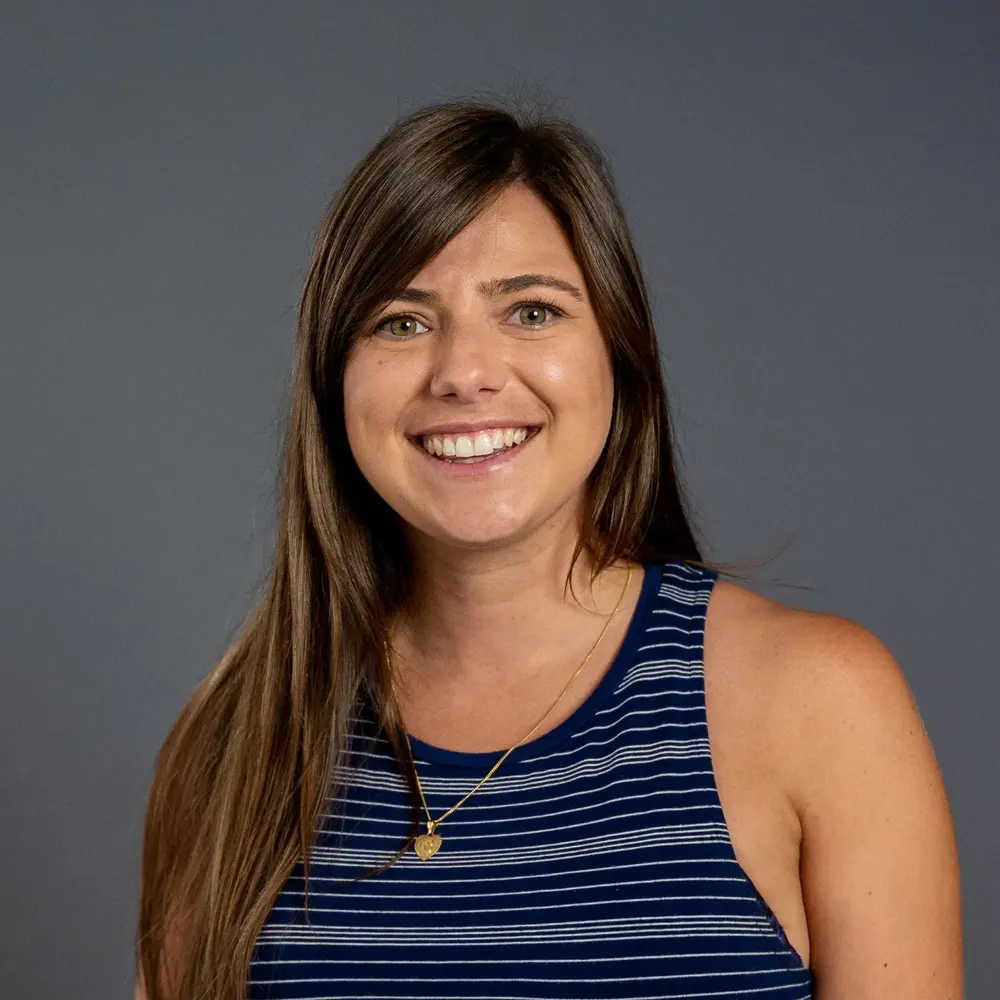
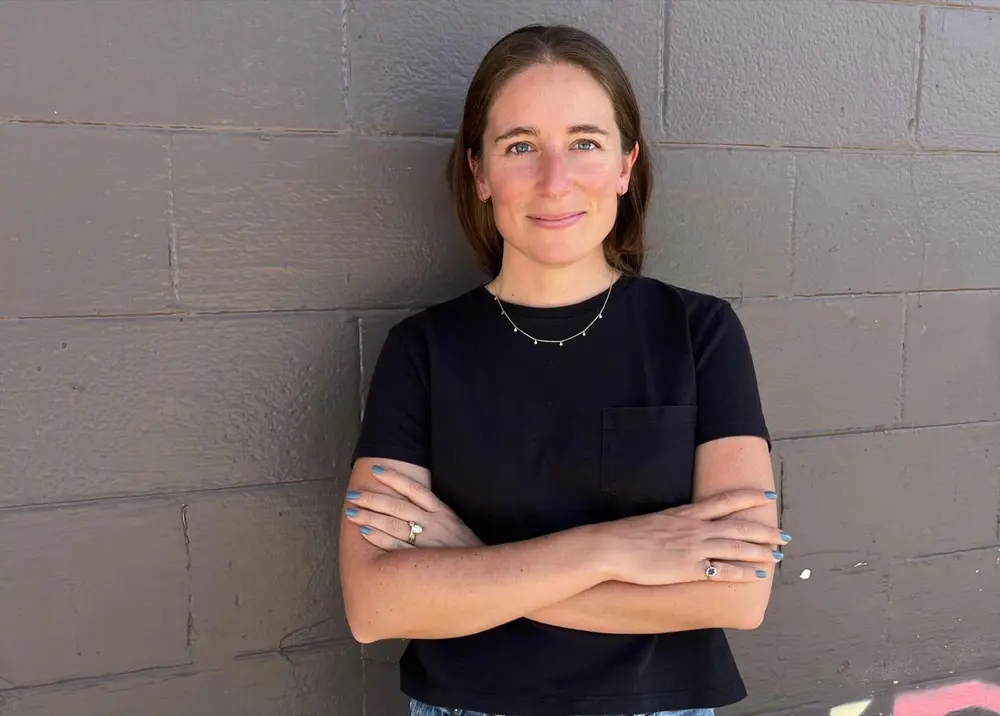
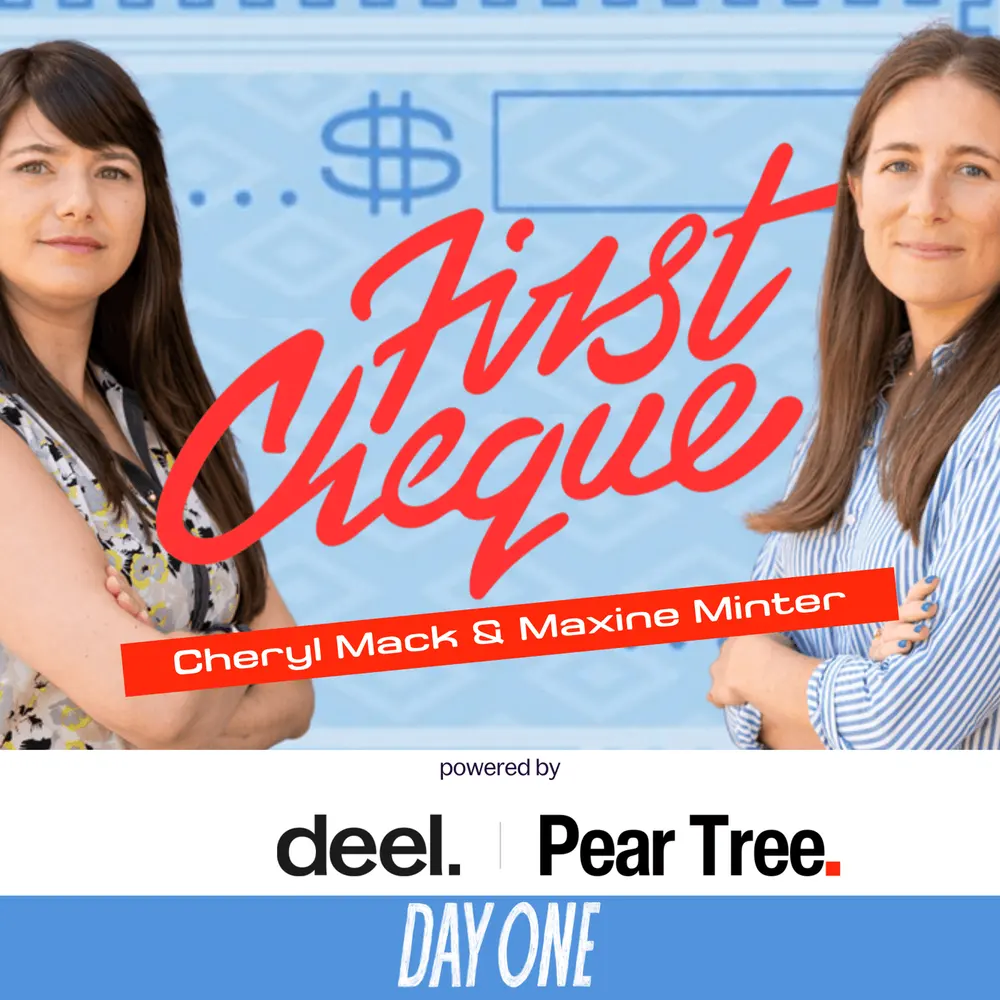 First Cheque with Cheryl Mack & Maxine Minter
Presented by Deel & Pear Tree
First Cheque with Cheryl Mack & Maxine Minter
Presented by Deel & Pear Tree 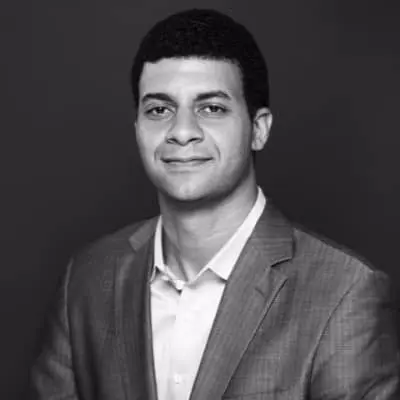
 ▶
▶ ▶
▶ ▶
▶