Transcript Synced · select any line to jump ▾ 0:00 Speaker: I just really like building things. As soon as I started uni, I spent majority of my time not going to uni, but building things with my co-founder. And that was just like enjoyable. And it's a little bit of that addict, like I kind of get lost in time. 0:11 Speaker: When we started, it probably took 40 to 50 hours of human time per patient per year. Today we do it in somewhere from 3 to 5. I think by the end of the year we'll have that down to a few minutes. 0:20 Speaker: The AI on base of 6 months or 12 months time is gonna be helping people who aren't the nerds getting AI agents to everyone else. Whether it's like someone has built a great AI agent and they need to convert it to something that my mum could talk to. 0:32 Speaker: How do we make Australia more AI-friendly and adopt AI in a faster way? 0:37 Speaker: The difference between Sydney and San Francisco is quite large, I find. When I come back to Sydney, I feel like I'm like falling back about 6 to 9 months in time. 0:45 Speaker: Engineers here in their off time won't necessarily talk about engineering, but in SF, even non-engineers will talk about engineering. 0:51 Speaker: You'll see like engineers with 7 tabs open, all running parallel tasks, all making features and bug fixes at the same time. Whereas in Sydney, it's still one task by after one task. 1:00 Speaker: Should AI companies look to hit revenue early? Should they build the platform and the community more? 1:06 Speaker: This is a controversial one. I don't know if I should say this, but— 1:10 Speaker: And we're back. Welcome to another episode of Oversubscribed. Today I'm joined by 3 of the best technical and AI minds in Australia, a great agentic flavor to the podcast today. We have Pasha from A1Base. It's like Twilio, but for AI agents. He's spinning out more agents than Agent Smith in The Matrix in 2003. We have Anshul from EverLab. He's building autonomous healthcare. Been a customer for 18 months. I've seen great returns on my health and on the investor side as well, which is fantastic. 1:47 Speaker: Thank you. 1:47 Speaker: And finally, we have Jackie from Relevance AI, the very, one of the very first horizontal agent orchestration platforms in Australia. They're also taking over the world. Massive Series B recently announced with Bessemer. And this podcast is also powered by Relevance and A1Base as well, which is great. So guys, before we start, Mixing it up. Thank you so much. I know 3 of the fastest growing companies in Australia. Really appreciate your time. We're right here on the ground level, Surry Hills, where all the magic in the startup scene is happening in Australia. But Pasha, just talking before the— before we hit record, you've been back and forth. SF, San Francisco, the home of AI. You're over there once a month. Tell us about the differences on the ground, what the talent is like, and What's the adoption of agents been like in the US versus Australia as well? 2:44 Speaker: All right. So, no, like the difference between Sydney and San Francisco is like quite large, I find. Like the engineers and the culture and the energy in San Francisco is really about pushing what AI can do right now. So whenever I go there every month, I'm always learning about new techniques and ways to kind of get more out of AI, building new products, you know, serving customers in a unique way. And when I come back to Sydney, I feel like I'm like falling back about 6 to 9 months in time. Because I feel like the culture here on the tech and the engineering just, um, it's aware of what's happening overseas, but they're not in the weeds building yet. 3:17 Speaker: Interesting. And so you guys are hiring? Penny, your co-founder, is over in SF now. 3:21 Speaker: Yeah. 3:21 Speaker: Thinking of hiring the team there, or a bit of a mix? 3:24 Speaker: We're probably gonna do a mix. You know, I think there's really cool— there's a different culture between engineering and technical talent in San Francisco and Sydney, and, and that kind of has like flow-on effects to the, the quality of the product you're creating. So yeah, we'll probably do both, but they both have different strengths and weaknesses as well. 3:39 Speaker: Who's gonna be the, where are you gonna hire first? Or is it depending on like who you get first, I guess? 3:46 Speaker: Have you hired any engineers yet? 3:47 Speaker: We have hired engineers. 3:49 Speaker: In Australia or? 3:50 Speaker: In Australia right now. So we started here, but that's kind of a proximity thing, right? 3:54 Speaker: Yeah, yeah. 3:56 Speaker: But what we do want is like the really crazy ambitious engineers in San Francisco. 4:00 Speaker: Yeah. 4:01 Speaker: I feel like the cultural thing of engineering Australia versus SF is that the engineers in San Francisco will try to like just go all the way to be the best in the world. Whereas in Sydney, they're really reliable. They're great engineers. They're good around building a good culture. But like there isn't a desire to like create the best product or technical thing out there. And there's various reasons I think why that's the case. But you know, I'm sure like, and I'm sure there's elements of like seeing some friends really make a lot of money in San Francisco versus Sydney. We haven't had as many exits. 4:31 Speaker: Mm-hmm. But yeah, it has that type of thing. 4:33 Speaker: Is that what you kind of see as well between the two? 4:35 Speaker: Yeah, I think what you're saying, we don't have any engineers, well, software engineers in SF, but we have a lot of solution engineers. They work directly with customers. They've been absolutely fantastic. And I can definitely get what you mean by like they're crazy ambitious in terms of that side. But yeah, it is a very crucial time. And I think like it's really crucial kind of educate your team about like, you know, how is AI impacting engineering? Because quite funnily, it's one of the big areas that it is impacting. And there is very much— what do investors or stock traders call it? Like alpha? There's a bit of— Arbitrage. Yeah, there's like an alpha. Yeah, there's an arbitrage at the moment where it's like if you're using AI in terms of coding, you're going to get like honestly, probably it's like 10 to 20x productivity, especially if you know how to use it right. And that's is still not even fully figured out by the world. How do you use Cursor or Claude code the best way? How do you even write the Claude MD files appropriately? Or how do you even get the agent to write the MD file so that you don't have to write it, et cetera. 5:44 Speaker: So even on top of that, I walk around some technical spaces here in San Francisco and you'll see engineers with 7 tabs open all running parallel tasks, all making features and bug fixes at the same time. Whereas in Sydney, it's still one task by after one task. 6:00 Speaker: Yeah. 6:01 Speaker: Which hopefully will change. But yeah, it's like the best practices is still being made and it actually comes out from San Francisco to the rest of the world, I find. 6:09 Speaker: Yeah, yeah. I think, yeah, you definitely see that probably more from maybe like individual engineers in San Francisco. But I will say it's not like every single engineer in Sydney is like that. We have people on our team, who like to push that forward. Like I've been talking to one of our engineers because we both do this similar flow where it's like we would make a bash file to essentially create multiple instances of Claude and multiple Git work trees so that it's very easy to now have like, you know, 6 to 10 like PRs running at the same time. And then all I find is just, I will just like talk to it and then just, even test on like localhost 3000, 3001, 3002. And eventually I'm like, oh, my computer's actually not able to handle hosting this many instances. But, um, yeah, it's, uh, it— there's definitely that like, you know, alpha slash arbitrage at the moment. 7:04 Speaker: So yeah. 7:05 Speaker: How are you guys pushing that through the org? 7:07 Speaker: Um, honestly, a lot of education. Um, I think as a founder, being hands-on and, you know, telling people to do one thing is one thing, but like, if you're not If you haven't done it, I'm very much a person like that. I like to get hands-on. I really believe in the term like operate at all levels, meaning like if I can't operate as an engineer, I don't have a really good like taste slash instinct on what's gone wrong, what's going right, et cetera. So I just use it. Like I started really pushing prod code with it about, I'd say like 2 to 3 weeks ago. And pushing about like 12 PRs every week. And that's why, Brendan, you messaged me out like, oh, you saw I was online at 3 AM? 7:53 Speaker: Yeah. 7:53 Speaker: I'm like, yeah, I'm like doing work and then just like coding on the side. It also helps shore up a lot of weaknesses I would have. Like I suck at writing front-end code, meaning I don't actually like, never bothered learning like React and Vue. I'm great in terms of backend code, but like, yeah, so this helps me shore up a lot of that. And then especially if there's intricate CSS magic that I need to do. It's like I just ask it. And then I still can read the code to verify that it's not doing anything super inefficient or crazy. 8:25 Speaker: So yeah. 8:25 Speaker: Do you get those PRs into production or do you then hand them over to someone else to clean up? 8:30 Speaker: No, no, I get it into production. 8:31 Speaker: Okay. 8:31 Speaker: It's funny 'cause I told the engineers, 'cause they would put reviews on it. 8:37 Speaker: Yeah. 8:37 Speaker: And I'm like, great, just make sure that it's a bit more contextual because I'm just gonna plug this straight back into the— 8:44 Speaker: Yeah. 8:45 Speaker: Like I have a pretty good setup in terms of how it pulls the— 8:48 Speaker: The comments. 8:49 Speaker: Yeah, the comments and everything. 8:50 Speaker: What do you have in the toolkit apart from Claude Code? 8:53 Speaker: I actually mainly just use that one. We use our own platform a lot. So like if I wanted to run Claude Code just in the cloud and just for like a very small PR. So like let's say I wanna change this button from like, I don't know, on hover it changes color to like no hover change color. I would just actually just talk to one of our agents it would spin up an instance where Cloud Code is also spun up. It's also connected to GitHub. So then it would actually make that PR request. And then I just look at that and I'm like, okay, great. Yeah, let's push that. 9:24 Speaker: So yeah. Before we get back to the conversation, I want to tell you about the sponsor who made today possible, Vanta. As a startup founder, you're juggling multiple priorities from the expected, like finding product market fit, to the unexpected, like customer requests for SOC 2, ISO 27001 certification. But achieving compliance is time-consuming, and time spent on it is time away from needs of the business. That's where Vanta comes in. Vanta is the all-in-one solution for startups to become compliant quickly and build a security foundation with ease. With a combination of automation, an extensive partner network, and a security marketplace, Vanta provides the necessary tools and expertise for startups to achieve compliance seamlessly, no matter how urgent your needs are. And at every phase of growth. Over 10,000 leading companies, just like the ones who have been on the Oversubscribed podcast, like Everlab, Relevance AI, Instant, Alloy, and Atlassian, trust Vanta to automate their compliance so they can focus on growing their startup. Mm-hmm. Startup customers get $1,000 off at vanta.com/oversubscribed. And we're all A1Base customers here, I believe. Can you tell us a bit more? What does the Twilio for AI agents actually mean? 10:54 Speaker: So like our thesis at A1Base is that everyone's interacting with AI agents right now as if it was a tool, but ultimately everyday people will talk to AI agents as if you're talking to a friend or a coworker. And what we're building when we say the Twitter for AI agents is that we're building communication layer so that when someone at work needs to message someone for whether they're another company by SMS, whether they're sending an email, whether they're sending a Teams message, they plug into our infrastructure, which is built for AI agents to help make those messages get out to these other players really, really well. And I think for us, it's like there's a whole infrastructure or technical component to it, which is like How do we actually enable that better for AI agents than just standard spam marketing? But yeah, like what we do is we want to help, you know, AI agents, you know, the AI agents that are, you know, on Relevance or in EverLab, kind of get to people in a way that they want to be communicated with, right? And you know, we're in this tech bubble here and we're talking about really cool things around like Claude Code and stuff. But my mom still finds it really scary to talk to an AI. And like, you know, when you walk down the street, at least in Sydney, most people aren't engaging with AI every day at the moment. So we want to really change that in a way that's friendly and trustworthy for people. 12:11 Speaker: And do you think that's making it more relatable to people? Like Jackie, I remember I went to the Relevance Series B party of sorts and you had a few case studies, you had SafetyCulture, a few other great companies, and all of those companies give individual names to their agents, which I thought was interesting. You know, they give them performance reviews as if they're a real person as well. Like, how do we make Australia, I guess, more AI-friendly and adopt AI in a faster way? 12:39 Speaker: Yeah, I mean, hopefully we'll help accelerate that. We've been working with a lot of Australian companies, but yeah, I think the personalization does help a lot. It makes the person building it— it's like building, let's say, a Lego piece yourself versus like someone else building it. If you start bringing a lot of these personified characters, you just grow more attachment to it. And as well as when it doesn't work in certain instances, you're more invested to want to improve on it, etc., especially if there's a lot of users for it. So that's what one of our customers, SendPayments, they're the one that does the performance reviews for agents because they built a lot of agents and they're like, okay, which one is actually Good, because we want to potentially keep some of these but call some of these as well because they do use tokens, etc. So a lot of these things help make it more comfortable for the rest of people. But it also is a matter of distribution, meaning how do you distribute this? Right now, people would have to go into all these interfaces. But what if they just want to talk to an agent just via SMS, just via WhatsApp? Yeah. Just via Slack, which why we decided we want to use A1base. So yeah, by having it more be communicating to you in, I guess, human-like channels, it allows you to be more comfortable with it. Another good example is voice agents. We recently rolled that out. And that actually also, it's quite fascinating how often people would actually talk to them, even for personal use cases. So yeah. 14:19 Speaker: What are the best agent names that you guys have at Relevance? If you haven't checked out the Relevance marketplace, it's massive now. They're all named, most of them. Who comes up with the names? Do you name the shit agents after people you don't like? 14:34 Speaker: Yeah, so the best one is probably the first one, which is Boche, which does sales, BDR, business development. It's named after our head of sales, Roche. And then we just added B in front of it because business development. So, yeah, Bosh. And then that was actually an internal name and it just somehow just stuck. That was a great one. But on our marketplace now, we've slowly opened it up to more people. So you can even charge for those agents. So if you wanted to build an agent and it's really valuable, you wanted to charge it for like $1,000, you could do that. I've seen some really interesting names. Some have actually also deviated away from naming it like a person. Some have said like, use this agent to hire me. So it's been interesting how they're trying to now do the whole YouTube— The whole YouTube thumbnail tactics. So yeah, but I heavily recommend personifying the names. 15:36 Speaker: I think what's interesting as well is on the point about Australia or San Francisco, What I find with founders and the teams here in Australia is that we care about the people more. Like when we're creating these experiences, we kind of create thinking about the end user. Whereas like, I feel like Silicon Valley is still in the weeds of like, you know, better models and faster, which is still, they're both freshly really required. But I love, what I love about being back here is like, oh, how do we actually get agents out to everyday people? Or in context that make more sense rather than just like as another like coding tool. 16:04 Speaker: Yeah, I understand. I find like, Like, for example, engineers here in their off time won't necessarily talk about engineering, but in SF, engineers, even non-engineers, will talk about engineering. Like, I just remember, I think, oh, when I was last at SF, it was probably around half a year ago or something like that. I'll need to go back soon, but I was like talking to this marketing person and he was talking to me about RLHF. And like going very deep in it. I'm like, wait, you're a marketing person? It's like, yeah, yeah, um, I, I, I find this stuff fascinating because like that's what that area all talks about. And I think that has a lot of like— it starts to fester where, you know, crazy radical ideas can essentially keep, you know, not be discriminated upon and people enjoy talking about it versus here, like, you know, um, there's a lot more of that, I guess, like outside of work you don't really talk about these things as much. So yeah. 17:01 Speaker: Do you think that goes to work-life balance as well? So like, you know, like you just did, why culminate the last cohort? There's a lot of videos of, you know, teams. I think I saw one from Den, another Australian-founded team that, you know, time-lapse of them in their dorm working 18-hour days. 17:16 Speaker: Yeah. 17:17 Speaker: 7 days a week. Like Australian investors have somewhat frowned upon that approach, whereas in the US it's more celebrated and stuff like that. What's your take on that? 17:27 Speaker: I think it's just a spiritual thing, right? Like Australians spiritually don't do the, that type of 24/7 grind, and Americans tend to. I mean, it really is up to like, you kind of opt into it, right? Like, you know, um, I think most founders quite transparently work a lot of hours. Um, we do it for the love of the game, I'd like to think. Um, I know I don't wake up going, oh, I have to do some work. This isn't like being employed in an annoying company. This is like stuff that we love. But I will say that the Australian culture does have more of a work-life balance thing, and it has its advantages and it has its disadvantages when it comes to like building a startup. But It's really up to the team that you want to build. 18:01 Speaker: I mean, it depends on the industry as well, right? Yeah. Like the example I always give is look at consulting or investment banking here, right? Like no matter how hard we work, like even if you're doing the US crazy tech hours, maybe some of them, but it's probably not going to be comparable to like New York banker. Yeah. 18:18 Speaker: And so— Or New York lawyer or, you know, yeah, those are— 18:20 Speaker: Yeah, exactly, right? Like Australians still work hard. It's just for whatever reason and— Maybe it's the history of the tech companies here. There's only been a few that have gotten to that corporate stage really quickly. By default, tech here doesn't work super hard, but you still find— I call them the addicts. Like, I'm an addict. I think we all are. But you still find the people who love the game. 18:45 Speaker: Yes. The outliers. It's exciting. 18:48 Speaker: Well, I will say there's less social pressure to do the the FaceTime in tech here, which is nice. So most people are more— generally people are more efficient when it comes to getting work done. 18:57 Speaker: And then you're talking about making agents more relatable, more personable. I know you guys are doing some very exciting AI stuff at EverLab. Like being a customer 18 months, it's an app I use every day. Like you're ingesting my last 30 years of unstructured raw health data, putting into a very beautiful UX that you can see. On the screen now. So I mean, how do you think about, I guess, 10 years into the future, like you're creating a new category called autonomous healthcare. Like, are we going to see AI doctors? Are they going to triage? Like, would love to hear what you guys are thinking about here. 19:35 Speaker: Yeah, for sure. So when people think about AI doctor, for whatever reason, they imagine like either a humanoid kind of AI doctor or Somebody on a screen, but it's actually AI. But if you think about what happens when you go to a regular GP today, GP's got two jobs. Job number one, give you some advice. Everyone thinks that's their main job. For the most part, their job is actually provisioning third-party healthcare services for you, right? You go to the GP, here's a referral for the chemist, a referral for a scan, for a blood test, for a specialist. And they're just orchestrating third parties for you. They're gatekeeping Medicare and deciding Oh, okay, based on the information I have about you, usually that information is 10 minutes of verbal conversation and a tiny bit of historical data. And then they're saying, all right, well, you should go over here. And maybe those guys will say something, you'll come back to me and we'll catch up about it. And if you look at any of the digital health brands, any of the eucalyptus brands, UpDoc, Inscription, whatever, they've made businesses around taking one healthcare vertical and making it more convenient. You go to a Eucalyptus brand, each of them will sell you one drug. There's one for finasteride, for Viagra, for Ozempic, for the contraceptive pill. And pretty much what you're doing is you're saying, all right, I will pay a premium so that I don't have to go to the waiting room, sit around, chat to the doctor, go to the chemist, pick up my script, and then do the whole thing again next month. We actually think that the doctor should just do the advice-giving bit, right? Chances are that's what they're going to be best at. They probably don't want to be doing all of the admin work of gatekeeping Medicare and digging through 30 years of data and deciding where you should go and getting the results back. And there's a human element here of judgment and empathy and care navigation, which is really important for a human to do. But actually what an AI doctor looks like is not necessarily, maybe some part of it is a AI-generated person on a screen, but far less than that. It's how do you automate taking all of the real-time data about someone, historical and into the future, deciding what their risk profile is based on that, deciding where the opportunities are, and then off the back of that saying, okay, cool, we've got the ability, we've got the platform to provision the things which you might need. We're cutting all of that admin work out. When we started, it probably took 40 to 50 hours of human time per patient per year. Today we do it in somewhere from 3 to 5. I think by the end of the year we'll have that down to a few minutes. And we're doing that in a way where it's safer, more delightful for the customer, more reliable. And we're kind of just shifting where the human time goes towards a higher impact activity. 22:17 Speaker: Yeah, super interesting. I caught up with DST, They're a big investor early in Facebook. They're invested in Canva, Airwallex. Caught up with them last night in Sydney. Big fans of the show. Shout out to KP, Jonathan, and Yosef. And they asked me, you know, what are the craziest pitches you've heard in Australia this year? Like they were maybe lamenting a bit. They're not hearing these very ambitious founders, as you're saying, Pasha. Maybe they see that more in San Francisco. But I mentioned, yeah, Relevance, Everlab. 22:49 Speaker: Everlab. 22:49 Speaker: And A1Base, and they agreed it's like a crazy pitch. Like they sort of took it back to like if you first heard even something like Uber, if you heard the first Uber pitch by Travis Kalanick, sounded crazy that someone would drive up in a black car or their own car, pick you up, take you from point A to B. So like why did you guys, I guess, A, choose something so ambitious? Like, you know, it's hard. What was the term you use? You know, you're hardcore or something like that. 23:17 Speaker: Addict. 23:18 Speaker: Addict. 23:18 Speaker: You're an addict. 23:19 Speaker: Just love the game. You love the game. 23:21 Speaker: You know, it's going to be all-consuming, you know, your life's work or whatever you want to call it. Like, how are you guys, besides being on this podcast, how are you going to inspire the next generation to, you know, go for those big goals? 23:32 Speaker: It's a big question. 23:33 Speaker: Big question. Break it down. 23:35 Speaker: I think it's what you said, like, there's a bit about the addict. Like, I wouldn't push someone who, you know, it's outside of their comfort to do, like, you know, to run a startup. I think it's not for everyone. And, you know, if you're chasing for the status of it, which some people honestly, especially at SF, I've noticed that a lot of people will build startups just for the sake of it. I think it is a bit of that addict where you like having this, you know, you like building things. I think that was really cool for me. I just really like building things, even, you know, as soon as I, or even before uni, but like as soon as I started uni, I spent majority of my time not going to uni but building things with my co-founder. And that was just like enjoyable. Like, and it's a little bit of that addict, like I kind of get lost in time. I remember, in fact, one of our investors recently told me the story that I actually had forgotten about. But he said, oh, we were at the office at like Friday. And then when he came back on like Monday, we were still there. And, and I had recalled that, yeah, I actually didn't sleep much. But That was because I just purely enjoyed it. It's like really, really fun to just build things. And even more fun when you build things that like people like and enjoy and giving you good feedback or even bad feedback. Because then with the bad feedback, you're like, okay, I'm gonna prove you wrong. I'm gonna make this even better, et cetera. So I just find that really, really enjoyable. And kind of, I feel like as you build more and more things, your ambition of what kind of things you wanna build gets bigger and bigger. It's kind of like when you build Legos, the first one is like very enjoyable. Then that probably was like just a mini car, but now you want to go build a castle, and then maybe next you want to build a whole city or town. There is that bit of mentality, but if you don't find that enjoyable, I don't think it's like— I don't think you should force it. 25:26 Speaker: I think like we don't— just because you're not in the same level of ambition as like some other founders, like that's not a bad thing in itself, right? If you do decide to go down that ambition route, I think like having fun is like kind of a key thing as well. Like, you know, to your question about like how do you inspire that next generation, specifically for Australia, I think one of the worst things about tall poppy is that it's not in itself bad, right? It's kind of good to cut down people who get too big of a head and think they're better than everyone else. And what I love about Australian successful founders and people is that, you know, like they're not gonna be going to like a cafe and being rude to the waiter just because they've made it. 26:00 Speaker: 100%. 26:01 Speaker: Unlike some other cultures that we obviously are thinking about here. But I think one of the things One of the things that I think just for this next generation, at least in Australia around ambition, is that like, I think it's okay to give yourself the permission to try to build something that is like world-changing. I think a lot of Australians actually, I mean, it's different for us. We've all, we're at this phase where like we've got some momentum and it's kind of cool. We've seen it a bit. But for the younger founders, I find that a lot of first-time founders here are like, oh, you know, I just wanna be a small business. I wanna do this. I wanna like make profit. And that's kind of cool in itself as goals. But a lot of the time they're saying it as cope, I think, because they're not able to tell themselves that, you know what, I wanna try to build something that's worth $100 billion. I wanna make something that's like the first thing in the world that does this. And I think it's important to kind of tell that younger generation to be like, hey, it's okay to have those crazy ideas. If you succeed, you're not like, you know, you're not gonna instantly become an asshole, which is like generally what people, I think in Australians, there's this underlying assumption if you're successful, you're a terrible person. Mm-hmm. Which is funny when you talk to someone in corporate and they think about the bosses or the partners of these firms, they're generally mean. And I think, I'd like to think, you know, like us three as well, you know, like we're able to show everyone that, hey, it's okay to be revolutionizing healthcare, revolutionizing the workforce, revolutionizing infrastructure and playing for big. We were playing for the hundreds of billions of dollars of exits and have fun doing it and like not, I don't think any of us will be dickheads, I hope, as we make it, you know? 27:29 Speaker: 100%. 27:29 Speaker: I know these two guys from ages ago and everyone's like, we're just here for the game and we just love people and we love what we're building. So I think it's just like giving that next generation permission to dream big and it's not gonna make you a bad person because once you dream bigger, you actually drive for more interesting insights that lead to better product decisions and business decisions as well. 27:47 Speaker: Yeah, I have an interesting take 'cause it kind of, you know, comes into like even like how our engineers are, etc. But like, I think one of the things that makes a lot of these things harder is that in Australia there's more random enjoyable things than just work. 28:08 Speaker: Yeah. 28:08 Speaker: Like, I just really like building things, so that's like what really drives me. But like, there is just other random things that, you know, in Australia that we have the luxury of. Whereas if you're in— I'm not, not to crap on SF, but like in SF there's, there's not that many enjoyable things you can do outside of work. Maybe like go to the mountains, but if you're not like an outdoor person, that's not that enjoyable. But in Australia there's a lot of that. Like, you know, if you, if you're really into running, there's a huge like run club scene here, like the City to Surf. If you're really into mountain climbing, there's a whole bunch of things like that. So it's like even just like As I grew up here, society kind of commends you to explore a lot of these hobbies more. So you start realizing, you start to enjoy things outside of just education and work. And I think that plays a part into it. Whereas in some of the more other cultures, you don't necessarily get the luxury to enjoy things outside of, you know, work, outside of, you know, education. I say this like I studied in China for like 5 years. All I thought about was like education. Mm-hmm. 'How do I ace my next test?' Etc. And this was in primary school. As soon as I came here, it was like a whole cultural shift. It was like, oh, I don't— like, education is not the primary thing I need to care about. It's like, oh yeah, there's your health, there's like, you can think about hobbies, sports, etc. It's like, oh, it's not just like the math score. That being said, I start to realize I really enjoy math, but I think that's one of the things as well that kind of dissuades it a bit. So yeah. 29:38 Speaker: But what I think quickly to add is like, what I love about Australian culture is it's not just those marks and stuff, right? But like in sports and these other things, like we have a really good culture of working hard in reality. Like, you know, there's none of the, there's actually not that many status games in Australian culture, which is quite nice. Like you do good stuff and you're a good person. Like, you know, you're a winner generally. And we have such a good sports culture. I actually feel like some of the best Australian people and like founders have done a little bit of sports growing up. Because we really like winning. And you see it in cricket and in the football and everything else that we do. 30:10 Speaker: Yeah, 100%. 30:11 Speaker: I mean, back to your original question, I think all of us have also built a few things before. And I think part of the way I view going more complex is it's like when you win certain levels in the game, you don't really want to go back and play that level again. And so there's just something about Mark and I, one of my co-founders, when we were we had this period of time where we were just looking for the next thing and we'd find these ideas and we'd be like, this could definitely be big. And we're like, man, I don't know if I could do this for 5 years. 30:42 Speaker: Right? Technically. 30:43 Speaker: It's technically another CRUD app. We know it'll make money. We know how to do the playbook, but it's not exciting enough. You kind of want to do something bigger and harder. And EverLabs is 100% that for us. It's complex, in ways I don't think anyone's had to solve before. We have to deal with the real world. People go get a blood test done at some random place. Somebody loses a vial of blood. You have to figure out with the lab how to use the remaining blood to recalculate whatever biomarkers you're missing. It's a far more complex game. And I think same for both of you guys. And so I think there's also just an element of you don't need to jump ahead. You can also level up to the do the easy things and then the slightly harder ones. And at some point you'll feel like it's time to do something incredibly complex. 31:33 Speaker: Yeah, that's interesting. You're all, I guess, building in the infrastructure space to a certain degree. Do you think that's a massive defensibility/moat aspect now? Real-world things, losing vials of blood, going for a DEXA scan, going to do a physical in-person, it's something that it's not easily easy to replicate code to— 31:55 Speaker: Yeah, for sure. I always say pain is moats. Whenever we see pain, people always think when there's discomfort that there's something wrong. It's not comfortable, things are breaking, something's wrong. But they don't have that mentality about the gym. Imagine you went to the gym and you're like, I'm sore, there's something wrong. And there's obviously good pain and bad pain. You can also go to the gym and Oh shit, I'm injured. That's very different. But in a business, sometimes you're going through pain and you're like, oh, that's good pain. Because when we do this, nobody else is going through that pain. And the number of people around who are willing to go through this pain to build this moat is probably going to be very few. And so the more pain you endure, the harder it is for someone to come after the things that you've built. 32:41 Speaker: I remember, congratulations on your Series A that was recently announced, led by Left Lane. A great investor out in New York. So I met with Laura from Left Lane when she came to Australia to do the DD, and she just like was blown away by the complexity, like the problems that you're tackling head on, like integration into the legacy health system. Like, I guess, like, can you tell us the story of like you sit down with Mark, Dr. Stephen, and Sam when you're tackling so many hard problems at one time? And I know, like you said, a bit of pain is good, but this would just be like, you know, as they say, waking up every day and getting punched in the face with many different problems. Like, how do you handle that as a team and I guess build that culture of, you know, finding people that want to come in and solve these super hard problems? 33:32 Speaker: Yeah, for sure. I mean, one unique thing about us is we're a 4-person co-founding team, which is, you know, obviously a bit rare. We've got a doctor on the co-founding team, which you'd be surprised, is also rare in healthcare. Yeah. And so I think we do a few things really well. All of us have very clearly defined areas. We've all got superpowers. We're very good. We actually don't need to talk that much week to week because we all trust each other to go off and own those areas really, really well. And we definitely need all 4 of us. This would be infinitely harder if one of us was missing just because there's so many different areas. Stephen's been a doctor for 15 years. Ran essentially a private boutique practice that was the beginnings of Everlab for 6 years before we found him. So I think that's a huge part of it. I think the other part is we interestingly are always more or less aligned. Whenever there's a problem and we sit down, it's never any real big structural differences in what we need to do or where we need to go. And that's very unique about this business. The nature of the business is such that we're incredibly close to our customers. We have doctors jumping on calls with them. We have doctors as part of the team. We interact with them just in such a deep way so often that we're never debating what should we build next. It's always a debate of should we build it in week 2 or week 3. The pool of what the customers want is very, very clear. It's usually just figuring out the details and the sequencing of what to build. But I think, and I've done this before, I'm sure you guys have as well, but in the early days of a startup, you often have this product-market fit. Are we building the right thing? Is this what people want? Let's go here. No, let's go over here. It's a very stressful time because you're questioning everything you do. For whatever reason, we just never had that. Maybe because we started with what was fundamentally a services business in the beginning, right? 6 years of Dr. Stephen doing this himself. We had product market fit off the back of that and it became far more a question of how do we scale this? How do we automate it? How do we make it better? 35:42 Speaker: I've been angel investing since 2017, made over 80 investments, many of them through 1013. So 1013 is Australia's largest network of angel investors and each month month, we send out a curated list of 1 or 2 deals that you can choose to join in on the journey. These are companies like Everlab and Instant that you've seen on the Oversubscribed podcast and other companies like Go1, Mr. Yum, and Autograb. If you're interested in finding out more about the world of angel investing, I'm happy to jump on a call, share some war stories, and tell you about the exciting companies companies that we're currently looking at. Simply go to 1013.vc/oversubscribed and you can book a call with me for next week and we can talk about all things startup and angel investing. And I guess talking about hard problems, going back to that, Pasha, you're talking about founders aiming for that $100 billion outcome or mission, doing a good mission. What are some of the crazy pitches you guys have seen this year? AI pitches. I told DST you three were three of the craziest I've seen. Working on hard things. Anything interesting in your YC cohort that you went through recently? 36:56 Speaker: I mean, there's a lot of interesting things. You've got AI for pesticide discovery, which is kind of cool. AI for nuclear energy. I think there's like, the thing is like, what's interesting right now is that it's almost better to pick a hard ambitious problem and put something like AI and put the talent to it now. But yeah, I'm trying to think of the craziest. I mean, I've seen some crazy pitches which aren't AI, which I won't share. But no, I think what's really inspiring is that this wasn't like the B2B SaaS era where everyone would be like, I wanna build a SaaS just to make something easier for another business. Where people are like, let me find the biggest opportunities in the world, whether it's like chemicals, nuclear, it's like communication infrastructure, it's like security, and apply the best and fastest technology to it. And yeah, I think it's gonna pay off for a lot of people down the line, you know? Uh, it is actually probably easier right now to take AI, make relatively easy money, you know, like in terms of like sell an app to a few businesses, get to like $100K, $200K in revenue. It's still great milestones and everything. Um, but it's inspiring to see a lot of people out there who are trying to solve nuclear energy, you know, like, like health, workforces and everything. And I think, uh, yeah, crazy pitches. I can get back onto some of the funny ones. Um, But yeah, yeah. How about you guys? 38:15 Speaker: I always find crazy pitches are the ones that it's not my area of expertise, so therefore I'm like, oh, that's crazy because I don't understand it. Um, so anything with like nuclear or anything with like, um, quantum— actually quantum computing I've understood more, but like anything to do with like nuclear, I'm just like, yep, no, no idea, but this sounds crazy and this sounds really cool. Uh, I think the— in the AI space, it's I feel like all of the ideas are probably ambitious to a certain extent. I think you start to get used to just hearing about like, oh, this is just like AI for etc. I think what I find more interesting is how specific it becomes. I find, for example, there's this company that— well, it's a new startup ran by Joe Harris. 39:03 Speaker: Alloy. 39:04 Speaker: Yeah, Alloy. And they're doing some very, very specific robotics thing. And I find that really ambitious because He's picking a space where it hasn't really taken off, but he believes the puck is pretty much going to move there. He's not operating on where the puck is at the moment, but where the puck is going. He believes robotics is going to be absolutely— and I believe the same— it's going to be absolutely the future in 2 to 3 years, or even less than that. And he's building infra for that. I find that ambitious because it's ambitious in that the market isn't necessarily there yet, but you're going to build for that market so you can be the first mover. We had to do a similar thing. AI agents was not a common thing, like I'd say like a year or two ago. And we decided, hey, we're just going to build like the right infra for it. We're going to make people be able to like, you know, use it. There's a lot of challenges with that because if you're building for something that people don't really know how to build for, how do you know what's the workflow, etc.? Like for example, GPT, like that workflow is super clear. But for agents, people don't know, didn't know what was best practices. Even now it's still a bit blurry. We've had to conglomerate our own set of best practices. I find that pretty ambitious because it's like you're really operating in a lot of unknowns. How do you know robotics data is going to look like X instead of Y? So what does that mean? You probably have to build infra so that it can handle either side, or you're just going to pick, hey, I just I just have enough foresight or enough of a vision to know that it's going to be like X. So I find those are the things where it's like there's so many unknowns to how to solve this problem. I find those ideas really ambitious because it's like to execute on that, you're just operating on like, on like pure instinct slash knowing how to get the data. It's also really fun. But yeah. 40:50 Speaker: It's quite interesting because all three of you building in an area where you're one of the first to market, you're sort of predicting the future. I always like to say angel investing or the startup space, it's like the closest thing to time travel. Like you have to look at the founder now and the market they're building in and in the future sort of concurrently. Any favorite time travel movies growing up? So Back to the Future, X-Men: Days of Future Past. 41:17 Speaker: Back to the Future is a classic. 41:19 Speaker: Back to the Future 2. 41:20 Speaker: Here's a weird one, Steins;Gate. Is that going back? No, that's— 41:24 Speaker: Dark is really good if anyone's seen Dark. Yeah. German. Time travel show. 41:28 Speaker: Is that Mark— one of Mark's favorites? No, surprisingly not. But yeah, like time travel, like how did you guys come up with the foresight to identify these areas? Like, I know Jackie started as a vector database, you know, we're doing okay, and then pivoted to chaining and then agents, I guess. Uh, like how did you identify that healthcare was moving that way? And yeah, passion— 41:50 Speaker: you need to predict the future, like One of my favorite examples is AirPods. For years, for decades, I dealt and everyone dealt with tangled earphones. And somehow when AirPods came out, people were like, "Oh, those look stupid. That'll never work." Yet this pain just became invisible to everyone. The entire world somehow became invisible to this pain of AirPods. And usually you're not making bets about— you don't need to see into the future about the problems people will have. Because the problems people have are fairly consistent. They want to do less work, they want to be more entertained, they want to feel better. That's never going to change. And so usually the only bet you need to make is that I can find a way to do this thing better for these people. And every now and then you might build a business around regulation or compliance. You might say, oh, I think GDPR is going to happen and I can build a business around that. And that's more of a future-looking bet. But usually most things, there's a lot of markets out there where you can just look at the market and say, "All right, well, this kind of sucks in this way at the moment. We don't necessarily have a better way to do it yet, but at some point we'll have the technology to do AirPods. We'll have the technology of AI to make the workforce easier." It's surprisingly not that hard if you reframe it that way where You just need to say, all right, how do I take a problem I'm convinced about? And there's something coming up very soon that'll make it a lot easier to do. 43:20 Speaker: I think that's the difference between a founder and an investor, right? When articles get written about founders and startups, it's always after we've figured out how to pitch it to investors and pitch it so there's something compelling about it. But people think the market opportunity was the cause of the company or the startup, but it's really that most of the time founders find something interesting that we can fix, like you were saying, right? It's just, oh, we can, that could be a little better. You know, like before we started A1base, I was doing art school and I was like, actually this could be a little better. And this is like, we were doing it generally more for fun or for interest, I find. And if we pivot to something else, it's because as we're trying to solve that problem, we pivot into something more bigger, there's a bigger opportunity that we see. But I think like the cause of a good idea that ends up being big is actually more like having fun and having that instinct about what could be a bit better for everyone else. And then we learned to pitch it in a way that makes people like Brendan happy, which is like, oh, the market is huge. Um, and some, you know, and, and sometimes, you know, like you, it's always a bet, right? Like I think a lot of the times when people talk about markets being big, like there's almost this assumption that it's, it's like a contract you're making about the market being big, but really it's more like a poker bet, you know? Like, oh, I think there's like a 12% chance that this market's gonna be huge.. But it's like, for me as a person, as a founder, it's more worthwhile for me to put the time in because it's fun and interesting and it might pay off. Whereas for investors, you could, you know, it does shift where it's like, okay, like we've proven enough of the bet and this is how big it can be. So let me try to get you some returns. But I think that that difference is founders are like usually finding something that could be made a little better and whether it's exploration or something else, that's probably like why The next, like the core cause of a good company is more of that kind of instinct. And then the story of how it becomes a big market comes afterwards. 45:08 Speaker: Hmm, that's interesting. Speaking of investment, one of my favorite topics, very fortunate investor in all three of these amazing companies here today. Not financial advice, but as you can see, fantastic founders. Tell us about your latest fundraising rounds, 'cause they're all very recent, all very fresh. Might start with Jackie up, up the end. So Bessemer led Series B, the same partner that actually led the first ever Shopify round. Uh, absolute GOAT. Talk us through how the round came about, how quickly it moved, and what it's been like working with one of the GOAT investors. 45:46 Speaker: Yeah, no, um, Jeremy is amazing. I mean, our whole board is really amazing, but, um, One of the things that Jeremy does really well is that he will read the situation very quietly, and then he'll just drop almost like a very pointed, specific question about the situation that pretty much like helps you almost like summarize the whole situation in a nice way and almost like get straight to the key point. And he always provides examples of like how other companies have done it that he's seen without being like, you know, hey, this is the exact advice, but like just giving you as an example so you have more confidence in the decision. So he's really, really good in that. And also Katie and Libby, who's also on the investment team, they're absolutely fantastic. They just hustle so hard. They share us like how market trends are looking and everything. Just absolutely fantastic group to work with. To be honest, I don't really like to give advice about our Series B because our Series B was, it was pretty straightforward. Like we got that round via an inbound term sheet. It was preempted. We weren't looking to raise. We, in fact, I shouldn't say this, but we also didn't really shop it either. We just were so focused in just executing that we're like, okay, this is a nice offer. Jeremy and Katie and Libby are just great people. They've been giving us referrals to customers, showing us really interesting insight. They interviewed a lot of our customers. And they just did all of the necessary due diligence upfront so that we didn't have to spend that much time operationally. So it was just a no-brainer for us at that point. So, and I think it came through just like, you know, just pure, like hardcore execution. The company was growing well, customers were really speaking about us. And I think that was a really key one and probably will be really key for our next round whenever we decide that to happen. But like— Yeah. I think the customer part is really, really crucial. And I think one thing I've noticed specifically about SF investors, your customer DD is incredibly important. Like what your customers say about your product outside of like just, you know, you speaking to them is really, really crucial to how your product is represented. That's why you notice it's almost like a group of these like companies as well that get fundraised simultaneously because they really happily like to use each other as well. But yeah, that was how our Series B was. It was preempted, we negotiated, and then we executed, and then we moved on. So yeah, Series A was a lot more like truth-seeking, learning about how to do the fundraising process. But yeah. 48:23 Speaker: Awesome. Awesome. And before we move on, I remember you used to have a thesis about AI startups generating revenue too quickly, which can sound a bit counterintuitive. But can you expand on that? Like, should AI companies look to hit revenue early? Should they build the platform and the community more? 48:42 Speaker: This is a controversial one. I don't know if I should say this, but, um, that's what we're here for. I, I, I know I semi-regret us not doing this, uh, but we, you know, it's been a much longer journey. But I believe that if you're building in even specifically in AI, but not really, but like I think you should stay on pre-revenue for a long— longer. Revenue is a good indicator, but small amounts of revenue is not a strong indicator. I believe, like, if you don't have a really, really clear path to go from 0 to 1 to 5, like, within a year or two, it's not really that worth getting from 0 to 300, uh, and then, like, you know, consistently like that. Because you're just going to get a lot of weird signals in the path of going from 0 to 300 versus if you go from 0 to 1 mil. I say this because we actually had to reset our revenue, like not recently, but like for our Series A, we reset our revenue. We had a pretty good revenue number, but we knew we wanted to reset it because we, you know, we pivoted. And going back to pre-revenue, we were a lot more diligent about how we were going to get revenue. In fact, I feel like we should have been even more diligent. Like, we were a lot more, uh, about like, okay, we're going to be very careful about how we get the first customer, the second customer, and then from there being able to scale quickly. Because if you're doing it a bit too ad hoc, you start to create bottlenecks in how you serve customer, um, etc. And if you can just And if not too much revenue is involved, it's actually better to remove those bottlenecks. So yeah. 50:23 Speaker: I got some advice in that space as well. Like, um, we're with Michael Siebel for YC Dispatch, and he was like, the two things that— it's actually those two points, which is like, one, if you need to create the magic, create the magic first, because like, you know, that's— that in itself will always take time. But the first— the advice was, it's very Michael Siebelism, it's like the first million you make should be the same revenue you make at $100 million. 50:44 Speaker: Yeah. 50:44 Speaker: And I think that's like such, it's like kind of like, it really simplifies the way you even think about your business when you kind of like get to that point where it's like that revenue you're making now will be the same revenue you'll be making as we make it. 50:56 Speaker: 100%. And I think it's even more, I think maybe even specific to AI, but like in the generation of AI, the pace of revenue growth is like incredible. And yeah, like how we made our first million is very similar to how we made like our recent, you know, many millions. So yeah, I think that's something to just hone in on a bit. And also maybe this is more for the VC, more for the founders to know about VCs, but like it's very mathematically driven. So as soon as you make revenue and it's not on Hive Pace, you're applied against that. Like it's a formula. It's a formula. If the number to multiply from is zero, then they have to come up with a number. But if there's a number that they can attach to, then it's like, oh, you're at $100K. Well, if, if I do a 100x multiple, then that's maybe that's not great for your valuation. But if that number is zero, then they can think, okay, well, how likely is this company to make like $1 million in a year, $2 million in a year? So yeah. 51:55 Speaker: And then Pasha, you had an experience going through YC for a second time. How are you thinking about— I mean, you just closed a great round. How are you thinking about the next round? As Jackie said, are you going to push for revenue early? What's the plan here? 52:11 Speaker: Yeah, so I mean, like, we just did Y Combinator and did our post-Y Combinator round. What we're thinking about right now is like, that's given us the cash to really build the magic that will enable the next, you know, wave of AI communication with humans overall. And I think one of the things is like, you know, like, during Y Combinator, we did make sales. We sold to companies, we get people on board. We do have customers, so we're always learning from them and trying to improve for them as well. But we're still in the phase where like we're not, we're not like rushing, you know, like— 52:39 Speaker: Yeah. 52:39 Speaker: We're not rushing revenue. We're trying to consistently grow. So we keep on learning. But yeah, we're not at the phase where we're like, okay, we're locking in to get to 1 to 10 to 100 over this period. Because really I think for our particular company right now, we need a bit more time to like create that magic. We started at YC. So we started in the January of 2025.. And that's still like, we're still cooking is the way I look at it, you know? 53:05 Speaker: 100%. And actually to be a bit more specific, the advice is not to not get customers, get customers, just don't hone in on like revenue so hard because like, it's actually quite interesting. 'Cause even if you look at some of these insane like growth stories, they also, what's not talked about a lot, and I'm sure everyone's seen like the curve of like, oh, Cursor, $100 mil fastest. And then now it's like another company.. But usually those companies actually had spent like 2 to 3 years actually building the product, and often they'll actually remove it from their like LinkedIn history, et cetera. It's like, oh yeah, just exploring random things or something like that. Or like the company was named— 53:43 Speaker: Stealth founder. 53:43 Speaker: Yeah, stealth founder. 53:44 Speaker: Of course it was like a CAD company first or something, right? 53:47 Speaker: Yeah, yeah, yeah. 53:47 Speaker: It's like, yeah. 53:48 Speaker: Like even they had, you know, many years of like actually just like pivoting and trying different ideas, and then they found the one. I mean, even Lovable, right? Like, that's the recent, uh, quickest, like, $100 million story. They were GPT engineer for, I think, a solid year and a half or something like that. So they had actually spent time on that problem. And that is a bit of, like, what's in the media versus, like, reality. I say media even though it's very specific to the startup space. But, like, yeah, uh, I will say, like, it's important to get your first customers, uh, as, as quickly as possible, I think, because to just really build up that magic. You need a feedback loop of if that magic is good. But to get revenue scaled, I think that matters less in these days, um, and it doesn't help you as much if you, if you're not in a belief that I can get to like 0 to 100 with the same strategy. 54:38 Speaker: Not all of us are as lucky as Anshul here at Everlab and landing on the right thing from day one. 54:43 Speaker: Yeah, yeah, yeah. Talk us through, uh, the Everlab seed round. One of the biggest ever seed rounds in Australia was Left Lane's very first Australian investment. You've had Yeah, revenue from day one, the EverLab standard protocol, it's $3,000 for a year. There's many hundreds of people on that now. Yeah, it'd be interesting to hear your thoughts around, well, A, how did that come about? Why did you decide to raise? And yeah, pretty interested to hear about your plans. 55:14 Speaker: Yeah, for sure. So I mean, we did have revenue from day one, but we kind of went through, I'd say, a similar 8, 9 month learning period. We had a waitlist on the website for a long time. It was in private beta. You were one of the very early customers. And so we spent a lot of time learning. Every time somebody got on a consult with a doctor, we used to spend 2 hours preparing a personalized slide deck. We cared a lot about the narrative, the breakdown of the data we found, all the historic data, digging through all of it, presenting a really clear— What's wrong? Why do we think it's wrong? What do we think you should do about it? And that was 2 hours of every consult. And every member would have 6, 7, 8 consults every year. So it was very time intensive. And we, like the guy said, were very deliberate about taking that time to learn and not trying to ramp up revenue too quickly. But then I'd say over that first year, we got really good at identifying, okay, we understand this problem. We understand what people like. Here's how we peel away Here's how we automate it in a way where we can continue to scale. And so I think we came into this year knowing that we definitely had product-market fit, that we could go really quickly. We definitely didn't need to raise from a need the runway or something, but it was very much a, okay, there's a massive opportunity here. We've got the beginnings of something really great. It's not just here, it's actually all over the world. How should we— Yeah. There's no real point continuing to play it slow. Let's start to ramp and let's see what raising another round could look like. And so yeah, shopped it around, the usual, went all over the world really. And I think what these guys were saying before, there's something a bit different about the ambition in the US. I think one, they've obviously got a few more leading data points, all of the earliest, furthest ahead cutting-edge players are from there. And so I think some of their conviction comes from seeing the traction that comes in the US first. But then I think part of it's just cultural, right? They're willing to take bigger bets. They're willing to see further into the future, understand how the market's going to evolve, the consumer mentality is going to evolve. And so we had a lot of interest in the round. Ultimately, in the end, we needed to pick a lead. Went with LeftLane. They've got a ton of not just consumer experience, but also healthcare experience in that space. They just saw the vision immediately from day one. They just got it straight away. They flew down, they spent a bit of time in person, and it was just the right fit. Then we obviously had a lot of the guys from the first round like yourself and a few other strategic people who we brought into this round. It actually got wrapped up pretty quickly from our end. We thought it might take longer, but in the end we got to go back to building a lot quicker than it otherwise could have taken. 58:16 Speaker: Nice. And so the main problems, constraints on Evelab at the moment, you need more engineers, more GPs. Would you say that capacity is the number one? 58:25 Speaker: Yeah, I'd say capacity, to be honest. We play this game of Again, we're a very real-world business, and so we have real-world constraints when it comes to supply. How many doctors do we have? We definitely always need more doctors, and we find doctors really enjoy working with us. If you think about the typical GP life, you're often in a room with no windows, and you're dealing with coughs and colds all day, and there are these 5-minute consults, and you're not getting to do what you became a doctor to do in the first place. They come to EverLab, they get to work in a team. They get to have really long consults, have a ton of data, work a bit more at the cutting edge. I'd say we're not necessarily doing things which are fringe or frontier science. We're still very much foundational medical, just solving the basics really, really well and then going above and beyond where we can in that area. 59:18 Speaker: Yeah. 59:19 Speaker: Doctors love working with us. We're doing a big push at the moment to hire a lot more doctors. And then, you know, all the other things which, you know, you would have gone through, whether it's physios, radiology providers, how do we build the supply more broadly to service all these different needs for our members? 59:36 Speaker: It's exciting. And how are you guys thinking about international go-to-market? Obviously Australia is a massive market. I think Eucalyptus proved you can build a unicorn just in Australia, even though they're in a few other countries now. Like, how are you thinking about Europe, US, or is that some of the secret sauce still to come? 59:55 Speaker: Yeah, I don't know if I'd commit to where we're going next on here, but international is definitely on the books. We're going to dip our toes in the water a little bit this year and next year look at it a bit more seriously. And the way we've set things up, it's not insanely hard for us to go international with the model. We've We've always known from day one, again, not because Australia is not a big enough market, healthcare in any market is huge, but just because, like we were saying before, if we're going to play the game again, why not go bigger? And also, I think just from an impact point of view, we do care a lot about the mission. We've all, as a founding team, even a team more broadly, I think once you get to a certain age, everyone sees people go through healthcare problems that were entirely preventable. And so if we're going to play this game, why just constrain it to Australia? Why not go global, see how big that impact can be? 60:52 Speaker: That's awesome. Autonomous healthcare going global. Very excited to see what that looks like. Speaking of going global, so it usually takes a startup on average, I've seen maybe 3 or 4 times to get the US go-to-market example right. Jackie, you shipped Dan V, your co-founder, over to San Francisco, Pasha, You've got Penny in San Francisco, you guys are back in Sydney. You seem to have got out of it pretty lightly, Jacky. 6 months, you said, since your last SF trip. But do you think you guys have got it right the first time potentially in San Francisco with Dan on the ground? 61:29 Speaker: Yeah, it feels so because majority of our revenue comes from the US. And yeah, like Dan's done a fantastic job and the team over there, like we have some of the best Solution engineers, salespeople over there that just represents Relevance and just are doing an absolutely amazing job to make customers super happy over there. So yeah, I think we've done well. And I think the core thing was just making sure we have full-time boots on the ground and not treating it as like, oh, we're going to expand there. Let's seed it by hiring one person over there. We semi did that, but it was already with the intention that Dan Vass was gonna move there. And I think there's still some things we've yet to crack. So for example, marketing over there, there is a bit of a very specific way to get into, I'll say, the Twitter crowd over there that we haven't really explored/cracked. To be honest, explored. But yeah, otherwise I think at least from the sales motion side, it's been going pretty well. And I think what was really crucial was just not just treating it similar to how like companies would expand to any countries, just not just treating it as like, oh, this is like another revenue point, but like let's learn about the culture, let's learn about what the customer needs are, um, and everything. Um, and I do think Australia does bode well into it because there is actually a lot of similarities in both sides. So yeah. 63:01 Speaker: Yeah, nice. And what about you, Pasha? You're flying back once a month, I believe? 63:04 Speaker: At the moment, flying back once a month. 63:06 Speaker: Wow. 63:06 Speaker: I think a lot of it's really just to talk to our customers and see where like the frontier is on AI. It changes very quickly. So that's why we're like, and every trip I actually, we have a good technical and product learning that will kind of embed into our product and our infrastructure as time goes on. But yeah, I know we treat America as a real serious market. Like it's like you can't half, and even America, like there's like sub-markets. I feel like Australia is very homogenous. Sydney and Melbourne don't really feel like different cities in the scheme of things. Whereas you go to San Francisco and Houston and New York, and even Oakland, which is right across the bridge from San Francisco, they feel like different cities and countries, to be quite honest. So all of these subtle things. And then that's not even talking about the industries. But we do— No, we— I fly back and forth to really set us up with that foundation because we're not at that full revenue stage as As you mentioned before, but like, uh, it takes a lot of work to even lay the groundwork, have the leads, understand the different nuances between industries and cultures and subcultures and, and, and all of that type of stuff that, um, is probably the required work to crack America. 64:14 Speaker: Yeah, it's also helped us actually a lot in Australia because of the fact that a lot of American companies use us because Australian companies don't love to be the first adopter of technology. I won't say like startups because I think startups, uh, that ecosystem has really, really improved a lot more recently. But like, you know, back in the days, like, if you're talking to, I don't know, like one of the large, like, let's just say the banks, they, they're not going to adopt you if like no one in America has adopted you. They're not going to take that risk. Um, and even for more of like, let's say, the, the technology companies that aren't like a bank, let's say, I don't know, like an e-commerce store they also don't have that strong preference to go local unless a bigger company have tried it. So that has actually helped us a lot because now that we have those logos, those customer stories, we can talk to the customers, the leads here have actually accelerated a lot more quicker. 65:11 Speaker: Gee, I'd like to— one thing about Australia that does annoy me is that because I think someone had this interesting point about Australia's legal system. We have a very strong anti-tech legal, like, sort of laws in Australia. But that's because what you, what you realize is all of those laws are built for, like, these giant, well-funded American companies entering Australia fully baked, um, already hundreds of millions of R&D in. Um, so by the time, like, a startup comes here, like, you're up against, like, regulatory hurdles. Every big enterprise buyer has already only bought these giant American companies. So it's, it's changed recently, but it is, it is a tougher market to crack. because of that. And it's almost easier sometimes, I find, to crack, at least in the enterprise sales space, America, because there are a lot more cowboys sometimes with new, with new users— sorry, for new startups to buy from. 66:00 Speaker: 100%. But hey, if that's the, if that's the problem, then the solution is just to go to US, make sales, and then come back to Australia. 66:11 Speaker: I mean, how often, like, a trend I'm seeing is a lot younger founders are going to the US a lot earlier. There's a very robust WhatsApp group, Aussies in SF, I believe it's called, very active. And yeah, people giving each other advice on how to get the visas, where to stay, et cetera. Like, how do you regret not going to the US earlier? Do you think people should go to the US straight away? A hybrid approach like A1 Base? I guess it's different for everyone, but have you changed your opinion on that since your last startup? 66:41 Speaker: I think for people that have never been exposed to Silicon Valley that wanna do tech startups, it's important to get some exposure first. You don't have to like live there or anything, but like it, there is something when you go there and you see a founder who is like 17 and wants to make the next $100 billion company and they have a chance, like they have a chance to do it, right? Like it's, it is actually, it'll, for someone who grows up in Australia, it's just important to see that I think. Of that shift and also the speed. I think of Australian young founders as well. Like they wanna work hard, they wanna put the effort in, but they have no one to model that against. And you know, I mean our company's like, so we're a bit older relative to like some of these younger founders, so they don't see it as much in their friend groups as well. 67:24 Speaker: Mm-hmm. 67:25 Speaker: So I think it's important to go and see and model against, just to see, you don't have to adopt it all, but it's like, oh, okay, like I see how hard they're working in Silicon Valley, I see how ambitious they are, and then I might adapt that to what I'm doing. And what I think is important. I think that's important for a lot of first-time Australian founders. But yeah, it's like, you know, it depends, right? Once you have that, then it's kind of a tactical decision for your company. 67:46 Speaker: Yeah. Yeah. It's also lifestyle, right? Like if I really can't live in SF, but like having gone there, it's every trip has been very helpful. Like for example, to be honest, the first trip I think it wasn't very helpful because of the fact that like COVID was happening. The city was quite dead, I'll be honest. And then I think the third trip where we went there, that was actually really, really helpful because the city was back alive. And then now that's when I started to understand, okay, this is why it's called Silicon Valley. Like it's all these meetups, it's all people just like, you know, interacting in person, talking about all these things. Now what's really, really interesting, I think specifically for us going there, we were expecting a certain kind of trend happening over there. For example, back in, I think, what it was, 2023 or 2022, we thought everyone would be talking about AI agents. 68:39 Speaker: Hmm. 68:39 Speaker: No one was really talking about it. It was only on the Twitter crowd for a little subsegment that we were subscribed to that felt like this was all they were talking about. But they weren't really talking about it. They were just talking about, oh yeah, AutoGPT, tried it, cool, doesn't work, move on, next thing.. And I found that actually pretty interesting because it's like you almost get like a reality check of like what is like all these smart people really, really think about. Like right now RLHF is talked about a lot more recently, but I think it was like 6 to 9 months ago, I thought they would talk about it a lot more than, you know, back then. And it's like, it's interesting every time you go there to check in on like, okay, what is like everyone talk about. And a good thing about not being as part of that bubble sometimes is that like you don't get as much of the noise and you're kind of more tuned into reality of like, this is how you solve the problem. Because it's very— things travel fast over there where it's like one second, um, you know, I think I forgot that package, uh, where it's like npm really quick. I think it was called, uh, Bun. For a while everyone was talking about Bun. We use it, we're like, oh, this is all right. But, and then just like quickly dissipates. But it's like, it's interesting to go there just to see like what is like the trend and how long does it last? Is it still the same as 6 months ago? Or are they even, why are they not even talking about this new trend that they should be talking about? And you come back and then next time you go, now they start talking about it. So it's like, it's not like they always are on top of it as like a whole community. Does little subsections, but it helps like make sure that your thinking is not too overtuned. But I strongly advise like if you're— if you like living there, you should live there. Like I think the Australian mentality actually does help a lot being there because I think you're able to like sift through what is noise and what is reality a lot better because of that. Like just more kind of skept— we just have a lot more built-in skepticalness. So yeah. 70:44 Speaker: And talking about looking at trends into the future, what are the latest sort of agentic trends even on the workflow side? Where are we going to be in 6 months? I know you're at the cold face. 70:55 Speaker: Yeah, I don't want to drop it too much, but we're coining this. We found this new protocol. Actually, no, I shouldn't say we found this new protocol. We found, so one of the big things that's talked about a lot is our MCPs right now. We've been extensively testing this new way of doing it and it is wildly better, like wildly better without, and that's the only thing you need to change. You don't have to change like necessarily how the protocol works from an architectural standpoint, but usually what people put into this protocol is not talked about enough. And we found a way that like actually just performs way, way better. And we're going to probably do a bit of thought leadership stuff around that. But that's been a really, really interesting thing. And I think that's going to keep advancing. And one of my takes is that actually one of the things that people talk about is prompt engineering is dead. I actually think prompt engineering is very much even more alive. The advantage you can get from being able to know how to prompt agents right, or even using LLMs to figure out how to come up with the best prompts as well, is even more important than now. Especially because these models are not getting wildly, wildly better every iteration. And that's because of how data works. The data is becoming more and more limited. So now you have to think about how this data is formed. How can you almost prompt your agent such that in a way you're almost hitting that specific subsegment of how the data was trained, the models were trained to be able to make sure that it's in that domain versus another domain, et cetera. A good example is maybe in healthcare, in order for you to get the best agent, you actually almost need to have it be talking in— the prompt needs to be very healthcare orientated, but also you have to give it the ability to talk in code as well. So it's like there's these weird interesting mixes that I find really, really fascinating about prompt engineering. And I think it's actually going to be really, really hard to fully automate that away. There will be optimization techniques. So then RLHF, then it really matters on how you capture the user feedback data. But yeah, that's one of the trends I'm really starting to see right now. 73:17 Speaker: Yeah, nice. Anshul, what does autonomous healthcare look like in 6 to 12 months? 73:22 Speaker: Oh, you're just asking for our roadmap? What can I say? I think a lot of our early members, and you would've gone through this, they somewhat came for the diagnostics. They came for a look under the hood. I always say there's nothing more powerful than telling people about themselves. Look at horoscopes, BuzzFeed quizzes. If those do well, we should be able to do well telling you what's going on with your body. I think the big shift we're starting to move towards is just looking after you for the rest of your life. It took a lot of work to get to the point where we could do the diagnostics, the data, understand people really well, understand what to give them next. I think it's kind of what I alluded to in the beginning, but what does it look like to actually be your GP, look after you for life, but do it in a really scalable way? How do you solve the economics of that? If you think about GPs or doctors in general, we spend 8 to 12 years training each one of them. We spend millions of dollars training them and then we pay them a lot of money each time. It's actually a really high leverage point if you can do it in a safe, automatable, high-value way to take more of that time away from areas where they're not delivering the most value and reallocate it to them doing more human-to-human work. 74:41 Speaker: Awesome. And finally, Pasha, what does the A1 base of 6 to 12 months look like? 74:47 Speaker: It's really interesting because when I think A1 base in 6 to 12 months, I kind of see a lot more consumer adoption of AI. Everyday people today aren't really using AI in their day-to-day lives. And I think where we've seen the models go and the AI go now is that they can now— we always like to think about AI of the output, like long output that it gives. But actually what's happened today is You can give an AI a lot of context even to give a 2-sentence response. And it's actually quite a magical experience for everyday people. And it's funny, right? A big context, a big amount of context injected doesn't actually make the reply that much slower. It's usually the other way around. If you have a long reply, then it feels slow for the consumer. So I think what we're going to see is a lot of our work going around helping get AI agents out to people. Across different channels and different platforms, even maybe our own channel as well. Because what we see is that AI agents and the context that they can now hold about a person, about a task, about memory and all of this type of stuff has gotten good enough to feel like you're working with someone else or chatting to a friend. And I also think like, you know, the AI on base of 6 months or 12 months time is gonna be helping people who aren't the nerds getting AI agents to everyone else. Whether it's someone has built a great AI agent and they need to convert it to something that is something that my mom could talk to or someone who doesn't love tech can talk to. I think that's going to be a big unlock for AI agents in the future. I actually think we're in a nice position both at the infrastructure layer and then the consumer layer to help facilitate that and let everyone work with AI agents as if it was another human being in those kind of channels. 76:31 Speaker: Oh, nice. Well guys, really appreciate you all coming in today. Super busy building amazing hard companies. Why should people listening now, like we've got a lot of engineers, for example, why should they come and join a hard but good quest in Relevance, Everlab, and A1base? What's the quick pitch? 76:52 Speaker: We're all going to compete now? 76:54 Speaker: Yeah. 76:55 Speaker: Who's got the best pitch? 76:57 Speaker: I think if you're really passionate about AI, there's no better place to be than Relevance. Specifically around agents or even just pushing the fold of what's possible, whether it's internal use of AI and agents or even just externally, we're a place to be. As well as if you really like our culture, we're a very fast, hardworking culture. We have tons of people who are very varied in age, so that has meant that our team really enjoys spending time with each other. So yeah, if you, if you like our mission, uh, building the home of the AI workforce, uh, trying to solve really hard problems without any clear indication of necessarily how to solve them, um, then, then come join Relevance. Um, you're, you're only gonna find it really, really interesting. So yeah. 77:48 Speaker: There are probably 3 reasons or 3 things that our engineers say they like about us. One, for us, the engineer is kind of the lead role that drives projects. You find a lot of engineers out there, a lot of engineering cultures, the engineers at the end of the assembly line. 78:05 Speaker: Right. 78:06 Speaker: Product manager comes up with something, they give it to design, goes through the engineer, the engineer builds it. What a lot of engineers actually want and they're incredibly good at, I never really loved the idea of the product manager is accountable, but then he's like, I'm just waiting for the engineers. It works a lot better if the engineer owns the end project and they're delegating to, hey, I need help with writing the copy. I need help somebody drop designs. I need help from PM to help think through this problem or be my internal customer. And so all of our engineers at the moment own the entire stack of their projects and they get to be really product first and think through everything end to end. I think the other thing everyone says is impact. We genuinely, at the end of every week in retro, we run through a list of the lives we saved. We find genuinely life-saving things for people every day. And so we're close to our customers in a way which actually even me personally haven't experienced before. You feel the impact of what you're doing, but you also feel the— Everyone in the business has a very good intuition for what customers want because they are a customer. The healthcare aspect of what we do is universal. Then I'd say the third is we solve very unsolved problems. We're solving, like I said before, problems that don't just exist in code but also in the real world. It allows you to spread the kind of muscles which you're using not just into UX land or engineering land, but also operations and third parties and incentives. The problems just become far more multi-dimensional and far more interesting if you're the kind of person who enjoys solving hard problems. 79:53 Speaker: A1base is much earlier than these two guys and their companies. What I would say is this, as a technical company, we like going deeper and understanding something that people don't want to touch anymore, right? So we understand mail servers, we understand telco, like telco infrastructure. We're going deeper than I think is reasonable. So we can figure out stuff that no one else has figured out. We're so early that right now it's just going to be a fun journey with a small team and the co-founders. So if you want to join a startup at that super early phase, you know, we're here on an adventure and we are incredibly ambitious because I think We are tackling an opportunity where if we get it right, you know, that's, that's not even just financially interesting, but we are able to kind of reshape how people have fun, you know, like interact with their friends, their workplace, their, um, basically like even all of their systems they do every day. And I think we're super excited to see that world kind of like happen and we want to be the ones that make it happen at an infrastructure level and at a consumer level. So yeah, come on the journey. 80:59 Speaker: Awesome. Thanks so much for coming in, guys. Great to be on the journey with you as well. Thanks for the inspiring words today. Jackie from Relevance, go to relevanceai.com. Check out the marketplace. You can build an agent in natural language, which is great for people like myself. everlab.com.au, GPs, if you want. There's never been a better place to work, in my opinion, GPs. B2B as well. Big B2B push. We've got some great companies coming on, looking after their employees. And a1base.com. You have a1basemail? 81:32 Speaker: We have a1mail.com. 81:34 Speaker: a1mail.com. Check it out. Great tool. Thanks all so much for coming on today. And before we go, if you look over at our screen over here, we have our North Star guest, Cliff from Canva. It's been 14 days. He still hasn't replied to our emails to be our next guest. We're going to go in, Cliff. We're going to film an episode in Canva. It's going to be fantastic. It's going to It's gonna be big, it's gonna be beautiful. Thank you so much for joining us on Oversubscribed, and we'll see you guys next week.


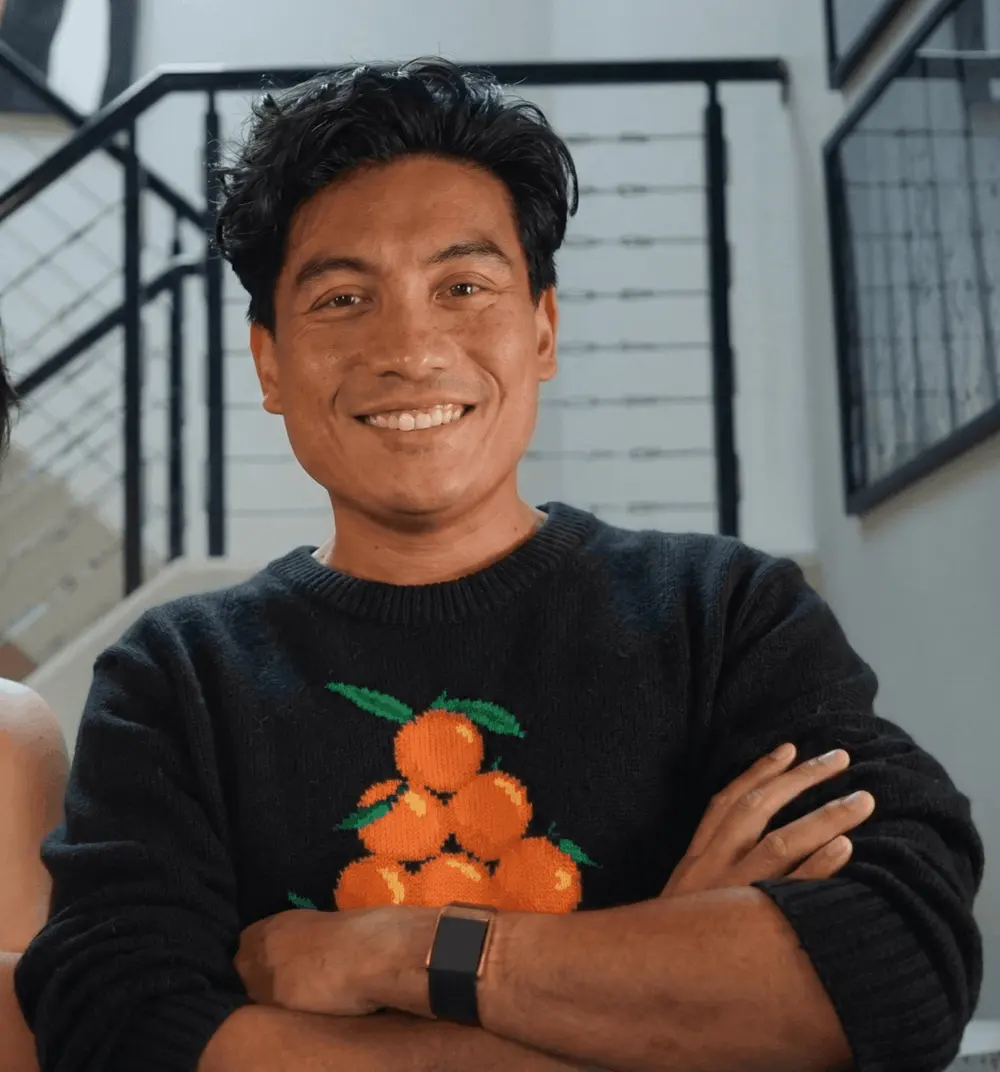
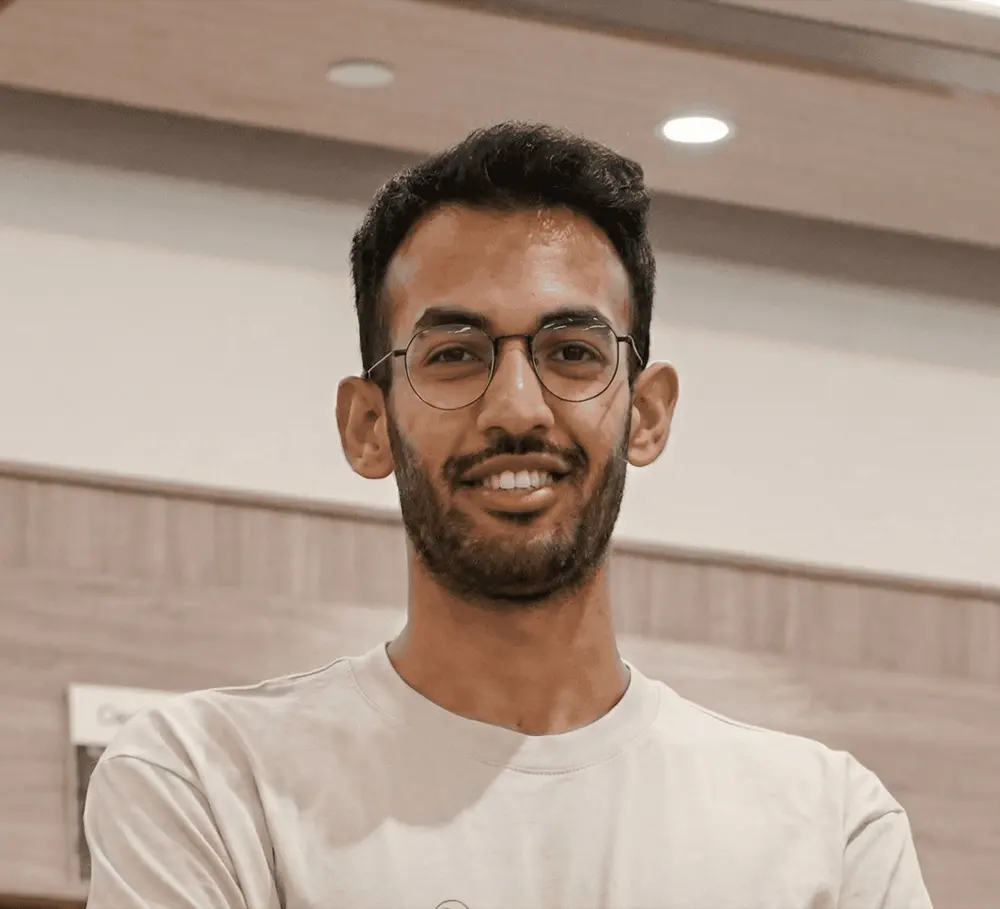
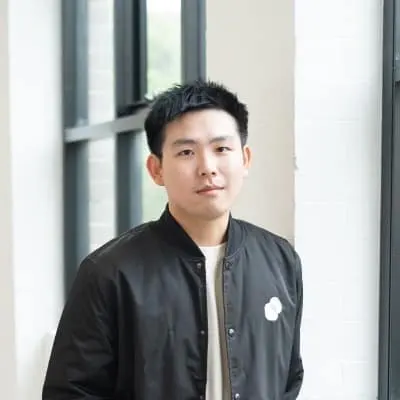

 ▶
▶  ▶
▶ 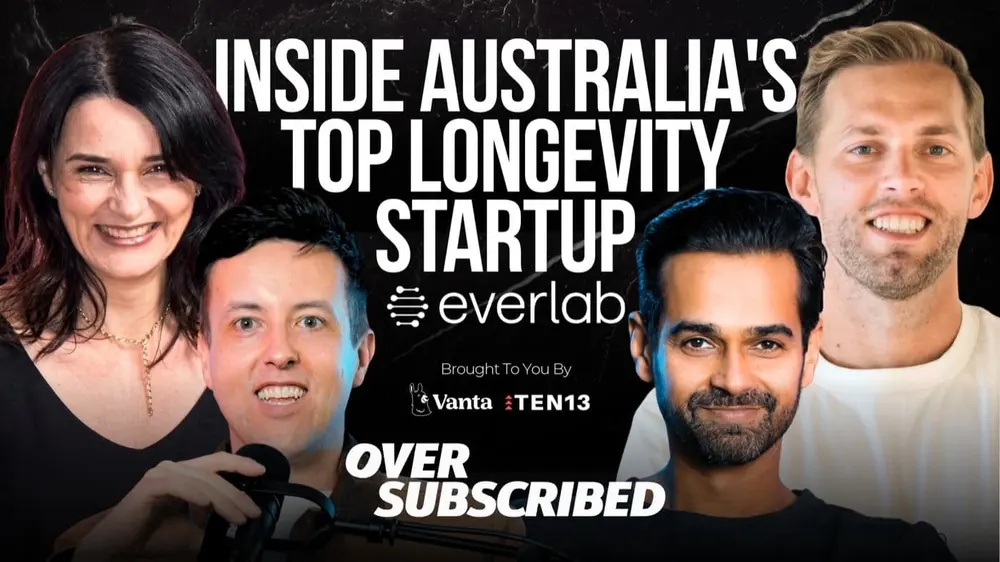 ▶
▶  ▶
▶  ▶
▶  ▶
▶  ▶
▶ ▶
▶ ▶
▶