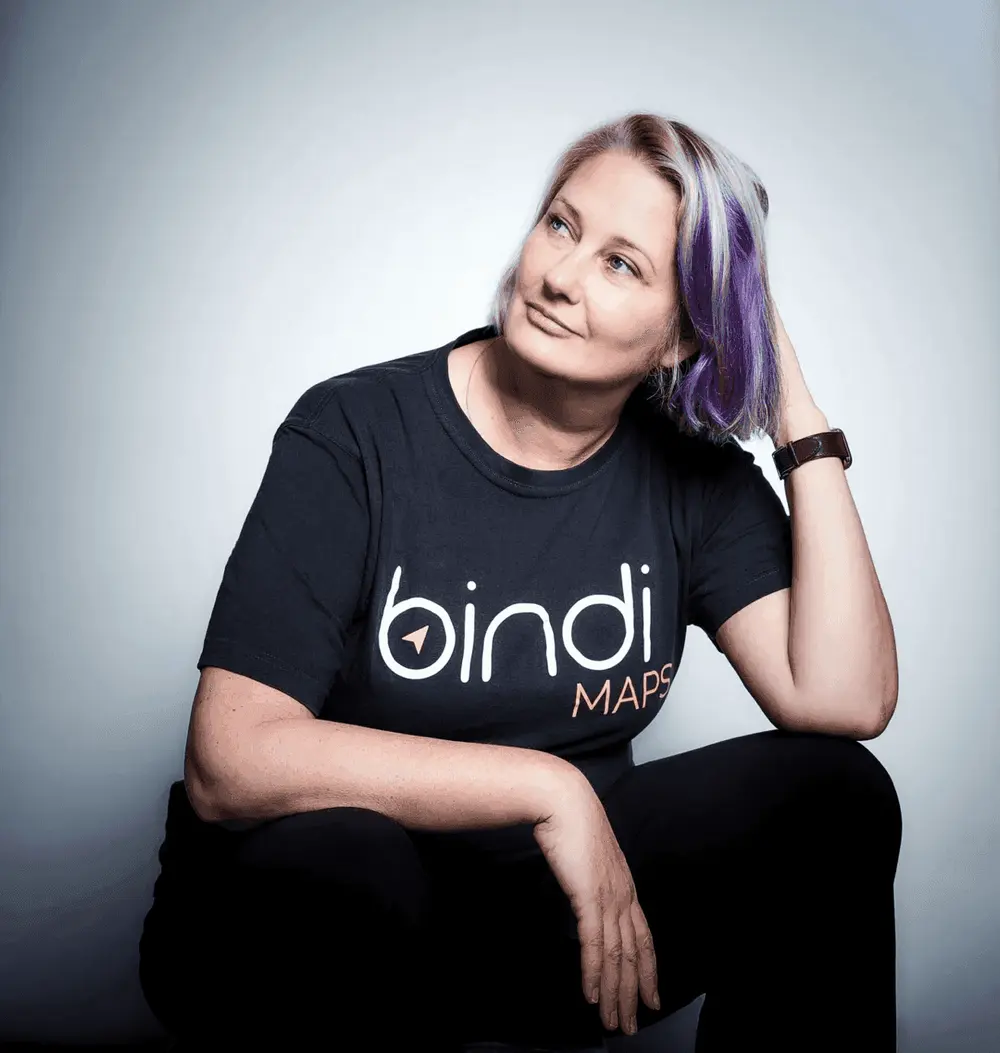
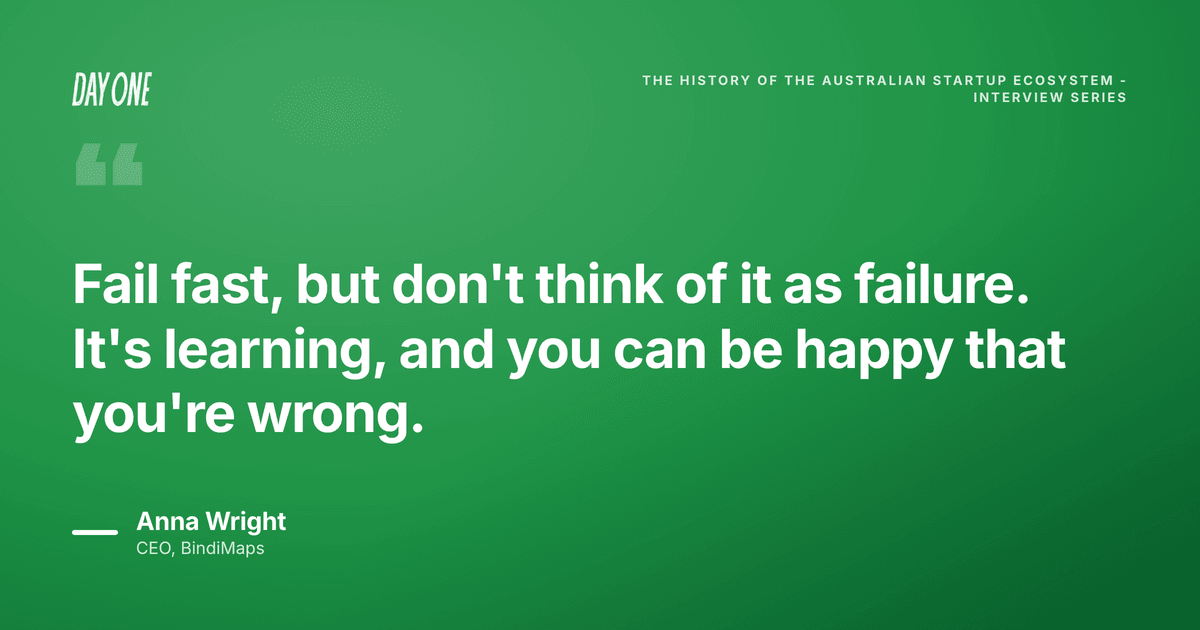
Transcript Synced · select any line to jump ▾ 0:00 Speaker: Let me tell you about our partner, Teamified. If you need to build a top-notch team quickly, Teamified is your go-to solution. They not only provide fractional CTOs, they can also do contractors and even remote team members tailored exactly to your needs. And whether you're looking for expertise in the Philippines, India, or Sri Lanka, Teamified has you covered. What's amazing is that Teamified uses a blend of AI and human expertise to cut hiring times by 50%. Their platform handles everything from automated onboarding to day-to-day management and even performance tracking. You can also handle rewards and recognition, buy equipment, and order training all through their platform. Simplify your hiring process and get the best talent fast with Teamified. Check them out now and transform your team. Go to dayone.fm/teamified. That's dayone.fm/teamified. Thank you. T-E-A-M-I-F-I-E-D, and get started today. Hi, I'm Adam Spencer, founder of the Day One Network, which is bringing the history of the Australian startup ecosystem to you. I believe in founders. It's why I do everything I do at Day One and our media company, W2D1 Media. And that's why the Day One Network exists, to create helpful content for founders. We've got some great shows in development, but a large part of what we do couldn't be done without support from our partners and sponsors. And I couldn't be happier than to be working with NTP, who get community better than any other technology recruitment company out there. A Newcastle company like mine, NTP are invested in seeing the growth of the local tech community in Newcastle, Sydney, and more broadly Australia. So thank you, NTP, for helping us bring helpful content to founders and the startup community in Australia. Back to the interview. Hi, I'm Adam Spencer, founder of the Day One Network, which is bringing the history of the Australian startup ecosystem to you. I believe in founders. It's why I do everything I do at Day One and our media company, W2D1 Media. And that's why the Day One Network exists, to create helpful content for founders. We've got some great shows in development, but a large part of what we do couldn't be done without support from our partners and sponsors. And I couldn't be happier than to be working with NTP, who get community better than any other technology recruitment company out there. A Newcastle company like mine, NTP are invested in seeing the growth of the local tech community in Newcastle, Sydney, and more broadly Australia. So thank you, NTP, for helping us bring helpful content to founders and the startup community in Australia. Back to the interview. Hi, I'm Adam Spencer and welcome to Day One, the podcast that spotlights Australian startups, founders, and the organizations that empower Australian entrepreneurship. We go back to the beginning to tell the story of Australia's most inspiring founders and how they built their companies. You're listening to a special interview series as part of a documentary W2D1 is producing about the history of the Australian startup ecosystem. On the episode today, we have— 3:18 Anna Wright: My name's Anna Wright. I'm the CEO and one of the co-founders of a company called Bindymaps. Bindymaps is a smartphone app that helps anybody find their way around a complicated indoor space. Think of like a hospital or a university that you've never been to before, we will help you find your correct room. Where Bindi Maps started though, rather than working for everybody, which we do now, we actually started solving this problem for people who are blind or vision impaired because once they get inside of an unfamiliar building, most of the signage is visual. And I challenge everybody who can see that the next time you do see a braille sign in one of those public buildings, ask yourself, if you were blind, how would you even know that braille the Braille sign was there. So that's where we started, and now we're helping everyone find their way around. 4:13 Speaker: Why did you get started? What drove you to do this? 4:19 Anna Wright: Well, I understood the problem space. So for years I've been carrying on about that thing with Braille, like how do you even know that the Braille is there? And my frustration started because around about 20 years ago I was diagnosed with a— well, I've got a very rare retinal condition which is degenerative and eventually will leave me blind. Should have left me blind when it first started, but I was one of those very lucky, unlucky, lucky people in that while I've got it, I, I only lost my vision in my right eye, and my left eye, for some unknown reason— nobody knows why— uh, but it didn't disintegrate at the same rate as my right eye. So I still can see. 5:03 Speaker: That's good. 5:03 Anna Wright: But it was when— that sort of diagnosis means that I have to start to prepare for things like that. And that's when you realize what's going to change and what's going to be difficult. And started my— all of my friends will tell you that they are very happy that I've suddenly decided to actually do something about my rants about, "Look at that braille. How is someone supposed to know that's there? That's ridiculous." Or I saw some braille the other day that was actually for wheelchair-accessible bathroom, but the braille was above. So I'm very tall, I'm 6-foot tall, and I couldn't reach the braille. Sign. It was, it was for an accessible toilet. So yes, I, I'm well known for having little braille sign rants every once in a while. 5:50 Speaker: Yeah, that's a great story. And how the heck did that happen with them, with that braille? 5:57 Anna Wright: I think they were like saving on signage. It was a good place to see it if you were visual, So you knew that the bathroom was there. It was sort of up a set of stairs, and I can understand it from a sign point of view why you would put it there, but I just thought it was hilarious that it also had Braille on it. But you see Braille in all sorts of weird places. There was an art exhibition that ran through Sydney outdoors, and someone very kindly— like, I go, hats off to people that try to make things accessible so that people who are blind can understand what's there, but This was a sort of an outdoor statue installation and they had put braille signs at the foot of each statue, so on the ground. 6:41 Speaker: Mm. 6:42 Anna Wright: Again, I'm like, did anyone sort of do a customer walkthrough with this? Right, now get down on your knees and hunt around in the dirt with your fingers where dogs may or may not have peed. 6:58 Speaker: Oh my God. 7:00 Anna Wright: So things like that just make me laugh. They're just not thinking. 7:04 Speaker: Yeah, yeah. Going back to BlueChilli, so when did you first get involved with BlueChilli? 7:12 Anna Wright: Yeah, it was actually a little bit of an accident. So a friend of mine who has heard me ranting for a long time came and said to me, "Look, do you know that there was this—" She termed it as a competition, and I suppose in a way it was, where BlueChilli had first put up the call. So it was the very first rendition of She Starts One. And this friend of mine was like, "Well, you've got to apply. They'll take just ideas." I'm like, "Don't be ridiculous. It's just gonna be a waste of time. It's just an idea. I know that there's a problem. I know that we've got this particular type of tech that we can use to solve it, but these are very, you know, general ideas. There's no customers, no business plan, no nothing." Mm-hmm. And then I thought, I think it was on the last day, I just, and I couldn't sleep that night. And I was like, "Charl, just do it. Just like, it's 4 o'clock in the morning. You're not doing anything else. 'Put your application in.' And I never thought I'd see anything more of it, but here we are. 8:08 Speaker: What was the year? 8:10 Anna Wright: The application went in— I've just got to now remember— I think it was the end of 2016. And yes, and then 2017 was when the cohort kicked off at the beginning of January 2017. 8:26 Speaker: Yeah. Had you been familiar with or understood that there was this whole world of of startups and, and founders and all these organizations supporting that. That's it. 8:38 Anna Wright: Yeah, I, I definitely was, because my background is actually as an accountant. I'm— I've worked with startups for a long time, but not the type that would go through incubator programs, right? Which was actually really interesting coming into an incubator program and seeing it on the other side, because all of the— I've done— I've helped startups from kitchen bench through to IPO and trade sales and things like that, in a financial capacity, but none of them had ever gone through an incubator program. 9:10 Speaker: So how far back are we talking in terms of background that you were aware of this space? 9:16 Anna Wright: Oh, well, I think that's where we've constructed some language in that, you know, what is a startup? So I've, and the way I think about it is that it is, it's a business that isn't a personal services business and it has high growth. Capacity. That's just my way. I've been helping people set up businesses since I started working as an accountant, you know, I might say 1980s, but that might show how old I am. So I've been helping people set up businesses for a long time. The ones that I would now term as a startup, so they were the ones that were kitchen bench through to IPO, so they had that huge traction and it wasn't just a personal— it wasn't a job wrapped up as a company. Yeah. Yeah, again, they've been around for ages. It's just we've, yeah, we've now got a better industry around them and better support for people now. 10:12 Speaker: So 2016, 2017, when you got involved with SheStarts, what was your impression of the community, of the startup community? 10:22 Anna Wright: So the whole time I had this huge imposter syndrome, I still do. So when they first accepted me into the top 20, which was a bootcamp, I'm like, they've made a huge mistake, but I will go and do this boot camp because, well, I was an academic for many years, and so I was like, great, I'm going to learn some new stuff. Like, they'll realize that they've made a mistake, but at least I'll get to learn things and talk to people. And then when I got through to the top 10, I think, you know, the same thing, it's like, oh my God, now they've given me money and they've still made a huge mistake, but let's keep learning. And I think that's— That's That was what I really enjoyed about it was to get out of my comfort zone and go, I've always been a learner. There were things, you know, I had to ask people quietly in the background. We went to NYOB and we were talking to their UX people and I had to, I said, what's UX? Everybody else around me knew exactly what was going on. I didn't have a clue. So it was great. It was really fun. But also, user experience isn't— it was just this trendy term that they used in that startup sort of world. In the sort of the formal business world, we've been doing that forever. So again, it was about breaking down what was new and what I didn't know, and then what was just stuff I did know but had been renamed. But it was fun. 11:42 Speaker: From a founder's perspective, what do you think as a community that we're doing in Australia really well? 11:48 Anna Wright: I think we've got now a lot of resources. There's a lot of people with different networks that you can hook into, and those networks are really generous with their introductions and their time. So I think we're doing that really well, creating that ecosystem and, and helping each other. I mean, I know that I get helped a lot, and I, I like to think that when people reach out to me, I help them as well. And I think we do that really well because it's still a competitive space. So it's nice to see that people are also reaching out and not being competitive with each other, actually helping. 12:29 Speaker: If a new business person come to you tomorrow, especially in the startup space, what advice would you give them to slightly increase the chances of their success? 12:40 Anna Wright: I would really stress to fail fast, but not— don't think of it as failure. It's learning. And that you can be happy that you're wrong. I think that comes from— because I see a lot of people that will spend forever writing a business plan and not actually doing anything. 12:58 Speaker: Yeah. 12:59 Anna Wright: Then we'll go and execute that business plan as though it's written in stone and it can't be changed. I actually— it sounds bad, but I hate writing business plans because they're 'cause it's all that time you spend on them. You're better out to just go and start experimenting. 13:15 Speaker: Yeah. 13:16 Anna Wright: But be happy to say that you were wrong and apologize if you need to. But being wrong is great. It just means that you're faster to know what the, you know, you're getting to the right path faster rather than just assuming the stuff that you made up in your head is the right path and that you're gonna stick to that no matter what. I think that's where I see people making huge mistakes, burning lots of money and time. It's just in not looking at something as though it's an experiment and seeing if it's going to work or not and then moving on. 13:52 Speaker: You've been involved in this ecosystem for a good while now. I'm wondering if you've made any observations about things that we could as that community, as that ecosystem, be doing better? 14:07 Anna Wright: I think what a lot of startups will say we need to do better, and I'm just not sure how we would, but it's probably access to capital. Now I know you're gonna hear that a lot. Sometimes when I hear it from certain startups, I'm like, well, it's not the problem of accessing capital, it's just you've got a really bad business idea, so nobody wants to back you. But so it's always hard. I mean, we've done 3 successful rounds raises. So it's not that the capital isn't there, it's just, it's quite fragmented. And maybe startups just need to listen better. I think that if you do go and talk to people, they do have very good investment hypotheses, so you can work out what they're interested in and what sort of metrics you need to hit to make them interested. 14:58 Speaker: Mm-hmm. 14:58 Anna Wright: But maybe a little bit more of a cohesive, you know, like we've got all of these different groups you can go and talk to, Yeah, maybe just a little bit more transparency on that and who those players are. I get really annoyed at some of the networks that sort of feel more like dinner and a show and there's not actually capital there or interested capital. 15:20 Speaker: Yeah. 15:21 Anna Wright: So yeah, that I think could be run just a little bit smoother, but apart from more transparency on deals, or what people are looking for in deals, I'm not quite sure how else to fix that. 15:34 Speaker: Apart from SheStarts, what other organizations or people have been really helpful on your kind of startup journey? 15:43 Anna Wright: There have been so many. 15:44 Speaker: Yeah. 15:46 Anna Wright: So we were also part of the Melbourne Accelerator Program, which was super helpful, and also Startup Bootcamp. Also extremely useful. So we did those things for particular strategies, and, and that's something else I would advise startups is always, always go into an incubator or a, you know, with, with particular goals in mind, because you will get taught a lot. Like, some of the content will be repetitive because they're covering the same sorts of ideas. 16:18 Speaker: Yeah. 16:18 Anna Wright: So you need to be quite strategic when you take on these things. So both Startup Bootcamp and, and MAP have been great. We're part of UTS Startups. Again, the networks there are fantastic. Also part of Heads Over Heels and SHE-EO. Yeah, so it all comes back to— 16:37 Speaker: Yeah. 16:38 Anna Wright: But I love these networks, so that's, that's why I'll get involved and I'll go and, uh, and talk at one of their events. And then you get to meet people, and that's how you get to talk to investors and get to talk to potential customers. Is through these networks. 16:55 Speaker: Do you have an unpopular opinion about business or startups or the ecosystem that you think is absolutely right but no one seems to be on the same page? 17:05 Anna Wright: Oh, but you see, I'm always right. [LAUGHTER] I don't know, that's a really interesting question. Maybe unpopular, maybe not. I think there are quite a few incubator programs now that are all very similar. Sometimes, again, probably not And I come from an adult education background as an academic, so I have to put my hand up for that. I find that sometimes the education part of what they're doing is not well structured. So they've got experts in talking, but they've not really thought about it as an education piece. So potentially could use a little bit more help around actual structure. Of an academic program. There you go. I'm sure that's unpopular. 17:56 Speaker: There's a theme in there that has been touched on before, which is the Australian startup ecosystem tends to be quite competitive with these institutions, these programs. They all seem to be competing against each other, whereas what we should be doing is saying, who is doing it best? Let's help them. Do that and then let's do something that we can do best. 18:20 Anna Wright: Yeah, potentially, and maybe also spread out what they're doing. So there's a lot of those sort of startup incubators that are helping people that are just getting started. There's very few that are dealing with businesses that are scaling up, looking at international— it's found, mind you, the Australian government's got some really good landing programs that we're about to get involved in. But yeah, I agree. I think, like, can we go and work out who's doing it really well and then potentially where there's even gaps in what startups to scale-ups need? 18:53 Speaker: This is the last question, but it's not really a question. It's just a chance to— for me to open the floor up to you to talk about something that is maybe top of mind, something that you are really passionate about, something that you think about every single day that could be useful you think would be useful in this series about the history of the Australian startup ecosystem? 19:11 Anna Wright: I think one of my, so again, this may be a little bit unpopular, but my feeling is that there's been, we've had a lot of very famous startups that have done very well, but they're not solving what I would call earth-shattering problems. I say it's more that you're trying to replace your mother. So even something like Google, rather than asking your mum to cook a roast, you can just Google it. I think in Australia, we're really good at solving actual real problems. So I think that's, yeah, one of the strengths of our startup ecosystem is that we've got a lot of people that are doing much more sort of social impact and things like that. We're not just trying to get beer faster. 19:55 Speaker: Mm. 19:56 Anna Wright: And that makes me happy. 20:01 Speaker: I hope you enjoyed that interview. More interviews are on the way. Follow the podcast wherever you're listening right now. Stay tuned for more interviews with many, many more amazing people from the Australian startup ecosystem. Thanks for listening and see you next time.