


The History of the Australian Startup Ecosystem - Interview Series
Let's go back to day one, where this story begins...
In 'The History of the Australian Startup Ecosystem' podcast, join host Adam Spencer as they delve into the fascinating history of the Australian startup ecosystem. From the earliest tech companies to the success stories of today, this series covers it all.
Each episode will feature interviews with industry pioneers, entrepreneurs, and experts, as well as a deep dive into the events and cultural shifts that have shaped the Australian startup scene. From the dot-com boom to the rise of fintech, this podcast will provide a unique and informative look at the past, present, and future of the Australian startup ecosystem.
Whether you're a seasoned entrepreneur or just starting out in the world of startups, this podcast is sure to provide valuable insights and inspiration.
Tune in to 'The History of the Australian Startup Ecosystem' to learn more about the trailblazers who have paved the way for today's innovators.
Hosted by Adam Spencer & Will Tjo
Subscribe ▾
Episodes
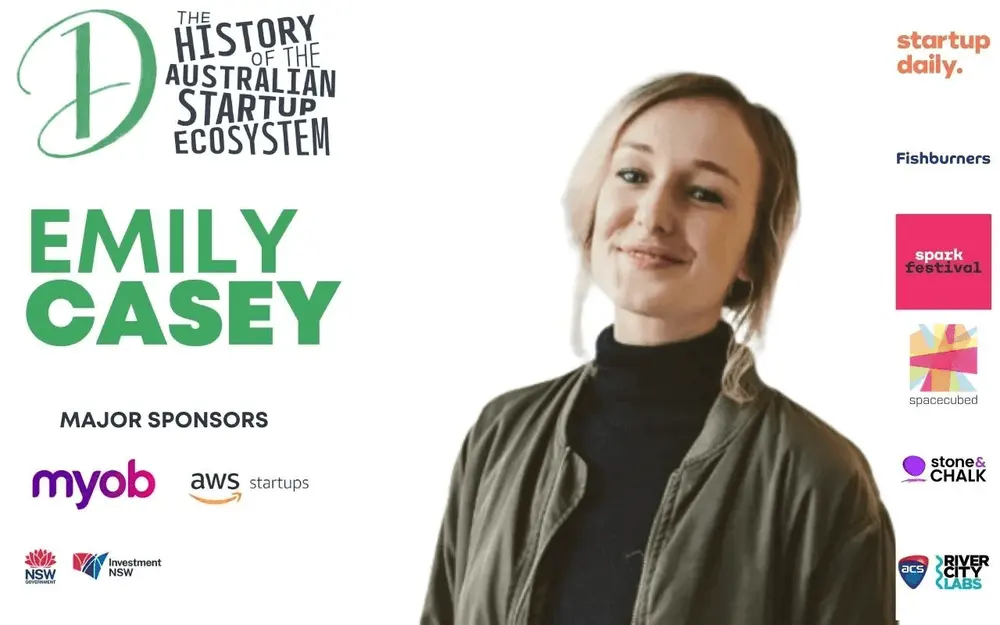
Emily Casey discusses the importance of visibility of the startup ecosystem
Emily Casey is the founder and director of What The Health, a health media company and community that aims to fuel the next generation of health innovation in Australia. Emily initially pursued a more traditional career in medicine before entering the startup world. In addition to What The Health, Emily has worked as a Community Coordinator for Stone & Chalk, a startup hub in Sydney. In her conversation with guest host Will Tjo, Emily discusses the reasons why she left a more traditional career path in medicine to enter the startup world, as well as the importance of the startup ecosystem having visibility within other industries such as the health industry.
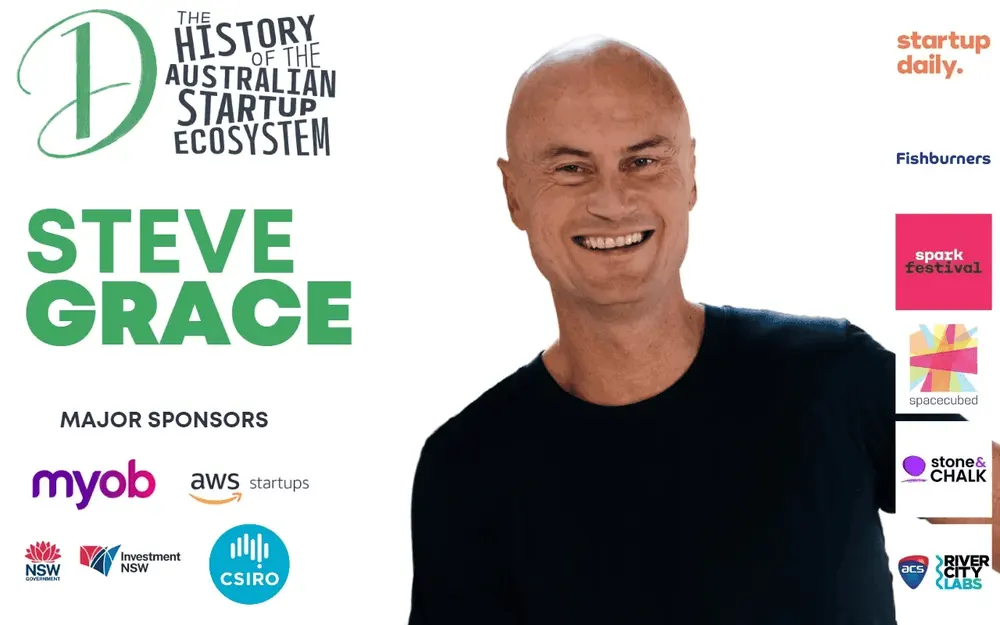
Steve Grace explores how covid has altered the ways companies do business
Steve Grace is CEO and founder of The Nudge Group, which works with startups and scale-ups to support them through various stages of business growth. Based in Australia, The Nudge Group has expanded globally with offices in the UK and Singapore. Steve also hosts the Give It A Nudge podcast, and is director of YBF Ventures. In his conversation with host Will Tjo, Steve discusses his belief that Australian companies put too much focus into the US and UK markets and too little in neighbouring Asian markets, as well as some of the ways covid has altered the ways companies do business in Australia and globally.
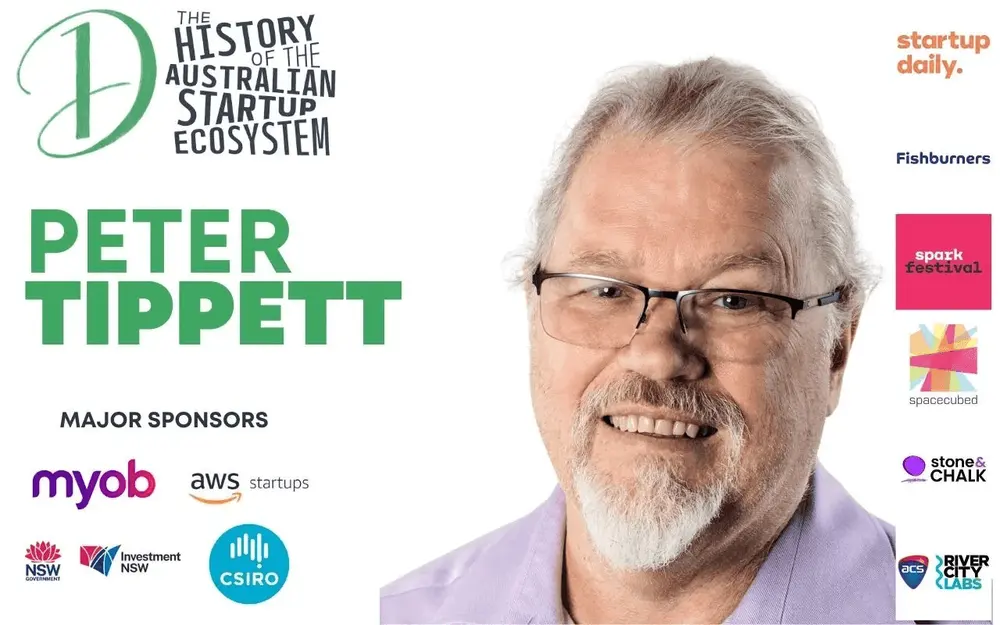
Peter Tippett discusses the future evolution of company ownership and management
Peter Tippett is a serial entrepreneur with decades of experience working in startups both in Australia and around the world. He is currently working on three ventures, all of which he co-founded in the last few years: BodyMindLife, a platform for passionate community creators, educators, teachers and students, Vault3, which provides storage services on blockchain, and KULA, which utilises Web3 technologies to create online communities. In his conversation with host Will Tjo, Peter discusses his first-hand experience seeing the internet evolve from Web 1.0 to today, as well as how he sees company ownership and management evolving in the future.
John Allsopp discusses the startup ecosystem’s evolution from a “community” to an “industry”
Lars Rasmussen discusses the key ingredients for successful founders
Lars Rasmussen is a Danish computer scientist and tech angel investor with a long history of working within the startup ecosystem both within Australia and internationally, including as co-founder of Google Maps, and as Director of Engineering for Facebook in London. In 2015, Rasmussen announced his departure from Facebook to co-found a music startup, Weav Musi, with his partner Elomida Visviki. In his conversation with guest host Will Tjo, Lars discusses his love of Sydney, what he sees as key ingredients for successful founders, as well as the difficult balancing act between self belief through adversity and knowing when to quit.
Ric Richardson discusses the contrasting skills required to invent and run a company
Ric Richardson is an Australian inventor who first came to prominence as a result of his invention of Software Activation, a technique used in software anti-piracy. Ric founded the Uniloc Company and entered an agreement with IBM to commercialise the invention, which Ric says has now been used on two and a half billion computers globally. In 2011 a US court awarded Uniloc $388 million in damages after Microsoft was found to have infringed on Ric’s patent, and the subsequent publicity surrounding the case led to the TV program Australian Story creating an episode covering the trial. In his conversation with Adam, Ric discusses the surge of support he received after the Australian Story episode was watched by 2 million people, and what he sees as the contrasting skills and personalities needed for creating an invention, and running a company.
Brad Parsons talks about the risk tolerances of different startup ecosystems
Brad Parsons is CEO and founder of Movus, a company that provides monitoring tools for industrial equipment with the mission of preserving the earth’s resources by improving the efficiency and life of industrial assets. At the time of recording Movius is active in 16 countries, and has ambitions for further growth. In his conversation with guest host Will Tjo, Brad discusses how he has seen an increased emphasis on funding for startups with a focus on environmental sustainability, as well as his belief that Australia’s startup ecosystem suffers from a greater degree of risk aversion than other nations.
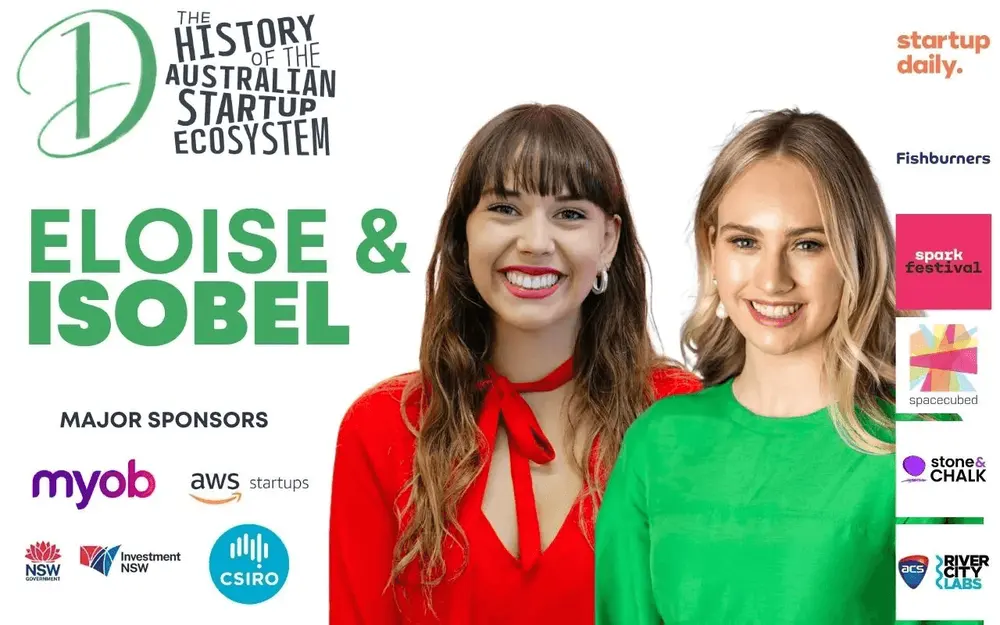
Eloise Hall and Isobel Marshall discuss how social enterprises fit within the startup community
Eloise Hall and Isobel Marshall are the founders of Taboo, a social enterprise that sell organic cotton pads and tampons, with all profits going towards eradicating period poverty. The Eloise and Isobel were first introduced to the social enterprise model of business in 2016 while students at high school, and began designing what would become Taboo during the summer holidays before commencing their final year of high school. In their conversation with guest host Will Tjo, Eloise and Isobell discuss how social enterprises fit within the broader startup community, as well as some of the considerations unique to social enterprises when considering various options for raising funds, such as crowdfunding campaigns or more traditional venture capital.
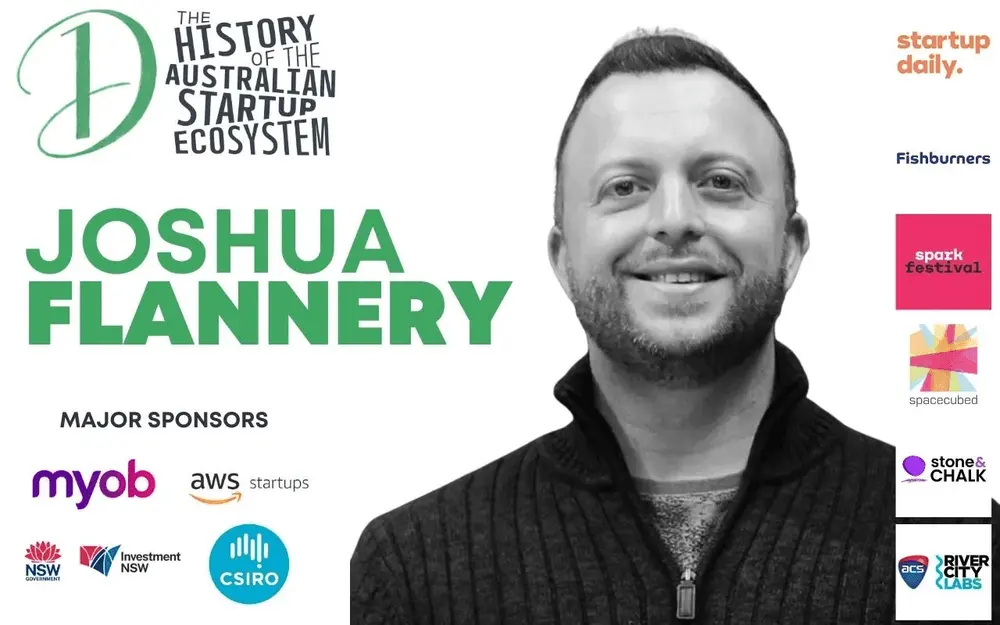
Joshua Flannery discusses the key differences between Australia and Japan’s startup ecosystems
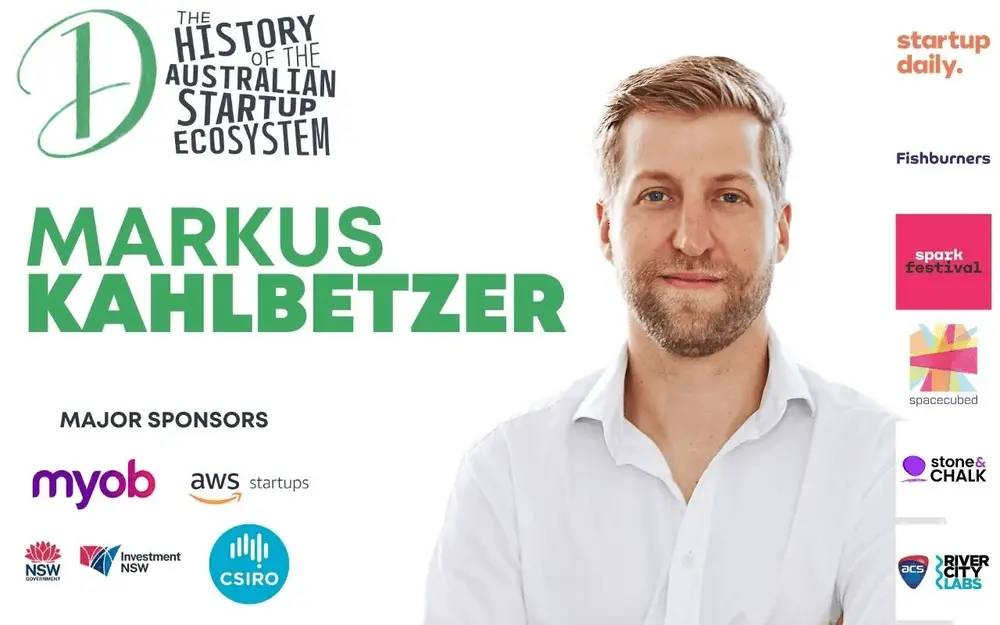
Markus Kahlbetzer explores support opportunities for government and universities
Markus Kahlbetzer is CEO and founder of BridgeLane, which labels itself an “alternative investment company” and aims to bring innovation to more traditional industries including agriculture and real estate. Markus also founded Tank Stream Labs, a technology focused coworking space and community hub in Sydney. In his conversation with guest host Will Tjo, Markus discusses how he has seen Australia’s startup ecosystem evolve and grow over the last 10+ years, as well as what he sees as opportunities for government and universities to support the startup ecosystem to a greater extent than they do currently.
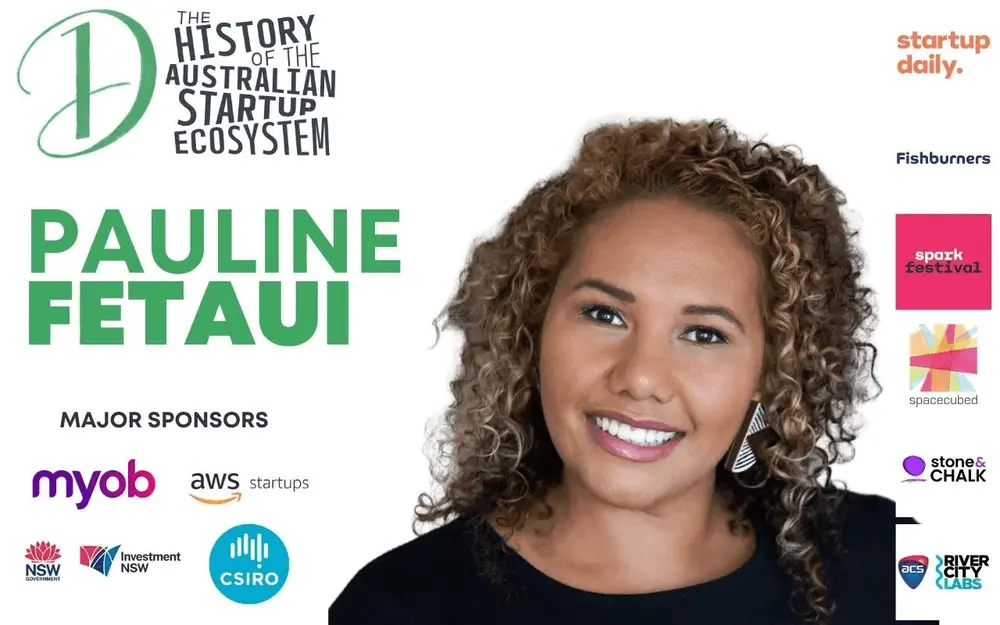
Pauline Fetaui discusses the difference between the corporate and startup worlds
Pauline Fetaui is General Manager at River City Labs, a startup community hub in Brisbane, as well as founder of CheeHoo, a personal assistant app designed to help busy people get things done. Originally from a corporate background, Pauline joined the startup ecosystem when she joined the River City Labs team in 2019. In her conversation with guest host Will Tjo, Pauline discusses what she sees as the difference between the corporate and startup worlds, as well as the differences between the startup communities in Brisbane, Sydney and Melbourne.
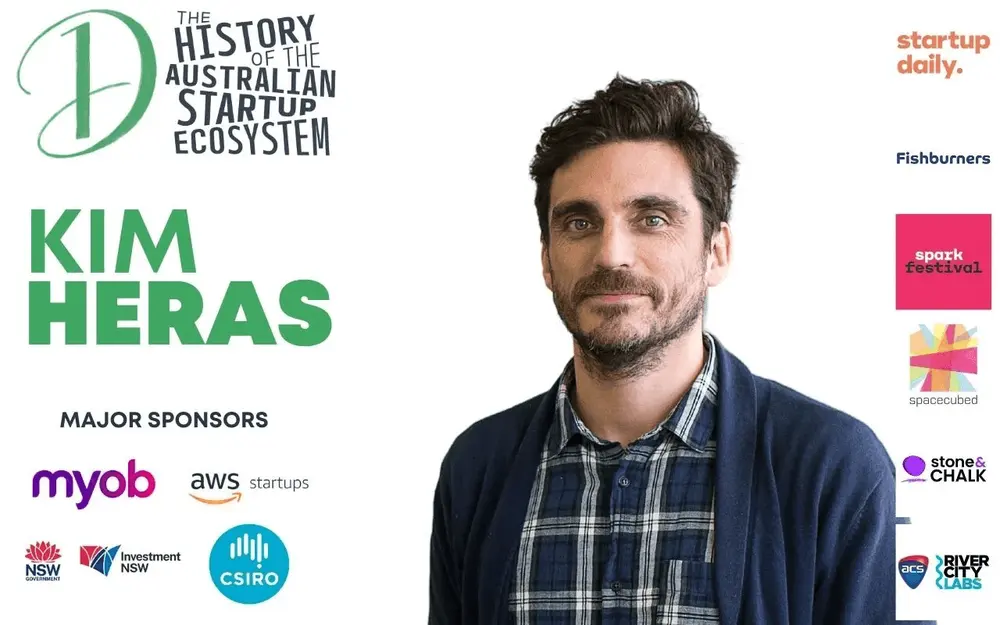
Kim Heras relives the major milestones he witnessed during the growth of the ecosystem
Kim Heras is Partner at 25Fifteen, a “startup studio” which as Kim describes in the episode is a model of startup support similar but distinct from accelerators and incubators. Kim has contributed to the growth of startup communities in Australia through many roles, including as Director of Fishburners, as Co-Founder of Pushstart, and as Chairman & co-founder of TechSydney, all of which are organisations that have aimed to support and advocate for startup founders. In his conversation with Adam, Kim discusses the genesis of Fishburners and Startmate, as well as other major milestones he’s witnessed during the growth of the Australian startup ecosystem.
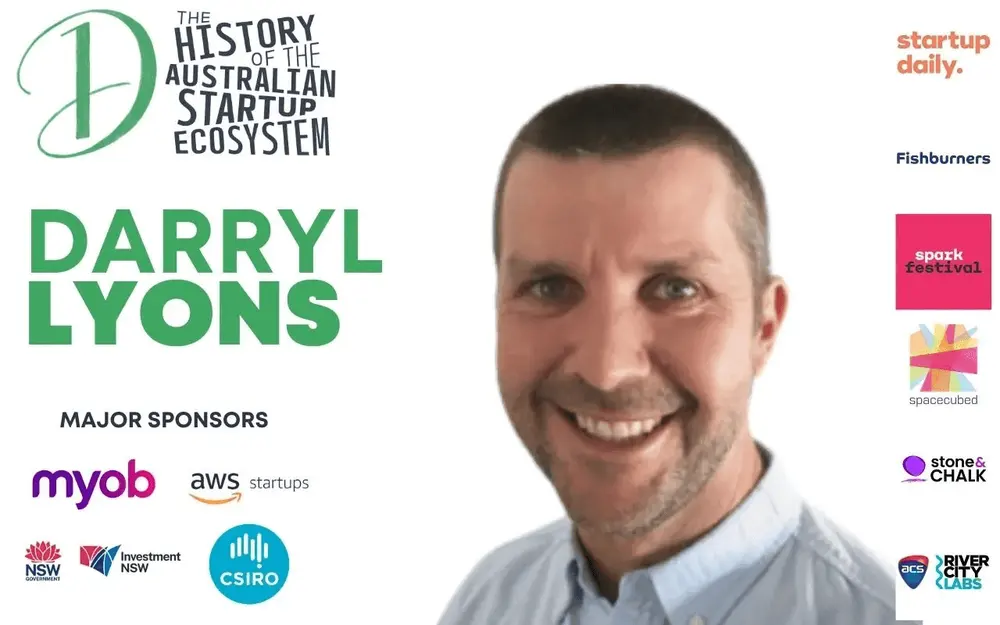
Darryl Lyons believes Australia has an opportunity to lead the world in Agri-tech
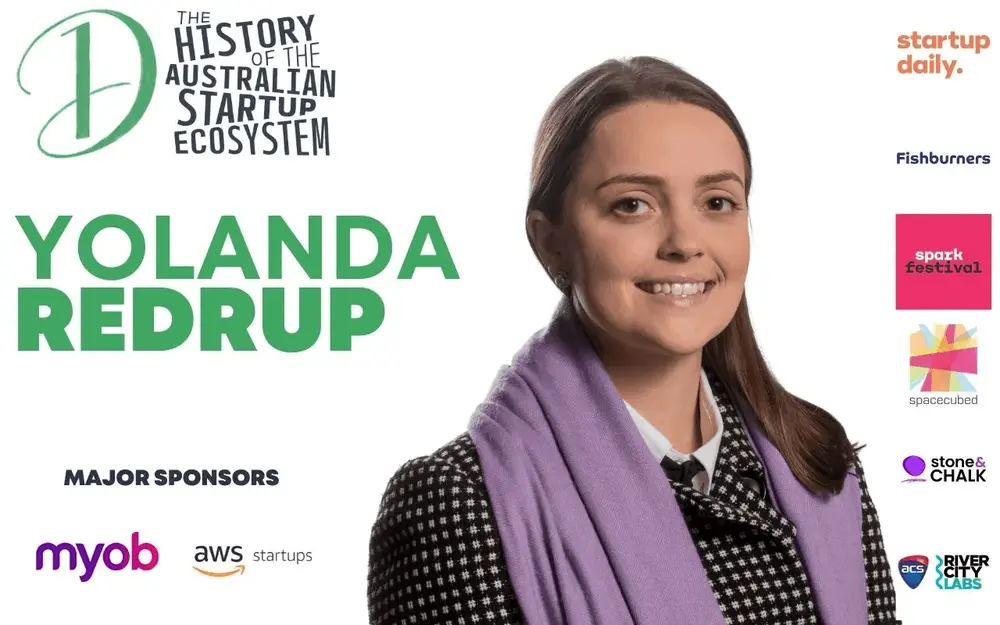
Yolanda Redrup discusses some of the catalysts for the huge growth the startup ecosystem has seen
Yolanda Redrup is a senior journalist with The Australian Financial Review, with a focus on technology and healthcare. Yolanda first began covering Australia’s startup ecosystem in 2013, and has covered the growth of the industry in the years since. In her conversation with Adam, Yolanda discusses what she sees as some of the catalysts for the huge growth that the Australian startup ecosystem has had in the past decade, as well as the importance of increasing diversity within the ecosystem.
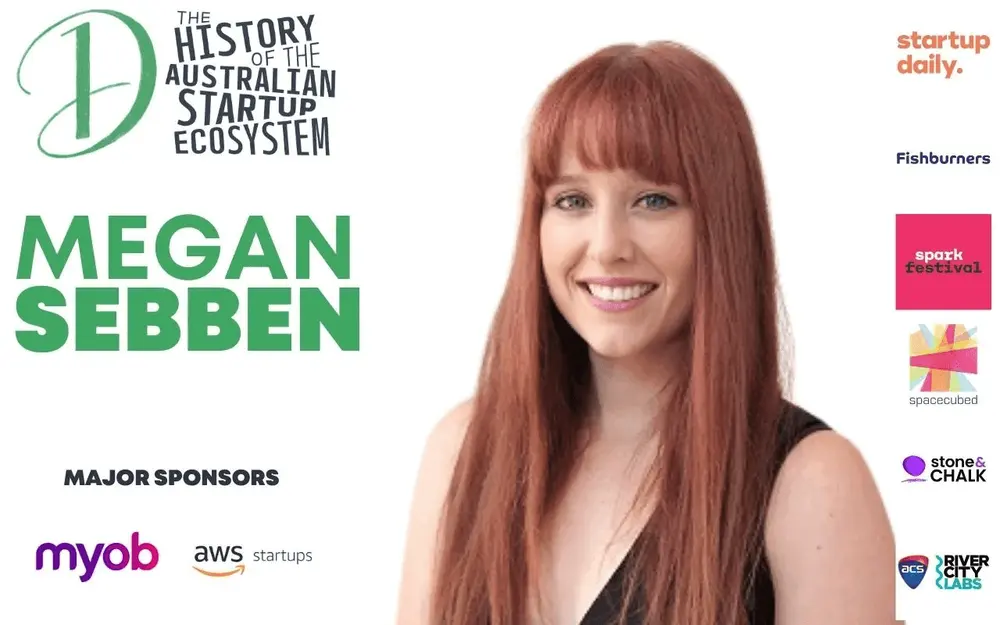
Megan Sebben believes there is still work to be done in improving access for underrepresented groups
Dr Megan Sebben is the Program Manager at CSIRO’s Kick-Start Program, an initiative designed to help innovative Australian startups and small businesses develop their business and grow by providing funding support and access to CSIRO’s research expertise and capabilities. Megan has extensive experience in environmental research and consulting in both the public and private sectors. This is a special episode featuring guest host Alan Jones, an investor and veteran of Australia’s startup ecosystem who has supported Australian startups independently and through BlueChilli, Blackbird Ventures, Pollenizer Ventures and Startmate. In their conversation, Megan and Alan discuss the the types of support the Kick-Start program provides to startups, as well as Megan’s perspective that while progress has been made within Australia’s startup ecosystem to improve access for underrepresented groups such as women and first nation’s peoples, there is still a lot of work to be done.
Alex Scandurra discusses the Australian startup ecosystem’s exceptional growth
Phil Ireland discusses how he sees mission-driven companies as fitting into Australia’s startup ecosystem
Dharmica Mistry discusses the distinction between deep tech startups and other startups
Dr Dharmica Mistry is Director of Diagnostics and Industry Engagement at MTP Connect, a not-for-profit organisation focused on growing the MedTech, BioTech and pharmaceutical sectors. Prior to this she was the Co-Founder and Chief Scientist of BCAL Diagnostics, where the team’s research discovered a potential new way to screen for breast cancer, which BCAL Diagnostics is working on developing into a scalable technology. Dharmica has also worked as Head of MedTech and BioTech at Cicada Innovations, a Sydney-based incubator with a focus on deep tech startups. In her conversation with guest host Will Tjo, Dharmica discusses the ways in which deep tech startups are distinct from other startups, as well as the role she believes government should play within the startup ecosystem.
Wayne Gerard says attracting talent into the startup ecosystem is “mission critical”
Wayne Gerard is co-founder of RedEye, a tech company which manages engineering information for large, complex asset owners such as councils, hospitals, power and water utilities and mining companies. Wayne is also Queensland’s Chief Entrepreneur, a role in which he advises the state government on its startup and innovation strategy. In his conversation with guest host Will Tjo, Wayne discusses what he sees as the government’s role in the startup ecosystem, as well as his belief that attracting talent into the startup ecosystem is “mission critical”.
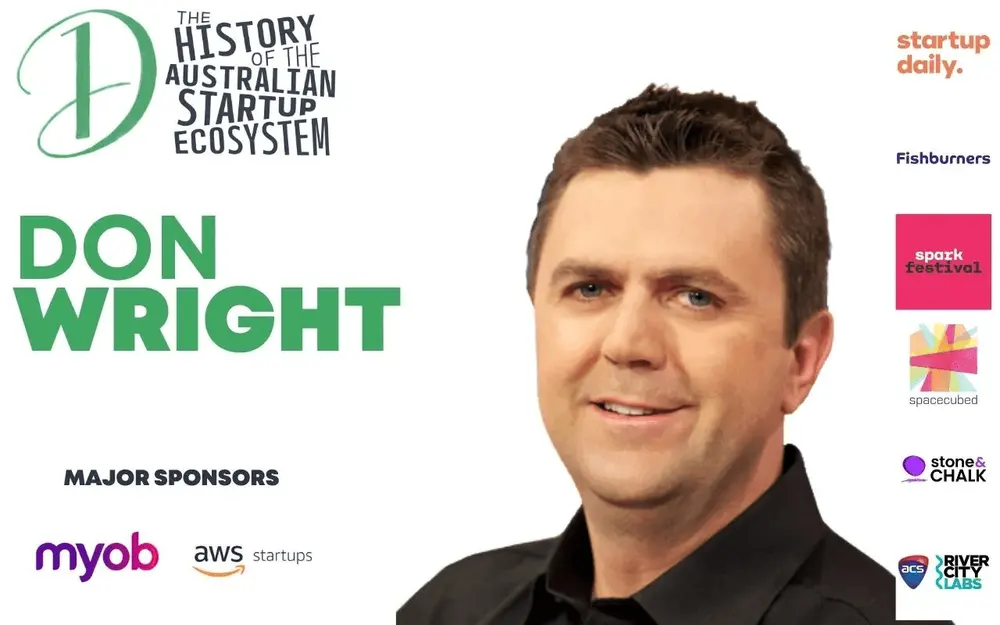
Don Wright believes the various startup ecosystems within Australia should work cooperatively
Don Wright is the Director of Innovation & Entrepreneurship at Western Sydney University, as well as co-founder of Western Sydney University Launch Pad, a business and innovation support program that provides facilities, assistance and resources for startups and high growth technology based businesses in Western Sydney. Don is also Senior Vice President of Western Sydney Business Connection, a resource hub for Western Sydney based businesses. In his conversation with guest host Will Tjo, Don discusses the growth of the startup ecosystem in Western Sydney over the last decade or so, as well as his belief that the various geographical startup ecosystems within Australia should work in cooperation, rather than competition, and focus on competing on a global stage.
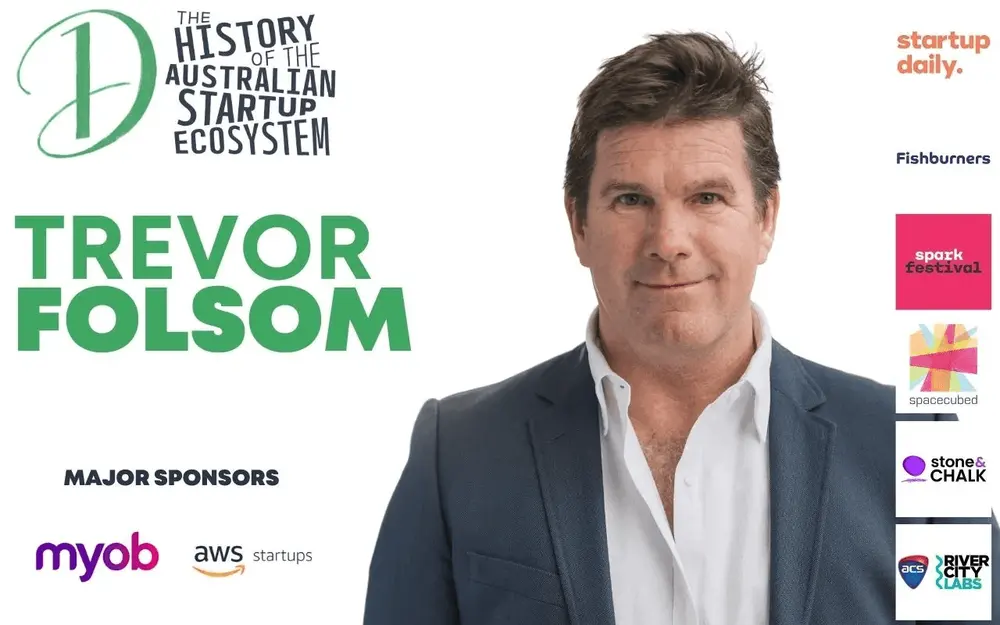
Trevor Folsom discusses the challenge of securing talent for Australian startups
Trevor Folsom is Co-Founder and Chairman at Investible, an early-stage investment group that aims to connect ground-breaking companies with the capital, expertise and networks they need to realise their potential on a global scale. Trevor is also Entrepreneur In Residence at UNSW, and formerly was Chairman of Car Next Door, an Australian peer-to-peer vehicle rental platform, which was sold to Uber in 2022. In his conversation with guest host Will Tjo, Trevor discusses the challenge Australian startups face in securing talented employees, as well as his perspective on how the Australian startup ecosystem has evolved over the last few decades.
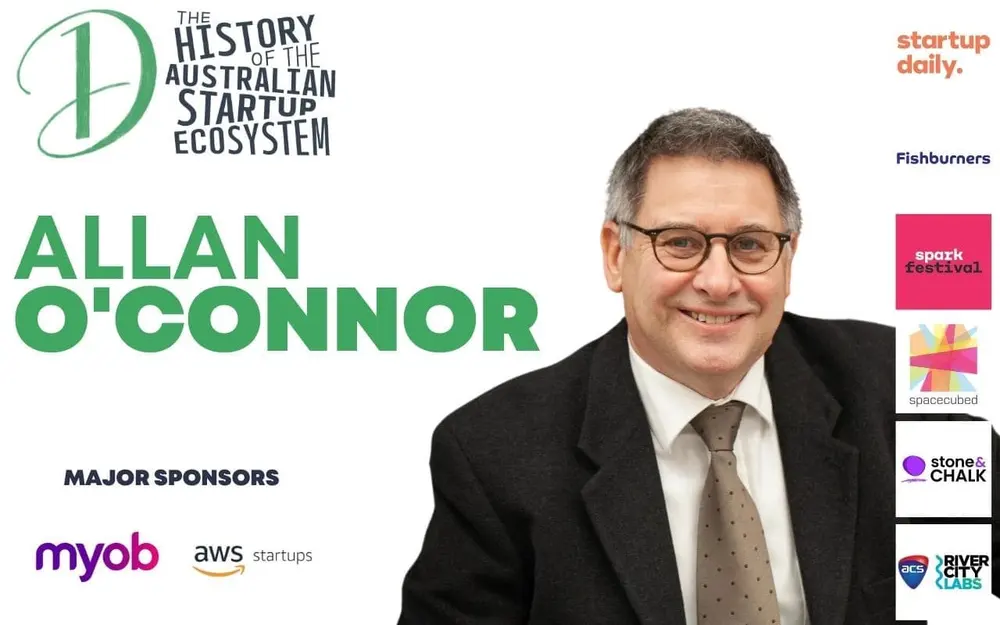
Allan O’Connor discusses the viability of startup careers
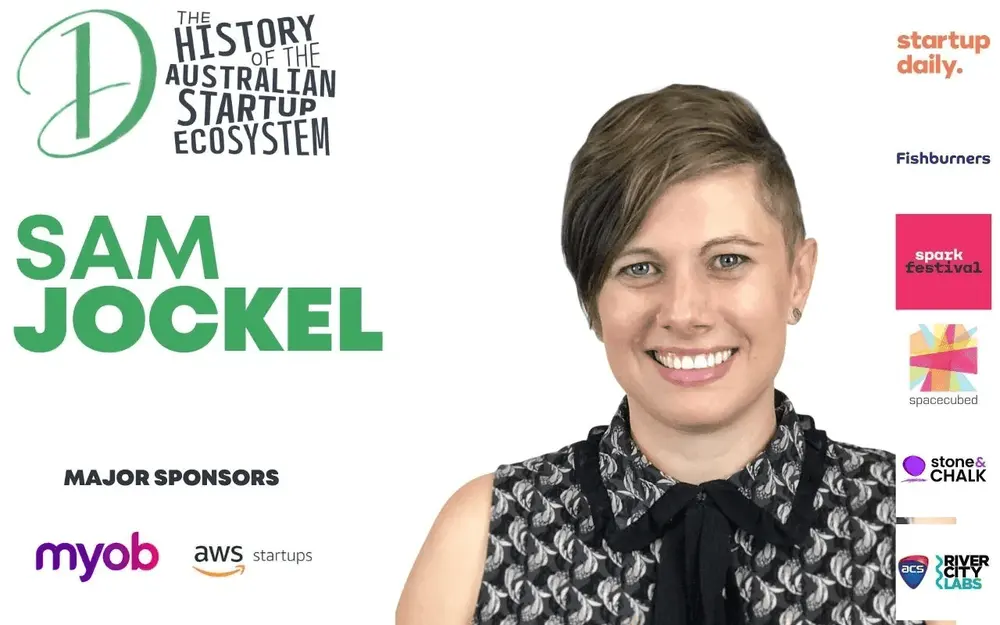
Sam Jockel shares her story and why it is so important to trust yourself
Sam Jockel is the founder of ParentTV, which offers hundreds of on-demand videos and courses to support the parenting and care of children from birth to teens. Sam is also the Entrepreneur In Residence at The University of Queensland. Before entering the startup world, Sam was a serial entrepreneur, starting several businesses including Biddy Bags, a profit-for-purpose company producing handcrafted, ethical designer products.
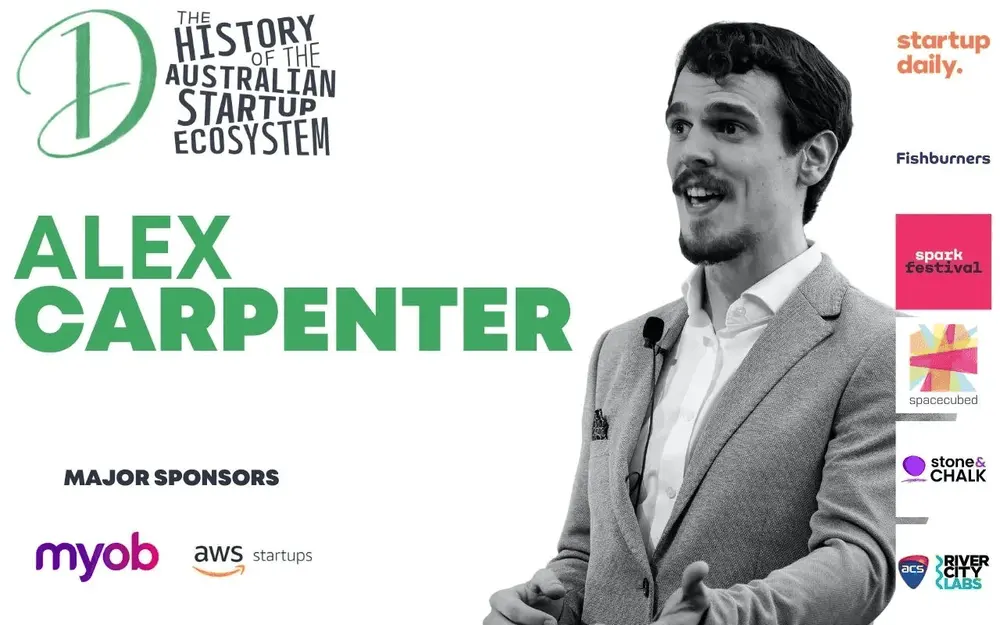
Alex Carpenter sees Australia’s startup ecosystem as radically more collaborative than corporate settings
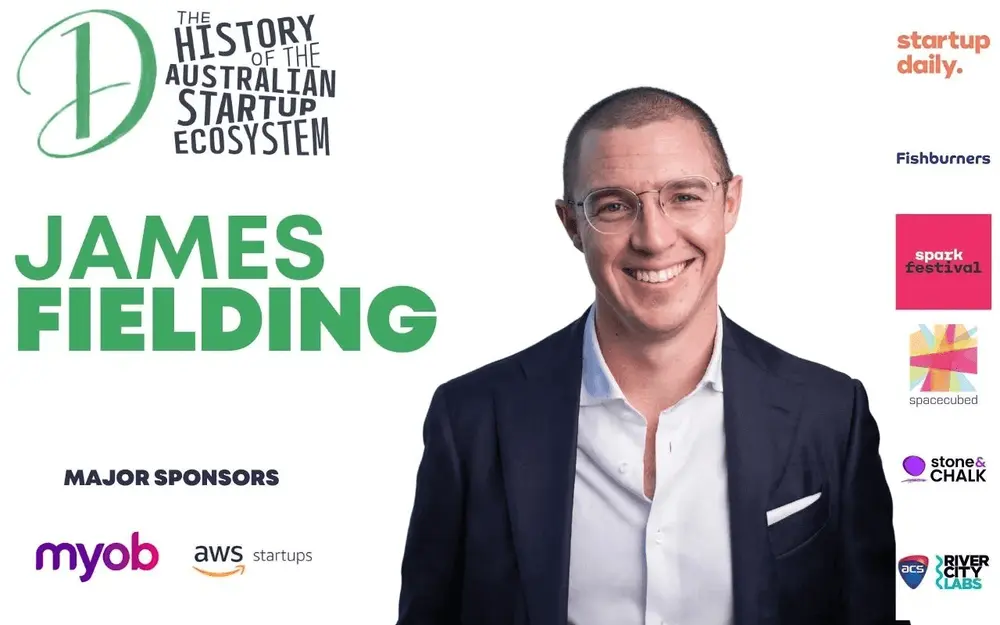
James Fielding shares his belief that Australia’s talent pool is world class
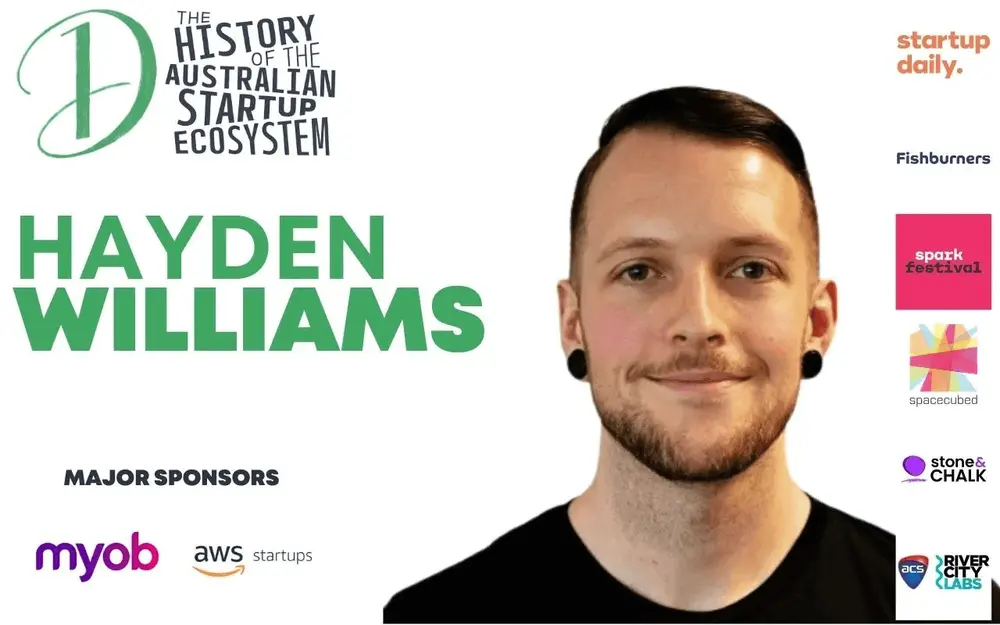
Hayden Williams discusses the future of cryptocurrency across many industries
Hayden Williams is Senior Product Manager for Existing Customers at MYOB, a cloud-based business management platform fit for Enterprise, SME & startup businesses. In his conversation with Adam, Hayden discusses the evolution that MYOB are going through currently, in which they are working towards becoming a platform which small businesses and startups can use to manage their business in a more holistic way. Hayden also discusses the benefits of shorter, more frequent product updates for SAS companies, as well as his belief that both cryptocurrency and NFTs could play an important role in all kinds of industries in the future, though not in the way that they are currently.
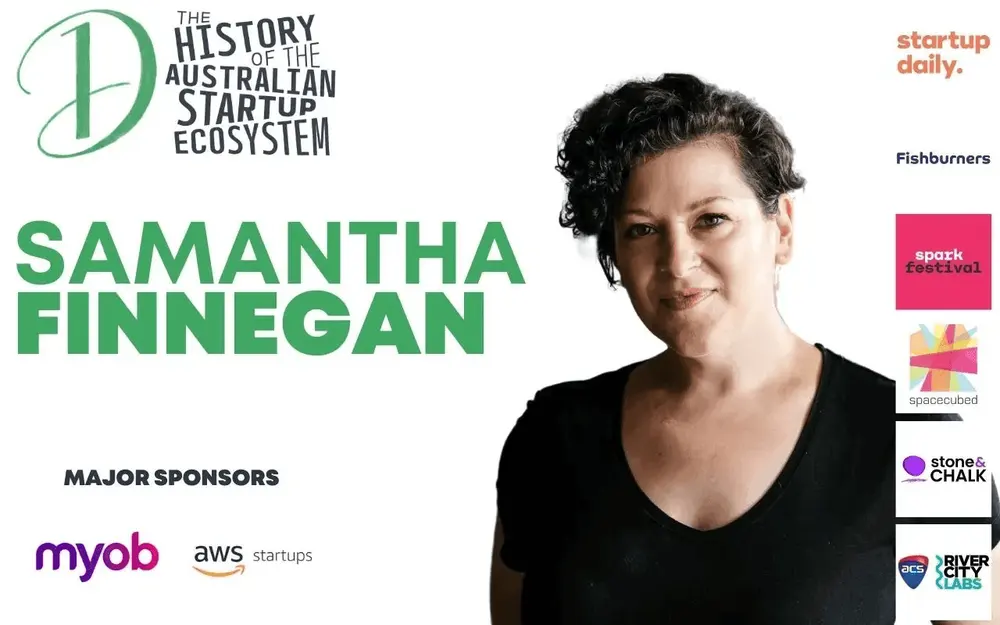
Samantha Finnegan shares the various software tools and platforms she utilizes
Samantha Finnegan is the founder of Madebox, a company which provides customers with gift boxes of curated goods from small regional producers, in particular focusing on supporting regions affected by floods, droughts, bush fires and the pandemic. Samantha launched Madebox during covid lockdown, out of a need to support regional producers whose livelihoods relied heavily on the tourism industry. In her conversation with Adam, Samantha discusses how storytelling is a crucial element to the Madebox experience, as well as the various software tools and platforms that Madebox use to deliver their product.
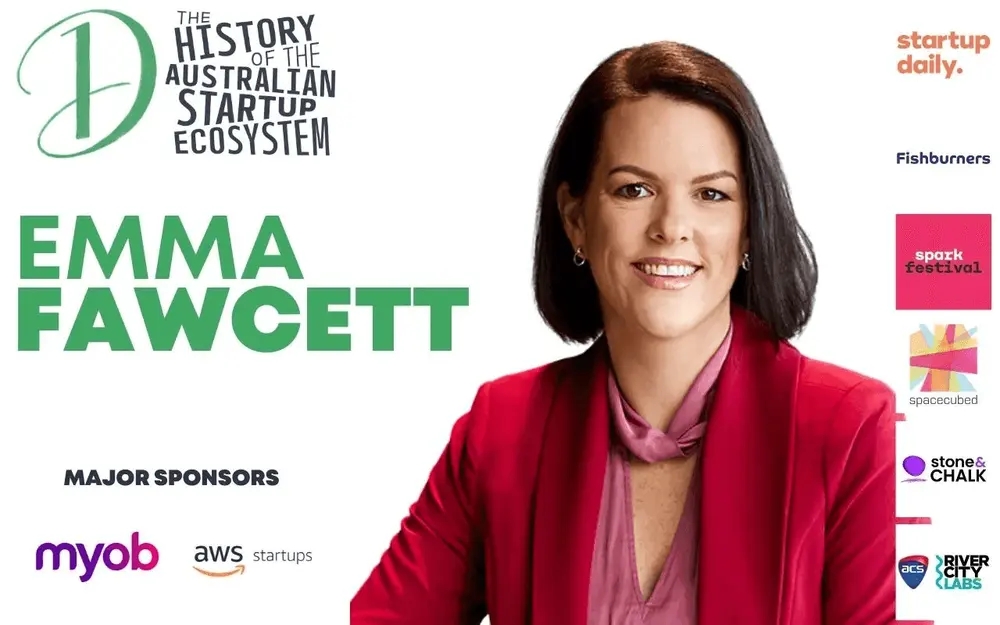
Emma Fawcett discusses the trap of “tech spaghetti”
Emma Fawcett is General Manager, SME at MYOB, a cloud-based business management platform fit for Enterprise, SME & startup businesses. Prior to working at MYOB, Emma has worked in a variety of roles in B2B and digital businesses, including Managing Director of Commercial Product and Platforms at News Corp Australia. In her conversation with Adam, Emma discusses the trap of “tech spaghetti” which some business owners fall into, where they are attempting to manage their business across multiple platforms that aren’t always integrated effectively, as well as her belief that excellent execution is at least as important as a great idea for startups.
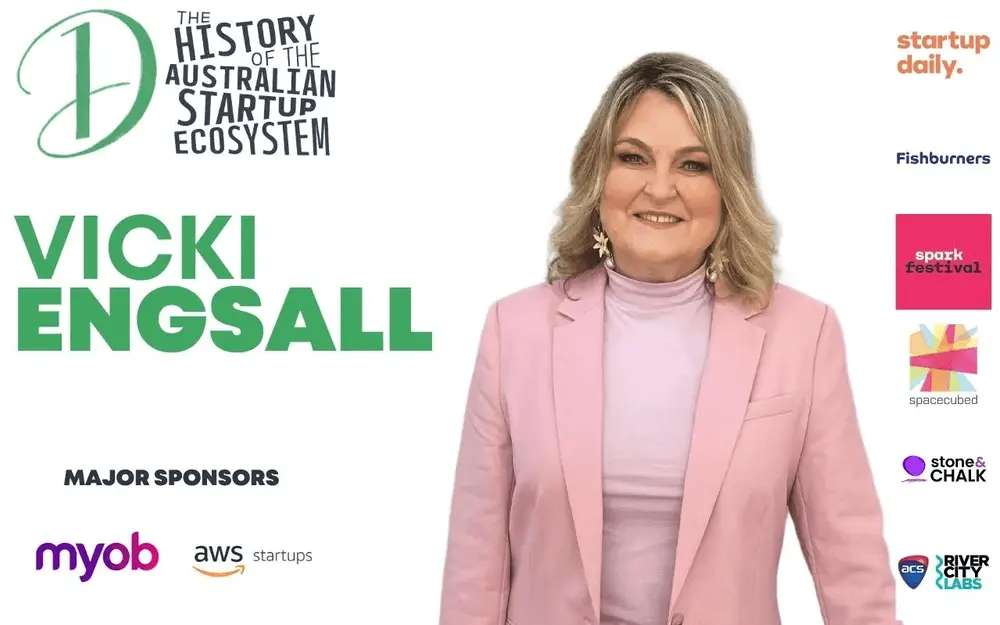
Vicki Engsall shares the benefits of growing your digital presence
Vicki Engsall is the co-founder of The Jojoba Company, an Australian skincare company which produces a range of products which use jojoba oil, a liquid wax ester extracted from the seeds of the jojoba plant. Vicki’s father first started growing jojoba plants, which are native to the United States, after attending a farmers expo where the Department of Agriculture and the CSIRO encouraged Australian farmers to plant the drought resistant crop. In her conversation with guest host Will Tjo, Vicki discusses how she first agreed to go into business with her father to found the company, as well as how The Jojoba Company have benefited massively from growing their digital presence.
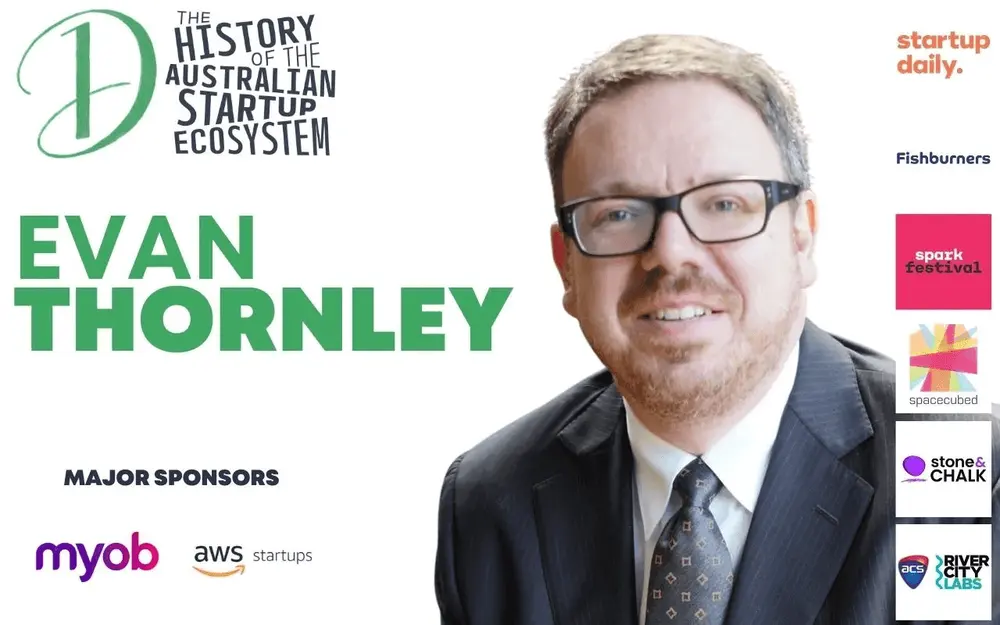
Evan Thornley discusses the evolution of the startup ecosystem
Evan Thornley is a serial entrepreneur with decades of experience founding and leading tech startups, including Australia’s first to be listed on the NASDAQ and reach a more than $1 billion valuation. In 1995 Evan Thornley and his wife Tracey Ellery Founded LookSmart, which in 1999 had 500 employees and was the twelfth most visited website worldwide with 10 million users. Since leaving LookSmart Evan has had a diverse career, and is currently Executive Chair of LongView, a company aiming to transform the Australian property landscape. In his conversation with Adam, Evan discusses the highs and lows of his time with LookSmart, and the ways in which the Australian startup ecosystem has changed in the decades since the dot com boom and bust.
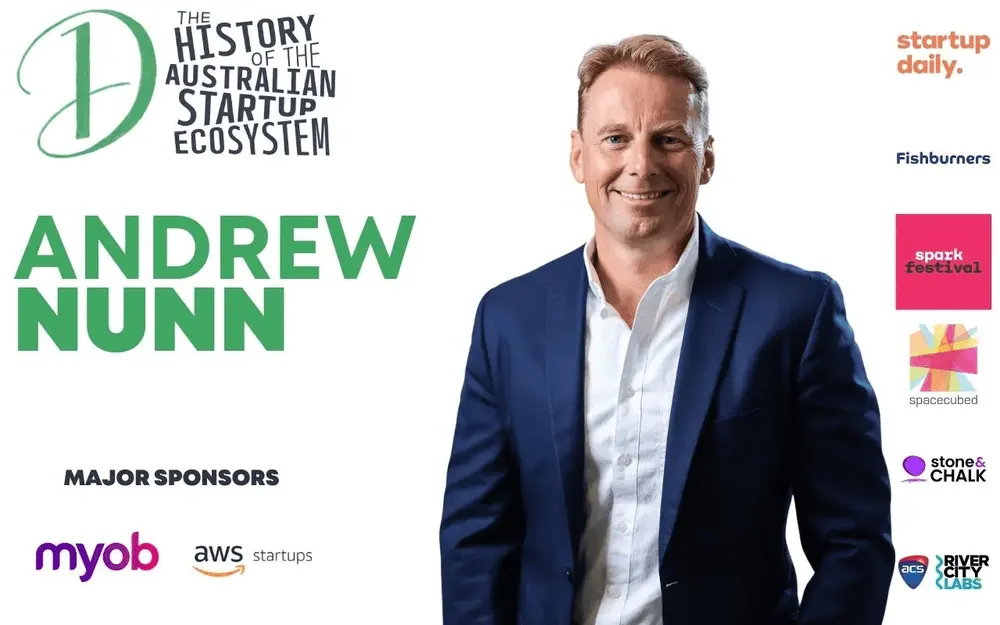
Andrew Nunn believes Australian states and territories should work cooperatively rather than competitively
Andrew Nunn is the co-founder, Chairman and Executive Director of JBS&G, one of Australia’s largest privately owned environmental consulting companies. Andrew also holds the position of Chief Entrepreneur of South Australia, a role in which he is tasked with providing advice to the South Australian Cabinet and the business community to enable entrepreneurialism across the state. In his conversation with guest host Alex Carpenter, Andrew discusses how his entrepreneurial journey started at the age of thirteen washing the exterior of homes before they went up for sale with his brother, as well as his view that states and territories, including South Australia, should focus on their strengths and work cooperatively as part of “team Australia” rather than focus on interstate competition.
Lana Weal highlights the mental health challenges faced by founders
Lana Weal is the founder of Market Mindfully, a marketing consultancy company that aims to support impact-driven startups in Australia and New Zealand to tell their stories, make more impact and connect with partners for mutual benefit. Lana first entered the startup world when she joined the accelerator BlueChilli as Marketing Manager in 2018, a role in which she learned a great deal about the Australian startup ecosystem. In 2021, Lana joined the Atto Accelerator to support the next generation of female founders. http://atto.vc/ is a startup school that supports female founders to launch tech companies independently, scalable, and sustainably. In her conversation with Adam, Lana discusses the potential for burnout and mental health challenges working in the fast-paced startup world, as well as the importance of support networks when embarking on a founder’s journey.
Arthur Sinodinos discusses the positive attributes Australia could learn from the US
Arthur Sinodinos is an Australian diplomat and former Liberal Party politician who has served as Ambassador to the United States since February 2020. He served as Chief of Staff to Prime Minister John Howard from 1997 to 2007, and was a Senator for New South Wales from 2011 to 2019, becoming a minister in the Abbott and Turnbull Governments. In his conversation with Adam, Arthur discusses what he sees as positive attributes of the US startup ecosystem which Australia could learn from, as well as his views on the role of government in the Australian startup ecosystem.
Petr Adámek sees the benefits of greater cohesion of the national startup ecosystem
Ashley Baxter discusses how UQ Ventures was invaluable for her startup
Ashley Baxter is the founder of Monty Compost Co, a clean-tech startup building hardware and software technology for monitoring and managing organic waste recycling. With a passion for environmentalism at its core, Ashley had the idea for Monty Compost Co after learning that composting could be part of the solution for various environmental problems, and that there was little innovation happening in the space. In her conversation with Adam, Ashley discusses how UQ Ventures, a program run out of The University of Queensland, was “invaluable” in getting Monty Compost Co off the ground, as well as her opinion that some people within the startup community could afford to be more humble and less driven by ego.
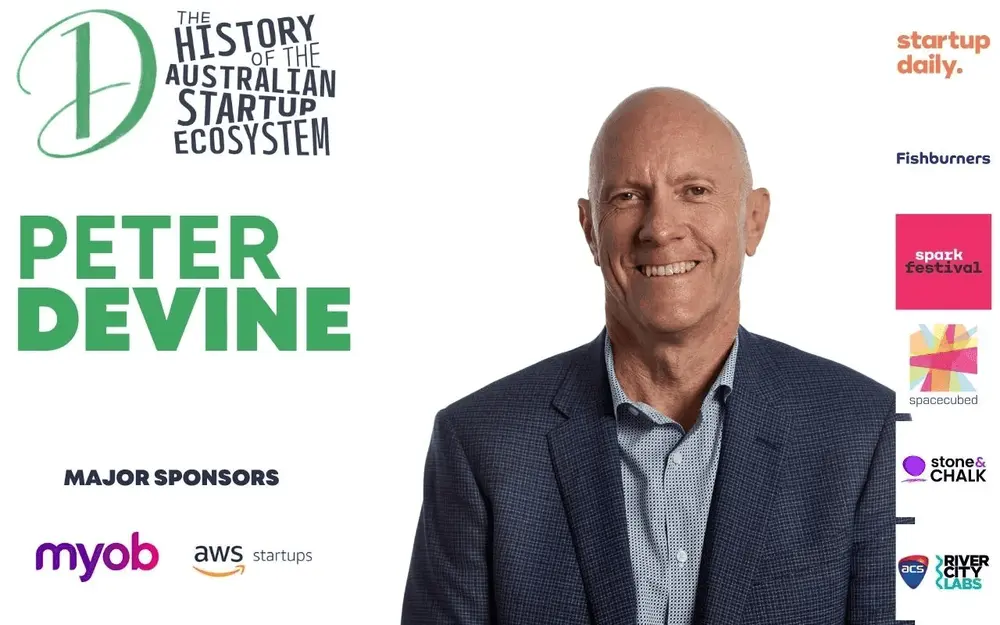
Peter Devine discusses his move to research commercialisation
Peter Devine is CEO of Uniseed, Australia’s longest running venture fund which works with researchers, businesses and industry to provide the best pathway to commercialise cutting-edge research. Peter has been with Uniseed since 2003, and additionally in his long career has served as Chair or Non-Executive Director for more than twenty organisations, including many technology and biotechnology startups. In his conversation with Adam, Peter discusses how he started his career as a researcher before moving into the business side of research commercialisation, as well as his belief that while there is a significant amount of funding for early stage software and B2B startups, for those reliant on cutting-edge research, what he refers to as “deep tech”, early stage funding is harder to come by.
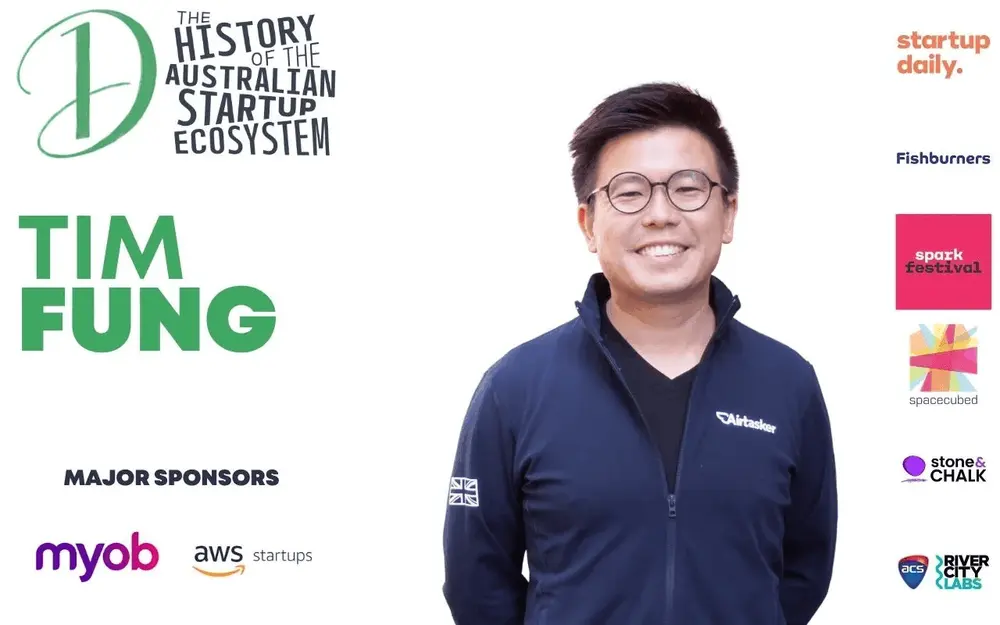
Tim Fung explains why Australia is a great market to test startup ideas
Tim Fung is founder of Airtasker, a local services marketplace connecting people and businesses who need work done with people wanting to work. He is also co-founder and Director of Tank Stream Labs, a tech startup co-working space in Sydney. In his conversation with Adam, Tim discusses how people work from co-working spaces for a sense of community, not just desk space, as well as why he believes Australia is a great market to test startup ideas locally before going global.
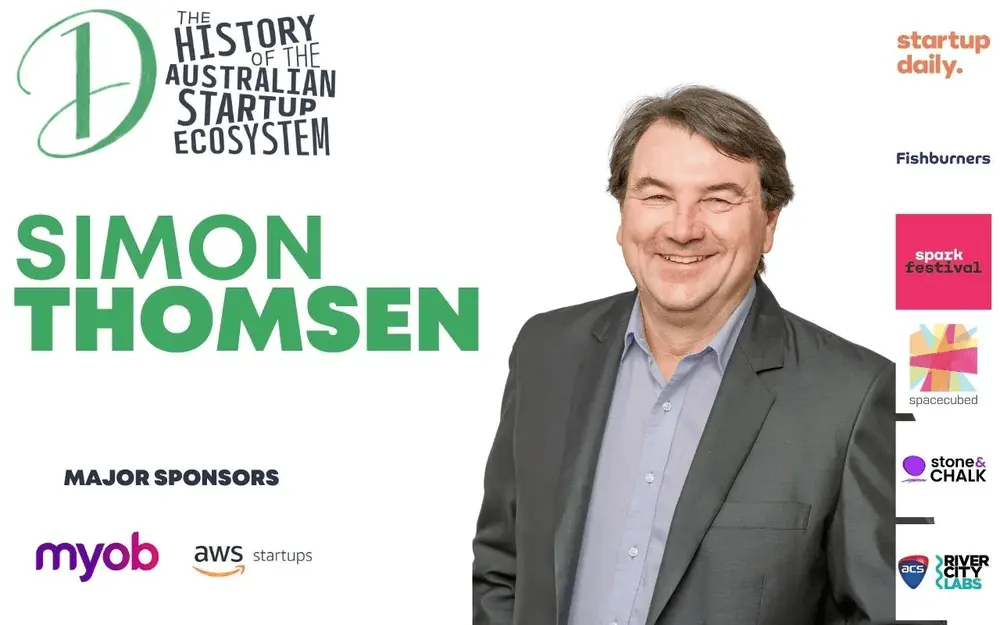
Simon Thomsen saw technology alter the news and publishing landscape
Simon Thomsen is editor of Startup Daily and host of the Startup Daily show which airs on the business streaming service http://ausbiz.com.au/. He is also an investor in early stage startups, and was previously Associate Editor of Business Insider Australia as well as a range of other roles in journalism and publishing. In his conversation with Adam, Simon discusses how during his time working on a journalist he saw technology alter the news and publishing landscape, as well as what he sees as a common trait among the many successful startup founders he has interviewed over the years.
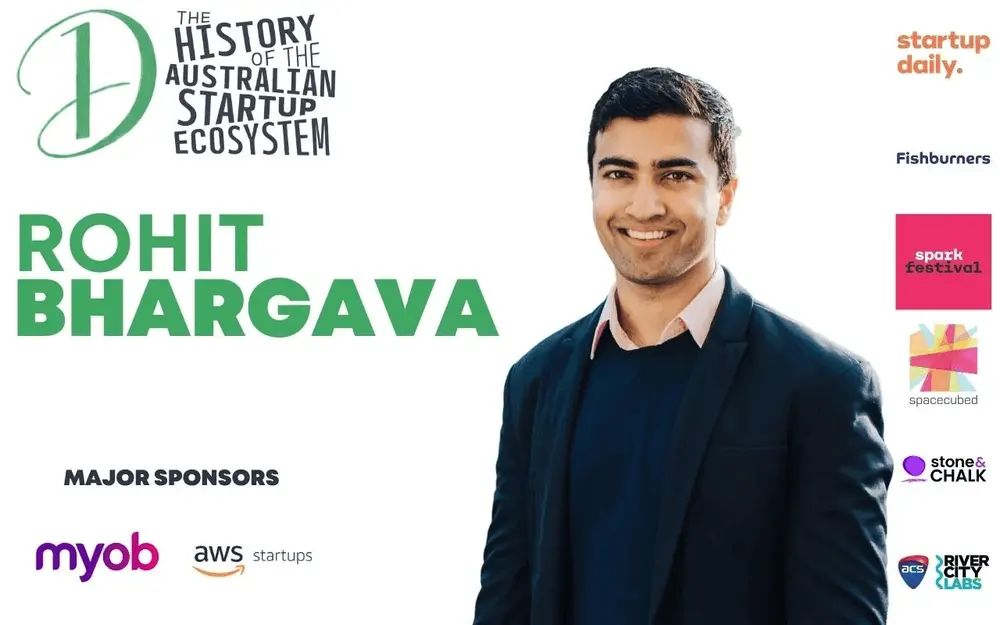
Rohit Bhargava discusses the benefits of reshaping wholesale investor requirements
Rohit Bhargava runs the podcast The Startup Playbook Podcast, where each week he interviews successful entrepreneurs, investors and industry experts. Rohit first entered the startup ecosystem in 2013 when he founded StageLabel, a crowdfunding platform for the fashion industry. Since then he has also had the roles of Community and Events Manager at Startup Victoria, and Startup Business Development Manager at Amazon Web Services Australia & New Zealand. In his conversation with guest host Will Tjo, Rohit discusses how entering the Sydney Startup Weekend competition led to him founding his first company, as well as his belief that reshaping the wholesale investor requirements and tests in Australia would be beneficial to the startup ecosystem.
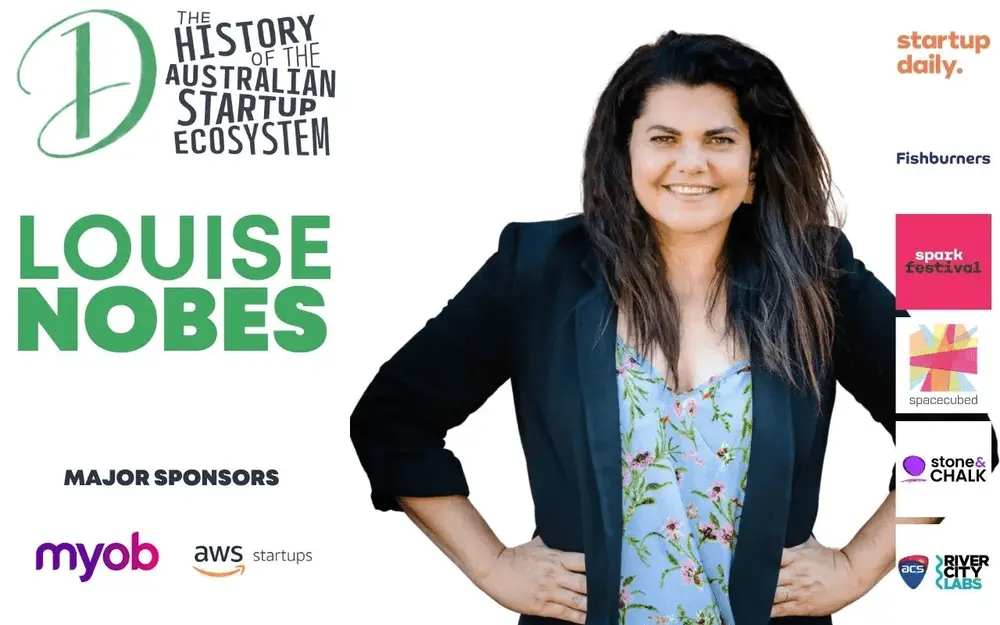
Louise Nobes: Australian startup ecosystem needs to be brave enough to “think untraditionally”
Louise Nobes is the founder and CEO of KIK Innovation, an organisation that aims to end youth unemployment through enterprise. Louise is also the founder of 42 Adelaide, an Australian branch of the global educational organisation founded in France, which provides tuition free IT training that aims to be open to anyone regardless of background. In her conversation with Adam, Louise discusses how her previous career as a social worker helped shape her approach to entrepreneurship, and her belief that the Australian startup ecosystem needs to be brave enough to “think untraditionally”.
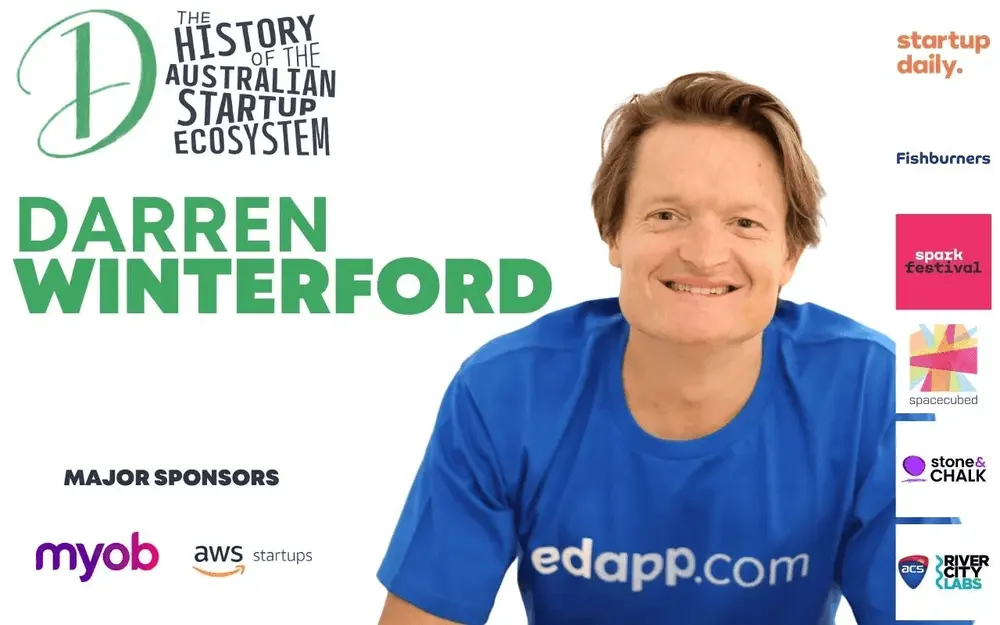
Darren Winterford believes Australian Entrepreneurs would benefit from more networking
Darren Winterford is the founder and CEO of EdApp, a mobile focused LMS (learning management system) which allows its users to create learning experiences that can be accessed on mobile devices in bite sized chunks which EdApp calls “microlessons”. Prior to EdApp, Darren founded a digital agency that specialised in building mobile apps for large brands, and it was during his time running the agency that the idea for EdApp emerged. In his conversation with Adam, he discussed how first working to build software products for clients was the perfect learning ground for an aspiring founder, as well as his belief that Australian entrepreneurs would benefit from more networking and community building.
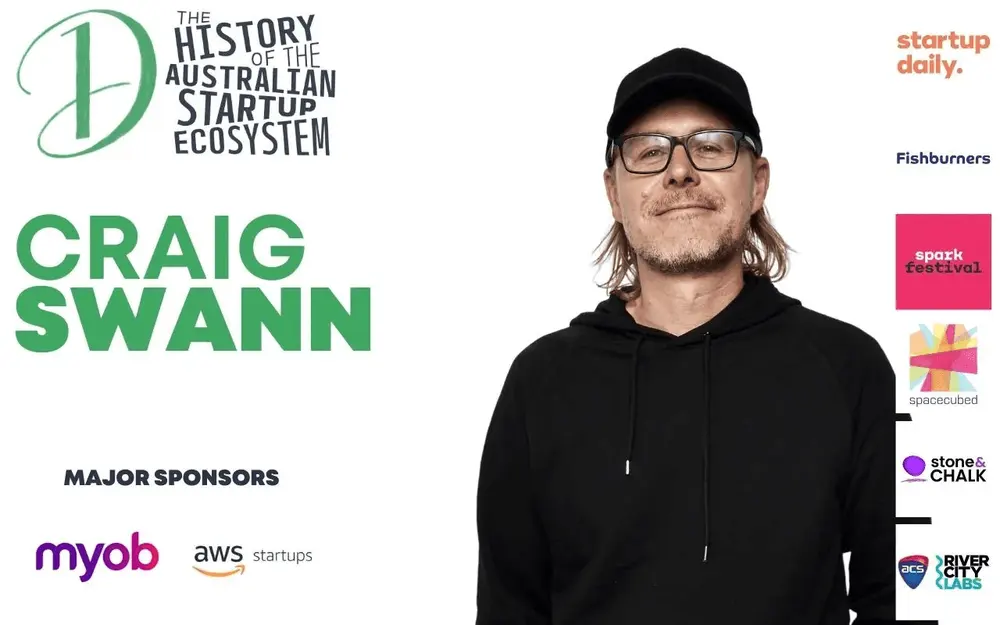
Craig Swann fears complacency may slow innovation
Craig Swann is the Event Director for SouthStart, Australia’s first innovation impact festival which brings together entrepreneurs, technologists, creatives, and founders from around Australia. Craig has a long history in startups, including as co-founder of Sqribbles and Looplabs, and currently acting as Senior Advisor in Australia for the Global Entrepreneurship Network. In his conversation with Adam, Craig discusses how he first got involved with SouthStart, and his concern that a degree of complacency in Australia can result in a slower pace of innovation.
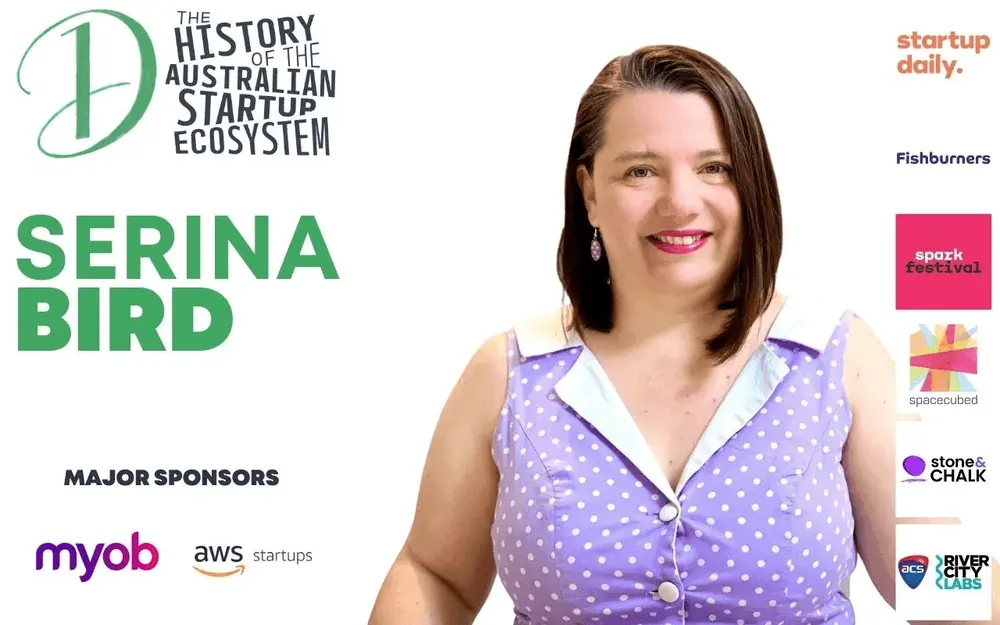
Serina Bird discusses her inspiration from Taiwan’s startup ecosystem
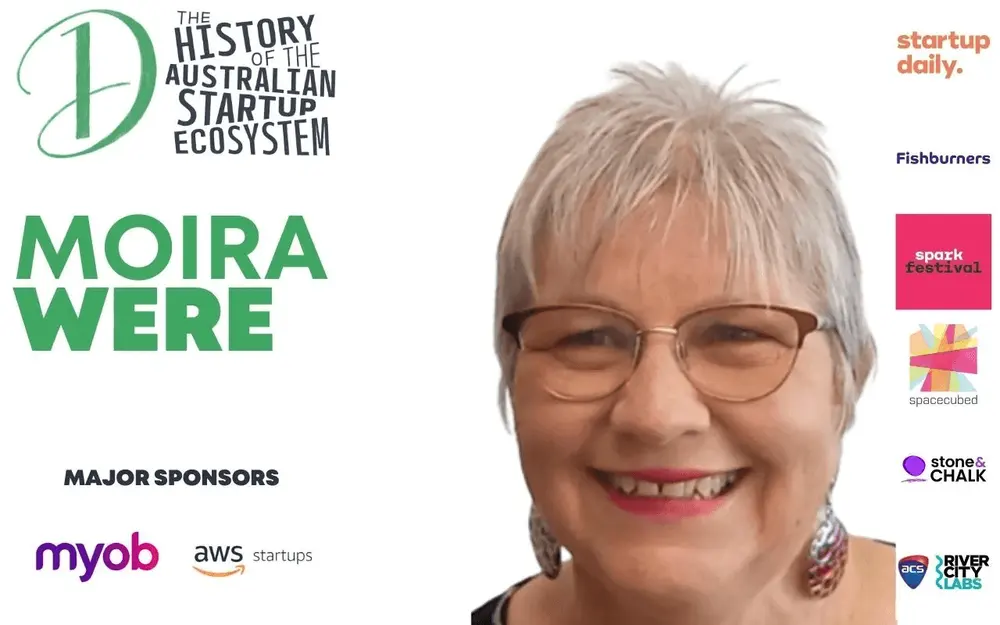
Moira Were discusses what metrics companies can use to measure “good”
Moira Were has been involved in many endeavors in the Australian startup ecosystem throughout her long career, with a focus on projects striving for social good. Moira is the founder of the Hen House Co-Op, an initiative with the goal of closing the gender investment gap, and co founder of Collab4Good, a social enterprise working towards a just economy based on participation, equity, access and rights for all. In her conversation with guest host Will Tjo, Moira discusses her belief that all companies should be social enterprises, as well as various approaches and metrics companies can use in order to measure “good”.
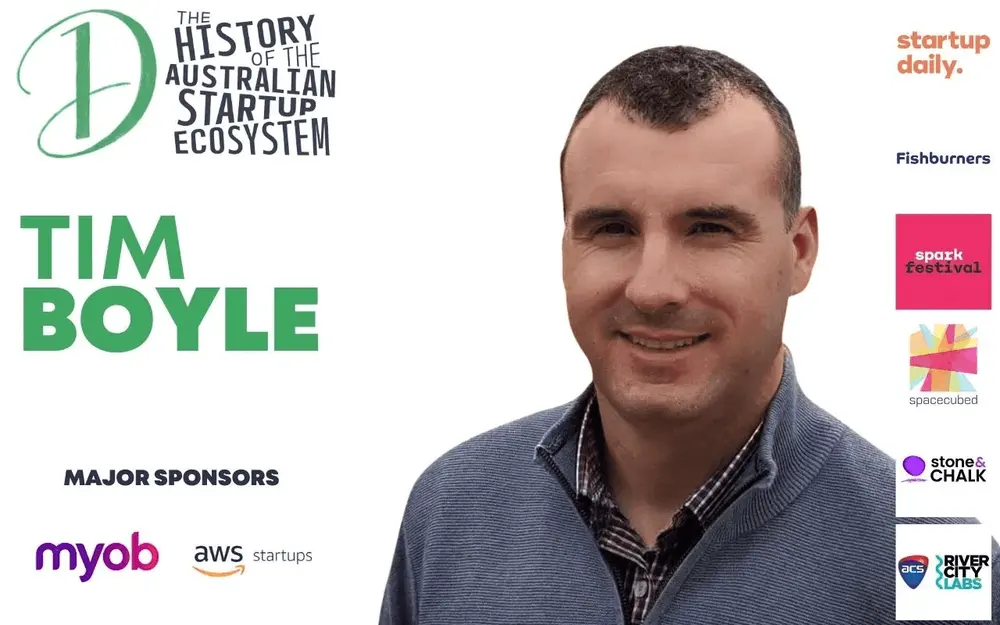
Tim Boyle sees a bias towards digital technologies in the ecosystem
Tim Boyle is Director of Innovation & Commercialisation at ANSTO, Australia’s Nuclear Science and Technology Organisation. Tim is also the director and founder of Nandin Innovation Centre, ANSTO’s centre for commercialisation, design innovation and entrepreneurship, which oversees a growing ecosystem of more than 30 startups. In his conversation with Adam, Tim discusses his belief that there is a bias towards digital technologies and web/mobile platforms within Australia’s startup ecosystem, as well as what he sees as unique strengths of the Australian startup ecosystem.
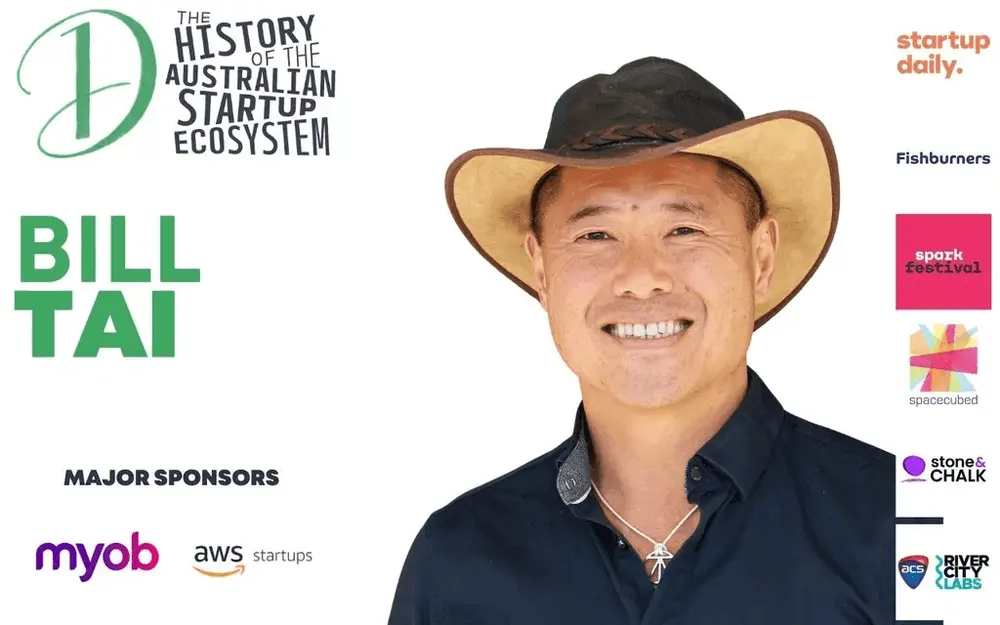
Bill Tai highlights the key similarities and differences between Silicon Valley and Australia
Bill Tai is a global venture capitalist who is based in Silicon Valley and spends part of the year in Perth. Bill has been funding startups as a Venture Capitalist since 1991, and has had 23 of his startups become listed companies. Bill is also an Adjunct Professor at Curtin University, where his focus is innovation and economic development. In his conversation with Adam, Bill discusses how he became one of the earliest investors in Canva after meeting one of its co-founders Melanie Perkins, as well as what he sees as key similarities and differences between Silicon Valley and Australia’s startup ecosystem.
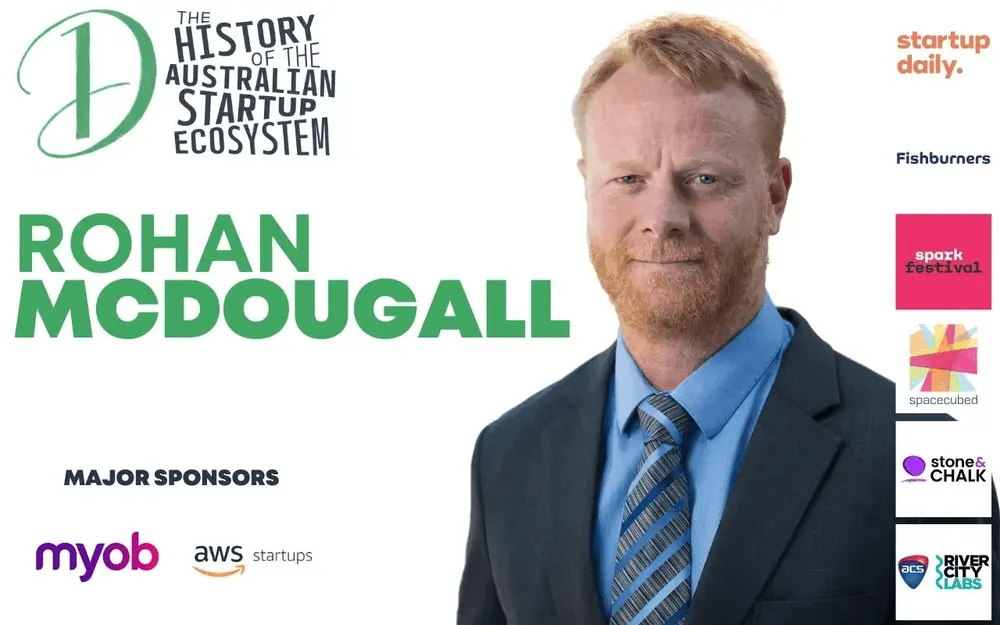
Rohan McDougall highlights the current risks to Western Australia’s economy
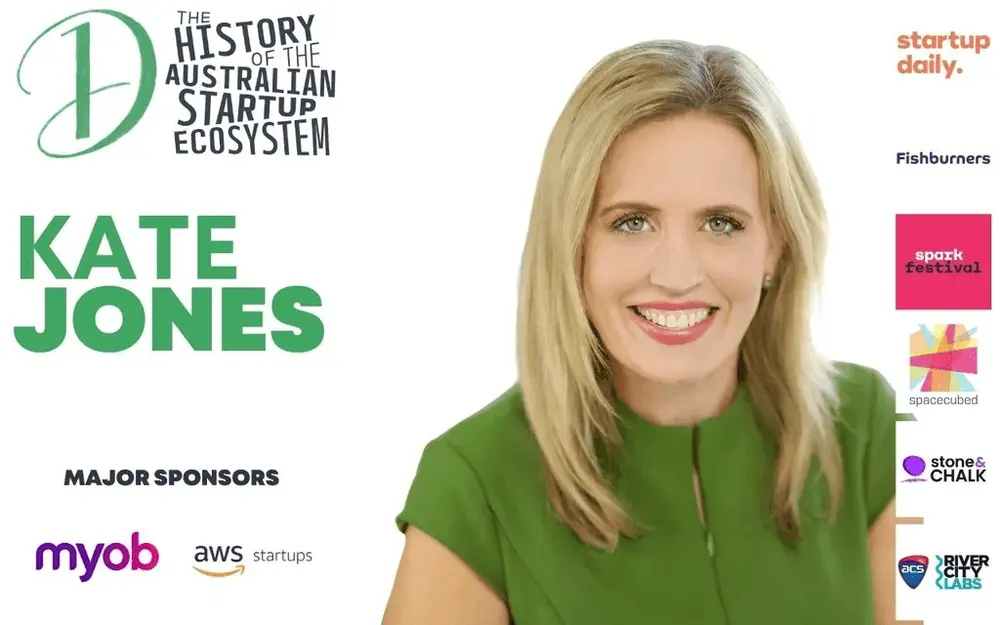
Kate Jones explains why the Tech Council of Australia was founded
Kate Jones is the former Minister for Innovation in the Queensland government, and has spent the last 20 years of her life working in politics. Currently she is an executive director with the Tech Council of Australia, as well as working for the tech entrepreneur Bevan Slattery who has built a number of businesses that handle data and telecommunications. In her conversation with Adam, Kate discusses why the Tech Council of Australia was founded, as well as her views on what role government should play within the Australian startup ecosystem.
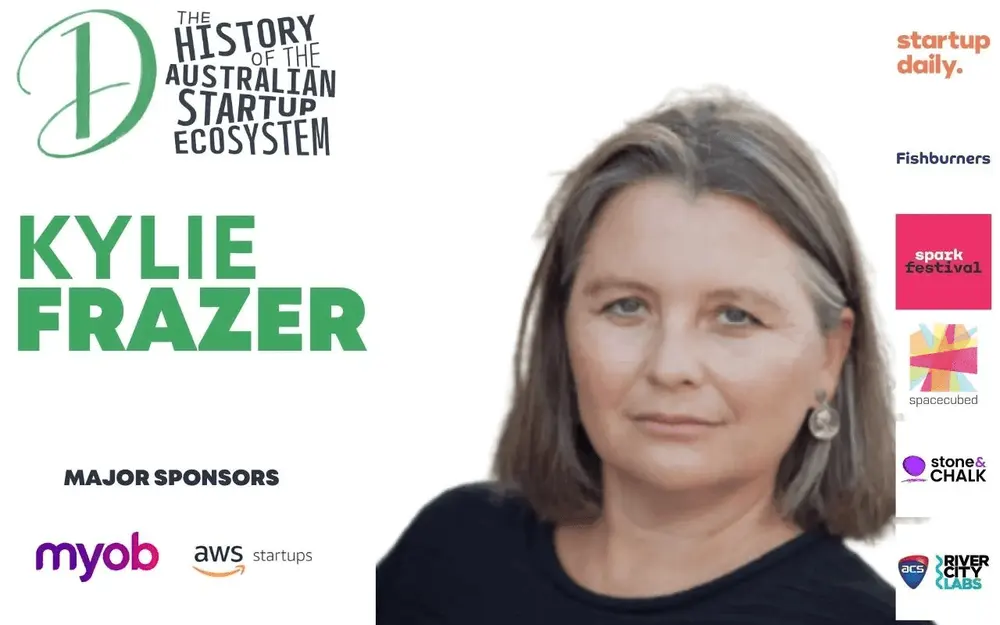
Kylie Frazer discusses some common causes co-founders separate
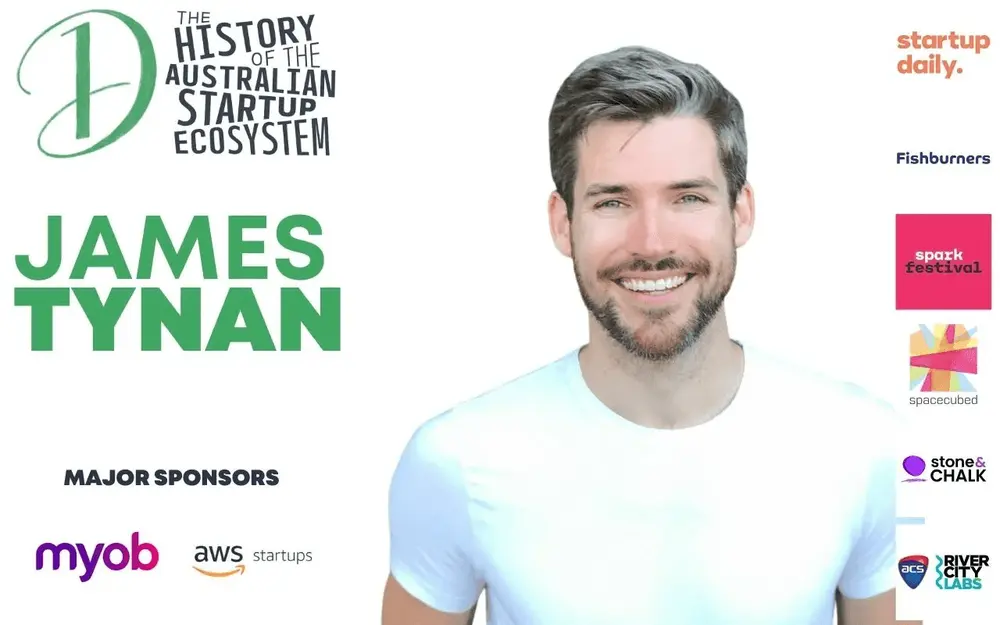
James Tynan shares his unpopular views on startup accelerators
James Tynan is Principal at Square Peg, which is currently Australia’s largest independent Venture Capital firm with $1.6 billion under management and offices in Sydney, Melbourne, Singapore and Tel Aviv. Prior to taking this role, James was CEO at Startmate, an organisation of investors and mentors that runs two accelerator cohorts a year. In his conversation with Adam, James discusses his experiences being exposed to the startup ecosystem in Silicon Valley, and shares his opinion that, with some notable exceptions, startup accelerators are generally terrible business ventures.
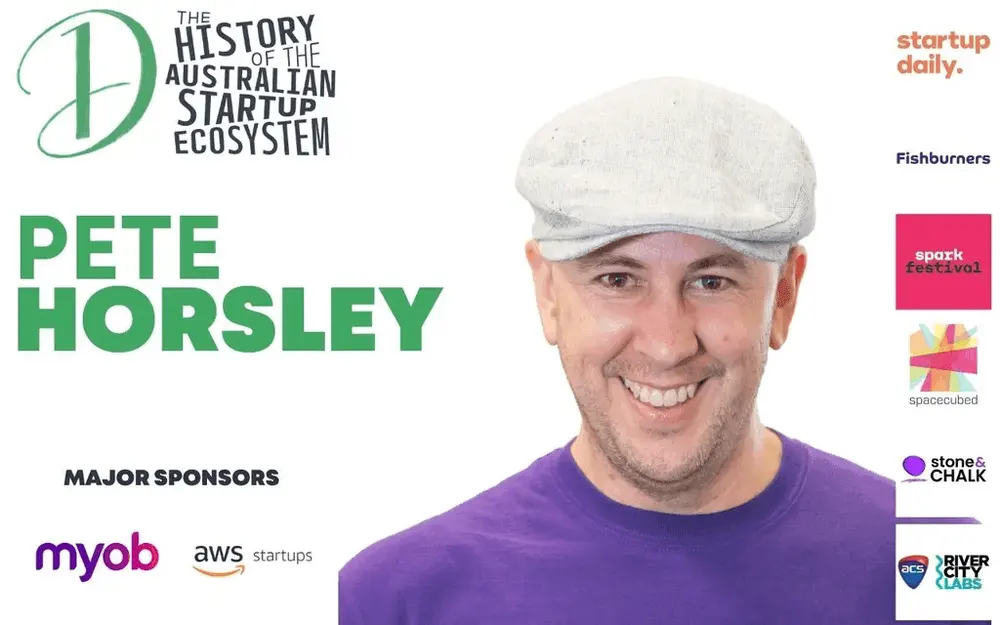
Pete Horsley explains why diversity is so important in the ecosystem
Pete Horsley is the founder of Remarkable, a tech accelerator for early stage startups in the disability tech space. Starting his career as a landscape architect, Pete now has more than 10 years’ experience working in the not-for-profit sector. In his conversation with Adam, Pete discusses how an idea for a solar powered wheelchair led to the founding of Remarkable, and why diversity within Australia’s startup ecosystem is so important.
Mick Liubinskas: Australia’s startup ecosystem would be stronger with a single city leading it
Pete Lead: “You have permission to be awesome and complete freedom to fail”
Pete Lead is former Head of Programs at tech startup accelerator BlueChilli, the author of the The Startup Guide, a toolkit designed for startup founders, and GM of Learning and Growth at social enterprise Young Change Agents. With a background in improv comedy, Pete joined BlueChilli in 2018 as a relative outsider to the startups. In his conversation with Adam, Pete discusses his motto, “You have permission to be awesome and complete freedom to fail”, as well as his belief that the skills a person can learn working in a startup are applicable in many professional contexts outside of a startup.
Alan Noble discusses the contrast between Silicon Valley and Australia in the 2000’s
Terry Hilsberg discusses the earliest days of the startup ecosystem
Terry Hilsberg is a co-owner and partner in Fork Ventures, an investment firm that primarily focuses its investments in crypto projects. Terry is also a Venture Partner in InnoHub Capital, a global innovation acceleration services organisation based in China. Terry has decades of experience working within the startup ecosystem both in Australia and globally, and in his conversation with Adam discusses his involvement in the earliest days of Australia’s startup ecosystem in the late 70’s and 80’s, as well as his belief that Australia must work to not lose the progress we’ve made in our startup ecosystem when (not if) the next big financial crash comes.
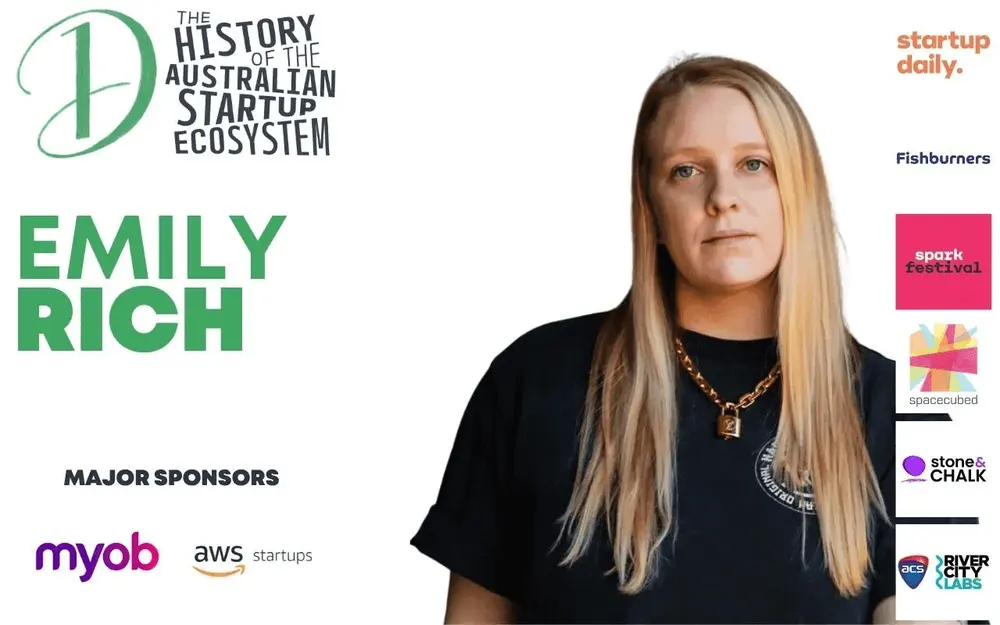
Emily Rich explains why taking “smart money” is often a better path
Emily Rich is a co-founder and partner at M8 Ventures, a venture fund that focuses on investing in tech startups during their “pre-seed” stage. Emily is also Director of Startups for APAC, where she has been tasked with helping to drive startup growth in the Asia-Pacific region. This is a special episode featuring guest host Alan Jones, an investor and veteran of Australia’s startup ecosystem who has supported Australian startups independently and through BlueChilli, Blackbird Ventures, Pollenizer Ventures and Startmate. In the conversation, Emily discusses how she got her start co-founding a machine learning startup, and her belief that while bootstrapping a business may be an appealing prospect for early founders, that seeking investment early and taking what she calls “smart money” is often a better path for fast and sustainable growth.
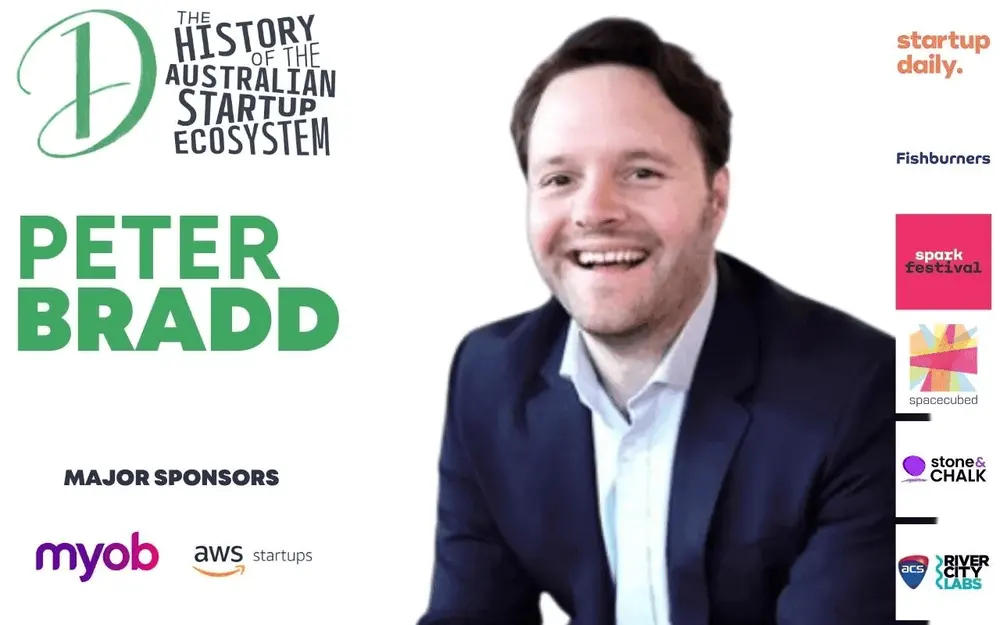
Peter Bradd discusses the expectation-shattering progress the ecosystem has made
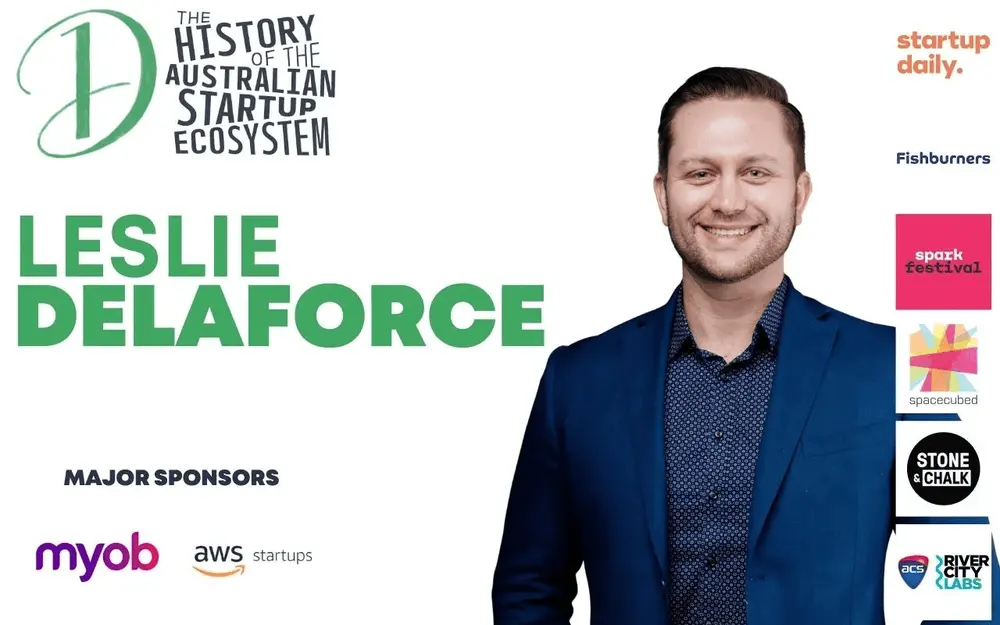
Leslie Delaforce highlights the unique challenges facing Indigenous founders
Leslie is the Indigenous Entrepreneurship Director at Minderoo Foundation, an Australian not-for-profit organisation seeking effective, scalable solutions to persistent problems. Leslie’s role at Minderoo is part of their Generation One initiative, with the goal of creating employment parity with and for Indigenous Australians. Leslie also founded DreamSpark, a tech, investment and Web 3.0 enterprise, and co-founded Covocate, a HR Tech platform that helps companies identify their best job candidates. In his conversation with Adam, Leslie discusses some of the unique challenges facing Indigenous founders, as well as what he sees as the role of government in the startup ecosystem.
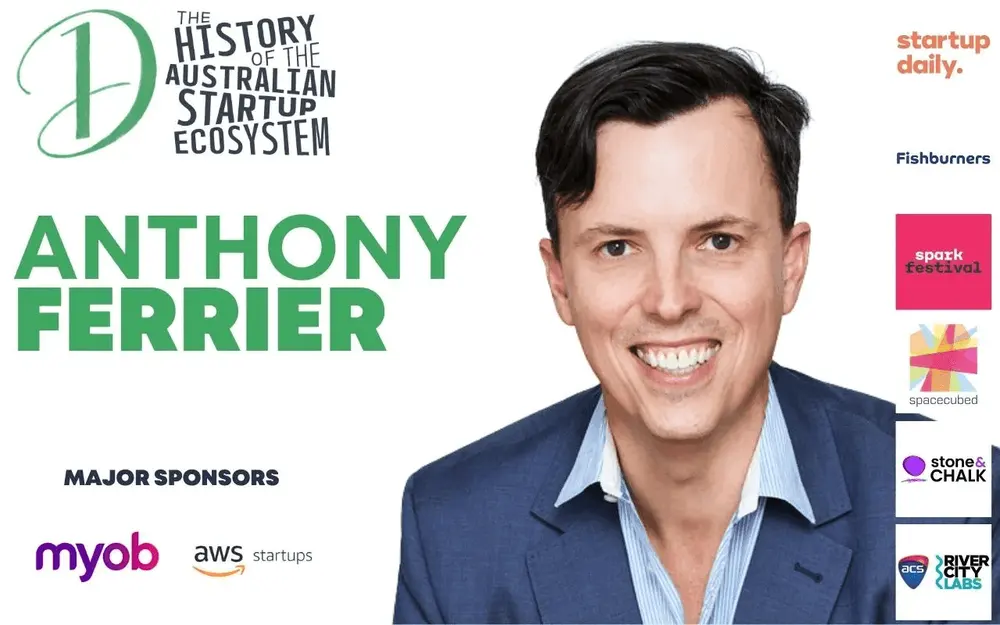
Anthony Ferrier offers his advice to startup founders
Anthony Ferrier is an innovation and commercialisation specialist, primarily working within the intersection between startups and corporations. Anthony is the head of Innovation and Commercialisation at Swinburne University of Technology in Melbourne, as well as working independently as an advisor and consultant. Before returning to Australia several years ago, Anthony spent two decades working in the US and Europe, primarily based in New York City. In his conversation with Adam, Anthony discusses how the attitudes of legacy corporations faced with disruption by startups has changed over the last few decades, as well as his advice to startup founders aiming to build a working relationship with a corporate entity.
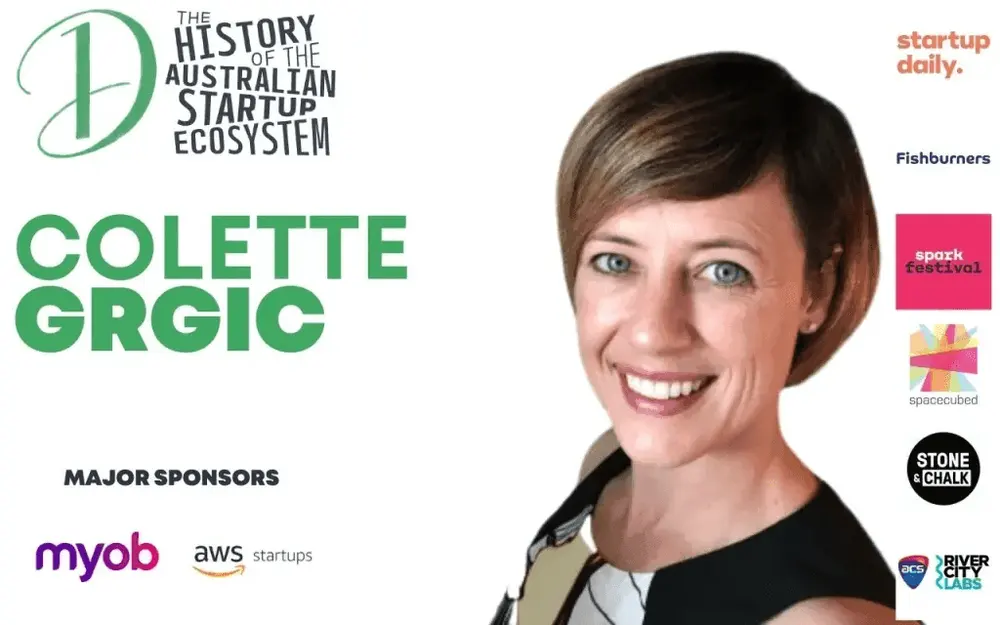
Colette Grgic explains why diversity is crucial
Colette Grgic is Head of Startup Ecosystem in Australia and New Zealand at AWS (Amazon Web Service), a role which sees her leading a team that works to enable founders to start and successfully scale startups in Australia and New Zealand. Before joining AWS, Colette was Chief Innovation Officer at BlueChilli, Australia’s largest startup accelerator. In her conversation with Adam she discusses her experience of creating a startup before she even knew the term “startup”, and why she believes diversity is crucial in Australia’s startup ecosystem.
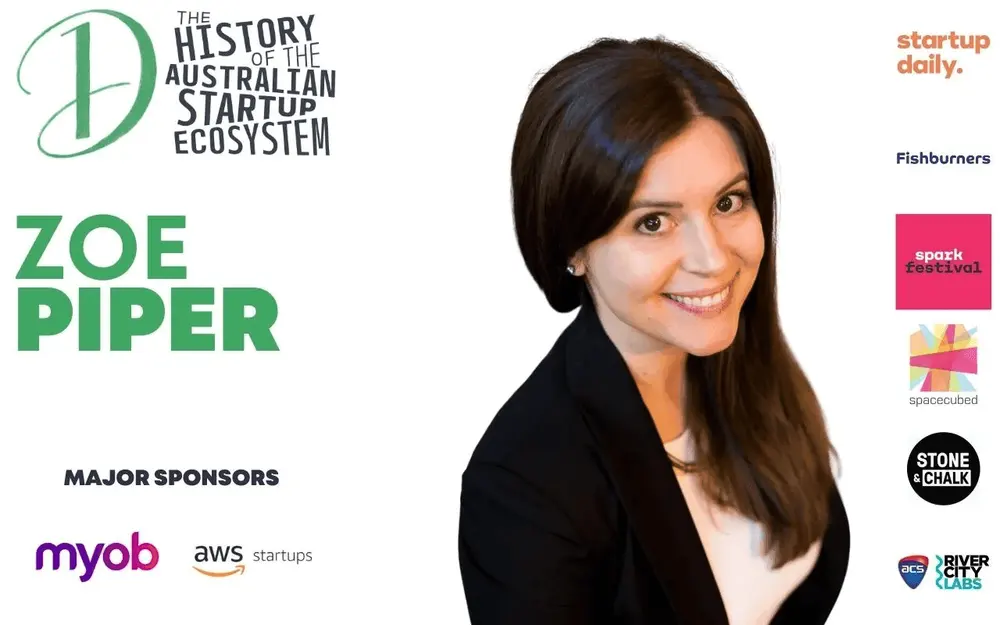
Zoe Piper wants to see more non-traditional career approaches
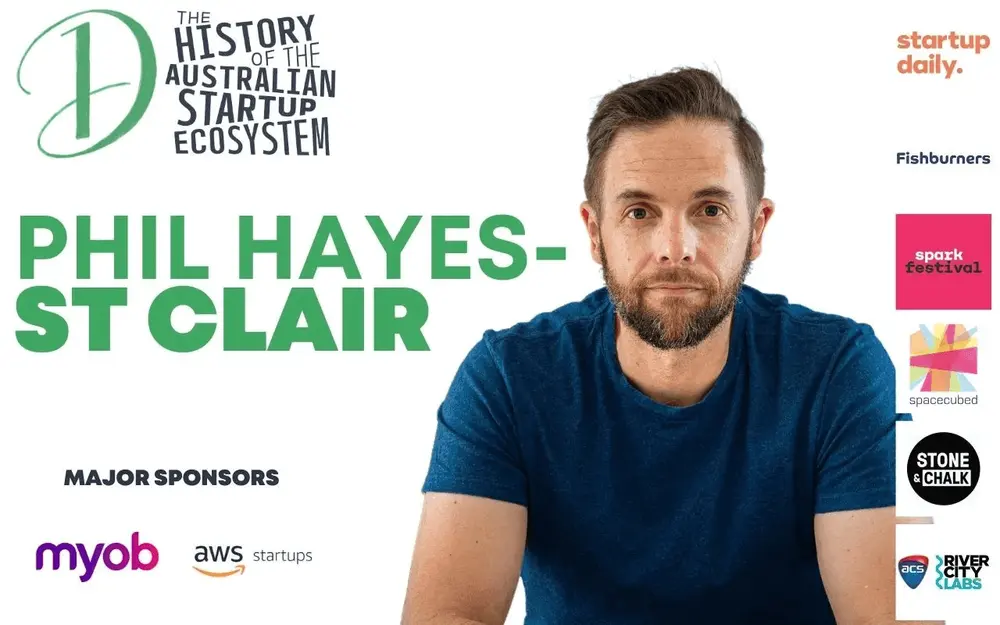
Phil Hayes-St Clair: “Take care of yourself”
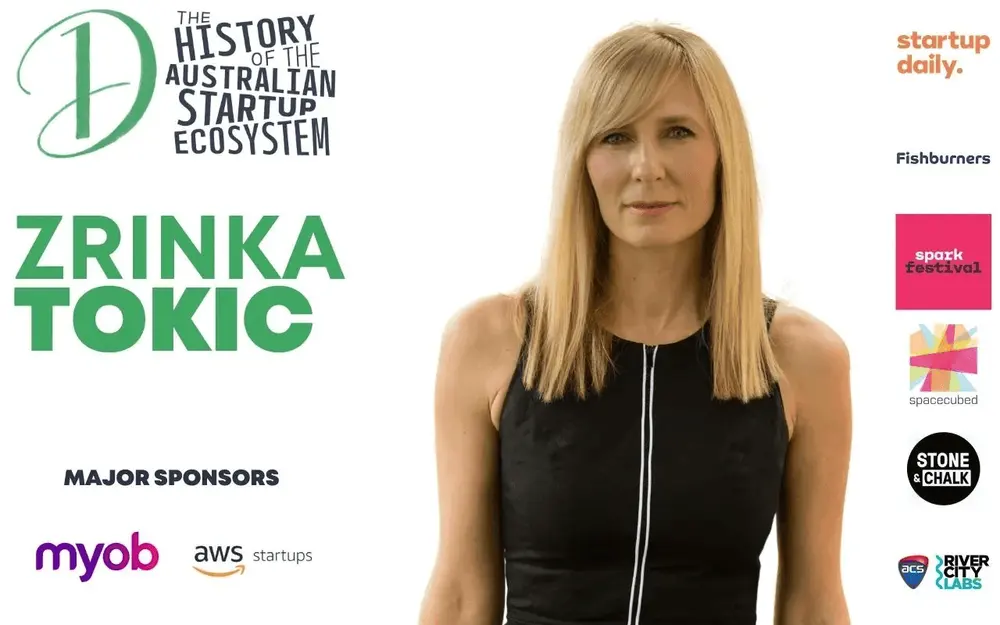
Zrinka Tokic on the emergence of modern cloud tools
Zrinka Tokic is the director of ThincLab, the University of Adelaide’s business incubator that has its headquarters in Adelaide but also has locations in Singapore and New Zealand. Zrinka is also director of the Australian eChallenge, a pre-accelerator program which aims to take a startup from initial idea to market ready or incubator ready. In her conversation with Adam, Zrinka discusses how her previous experience working as an interior designer helped give her an appreciation for design thinking, and how important the emergence of modern cloud tools have been for enabling startups to grow quickly.
David Burt explains why startups are essential to our standard of living
David Burt is the Director of Entrepreneurship at UNSW, where his team helps students, academics, staff and alumni turn their ideas into a startup. He also serves as Non-Executive Director for RapidAIM, an agriculture start up, Planet Ark, a not-for-profit environmental behaviour change organisation, and Cicada Innovations, an incubator for Australian science and engineering startups. In his conversation with guest host Will Tjo, David discusses how he got started in the startup world, his work with UNSW, and why nurturing the startup ecosystem is essential if the average Australian is to continue to enjoy a high standard of living into the future
Rachael Neumann explores the effects of the pandemic on startups
Rachael Neumann is one of the founding partners of Flying Fox Ventures, an early stage venture capital firm backing startups in Australia and New Zealand. Prior to this Rachael has played many roles in the Australian startup ecosystem, including as Partner at Startmate, Head of Startups Australia & New Zealand at Amazon Web Services, board member at LaunchVic and Managing Director of Eventbrite Australia. In her conversation with Adam, Rachael discusses her time in the US startup ecosystem and how it differs from Australia’s, and some effects that the pandemic has had on Australian startups.
Pete Cooper discusses Universities’ role in the ecosystem
Pete Cooper is a serial founder and mentor who has worked in a wide variety of roles in the technology startup space. He is Director of Cooper & Co, an early stage investment firm, founder of The Start Society, a grassroots industry body for Australian tech startup entrepreneurs, and has served as a mentor for many startup organisations including Muru-D, Startmate, and Founder Institute. In his conversation with Adam, he discusses his very first experience learning about building a technology product by helping his father build a pharmacy system for his dad’s business, and what he sees as gaps in the Australian startup ecosystem.
Anna Wright: why “fail fast” is the greatest advice
Anna Wright is the CEO and co-founder of BindiMaps, a smartphone app that helps anybody find their way around complicated indoor spaces such as shopping centres and hospitals. Their mission is to make every indoor space 100% accessible, with the early focus of the company on accessibility for people with vision impairment. In her conversation with Adam, Anna discusses how her rare retina condition brought the importance of accessibility for the vision impared to the forefront of her awareness, and her belief that “fail fast” is great advice for founders.
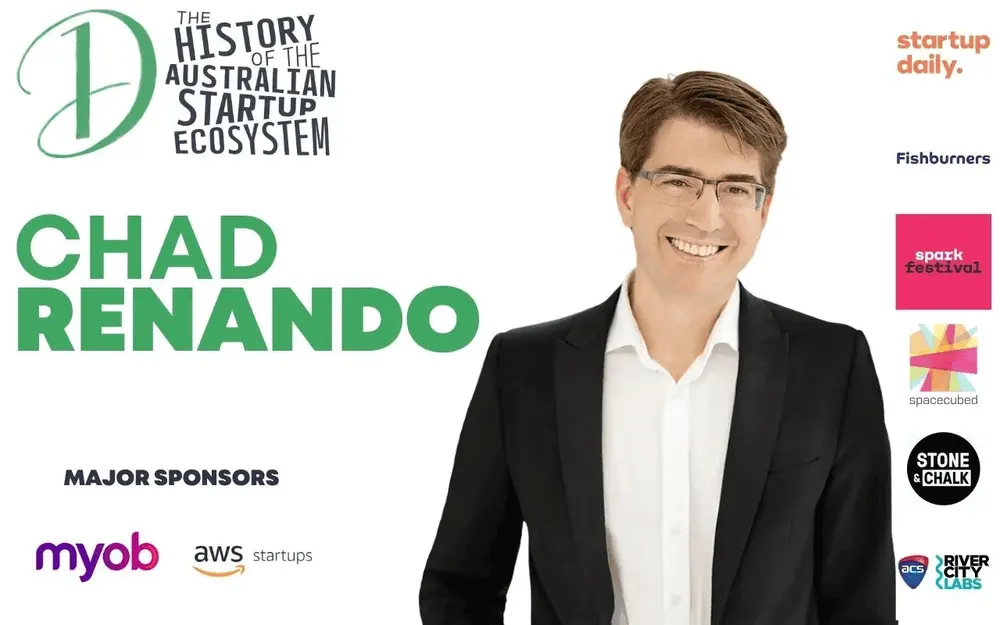
Chad Renando talks definitions of a strong ecosystem
Chad Renando is director of Startup Status, a not-for-profit which aims to help organisations that support entrepreneurs by mapping and measuring the innovation ecosystem across Australia. He is also Managing Director of Global Entrepreneur Network, and Research Fellow at University of Southern Queensland, where he’s working on a PhD on the topic of the role of innovation hubs in developing resilience in regional communities. In his conversation with Adam he discusses what he sees as the gaps in Australia’s startup ecosystem, and what he sees as defining a particularly strong ecosystem.
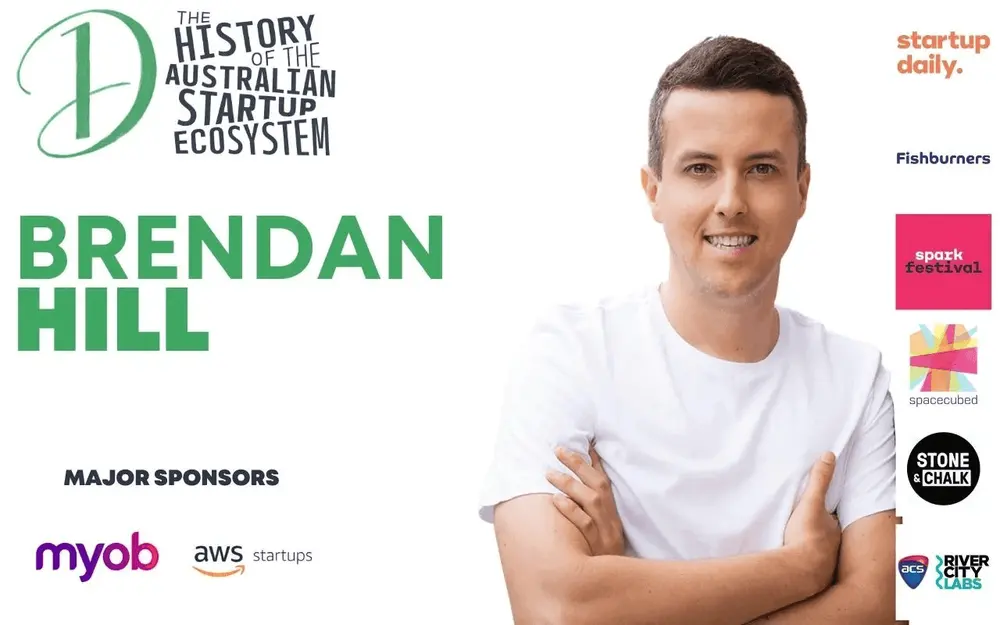
Brendan Hill examines the war on talent in Australia
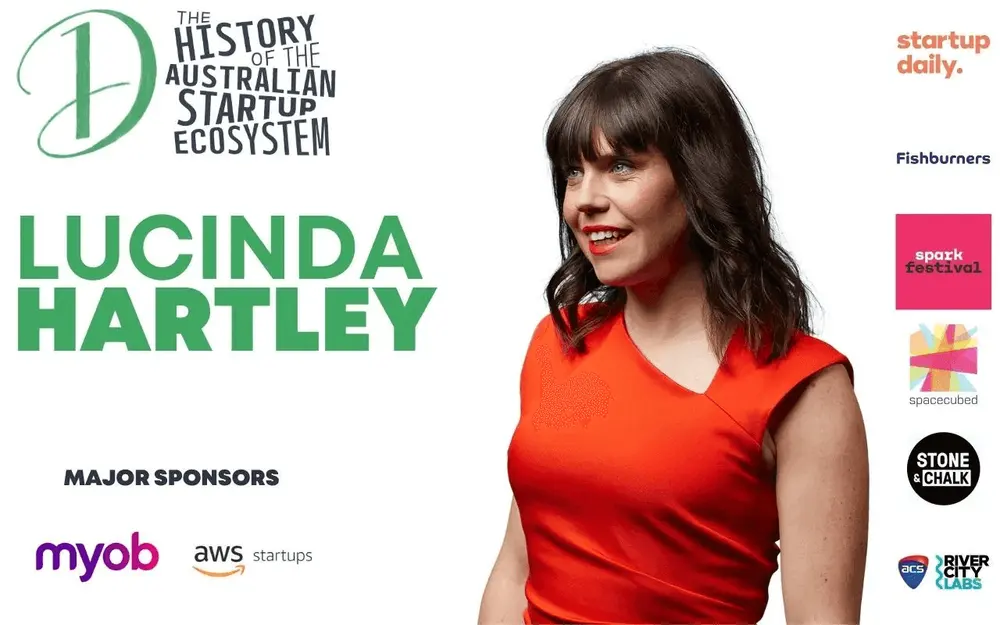
Lucinda Hartley discusses the barriers she overcame when starting out
Lucinda Hartley is an urban strategist and serial entrepreneur. She is the co-founder of Neighbourlytics, a social analytics platform for neighbourhoods that aims to solve the human data gap for the property sector by providing access to information and insights about urban life. She also co-founded CoDesign Studio, a not-for-profit with the mission of improving social connection and resilience across Australian Communities. In her conversation with Adam, Lucinda discusses how Australia’s startup ecosystem has evolved over the past five years, and some of the barriers she faced when first becoming involved in the ecosystem.
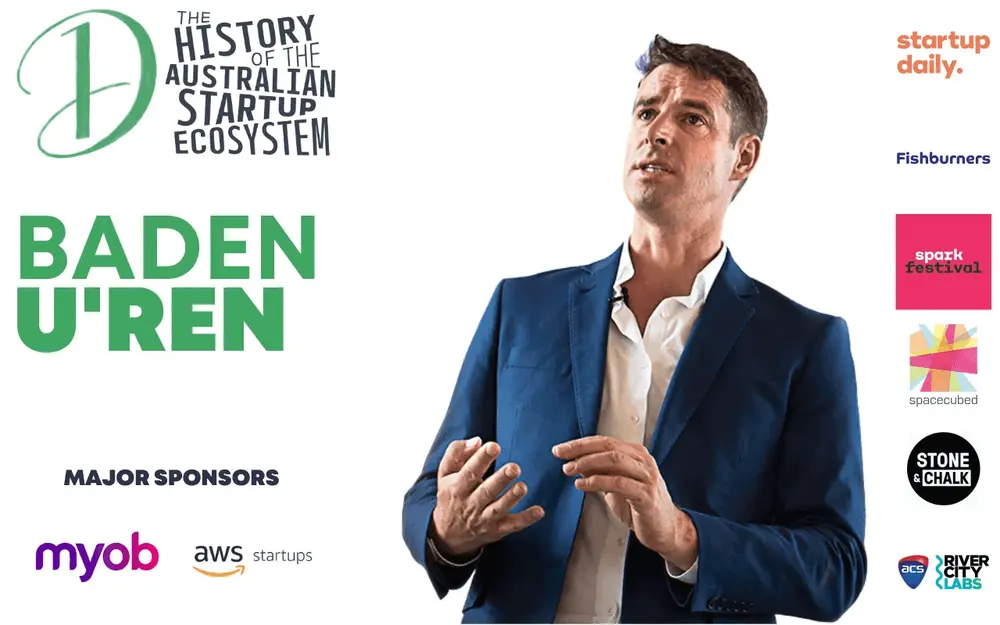
Baden U’Ren on the importance of teaching our youth entrepreneurship
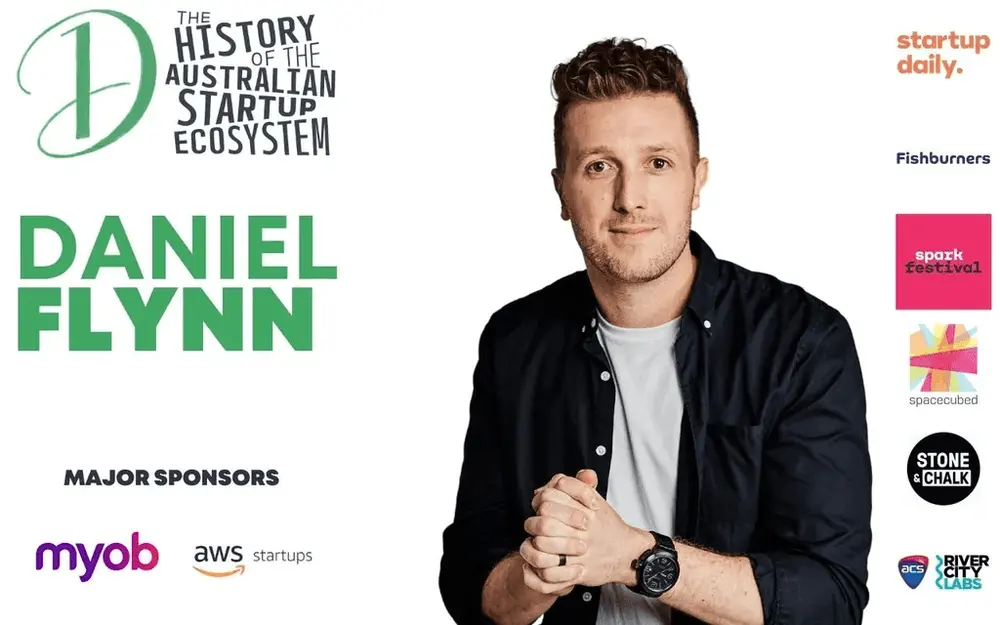
Daniel Flynn explains why leaders are learners
Daniel Flynn is co-founder of Thankyou, a social enterprise that was founded in 2008 and sells consumer products to help end extreme poverty. In 2015 Daniel’s book, Chapter One, became a bestseller and generated $1.4 million in sales in its first month using an unorthodox “pay-what-you-want” model. In his conversation with Adam, Daniel discusses his belief that “leaders are learners”, and how working with a psychologist to come to terms with some of his personal challenges helped him grow into the leader he is today.
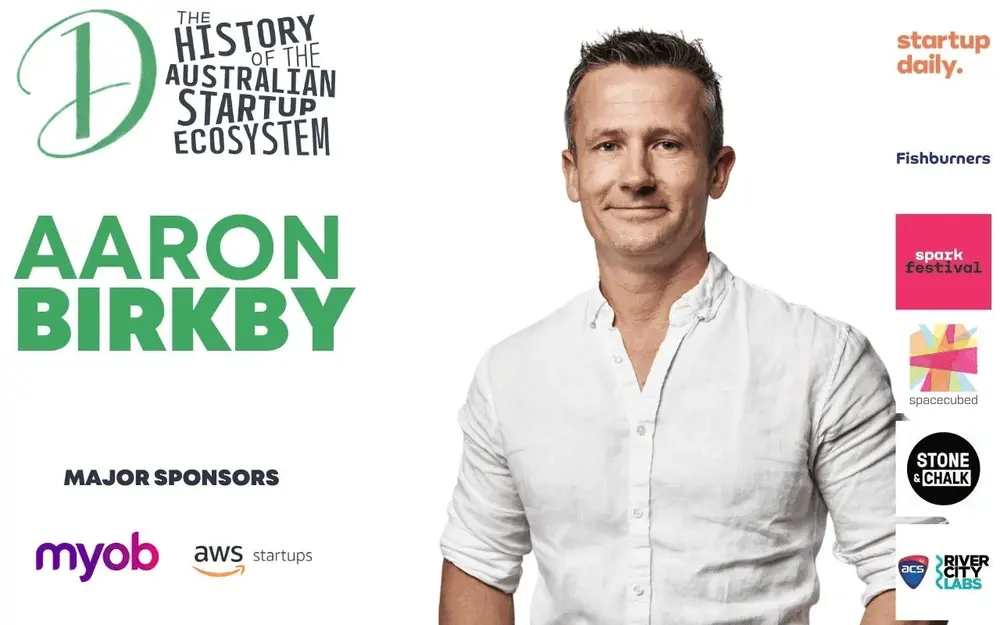
Aaron Birkby discusses the gaps in the Australian startup ecosystem
Aaron Birkby is the co-founder of The Unconventional Group, and has over two decades experience working as a founder, advisor, board member, investor and facilitator in the Australian startup ecosystem. He has worked in a variety of roles building and supporting technology startups to grow into global companies, including as CEO of Startup Catalyst, and Entrepreneur In Residence at Queensland University of Technology, James Cook University and Split Spaces. In his conversation with Adam, Aaron discusses how the Queensland startup ecosystem has evolved over the past couple of decades, and what he sees as gaps in the Australian startup ecosystem.
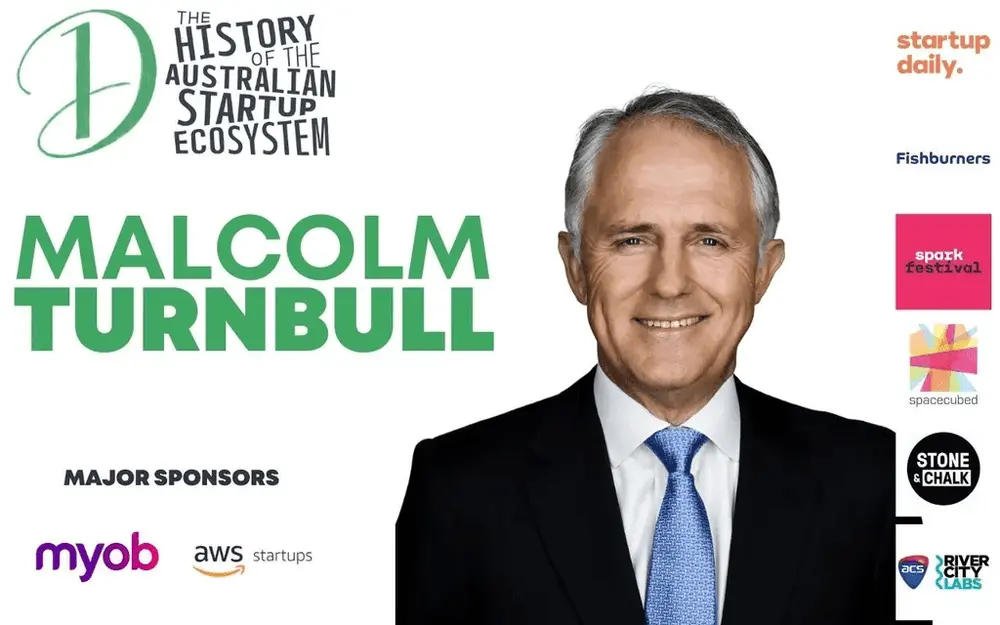
Malcolm Turnbull discusses innovation in the political sphere
Malcolm Turnbull was the 29th Prime Minister of Australia between 2015 – 2018, in which time he launched the National Innovation and Science Agenda (NISA), which aimed to drive innovation and Australia’s startup ecosystem. Malcolm also has a long history of investing in and founding companies, having established an investment banking firm in 1987, as well as becoming a partner of Goldman Sachs in 1998. Since leaving parliament in 2018, Malcolm has returned to the world of business, and has joined the board of directors of Kasada, an Australian cybersecurity company. In his conversation with Adam, Malcolm discusses his belief that innovation has become a “no-no word” in Australian federal politics over the last several years, and what he would do to promote innovation were he to have a second shot as prime minister.
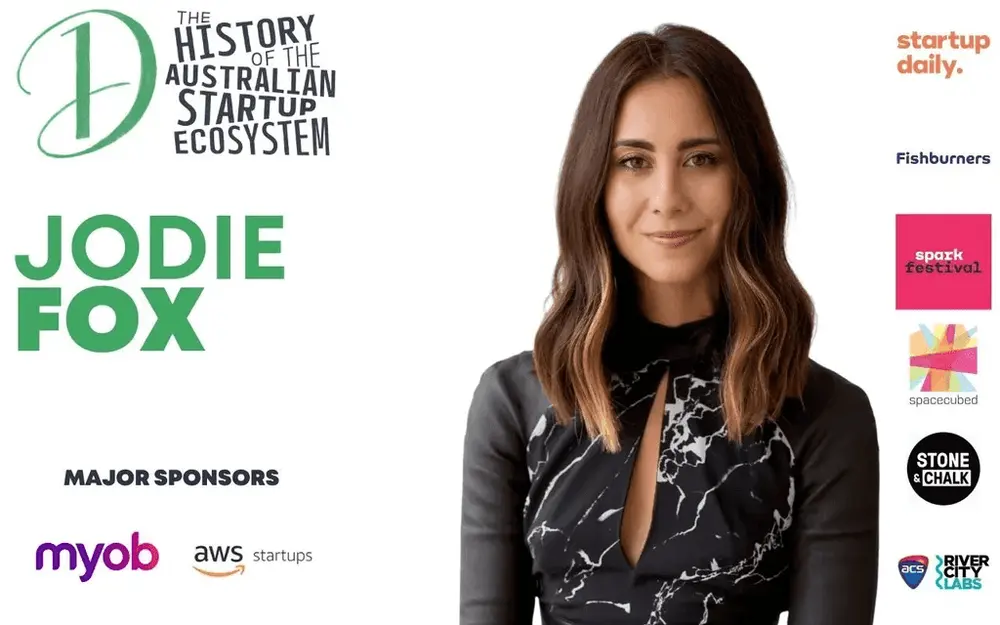
Jodie Fox highlights the contrasts between the Australian and US Ecosystems
Jodie Fox co-founded Shoes of Prey, an innovative shoe retail company which at its peak was a global business, with more than 200 staff, six million shoes designed and US $27 million in funding raised. After Shoes of Prey ceased trading in 2018, Jodie wrote a memoir, Reboot. In her conversation with Adam, Jodie discusses what the startup ecosystem looked like when she founded Shoes of Prey in 2009, and the challenges and opportunities that came from moving the headquarters of Shoes of Prey to the US.
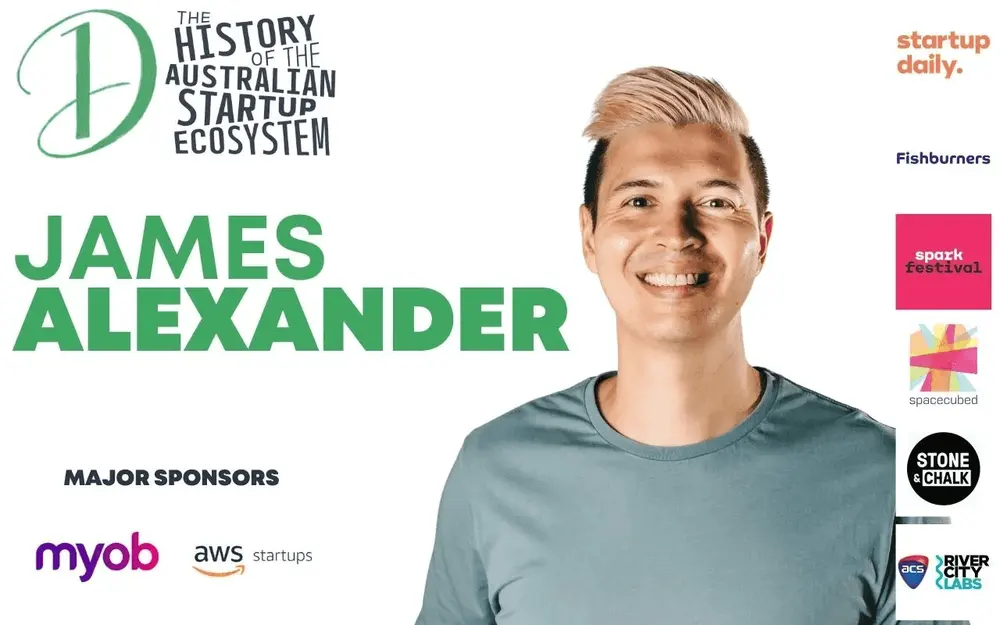
James Alexander shares his thoughts on Governments’ roles in startups
James Alexander is the co-founder of Galileo Ventures, which focuses on investing in young, first time startup founders. Prior to this, James founded Incubate, an accelerator program run out of the University of Sydney. An experienced investor and advisor, James has supported over 200 founders launch tech startups across various industries in the previous decade. In his conversation with guest host Will Tjo, James discusses what he sees as government’s role to play in the startup ecosystem, and why giving general advice to startup founders can be tricky as every startup is unique.
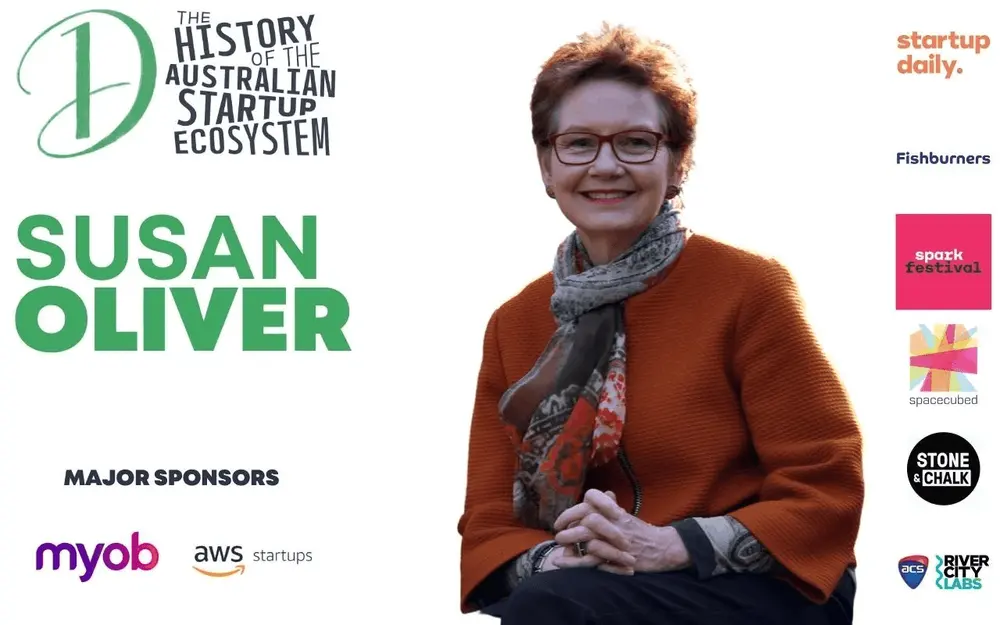
Susan Oliver discusses what investors look for in a founder
An Angel Investor and co-founder of multiple startup ventures, Susan Oliver has also served as a board member on over a dozen organisations in her long and rich career, including The Wheeler Centre, Fishermans Bend, The Smith Family and Fusion Retail Brands. Susan is a co-founder and recently retired Chair of Scale Investors, Australia’s first network of Angel Investors committed to investing in and supporting exclusively female founders. In her conversation with Adam, she discusses what she looks for in a founder when investing, and her belief that Australia should invest more in the technology products of Australian startups, rather than relying so heavily on the technology products of other nations.
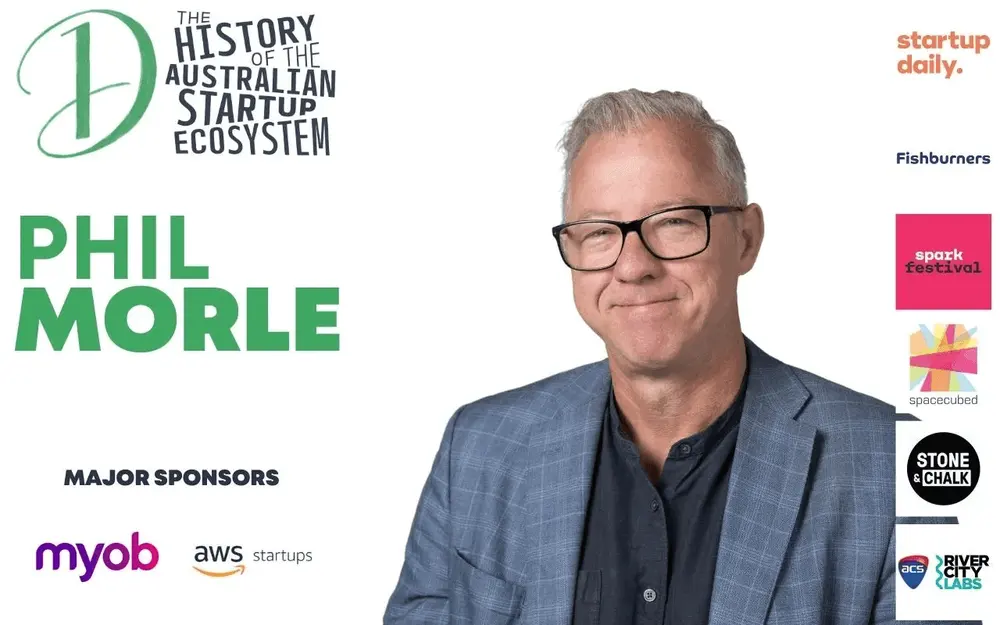
Phil Morle explains the struggles that incubators often face
Phil Morle is a Partner at Main Sequence Ventures, a venture capital firm founded by the CSIRO which invests in early stage technology companies with science at their core. Prior to this role Phil co-founded and was CEO of Pollenizer, one of Australia’s earliest startup incubators. In his conversation with Adam, Phil discusses how the experiences in a previous career as a theatre director have helped him in the startup world, and why incubators like Pollenizer often struggle to find a sustainable business model.
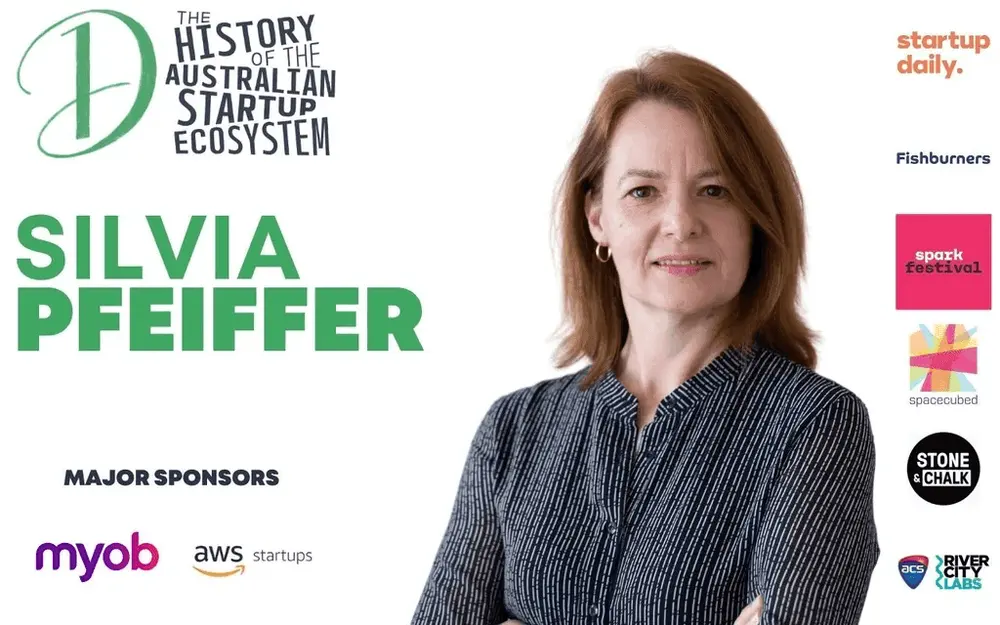
Silvia Pfeiffer discusses her first startup and the lessons it taught her
Dr Silvia Pfeiffer is CEO of Coviu, a video telehealth company which provides software to healthcare providers. Originally from Germany, Silvia moved to Australia and worked for CSIRO exploring video technology applications before developing the idea that would become Coviu, which became an organisation independent of CSIRO in 2018 and grew rapidly during the pandemic. In her conversation with Adam, Silvia discusses the founding of Coviu, as well as her first failed startup venture and what she learned from the experience.
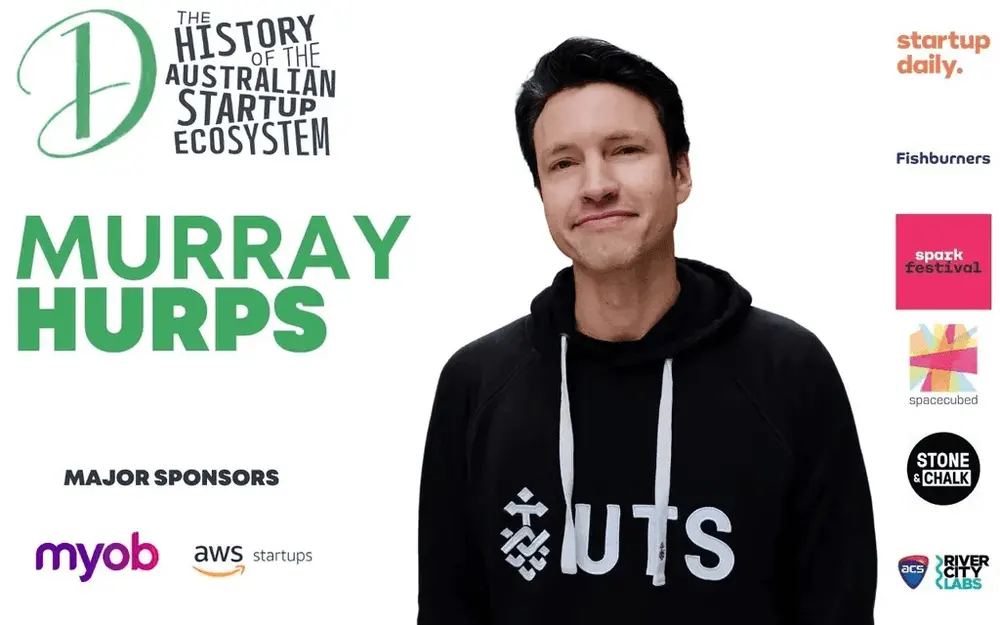
Murray Hurps discusses the barriers to growth in the startup ecosystem
Murray Hurps is the Director of Entrepeneurship at UTS, tasked with growing the number of student-founded startups coming out of the university. With a long list of credentials in the Australian startup ecosystem, including former CEO of Fishburners, Co-founder of Startup Muster, and founder of Ad Muncher, Murray strongly believes that Australia’s future relies on innovation and entrepreneurship. In his conversation with Adam, Murray discusses starting his first company at 16 years old, his work with Fishburners, and what he sees as barriers to growth in the Australian startup ecosystem
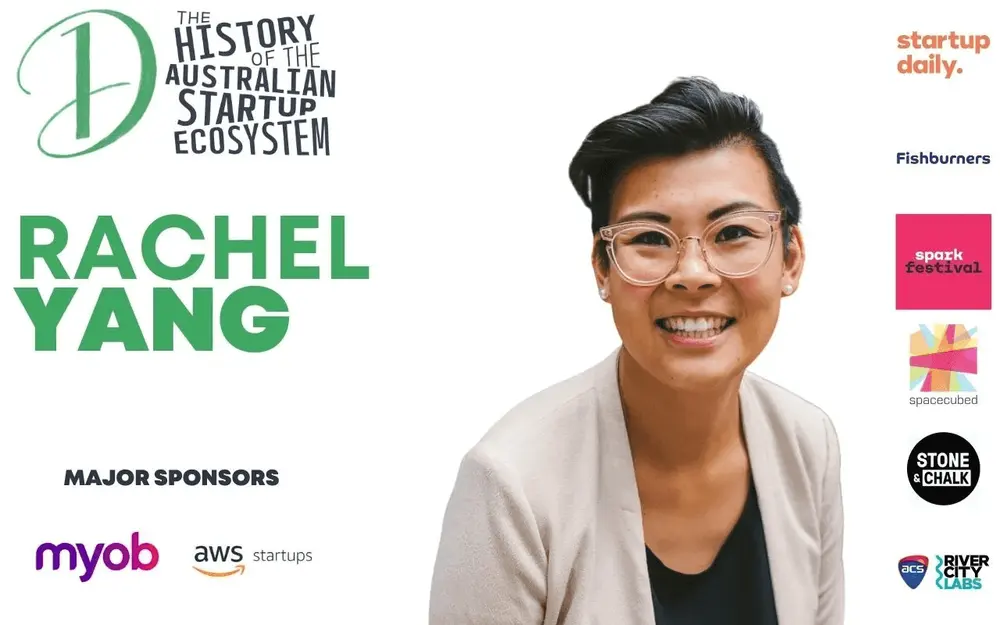
Rachel Yang explores diversity and social issues
With a background in management consulting and corporate finance, Rachel Yang is a partner at Giant Leap, Australia’s first venture capital fund which exclusively backs founders using business as a force for good in the areas of health and wellbeing, sustainable living and empowering people. Rachel is also the Co-Chair of Startup Victoria, a non-profit, grassroots organisation supporting startup founders. In her conversation with Adam, Rachel discusses how startup businesses don’t have to sacrifice growth to make a positive impact in the world, the importance of diversity within the startup ecosystem and potential strategies to encourage further diversity.
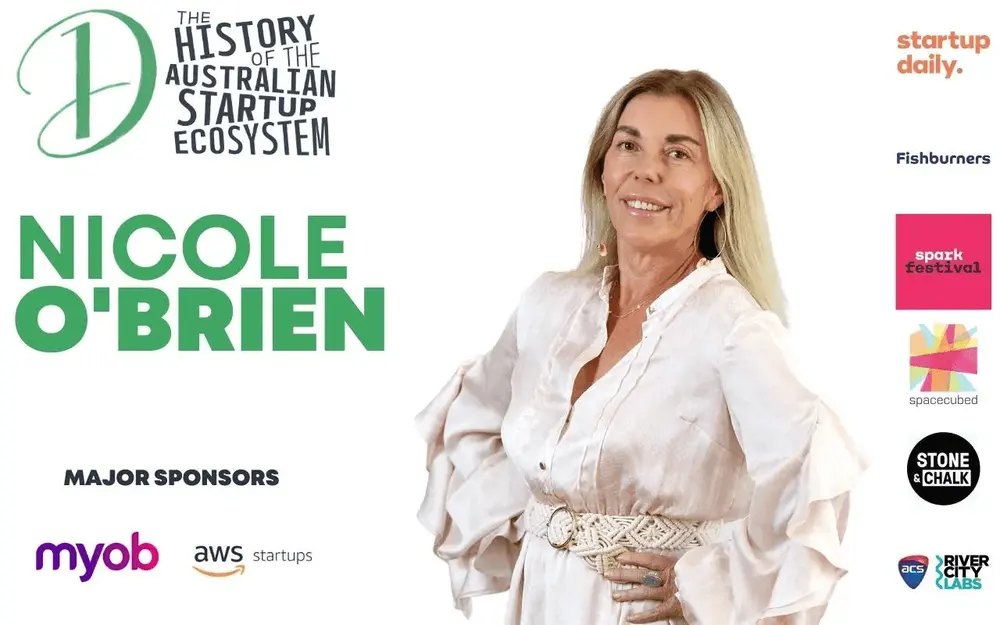
Nicole O’Brien: The startup ecosystem is overwhelmingly positive
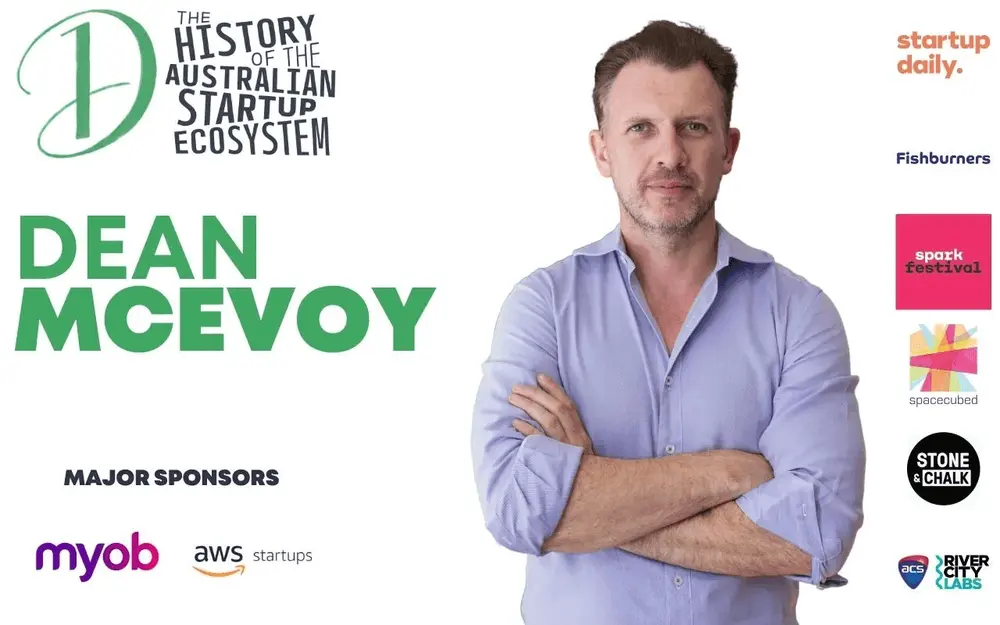
Dean McEvoy on egos and startups
Dean McEvoy is a seasoned startup founder and angel investor, having founded three startups including http://spreets.com/, Australia’s first group buying site, which launched in February 2010 and sold only 11 months later for around $40 million. A founding mentor and investor at Startmate, Dean has advised and invested in over 96 startups. In his conversation with Adam, Dean discusses the origin story of http://spreets.com/, co-founding Tech Sydney, and how important it is for founders to not get too much of their ego involved in their startup.
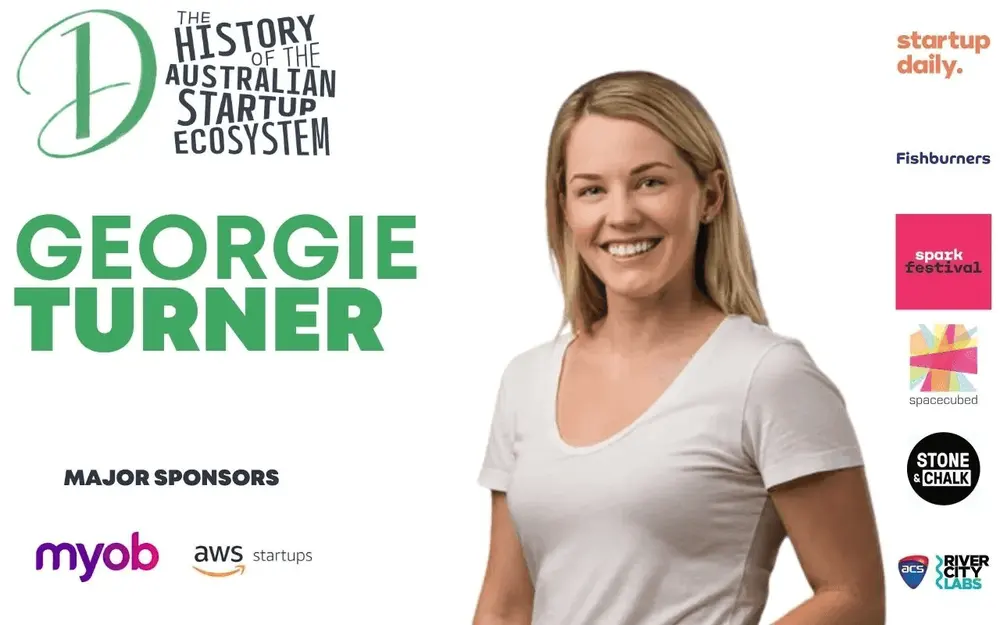
Georgie Turner discusses the next steps for Australia’s ecosystem
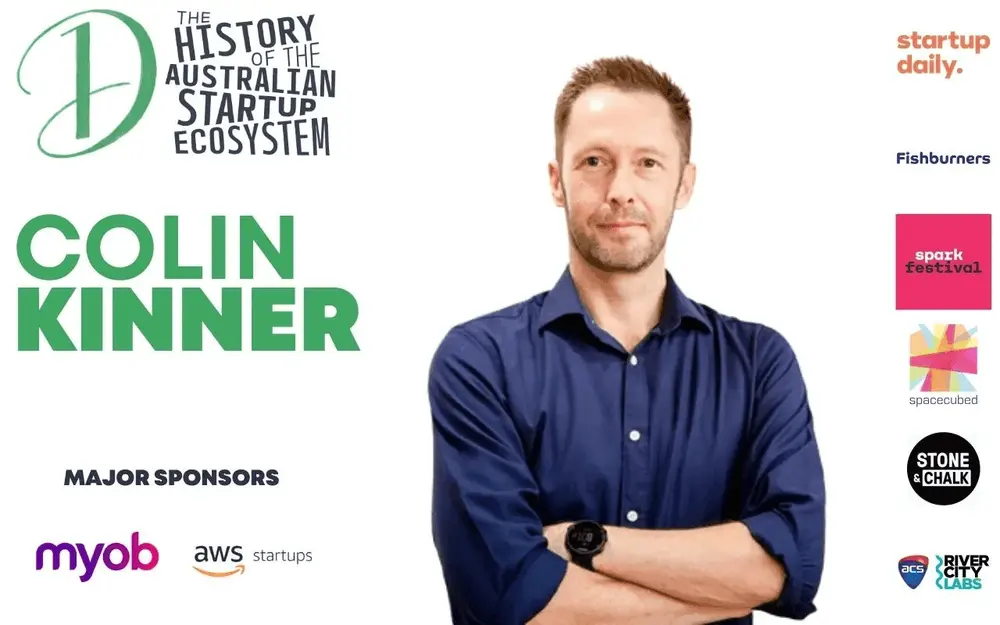
Colin Kinner discusses the key missteps first time founders often make
Colin Kinner is founder and CEO of Startup Onramp, a training and mentoring program for first time startup founders. With a long history of entrepreneurship, Colin has supported countless startups in a variety of roles, including as Entrepeneur-In-Residence at both Slingshot and The Studio Au, and as an Advisory Board Member at Surepact, Hoops CRM and Explorate. In his conversation with Adam, Colin discusses some of the key missteps that first time founders often make, and the advice he would give to someone considering embarking on a startup.
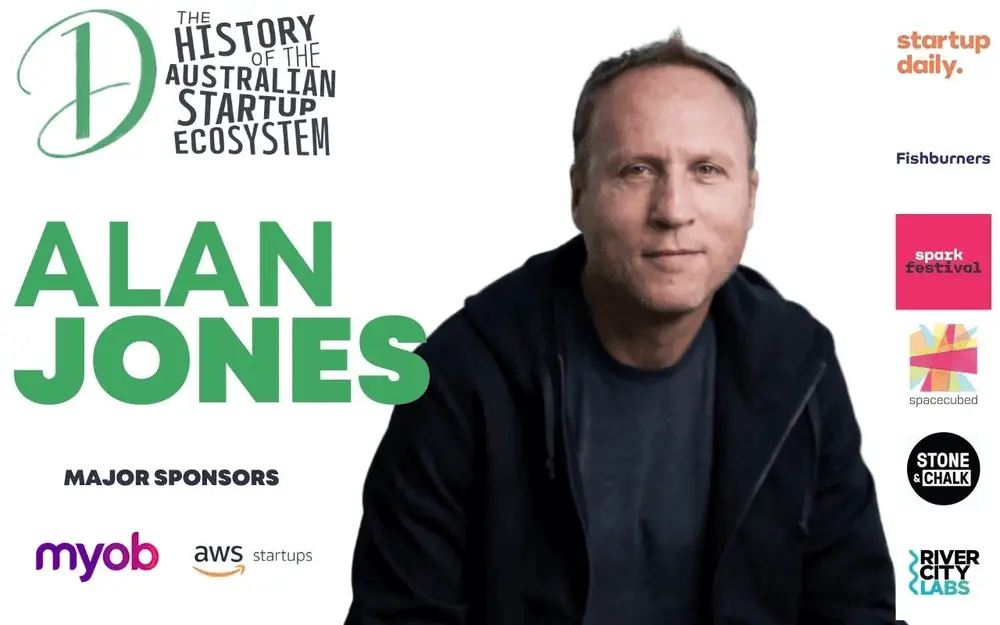
Alan Jones: Can we talk about smartphones?
With experience founding and co-founding tech startups since 1995, Alan Jones is a veteran of Australia’s startup ecosystem. An angel investor and advisor, Alan has supported Australian startups independently and through BlueChilli, Blackbird Ventures, Pollenizer Ventures and Startmate. In his conversation with Adam, Alan discusses how the internet’s disruption of media companies made possible Australia’s first tech startups, and how the advent of wifi and the smartphone dramatically impacted Australia’s startup ecosystem.
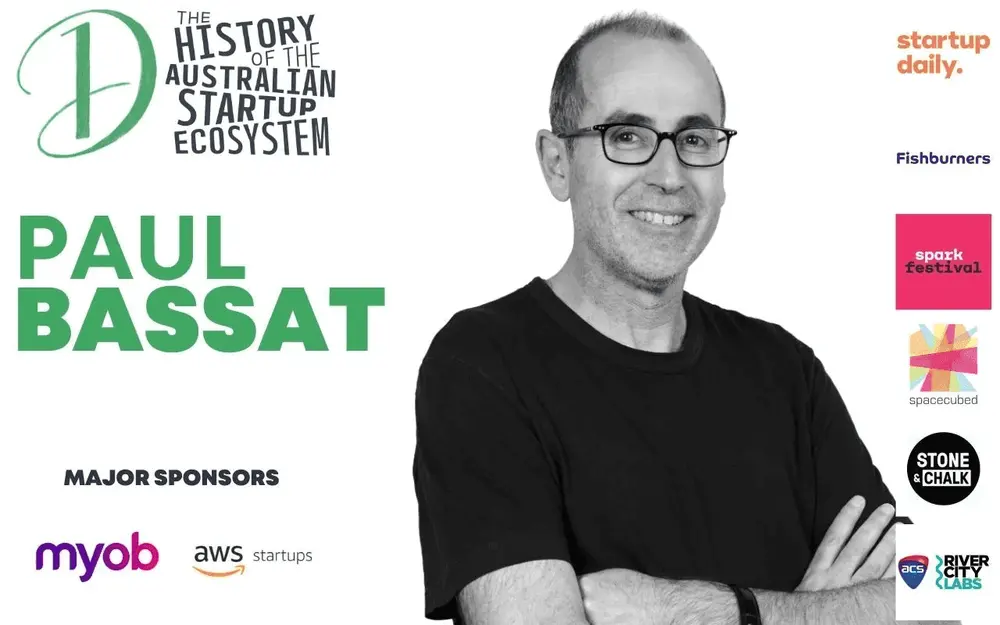
Paul Bassat examines the evolution of the ecosystem
After practicing as a lawyer for six years, Paul Bassat co-founded Seek with his brother Andrew in 1997, which in 2005 was floated on the Australian Securities Exchange with a market cap of $587 million. Paul moved on from Seek in 2011, and in 2012 co-founded Square Peg, a global investment firm which today has over US $1 billion in assets and has offices in Sydney, Melbourne, Tel Aviv and Singapore. Paul is also a Commissioner of the Australian Football League, and a director of Wesfarmers LTD. In his conversation with Adam, Paul discusses what it was like founding an internet startup in the early days before Australia’s ecosystem had developed, as well as the remarkable rate of change in the ecosystem over the last several years.
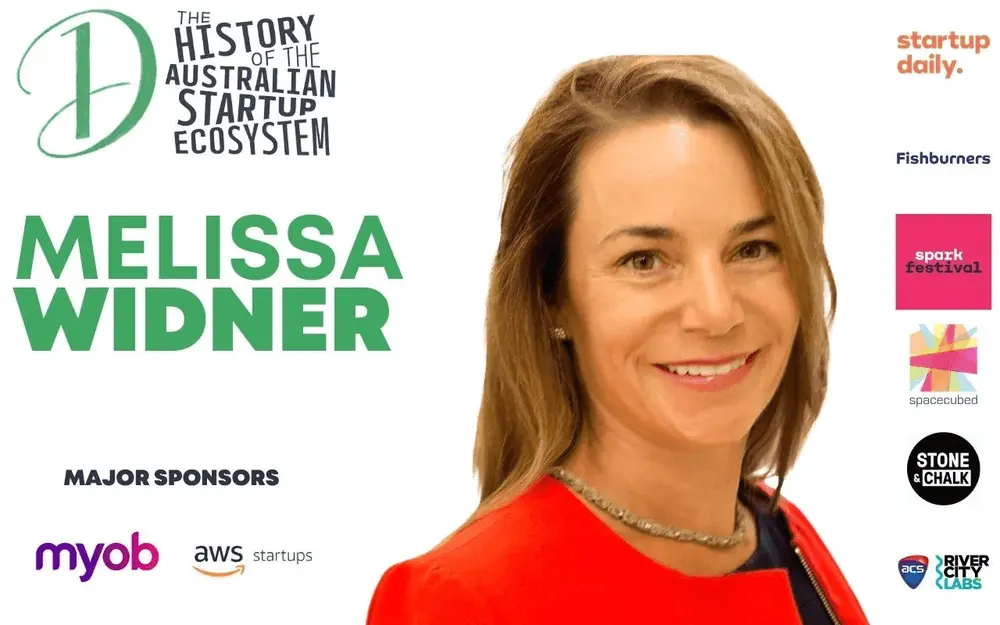
Melissa Widner discusses the huge progress of startups
Melissa Widner is the CEO of Lighter Capital, an investment firm that is based in the US and launched in Australia in 2020. Their novel model involves lending to early stage startups and linking repayments to revenue, without requiring founders to relinquish equity. Melissa has a long history in the startup world, having been CEO or board member of many companies. In her conversation with Adam, she discusses Lighter Capital’s new model, and the ways in which she believes the Australian startup ecosystem has made huge progress in the last 5 or so years.
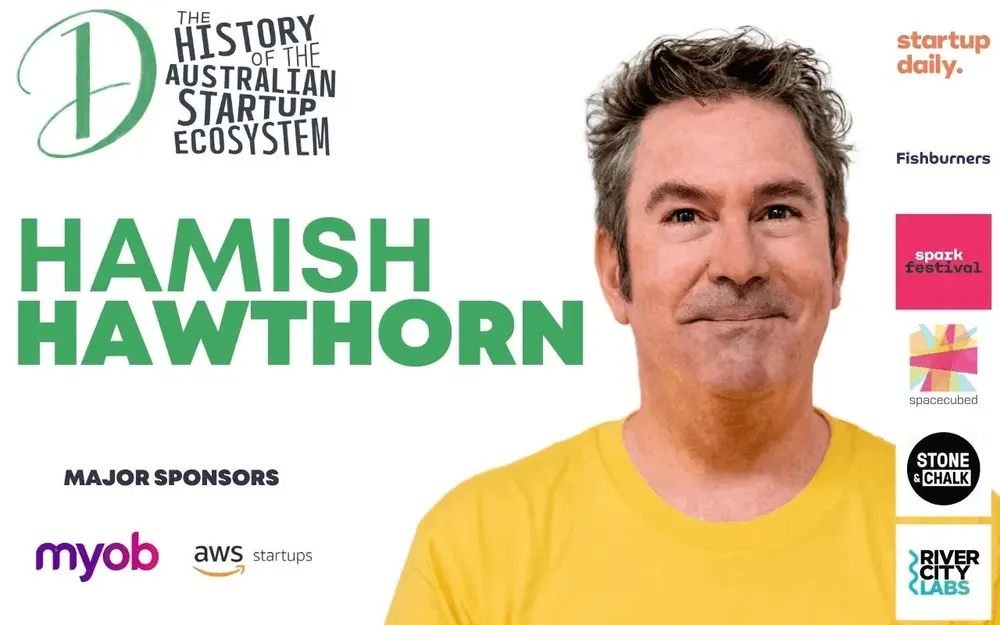
Hamish Hawthorn discusses the evolution of the ecosystem
Hamish Hawthorn has been deeply involved in the development of the Australian startup ecosystem. A qualified mechanical engineer with postgraduate training in business and technology, Hamish is particularly focused on supporting founders of technology startups. Currently the Chief Operating Officer of Curious Things AI, a voice-based conversational AI company, Hamish co-founded Sydney Angels, a Sydney-based investment group. Hamish also acted as Chief Operating Officer for UpGuard, a digital security company based in the US. In his conversation with Adam, Hamish discusses what the startup scene looked like in Sydney in 2005, and how much it has changed in the years since.
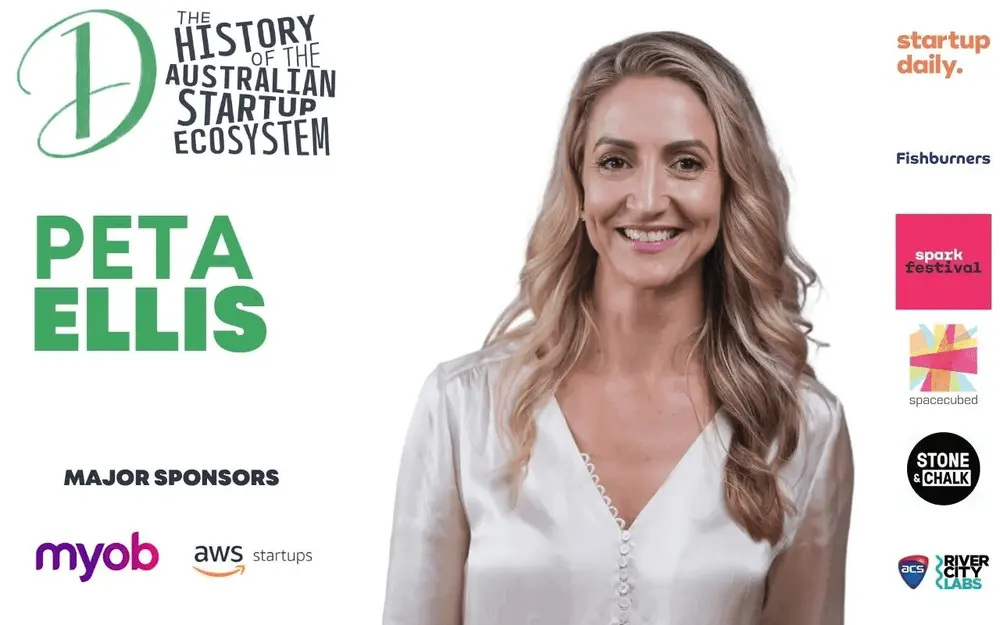
Peta Ellis on the importance of innovation
Peta Ellis is the founder of http://everydayentrepreneur365.com.au/, and an entrepreneur who’d founded 4 companies before 30, and has gone on to spend much of her career in a community building and mentor role. She has supporting hundreds of startup founders and teams in a variety of roles, including as CEO of River City Labs, an Innovation Strategist at The Unconventional Group, Entrepreneur In Residence at Ipswich Girls’ and Junior Grammar School, and as co-founder of Tribe Global. In her conversation with Adam, Peta discusses her time with River City Labs and the importance of innovation.
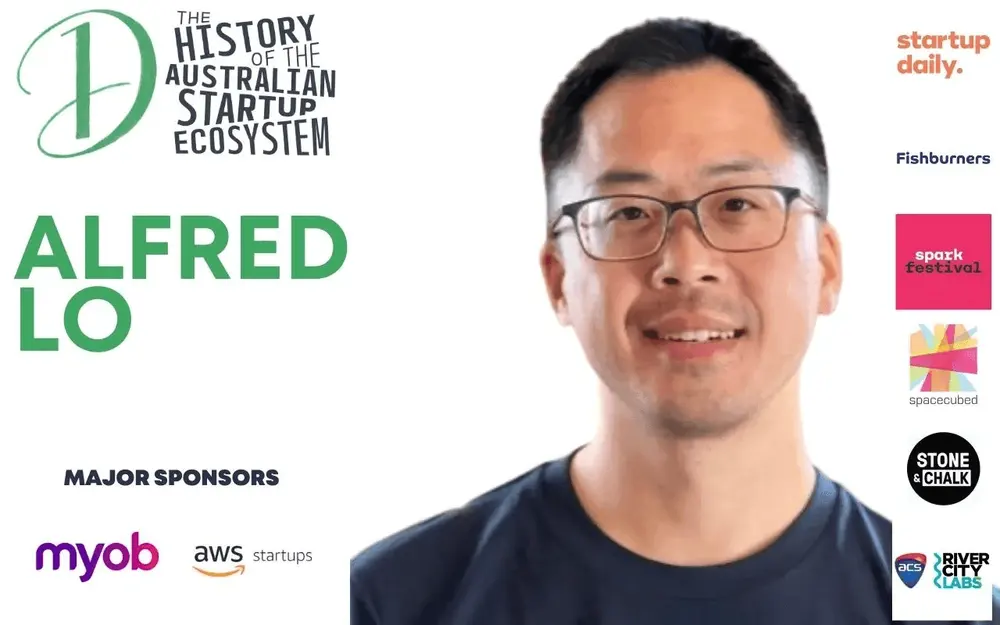
Alfred Lo compares startup ecosystems in different nations
Alfred Lo is co-founder and Chief Commercial Officer at Harvest B, a tech startup developing a plant-based meat ingredient system. Previously Chief Investment Officer at Cicada Innovations, an incubator for Australian tech startups, Alfred has more than a decade experience acting as an advisor, mentor and board member for many early-stage technology businesses. In his conversation with Adam, Alfred discusses how Australia’s startup ecosystem compares to other nations, and why he believes “What role should government play in the startup ecosystem?” is a tricky question to answer.
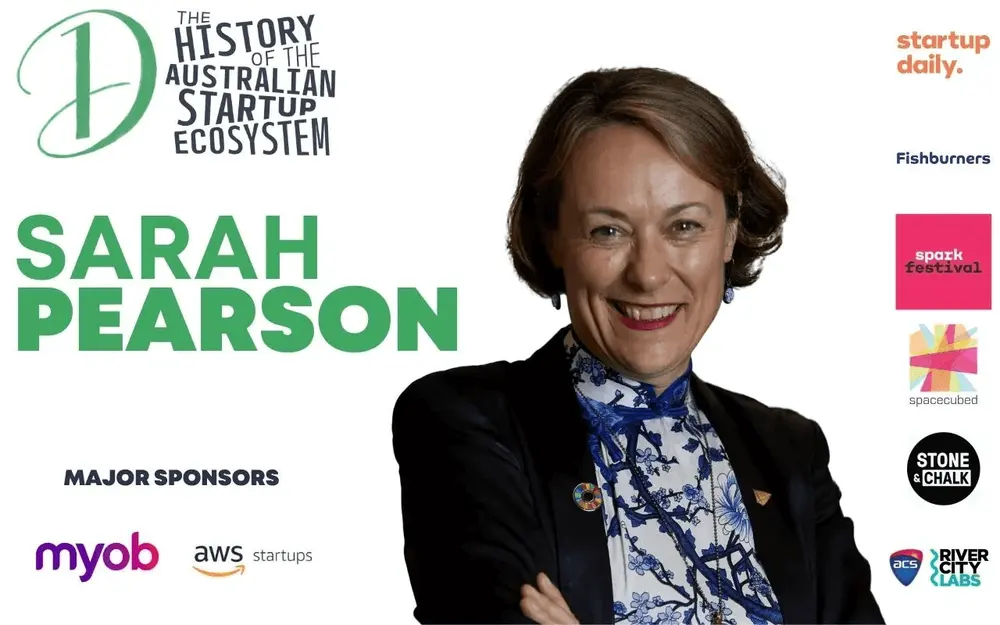
Sarah Pearson on the importance of cooperation and competition
Dr Sarah Pearson has a wealth of experience from a wide variety of roles within the science, technology and startup sector. Previously Global Head of Open Innovation at Cadbury, founding CEO of the Canberra Innovation Network, Chief Innovation Officer and Chief Scientist at the Australian Department of Foreign Affairs and Trade. Sarah is currently on the investment committee for Main Sequence Ventures, a Director of RACQ and a Paul Ramsay Foundation Fellow. Sarah was awarded a PhD in particle physics from the University of Oxford, and has published research in the areas of particle physics, medical physics, artificial intelligence, innovation, science communication and science policy, and is an author on eight patents covering cancer diagnosis and confectionary. In her conversation with guest host Will Tjo, she discusses the importance of both cooperation and competition within the startup world, and what she sees as potential changes to the way Australian government is structured that could help foster innovation.
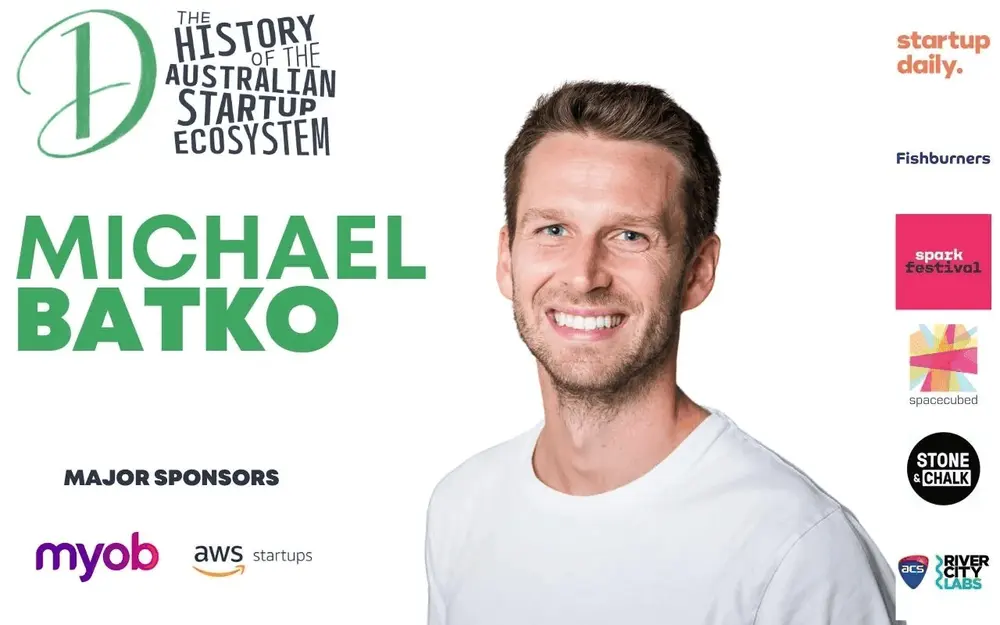
Michael Batko discusses the four prevalent business models of accelerators
Michael Batko is the CEO of Startmate, an accelerator that has invested in 170+ startups across Australia and New Zealand with a collective portfolio value of two billion dollars. Originally from Austria, Michael had his first exposure to the startup world when he moved to Australia and became the first employee at Mad Paws, a marketplace for pet sitters. In his conversation with guest host Will Tjo, Michael discusses how working in a startup contrasts to a corporate environment, and what he sees as the four prevalent business models of accelerators and where Startmate fits in.
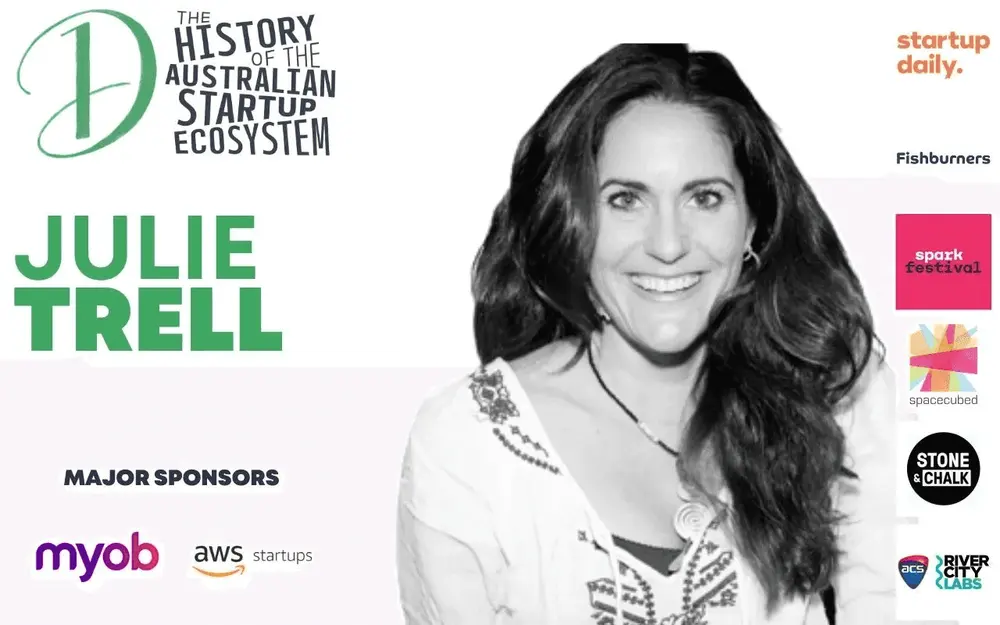
Julie Trell discusses the importance of diversity
Julie Trell is an American woman who moved to Australia in 2017 to pursue two opportunities in the Australian startup ecosystem: working as head of the now defunct accelerator Muru-D, and to bring SheEO to Australia. SheEO is a global organisation founded by Vicki Saunders with a unique model: women and non-binary “Activators” contribute a monthly payment which is pooled together and given as a 0% interest loan to women-led “Ventures” selected by the Activators. As well as contributing capital, Activators also act as mentors, lending their expertise, Mentioned and networks to help the Ventures grow and succeed. In her conversation with Adam, Julie discusses the unique SheEO business model, as well as the importance of diversity within the Australian startup ecosystem.
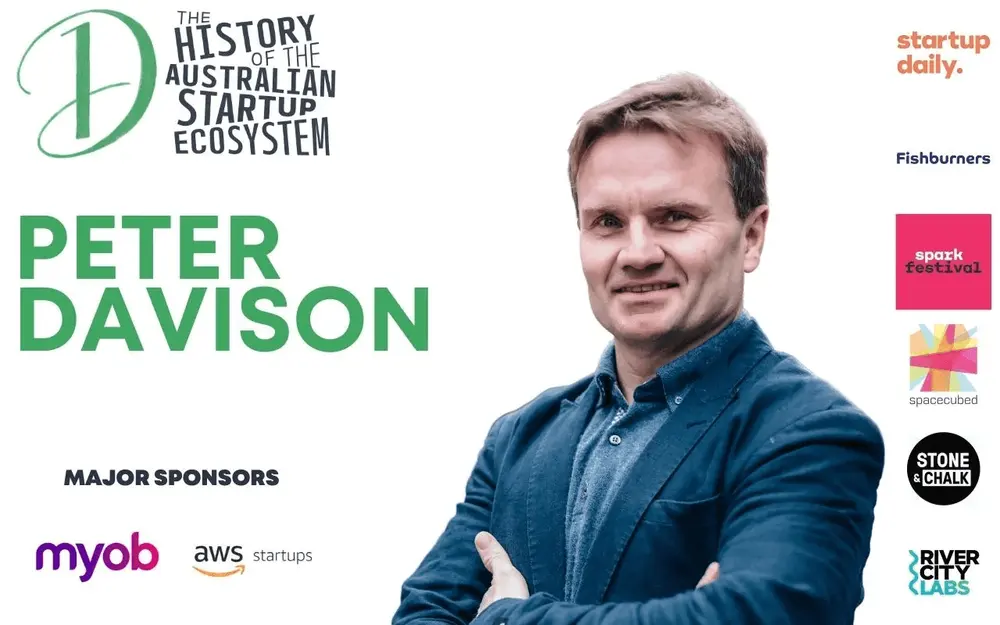
Peter Davison: All it takes is guts and a vision
With no experience but a lot of guts and vision, Peter Davison moved to Silicon Valley and started a Venture Capital firm with a friend in 1998. They had several early successes, most famously as early investors in PayPal, in which Peter was a key advisor to Peter Thiel on business and product strategy. Since returning to Australia Peter has founded, built and sold several internet businesses, and founded Fishburners, a not-for-profit co-working space and incubator which has played a key role in the growth and development of the Australian startup ecosystem. In his conversation with Adam, Peter tells the story of how he initially was motivated to found Fishburners because he “didn’t have any friends”, as well as sharing his perhaps controversial views that the now traditional VC backed startup trajectory may not be the best route for many founders.
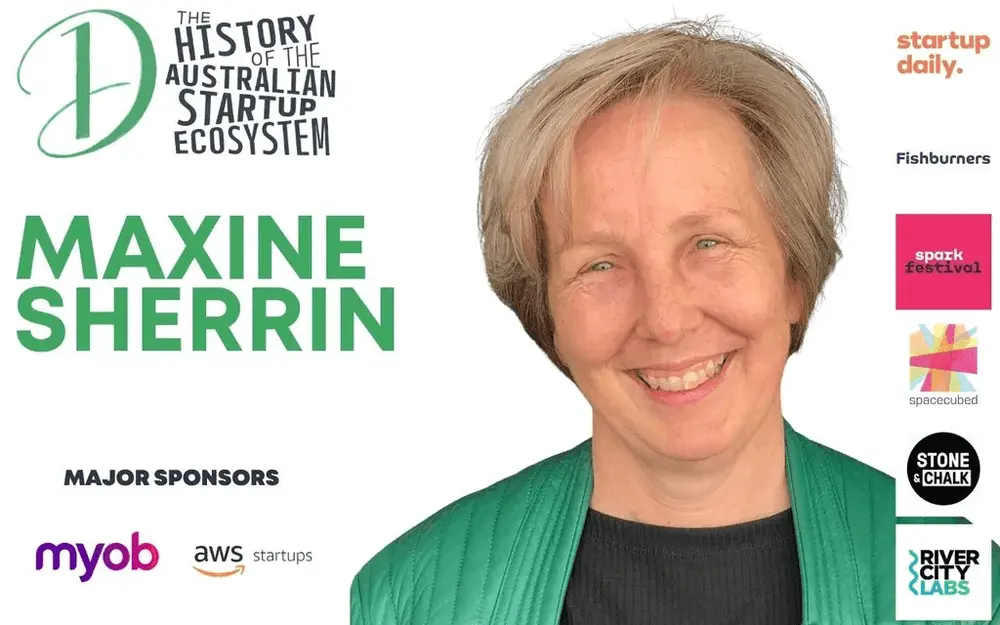
Maxine Sherrin discusses the importance of building a community of innovators
Maxine Sherrin is the Program Director of Spark Festival, a not-for-profit festival that aims to grow entrepreneurship in Australia by bringing together people from all corners of the startup world: founders, investors, small/medium enterprises, big corporates and policy makers. Before taking her current role, Maxine co-founded Web Directions in 2004, Australia’s first event for web designers and developers. In her conversation with Adam, Maxine discusses the importance of building and growing a community that celebrates and supports Australian founders and innovators.
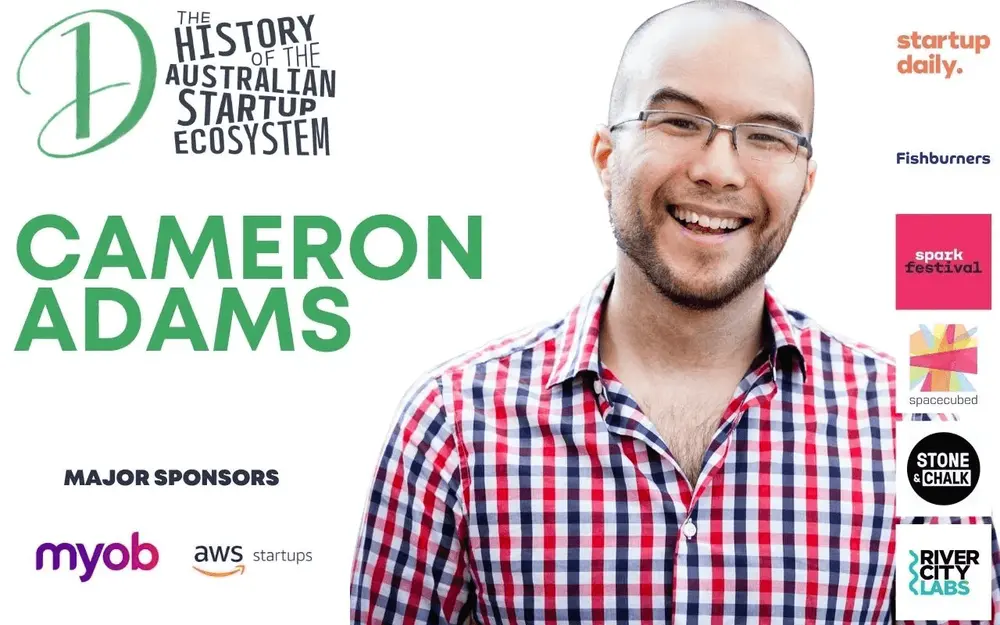
Cameron Adams on the importance of community and connection
Cameron Adams is a co-founder and Chief Product Officer at Canva, an online design platform with over 20 million users. After starting his own design agency and then working for Google, Cameron founded Fluent with two other Google alumni. While Fluent, which endeavoured to reimagine email, was ultimately unsuccessful, while working on the project he met his Canva co-founders and ultimately came on board as a founder. In his conversation with Adam, they discuss some of the turbulent early times of Fluent and Canva, and the importance of community and connection within the startup ecosystem.
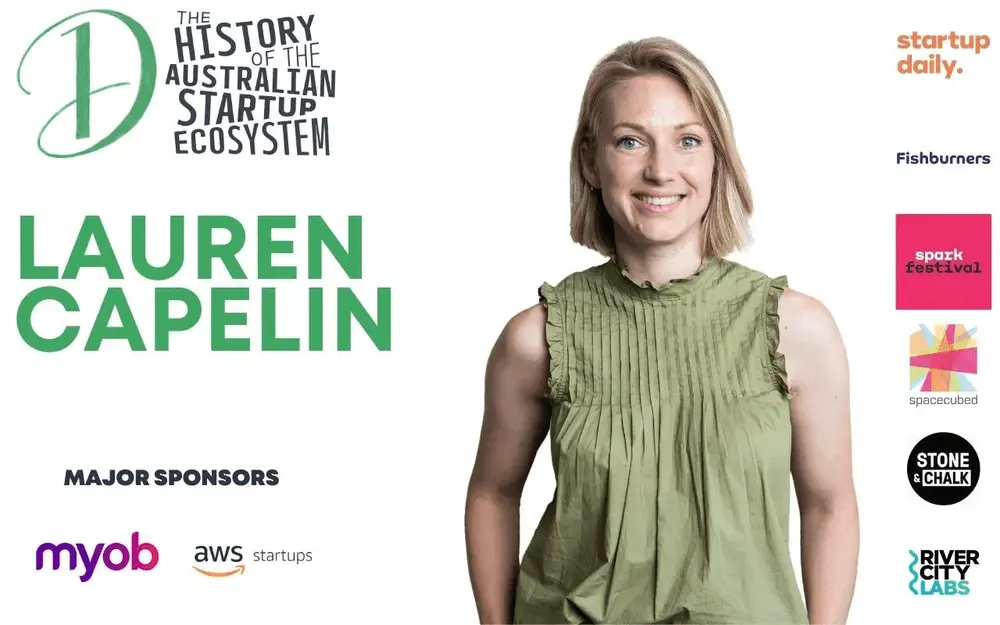
Lauren Capelin and the importance of nurturing diversity
Lauren Capelin is a community strategist and disruptive innovation specialist passionate about the development and application of new business models, corporate social innovation, impact investment and fostering entrepreneurial capacity, particularly in women. She is currently Principal at Startmate, an accelerator that aims to support tech startups in Australia and New Zealand. In her conversation with Adam, Lauren tells the story of how she came to be involved in Startmate, and shares her views on the importance of nurturing diversity in the Australian startup ecosystem.
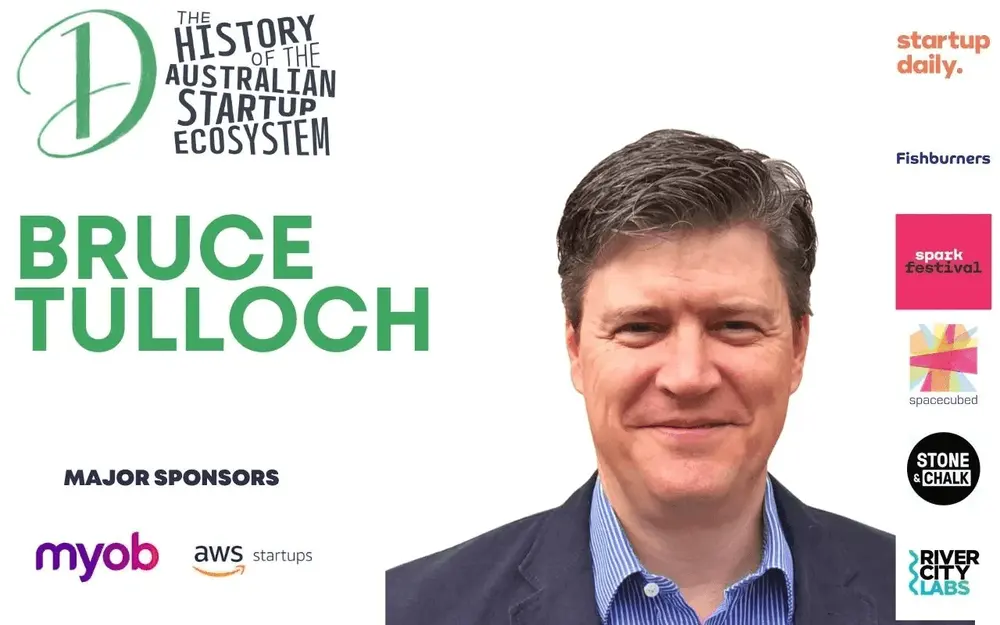
Bruce Tulloch on some of the key challenges the Australian startup ecosystem faces
Cheryl Mack on building communities and her passion for supporting founders
Cheryl Mack is passionate about supporting founders and has done so in a variety of roles over the years: as a mentor for programs including Startmate and Founder Institute, as CEO of StartCon, as an angel investor with over 10 investments and counting, and most recently as the CEO and founder of Aussie Angels. In her conversation with Adam, she discusses the importance of building communities, and what she sees as the current gaps in the Australian startup ecosystem.
Kate Cornick on ways to support Australians to begin their startup journey
Kate Cornick is the CEO of LaunchVic, the Victorian Government’s initiative to accelerate startups and create new jobs in Victoria. Before taking this position, Kate worked in a variety of roles in startup land, including leading the development of a human resources technology startup through a listing on the Australian Stock Exchange, as well as acting as General Manager at NBN Co. In her conversation with Alex Carpenter, Kate discusses Australia’s low number of startup founders per capita relative to other countries, and potential ways of supporting Australians to begin their startup journey.
Niki Scevak is optimistic about Australia’s future
If you like The History of the Australian Startup Ecosystem - Interview Series, try these
Turn podcasting into pipeline
We're the team behind the Day One Network, and we helped build Blackbird Ventures' Wild Hearts. We help founders, funds and operators build trust, authority and deal flow with a show tailored to their market.