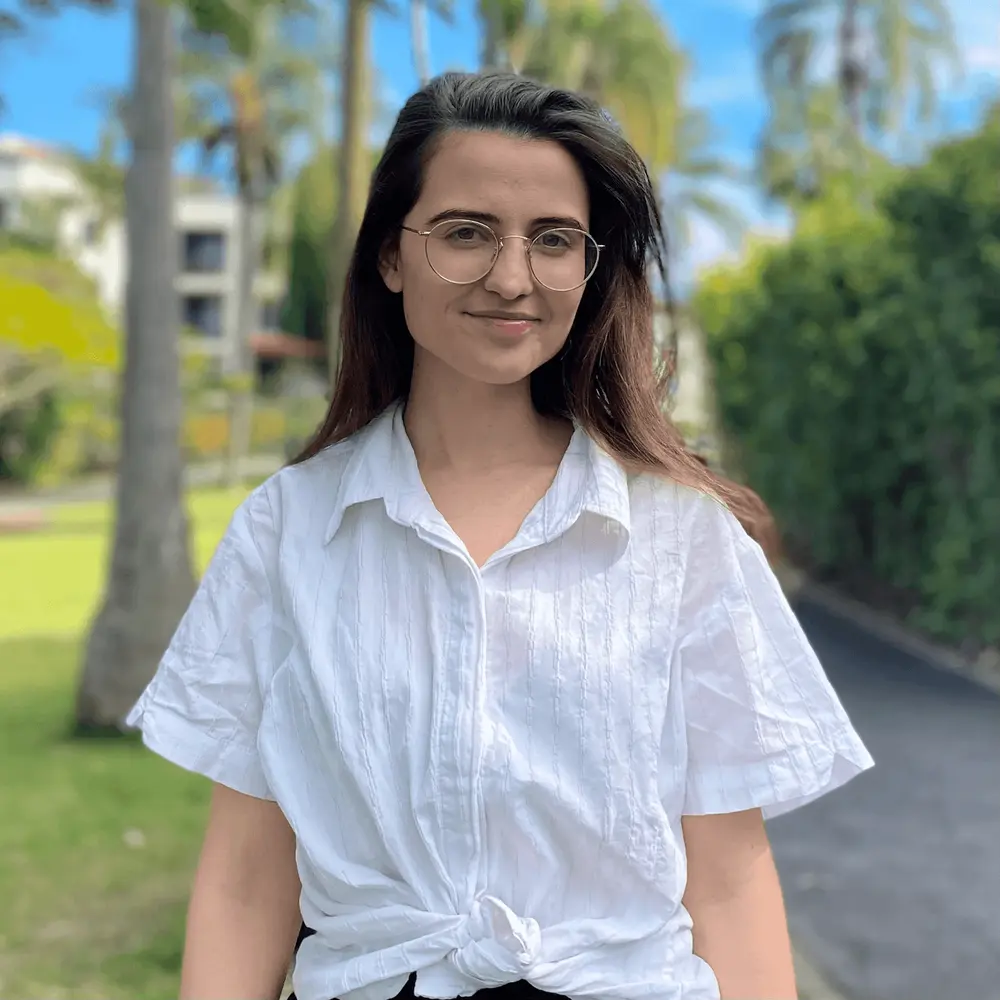
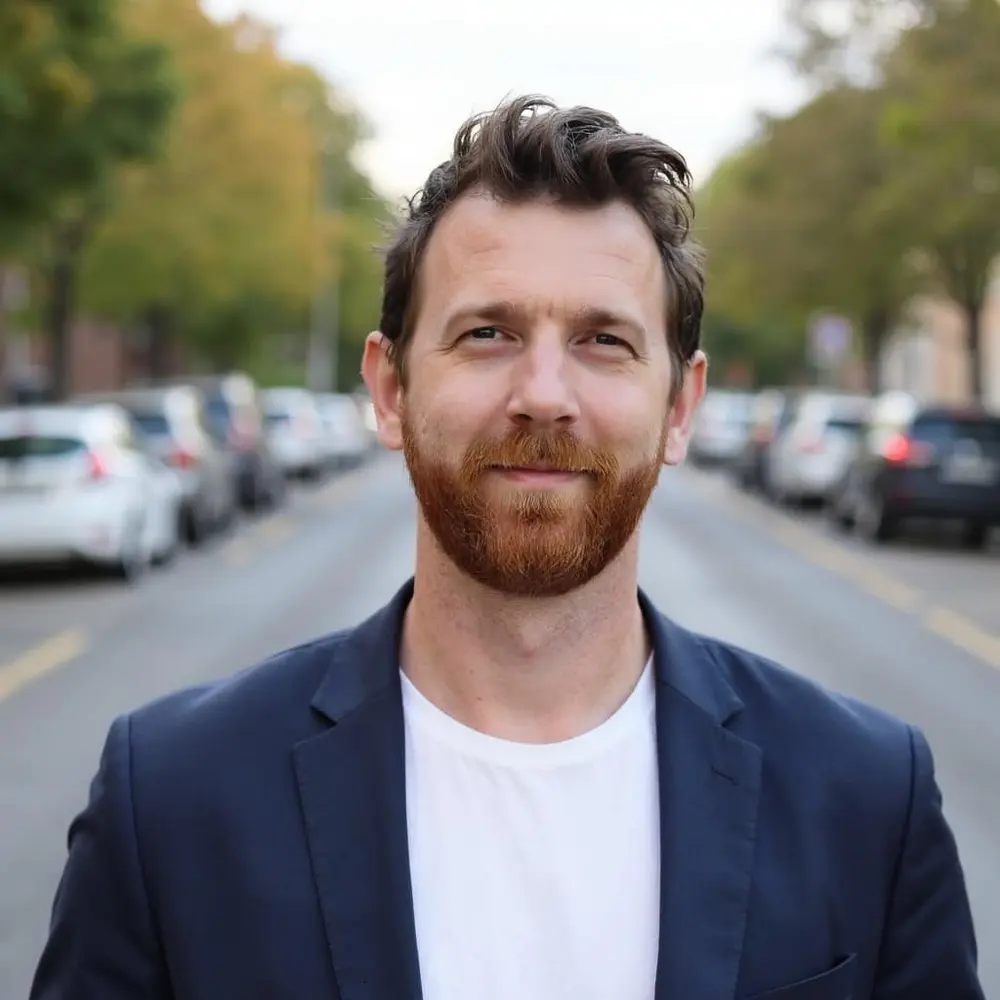
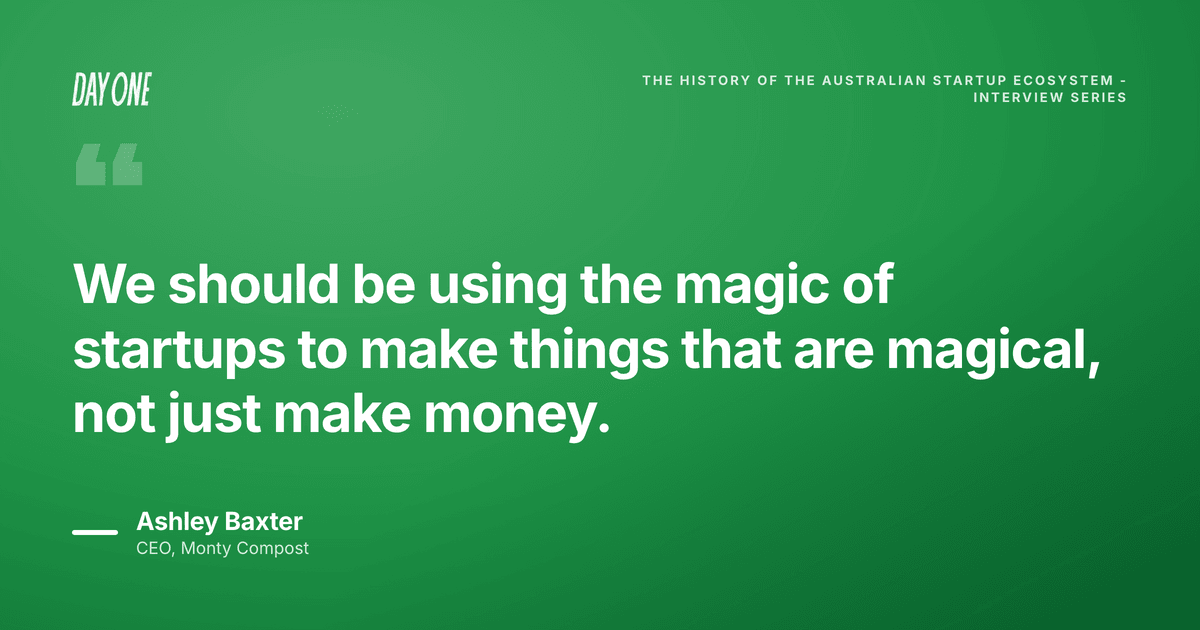
Transcript Synced · select any line to jump ▾ 0:00 Speaker: Let me tell you about our partner, Teamified. If you need to build a top-notch team quickly, Teamified is your go-to solution. They not only provide fractional CTOs, they can also do contractors and even remote team members tailored exactly to your needs. And whether you're looking for expertise in the Philippines, India, or Sri Lanka, Teamified has you covered. What's amazing is that Teamified uses a blend of AI and human expertise to cut hiring times by 50%, cent. The platform handles everything from automated onboarding to day-to-day management and even performance tracking. You can also handle rewards and recognition, buy equipment, and order training all through their platform. Simplify your hiring process and get the best talent fast with Teamified. Check them out now and transform your team. Go to dayone.fm/teamified. That's dayone.fm/teamified. T-E-A-M-I-F-I-E-D, and get started today. Hi, I'm Adam Spencer, founder of the Day One Network, which is bringing the history of the Australian startup ecosystem to you. I believe in founders. It's why I do everything I do at Day One and our media company, W2D1 Media. And that's why the Day One Network exists, to create helpful content for founders. We've got some great shows in development, but a large part of what we do couldn't be done without support from our partners and sponsors. And I couldn't be happier than to be working with NTP, who get community better than any other technology recruitment company out there. A Newcastle company like mine, NTP are invested in seeing the growth of the local tech community in Newcastle, Sydney, and more broadly Australia. So thank you, NTP, for helping us bring helpful content to founders and the startup community in Australia. Back to the interview. Hi, I'm Adam Spencer, founder of the Day One Network, which is bringing the history of the Australian startup ecosystem to you. I believe in founders. It's why I do everything I do at Day One and our media company, W2D1 Media. And that's why the Day One Network exists, to create helpful content for founders. We've got some great shows in development, but a large part of what we do couldn't be done without support from our partners and sponsors. And I couldn't be happier than to be working with NTP, who get community better than any other technology recruitment company out there. A Newcastle company like mine, NTP are invested in seeing the growth of the local tech community in Newcastle, Sydney, and more broadly Australia. So thank you, NTP, for helping us bring helpful content to founders and the startup community in Australia. Back to the interview. Hi, I'm Adam Spencer and welcome to Day One, the podcast that spotlights Australian startups, founders, and the organizations that empower Australian entrepreneurship. We go back to the beginning to tell the story of Australia's most inspiring founders and how they built their companies. You're listening to a special interview series as part of a documentary W2D1 is producing about the history of the Australian startup ecosystem. On the episode today, we have— 3:18 Ashley Baxter: Hi, I'm Ashley. I'm the founder of Monty Compost Co. So basically we've developed a hardware and software solution for composting. Monty Monitor is like an IoT device that you stick into your household compost And it just pairs with our mobile app, which tells you how to keep your compost healthy, how to make it more engaging, more exciting, and really, yeah, just bringing a lot of exciting digital modern technologies to kind of the traditional area of composting. It's a really— compost is a really incredible solution to climate change, and a lot of environmental impacts can be mitigated, of human activity can be mitigated through composting. Yeah. So it's really exciting being able to produce a technology that's kind of going to help more and more people do it. And I guess that's what we're trying to do with Monte Compost Co. 4:15 Speaker: Making composting exciting. If that's not your tagline. 4:18 Ashley Baxter: Yeah, I mean, as if it isn't already exciting enough. 4:21 Speaker: If that's not your tagline, it should be your tagline. 4:23 Ashley Baxter: I mean, well, we tried making compost sexy, but then people just got a bit grossed out by that. So we kind of just like axed it. 4:36 Speaker: So Welcome to Day One is a podcast that we interview founders and we go back to day one to talk about their story and how they got started and how they built their companies. This isn't that, this, the series that we're doing right now, but you know, I'm just curious and I'd love to do a story on Monte Compost. We can't go too far into that story today, but just out of curiosity, Where does the name come from, Monty Compost? 4:59 Ashley Baxter: Ah, so I didn't actually come up with that. That was a design agency that we worked with. So it comes from monitor. So Monty monitor. I would come into the studio and I would be like geeking out on composting and I'd be like, yeah, so we're monitoring the total volatile organic compounds and like really getting nerdy about it. And they're like, we need to make this a little more accessible to the average person. So it's kind of going with that whole like Alexa, Siri, very smart home type vibe, I guess. And that's kind of really what we're trying to do is making composting very accessible, very fun. You know, like, hey Monty, how's my compost kind of thing. 5:41 Speaker: So you've studied Bachelor of Computer Science and also Management Information Systems. I'm imagining that's the part that following that path got you here. 5:50 Ashley Baxter: Kind of. Technically my degree was IT and Business Management, but I did a few majors in there. I actually didn't really know much about composting when I first started. 6:01 Speaker: I was— 6:02 Ashley Baxter: I've always been like really environmental since like, God, I joined my first environmental club when I was like in primary school, but I didn't actually know anything about composting until like 2018. 6:15 Speaker: Right. 6:16 Ashley Baxter: Which is when I just came across it in this random book that I was reading and I just got obsessed with it. But my degree, like my two university degrees definitely helped with, I suppose, the business and product execution skills that were required. You know, they helped me kind of understand what I needed to do and create in order to make it happen, if that makes sense. 6:38 Speaker: Yeah, well, I mean, that's why I kind of, I brought up the university degree because I wanted to understand like, yeah, how did you arrive at Composting as a business? Like what was so interesting about it to you? And you've kind of filled us in a bit there with the background and your passion for the environment. Starting in primary school. So that's definitely what it was like. That's where it all started. 6:58 Ashley Baxter: Yeah. So basically this book I read, I was— so 2018 was my last year in uni and I was trying to figure out what I wanted to do. And I had done so many different types of work experience, like I'd done programming and then project management and, you know, everything in between. And I still had no idea what I wanted to do, but I knew that it kind of had to be something around the environment and, you know, climate change impact solutions. And so I was reading about, um, the problems that our agricultural systems face, and they're absolutely huge. Like, for example, artificial fertilizer shortages, soil degradation, and then obviously the impact of carbon in the atmosphere. And then one of the solutions that was recommended was compost, like composting food waste into this natural fertilizer that can store carbon, that can replenish nutrients, replace artificial fertilizers. 7:55 Speaker: Wow. 7:56 Ashley Baxter: I think it was actually my background in environmental action that really stuck this with me because I had never heard about compost. You know, we always hear about electric cars and solar panels and, you know, protesting all the fossil fuel industry, but I'd literally never in like almost 15 years of activism heard anyone talk about the potential that compost has. And so I think as well, from kind of a business perspective, I was starting to get into startups, doing these new projects, exploring opportunities. And there are very few opportunities out there in the business world as big as managing organic waste. Like, there are 3 billion tons of organic waste out there that could be processed into something valuable. And I think from a commercial perspective, that stuck with me as well. I'm like, there's something there, there's something that can be done there that's not currently being done. Yeah, did that kind of answer your question, that rambling? 9:03 Speaker: Uh, I don't remember what my question was, but that was amazing. You clearly are passionate about what you're doing, and that's very important. Back in 2018, so that's when you started and you've studied at UQ. So that's where the kind of UQ Ventures connection is. How helpful were they in getting started down this path? 9:22 Ashley Baxter: Indescribably. Like, no one in my family's ever started a business. It like, before I got into, so UQ Ventures is basically like this, they've got a whole host of different startup related programs. Work exchanges with startups or like just seminars and workshops and things like that. And it's all offered free to UQ students. But I didn't know anything about it before 2018. And I didn't know anything about entrepreneurship, to be honest either. Like I— no one in my family's ever started a business. It never crossed my mind in my entire life that I would start a business. I've always just been, you know, 9-to-5 kind of job, that's what I was going to do. That's what I thought I was made for. But then I guess doing all these other work experiences and finding how incompatible I was personally with them, I think really helped, I suppose, steer me towards exploring new opportunities. And that kind of put me into the UQ Ventures space. I just heard about it from someone. Mm-hmm., and I went literally from my first session in one of their, you know, series on Intro to Startup or like Startups 101, whatever it's called, literally from that first session I was like, this is the space I want to be in. And that was, yeah, in 2018, in my last year of uni when I was, you know, meant to be finding a grad program at the, at like one of the Big Four consultancy firms. That's what my degree my degree said I should be doing, but instead I was going to these startup workshops and doing all these horrible unpaid internships. And so I think that that's really what drew me into the space. And I've just, I've never been able to connect with anything, any other kind of role that I've been part of, like I have with, with a startup. But yeah, and then like I said, I just read that book on composting and the two kind of meshed and then everything worked out and kicked off in 2019. And now I've got a compost startup. 11:28 Speaker: That is awesome. 11:30 Ashley Baxter: Wouldn't have guessed it. Wouldn't like, if my high school self asked me, oh, what are you gonna be doing when you're 25? They would not have thought compost startup at all. 11:41 Speaker: What's been the biggest kind of lesson that you've learned so far? 11:44 Ashley Baxter: Oh my God, there's so many. You're gonna have to narrow it down. There's just, oh, I'm trying to think, like from specifically startups? 11:52 Speaker: Yeah, yeah. Like what's been either mentally or even technically, what's been something that could have broke you that you've overcome? 12:01 Ashley Baxter: I think what I've realized is you have to be so— and I suppose this is a generalization, but I do truly believe that I've seen so many people burn out or just give up on what they're doing. And it hasn't been necessarily because it's failed or because it's been a bad idea. I think I've realized that if you're not passionate, and it's such an overused word, but if you're not just so driven and passionate and aligned with the purpose of your startup, then I just think that most people don't have the stamina to keep it going. There have been so many times that I've been like, this is too much work, this is too much stress. Like, it's literally physically just drained me so much sometimes, the pressure and the stress. 12:51 Speaker: Yeah. 12:51 Ashley Baxter: And I know that if I didn't know that action on climate change was my life purpose, I probably wouldn't be able to keep going. Obviously it depends, and that's a bit of a generalization, but for me, it's been the fact that, you know, I am working on something 24/7 that is so aligned. I've got nowhere else to go. Like, this is it for me. And it's like, even when it's draining and even when it's exhausting, I'm still, you know, fulfilling that life purpose and passion. And that is what helps me get through it as opposed to, you know, just doing a startup for, I hate to say it, but like the fame and fortune, which is kind of what it's become. You know, I think there's a lot of theatrics and media now around startups that make it like, oh, it's the cool thing to do. Oh, awesome edgy billionaires. But I think at the end of the day, to me, a startup is, it's always just gonna be so hard and so much work and so much stress and so much pressure. And it's gonna be really hard to get through all that unless you're doing it for a reason beyond those two things. 14:03 Speaker: Yeah, talking about how hard the journey is, like aside from UQ Ventures, who else have, people or organizations that have been around you that you could lean on for support? 14:13 Ashley Baxter: Well, UQ Ventures, like for one, they are unbelievably helpful. Like they have so— they've, and they've continued to help me throughout my journey. So I got some funding initially from them and then I also did one of their accelerator programs, but that was in like mid-2019 that I finished that up. And ever since then, 2 years on, they've still been supporting, making connections, always there for help. So shout out to UQ Ventures. They're an incredible program and the people running it have done so well. And I've definitely found that throughout my journey, these sorts of hubs, I guess, where you have lots of people in startups who, I guess, know the struggle, they're much more willing to help out because they know that they wouldn't have made it there unless— without the people who've helped them. 15:05 Speaker: Mm-hmm. 15:05 Ashley Baxter: So I think that's kind of a really strong attitude throughout the startup ecosystem in general, is just like everyone's helping everyone rather than, you know, maybe corporate environments where it's a little bit dog eat dog. So many people have gotten help in running a startup or working at a startup that they know that they want to help other people and keep that going. The other, I suppose the second big place specifically that we've got help, one of our investors, ACAC Innovation, they're a family office based in Brisbane, and they've invested in like over 30 really early stage startups. They've got a coworking space in Brisbane that any of their portfolio companies can work at. And having this coworking space, the mentors and investors just upstairs, has been unbelievable support throughout this early stage of growing the company. It's kind of helped us avoid mostly some of the really stupid mistakes. 16:09 Speaker: Since 2018 to now, what are some of the biggest gaps you've observed? 16:15 Ashley Baxter: The biggest gaps? 16:16 Speaker: Yeah, like what are some areas that we could improve on as a community? 16:20 Ashley Baxter: I think people need to be more humble. Like I do, I think that we're not too bad in Brisbane, And maybe that's just by merit of, you know, the Brizzy culture. 16:32 Speaker: Mm-hmm. 16:33 Ashley Baxter: But I think something that really just bugs me about the startup ecosystem is kind of the egos attached to it. And it's definitely not everyone, but I think a small percentage of the people and companies in the space that have either done really well or have really just gotten a lot of attention they tend to just project a lot of ego and arrogance, and that kind of starts to rub off on other people, and it makes the day-to-day life of a startup seem different to what it is. You know, like the big events and stuff and the TEDx talks and the panels and the $10 million raises, all of those things are great to hear about on the news and things like that, But at the end of the day, most of your time running a startup or being part of the startup ecosystem is just working really hard. 17:32 Speaker: Mm-hmm. 17:33 Ashley Baxter: You know, we never really see all the shit stuff. And I would know shit, I work at a compost company. Like, no one ever really talks about the really hard stuff behind startups. Everyone wants to gas up all the big accomplishments. And so I think kind of reminding ourselves and being really honest with ourselves about the challenges that are faced, not just the wins, but also all the losses and all the journey in itself. I think that would be really helpful in, I suppose, just making a more positive community and making it feel less competitive, making it more supportive, bringing in people who may not be who may feel a bit off-put by the egos in the community. Um, like, like I said, it's definitely not as bad here as, say, in some— like, for example, America, where you've got that really hyper-competitive startup culture. But I think that that's one area that we could just make sure that we're, we're keeping an eye on, and that everyone is supporting everyone, and that you know, we're not just trying to outcompete, I guess, in the business wins. If that makes sense? 18:51 Speaker: Yeah, maybe drawing on some of those, you know, the hard slog that is startup life, either what would you tell yourself back in 2018 or what would you tell a brand new founder or entrepreneur that came to you tomorrow? What one piece of advice would you give them? 19:05 Ashley Baxter: Don't do it. No, not don't do it. 19:08 Speaker: Don't do it. 19:09 Ashley Baxter: Don't do it unless it's important enough. 19:12 Speaker: Hmm. 19:13 Ashley Baxter: I don't have any regrets. I'm— I think like sometimes my mind is like, I wish I was just living on an abandoned, isolated island in the middle of the Pacific Ocean with no responsibilities or internet or emails. Sometimes that goes through my head occasionally, but I think what always kind of draws me back to, to doing it is the fact that what we're working on is, it's one of the few areas in the world where there just isn't a lot of innovation happening. You know, there isn't that much going on in organic waste recycling as there needs to be. And what we're doing is really quite a world first. So as hard as it is, if I told my 18-year-old, oh, not my 18, if I told my 2018 self, myself how hard it was without— if I just told all about the, the difficulties, none of the rewards, I don't think I would have done it. But the reasons for doing it, for me, they're important enough. So I would say to someone, just be sure that what you're doing is something that can get you through, you know, your darkest days. And I think as well, you know, it's a tough one. There are so many things I want to tell— I want to tell 2018 me. I'll stick with just that one. I'll stick with just that. Make— don't Do it for the right reasons, I think. 20:40 Speaker: The last question isn't really a question. Keeping in mind that this is going to be, A, a documentary that tells the entire history of the Australian startup ecosystem, and B, an interview series where we want other founders, we want investors, policymakers, academics, all sorts of people from the startup ecosystem to hear these stories. Keeping in mind that they're the audience, what would you wanna tell them? What's top of mind for you? Like, what's something, a conversation that we need to be having in this space maybe that we aren't having? 21:11 Ashley Baxter: Hmm. There's something that should be so incredible about a startup. I feel like that the word startup and all its various, you know, similar words like innovation and entrepreneurialism and all of that, I think startups have something really magical about them that's been probably a little bit overused. You know, when you call a bank innovative, that's probably not the right application of it. There is something truly so incredible about, you know, a group of, you know, 1, 2, 3 people just getting in a room and coming up with an incredible solution to something that's never been done, that's, you know, really wouldn't be able to be accomplished by some behemoth company, that I think is just so unique. 22:14 Speaker: Mm-hmm. 22:14 Ashley Baxter: And what we're start— compared to, you know, the earlier days of particularly technology startups, like in the '80s and '90s, when they were doing just such cool, incredible things with this technology, you know, really solving big problems. I feel like so many startups I see now, they're just like, oh, we're the Uber for this, we're the Airbnb for this. They're not really trying to do something unique and innovative. They're just trying to make money or get more market share or something like that. 22:50 Speaker: Yeah. 22:50 Ashley Baxter: We're facing so many huge global problems that are going to have like ridiculously horrific ramifications. Like climate change is going to kill and displace millions of people, and we're going to see that in our lifetime. Just looking at the pandemic crisis and all the fallout from that, whether it's social or, you know, economic, these are big problems. And so I think that to all the people in the startup community, we have something really incredible in, you know, our agility, in our creativity, in our intelligence, and in solving these big problems. Don't get caught up in whatever just the latest trend is to make money and get the highest valuation. I think we should be using the magic of startups to make things that are magical, not just make money. 23:53 Speaker: I hope you enjoyed that interview. More interviews are on the way. Follow the podcast wherever you're listening right now. Stay tuned for more interviews with many, many more amazing people from the Australian startup ecosystem. Thanks for listening, and see you next time. 24:11 Speaker: Bye.