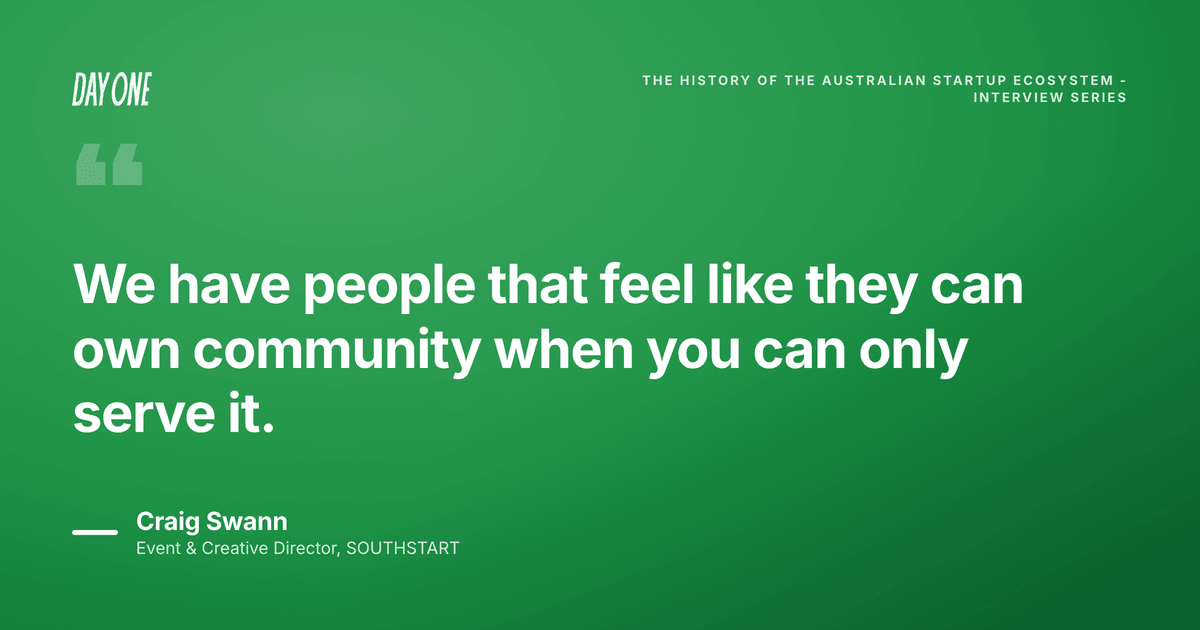
Transcript Synced · select any line to jump ▾ 0:00 Speaker: Let me tell you about our partner, Teamified. If you need to build a top-notch team quickly, Teamified is your go-to solution. They not only provide fractional CTOs, they can also do contractors and even remote team members tailored exactly to your needs. And whether you're looking for expertise in the Philippines, India, or Sri Lanka, Teamified has you covered. What's amazing is that Teamified uses a blend of AI and human expertise to cut hiring times by 50%, cent. Their platform handles everything from automated onboarding to day-to-day management and even performance tracking. You can also handle rewards and recognition, buy equipment, and order training all through their platform. Simplify your hiring process and get the best talent fast with Teamified. Check them out now and transform your team. Go to dayone.fm/teamified. That's dayone.fm/teamified. T-E-A-M-I-F-I-E-D, and get started today. Hi, I'm Adam Spencer, founder of the Day One Network, which is bringing the history of the Australian startup ecosystem to you. I believe in founders. It's why I do everything I do at Day One and our media company, W2D1 Media. And that's why the Day One Network exists, to create helpful content for founders. We've got some great shows in development, but a large part of what we do couldn't be done without support from our partners and sponsors. And I couldn't be happier than to be working with NTP, who get community better than any other technology recruitment company out there. A Newcastle company like mine, NTP are invested in seeing the growth of the local tech community in Newcastle, Sydney, and more broadly Australia. So thank you, NTP, for helping us bring helpful content to founders and the startup community in Australia. Back to the interview. Hi, I'm Adam Spencer, founder of the Day One Network, which is bringing the history of the Australian startup ecosystem to you. I believe in founders. It's why I do everything I do at Day One and our media company, W2D1 Media. And that's why the Day One Network exists, to create helpful content for founders. We've got some great shows in development, but a large part of what we do couldn't be done without support from our partners and sponsors. And I couldn't be happier than to be working with NTP, who get community better than any other technology recruitment company out there. A Newcastle company like mine, NTP are invested in seeing the growth of the local tech community in Newcastle, Sydney, and more broadly Australia. So thank you, NTP, for helping us bring helpful content to founders and the startup community in Australia. Back to the interview. Hi, I'm Adam Spencer, and welcome to Day One, the podcast that spotlights Australian startups, founders, and the organizations that empower Australian entrepreneurship. We go back to the beginning to tell the story of Australia's most inspiring founders and how they built their companies. On the episode today, we have— 3:09 Craig Swann: My name is Craig Swan. I'm the event director for SouthStart, which is Australia's human-first innovation impact festival, bringing together entrepreneurs, technologists, creatives, and founders from across the country to share ideas. I've been in Australia a little over 3 years, and when I arrived, it was run by a couple of guys, Steve and Shai. They started in like 2010. 2014 or so, and they gave it a run for some time. I think just based on probably, you know, burnout as you do, and more importantly, I guess, the success and the focus on their own business, they kind of decided that they were gonna kind of leave it. And one of our partners, Jason Neve from Moonshine Lab, who I was an entrepreneur in residence with when I first arrived, was very adamant that, you know, the event should stick around. And I had experience running, putting together big festivals and events, and said I'd be happy to do that, largely as a result of, you know, what I was sort of seeing in the startup ecosystem here. And and the need for consolidation of community. So yeah, since 2018, I've sort of been running that alongside Danielle Seymour. 4:14 Speaker: Right. So did you say you moved to Australia in 2018? 4:18 Craig Swann: The end of 2017. 4:19 Speaker: 2017. And was that straight to kind of South Australia? 4:23 Craig Swann: Yeah. So my partner is originally a South Australian. We were living in New York for about 10 years previously and decided to leave in 2017 and landed here. And actually didn't plan on staying. If anything, actually, it would probably have been more as a result of me really kind of seeing what was happening and sort of navigating South Australia. I thought there could be considerable sort of potential in the next 10 years. It kind of felt like Austin, Texas did for me in the late '90s. 4:51 Speaker: Mm-hmm. 4:51 Craig Swann: So we decided to stick around, and that one year, it was just very transformative. You know, you had a change in government, you had the Lot 14, and then bringing on the space agency, and then us putting this event together. So a lot of stuff happened very quickly that kind of solidified this idea that South Australia was on the move. 5:08 Speaker: Did you get straight into startup land in South Australia when you were there? And if so, what did it kind of look like? What did the community look like? 5:16 Craig Swann: You know, at my heart, I'm really a creative technologist, so the first kind of community I was really looking to tap into was sort of the creative and technology sector, which was impossible to find. There was really nothing that was really community-based at all. So the closest thing that kind of, you know, fell into that was just sort of the startup scene, which, you know, I also have a lot of experience running a couple of startups previously, and in the States. And so that's when I kind of saw, and I guess it was a time when there was, I think, a lot of government support for the accelerators and incubators. But from my perspective, I just saw a lot of fragmented kind of communities, a lot of duplicative efforts. You know, I think it's part of kind of like the mindset and culture here in South Australia, what school you go to kind of mindset where people kind of get put into these sort of, uh, worlds and networks that don't often cross-pollinate. So one of the things I was very key on wanting to help facilitate before the opportunity came was to figure out how could community kind of come together a little bit more and not be so much sort of siloed off. 6:14 Speaker: Yeah, comparatively, what is the ecosystem like now today? How much has it changed over the last few years, would you say? 6:22 Craig Swann: Well, certainly, I mean, it's still nascent, but it was much more nascent, I think, previously before a lot of some of these initiatives took place. So I think there's still a sense of it growing. It's interesting, I mean, it's been about 3 years, but it seems that there's like a 2 to 3 year kind of churn cycle for a lot of people that kind of come into this. I think a lot of people put in a lot of effort, you know, there's not a lot of ROI for community and evangelist sort of, you know, efforts. So I think there's a lot of people that have kind of, you know, got a little bit burned out building it. So I'm still not sure where it is. It's, you know, I think it's still growing. I still find there's just a lot of people that are, you know, head down doing their own stuff with their own people. I think there's a lot of room for growth and opportunity and to better cross-pollinate, and not just the startup ecosystem, I think, the more that we try to find ways to bring in corporates and more different technologies and more creatives into the community, which is what it really needs, we'll see more of this stuff happening. But still, it's a couple hundred people. It's quite small. 7:21 Speaker: Were you involved, you said you ran a couple of startups back in the US, so you were pretty heavily involved in the startup scene in the US as well? 7:29 Craig Swann: Yeah, so I sort of launched two businesses while I was in New York, so as a result of that, you're just weaving yourself through the startup communities in New York, which is obviously very, very different than here. So it's been interesting to sort of see the dynamics and sort of grow here. 7:44 Speaker: Yeah, I mean, that's the question that I wanted to ask. What's the big difference that you've noticed between the two cultures? 7:51 Craig Swann: Well, I mean, there's just a severe amount of complacency here. There's no existential threat really in South Australia that drives people to affect change at the sort of step pace that you would see in New York, for instance. I mean, I think it's just, there's a lot of like, "This has been great. Let's get together next week and have another coffee and have the same conversation." like less interest in moving things forward, whereas, you know, in New York you'd sit down, you'd be sharing people you should be connecting with, people would be sitting down on the phone right there, shooting texts and emails out, connecting people to make the next step, where I think people are much more guarded of their relationships and their networks. 8:28 Speaker: Yeah. 8:28 Craig Swann: Listen, I think a lot of people talk collaboration a lot more than they really want to participate in it, and I think that's just part of the culture here. There's a very much, I think, a bit of a zero-sum mindset here where, you know, instead of growing a pie, people are more concerned about the ability to hold on to the biggest piece that they can. And I think a lot of that comes to the fact that at least up until now, so much of this has been based on government support. So if you're not learning how to raise money by getting customers or finding your own investors or angels or someone to fund your business, you're relying on grants and the government to do that, which is a zero-sum game. So— 9:05 Speaker: Yeah. 9:06 Craig Swann: You have a lot of people, you know, like, again, I think I mentioned, you know, I came right at the change of the guard in terms of the election, and I was Entrepreneur-in-Residence at TechNSA, which was kind of like the previous, you know, fix, I guess, if you would, with the last government. And I can just remember during that sort of freezing period, all the startups I was mentoring just kept saying, "Hey, listen, do you know when they're gonna unlock the funds?" And I just thought, this is such a toxic way of thinking about raising, thinking that the government is responsible for you building your business more than you learning how to— Mm-hmm. —gain the skills to grow customers, to market yourself, to find alternative ways of funding. So I think that's just a lot of the culture here in the state generally. So there's going to take some time to shift that, but I feel that's the biggest challenge and best opportunity to move that forward. 9:56 Speaker: If you had to pick a couple, one, two biggest strengths that the state has that, you know, a competitive advantage for startups, if it does exist. 10:04 Craig Swann: I think there's two sides that certainly, you know, this whole sort of small town mentality and that sort of two degrees of separation thing in many ways, I think, The fact that you could be just walking through the CBD and just bump into people very easily and conduct business that way is powerful. But at the same time, I think as I mentioned earlier, there's a tendency to be very cautious with regards to exposing networks to other individuals that are looking to tap into that. So, on the one hand, you've got this advantage of just a close-knit community where everyone knows each other, but then you've got, you know, all the baggage that goes along with, you know, the way that it's sort of been built from a social perspective. So, I think there's an opportunity there in terms of that. I mean, I think Lot 14 is slowly starting to get some legs and become a bit of an epicenter where people can kind of congregate and actually create connections and build opportunities. But that's not unique to here, certainly. It's something unique in the last couple of years, but certainly the other states and certainly other parts of the world have been doing this for some time. 11:10 Speaker: The strengths. 11:13 Craig Swann: I don't know if it's that easy. I guess I'm always looking at the challenges more than the strengths, and maybe that's not always the best way to look at it, but I guess it helps me serve how to solve those problems versus just coast on what's working. I mean, I think there's a lot of tremendous deep tech here. I mean, certainly, and probably the result of being so defense-based and with a lot of academia, there's amazing, amazing deep technology here, which I think is, which is a huge advantage for the state. You know, coming with that, of course, is, you know, the lack of commercialization that's that's happening around that, so I see it as an opportunity. But certainly, I think the deep tech, whether it's bio, whether it's space or defense and sort of these deeper technologies, AI and then machine learning, I think these are the big advantages because we're gonna see the convergence of these technologies is where I think we're gonna see the biggest exponential opportunities. So I think that's lying dormant to be realized. 12:09 Speaker: Yeah, okay, let's switch gears a bit into South's start. Give me the elevator pitch and how you got involved and why you got involved with SouthStart? 12:20 Craig Swann: Well, certainly, as I mentioned, SouthStart was something that was more inherited than something that we built from the ground up. So from day one, being called SouthStart and taking on that name, I think we've been very keen to make sure that the South and SouthStart isn't locked into South Australia thinking and more growing this into a Southern Hemisphere opportunity. I think when I came here, I realized there's a big white space in these kind of events nationally There's not a lot of big-ticket events that bring the big ideas and innovation to the front. So, you know, we really positioned South by Moore as a very human-first innovation and sort of technology festival with a side of impact. So I think trying to take the things that are, I think, powerful for the nation, but trying to create a platform that brings together more than just— I mean, the same thing that we see here with the sort of siloed-off, fragmented type of community here, You know, I realize moving around the country more, it's like, you know, my innovation precinct is bigger than yours kind of syndrome going on from state to state where everyone is trying to build these different hubs, but still there's not a lot of collaboration between states. And as an outsider coming into a new country, certainly I'm looking at what is Australia doing on the larger global innovation scale? And I think when you sort of see that sliding, you sort of want to push to how do we cement and build more of these collaborations, these opportunities? So, We really push this to be a national event, and at this point, you know, there are other events previously like Myriad and StartCon which are no longer, so, you know, we've really kind of grown into that white space to kind of become the de facto innovation and impact event in the country. So, that's the direction we want to continue moving. Obviously, with what's going on in the world, it becomes a little bit problematic to grow that into the Southern Hemisphere, but, you know, as things start opening up, you know, we see this moving into being able to create more partnerships with sister cities like Christchurch in New Zealand, trying to bring Singapore into the mix. Mm-hmm. And some of these other big ecosystems that are in the region, trying to, you know, bring those together because that's where real growth will happen in terms of being able to expand into new markets. 14:22 Speaker: Yeah, I love that. That's fantastic. Big ambitions, big goals. I think you mentioned you were the entrepreneur-in-residence when you first come here, so you've obviously helped a lot of founders. And this is a question that I ask everybody that I'm interviewing. It's the advice question. A new founder come to you tomorrow, just started out, what one piece of advice would you give them to slightly increase the chances of their success? 14:52 Craig Swann: Figure it out first. Too often I have people that have an idea. I mean, I've sat multiple times when I first came in, I'd be sitting asking about someone's company, they'd be telling me, and I would just sit there and just type in what they kinda do into Google, and I'd see a couple of different companies in Australia doing the same thing, And a lot of the time, these companies had no clue that they even existed. 15:13 Speaker: Mm-hmm. 15:13 Craig Swann: And I feel like the biggest thing here, which I see differently, is that people have an idea and they instantly, you know, think it's great or it gets validated by a friend or a parent or someone, and they just start building it. Like, I mean, I actually had a call just last week with someone that's already spending tens of thousands of dollars building an app for something, and they have yet to even talk to the two-sided market aspect of the buyers and sellers for this idea. To see if they're even interested. 15:38 Speaker: Mm-hmm. 15:38 Craig Swann: And I'm trying to tell them, like, this person thinks it's a great idea, it's in a completely different market than what they do for a living, and I see too many times people that are just jumping right in, investing in building apps or building websites or platforms without even specing out whether there's a market for it. And so the first thing to save time is to have people really do that due diligence. And at the same time as doing that, making sure that they're looking beyond this kind of thinking of, you know, state borders or maybe, you know, nationally, thinking globally. So I'm very happy in one regard that COVID has really, really accelerated the transformation piece from a digital perspective because when I first arrived here, it felt a lot of the time that Adelaide didn't get the memo on how the internet worked. You know, there's very few people that were actually leveraging the power of this global network to build their businesses. I mean, the only person that was really that did it here, I would say, was Toby with Sweat. I mean, they used the internet to build something that became global, whereas on the East Coast, in Melbourne City, people were doing lots of stuff. There was, I mean, there's just dozens and dozens of women selling stuff on Instagram, and in some way understand there's a market out there that they can tap into that. So number one, it's really trying to make sure that people understand the problem that they're solving, who they're solving it for, and then speaking to these people and really getting a good handle on it. I mean, you could sit there and mock up your whole idea in an interactive keynote presentation that you could build on your own, so you can learn and think through the process yourself and get real feedback, and it costs nothing. But I see a lot of people here just looking to write grants and get money and start building without having any clue where it's going. So I think that's the biggest mindset thing, I think, that I try to instill in people I talk to, to just make sure that they're addressing something. Because the sad part is— and, you know, I see a lot of this here— that, you know, you get bright people with an idea, and they go through these university accelerators and they win $10,000 awards, and I've seen people that have been sort of prodded on for years and years moving through these different sort of accelerators, incubators, you know, getting money, getting support, doing stuff, but in the end, truly, the business will never succeed. It's got no market, but maybe it looks great and they do a great job of presenting, and it's a smart person, so everyone wants to promote them, but the reality is I see people spending 2 or 3 years, since I've been here, building something that you just know will not work, or I truly believe will not work, but they get pushed on by the community because, you know, everyone's trying to help each other and foster that. But I think not a lot of people have the real insights of what might be successful or what might not be, or have the credentials to warrant that. And that's the thing, I just don't like people wasting time, right? 18:13 Speaker: Mm-hmm. 18:13 Craig Swann: I mean, life is precious, time is precious, and I think a lot of time people are just chasing their tails on ideas that haven't been validated. 18:20 Speaker: Do you have any unpopular opinions that you know is right but no one seems to agree with you on? 18:27 Craig Swann: One of the things that I say a lot is that we're kind of struggling with this idea of ecosystem because going to what I was saying earlier, it's like what we have is more ego systems, right? We have people that feel like they can own community when you can only serve it. And that's one of the problems. You've got all these different people looking to try to be that same thing. And instead of coming together and collaborating, they become more competitive. Competitive and try to hold on to that. So in that sense, you're not allowing the free expression and movement of elements of a system to interact and interplay with each other. So certainly I see that happening and I see it happening here in Adelaide, but I also see it on a national perspective. I think there's just not a lot of connectivity. I don't know what exactly that is. I'm new here. I think a lot of it actually has to come with being Australian and being in this part of the world and that whole tyranny of distance. I think all these things have played into a certain complacency here. And I can't fault people. I mean, there's so much amazing things about living here, but that kind of breeds a sense of complacency, which doesn't really push the needle or move people to do the uncomfortable things. 19:31 Speaker: Yeah. 19:31 Craig Swann: I think that's it. There's a lot of lip service to community or ecosystems, but it's not nearly there. And I think the biggest reason, and this is probably, you know, not popular, 'cause I've said this a few times, is that there's too much reliance on government. And I get that government has some role to play, but I think there's too much of a reliance on it. And this needs to be founder-based. But again, being a nascent community or ecosystem or whatever word you want to use, we— there still haven't been a lot of successes, and those successes breed the type of founders, individuals that then go back in to help nurture and support the community. Certainly in South Australia, there's very, very, very few of those, and a lot of the people that do have success don't decide to put that energy back into the next generation of young founders. 20:18 Speaker: Mm-hmm. 20:18 Craig Swann: So I think that's— you know, ultimately, when you look at successful stuff in communities elsewhere in the world, that's what you see. You see successful execs, successful founders coming back in and mentoring and providing that next level of investment support, angel support, just mental health mentor support, and there's just not a lot of that here, so you sort of have to rely on the government doing that, and it certainly doesn't help if you have a change in government where the next government just axes everything that was done and then rebuilds it with a new set of acronyms and they do it again, and so— Mm-hmm. When you're tied to election cycles for some of this innovation growth, you just don't have that bipartisan big picture kind of like goalposts that you're all moving towards. 21:01 Speaker: Yeah. 21:01 Craig Swann: So I think that that's the problem when you rely on government. So I think, you know, weaning off the tea of government as a way to fund or to support stuff is the direction that we have to go. But that requires, you know, a lot of people to really do the hard slogging and having to do the sacrifice. And I think that's what we've seen, but people get burnt out with it. There's just no ROI for a lot of people that are doing this just for the love of it, and you can only do that so long without seeing any kind of rewards before you fall out, and then you gotta start it over again. So, I mean, I've only been here 3 years, that's kind of, you know, what I've sort of seen, and what actively we're trying to do is just build a larger network and really connecting a wider swath of these sort of different elements of the ecosystem, but stand back and let them do it. Like, I don't know if you've been to South Star, but it's very human-first in the fact that it's just tons of dinners and getting together offsite and going out to McLaren Vale or Barossa and really connecting over days and days so you form authentic, real relationships so that you can move those things forward. So, you know, we leave it to very system-based thinking where it's like everyone's a node in the system. We just try to bring them together, but how they interact and interplay, that's up to whatever happens. 22:15 Speaker: My last question is really just opening up the floor to you. I mean, is there anything that is top of mind, anything that you're thinking about every single day that you think should go into this series? 22:26 Craig Swann: I think too often this idea of a startup ecosystem is just very, very narrow in terms of thinking what participants are a part of that. And one of the things that I just— especially when we talk about South Australia being deeper tech, you got a lot of introverted, intelligent people— the thing that I just want to really keep keep cracking down is finding ways to get more, a lot more of the creative communities to interplay with this. I mean, we're living in a time where, you know, it's gonna be more about making your job than taking a job. 22:59 Speaker: Okay. 22:59 Craig Swann: And I think people have to start thinking about startups in a much different way where, yes, you might not be an amazing technologist, or you might not be the kind of person with the personality to be a founder and change the world, but those companies are gonna need need people with financial skills, with marketing skills, with design skills. There's a whole bunch of things that happens in a startup when it grows that it needs to grab those people. And I think those people are not a part of that thinking of understanding what entrepreneurship is. So, you know, I always am focused on trying to get more youth, more creative people, more people just to be understanding that if you have a problem that you want to solve— and certainly a lot of young people care passionately about the people and planet— you're halfway on the way to being a part of a startup. You just got to find a couple other people that have that same passion to solve a problem, and you come together and you solve it. And that's what entrepreneurship is. That's what being a startup is. But I think so many people get thinking it's Gordon Gekko and business, and it's just something very different than just trying to solve problems. So I think it's— it's— top of mind would be more that education piece of having people understand that this is the future that we're living in. You live in a state that is largely, you know, government-run with a lot of administrative jobs, and you're touting one of the world's best, you know, AI machine learning institutes, that technology is going to displace those jobs. So we have to be very conscious of the fact that we have to be understanding of where the future is going and the roles that we need to play with our own skill sets, with our own thinking to play in that. So it's really trying to provide that bigger picture of why startups are important. It's not a gimmicky thing or or some, you know, other way of earning an income. It's the way that the future is going. This is how I see it going. So it's really more about bringing those people together to have that kind of thinking, to kind of help accelerate and strengthen the bonds of community that build an ecosystem. 24:54 Speaker: I hope you enjoyed that interview. More interviews are on the way. Follow the podcast wherever you're listening right now. Stay tuned for more interviews with many, many more amazing people from the Australian startup ecosystem. Thanks for listening and see you next time. 25:12 Craig Swann: Bye.