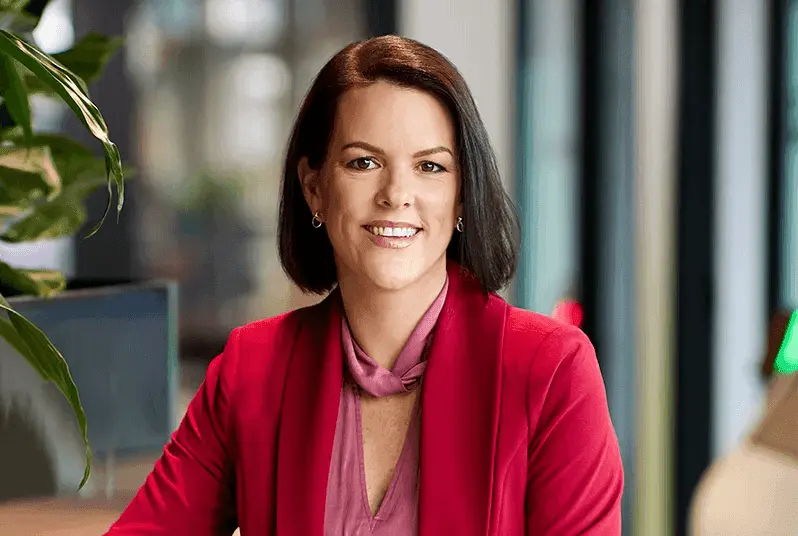
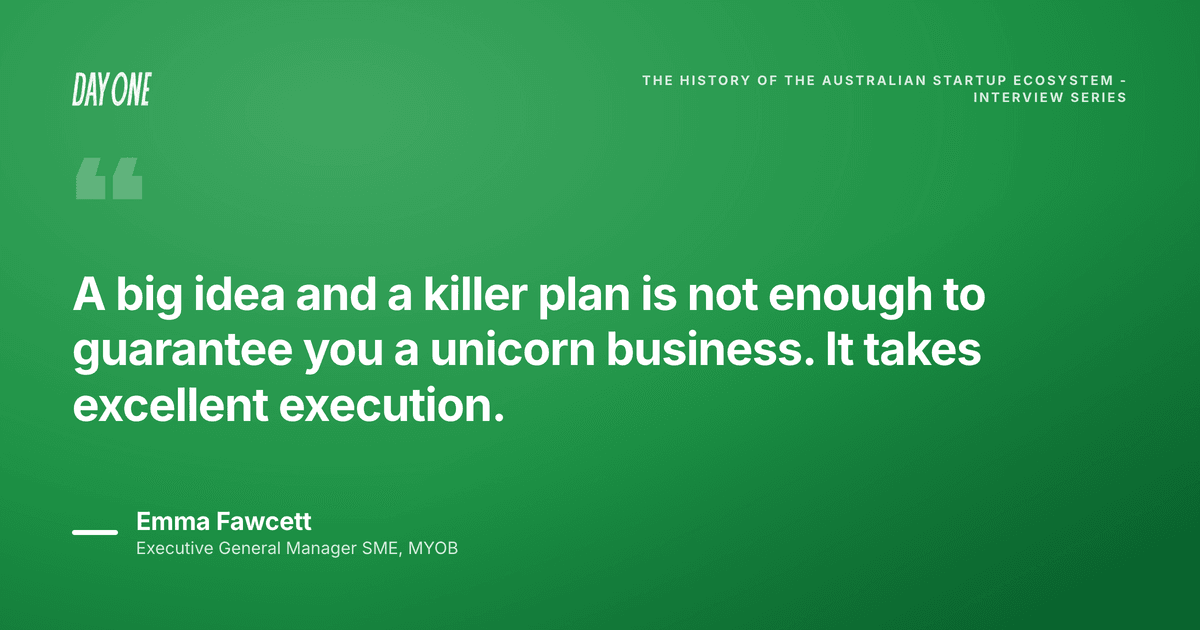
Transcript Synced · select any line to jump ▾ 0:00 Speaker: Let me tell you about our partner, Teamified. If you need to build a top-notch team quickly, Teamified is your go-to solution. They not only provide fractional CTOs, they can also do contractors and even remote team members tailored exactly to your needs. And whether you're looking for expertise in the Philippines, India, or Sri Lanka, Teamified has you covered. What's amazing is that Teamified uses a blend of AI and human expertise to cut hiring times by 50%, cent. The platform handles everything from automated onboarding to day-to-day management and even performance tracking. You can also handle rewards and recognition, buy equipment, and order training all through their platform. Simplify your hiring process and get the best talent fast with Teamified. Check them out now and transform your team. Go to dayone.fm/teamified. That's dayone.fm/teamified. T-E-A-M-I-F-I-E-D, and get started today. Hi, I'm Adam Spencer, founder of the Day One Network, which is bringing the history of the Australian startup ecosystem to you. I believe in founders. It's why I do everything I do at Day One and our media company, W2D1 Media. And that's why the Day One Network exists, to create helpful content for founders. We've got some great shows in development. But a large part of what we do couldn't be done without support from our partners and sponsors. And I couldn't be happier than to be working with NTP, who get community better than any other technology recruitment company out there. A Newcastle company like mine, NTP are invested in seeing the growth of the local tech community in Newcastle, Sydney, and more broadly Australia. So thank you NTP for helping us bring— Thank you. Helpful content to founders and the startup community in Australia. 1:52 Speaker: Back to the interview. 1:53 Speaker: Hi, I'm Adam Spencer, founder of the Day One Network, which is bringing the history of the Australian startup ecosystem to you. I believe in founders. It's why I do everything I do at Day One and our media company, W2D1 Media. And that's why the Day One Network exists, to create helpful content for founders. We've got some great shows in development. But a large part of what we do couldn't be done without support from our partners and sponsors. And I couldn't be happier than to be working with NTP, who get community better than any other technology recruitment company out there. A Newcastle company like mine, NTP are invested in seeing the growth of the local tech community in Newcastle, Sydney, and more broadly Australia. So thank you NTP for helping us bring helpful content to founders and the startup community in Australia. Back to the interview. 2:46 Speaker: Hi, I'm Adam Spencer and welcome to Day One, the podcast that spotlights Australian startups, founders, and the organizations that empower Australian entrepreneurship. We go back to the beginning to tell the story of Australia's most inspiring founders and how they built their companies. You're listening to a special interview series as part of a documentary W2D1 is producing about the history of the Australian startup ecosystem. On the episode today, we have— 3:18 Emma Fawcett: My name's Emma Fawcett, and I'm the General Manager of SME for MYOB. 3:27 Speaker: What exactly does an SME manager do at MYOB? 3:31 Emma Fawcett: So as the General Manager for SME, I really look after our small to medium business customers. So it's my job to run that whole area of the business. So, we set the vision and strategy for where we want to go. We make sure we're delivering really high-quality products to market. And then we make sure that we're really delivering for customers and their needs right through to the ways that we help them to grow and run their business and help them when they get stuck. 3:56 Speaker: I'm really interested to dive into how the delivery of those products have changed over the last 20 years because, you know, obviously, in the digital age, things have changed a lot. The landscape is changing rapidly. So, I'm assuming that the way you guys are approaching not only the products for your customers, but how you're delivering those products has changed a lot. And I'm really interested to learn more about that. But before we kind of get into all of that, what would you say was your very first exposure to this thing that we call the startup ecosystem in Australia? 4:26 Emma Fawcett: Yeah, my first exposure, uh, was probably through a startup hub in Sydney, actually, where I was involved in a sponsorship program for startups. That would have been about 8, 10 years ago. And I just loved it. I loved the passion and energy of the founders that we encountered there, the vision that they have for their business, what they're trying to create, the gnarly problems they're trying to solve. I just, I loved all of it. So I've been hooked on helping startups ever since that first exposure. 4:56 Speaker: That's so about 10 years ago, you said that, that's rough. Like we've done, as I mentioned before we hit record, we've done around 150 interviews with a variety of people, founders, investors, academics, all sorts of people in the ecosystem. And about 10 years ago, it was around 2012, and that's kind of when everyone seems to roughly agree that that's really when the ecosystem started to kick off. So you got involved at the perfect time when a lot of activity was starting to happen. Mm-hmm. From your point of view though, what was it like? How big was the community? What organizations were around that you could see? Like, give me a bit of a sense of what the ecosystem looked like for you at that stage. 5:37 Emma Fawcett: Yeah, well, as I said, I got involved through a startup hub. And at that time, I didn't know how many or few startup hubs there were. I was working for a media and marketing company at the time, a very big and well-known one. And they approached us saying, "Hey, you know, we'd love to run some competitions for our startups to get access to some marketing. Do you want to be involved?" And I jumped at it. So I think I saw back then, yeah, the start of the organization, if you like. And this startup hub in particular had got a few partners on board, people who could really help these startups take their idea from idea to sort of growth. 6:11 Speaker: Mm-hmm. 6:12 Emma Fawcett: I think with the support I saw at that time was, you know, some large organizations such as the one I was working for getting involved, some real leaders of the community starting to go, "Hey, we're better together. You know, we can run programs and we can really put some meat behind this thing." Mm-hmm. But I also think that the ecosystem itself became really supportive. I think just the rise of, you know, technology enabled them to connect and social media to connect with each other more easily. And what always sticks out to me was the way that founders in these startup hubs would help each other. They'd sit side by side and one might be having completely different business ideas, but one might have a background as a lawyer and the other one might have a background in sales and marketing, and they would share their skills in order to help each other's businesses. And I, I thought that was fabulous. 6:56 Speaker: Part of the process that we go through with all of the interviews is we really comb through them and, and try to find themes and similarities between the answers and that is one that comes up a lot, just the supportive nature of the Australian startup community. Like everyone is supporting everybody else and so many people point to that as one of the great things about the ecosystem. So that's awesome. Before I ask you around, you know, about MYOB's origin, because I know you have a great answer there, what attracted you to your role now with MYOB? How did you get started? 7:28 Emma Fawcett: Yeah, I was approached to join MYOB probably nearly 2 years ago now. And I knew of MYOB. I mean, it's the OG startup unicorn in Australia. How could you not know about it? But the more I talked to the people here, the more I decided this was the place I wanted to spend the next tranche of my career. It's a really purpose-driven organization. We genuinely care about our customers. It's got hugely smart and talented people working for it. And in this space in particular, amongst a sea of global competitors, we are proudly Australia and New Zealand focused. And so it just, it just felt like the perfect place for me to join and been here 18 months now and loving it. 8:09 Speaker: We've got MYOB in one of our outline docs for the documentary, uh, a start date of 1991, which predates realestate.com.au, Carsales, Seek, all of those big names that consumers are very aware of. But you, just before you hit record, you said you you've got a really interesting story that even predates that 1991. 8:28 Emma Fawcett: Yeah, yeah. Do you want me to tell you how MYOB came to be? Yes. So yeah, in today's terms, we all know what a unicorn is, but if you take that back to kind of, you know, 1991 when MYOB was formed, we are Australia's first unicorn. I think that's such an incredible legacy to have. But yeah, the story actually dates back to 1986, and I can't recall the guy's name, but the story goes in the US there was a computer programmer, really smart guy, who'd been asked by Apple to design the first software software for what would become the Mac. But he decided he wasn't going to do that and he was going to go out on his own instead and try and build something to help small businesses take what was hugely manual processes into technology. This was in 1986. This guy is sitting there in 1986 working on this software and he called it MYOB. Then the two founders of MYOB— another great story about how we started— they actually met in an airport when their plane was delayed. Oh, wow. And they got talking and decided that they were kindred spirits and that they shared this vision to help small businesses. So, the two of them got together and started looking around the world and actually found this fledgling little company in the US and brought it to Australia. So, and that was in 1991. And then from there, I think we followed that well-worn startup path, right? Mm-hmm. They were running the business from a spare bedroom, self-packing, these floppy disks and this tech and shipping it out to retail stores and yeah, the rest is history. 9:57 Speaker: Storytelling in business in general and in startups is so important and that's a fantastic origin story. There's no way that's ever gonna be my origin story because the last thing I wanna do is talk to someone at an airport. 10:09 Emma Fawcett: Oh, I know. 10:10 Speaker: I just sit there on my phone. 10:12 Emma Fawcett: Well, this was in 1991. They didn't have phones. He had nothing to do but talk to strangers. 10:18 Speaker: Yeah. I wanna take a slight detour here before we jump back into the changes MYOB has made to keep up in the digital age. For people that are listening to this, little bit of a sneak preview in that we are in the early phases of development for a new series all around diversity, inclusion, and equality within the startup community because we, like, it's come up so often in interviews that we've done, but we're not going to be able to give it the airtime it deserves in that documentary because we're trying to cover so much in such a short amount of time. Yeah. In the documentary. So, we're spinning out a new series to talk about that. But I'm just curious, can you speak to what MYOB is doing internally and externally to promote inclusivity, diversity within the organization? 11:03 Emma Fawcett: Yeah, absolutely. I didn't say this before, but one of the reasons I joined MYOB as well was that with me joining, our executive team is 50% male and 50% female, and that is rare in and of itself in a big company, right? In my last company, I think there was 2 of us women and about 10, men. So, that was definitely a part I joined. We really, we champion that and we mean it from the top down. It's not just a number. Our executive team is 50/50. 11:29 Speaker: Mm-hmm. 11:29 Emma Fawcett: And we're just not seeing enough women-led startups. I mean, I'm sure you've got the stats, but there's something like solely female-founded companies receive only 4% of funding. Like, it's quite unbelievable. And we certainly see in our business that women are underrepresented in tech. So, what we're doing to try and improve that is externally, and I think this program's Awesome. We run a program called DevelopHer, which is a 6-month paid scholarship to a coding boot camp, which leads to employment as a dev in our team. And we're targeting career changers and women returning to work who maybe have had a break. And we— our latest cohort of DevelopHer devs just came in, and their stories are awesome. We have a pharmacist who decided she didn't want to spend her life in a chemist anymore and wanted to retrain. And we had a return-to-work mom who had actually been in marketing and wanted to do something completely different, and they do our 6 months, you know, we pay for it, this 6-month scholarship, and then are able to get guaranteed jobs. And every year we take those on. We also have things like great policies at MYIB. We have leave for people transitioning or affirming their gender. We also have leave for women or men experiencing domestic or family violence. And flexibility. And 2 other things I want to mention is flexibility and dress code. So, we are a— Yeah. About outcomes, not time in the office. So we're flexible not just in hours and location, but in how you work and learn as well. And then finally, having a casual dress policy is something we really enforce. It's not only great because you get to wear jeans to work every day, and it's not usually the first thing that comes to mind for inclusivity either, but it really supports everyone to come to work, right? They don't have to worry about spending money on, you know, a— Yeah. A uniform to wear to work. They can come and be who they are into work. 13:16 Speaker: So, back on track around the evolution of the Australian startup ecosystem and the fast-paced nature, you know, as technology continues to disrupt and change our world, what are you guys doing at MYOB to keep up? And as I mentioned at the top of the interview, that is probably changing the way that you deliver products to customers and also the type of products that you're delivering to customers. How are you keeping up? 13:39 Emma Fawcett: Yeah, and it's funny, I'm in the office right now and I'm actually looking over at the Ryadon. We have a shelf and we have all of our products from their life stage and how they've moved over time from these boxes that we would put in retailers and people would buy and they'd download and they'd have the software for life and it did one thing, right through to now this business management platform we've built that really a small business can go online, they can sign up and they can be live with it and they can be running across all of their workflows this amazing software that should make their life heaps easier. It's been a huge transformation. Transformation, right? Like shipping software in a box for the first sort of 15 years of our life and then having to take that customer base from desktop software through to cloud-based products and then to keep up with what our customers want and need, which is more and more digitization in their business, meaning we have to offer more and more things. It's been a huge change. I would say that keeping up is not enough. 14:36 Speaker: Mm-hmm. 14:36 Emma Fawcett: You've really got to stay ahead. To keep growing and try and be anticipating where your customers want to go, which means keeping ahead of trends, right? Both in technology advancements and where customers are headed. And to do this, we do a ton of research into our customers and we try and stay connected both with the broader business communities and governments as well. Because when it comes to small businesses, governments are having a really big say in what they want small businesses to do, particularly in our space. 15:06 Speaker: Mm-hmm. 15:06 Emma Fawcett: Governments You know, GST was an absolute game changer for us because overnight it meant that accounting for small businesses got a lot more complex. So yeah, it's a huge change that we've made over 31 years, as you'd imagine, and we're really proud to sort of still be leading that for the businesses across Australia and New Zealand. 15:25 Speaker: How are you keeping in touch with customers? You mentioned, you know, you're keeping in touch with government because they're having a big say on small businesses. 15:33 Speaker: Yep. 15:33 Speaker: But what do you guys do to keep in touch with actual customers and to— Yeah. Finger on the pulse kind of thing. 15:40 Emma Fawcett: Yeah, that's— we have so many customer inputs coming in. That's the great thing about cloud-based software, right? Like, our customers are sending us signals all day, every day with what they're using, what they're accessing, the pages they stay on, the pages they leave, the workflows they use, how in-depth they're using those. And we're also— we're always taking all this data, right? And we're always feeding this data into our systems to go, okay, this is more important for customers, let's work on that. So we've got sort of all of this data just coming in from, you know, our 1.3 million customers every day that we're using to learn and get better. And then we research. Well, there's research, but I'm going to put that aside actually for a sec. So we have this customer data from actual usage. Then we also have customer interactions, right? Customers lean on us for advice. They do contact us with questions about government regulation or laws or how they need to calculate payroll or how they use inventory management. So we get a lot of incoming feedback from customers that we use, and I'm talking tens of thousands of interactions with customers a month that we categorize and use to learn from. And then we've got research. We do 2 major research pieces a year, our, um, MYAB Business Monitor, that give us a really good health check across Australia and New Zealand. There is in-product surveys, there is CSAT surveys, and there are individual research studies that are going on every week. Mm-hmm. Of the year with different cohorts of customers. So, yeah, we know a lot about what's going on with small business, which is actually why the government wants to talk to us. They do use us, and they did right through COVID, as a bit of a bellwether. You know, how are small businesses faring? What are you hearing from them? What support do you think they need? Which means we're actually in a position to kind of advocate and influence governments on their behalf as well. Mm. 17:22 Speaker: I want to jump back in the timeline for a second. 17:25 Speaker: Mm-hmm. 17:25 Speaker: So as I mentioned, you know, that 2012 roughly was when, you know, things started to really coalesce and the community really started to kind of ramp up in Australia. 17:36 Speaker: Mm-hmm. 17:36 Speaker: So between that 2012 and today, what would you say has been the biggest change that MYOB has had to adapt to? 17:44 Emma Fawcett: Yeah, definitely transitioning our customer base to the cloud. That's been a huge multi-year program of work for us, taking, customers on that journey, customers who'd been using software in one way and were quite happy with it, and sort of showing them the benefits of moving to the cloud, overcoming any concerns they had about moving to the cloud, and really taking them, taking hundreds of thousands of customers on that journey was probably the biggest change, as well as developing that future-fit software as well. 18:16 Speaker: I'm assuming that would have been like an operational nightmare, like in terms of project management and Even me just trying to project manage 150 interviews, like that has got me at my wit's end. So I can't imagine what it would be like transitioning 100,000 customers. 18:33 Emma Fawcett: Oh, hundreds. Hundreds of thousands. Hundreds of thousands. Yeah, yeah, yeah. Oh, look, you get really good at it after a while is all I'm gonna say. 18:41 Speaker: Yeah. And also on that, the delivery of the product changed. How has, or has it, first of all, has the product changed? The actual product, has it changed much? 18:51 Emma Fawcett: Oh yeah, huge. It used to just be accounting software that did ledgers and balances and was for accountants mostly, and small business customers had to adapt to that. 19:00 Speaker: Yeah. 19:00 Emma Fawcett: To something that now is still awesome for accountants and bookkeepers and other professional services, but really for a small business is so much more intuitive and easy to use. And as I said, it has gone so far beyond just accounting into things like inventory management and payroll and job management and document management. Like, there's this whole host of other workflows that we can cater. I think that's the big change. And being in the cloud means it's customizable as well, right? So, customers can start with the core platform and then add on the extra features and services they need for their business. So, I think that flexibility for customers is a real change. Like, we like to say that we, you know, our platform helps customers be connected, adaptable, and decisive in that it connects all their key workflows, helps them understand where their business is at so they can make decisions and make the right decisions, but it's adaptable so that they only kind of pay for what they need. But I do want to mention one other thing, which is the delivery. You talked about delivery. 20:07 Speaker: Mm-hmm. 20:07 Emma Fawcett: If you think about desktop software, they ship infrequently, right? Because you are shipping product, you are putting it in a store, and you can't get it wrong. So, you have these really long lead times and you're building up to this crescendo where you're shipping something and maybe you're shipping it quarterly or you're shipping it twice a year. 20:24 Speaker: Yeah. 20:24 Emma Fawcett: But it's this, you know, you're spending all this time and then it goes out and it literally used to go out on the truck to stores, right? We've gone from that to a completely agile-focused business with where we are releasing 2, 3, 4 times a day. So, the shift our workforce has been on in the ways that we deliver software over that time is quite incredible. And we actually have devs here who've been working for us for 25, 30 years who've been on that journey from these big releases to just this iterative process where we release several times a day. 20:57 Speaker: Yeah, that's the way things are these days and there are new companies popping up all the time, obviously, that this is just the only way they've ever done it, this kind of lean or shorter feedback cycle where they, you know, as you said, you can ship stuff multiple times a day, updates to the product. Whereas, and my question in this is, do you think organizations that have been around like like MYOB for a long time that, do you think they're at a disadvantage or an advantage in that they used to do it one way and they've had to make this massive change and like you said, change the workforce massively to now deliver things in the way that they're being delivered now? Do you think that's a disadvantage or an advantage over new companies that they just kind of, this is the only way they've ever done it? 21:42 Emma Fawcett: I think it's an excellent question. And in a way, I think it's like, I'm gonna answer honestly. And say it's both, like, obviously you're at a disadvantage because you do have to take your workforce on this change and you literally have to change your product. And there's a period of time where you're maintaining the old and building the new, right? So just from a resource perspective, of course, you are disadvantaged against a pure player who's not having to, to, to manage, you know, older technology or older tech stacks or making that customer transition because a lot of effort goes into that. So— It's You know, on surface level, sure, probably a disadvantage. But what I'd say is the advantage to that and why I think we're better off and we're a far better business for us is we've got two things going for us in that regard that, you know, newer businesses don't have. One is everyone knows our brand and we've built up so much trust and love with customers and deep understanding of customers over those— that time. I think that's a huge advantage. And the other thing I think through that you know, the changes our people have been through is they're super resilient, right? Like, we are a really resilient business that's adaptable and ready for change, which means you can throw anything at MYOB and we can cope. Pandemic? No problems. Zombie infestation? We'd cope with that. Versus I think, I think that resilience may not be there in businesses that haven't been on the journey we've been on. 23:02 Speaker: In regards to the product, MYAB's product, like you said, you know, is very customizable. You can start small, you can choose what you need. How and if you do anything differently to help founders compared to your everyday small business owner? Is there a different approach that you guys take to, you know, helping founders? 23:27 Emma Fawcett: We do. We have a real focus on startups. We are involved in a lot of startup and accelerator programs. We generally run promotions where we sort of, we know founders are often bootstrapping their business and money is scarce. We know they are the business type most likely to be losing the most time to disconnection because often it's just them and they're trying to do everything and they're managing their business in Excel. And oftentimes it's taking as much as a day a week. 23:54 Speaker: Mm-hmm. 23:54 Emma Fawcett: So we do, do a lot for startups. We have a, if your business is under 2 years old, we have a permanent, you know, offer that's very, good value. Don't ask me what it is because I can't recall it right now, but I know we have a particular startup offer that's very discounted. And often for a lot of accelerator programs, we will even say, hey, everyone that does this accelerator program gets 12 months free just to help you get going. And then our website, over 30 years of content, is incredibly rich in terms of content for founders who go, you know, even, even founders who just have the idea in their head and are searching for resources, highly recommend that they come and check out MYOB's blog because there is just everything everything from you've got a business idea, what do you do now, through to how do you incorporate a business name, what do you need to think about legally, you know, what do you need to think about from getting your right team together, you know, what— where do you need to digit— where do you need to start digitized versus where can you start analog and digitize later. There is just a truckload of resources that we try and make available to help founders. As well, as I said, we do actually sponsor a few specific startup things in New Zealand. We're actually sponsoring a startup accelerator program that's particularly for women, for women founders. So really bringing that to life. Yeah, it was the first female-only accelerator launched. I think it was launched earlier this year by the Ministry of Awesome. 25:16 Speaker: Yeah. 25:17 Emma Fawcett: Yes. 25:17 Speaker: Which is an awesome name. Awesome name. Yeah, I know. Having gone through, you know, there's a massive change, and I know you've been with the business for— 25:26 Speaker: was it 2 years? 25:26 Speaker: Yeah, I, I didn't 18 months. 25:28 Speaker: With all those lessons learned, you know, as an organization, do you have any advice or how do you advise founders and small business owners to kind of help keep up in this digital world? 25:39 Emma Fawcett: Yeah, it's probably two pieces of advice I would offer there. The first would be use digital solutions wisely. Like we've done a lot of research. We know that there is good digitization and bad digitization in a business. Good digitization is where, and it's a hard word to say, I hate digitization, but good digitization is where it makes businesses more profitable. Through COVID, a lot of businesses invested here and they are now reporting back to us in all our research, "I am more profitable. I am making more money. It's a lot more profitable." Good digitization looks like, you know, getting the right systems in place, making sure that they're integrated, making sure your data is flowing correctly around them and that they're all syncing and talking to each other, which is— Mm-hmm. Our real point of difference. We've built everything into the platform so that you don't have to leave versus bad digitization is you go out and you go, I'm going to find a piece of software to do invoicing and I'm going to find a piece of software to do expenses. I'm going to find an accounting solution and I'm going to find a separate inventory management solution. And then you as the founder, you have to manage all that. And that's just such a time impost and overhead. Plus, a lot of founders are not tech. They're not the IT guy. 26:49 Speaker: Yeah. 26:50 Emma Fawcett: And they end up trying to manage all of this software versus going, We think particularly small businesses should just be going for one player like an MYAB who can do all of that for you. So, my first piece of advice, use digital solutions wisely, choose wisely, invest your money in the right places. And then the second one would be, founders I find often have a really great idea and they're passionate about that idea and they get this set of customers and then they focus on growing and they focus on growing whatever the service or the— Product. The thing, the widget that they have, and you do see some of them forgetting to adapt with their industry and customers. So, I think my second piece of advice was be adaptable and be ready to flex. Your competitors are not going to stay the same and your customers are not going to stay the same. So, you can't just get fixated on growing your business. You've got to be thinking alongside that, right? I need to grow. 27:42 Speaker: Yeah. 27:42 Emma Fawcett: How do I also adapt? Technology is going to keep advancing. We're seeing such rapid rate of change. How do you make sure you're keeping up to date with trends and where you think the customer experience is going to be in a few years and making sure you're making time and space to keep pace with that? 28:00 Speaker: Yeah, always be absorbing more information, right, about what's going on around you. 28:05 Emma Fawcett: Yep. 28:05 Speaker: And also, on your first point, W2D1 Media really struggled with that in the, you know, first couple of years, mix and matching all these different solutions and trying to get them to all work together. Such a time suck. Wasted so much time trying to make all those different systems work together. 28:22 Emma Fawcett: Yeah, 'cause you go, I wanna be a startup, so now I'm gonna be completely digitized, I'm gonna be paperless, I'm gonna sign up all these things, and then you're like, ah, I've got, we call it like tech spaghetti. 28:31 Speaker: Yeah. 28:32 Emma Fawcett: And you're just trying to make it all work, and most people will after a while retire 2 or 3 and look for a more, for want of a better term, all-in-one or platform that can kind of do a lot of that for them in one place. It's way easier. 28:45 Speaker: Yeah. When I spoke to Hayden a couple of weeks ago, we touched on, and I'm really interested about this, like what prompted you guys internally to step back and, you know, reevaluate the focus within the business and how did you get to these pillars of connection, adaptability, and decisiveness? Can you talk me through that process that you guys went through? 29:03 Emma Fawcett: Yeah, no problems. It really came from all of our customer feedback that we got. It was from customers, you know, getting on the chat or calling us and saying, "Hey, I'm struggling to get MYOB to work with XYZ." can you help me? Or, "Hey, I'm losing all of this time every week," because we go out and say, "How could we help you better?" "I spend every Friday just taking my pay run from this spreadsheet and then uploading it into your system, but then because I've got a separate payroll system, I need to upload it twice, and all of this is taking so much time." So— Mm-hmm. We just did a lot of research, particularly into what new businesses, so startups and small SME businesses, want and need, and then that's where we came up with this this theory of good digitization versus bad digitization and then going, "Okay, how do we empower good digitization?" given that is where the government and the world is driving these businesses through things like single-touch payroll and the New Zealand Holiday Act. They are driving these businesses to have to be digitized. They're going to not have a choice. I mean, we pushed the government, and we're thrilled that this came out in Australia, for the tax rebate for software to make it— Yeah. Affordable for customers, for small businesses to digitize. And the government estimates there's upwards of $10 billion upside in the economy if small businesses can digitize. So, there's a real focus on that. So, we went, "OK, this is not going to go away." We saw that through COVID, it's created a generational shift. 30:25 Speaker: Mm-hmm. 30:26 Emma Fawcett: What do our businesses need? And they need good digitization. And that's been something we've had in mind, I think, back since before I joined from 2019, and we've been working to bring that to life because The other, you know, competitors of ours, they want businesses to have to sign up and use several different types of software and then manage their own integrations. And customers who leave our competitors and come to us say that that's a huge overhead, but also costs them, you know, hundreds or thousands of dollars a month. And we don't— we don't think it has to be like that. We think that we can help them, as I said, with good digitization, with everything in one platform that actually does sync with, you know, we realize we're not going to be able to meet all needs, so we make sure that we have great integrations, but the core workflow workflows you need to do in a business, you know, generating revenue, managing suppliers, managing work in progress, managing payroll, and managing your tax, you can do in one place with us. So, that's really where— 31:21 Speaker: Mm-hmm. 31:21 Emma Fawcett: —as I said, that connected, decisive, adaptable comes from. You know, stay connected, save time, reduce your costs. Be decisive because your data is syncing so well, you have this holistic view of how you're operating. And you've got data integrity that you lose when you connect multiple systems. And then adaptable because you can, you can get our base platform if you like. And if you're not paying anyone and you don't need payroll, don't pay for payroll. Yeah, it's really quite adaptable and allows businesses to tailor what they want. 31:51 Speaker: I have one big question that I end every single interview on. 31:56 Emma Fawcett: Yeah. 31:56 Speaker: I'll ask you that in a second, but just, you don't need to have an answer for it because we might have covered everything in the interview. Okay. But before I ask that question, I just need to ask this one too. Is there anything that you want to cover or talk about that I didn't ask you today? 32:10 Emma Fawcett: I don't know. I don't think so. I think we've had a pretty wide-ranging chat today. 32:18 Speaker: Covered a lot. 32:19 Emma Fawcett: Yeah, we did. 32:20 Speaker: Great. The last question is, as you might know here, what we're trying to do with these 100 150 interviews is to create a documentary that will, as holistically and as close to the truth that we can get it with talking to 150 different people, create a documentary that's gonna tell the story of the Australian startup ecosystem. 32:42 Speaker: Mm-hmm. 32:42 Speaker: We want everybody in the startup community to listen to this story. Founders, investors, academics, policymakers, any one of those categories or all of them. What do they need to hear from you, Emma? 32:55 Emma Fawcett: I'm actually going to give you the advice that I give when, um, as I said, I've been, been lucky enough through involvement in the startup ecosystem to, to be approached for advice from some founders from time to time. And the advice I always give is, you know, keep in mind that a big idea and a killer plan is not enough to guarantee you a unicorn business. It's really not. You see so many founders, and the, the idea is always right. And the strategy is always killer. They always have this awesome plan because they've found us a generally smart, they're savvy, they're well-educated, but it's not enough to guarantee you a unicorn business. You've gotta— it takes excellent execution. And I think everyone underestimates how hard executing is. You spoke about it yourself in your business. 33:39 Speaker: Yeah. 33:40 Emma Fawcett: You know, you start out and then you get in the reality of customers and deadlines and suppliers and people. So, it takes excellent execution. So, put the time into learning how to execute excellently and run your operations really well. And it's, in my opinion, as important or maybe more important than a big idea and a killer plan. 34:02 Speaker: Mm-hmm. 34:02 Emma Fawcett: And my other bit is sometimes we don't like to admit a bit of luck. Right place, right time, right connection, right funding is also required. So, if you if you fail the first time, doesn't mean you're not cut out or, you know, your idea or your plan wasn't right. Maybe it was your execution or maybe you just, you didn't get the luck you needed to be successful. 34:22 Speaker: Thank you so much for your time today, Emma. 34:25 Emma Fawcett: No problems. 34:32 Speaker: I hope you enjoyed that interview. 34:36 Speaker: More interviews are on the way. Follow the podcast wherever you're listening right now. Stay tuned for more interviews with many, many more amazing people from the Australian startup ecosystem. Thanks for listening and see you next time. 34:49 Emma Fawcett: Bye.