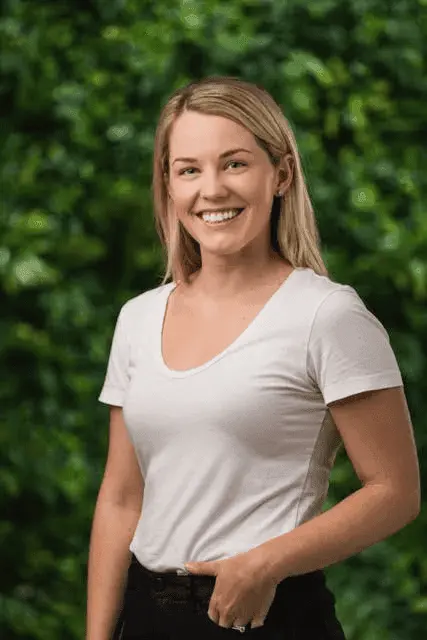
Transcript Synced · select any line to jump ▾ 0:00 Speaker: Let me tell you about our partner, Teamified. If you need to build a top-notch team quickly, Teamified is your go-to solution. They not only provide fractional CTOs, they can also do contractors and even remote team members tailored exactly to your needs. And whether you're looking for expertise in the Philippines, India, or Sri Lanka, Teamified has you covered. What's amazing is that Teamified uses a blend of AI and human expertise to cut hiring times by 50%, cent. Their platform handles everything from automated onboarding to day-to-day management and even performance tracking. You can also handle rewards and recognition, buy equipment, and order training all through their platform. Simplify your hiring process and get the best talent fast with Teamified. Check them out now and transform your team. Go to dayone.fm/teamified. That's dayone.fm/teamified. T-E-A-M-I-F-I-E-D, and get started today. Hi, I'm Adam Spencer, founder of the Day One Network, which is bringing the history of the Australian startup ecosystem to you. I believe in founders. It's why I do everything I do at Day One and our media company, W2D1 Media. And that's why the Day One Network exists, to create helpful content for founders. We've got some great shows in development, but a large part of what we do couldn't be done without support from our partners and sponsors. And I couldn't be happier than to be working with NTP, who get community better than any other technology recruitment company out there. A Newcastle company like mine, NTP are invested in seeing the growth of the local tech community in Newcastle, Sydney, and more broadly Australia. So thank you, NTP, for helping us bring helpful content to founders and the startup community in Australia. Back to the interview. Hi, I'm Adam Spencer, founder of the Day One Network, which is bringing the history of the Australian startup ecosystem to you. I believe in founders. It's why I do everything I do at Day One and our media company, W2D1 Media. And that's why the Day One Network exists, to create helpful content for founders. We've got some great shows in development, but a large part of what we do couldn't be done without support from our partners and sponsors. And I couldn't be happier than to be working with NTP, who get community better than any other technology recruitment company out there. A Newcastle company like mine, NTP are invested in seeing the growth of the local tech community in Newcastle, Sydney, and more broadly Australia. So thank you, NTP, for helping us bring helpful content to founders and the startup community in Australia. Back to the interview. Hi, I'm Adam Spencer and welcome to Day One, the podcast that spotlights Australian startups, founders, and the organizations that empower Australian entrepreneurship. We go back to the beginning to tell the story of Australia's most inspiring founders and how they built their companies. You're listening to a special interview series as part of a documentary W2D1 is producing about the history of the Australian startup ecosystem. On the episode today, we have— 3:18 Georgie Turner: Hi, yes, I'm Georgie Turner from Tidal Ventures, and we are a seed stage focused VC investor in the Australian ecosystem. We have an office in the US. We invest, you know, mostly in B2B software businesses across a range of really interesting thematics that we're seeing. You know, we started the fund a couple of years ago, seeing a bit of a gap in the seed ecosystem in Australia and wanting to really help founders with that journey from that sort of, you know, pre-product market fit point through to their Series A raise. 3:58 Speaker: So the pre-product, that was a gap in the ecosystem that you observed. Was that the gap? 4:05 Georgie Turner: Not so much the pre-product part. You know, we, we definitely are seeing a big pickup around that accelerator phase, um, you know, kind of ideation and getting to the MVP point and post that. But what we are seeing is a huge gap is We just don't have enough founders and enough investors who really understand how to build an MVP and actually test it in a market. And, um, we don't have enough investors that are really willing to put their capital on the table pre-product market fit. And that's the sort of space that, that we really specialize in at Tidal. 4:44 Speaker: When would you say, like, what year would you say you kind of got involved in this? Was it prior to all the vocabulary around the modern wave of startups in Australia? 4:55 Georgie Turner: Yes. Yeah, definitely. So I, I actually first got involved with startups in— it was about 2012. I was actually working for a US tech company that had just started their Australian office. So I was selling— I was actually selling managed hosting solutions, and the earliest adopters of cloud were actually tech startups. This was, you know, what I would say is definitely well before we had an established ecosystem in Australia, and it was just before AWS arrived in Australia, which was a massive inflection point. And I was working for a company called Rackspace, which was later private equity acquired. We had a data center in Sydney. We were actually selling, you know, physical kit in the data center, but also starting to build a cloud. And it was funny, the sales guys in our team, we always sort of say, "Oh, this cloud thing will never catch on." And then, and then 2 years later, AWS were hosting most of the Aussie startup ecosystem. So it's always a bit of a laugh when we look back on that 2012, 2013 year. 5:58 Speaker: So back in 2012, 2013, from your perspective, what did the ecosystem look like in terms of size, community? What companies, you know, like you said, Amazon wasn't quite here then, were they? Like, what did the landscape look like? 6:14 Georgie Turner: Yeah, AWS, they sort of launched their cloud down here in about 2012, and that was definitely a kickstarter because they did a lot. They started to do a lot around the startup ecosystem at that point. In terms of number of companies, I'm not, I'm not entirely sure. We had maybe, you know, 20 or 30 tech startups as customers. And, and I would say in terms of the addressable market that we were selling into, that was probably about it. A lot of them were sort of sitting with just a single server. And we were sort of looking at them, how we could get them converted to cloud, for example. But I just remember back then Campaign Monitor was the biggest Australian tech startup, and this was before they had, they had, um, raised what, what back then was a huge round from Insight Partners. They— I think they did that in about 2014, and that was a little bit of an interesting kind of Kickstarter for I know a lot of the other founders that we hung out with in the ecosystem at that time that, oh, you know, this big US VC is interested in investing in this Australian startup. Obviously everyone knew about Atlassian, but they weren't really classed as much of a startup at that point. 7:22 Speaker: Around 2012, Fishburners was launched. 7:26 Georgie Turner: Yep. 7:26 Speaker: What else was visible in terms of startup support? 7:31 Georgie Turner: Not a lot, to be honest. AWS hosting credits. So AWS was starting to sort of give away a bit of free cloud and they were doing events around that. Um, we were running events at Rackspace trying to bring together people in the ecosystem. Fishburners was the only, the only sort of network that I am aware of that was available back then. I think it was pretty disparate other than that, um, people hanging out online and not really getting together in person. Yeah. In the Sydney ecosystem anyway. 8:03 Speaker: How have you observed the ecosystem change and, you know, evolve over the last, what, 8, 9 years since you first kind of got involved? 8:13 Georgie Turner: Well, you know, first of all, we had some great success with our first venture capital funds in Australia. The likes of Blackbird and Airtree and Square Peg sort of made their mark, which made capital more available and, the business model and how you actually got funding behind some of these businesses became quite clear. Gave everyone something to aspire to, I suppose. We also had like Startmate— Startmate became a thing. There was a path then for early stage founders to actually try to muddle their way through that early process. Um, so trying to lay the foundations, I suppose, to get volume and some standardization into the, the tech ecosystem to try to almost teach our subject matter experts how to take what they know about a problem and turn it into a business. And, and that has really been, I think, you know, that sort of 2015 to 2018 period was the laying the foundations of that. Um, and since then we've become far more mature, much bigger funds being raised. success stories that you can actually— where you can actually meet the founder. You know, the likes of a Canva is— it's in your mind, you've seen the founder, you know, you can aspire towards that outcome. And an actual volume of people in the ecosystem who have been on the journey from start to finish. Some of these businesses that can then feed back through into, uh, an expert ecosystem to talk to founders. It's actually rare now that I will meet a founder that doesn't have some kind of interesting ex-operator in their advisory arsenal. So we've actually got, you know, people who have made it and who have learned along the way, giving back to the ecosystem, which I think is something that's probably only really developed in the last 2 years or so. 10:02 Speaker: What, what's one of the biggest challenges about being a VC that people might not realize? 10:08 Georgie Turner: Um, it's a really, really difficult job. Because you see a lot of really interesting opportunities, but what may be a successful company may not necessarily fit the returns profile of the fund that you're actually investing. There's a— there's something that I think a lot of founders don't appreciate is that venture capital is, is just another asset class of, you know, capital that's come from someone's pocket that needs to be deployed for a return profile. Mm-hmm. And how you go about doing that, there's a little bit of a playbook to it, but there's also a whole heap of things that you need to consider that go well beyond whether the founder is great, whether the business idea is great. There's all sorts of other things you need to think about— portfolio construction, the capital intensity of the business, whether or not you're sticking to your fund thematic or not, whether you're doing what your LPs want you to do. Mm-hmm. Very complicated to start as an investment team when— if you haven't operated together for a period of time and you don't have those things bedded down with your LPs as well. 11:13 Speaker: How did you get started in that world? 11:16 Georgie Turner: Uh, I kind of— I kind of stumbled upon it. Um, I, I had started my career in investment banking, so I had, you know, a basic training and commercial skill set, I suppose, having done a finance degree and then done investment banking for a little while. Um, I found advising to be a bit boring, to be honest. I wanted to actually be in the thick of a business that was growing, and so that was when I made the decision to leave early and jump over onto tech, into a tech company. So, um, those are the best years of my life, you know. I spent so— I made lifelong friends working at Rackspace. I saw so much about go-to-market in a specific region, so taking a US product and applying it to an Australian market. Southeast Asian market as well. And then I was approached by a headhunter who said to me, you know, you're gonna— you're in tech, but don't you want to not waste your, um, your finance background and maybe consider investing? Um, and that was when I, I had a couple of different VC opportunities put in front of me. Um, at the time I didn't even, you know, wasn't really aware that this ecosystem was evolving in Australia. And to be honest, Adam, just like almost every decision I've made in my life, I just took a bit of a punt and fell into it. And yeah, I've been doing that ever since. So it was the best decision I've made, obviously. I've, you know, stuck with it and would love to do this for the rest of my life. It's a great job. 12:44 Speaker: What are some of the biggest gaps today that you've observed? Like, where could we improve? 12:52 Georgie Turner: Oh, there's so much that we could do to improve. We struggle with You know, I think we do a really good job of taking people who have subject matter expertise in a specific field and giving them the confidence that they can go out and solve a problem that they've seen. And I think that's something that our accelerator, um, the people who run our accelerator programs, Startmate and Antler in Australia, they're exceptional and they are really great at bringing together cohorts of experts to really skill up those subject matter expert founders. Um, but what I think we kind of suck at is all of our great engineering and product management and design talent is kind of sitting within the bigger tech companies. And trying to draw those people out, the people who, who know how to start and, and actually do user testing and develop an MVP and test that in market and ask questions about whether or not it truly solves the problem or not, and then iterate on that and, and figure out the best way to go to market with it. For example, those are the sorts of skill sets that it's tried and tested, you know, that in, in Silicon Valley these people are a dime a dozen. There's so many of them. We don't have enough of those people in Australia, and we're not doing a good enough job of enticing them. out of bigger companies to take a bit of a punt on an early-stage business. 14:25 Speaker: What are we doing really well aside from, you know, that you just mentioned something that we did really, really well, the accelerator programs? What else as a community do you think, like, what makes us unique? What sets us apart, if anything? 14:41 Georgie Turner: Well, I think that Australia, and I mean, this is coming from from my perspective, only have ever having invested from Australia, right? So a bit of a caveat there. But I think what makes us unique is that for our founders to be successful, they have to think about acquiring customers globally from a remote area of the world where many, many would say they have no right to be selling into big markets like the US or Europe. And we, you know, we fully embody the underdog mindset in the way that we approach growth. out of this country. And I think, you know, some people would say that that makes us naive, but I would also say it makes us scrappy and gritty and immune to the trappings of the Silicon Valley growth playbook herd mentality. So we sit in a, in a bit of an echo chamber down here sometimes, but I also think that it, it helps us think from first principles more so than you can in a more developed ecosystem. 15:39 Speaker: Why do you think that is in terms of the thinking behind not having the right to sell into big markets? Where does that come from? 15:49 Georgie Turner: I think it just comes from not having close access to customers. Usually you want to be sort of sitting in the— sitting close to the customer when you're building a product. And Australia does have, you know, we've got a good little test bed of customers, but generally if you're a B2B business, you need to be selling globally. In order to get to sort of more than maybe $5 million of revenue. If you want to attract capital post-Series A sort of stage, you want to be selling into global markets, and you've got to kind of figure that out early. I don't think that there's many investors in Australia that would have, you know, put that on the, on the requirement for a founder early on. A lot of founders recognize this early on as well. 16:32 Speaker: I interviewed a founder, Damien Mahoney from Stackler for a series that we ran about a year ago, I think. 16:41 Georgie Turner: Yeah, yeah, I know Demer. 16:42 Speaker: Yeah, and he like pretty early on, he made the decision to move over to the US to have an office over there to sell globally. Do you think that is, you know, really important to have a physical location to sell into a market? 16:54 Georgie Turner: So, I will say yes, but to be determined how COVID has changed that because there is a big movement at the moment around certain markets that lend themselves really well to zero-touch growth, no sales team, and that where you could argue that there really is no need for there to be a local presence in order to entice a company to take up and use your product. Um, so I think, I think COVID will change that somewhat. Having said that, for specific companies. I don't think that necessarily that they have to be there for sales, but they may want to— they may choose to be closer to the customer where there's a volume of customers while they're building the product, to engage in ecosystems that have been built around that. I mean, in Australia, for example, we have quite a rich— I think we have a great agriculture tech ecosystem. And so engaging in those, in those community discussions and being close to the, the customer that you're trying to sell to, I think would be important. for founders wanting to sell into that market in Australia. 17:59 Speaker: I want to ask you the advice question now. I ask, I ask everybody this question. Um, if a brand new founder came to you tomorrow, what one piece of advice would you give them that would help them not fail? 18:11 Georgie Turner: Um, okay, only one piece. So I think pertinent to a discussion I just had this morning, I think that the one thing I would say is You really have to go slow before you can go fast. So this relates specifically to the seed phase that we specialize in at Tidal. You just, you can't solve all of the problems at once. So just take your time to figure out what it is that your customers really want. Put the effort into that early. Don't assume that you know what it is, then don't assume that it's what they're telling you. It's really the things that you choose not to do that will make or break the success of your product. Focus, focus is everything at the early stage. 18:54 Speaker: Wow, that's— it's just like get your beachhead, your landing point that you can kind of build from. 19:00 Georgie Turner: Yeah, that's right. We, we actually— I think we've almost swung too far in the direction of here's the big vision of how I'm going to be a billion-dollar business, where we said to startups, you know, you need to have that big, big, um, big picture vision early on I actually think that a lot of the time you almost do that with your eyes closed, you know, with a lot of markets because it's so abstract. But what's actually really hard is figuring out what are you going to build today with limited, limited capital that your customer really, really desperately wants. And that piece is, is a piece that we try to nail at the C phase. And, you know, it can take just sort of stepping back and really thinking to do it rather than trying to constantly sell and raise capital. There's a focus on speed in, in the market, but there's also a time to stop and try to just think as well, listen to what your customers are telling you. 19:56 Speaker: Um, this last question I have is not really a question, but these last few minutes that we have, I want to just open the floor for you to talk about whatever maybe is top of mind, what, what you think is really important, keeping in mind that what I'm trying to do with this series is create a documentary that accurately and honestly chronicles the history of startups in Australia. We want all sorts, we want everyone to listen to this really, from the startup community, founders, investors, policymakers, academics. What would you tell them? What would you want them to hear? Any one of those categories or all of them? 20:31 Georgie Turner: So what I would love for policymakers and, you know, leaders, decision makers in the country to hear is that it is still too hard for a great piece of Aussie product or design talent, like a product manager, um, for example, within a tech company that has a mortgage and they're making a big salary at Google or Atlassian. It's just still too hard for them to take a punt on an early-stage product, even if they feel passionately about the problem to be solved. So we need to try to create incentivization structures to encourage our best engineering, product management, and design talent to, to not only come back to Australia, but the ones that are here to take a risk and join the innovation ecosystem and work on something that's that's new. You know, we have some tax breaks at the moment for employees that are given options within early-stage startups, but there are a lot of limitations around those tax breaks and those structures at the moment. And it's not always, you know, it needs to move with how the startup ecosystem is evolving and moving. Um, so that's what I would say is that those, the talent is is what we lack at the moment in order to improve the success rate of our early companies, and, and that's where we should be focusing time and attention. 22:06 Speaker: I hope you enjoyed that interview. More interviews are on the way. Follow the podcast wherever you're listening right now. Stay tuned for more interviews with many, many more amazing people from the Australian startup ecosystem. 22:20 Speaker: System. 22:20 Speaker: Thanks for listening, and see you next time.