Transcript Synced · select any line to jump ▾ 0:00 Steve Baxter: Like the obsession with the tall poppy syndrome. I see so many people bitching about tall poppy syndrome. No, it's competition. They're better than you and they're taking you down because you're not very good and they're better. 0:08 Brendan Hill: The season 1 finale of the Oversubscribed podcast. 0:12 Speaker: Investors almost have this incentive to keep founders in this kind of damaged mode where they are in this kind of triggered state where they feel they need to chase that vindication. 0:24 Steve Baxter: The term damaged, I think, is, I find that a troubling term 'cause that indicates— 0:28 Speaker: I find it damn troubling too. 0:29 Steve Baxter: It's adverse as well, right? So if you've got to say, set of properties around a person, saying damaged means it's not a good set of properties. 0:35 Speaker: There's something really admirable about that intensity and it is required to build something big, but it also gives me a little bit of pause about the ethics of being an investor looking for that archetype. 0:46 Brendan Hill: It's interesting, what do you think about that, Steve? 0:48 Steve Baxter: I think that assholes can make any excuse to be assholes. A lot of that behaviour there, it sounds like they were just assholes. 0:58 Speaker: I didn't mean to describe that behaviour as asshole-ish. I think that as a founder— 1:01 Steve Baxter: I'm describing it as asshole-ish, so— 1:01 Speaker: As a founder, to make difficult decisions. 1:05 Steve Baxter: Well, I've seen plenty of founders who can do that without displaying a lot of the traits you were talking about. 1:16 Brendan Hill: What's up, founders and investors? Welcome back to another episode of Australia's number one podcast hang, the Oversubscribed Podcast. Coming to you live from Instant Studios right here in deep, deep Surry Hills, the undisputed home of founders and investors in Australia. Do you dispute that, Steve? 1:40 Steve Baxter: Yeah, I dispute it. It's all right. 1:43 Brendan Hill: I'm your host, Brendan Hill, angel investor and venture partner at 1013. And today, very special day. It is the season 1 finale of the Oversubscribed podcast. We're gonna go out on top. Just like Seinfeld did in 1998, one of my favorite shows. And we have a season finale-worthy panel with us today, a stacked card of guests. We have HJ, the co-founder of HEAO, who are making space more transparent. We have the, is it Sir Steve Baxter? 2:17 Steve Baxter: No, no, it's not. 2:18 Speaker: We have Steve Baxter, the founder of Beaten Zone Ventures and 1013 and former Shark, on Shark Tank. So in some ways you started this whole media trend of startup media. 2:31 Steve Baxter: I wouldn't go that far, but yeah, okay. 2:33 Brendan Hill: But big inspiration. I was watching Shark Tank while I was getting into investing growing up. So great to— 2:38 Speaker: It was when you were 15 years old, wasn't it, mate? You look pretty young now still. 2:41 Speaker: I still, oh, I'm on Everlab, so I'm still getting younger. 2:46 Speaker: Always be selling. 2:48 Speaker: And finally we have Jesse Wu, the founder of Encore. She's building some amazing things inside Angkor, outside Angkor as well. Thrilled to have you guys on the season finale, season 1 finale of Oversubscribed. 3:03 Speaker: Thanks for having us, Brendan. Thank you. 3:05 Brendan Hill: Great to be here. 3:05 Steve Baxter: Thank you. Very welcome. 3:06 Brendan Hill: Very welcome. Let's get into it. Wanted to start quickly with the founding story of HEO. So HJ, I've known you for 6 or 7 years now, and it's a great story because it's actually beaten Zone Ventures first ever investment. I remember when you were first raising the Fund 1, Steve, I mean it's still Fund 1 at the moment, I believe. We were in San Francisco on Jetstream, the 1013th Street trip, and you had just met, I believe, the HEO founders, Will and HJ, who we have here today. So please talk us through the meeting of Beaten Zone and HEO, but maybe HEO, you can explain what you guys do and why you're such an important Australian startup. 3:48 Hiranya Jayakody: Yeah, so the story pretty much starts back in 2015, where I met Will through a mutual friend. So both of us were doing our PhDs at UNSW Sydney. He's the space guy. So he is a space company. We'll get into details later. I'm more on the robotics side, who found space to be a challenging application area. So it's a difficult problem to solve. And then he had this idea of we should have small satellites chasing asteroids so we can figure out what's on them so we can enable interplanetary travel. So rocket fuel manufacturing, et cetera. I found that idea really cool and also a very difficult problem to solve. So we got started on that back in 2016. Was tinkering with the idea, didn't know how to really kind of run a startup. 4:45 Speaker: Yeah. 4:45 Hiranya Jayakody: I don't think there's a playbook really. And then was progressing on the idea for a couple of years. And then realized asteroid prospecting, asteroid mining, even though there were other big companies announcing that they would do this, is like way too early in this technological roadmap. 5:11 Brendan Hill: Mm-hmm. 5:11 Hiranya Jayakody: Off the world. So this was around 2018. So we were like, ah, I guess we are too early. This is not looking good. But at the same time, because the concept was small cameras in space, we got this inbound pull from specialty defense and intelligence, as well as some commercial customers like, hey, instead of looking at other things in space like asteroids, there are artificial objects orbiting Earth encountering problems every day. Mm-hmm. Why don't you kind of help us? So we pivoted towards that area around 2018, 2019, and haven't stopped since. So what we do is called non-Earth imaging. That's the act of taking a photo of a satellite in space from another satellite. So satellites are passing each other at a certain distance, you can actually capture something with good resolvability. You can figure out what's happening, but they are moving like very, very fast. It's like kind of ultra Formula 1 photography, sort of. 6:25 Steve Baxter: So like low Earth orbit is what, 7 kilometers a second? 6:28 Hiranya Jayakody: 7 kilometers a second. 6:29 Steve Baxter: So I'll describe, so basically you got the Earth, right? 6:31 Brendan Hill: Yeah. 6:31 Steve Baxter: And satellites fall around the Earth, it's called an orbit. Yeah. 6:34 Brendan Hill: Right? 6:34 Steve Baxter: And as they do that at 7K a second. So you imagine you're doing 7K a second this way, you're trying to image something doing 7K a second that way. Yeah. So it's a fleeting encounter. Yes. 6:45 Hiranya Jayakody: And the extreme case is 15 kilometers per second relative velocity. And it's just, if you don't do it correctly, it's a smudge. And even finding the satellite is very hard. 6:54 Steve Baxter: I always thought the cameras, are the cameras, the cameras work well in space? I always thought, 'cause if you're optimizing your camera to stare through 100 kilometers of water, water vapor essentially to image the Earth. You'd have some sort of a negative phase effect on that camera to get better results. So are they just standard cameras, are they, or? So they are— Being an investor, I should know this. Yeah, yeah, yeah. I've always been meaning to ask that, 'cause— 7:16 Hiranya Jayakody: So maybe we can return to that, how we build our network. 7:19 Steve Baxter: Yeah, that'd be good. 7:19 Hiranya Jayakody: Because otherwise I might be talking for like 15 minutes. 7:22 Steve Baxter: You'll geek out and so on. 7:23 Hiranya Jayakody: But then going to bid and so on. So then we kind of, Kingstiq kicked off and then we raised like a small friends and family round, seed round, we got into Y Combinator and then we were looking like, okay, this is serious. We are starting to make money. US government started buying our product. So then we kind of opened our Series A round. And then up until that point, most of our investments were coming from overseas. Space was a new thing, deep tech, not many people take risks. So glad to have Bead and Swan on our portfolio as well. And at the same time, AirTree joined as well in that round. So it was a good feeling to have Aussie investors backing us up. 8:12 Steve Baxter: It's good. I describe it differently 'cause I like fast analogs. I talk to people who don't want to understand the deep tech to some degree. So I call it Uber for secret space cameras. 'Cause well initially it's like what you do with Uber, right? Is you use someone else's car car to go somewhere. So the software these guys wrote allowed you to repurpose an Earth sensing camera, someone else's camera in space, a satellite, to basically turn it around and take a picture of another satellite. So you're essentially, that's an Uber-style platform type thing. Now it's progressed a lot further than that and you've obviously got your own cameras in space now, the HOMES range. 8:46 Hiranya Jayakody: Yes. So the good thing, okay, we are going to go there, so let's go there, right? 8:52 Brendan Hill: Before we get back to the conversation, I want to tell you about the sponsor who made today possible. Vanta. As a startup founder, you're juggling multiple priorities from the expected, like finding product market fit, to the unexpected, like customer requests for SOC 2 ISO 27001 certification. But achieving compliance is time-consuming, and time spent on it is time away from needs of the business. That's where Vanta comes in. Vanta is the all-in-one solution for startups to become compliant quickly and build a security foundation with ease. With a combination of automation, an extensive partner network, and a security marketplace, Vanta provides the necessary tools and expertise for startups to achieve compliance seamlessly, no matter how urgent your needs are, and at every phase of growth. Over 10,000 leading companies, just like the ones who have been on the Oversubscribed podcast like Everlab, Relevance AI, Instant, Alloy, and Atlassian trust Vanta to automate their compliance so they can focus on growing their startup. Startup customers get $1,000 off at vanta.com/oversubscribed. Let's go there. And D-Lake, can you bring up some of the images from the HEIO cameras as well? I believe on the website, they got some good snaps. 10:20 Hiranya Jayakody: Awesome. So the question number one, Aussie company, we didn't have much capital, right? So the main problem was, are we going to spend time building a satellite, building a camera, launch it, risky, might not work, and then like spend all that money before we provide data to our customers. But then we decided there are perfectly good cameras orbiting Earth. 10:43 Steve Baxter: So I tell a far more sexy story than you about this business. I have to explain it to investors, right? Yeah. Right, so I'll say you guys wanted you want to mine asteroids one day and you figured out how do you have to find it? You have to find an asteroid. So how do you do that? Well, then you had a friend with a spare satellite, right? So you convinced him to borrow the satellite. So when it wasn't over its target region, you could turn it around and take a picture of something, but you didn't know where the satellites were, the asteroids were, excuse me. So, but you knew where the satellites were. So you took a picture of a satellite, ended up being, this is my sexy version, I don't know if it's true or not, but I tell it all the time. 11:16 Hiranya Jayakody: Yeah. 11:16 Steve Baxter: Ended up being a US military satellite and you posted it on Twitter. And then you got a phone call and you got summons to Washington and you end up with an investment from Inkytel. How good's that? 11:25 Hiranya Jayakody: Yeah, it's a semi-true story. 11:27 Steve Baxter: It's a semi-true story. Good, good. I can tell I've had a lot. 11:30 Hiranya Jayakody: It's based on true events. 11:31 Steve Baxter: It's based on true events. 11:33 Hiranya Jayakody: So yes, so we talked to Earth observation companies and then they're like, hey, you have downtime, you have no customers over ocean region, let us rent it. And they're like, there's two Aussie guys just rocking up asking to use our satellite. So there was some skepticism, but they believed in us nonetheless. So thanks to them. 11:51 Steve Baxter: Take this conversation wherever you want. We're going a bit too technical, right? So tell us just to shut up if you need to. But it doesn't use rocket fuel. So there's actually, there's electric reaction motors essentially. So it's actually, it's an electrical process. So it doesn't expend the rocket energy. 12:06 Hiranya Jayakody: So yeah. It doesn't damage the lifetime of the satellite or anything. So going back to Steve's story, what happened was then we actually imaged the International Space Station. So nothing military, the most public object in the world. 12:17 Steve Baxter: Oh, I got a better story than that. 12:19 Hiranya Jayakody: But the thing was, this was a very heavily regulated activity in the US because— 12:27 Steve Baxter: It was actually prohibited in the US at the time. Yes. 12:29 Hiranya Jayakody: So US was doing this in the classified domain for decades. So they were like, commercial industry, you can never image another satellite from your satellite. That's a prohibited activity. So we snapped a photo during COVID lockdown. I remember I was in the room, we got the thing, and then a day later, Will was the one who actually got the call we got the call from the regulatory authority in the US asking like, "Hey, what the hell did you do? Like you breached law." And then we had to tell like, "We are outside the borders of the US, like we are in Australia." So they didn't know we were an Australian company. 13:04 Steve Baxter: Well, these guys didn't abseil through the windows and arrest you. I mean, that could have been the downside. 13:08 Hiranya Jayakody: It was COVID, so I think that's why we got the call from the US. 13:12 Steve Baxter: Won't send the SWAT team today. 13:14 Hiranya Jayakody: But then we became actually friends because they were like, "Ah, this is an interesting regulatory thing. This is outside US jurisdiction." Australia absolutely did not think about this kind of a future. So no regulations there, which worked in our favor. 13:28 Steve Baxter: That's very US. I mean, the US in general, most US large corporations and operations are very willing to work with smaller companies, which is the direct opposite in Australia, I think, personally. Well, there's a, probably not too in Australia in a larger way, I suppose. And the US, I've seen with Defence is they are just really happy to, if you've got an innovative solution, they don't really care your size or whatever it might be, but probably they'd care more about foreign ownership issues and what they call opposition capital, that type of stuff in the Defence space. But other than that, it's like, come on down, bring the solution, right? 13:59 Hiranya Jayakody: Yeah, 100%. And that actually unlocked some of the work they were doing as well, an unclassified data source for them as well. So Why this kind of data? Because there's a lot of satellites in space, but there's not many kind of sensors trying to understand what's happening in space. So we call that space domain awareness. So that domain awareness is right now lacking with so many satellites going up. So this is why US was very interested. And what happened later on, couple of years later, they were like, okay, there's no point in having these heavy regulations on the US side, we should create competition. So things got deregulated. 14:44 Steve Baxter: But you're a large part of that. So early in your story, you got a DC ground game. So Washington, DC. 14:49 Brendan Hill: Yeah. 14:49 Steve Baxter: It's where all the decisions happen. I'll have to admit that the new US administration is doing a lot to push those out to the corporate edges, which is really cool. But so you got Nate and Hillary on the ground there quite early, very capable operators in the US intelligence. —an imaging community. Yeah, yeah. 15:06 Hiranya Jayakody: Government as well. So yeah. 15:07 Steve Baxter: Yeah, yeah. So very, very capable team. 15:09 Hiranya Jayakody: Yeah. Now very glad to have the team on the ground in the US as well. And we have a team in London as well for European activities. 15:17 Steve Baxter: Yeah, I met them actually the other week. Yeah, it was actually really cool. 15:19 Hiranya Jayakody: Ken and team. And then in Japan, we are about to open an office soon in Japan as well because we are into the third year in kind of providing services to Japanese government. 15:32 Brendan Hill: Yeah, wow. And I guess tell us a bit about the increase in volume of satellites going up. Obviously a lot of space junk now. Don't wanna turn this into the Joe Rogan podcast, but have you seen anything interesting in space as well? 15:46 Hiranya Jayakody: Yes, probably not for YouTube though. So we do see interesting things. So one recent one we published was this, I'm just thinking whether I should say or not. Let's say. So there was this scientific payload from a certain country that was launched and everyone was interested. China. And it was like, it was like, ah, it's a scientific payload, but there was a lot of interest, therefore we collected a lot of imagery, monitored the behavior, and it was pretty cool. You can figure out what sort of sensing. 16:23 Steve Baxter: It was pretty unsciencey in the end, I believe too. 16:25 Hiranya Jayakody: Yes, it's kind of sciencey, but bleeding edge nonetheless. So that's quite good and shows how fast the industry is kind of growing. And more recently, from a civil application point of view, JAXA sent one of their HTV-X1, I think, a new cargo module to ISS. So we had a camera like probably 90 kilometers above. And snapping as they got closer. So that was pretty cool to see. 16:55 Speaker: I'd be interested to ask you, AJ, so I think the Australian government, we saw there was this interest in space and in building this sovereign space capability in Australia, and then a real turning away from it in the last government. And then I think we see, you know, the government under Ayers turning back to it. And obviously that's very disruptive for a program that takes decades to establish and to have the right people with the right capabilities here. How do you, as, you know, now one of the leading companies in this space, command the narrative in the public and in the political sphere about why it is really important for Australia to develop this capability and why that investment should be sustained beyond a term of government? 17:41 Hiranya Jayakody: Yeah, loaded question. So from a— 17:43 Steve Baxter: 'Cause it was the current government that canceled it, just to let you know, sorry, if you'd like to get into that argument. But yeah, it's been defunded the last 3 years. 17:51 Speaker: Is it right that we're turning back to it a little bit, that there's more interest from Airs than there was from HUSIK in space? 17:59 Steve Baxter: Yeah, so in general, space in Australia is generally funded out of the defense budget. 18:02 Brendan Hill: Sure. 18:03 Steve Baxter: The defense budget pre-AUKUS was about 1.98% of GDP. 18:06 Speaker: Right. 18:07 Steve Baxter: The next 10 years, it's due to grow to 2.33% of GDP. 18:10 Speaker: Okay. 18:10 Steve Baxter: The cost to own nuclear-powered submarines, which I think are a good capability to own, is about 0.7% of GDP. 18:17 Hiranya Jayakody: Right. 18:18 Steve Baxter: So what that tells you is that everything's been crammed. So the reason that there's been stop-start on many programs is a straight budgetary one. Essentially, they're trying to literally— that we have a champagne taste on beer money. So until that budget moves into the threes, you aren't going to see a great deal of really good Australian Defence Force business going into the local community. It's that— those naval programs which are needed are just soaking up the extra capital, but it's a government— 18:45 Hiranya Jayakody: It's a— 18:46 Steve Baxter: Issue not actually— not funding that essentially at this point in time. But there's been several programs that have been started and stopped. I mean, that's— yes, it's— and that's ridiculous. To be honest. But sorry, I— 18:55 Hiranya Jayakody: No, no, that's great context for what I was going to say because we are also thinking from a startup point of view. So one thing is, as a startup, don't die. So first rule of that is there could be different macroeconomic things, decisions happening. How can we be immune to that? So one thing we realized early on was, okay, this is a global business. We can't rely on a specific grant in Australia or things like that. That we have a solution for something, whoever finds that useful, like we are going out. So we thought pretty globally from that point of view. And we honestly, for a good chunk of our time, we actually focused on the US, Europe, and countries like Japan. And because again, like Steve mentioned, because this was like, stop-start, stop-start kind of behaviour, we thought, I can't really rely. At the same time, like there were some great grants as well. DIH was a good programme, which I think is now ASCA kind of converted. Maybe it's this next phase. I'm not very clear to me, but DIH, we had a pretty good time. 20:11 Steve Baxter: Defence Innovation Hub, it was the granting authority inside Defence essentially. 20:14 Hiranya Jayakody: Yes. So that was back in 2020, I think. So that was like a good boost. So very thankful for that. But from a revenue point of view, if you're operating 45 satellites and generating a lot of data, most of the revenue right now comes from overseas. I also think there's a lost opportunity here because if you think about Five Eyes countries, everyone's talking about like, hey, as one of the Five Eyes countries, we should contribute to the other 4 countries. And we see you as like a great way to provide that contribution, but right now like— 20:51 Steve Baxter: Can we talk about how they do that, they operate that? So Five Eyes is an intelligence sharing agreement, and essentially there's one nation I'm aware of in that, it might be really close to the one we're standing in now, that if they do need some space intelligence, for example, that HIA may provide, rather than going to HIA and giving them purchase order, basically ask the Americans for it and the Americans will then give the purchase order to HEAO. So I believe, I've heard that could be the case. So— 21:16 Hiranya Jayakody: No comment. 21:19 Steve Baxter: Yeah, we're incredibly under-budgeted. That's part of the issue. And in the domain that HEAO operates in, you have space domain awareness essentially. You have some amazing capability out there. So you have a visual space domain awareness, which is one— 21:33 Hiranya Jayakody: Yeah. We are much closer to the satellites. 21:36 Steve Baxter: Yeah, one spectrum essentially. But you have other people out there who have passive abilities to listen to. So space domain awareness could also be, there's one Australian business that has an amazing, I won't mention the name, you know I'm gonna talk about, is an amazing antenna array that literally can just listen to things that shouldn't be there. So they understand just by like passively eavesdropping and they can pinpoint objects in space. That's also space domain awareness. There's another business that uses God, I have to be careful what I say here, don't I? But they use non-emitting radars, let's say, to also locate objects in space. So in our portfolio there, we could make 3 potential space domain awareness investments. And there's no technological overlay. There's a bit of competitive overlay, essentially. But you're all in different— each one of those things is required, and neither company can actually eat the other's lunch, which is sort of the thing. 22:26 Speaker: I mean, hearing you guys talk about this, I feel like the layperson person's ability to conceive of some of the threats that exist in space, or the fact that space can be the, the theater for potential warfare. That feels very science fiction. Perhaps it's, it's very scary to think about, so people choose to have it out of sight, out of mind. You clearly, Steve, think that it is important that at least governments are turning their mind to this threat vector and Australia is prepared for it. How do you think you— what's, what's like the most constructive way to spread that awareness Well, I think any conflict enacted in space is societal madness. 23:07 Steve Baxter: The chain reaction that would occur if you started destroying spacecraft would just be off the charts. 23:12 Hiranya Jayakody: Right. 23:12 Steve Baxter: You're nothing but junks, nothing but 7-kilometer-a-second shotgun pellet junks flying around the Earth, and it would just make some orbits unusable. You're probably more versed in it than I am, but to me it feels like madness. We released a report to our LPs like last 6 weeks that there's now 200 known space weapons in space, actual weapons. There used to be a treaty preventing that. Well, there still is a treaty preventing that stuff, everyone just ignores it. Oh my goodness. So the domain of space, at Beaton Zone we say we love space because it's well named, there's a lot of it. And in low Earth orbit between about 200 kilometers and 350 kilometers, there's 192 billion cubic kilometers. 23:48 Hiranya Jayakody: Yeah. 23:49 Steve Baxter: Do the math, 4 and 3 pi r cubed, it's quite easy. And there's 14,000 objects up there, I want to say, HJ. 23:55 Hiranya Jayakody: Yeah, active, but growing pretty fast. 23:58 Speaker: Yeah, yeah. There's low tens of thousands of objects up there. And I get asked a lot, will they collide? Not accidentally. Now, most of those weapons are about colliding on purpose. Sure, sure. 24:09 Speaker: So what are these space weapons? When you say that, I'm picturing like giant laser beams or what? 24:15 Steve Baxter: Well, yeah, but I was surprised. I was quoting a German army intelligence officer We've quoted that one. Now we hear a lot more that we probably shouldn't at times. We only quote what we can get in the open source. So I don't know what they are. And I've heard through other sources that there's some objects up there that some nations need what they call constant custody on. So there always has to be a camera focused on that. Now if you think about that, I'm like, okay, so if there's not a camera— so if they have a camera focused on it 24/7, it's that important, that object in space, they need to know what it's doing all the time. Hmm. Think to yourself, who gets woken up if it changes? And what does that herald? To me, I actually find that terrifying. Yeah, I'm terrified. So, but look, there's a lot of, we look at space, so Beaten Zone, we're an early-stage venture fund investing in sovereign Australian businesses with material military application, primarily selling to larger markets, that is the US, the US Department of War now, as they want. 25:11 Speaker: Did that change go through? Did they call it the Department of War? 25:13 Steve Baxter: It hasn't yet, it hasn't been officially ratified by Congress 'cause I think Congress is shut down for a while. Right, yeah, famously. I was on a panel last week where the, the, um, there was a panel member from, uh, Softworks, which is US SOCOM's innovation organ essentially. She refuses to call that until it changes, but anyway, it's the department of war, um, which I think is, it's an amazing statement. It's like, we're not defense. Like, if you deploy us, think long and long and hard about deploying us, because our job, if we do get deployed, is to crush you and get to, get to peace as fast as we can. And so that should be the ultimate deterrence, if you know what I mean. So But I have a trillion-dollar budget, trillion-dollar US budget. The Australian defense budget in US dollar terms is $35 billion. So it's very easy to understand that we like companies, I've always liked businesses that sell to the largest, easiest market. 25:58 Brendan Hill: Mm-hmm. 25:59 Steve Baxter: And compared to Australia, the US is larger and the defense market's also easier. It's not easy, but it's easier. So with the conversation before about US business, corporations being more comfortable buying with smaller companies is one of those examples essentially. So space is massive. How you get people interested, I'm not sure. But the cost of launch is coming down. The great work that SpaceX is doing with their various launch platforms is just off the charts. The tonnage that's about to go into orbit is terrifying actually. And that's a great plane to what you guys do, right? 26:32 Hiranya Jayakody: Yeah. So that's going to change pretty much everything. And the other thing is it's a, it's a region with no borders, right? So humans are always going to be humans. We've had conflicts throughout history. And Earth, like, is somewhat civil with all the borders in place. And then everyone's moving to a place where there are no borders. So treaties and de-escalation are going to be super important because I'm, I'm a fan of like the three-body problem. Yeah. Science fiction story, and then just like Dark Forest, right? Yeah. So if you don't know about someone, you assume the worst and things can get escalated easily. More domain awareness we have, of course, different entities might do different unethical things, tricky things, but there would be far more de-escalation with awareness rather than, yeah. You don't want like— 27:30 Steve Baxter: And that proper space there, you've got the US Golden Dome, which is the larger version of the Orion Dome. Everything has to be golden with Donald. But the space opportunity is massive. The kill chain there, and the kill chain's an unfortunate term, but it's how you actually essentially enact an effect on something. So that's how you destroy something. But that will begin in space, essentially. Right. So the opportunity there is massive. And from that, we knew from the lunar programs and from the ICBM programs back in the Cold War, there's so much technology flowed out of that as well. So we'll see that in the military sphere. Now you have the absolute problem that thanks to the ability of the Russians with electronic warfare, GPS now cannot be relied on for anything. Russians have turned off GPS in the battlefield, which is— 28:16 Hiranya Jayakody: Which is a genuine small thing. 28:18 Steve Baxter: Yeah. 28:18 Hiranya Jayakody: Two big things. 28:18 Speaker: China is building its, or has already built its own GPS system, right? 28:22 Steve Baxter: So it doesn't have to rely on— Yeah, like Beidou. 28:23 Hiranya Jayakody: Beidou. 28:24 Steve Baxter: Yeah, yeah. Yeah, it's a very, very, I love it, it's a very, very communist, very tyrannical system. 'Cause I believe it's literally, you have to ask permission to get a permission lock out of it. So it's this send request protocol essentially, which is it, whereas the US one, you just, it's passive and the Galileo one, it's just passive, right? Even the Russian one now I believe as well. You just receive the timing signal and work it out. With the Chinese one, you've gotta send a ping up and they say, "Oh yeah, you're allowed to get a timing signal back." Oh, I see, okay. So it's very, sort of suits their style of government. You might say, yeah, anything. So now positioning is going towards quantum. So a lot of the very early quantum commercial applications are in that they call it PNT space, position navigation timing. So that's because that needs to happen. I mean, it's because of the loss of accuracy and the loss of precision. Essentially, you now have— I mean, Western armies over the last 30 years have actually gone to precise weapons, and this is all relative. So it used to be you'd have 10 cannons to bomb a town, for example, right now you can use one and fire one or two weapons into that town and kill the thing you need to kill. That's a lot better in a collateral damage sense. The Russians are still sort of operating on the 10-cannon principle, but now they've turned off our GPS essentially, so these weapons aren't working. 29:36 Hiranya Jayakody: Right. 29:36 Steve Baxter: Yeah. So we're left with one cannon versus 10 and very expensive ammunition and not much of it. So the rush into this space, into precision, to fix the GPS problem or the precision problem is it's existential for Western democracies. It's actually really quite bad. 29:52 Brendan Hill: I've been angel investing since 2017, made over 80 investments, many of them through 1013. So 1013 is Australia's largest network of angel investors. And each month we send out a curated list of 1 or 2 deals that you can choose to join in on the journey. These are companies like Everlab and Instant, that you've seen on the Oversubscribed podcast and other companies like Go1, Mr Yum, and Autograb. If you're interested in finding out more about the world of angel investing, I'm happy to jump on a call, share some war stories, and tell you about the exciting companies that we're currently looking at. Simply go to 1013.vc/oversubscribed and you can book a call with me for next week and, and we can talk about all things startup and angel investing. 30:43 Speaker: I mean, let's zoom out and I guess link it to the question of the branding of defense tech. So, you know, I used to work in VC. There would sometimes be a refrain about, oh, well, there are some industries that we just don't go near. We don't go near sin industries such as gambling or pornography, and we also don't go via defense tech because we don't want to, I don't know, fund the creation of weapons that kill people. And, and of course, um, you know, your, your view is that it essential to invest in these things to have the sovereign capability, that war is an inevitability of living in a world with great powers. 31:20 Steve Baxter: Oh, humans. It's inevitable with a world with humans. 31:23 Speaker: Sure. And that, you know, having these things can actually reduce collateral damage and keep people safer. How do you think about the branding of defense tech, getting LPs who, you know, have of consciences or ESG mandates or whatnot to not feel super averse at the kind of like sticker shock of investing in defence tech. 31:46 Steve Baxter: Yeah, and there was probably an unrequired, unrequested and stupid piece of commentary injected by a certain Sydney Angel investor into this conversation about 3 or 4 months ago. I don't know what you're talking about. 31:57 Speaker: Who's that? 31:58 Steve Baxter: That was Alan Jones, basically. 31:59 Brendan Hill: Oh, right. 32:01 Steve Baxter: So where basically, I get it, okay, I've got 3 kids that don't want war, I've been a soldier, I've carried a rifle, I know what it's like when you get handed— when you get handed live ammunition and you understand the weight difference between that and the plastic blank stuff. It sinks in pretty hard. No, I didn't serve an active service. So, but, um, the reality is, yes, you don't like war, but when it kicks your door in, it doesn't give a shit what you like or not, but it'll still kick your door in. So, um, you can have that great high and mighty attitude. However, we do live in a world with other human beings, and other human beings Part of the human condition is conflict. Now, we can talk about changing that. Good luck, it's not going to happen. So how do we change the branding around that? I don't like ESG investing full stop. And mostly I don't like ESG investing is because typically the people who contribute to those people, who contribute to a super fund, for example, are after a great return. And that manager goes off on their own little lefty routine and does an ESG thing and gets a subpar return for that person who probably has to work longer before they retire. Fully informed ESG investing, I'm okay with. I'm a libertarian. Fully informed adults are free to burn their fingers as much as they want. That's fine. But where it's baked up with something else. ESG investing pretty well now doesn't exist in the US. So post the Soviet, excuse me, post the Russian invasion of Ukraine in January 2022, we've seen there's been an absolute depreciation of ESG across that. To the point where about 3 months ago, Europe's largest ESG fund now believes that it can invest in companies that make nuclear weapons initiators. So there's been a full worm turning there, if you know what I mean. 33:38 Hiranya Jayakody: Yeah, yeah, yeah. 33:39 Steve Baxter: My view is that if you do believe in ESG, that can only exist in a robust Western democracy. It really can. It's such a precious, fragile thing, right? And okay, so let's have that and have the precious fragile thing. So you need that right governance around it. The fact that defence isn't carved into the GVS-G, I think, is a real misalignment, to be quite honest. 33:58 Brendan Hill: Hmm, interesting. 34:00 Steve Baxter: So, but you know, the tarnish is coming off. How you sell it, you know, is interesting. We have a very specific— we talk about mature military application. We talk openly about lethality. We— and I said, we don't want to see these things fly over, but end of the day, the reality is you stop the enemy with a robust man carrying something heavy. So, I mean, we back people who make heavy things, right? That's, that's sort of one of our taglines, I suppose. But you need that. You need— and, you know, when it comes to combat, you need the most controllable violent man you can get your hands on. Now notice I started with controllable, right? But if you let them off the leash— this is the whole Department of Defense versus Department of War non-clemency— let them off the leash. When they've done their job, bring them back, and then, and then negotiate the peace and be done with it. Let's move on again. But there's no such thing as half a war or a defensive war. They're ugly things. We should ban cameras from them. We'd get the sausage made and get it done. If you did that more, or if you had the capacity to do that more, you would fight them less, I personally believe. So I think it needs a very— And so the arguments we get in around defense investing, and defense investing has been seen as hard over the years. There's 3 primary reasons. The first one is that there's perception of a single customer.— that being the Australian Defence Force. We say, well, there's roughly 50 countries in the world that we could sell defence goods to without being arrested as a gun runner, essentially. So there's 50, potentially 50 nations there. Each one of those has an army, navy, air force. God bless America, they've got Space Command, Marines, and Coast Guard as well. And each one of those services has at least one organisation that can buy fast off tender. So target those. So target the easy way in, if you know what I mean. So there's probably at least 150 different potential customers there for you. In the US Department of War now, they actually— there's a concept called an OTA, an Other Transaction Authority, that's a fast way to purchase essentially. The Apollo lunar program was built on— without a single tender, was built off all of OTA as an example. So it's been around for a while. This Doug Beck, former head of the Defence Innovation Unit, was quoted as saying late last year that there's 265 different OTAs alone inside by the US DOD. Now, how many are empty brass plates on doors and how many survived Doge? I've got no idea, to be honest, but it'll be many hundreds or over 100. So there are many customers. So the fact there's one customer, just divorce that from reality. It's not actually true. It's mostly hardware. Mentioned before, it's about heavy things for robust men. And hardware is harder to get an investment return from. So it's got a different investment return compared to software. And the thirdly is the ESG issue. So they're the things stacked up against a defence investment. I spend a lot of time helping people understand that. And then when we talk about material military stuff and the uncomfortableness and the lethality of some of these things, in essence, my job as an investor is really easy. I buy low and sell high. Now a lot happens on that journey. How do you get the best buy side price you possibly can? You scare away every other investor. How do you scare them away? You get close to the front of the gun. So, and the reality is we're about to need a lot of these things. So we look for things that are irrationally unloved. No, so say, you know, they're unloved, but it's an irrational unloved. We're entering a time where defense budgets are increasing. Allied defense budgets going from $1.2 trillion US to $1.9 trillion US. The format of goods that defense are using to prosecute their business, which is war, is changing. So I think, you know, going from expensive missiles to cheap drones, that's the,— the poor analog, but a good analog. And so when we're in the middle of that, you have a current US administration who is exceptionally venture friendly. The Deputy Secretary of War, Steven Feinberg— I might have that name wrong, but he's the founder of Cerberus Capital, for example. 37:46 Hiranya Jayakody: Mm-hmm. 37:46 Steve Baxter: The current Chairman of the Joint Chiefs of Staff, Dan Raisin Cain, sort of Trumpy's favorite general, is a former GP at Shield Capital. So you have this amazing sort of— and you have Secretary Hegseth, Secretary of War Hegseth, who's just a young man in a hurry. Love him or hate him, but dear God, he sees the problem and he's not an old bloke who wants to hang around. And they're going to make mistakes. Anyone moving at speed will make a mistake, don't get me wrong. So you have this amazing confluence. You had the AUKUS. Let me stop anytime you want to come in, mate. I'm just got a monologue going here at the moment. AUKUS is an Australia-US-UK program to spend $372 billion to buy 3 US nuclear submarines, build 5 Pommy submarines here, and about $40 billion worth of other fruit— AI, you know, guided weapons and sort of high-tech transfer. So, so that's an amazing program that's bringing us closer together. It's liberalized the tech transfer between those countries. So there's something called ITAR, and there's export controls. They're not perfect, and it used to be bad. It's now better. It's not perfect. It probably never will be.— but there's been a lot of work done to make the business of defence flow between those nations a lot better. And to be quite blunt, the Yanks want to do business with us. They are allies with the Pommers, but I think they remember the burning down of the White House thing back in 1812, to be honest. 39:10 Speaker: Really? 39:11 Steve Baxter: I think it was 1812, 18-something anyway. And they just prefer— I think that there's a richer relationship between the US and Australians, to be honest, and you sense that. And there's a real they really have a real hunger to do things here. So you saw that with the White House meeting between President Trump and Prime Minister Albanese. How he got away without getting his ass tanned, I've got no idea, because defense spending is that bad. I mean, the US threatened to blow up the NATO relationship. NATO was spending more than we do. I mean, so, you know, when you look at the comparables, not sure why. He's obviously, he has a variable approach to many matters, the US president, to be honest. Yeah. And part of that unpredictability I think is what is actually useful. 39:53 Speaker: If I had to steelman the kind of, you know, say ESG concern or the ones that doesn't want this escalation of lethal weapons pointed at each other, you know, there was a point in time where we got really close to the, well, is it the Doomsday Clock? Like we got really close to midnight because there was this rapid escalation and development of nuclear weapons. Like take the kind of best argued articulation of the people who think that more weapons, including ones that are able to blow a city to smithereens at the press of a button when it falls into the hands of dictators or, you know, unaligned AI is not good for the safety of the world at a huge scale and could lead to huge harm and suffering. Like how do you rebut the kind of like, best articulated, you know, most well-meaning version of that argument. 40:51 Steve Baxter: I understand the argument, and I actually did a recent piece. So Minister Wong went to the UN recently and pitched for a seat in the Security Council, and she used AI control of nuclear weapons as a stalking horse. 41:04 Speaker: Sure. Well— 41:04 Steve Baxter: And so I did a few media pieces over that because I thought, you know, if the US Strategic Missile Command's often derided the fact they have old PCs in their bunkers with floppy disks. You know, there's a reason for that. They're not connected to a network. 41:16 Brendan Hill: Right. 41:16 Steve Baxter: And so they bloody well shouldn't be. Yeah, yeah, yeah. So I'm impressed that the number of countries who have nuclear weapons have been so responsible with them, if you know what I mean. But, you know, at the same time, it's not— so they're rarely attached to networks and things. So there are people involved, right? And I'm saying it's not foolproof. I'm not saying it's perfect. But I think that the system for controlling the release of those weapons is a lot is a lot more robust than you might think. Okay, I'm curious. I'm more worried about AI being used to socially engineer access to a weapon. 41:46 Speaker: Sure, sure. 41:46 Steve Baxter: I think that AI could have a toll on weapons. 41:47 Speaker: Like to persuade people, to persuade somebody who has the switch. 41:50 Steve Baxter: So that to me is probably the bigger risk there. So the biggest argument though for why that is, I think what, you know what ended the Cold War? Wasn't a lack of weapons, it wasn't even treaties. It was Ronald Reagan proceeding with the Star Wars Defense Initiative. 42:06 Brendan Hill: Right. 42:07 Steve Baxter: That basically put weapons in space, right? Or was planning to put weapons in space. It was going to build a missile shield that the Soviets realized that their weapons were then ineffective. And then they tried to keep up and basically set themselves broke. And the Afghan war was in there. So there was a lot of other issues, don't get me wrong, but there was a major material contributing issue. And so to me, if you want to respond to your, you know, well-put steel man case, I would say that it is arms competition that actually keeps people in check. But a bully only attacks a weak person. A bully never attacks a strong person, if you know what I mean. So there needs— if there's some form of parity there, then— and mostly post-World War II, that world order, I suppose, of the trading order, essentially enforced by the US Navy to some degree around the world, which is now fracturing fracturing. We're seeing that, but it has been fracturing, I think, for about the last 10 years. It's just the— it's now fractured, um, is, is going to be something that we need to work through. So we're going towards a multipolar world, um, and, and there's a lot of— there's a lot on the table, you know. There's, there's declining populations in most parts of the world, which I think is a far bigger issue and will lead to miscalculations, I think, personally. 43:18 Speaker: Fascinating. 43:19 Steve Baxter: So, um, but it's not a lack of arms that actually leads to war, it's imbalance in arms that leads to war. 43:26 Speaker: Yeah, I play a lot of Civ, or I don't know, I used to. And certainly if you saw a power nearby, especially if they had some resources or they had built some great wonders and they hadn't bothered to build their army, you're like, that's a lame duck, I'm going to go and invade it. 43:41 Steve Baxter: And I am, I actually put much of the sugar in my chief investment officer at the time, I actually put, you know, I think I opened it up by saying, you know, the first thing man did after walking up right out of a cave was to throw a rock at another man. This is, this is, this is what we do, right? Someone else should talk because I've done it for too long. 43:57 Brendan Hill: Oh, I guess from the founder's perspective, H2. 43:59 Hiranya Jayakody: Yeah, because I think the root of the question was like a defense tech. So I kind of think that's sort of like label, label. I like to think of it as like deep tech because these are like cutting-edge technologies and any cutting-edge technology would have dual use. Yeah, part of that would be defense, part of that would be kind of, uh, I've got one story that's not— 44:25 Steve Baxter: we just did that, we just did our first US investment, and I realized how young my workforce is and how hopeless the education system is because I said, this is, um, this is a Rubicon investment, and they looked at me like, okay, I'd explain what the Rubicon— you know what the Rubicon is? Crossing the cash across. Yeah, the dollars cash across the Rubicon, right? I'm like, even you didn't know it as well. Goddamn education system. Because we invested in a long-range artillery shell. So it takes— it, it, they— these chaps have put a ramjet engine inside an artillery shell, so it takes a range from 30 kilometers to 150 kilometers. It arrives with less effect— that's the polite term for a boom. Um, so I said— and they said, well, what do you mean it's the Rubicon? I said, well, this is no going back. There's no dual use here. This thing's good for nothing but war, if you know what I mean, right? So demolition from really far away. Yeah, and actually, and a fifth investment, another US investment, is a— it's a counter-drone kit, but it's a modification to a soldier's rifle to allow them to engage drones at range. 45:22 Speaker: Right. 45:22 Steve Baxter: Now, a lot of the really constructive nos I've got when talking to LPs— and I really, I love a well-thought-through no, it's really quite helpful— isn't around— they don't want to be near the, the image of the US arms industry, given the fact it's got such societal issues through crime and and gun deaths and stuff in the US. So I'm curious on what that does to our perception in the community at the same time. To me, it's not that, it's a soldier's weapon, it's about engaging a drone or a flying object or whatever it might be. So, sorry, Aisha, I did interrupt. 45:54 Hiranya Jayakody: Oh no, no, no, it's like, yeah, but like launch systems can be like also used for like drone launchers, which increases efficiency. And we see like, I can't remember the exact name of the company, but they do have, kind of launch systems that can be used for defense, but also kind of blood delivery for remote hospitals at the same time. So, but going to the kind of the previous point for EO, for example, so we have like intelligence gathering, that's a core business area, but at the same time we have commercial customers where we help them figure out whether their satellite deployment has gone smoothly, especially with mega constellation. They send like 30 to 60 satellite at a time. They want to check whether the solar panels have deployed correctly, pointing correctly. And then as— 46:46 Steve Baxter: Some of these modern solar panels, like we're not working for Starlink, I don't think, but I think the Starlink ones with the direct-to-handset video feeds. 46:55 Hiranya Jayakody: Yep, yep, yep. 46:56 Steve Baxter: It's like an acre. I saw a Tesla thing, it's like an acre of solar panels that unfurls like an origami thing out of These these. things are on. And so that goes wrong a lot. 47:02 Hiranya Jayakody: Yeah, yeah. Mega constellations are like pretty big satellites, pretty sophisticated satellites. So things can go wrong. How they kind of level version up their next generation depends on what data they collect from space. And then we are working very closely with Astroscale. So their primary mission is active debris removal. So you have space junk, go to them, remove them. We characterize the, the piece of space junk. Is it spinning? Is it dangerous to get close to that? And all that. And then that's the commercial application for Astroscale. But the, the vehicle they are building is of course capable of engaging in defense tech. So it's kind of this dual commercial use kind of tree. That's how I'm seeing that. But of course there are exceptions. 47:52 Steve Baxter: Yeah, well, if you can maneuver a spacecraft, it's a Essentially, you just maneuver in front of something else. 47:57 Hiranya Jayakody: Yeah, each spacecraft, 7 kilometers per second, is a weapon in itself. You change the trajectory. There is a thing called conjunction avoidance, conjunction alerts. So when, okay, just serendipitously, two satellites are going to hit each other. Now they have to figure out who's going to move. Game of chicken. 48:20 Brendan Hill: Yeah. 48:20 Steve Baxter: He's got runaway. 48:22 Hiranya Jayakody: Yeah, so usually if ISS gets a warning, they just move. Like, there's no point in arguing, we are just going to move. It's going to cost a bit, but that's not even without picking a weapon. But yeah, yeah, space is strange like that. 48:34 Brendan Hill: I guess from the investor side, HJ, like we've seen some very, I guess, hot startups like Anduril in the US. I know you've spent some time with Puma Lucky in the US as well, Steve, but you've raised from investors in Australia, UK, Yes. The US as well. Like, how's that changed even in the last year since the new administration? 48:57 Hiranya Jayakody: The main thing that we've seen is, yeah, with like, with US administration changing, there's a lot of kind of, can I say, first around tariffs and then defense spending. And what we started seeing is all countries spending more, kind of allocating more budget. To defense. So let's say if Europe was kind of relying more on US for space domain awareness, they're like, no, we need our sovereign capabilities. So each country would kind of invest. So new programs come up. So from our end, we see, like, we get requests from more customers because they— Like, most of these countries had kind of space domain awareness and space domain intelligence roadmaps, but those roadmaps got accelerated. That's what we saw. Like Japan was a classic example. I think early 2023, they kind of announced, okay, we are kind of going to be serious about defense, given the geopolitical situation. And then they needed our services from late 2023 onwards. So that is pretty fast when you're talking about garments. So that's the main trend that we've seen. And as more people use this kind of products, then they see like, oh, this is interesting, this is new. They ask for certain things, which then gives us ideas like, okay, we can actually develop this capability, put these 3 building blocks together. With the next thing and see whether that's useful or not. So that's the main thing we are experiencing right now. 50:43 Brendan Hill: Yeah, nice. One of the main sort of themes of season 1 of Oversubscribed has been founders like yourself, HJ, on the cutting edge, building fantastic innovative companies from Australia, solving very hard problems from Australia, then expanding around the world. And one of the themes has been that I guess you could classify these founders as either damaged founders or Mark from EverLab on the previous episode, you know, called them obsessive founders. Would love to hear, starting with you, Jesse, as well. I know you've invested with and worked with many, many founders, maybe damaged or otherwise. But, and yeah, Steve, from an investor perspective as well, and Heijei, maybe you can talk about yourself and Will. Absolutely. How damaged you are. But like, yeah, how do you find these founders with the drive? How are you attracted to them? And you know, what are some of the characteristics that you look for? 51:39 Speaker: So I guess for listeners who are perhaps not across the context of this archetype, it's something that you talked about in the first episode of "Subscribe, Brendan" with Liam and with Tom and with Charlie Gerside. And it's something that I've heard VCs talk about both in public but more so behind closed doors. So VCs say, you know, they're looking for founders who have a chip on their shoulder, who have this dark side of them. They have conversations in investment committee meetings, you know, does this person have the mongrel in them? The kind of aggression, the maniacal focus that means they're willing to make tough decisions. They're willing to fire people who were, you know, loyal from the early days because that person is no longer the best person they could recruit. Or they're willing to, you know, really get their elbows out and poach, take talent from friends or, you know, um, act in a very aggressive way towards competitors or just do whatever it takes to succeed. And I think there is this sense that, you know, um, it is unnatural to have that amount of aggression, that amount of grit where you will just throw yourself at a problem day in, day out, because there is just this dog in you that can't rest until you have vindicated yourself. And I think people often refer to, you know, Jack Zhang from Airwallex is having this. Maybe Cliff from Canva I've heard referred to in this way. You know, Liam, I think gets referred to in this way. And I think, you know, I have a lot of respect for all of those founders. I do think that you do need to bring a certain intensity to what you're doing to reach escape velocity. I think what gives me a little bit of pause having been in the investor seat is it struck me that investors almost have this incentive to keep founders in this kind of damaged mode where they are in this kind of triggered state where they feel they need to chase that vindication. And they're almost like, "Well, don't go to therapy, don't heal, don't get coaching, don't make yourself whole. We need you stay slightly, you know, psychopathically hungry for a win in order to take your company the whole way and get us the return. Um, yeah, I kind of just want to present that as context without passing judgment on it first, because I think there's something really admirable about that intensity, and it is required to build something big. But it also gives me a little bit of pause about the ethics of being an investor looking for that archetype. 54:25 Brendan Hill: It's interesting. What do you think about that, Steve? 54:27 Steve Baxter: Oh, I think that assholes can make any excuse to be assholes. Um, and I think a lot of that behavior there, it sounds like they were just assholes. Um, I've worked with assholes, I've invested in assholes. Um, I find nothing good about it. Um, my first job as a soldier, that if you display some of that behavior, it would be adjusted in a very martial manner. So you'd have the shit beat through you. So you'd be beat. 54:58 Speaker: I didn't mean to describe that behaviour as asshole-ish. I think that as a founder— 55:01 Steve Baxter: I'm describing it as asshole-ish. 55:03 Speaker: As a founder, you need to make difficult decisions. 55:06 Steve Baxter: Well, I've seen plenty of founders who can do that without displaying a lot of the traits you were talking about. And so in any other area, that'd be just like, I mean, I thought we were all soft and cuddly now. I thought we had to be all nice. I mean, we look at We look at all these corporate issues coming out in the press, Richard White, for example, being one. You got to wonder maybe how he fits into that sort of description might be interesting. But others as well, there's no end of people out there who have a reputation for certain things. I've definitely been in businesses with people like that. I don't need to do that. In my first business, for example, I went from probably being a soldier of average fitness to basically putting on about 50 kilos of weight. Because I just basically, all I did was I thought to have that business be successful, I had to stay at my desk, had to work, had to not exercise, et cetera, and just worked and worked and worked and worked and worked. Now I was successful, but it's not true that's the way you've got to do it. 56:03 Brendan Hill: Hmm. 56:03 Steve Baxter: So in fact, I'd say it's a bad way to do it, to be honest, because it does lead to issues. So look, no, I think that people who are being assholes need to be called out for being assholes. What do you mean? Especially to do with people. You literally cannot do it. And I've seen some of the, there's been a lot of commentary. So this is what, mid-November, isn't it? In early November, what the hell was the date? Mid-November in 2025, right? So whenever this goes to air. So there's been some commentary recently around some of the departures of some of the share contracts in some of the darlings of the tech space, the Atlassians and Canvas and other bits and pieces. Cases around good lever, bad lever and things like that. I didn't read the article. To me, it was a bit of a hit job personally. But there was some just shit behavior in there at the same time. I think that these are people. They're not resources for fuck's sake. They're people. Excuse me. I hear some of the most terrible euphemisms used for people. That's a person you're talking about. So I think don't be assholes to people. You can bring people on the journey and you can make those hard decisions. 57:00 Brendan Hill: Right. 57:00 Steve Baxter: And I see those people being lionised for doing that. And there's a grey line, but it's pretty damn thin on that grey line. So it's not, in my book. 57:12 Speaker: 'Cause you've invested in so many founders, Steve, that intensity that I talked about, you know, seems like it's acknowledged that, you know, having that damage can be one of the places where you get that intensity. You are kind of saying that doesn't have to be. Well, look at my— How else do you get that intensity? 57:28 Steve Baxter: I look at my successful exits. I look at my successful exits and I don't think, I'd have anyone who had large gobs of what you were talking about. You might see some of it at the edge. We've had some— had to make some very difficult decisions, don't get me wrong. Um, so, um, so I don't like that. And I don't— I didn't watch that episode. I watched the first bit of it. I didn't see that part of the damage, uh, stuff. So, um, and I thought you— you— the start of your description was interesting. And I took— I've obviously taken issues of quite, quite a few bits of it, but I think that people just displaying asshole behavior need to be called out for it. The assholes they are. I like the TV show Mr. Inbetween. Have you seen that? Yes. You've seen Mr. Inbetween? Oh dear Lord. It's great Australian drama. Ray Shoesmith. So he's basically a thug that goes around and punches people, right? But he's got a daughter and he leads his family life. And a lot of it is just people who are assholes to him, so he thumps them. And he thumps one too many and goes to jail. But you know, You just, I don't know, I didn't see anything admirable in the way you described a lot of that, to be honest. 58:32 Speaker: What do you think, Brandon? 58:34 Brendan Hill: Yeah, I think obviously dealing with people, like, you know, we obviously have invested in a lot of great founders at 1013 who are intense, but yeah, when they hire slow, fire fast, some people might say, like, they definitely do, like the ones that we deal with, you know, treat the people with integrity, you know, help them find new jobs and stuff like that. But yeah, at the end of the day, they do want— 58:58 Steve Baxter: Well, I think about the winners and who are the winners in my portfolio who would maybe exhibit that behaviour. Maybe my winners aren't big enough. That could be an issue too, right? So what could be it? Maybe I'm investing in the wrong people. Personally, I'm doing pretty well and I don't want to invest in assholes. So that could be it too. So when I think about, I mean, Will and AJ winning, kicking it out of the park, they're a good example. They are not that. By any stretch of the imagination. Thank you. I think about the Go One team, I think about the Go One team, for example, they're not that. I think about the ones I've exited out like ClickChamp, Dosme, Tomo, these amazing businesses that, Dosme, that guy was just a dick. So, and not you, Rob, the other guy. So, no, I don't have that example as well. And maybe I'm getting sort of tens, 14s and 25s returns. So maybe I'm not getting the hundreds because I'm not investing in those stocks. 59:53 Brendan Hill: Yeah. What if you look at it from an Australia versus US perspective? If you look at the US, they have some more polarising bigger exits. You have your Elons, your Travis Kalanick. 60:01 Steve Baxter: They have such a different cultural approach to HR. They really do. And we have very much a different IR regime. You couldn't hope to do how the US deal with staff in Australia. You'd be, I think, quite rightfully sued. Caught or in breach of some regulation, to be honest. And I always say that when enterprises enter the US, maybe I'm the asshole here now if I'm going to play this out. Yeah. So we sort of say, look, go to the US, don't wait, don't plan, get in there. You'll bugger up the first one, you'll half bugger up the second one, the third time you'll get it right and you've learnt that lesson. You can plan it for 12 months and get it wrong and you're still going to take 3 times. Just don't have that 12 months at the start. I said, "Don't worry about it because basically what it means is you hire a bunch of people who are wrong and you have to fire them. So don't worry about it. Yanks used to getting fired." So maybe I'm that asshole as well. Maybe there's a little bit there at the same time. But that's very much a facet of that economy is that people do roll from position to position and there isn't as much social stigma behind a firing as there is in Australia. I'm not saying it's stigma-free, but there's not as much stigma. 61:03 Speaker: I think it's undeniable that Musk, Altman, Zuck have a certain pathology and are willing to trample on people get to the top, and they are some of the most successful start— founders of companies and some of the wealthiest. Um, and so it is rational, I think, for venture capitalists who are chasing outlier returns to look for that archetype. 61:26 Brendan Hill: For the big generational companies. Yeah, it's interesting. Like, uh, I think, yeah, locally, obviously, Mel and Cliff, well regarded by the staff and all the Canvanauts that I know and talk to. So yeah, it's definitely interesting to look at Australia versus the US through that lens. 61:42 Steve Baxter: And you'd be careful what you read in Australian newspapers as well. They're typically quite envious little publications who, you know, we look at the issues around the still Australian domiciled companies reporting results through ASIC, if you know what I mean, which is crap, right? And then guaranteed safety culture always gets a tanning, right? If you know what I mean, because they're a loss-making business and the VCs are like, great, we love loss-making businesses. Making businesses, right? Because as soon as you get some profit, then we're going to get a silly metric, right? We're going to be regarded as a profitable company. So let's just keep growing. So you've got to be careful of that Australian— there's a very envious Australian lens you put on things. We're a bit of a small nation in respect to that. So you have to be aware of that, I suppose, and the way they were couching it in the direction they've come from at the same time. I come from Queensland where the local newspaper's terrible at it. I mean, you just— Courier Mail, it's just a shock. I shouldn't say, it's a great newspaper. I want to get published all the time. But they have a certain view on things, which is exceptionally ASX, almost small Australia related. And it doesn't have the expansive horizon view of the world, which if we had more of in our society, we'd be better. That way large Australian businesses would buy from more small Australian businesses. We'd start to— some of those root cultural issues, I suppose, that come through. Like the obsession with the tall poppy syndrome. I see people bitching about tall poppy syndrome. No, it's competition. They're better than you and they're taking you down because you're not very good and they're better. I mean, there's a competitive aspect. So 9 times out of 10 when I hear tall poppy, when you dig into it, it's like, no, no, you just lost a competitive race. You know what I mean? So there is tall poppy, don't get me wrong. But I think that maybe there's a perception that everything in business in Australia should be more egalitarian. When it's not, there must be some other tall poppy-esque type rationale to it. 63:28 Hiranya Jayakody: I've been kind of reflecting on this conversation because I'm trying to figure myself out. Obviously I'd like to think I'm not an asshole. 63:36 Steve Baxter: You're damaged, mate. You're damaged. 63:39 Hiranya Jayakody: But I think there are, so on self-reflection, I feel like there are moments, like I'm sure this is true for Will as well, after certain conversations or certain situations, we realize, Ah, this is why we are a founder, not an employee. There are so these bits and they are more driven by like, we have this kind of image what the future would look like. 64:05 Steve Baxter: Yeah. 64:05 Hiranya Jayakody: Yeah. And despite like having great kind of years, like the revenue has been pretty good, doubling, tripling year over year, in our heads it's like, ah, Just last week we scored us 2 out of 10 on a certain feature. So much to do. So what an external person sees as this huge drive might be just us saying, the future is so far ahead and there's so much to do. So we are focused on that. And doing that, we have to be absolutely good people. I have huge respect to our our team. They trusted the space company early days when we were just 2 people, thrown themselves into this problem. They are very passionate people. They care about building a space industry in Australia. So we have huge respect to the team around us. Team's 35. They're kind of punching way above their weight. Like we have 7 cameras in space and more than 4,000 missions already done in space. Yeah, exactly. So thank you very much, team. They're literally releasing like a new feature that's going out tomorrow morning. 65:24 Steve Baxter: Part of the issue is like the term damage, I think is, I find that a troubling term 'cause that indicates— 65:28 Speaker: I find it troubling too. 65:30 Steve Baxter: It's adverse as well, right? So if you've got a set of properties around a person, saying damage means it's not a good set of properties, whereas you're describing a great set of properties. 65:38 Hiranya Jayakody: Yeah, so one day, I have a funny story. 65:40 Steve Baxter: But also, but you sort of half it, right? Definition at the same time, if you know what I mean. 65:44 Hiranya Jayakody: Yeah. It's just like, yeah. So we might have sometimes maybe tunnel vision because we are still thinking about that end state. Funny story. So I was at Kohl's maybe a few months ago. I was actually thinking about your problem. And then I was coming out of that and this lady was kind of like, kind of looking at really angry at me. And I was actually staring at this the self-checkout screen and she was entering the PIN and she was thinking I was trying to kind of steal the PIN of the credit card. I was just purely thinking about you. So my wife, like, she runs into this problem quite a few times. 66:24 Steve Baxter: You got more runway than that. You got more runway than that. 66:26 Hiranya Jayakody: Yeah, I was like, "Come on, man." Yeah, like, I hope they had too much shopping. But the thing is like, yeah, so yeah, shout out to my wife. She goes through my sold-out sometimes, but That's pretty much. 66:37 Steve Baxter: But you reckon that the Musks and the Bezos of the world and the Zuckerbergs were always like that or their success enabled them to be like that once they could be more, once they could treat people in a more disposable fashion? I wonder that 'cause in the early days it's gotta be quite collaborative, right? You need to bring people on a journey to HJ's point, right? And so when at some point it's like, well, okay, now I, I have like 10 line managers and we can do this. And you know, you can, so maybe there's a stage issue at the same time. Yeah. 67:08 Speaker: I think it's just, you're kind of describing the two sides of the same coin, right? I think in the early stages, an act of founding a company is an act of creation, but it's also an act of defiance. It's kind of saying, you know, this thing that has not previously existed, that heaps of people doubt can exist, is something that I'm going to will into being by sheer force of will and the desire ability to work at it tirelessly until I get somewhere. And I think, of course, the other side of that tenacity and grit is perhaps a doggedness and an unshakable belief in yourself that can manifest as sharp edges. So I think that's why it's such an interesting thing to think about. And we were talking before we started recording that I've written a fiction book, and it's kind of set against as a backdrop, that is very much one of the things that I explore through that character-driven plot, which is, you know, this— the ability for entrepreneurs to do whatever it takes is both the thing that's exceptional about them, but I think also something that can be dangerous about them, especially when they have a huge amount of power and capital to deploy. Mm-hmm. 68:30 Steve Baxter: The blinkered one's interesting. I mean, a lot of times, I got a lot of, we got almost 100 businesses I've invested in. People say, how do you manage so many? And I said, well, the ones that are dead are dead and they've stopped talking to you, so give up on them. The ones that are doing really well, well, if you help them, you'll probably hurt them. So just get out of their way basically. So it's a middle sort of third, 40, 50, whatever it is, you know, that middle rump I suppose that we work on. And a lot of times it's like they haven't run fast enough at the wall. They have that capital and think, well, I have to preserve this capital. I said, no, that's not there to preserve. It's there for you to actually test your thesis, get in there and sprint at the wall. But a lot of times when it is failing, they're so blinkered, I call it figuratively slapping them in the face to get them to break focus and understand that this is actually going wrong, if you know what I mean. So the blinkering thing's actually really interesting on the journey, I suppose. So yeah. 69:19 Hiranya Jayakody: Yeah. And I'm now wondering, from an investor point of view, some investors are looking for damaged founders, or I'm now wondering, do founders start like get damaged along the way and then more investors come in getting attracted to that? I don't know, I'm just— 69:40 Brendan Hill: Well, a big thing they talk about is childhood trauma as well. So I mean, Jack Zhang from Airwallex, you know, he was working I think 3 or 4 jobs at university when he was working 3 or 4 jobs when he was 14, supporting his family and stuff like that. Or they might be, I know another founder who was a refugee, had a crazy childhood that sort of gave him that steely resolve to build a very big business and stuff like that. So yeah, it's interesting like VCs ask, like trying to get those data points, what was your childhood like? What adversity have you faced? Et cetera, et cetera. 70:16 Speaker: It is a common refrain, chips on shoulders put chips in pockets. Like people say that at investment committees. And I think that there's both truth to that, but also something quite vexed in that. 70:26 Hiranya Jayakody: Maybe that kind of changes how we view the world because like, oh, I had a pretty good childhood. Like childhoods are generally, I think are good. And then you reflect on that and like, oh, how am I alive? Because I grew up in Sri Lanka, right? There was a war, there was a tsunami, like there was a lot of shit happening. And it was risky sometimes. 70:51 Steve Baxter: You were there for the tsunami, were you? 70:52 Hiranya Jayakody: I was like 2 kilometers away from the ocean. 70:55 Steve Baxter: Really? Wow. 70:55 Hiranya Jayakody: And my mom still believes like an elephant saved us because we were actually going to the beach and there was an elephant on the street. And we had to wait until the elephant went away for like 45 minutes. Like going towards that, there are so many people and vehicles coming the other way. 71:10 Speaker: It's a crazy story. 71:11 Hiranya Jayakody: It's pretty crazy. There are more crazy stories. So then you go through that and then something happens here in this culture, might be it's a big deal, but then it's not really a big deal to you. 71:24 Speaker: Yeah, yeah, yeah. 71:26 Hiranya Jayakody: Maybe someone shouts at you, I'm like, whatever, I'm alive. So then that might be perceived as like, yeah, like very determined founder. I don't know, again, just— 71:37 Steve Baxter: I never dug into a founder's childhood or backstory. We wouldn't do that, the DD at 10, 13. 71:43 Brendan Hill: Not unless they're 17. 71:46 Steve Baxter: Yeah, well, there is that. No, but I'm thinking like, we don't, I mean, we'd sort of stop it there. Probably education, I'm imagining, don't we really? I'm trying to think now. I mean, I left school at 15, joined the army, you know, regular soldier. You know, now as a dad of a 12-year-old, thank Christ that's illegal. But so, I mean, we're a hell of an introduction, you know. When the first time you open your gob when you get off the bus, you said the wrong thing and so, you know, you get fixed up with a headbutt by someone. You know, you sort of— I wouldn't say it's traumatic though, but it's— everyone's got tough lives. My dad lost his dad in Central Queensland to a shunting accident. He was run over by a train. He worked in a shunting yard and was killed by a train. So as a— how's this for a sign of the times? So in a— as a compassionate thing, they gave my dad a job in the same organization that killed his dad. 72:33 Speaker: My goodness. 72:34 Steve Baxter: You imagine that? But that was the done thing. So it's a sign of the times, right? That was actually the compassionate thing at the time. That was in— they won bread for the family, so to speak. And now to be like, oh my God, that's like torture. It feels like torture for me anyway, to be honest. But I'm like, how's that ever a thing? So I think rough childhoods are interesting and sort of hopefully we all have it better than our than our parents and grandparents, right? And our childhoods are less rough, whatever version that might be. But that to me is just like, that's diabolical. But tsunami is pretty fucking bad too, mate. 73:02 Hiranya Jayakody: There was like 30-year war as well. 73:05 Speaker: Yeah, yeah. 73:06 Hiranya Jayakody: We were actually talking about like me and my cousin, he had this kid and she was quite traumatized by something that happened. Well, it's a pretty shit place. I won't go into specific examples, but she was like 7 years old, was like pretty traumatized. People are dying and all that. And then me and my cousin, why aren't we kind of feeling? Because then we realized, okay, we lived through war and people died every day, and then we've kind of become numb to that. But now we're like, okay, that's pretty bad. Let's not pick— let's make sure our kids are more sensitive. 73:40 Steve Baxter: Especially Civil War too, because it's such a, such a, you know, it's less like the Russia-Ukraine thing. You feel for the Ukrainian civilians who had to retreat or be now turned into magical Russian citizens, excuse me. But you guys, it was citizen on citizen almost, wasn't it really? 73:54 Hiranya Jayakody: Yeah, it was pretty messed up. Yeah, yeah, yeah. Yep. 73:59 Brendan Hill: So I mean, speaking of character building as well, you've all had sort of multiple careers, multiple chapters in your books so far. How do you think that's important? And maybe you can talk about a bit of your journey. It'd be great to start with you, Jesse, and learn more about or your latest endeavor? 74:15 Speaker: Yeah, yeah, yeah. So I've had a few different careers in a short period of time. I studied English literature and philosophy at university, but then I became a management consultant, then did VC for 5 years, and now I've started my own company, which is an agency, but also becoming a kind of content and media platform. I think on the question of reinventing yourself and telling a coherent and cohesive story about who you are, There's a few different versions of stories I tell, and I think that you pick, you know, they're all true, but you pick the way that you sequence and package it for different audiences. So often when I'm introducing myself to a prospective client, I'll say something like, when I was a VC, I worked with companies and I saw that the people who were able to command the narrative about why the success of their company was not only likely, it was inevitable because they were solving such a gigantic problem, and they were also the right people to do it. They had the right team or they had the right strategy, they had the right product. The ones that were able to kind of like set the conversation in their industry then were able to get onto a breakout wicket and have an outsized impact on the industry that they led. I think Eucalyptus is a great example, right? 75:37 Steve Baxter: Mm-hmm. 75:37 Speaker: In some ways you could say, oh, initially they were a house of e-commerce brands, That were good at digital marketing. And now they primarily sell GLP-1s, which is a kind of, you know, commoditized off-the-shelf product. But I think what the founders and what Tim in particular were able to do really well is to say, you know, this house of brands is this really innovative business model where we can optimize the way that we do ad buying and creative across 4 different brands. And we can innovate and experiment and, you know, come into our business and become a mini founder and test and learn and have a lot more responsibility given to you. And then now when it comes to, you know, what they're currently doing with Juniper and the weight loss product, it's like we are becoming the, I don't know, one-stop shop for digital health delivery. And we are earning the right to be the main way in which people engage with their health and whatnot. And I think EverLab is doing that as well. So I really saw the startups that were able who were able to tell that story well were able to attract superior talent, were able to attract like superior investment and at better terms, were able to secure partnerships or enterprise sales and were kind of just off to the races. And the founder having this kind of ability to command a good narrative was so essential in the initial conditions for success. And I saw that there were not very many advisors who were kind of commercial enough, but also had— Mm-hmm. Knowledge of the different channels that you could use to command your narrative to do that well. Um, so sure, there were some PR firms that were focused on tech, um, but you know, they were quite limited, I think, to pitching to, to the press, to earned media. Um, they didn't help companies to really shape that narrative, I think, in a, in a really, um, attention-grabbing way, and to command that narrative across not just earned media but also social media and owned media. So that was the genesis of an idea to create an agency in this space that started out providing a kind of PR earned media service to technology companies. But really in the 18 months or so that we've been operating, we've been able to broaden out from that and help our companies to command the narrative across lots of different channels. So we do a lot of video content production. We have the ability to, you know, white label shows like this for companies that want to do it, to white label YouTube native long-form content as well as short-form video, and to do a lot of kind of content creation for founders and executives as well, whether that be through op-eds and thought leadership, direct-to-camera video content, or, you know, posting on social media, on LinkedIn and on Twitter. 78:27 Hiranya Jayakody: Mm-hmm. 78:28 Speaker: So we've worked with over 40 tech companies. Now most of them are venture-backed. We, uh, now have a few clients over in the US that we're going to go visit, um, in December. And because it's a reasonably high margin business and I wanted to invest a lot back into the business, we have dogfooded our own kind of strategy and created a lot of our own content. So we also have a long-form kind of podcast called Gen Z Explained. We've published 3 books, um, because we see books as this really kind of a powerful way to command the narrative in an industry. The latest thing that we've published is a collection of short stories by Richard Ngo, um, an ex-OpenAI, ex-DeepMind, uh, AI researcher who has written an anthology, uh, each story kind of imagining a different near or far future that could come about because of AI and other frontier technologies. Um, so yeah, that's what I'm currently doing. And I think that how I position, how I got there, is hugely impactful to how people perceive the service that I now offer. 79:36 Brendan Hill: Amazing. Steve, you mentioned you started off 15 in the Army. You've had a few careers since then. 79:42 Steve Baxter: Yeah, first job, um, joined the Army at 15. Uh, didn't, didn't, uh, did Grade 11 at school. I didn't pass it. I failed 4 out of 6 subjects. I was a bit mixed up, dumb kid, you know, just not doing puberty well, I suppose. The Army took me Army, became a guided weapons technician essentially, ultimately after 9 years. Didn't see a single guided weapon get fired. It was very much at peak— the Army between Vietnam and Timor was a very boring Army, to be honest. Started a business from home, dial-up internet service provider. That went well. I was in '94, that went well. Sold that in sort of '99, 2000, moved back from Adelaide to Brisbane. Quite an old schoolmate, and we started a wholesale telecoms company. We listed that in the ASX in 2005. So I've gone from the soldier, I suppose, to telecoms, to retail telecoms provider. The Pipe, the Brisbane business, was a wholesale telecoms provider, I suppose, just to stick to the theme of change of what you do, reinvent yourself. We listed that business in 2005. I left there as a full-time exec in 2008, stayed on the board would. My business partner wasn't about to give up CEO and he was the better CEO. So I went and I hit reply on a job ad from a job request from Google, from a Google recruiter, and ended up working with Google in California for a year, sort of building large capacity fibre networks between their big secret data centres. That was a bit of fun. 81:06 Brendan Hill: Yeah, nice. 81:07 Steve Baxter: Actually, it was professionally bitterly disappointing, to be honest. It wasn't a fun place to work at all. It was a fun problem, but it was a a more than useless organization. Still? Yeah, very much so. 81:19 Hiranya Jayakody: Just verify. 81:21 Steve Baxter: Oh yeah. 81:21 Hiranya Jayakody: You're going to put this on YouTube. 81:24 Steve Baxter: Yeah, look, you know, it's, but let's say it's different Google, it's an American, large American organization. They throw people at problems, they're not very efficient internally. And as an entrepreneur, you become unemployable, you know, literally. And I realized that was probably the zenith of it. But we had a great time over there. You know, I've got my US pilot's license I lived like 20 minutes walk from the Googleplex in Mountain View, which is gorgeous. Got my pilot's licence. It was an exceptionally lazy workforce. It really drove me nuts, to be honest. But they're just over— typical over-entitled Silicon Valley workforce, to be quite blunt. So that taught me a lot about the dangers of wealthy companies, I think, to be honest. Had a big moment with respect to Pipe Networks exit that came through in March 2010. I didn't wanna stay in California to pay California state capital gains tax, to be quite blunt. So we came back to Australia and then I became an angel investor. And I don't like the term angel investor, early stage investor. Angel to me implies you've got some magical powers and you don't. So I just like to remove that word out of there totally. Although I'm best described if people understand it that way. In 2016, the Army asked me to get involved with their innovation program again. In. So, you know, I was an ex-soldier. I'd had a raised public profile at stage of 2 years on the Shark Tank TV show, and it was literally a PR job— come get a picture with the general and, you know, handshake and that type of thing. And they let me inside the tent, and I saw what was happening, and I was quite amazed. Um, and so that was what started me on the military journey. I've been doing that since about 2016, to be honest. So I'm quite— you know, I've done a fair bit of advising to Army and other, other defense elements. I was Queensland Chief Entrepreneur for a year in 2018, I think it was. I was meant to be the first one. Then we found out we're having twins and my wife said, yeah, you're not gonna go and do that. So Mark Salby from Blue Sky Equities, he stood in and did the, and it was a great Chief Entrepreneur, Mark. He's a lovely chap. And then I did the second gig. And then finally I suppose through that defence journey and the work I was doing, I just saw all these amazing opportunities in defence. It's just low-hanging fruit dying on the vine going into the— you know, the Defence would literally fund it through grants, essentially non-dilutive DIH grants, Defence Innovation Hub grants. And then they get to the end of the process after a couple or a few years to create the capability, and they'd say, well, that's great, but we don't want it. And so thanks. And they left this— this company's left there with staff and all the rest of it, no product. And it falls into the— in Defence, it's not a valley of death, it's a chasm of death, and nothing gets out of a chasm, right? So I thought, well, I know there's a bigger market over there in the US and if we can find the demand signals, the budget, get an exquisite user, so you want someone to test this and the Yanks are good at that, to be honest, various organizations, but we'll put it into rapid prototype development, rapid use, rapid testing. So that's that, we take a great Australian capability and parachute it into the US and so do a US market entry essentially. So now I'm— And I did it, so I've done it as an ESVCOP and we're a fully unconditional ESVCOP. And I thought that'd be easy. That's easy. And I'm gonna get, try and raise $60 million that company, you know, with 10, 13 we've raised, we're now about $120 million in our management, whatever the hell it is. We've done quite a few capital raises. I thought, ah, $60 is gonna be a doddle. Far out. So don't start a venture fund at the height of the biggest downturn in venture probably since the dot-com crash, right? That's one piece of advice. Don't use the word lethality in your mandate. That's another piece of advice. Analyse the market better. So 87% of capital in Australia is locked up in super funds essentially, which all are ESG bound. And ESG's got the— ESG's a societal pox. I hate it. It's a dumb thing, but it prevents defence investing. And then the people who really do like what we're doing are typically exited businessmen of that are of more advanced years, and then the '50s, '60s, '70s type thing, because they're past that stupid lefty, green hippie phase of their life, and they've moved on to actual real opinions. And then we're a 10-year fund, so it doesn't appeal as much to them. So we've really limited our capital strata in there. So on analysis, I've got lots wrong, to be honest. But we've raised $13 million. We've deployed $6 and a bit. Mm-hmm. At this stage with 5 portfolio companies. So yeah, I'm still raising, I'm committing $6 million as an LP and I'll probably end up putting about 3 or 4 into the GP by the time it's profitable. To be honest, it's a shit business. I wouldn't advise anyone to do it. I've staffed it as if I've actually raised $60 million as well. But I had to give my staff commitments. So if I'm going to get them to come work with me in this work weird space, then I just said, well, we're good, giddy up, we're gonna do this for a few years, right? So I had to give them that commitment, sorry. 86:06 Speaker: Can I ask about the Shark Tank stuff, Steve? Yeah. So that is, I think, how a lot of people still know you when you are in newspapers, you're mentioned as having previously been on that. How did you get that gig in the first place? 86:18 Steve Baxter: Yeah, look, so I had a, that's a long story, but I'll, so in Queensland I'd started River City Labs in Queensland. There's just been a change in government, Campbell Newman, became the Premier. I actually lobbied Campbell when he was Brisbane Lord Mayor. And we're mates. Well, we weren't then, we are now subsequently. I got a half hour meeting with Campbell and Campbell doesn't recall this actually. So I put it in the other day. So I'm hoping I haven't embellished it too much like the other story, but it's a great story. I'll tell it anyway. And I was in this meeting, it was an early morning breakfast meeting, which unusual in Brisbane 'cause I just don't do breakfast meetings. And a half hour and there was this professor of entrepreneurship from QUT in there. He spent 25 minutes in this meeting, of this half-hour meeting, he challenged everything I said as if I had no idea about business. And I came out just pretty angry. I thought, well, if I'm going to do this again, I need to— if that's going to happen, that needs to be the first 5 minutes, not the first 25 minutes. So, and I hate this. Another reason I hate academics, because they've done nothing in life other than be employed by university and they drive me insane. But for some reason they command respect across areas other than the university campus. That's what shits me off. But anyway, so I engaged a PR firm to sort of say like I wanted some outcomes to raise my profile. I wanted 5 mainstream articles every month, be it radio, press, who really cares? That was the goal. And they bought me the Shark Tank opportunity sort of first up. And I said, look, no, I was a huge fan of the UK Dragon's Den show. 87:43 Brendan Hill: Right. 87:44 Steve Baxter: And I had watched the first episode, first season of US Shark Tank, which is terrible. They were loud, ugly Americans. Americans. I mean, talk about damage. These are all, they were all damaged. I'm like, they just got halfway through and turned it off, done. And I said, no, I don't wanna do it. I hate the format. 87:57 Brendan Hill: But even with Mark Cuban and— 87:58 Steve Baxter: No, he didn't come to season 3. 87:59 Brendan Hill: Oh, okay. 88:00 Steve Baxter: So I said, I'm not gonna do it. And they got back to me a few days later and said, no, no, have a look. There's now season 3, Mark Cuban's in. They've changed the format, the style a lot. So, and it was, it wasn't as very still American, but wasn't as bad as it was before. I thought, yeah, I'll throw my hat in the ring. And so I did an audition. I thought it was an interview, but when there's a camera involved, it's an audition apparently. 88:19 Hiranya Jayakody: Oh really? 88:20 Speaker: Of course. 'Cause that's what they care about, right? Your on-camera presence. 88:23 Steve Baxter: Yeah, well, the only time I could do it and that suited everyone was, I just, one of these first world problems, I just bought a new aircraft and I had the pilot coming up to do training for that aircraft. And there was a bit of a time pressure given some regulatory changes that were occurring. So it had to happen. So I had to start the training that day in order to get through the program before CASA changed the rules essentially. And so the pilot's gone from Adelaide, he's gone in the aircraft, we're gonna start the turbine start in the wrong order, it's got a hot start. So you basically set the engine on fire, right? So, and so like, I'm literally like staring down the barrel of this camera, just, you know, I gave myself bugger all chance of getting it. I talked too fast, I slurred my words, right? I thought, I've got no chance of this. But I was cranky as far out as well. I'm looking down the camera, I could almost eat the camera lens off. In the background, I can see the windmill and propeller, the smoke coming out of it. I'm like, Jesus Christ. And so I got back about a week later and said, look, you know, we're out 'cause we're after 5 sharks and you're the 6th best shark.' I'm like, 'Oh, fuck off. That's what you tell a 4-year-old, right?' You know what I mean? To prevent a tantrum. Now give me the real reason. And we went back and forward for a while and the 10 on 10 board members had contacted me, sort of they're thinking I was upset. I just want the reason. So I sort of forgot about it. And a few weeks later I get a phone call basically saying, 'Oh, would you like to come back on Shark Tank?' Well, this is like a Tuesday. I just landed in Melbourne actually and I got the call. I said, "Doesn't that start in like 2 weeks, filming in 2 weeks?" He goes, "No, no, it starts Thursday." So I literally had 2 days' notice. And I believe, I haven't had this confirmed, but I believe Rosslyn Cogan was the guy they replaced. 89:53 Speaker: Oh, okay. 89:53 Steve Baxter: 'Cause he has a huge issue with TV and TV advertising. And I think all the advertisers didn't really want him on there. And so Thursday morning I'm at, where's the Fox Studios? 90:05 Brendan Hill: On Brandwick? 90:05 Steve Baxter: Yeah, whatever it is over there near the cricket ground anyway. Richmond. And like some lady comes in with two prams of two dogs in them from Bondi Junction doing dog grooming and she wants $600 grand for like, I don't know, 15%. And I've just turned to Janine, I've become really good mates, I've gone like, I feel like I'm on Candid Camera. I don't know what happened, right? I was, 'cause they had probably about 3 weeks to get ready for the realization. I'll be honest, I was like, had 2 days. Yeah. And yeah, and that was the start of a really generous thing to be allowed to do. Yeah. 90:36 Speaker: Were you guys Scrub Daddy? You guys found Scrub Daddy? Was that Australia? Scrub the Washbag. 90:41 Brendan Hill: That was the US. Scrub Daddy is US, is it? 90:44 Speaker: Okay. Apparently that's the most successful investment contract. 90:47 Brendan Hill: Yeah, it's massive. 90:47 Steve Baxter: I got the money. It actually, 'cause what they told us, their expectations, they were expecting only about $900,000 in the key East Coast demo, I wanna say. And we always got 20, we're always getting like $650,000s and $720,000s and things like this. It's the end of the first, end of the airing of the first season. We're going like, "Oh, that's it. We just fell short on every metric. They're not gonna do it again." And they came back and did it again. And but we, so we always missed what they were after. 91:12 Brendan Hill: Right, okay. 91:13 Steve Baxter: But it was also in line with free-to-air TV was falling off the cliff, right? 'Cause over the top was coming through. So there was bigger industry concerns. I mean, and in the fourth season, Channel 10 went into administration and CBS ended up buying them, to be honest. I mean, one night they changed the night. They kept changing the goddamn time slot. They put us up against fricking State of Origin. And then I get the email the next day saying they were disappointed with ratings. I'm like, you planned for bad ratings and you got bad ratings. You should be proud. 91:40 Speaker: Has it been good for your other endeavors to have that profile? 91:46 Steve Baxter: Anyone who says they don't like celebrities never had it. It is, it's just something that's down. Net. Everything's on net. There's always bad issues and things. I choose to look at things on average or on net. And so we had like maniacs turn up to our place and that sort of stuff and do that. So there's been some security issues, but on net it's been really quite nice. And yeah, very recognizable. I get most of my recognition overseas. 92:08 Brendan Hill: Right. 92:09 Steve Baxter: I go to the US now and it's still like, 'cause they just watch it on YouTube essentially. 92:15 Hiranya Jayakody: That's how I got to know you. Was that? Yeah. 92:18 Steve Baxter: Sorry about that. It's a terrible way to get to know me. Yeah, it's terrible. 92:21 Hiranya Jayakody: Like, yeah, I really not sure. 92:23 Steve Baxter: Some fat, cranky, hairy Australian investor just yelling at people on TV. 92:26 Hiranya Jayakody: I was not familiar with the US Shark Tank. So I was like, kind of found it on YouTube and I found the format interesting. So I was watching, yeah. 92:36 Steve Baxter: It's a very generous thing you're allowed to do. Being an investor in general is a very generous thing. It's an amazing, you have to make and break people's dreams. You know, you're almost God in their universe to be quite blunt, right? So you gotta treat that with some respect as well. But it's just, you know, you get to meet so many people. Everyone's so lovely. Just even this morning, where the hell was I? Well, I was at the Qantas lounge or somewhere this morning, doing something. And a guy just, I was waiting for a meeting over in Chifley Tower. And this guy's just, you know, I'm walking around looking for a socket to plug my laptop in and he walks up and says, "I love the TV show." Oh, thanks very much. 93:09 Speaker: I love the TV show. 93:10 Steve Baxter: Thanks very much. So it's got amazing durability, which is surprising the hell out of me 'cause it's 10 years. So we first filmed in 2014 and aired in '15. Sorry, 10 years, '14, '15, '16, '17, '18. 93:24 Brendan Hill: Around that time. 93:25 Steve Baxter: Yeah, no, yeah, sorry, '14 and '15. Yeah, yeah. So I'm amazed that it carries lots of durability and it's been as durable as it has to be truthful. 93:35 Speaker: And I think it's been good for the VC industry, right? Because I think, you know, the first thing that happened happens when you tell an Uber driver or whatnot that you work in VC and they're like, what's that? And you know, they're like, oh, is that Shark Tank? It's like, kind of. 93:46 Steve Baxter: Yeah, well, if I was to describe the two— 93:48 Speaker: There's this one guy who is a VC now. 93:50 Steve Baxter: Well, if I was to describe the two occupations I get the most recognition from, it would be Qantas Airlines hostesses, to be honest, and then Uber drivers, literally. Yeah, so— 93:58 Brendan Hill: And then you sort of, you leveraged that publicity and you kicked off 1013 in 2019? 94:03 Steve Baxter: Yeah, 2019, 1013. So we've been investing So that obviously got some notoriety. We had the River City Labs business or the coworking space, not-for-profit community sort of enterprise, went quite well on the back of that. It was still, it's a tough business case to make, to be honest. So, and we sold that in 2018. So we pivoted my family office called Transition Level Investments into 1013 essentially with Stu and Arne and there's been quite a few operatives along the way. Yeah. And we started that September '19. We had all these deals lined up ready to go. I think we had 25 investors on platform when we first launched it. And then just crickets. We just couldn't get any of these term sheets across the line. And then we got the first one was 10 working days before Christmas in 2019. And by the last working day before Christmas, we had launched 4 deals. And normally I've a saying that between Melbourne Cup Day and Australia Day, nothing happens. You don't plan anything big, right? 'Cause everyone's either at a Christmas party or hungover from a Christmas party or on holidays. But we got these 4 deals away, oversubscribed. So it was an incredible time to be honest. And Stu and Arne, so much credit goes to them. They've done just a tonne with that business to be honest. 95:16 Brendan Hill: And Brendan. 95:17 Steve Baxter: More recently. 95:19 Brendan Hill: Brendan more recently. 95:19 Steve Baxter: Brendan more recently. 95:19 Brendan Hill: I remember one of the first deals was Clipchamp. I didn't get my paperwork in in time. 95:23 Steve Baxter: That was the first one. That was the fourth one. 95:24 Brendan Hill: Yeah, that was the fourth one. Yeah, yeah, yeah. Which was unfortunate. 95:26 Steve Baxter: We launched it before Christmas. It settled after, it settled in the new year. Or we got allocations, but we settled it in the new year. Oh, you were around then, were you? 'Cause I remember— 95:33 Brendan Hill: No, as an investor. 95:34 Steve Baxter: Yeah, we caught up for a coffee in— 95:36 Brendan Hill: Yeah, I remember on Clarence Street in early 2020 maybe. Yeah, yeah, yeah. It's been a good journey. 95:41 Steve Baxter: It's been a lot of fun. I mean, that was, I recall, you know, the world went to stop 'cause we were all going collectively frigging the same with COVID for Christ's sakes. What do we do with the business? Jesus Christ, what's happened, right? So we did a quick survey of, we might have had 30 or 40 investors at that point in time. We did a quick survey and said, what do we do? Do we stop? Do we just take a pause? Do we stop altogether? Do we take a pause? Do we go harder? And we had about, we had quite a, probably 3/4 respond and mostly it was go harder. Oh, well, all right. There's a bit of permission. All right. So we dialled down and then obviously it was that weird 6, 8 week period and then things sort of took off, right? So, but you know, business is about timing, right? You know, just, you know, just you've gotta be there at the right time or you gotta have the capital to hang around until the right time turns up. So, but yeah, no, it's been a great journey. You should know the numbers better than me. I should know these numbers. 96:31 Brendan Hill: 650 investors? 96:33 Steve Baxter: 58, 59 portfolio companies, about 90-something rounds, 91 or 2 rounds I wanna say. $120 mil under management, average check sizes. Easy from that, it's about a million bucks, right? Average of about 30 investors per deal with about $30,000 per investor as it works out. So I think it's $29,000 and $32,000 or something like that. So great platform. Well, it's better now that someone else built it. I did the initial, I hacked up the initial horrible platform. And so now we've got a real programmer working on it, which is good. 97:05 Brendan Hill: Good to have Mel. 97:06 Steve Baxter: Yeah. No, the other chat. Mel's a Salesforce. 97:09 Brendan Hill: Sam and Mel. 97:09 Steve Baxter: Sam and Mel, yeah, sorry. Good one from Nick. We should have just got Lovable onto it and just sort of said, hey, give me a magic thing that does this. And it just works, doesn't it? 97:20 Brendan Hill: It does, it does. 97:21 Steve Baxter: Definitely. 97:22 Brendan Hill: And guys, wanted to thank you all very much for coming in for the season finale. Now maybe take us out, HJ. Why should young, hungry, maybe damaged, maybe not damaged operators want to come and work for EO? 97:37 Hiranya Jayakody: So we are working on really challenging problems. And if you really love kind of space industry and want to kind of work in cutting edge, there are not many opportunities in Australia. The industry is like rapidly growing in the last 2, 3 years and we are one of the kind of fast growing companies in that space. So if you like challenging problems and solve certain problems for the first time, in human history, yeah, have a look at our webpage and the carriers page and we'll have a chat. 98:10 Steve Baxter: Can I give you a better one? Will did this better the other day. 98:13 Hiranya Jayakody: Oh yeah, I'm the CTO, by the way. 98:15 Speaker: Yeah, that's all right. 98:16 Steve Baxter: It was funny, 'cause I introduced Will and I said, "Will started the business looking for, wanting to go mine asteroids." And he said, "And now he's taking pictures of other spacecraft." And he goes, "No, no, Steve, we're still gonna mine asteroids." And I thought, how good is that? Maybe that's the damage thing you're talking about. You're talking about, but he's like, no, I think this is just on the path to mining asteroids. I've got to take pictures of other spacecraft. 98:34 Hiranya Jayakody: Yeah. 98:34 Steve Baxter: But I'm going to get that asteroid eventually, right? 98:36 Hiranya Jayakody: Yeah. 98:36 Steve Baxter: So there's the aspiration, right? I mean, that's what the company wants to do. So I think that's probably a story that could be told and I think would attract a lot of young people into that. 98:45 Hiranya Jayakody: Because the technology we are building right now is pretty much foundational to the asteroid goal. Yeah. 98:51 Speaker: There's a great documentary on you guys that the Kindling team put together that is a great introduction. 98:56 Hiranya Jayakody: Ah, yeah, on this time last year, yeah. 98:58 Speaker: Yeah, to the business. —this. 98:59 Brendan Hill: Yeah, it was awesome. I'll put that in the show notes as well. And as we do at every episode, D Lake, can you please bring up the timer? We have a special timer at the end of each oversubscribed episode where we contact Cliff from Canva. He's been mentioned a couple of times today. So we first contacted him 107 days ago to come onto the podcast. Still hasn't responded. We're going to get him one day. Okay, season 2, you'll be the guest of honor. So very excited to have you on, Cliff. We'll get in touch. It's been 107 days. I know you're busy, but pre-IPO, you gotta drum up that media, you know, come on the Oversubscribed podcast. It's gonna be good. A special thanks to our major sponsor Vanta for making today possible as well. If you go to vanta.com/oversubscribed, you can get $1,000 $1,000 off and join other great startups that you've seen like Heidi Health, Everlab, and Instant that use Vanta to scale their business. And if you want to invest in startups, some crazy ambitious startups alongside Steve and myself at 1013, just go to 1013.vc/oversubscribed. I'll jump on a call, talk you through some of the war stories, some of the upcoming deals. That we have coming up in 2026. We're very excited about this year. And that's all I have for today. I hope Vanta will renew us for season 2. 100:29 Steve Baxter: Season 2. Go on, Vanta. 100:31 Brendan Hill: What are you doing? What was the crew size on Shark Tank that you had back in the day? 100:36 Speaker: Oh, 128. 100:37 Brendan Hill: 128. Okay, there you go. We've got 3. 100:40 Speaker: I think it was including us. It might be 123 plus 5 of us. 100:42 Brendan Hill: 123 people. 100:44 Speaker: Yeah, yeah. Most were there for food. They just served you food all the time. So, wow. And then expect you not to change shape over 4 weeks of eating food. 100:51 Speaker: Yeah. 100:52 Speaker: We don't need 128 Fanta, but we are looking forward to season 2. Jesse, Steve, HJ, thank you so much for coming in, and we'll see you guys on the next episode of Oversubscribed.




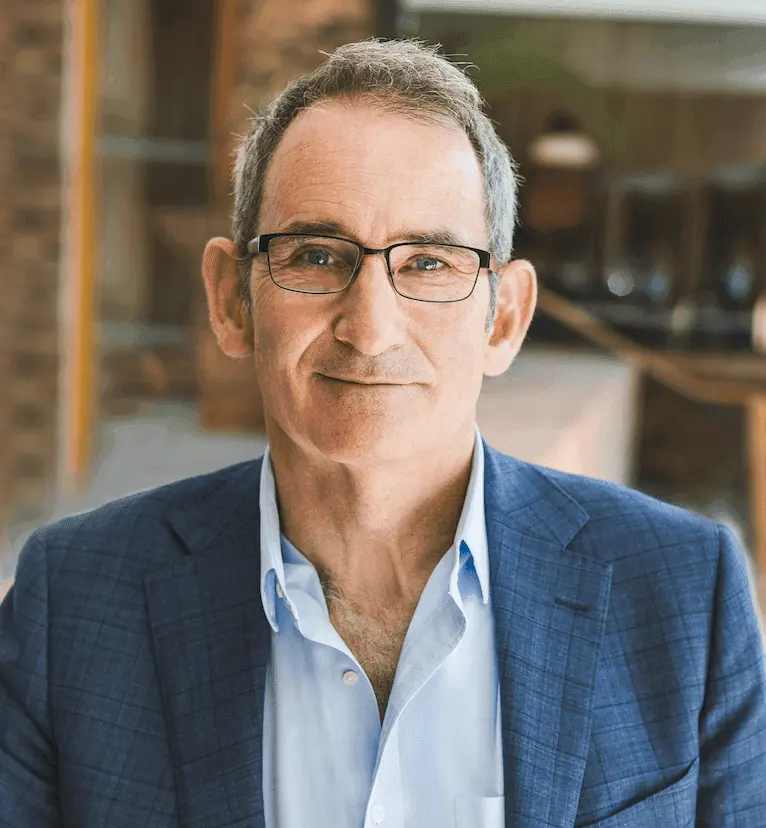
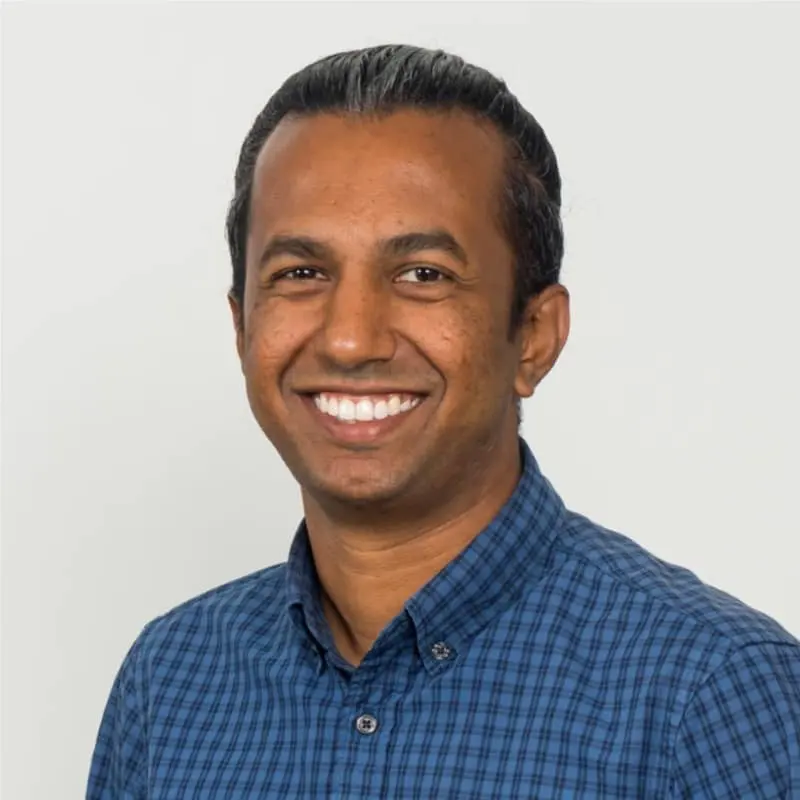
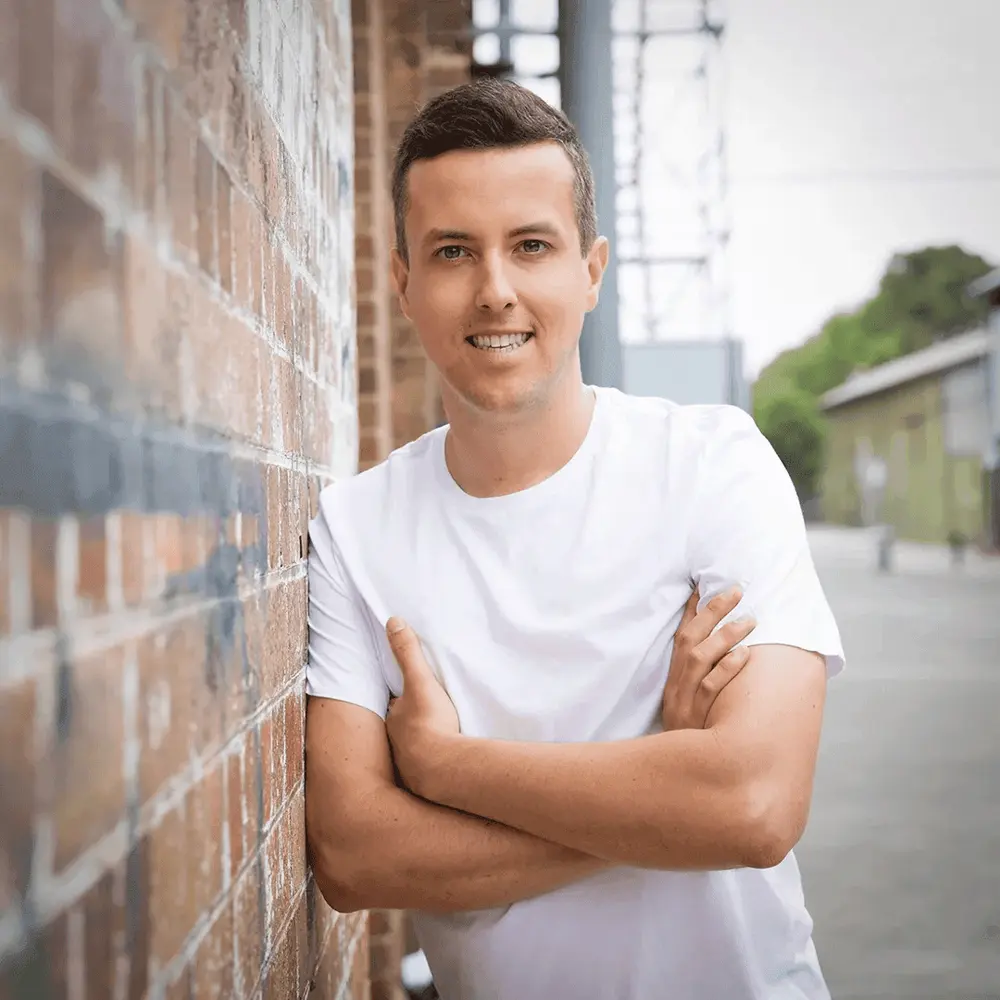

 ▶
▶  ▶
▶  ▶
▶  ▶
▶  ▶
▶  ▶
▶  ▶
▶ ▶
▶ ▶
▶