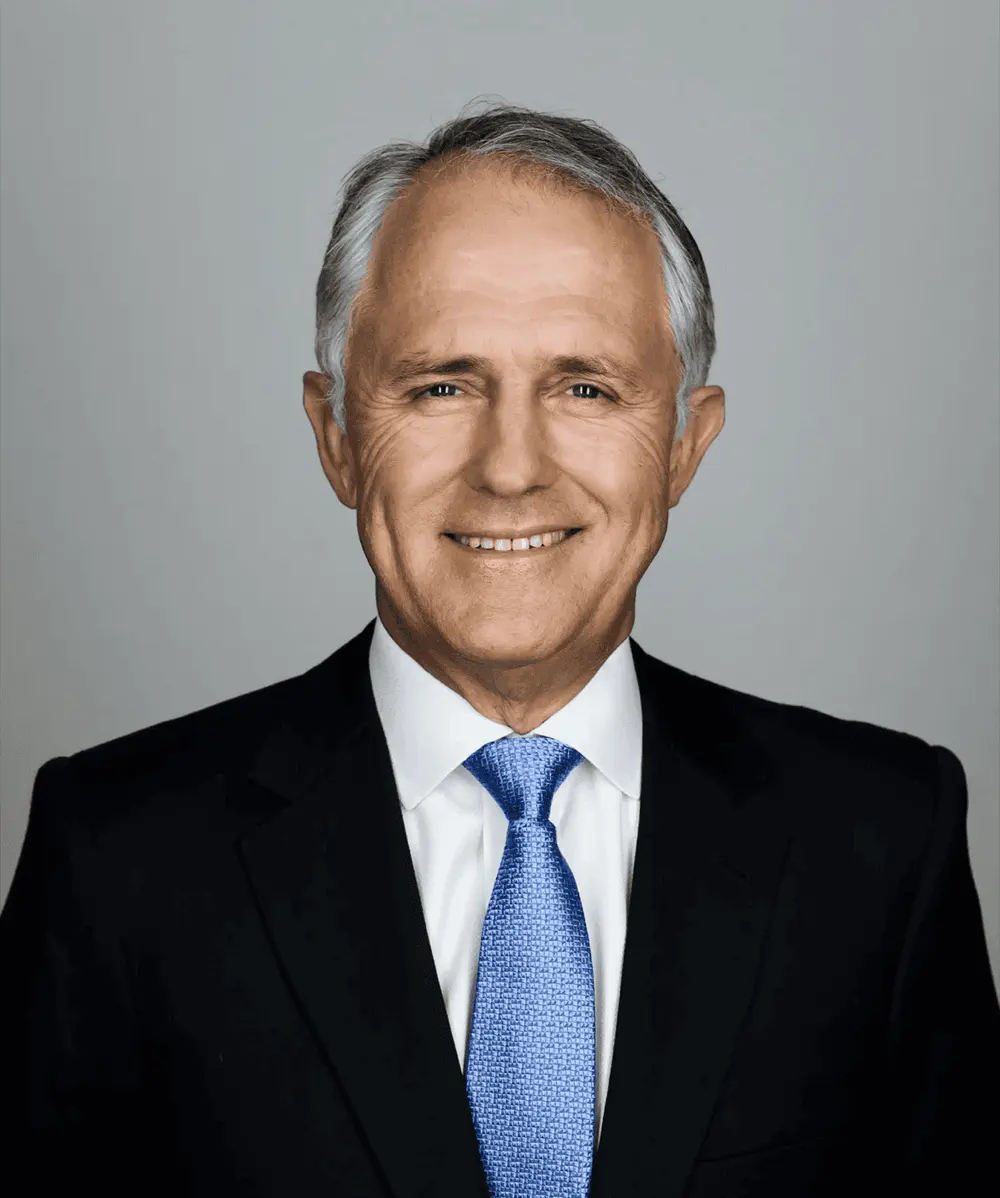
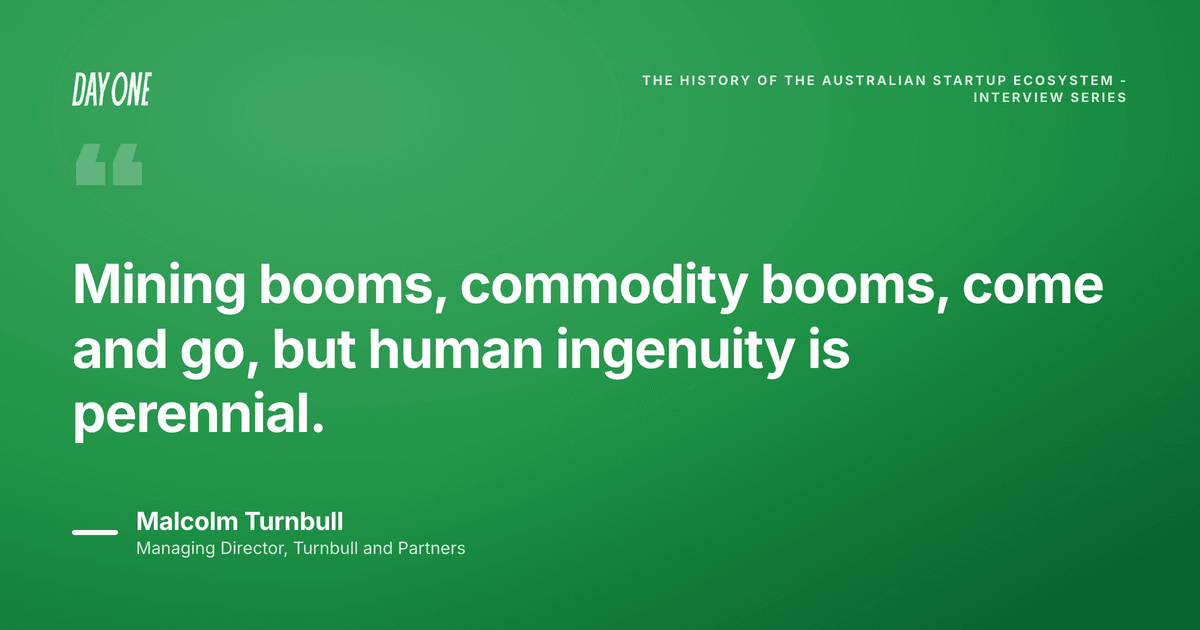
Transcript Synced · select any line to jump ▾ 0:00 Speaker: Let me tell you about our partner, Teamified. 0:03 Speaker: If you need to build a top-notch team quickly, Teamified is your go-to solution. 0:08 Speaker: They not only provide fractional CTOs, they can also do contractors and even remote team members tailored exactly to your needs. And whether you're looking for expertise in the Philippines, India, or Sri Lanka, Teamified has you covered. What's amazing is that Teamified uses a blend of AI and human expertise to cut hiring times by 50%, cent. Their platform handles everything from automated onboarding to day-to-day management and even performance tracking. You can also handle rewards and recognition, buy equipment, and order training all through their platform. Simplify your hiring process and get the best talent fast with Teamified. Check them out now and transform your team. Go to dayone.fm/teamified. That's dayone.fm/teamified. 0:54 Speaker: T-E-A-M-I-F-I-E-D, and get started today. Hi, I'm Adam Spencer, founder of the Day One Network, which is bringing the history of the Australian startup ecosystem to you. I believe in founders. It's why I do everything I do at Day One and our media company, W2D1 Media. 1:15 Speaker: And that's why the Day One Network exists, to create helpful content for founders. 1:20 Speaker: We've got some great shows in development. But a large part of what we do couldn't be done without support from our partners and sponsors. And I couldn't be happier than to be working with NTP, who get community better than any other technology recruitment company out there. A Newcastle company like mine, NTP are invested in seeing the growth of the local tech community in Newcastle, Sydney, and more broadly Australia. So thank you NTP for helping us bring— Thank you. Helpful content to founders and the startup community in Australia. Back to the interview. Hi, I'm Adam Spencer, founder of the Day One Network, which is bringing the history of the Australian startup ecosystem to you. I believe in founders. It's why I do everything I do at Day One and our media company, W2D1 Media. 2:08 Speaker: And that's why the Day One Network exists, to create helpful content for founders. 2:13 Speaker: We've got some great shows in development. But a large part of what we do couldn't be done without support from our partners and sponsors. And I couldn't be happier than to be working with NTP, who get community better than any other technology recruitment company out there. A Newcastle company like mine, NTP are invested in seeing the growth of the local tech community in Newcastle, Sydney, and more broadly Australia. So thank you NTP for helping us bring helpful content to founders and the startup community in Australia. Back to the interview. 2:46 Speaker: Hi, I'm Adam Spencer and welcome to Day One, the podcast that spotlights Australian startups, founders, and the organizations that empower Australian entrepreneurship. We go back to the beginning to tell a story of Australia's most inspiring founders and how they built their companies. You're listening to a special interview series as part of a documentary W2D1 is producing about the history of the Australian startup ecosystem. On the episode today, we have— 3:18 Malcolm Turnbull: Hi, I'm Malcolm Turnbull, and I'm delighted to be here talking with you, Adam, for this podcast. The first tech company that I was involved with was a company called Future Technology Resources, or For The Record, which produced proprietary hardware and software systems for digitally recording and managing hearing room proceedings. And that was in the early '90s. And there— no one had talked about startup ecosystems or anything like that in those days. And we financed that ourselves. And ultimately we backed it into a public listed company. 4:04 Speaker: But— 4:04 Malcolm Turnbull: But I started getting involved in the tech sector in the early '90s. The most significant company was of course, Aussie Mail, which Shaun Howard founded with the support of myself and Trevor Kennedy. And that was in '94. And at that time, there was no money available, you know, for tech at all. In fact, we showed Ozemail to a bunch of people and the internet was just getting going. And they turned it down. We had a very memorable meeting with Kerry Packer in which he dismissed the idea and said the internet— he wasn't impressed with the internet. It would only be used for gambling and porn. 4:51 Speaker: Huh. 4:52 Malcolm Turnbull: And I must say, when we got out of the meeting, we looked at each other and— said, well, you know, even if he's right, it's still going to be a pretty big thing, isn't it? So yeah, so there just wasn't any money there. And, you know, interestingly, it wasn't because Australians were lacking in risk appetite, because clearly we've got a very vibrant tradition of investing in the mining sector. And so, you know, Shaun used to say to me, how is it, Malcolm, that we can't raise money in Australia for Ozemail, which is a real business with with real customers and real revenues. You know, it's a telco, small telco at that stage. Whereas you can raise money to finance a gold mine in Siberia, for heaven's sake. And it was true, you know, that's why we took Ozmail public in the US in '96, because we just simply couldn't raise money in any serious quantity or at any, you know, reasonable valuation in Australia. Mm-hmm. 5:52 Speaker: At the risk of jumping forward too quickly, what do you think changed that? 5:57 Malcolm Turnbull: Well, look, I mean, ultimately people saw that money was being made in tech, you know, and by the late '90s you were starting to get more interest in it. And you had, you know, Aussie Mail was obviously one company. You know, you had LookSmart was looking pretty smart for a while until it failed. But I think the, you know, the tech wreck in 2001 knocked a lot of confidence out of investors in the tech sector in Australia. And so it took a while to build up again. 6:33 Speaker: Just jumping backwards to the early '90s, '94, Ozemail, where did your interest for starting companies, especially in the tech sector and internet, like where did that come from? Why did you want to get into that space? Early in your career? 6:47 Malcolm Turnbull: Oh, I've always been involved in starting. I mean, I've started a lot of companies in my life. Gosh, you know, I'm gonna say it's more than a dozen. I don't know whether it's 20. I've never done a list, but a lot. And they have included tech companies, obviously, mining companies, financial services businesses. I've probably started or, you know, co-founded half a dozen in that area. Alone. Yeah, so I'm a serial entrepreneur, or have been. And I, you know, I really do like the whole business of innovation. I think it's exciting. I like the people you're dealing with. So yeah, I've always found it fun. I mean, I've had a lot— I've started a lot of companies and some of them have done very well. Some of them have, you know, done okay and, you know, produced a respectable return. And some of them have been complete duds. 7:40 Speaker: How early on in your life did you know that you wanted to get into business, to actually be starting companies? Because I've listened, I will admit that I have not finished your autobiography, but I have listened to a fair bit of it. 7:53 Malcolm Turnbull: It's a long book. 7:54 Speaker: And you, you know, this young kid, when did the change happen? When did you kind of grow up and go, business is where I'm gonna kind of put a lot of my energy? 8:03 Malcolm Turnbull: Well, look, I, Yeah, I was always interested in business. I'd come back from England, you know, I'd gone to the bar, then I'd gone down and worked for Packer and I had set up a legal firm. I'd done the spycatcher trial with Lucy, you know, so that was this amazingly exciting court case, you know, David and Goliath type of thing, very big global case and a huge gigantic win. And I thought after that, I thought, well, this is about as good as it's ever going to get in the law. You know, I'm never going to get a bigger case than this one. And, you know, it's— I could be spending the rest of my legal career in a sort of long, lucrative anticlimax. And so I really wanted to do something different. I'd always enjoyed business and I did want to make a quid. For me, financial independence was always very important. I wasn't sort of greedy, I don't think, but I did want to have, I did want to be financially independent so I didn't have to work for someone else. Not that there's anything wrong for working for other people, obviously, but that was what drove me. So I set up an investment banking business in '87. When I say, it was really a corporate finance business with Nick Whitlam and Neville Rann. And Nick sort of peeled off after a couple of years. 9:25 Speaker: Yeah. 9:26 Malcolm Turnbull: But Neville and I, and we had lots of other partners and colleagues and that over the decade that business operated. But we did do a lot of what you would now call private equity. You know, we co-founded a bunch of businesses, invested in a number of startups. We were actually well advanced in getting ready to raise a fund, a, you know, what you would now call a, Probably of today you'd call it a growth fund rather than a sort of, you know, early stage VC fund. And we were well advanced in doing that. And I only say that because I found all the sort of draft information memoranda in some old files I was cleaning out the other day. And then in '97, the opportunity to join Goldman Sachs came along. And so I sold Turnbull and Partners as it was then called, to Goldman and became a partner of Goldman Sachs. And I did that for the next 4 years. And then after that, you know, I'd left Goldman at the end of '01, 2001, and then started a bunch of companies then, about 4 businesses, financial services businesses, maybe 5, 4 or 5. You know, several of which are still around. You know, Pengana, the asset management company, is still around. I'm obviously no longer a shareholder in that. And Centric or Centrstone, a private wealth management business we started. Centric is now part of the Findex Group. And we started a couple of others as well. Yes, I did that. And then I went into Parliament in 2004, but I was really from after I left Goldman, I was pretty focused on getting into politics. 11:06 Speaker: In your political career, at what point did you really start to focus on, or at least, you know, think about it in the back of your mind, bringing innovation forward and making that a focus? 11:17 Malcolm Turnbull: Well, it was always my, it was always a very strong interest, but obviously as Prime Minister, I was in a really good position to do something about it. Yeah, no, I always saw innovation as being absolutely critical. And I felt that we, our innovation ecosystem, well, really the finance, you know, the money, the venture, the financial side of it was very underdone. You know, Australians, because they're very mobile, I mean, we grow up in a multicultural society, we speak English more or less, the English probably don't always agree, but you know, we're very mobile. Aussies are very mobile. And so for particularly for, you know, someone nowadays in their 20s or 30s or 40s, they would think moving from Sydney to San Francisco or London or New York or Hong Kong or whatever is the way my generation would have thought about moving from Sydney to Melbourne. Or maybe, you know, the geography has become and distance have become quite irrelevant. Now, of course, COVID's put another gloss on that. But, and so that has made, That's made Australians very mobile. And of course it made it very easy for Australian enterprise and innovation to basically, you know, move to California. And, you know, of course that's where the money was. So I just felt that our tech sector was underdone given the extent of the talent here. Now that's obviously, there are, you know, many exceptions to that, you know, Atlassian and, you know, others, plenty of other companies too. To. So that's why when I became PM, one of my key agendas was to rev up the innovation story. And so we had the National Innovation and Science Agenda. 13:15 Speaker: What were your grandest aspirations for, for NISA? Like, in a perfect world, what were you— yeah, what were you hoping for it to do? 13:23 Malcolm Turnbull: Well, I mean, the, the objective of NISA was to really create the boom that could go forever, which was the ideas boom. You know, mining booms, commodity booms come and go, but human ingenuity is perennial. You know, there'll always be someone coming up with a better way to do whatever you were doing yesterday, right? And you've just got to, you gotta encourage that cultural attitude of, you've got a culture of innovation. I mean, that's as simple as that. I mean, and I didn't think there was nearly enough of that in Australia. And so the NISA was, you know, a lot of different measures, you know, tax, investment, research, all sorts of things, but they were all part of a package that was designed to increase the innovation ecosystem. 14:18 Speaker: Mm-hmm. 14:18 Malcolm Turnbull: And look, to be honest, I think it worked. You know, I said at the time, I remember when I launched the NISA, someone said to me, "How do you know, you know, do you guarantee this will work?" And I said, "No, I can assure you that some of it will not work. And whatever doesn't work, we'll dump. And whatever does work, we'll do more of. And if we find someone who's achieving the same objective more efficiently, we will shamelessly plagiarise them." You know, there was just a massive increase in the amount of money invested in, since the NISA, massive increase in the amount of money invested in startups and the amount of venture capital that's available. You know, you wouldn't have an Aussie Mail type experience today, you know, if you had a new company with rapid growth and literally couldn't get anyone to invest in it. Yeah. I mean, it's— so there's plenty of money around. 15:13 Speaker: Looking back on what you've achieved there with the NISA, what— is there any one thing that, you know, aside from funding, I guess, that you are most proud of? 15:21 Malcolm Turnbull: Well, I mean, it was a package. You know, there are some parts of the NISA that are enduring, you know, like the tax breaks, the funds, the, you know, the CSIRO Main Sequence Ventures Fund, of course, is one of the funds that I started. You know, the Biomedical Translation Fund is is ongoing, so I think the NISA worked very well. I mean, I can't think of anything in there that's been regarded as having been a failure. But I do feel that the most important thing I did in many ways was talking about innovation, you know, and talking it up and legitimising it and just generally, I don't know, making it a hot topic. You know, and also, Starting new things, you know, I mean, the Digital Transformation Agency was a very important innovation at government level. Now, you know, I think a lot of people feel it hasn't fulfilled its full purpose. That may be true, full promise, that may be true. You know, one of the problems with not being Prime Minister for a bit longer than I was, was that the commitment and the passion that I had for innovation simply didn't continue. I'm not saying that Morrison and co are against innovation, but they certainly don't like talking about it. 16:39 Speaker: Yeah, I've heard that. 16:39 Malcolm Turnbull: And everything I hear from Canberra is that innovation is a no-no word because some pollster has told— Yeah, but why? Well, someone has said that when people say innovation, voters think that means some kid with a laptop's going to steal my job, right? 16:55 Speaker: Yeah, right. 16:55 Malcolm Turnbull: And so, you know, all the focus, all the government rhetoric instead of being on innovation and science and technology is on tradies and utes. 17:06 Speaker: Mm. 17:06 Malcolm Turnbull: Now there's nothing wrong with tradies and utes, I hasten to add, but, you know, we've got to be realistic. I mean, the jobs of the future are, many of the jobs of the future do not exist today, and we've got to make sure that as many of those new jobs are developed by and occupied by Australians here. 17:24 Speaker: I've got a quote here that says you always wanted to see a second wave of NISA. Like, what did you mean? 17:30 Malcolm Turnbull: Yeah, no, no, there was that. Well, absolutely, we definitely would have done a, you know, a NISA stage 2. I mean, it's the kind of thing which you can't— it isn't a set and forget. I mean, there's not a lot that's set and forget in public life or public policy. I mean, you might build a road between A and B, it may be you don't need to build a second road. Second road between A and B. But with something like innovation, what my intention was, and I think it was quite stated explicitly at the time, was that, you know, you do the NISA, you review it in a few years, see, you know, what worked well, what didn't, etc., and then you do the next stage. You know, you just have— you just have to keep at it. And it's the same with things like cybersecurity. You know, I had— the first National Cybersecurity Strategy. Now, my Cybersecurity Strategy in 2016 was very focused on the private sector. Not, not exclusively, of course, not at all. But I recognized that cybersecurity was a, a national enterprise which had to involve everybody. And in particular, we wanted to encourage an innovative cybersecurity ecosystem. Mm-hmm. You know, in other words, that there were lots of people doing cybersecurity, building cybersecurity companies in Australia, and applications and so forth. I mean, one of those I'm invested in and a director of, Casada, which is Sam Crowther's company. So, that was— that cyber was one. We did that in 2016. There was a year or so ago, there was a, you know, second cybersecurity strategy or—, you know, review of it, and it was very, very government-focused. You know, there wasn't anywhere the indication of the importance of innovation at a private sector corporate level. So that's a weakness, I guess, but I have a, you know, I have a very strong passion for this. 19:29 Speaker: I believe we only have a few minutes left, and I'd love to circle back around to some, the government stuff in a second. If we have time, but— 19:38 Malcolm Turnbull: Sure. 19:38 Speaker: Just looking at today, the ecosystem today, what do you think we're getting right? And do you think we're on the right track? 19:45 Malcolm Turnbull: Yeah, I do. I think the tech sector in Australia is very, very lively. I mean, I have one friend who I co-invest with, you know, who's got an innovation fund. And, you know, he thinks our tech scene is comparable to that of Israel, which, you know, is amazing. He operates in both markets, so he's in a better position, well, he's in a position to speak about it in a way I'm not. Look, I think it's very lively. There's plenty of money around. The, I mean, we cannot, I mean, we don't have a big office in the sort of family office that where we operate from. I mean, I don't run a fund. You know, I work with a number of funds, but I haven't raised a fund of my own, only I guess, 'cause I haven't really got the, anyway, there's a, that's another story. I mean, I easily could do, I've been offered a lot of money, but I'm just sort of quite happy at the moment just investing our own resources. But we've done over 20 deals in the last 2 years, and almost all of them are Australian, but not all of them. You know, we do a lot in cybersecurity, a lot in, you know, renewable energy, cleantech. We're always on the lookout. 20:51 Speaker: Yeah. 20:52 Malcolm Turnbull: And we work, I work very closely with a few funds, obviously KKR, that's really a, you know, a big private equity firm, a big investment firm, does a lot more than private equity, of course. But I also work closely with a specialist cybersecurity investment fund in the Valley called 1011 Capital. And, you know, we're investors with them in Casada and some other companies as well. 21:17 Speaker: Over the next 5 or 10 years, and I might be a bit cheeky here as well by saying, like, if you had another shot at being Prime Minister, innovation, what would you, what else would you do? 21:28 Malcolm Turnbull: I think in, from a government point of view, I don't think there is a great need for more government funds. I think there's a lot of money in the private sector now in terms of venture capital. Where the government should be putting more money is in pure research. You know, I do think we need to spend more on pure science, deep science. Science, if you like, and that's, you know, obviously mostly done by universities, CSIRO, and so forth. So I think we need to spend more there, but clearly, you know, you've got to make sure you're getting, you know, the first-class output for the investment. So I'd say more, more research. I think there is, remains a cultural problem in government where there's a reluctance to use or acquire Australian technology. Now, I pushed very hard on this, but it is, it's, you know, it's quite hard even for a Prime Minister to change the, you know, embedded conservative cultures in the public service. But, you know, one thing we should be doing is a lot more proof of concepts. You know, I didn't describe it this way when I was PM, but if I was PM tomorrow, one of the things I'd be giving as a KPI is for government agencies to be doing proof of concepts with Australian technology providers, you know, do a certain number every year or whatever. Just force them to do it. You're not forcing anyone to buy stuff, but just forcing them to, in effect, give Australian innovators a hearing. Okay. You know, it's sometimes just too comfortable just to lean back in the warm embrace of one of the big global systems integrators, you know, while they siphon all the cash out of your pockets, you know? I think we just have to be more forward leaning in that regard. 23:26 Speaker: I'd love to have more time with you, Malcolm, but to ask a whole lot of follow-up questions, but I've just been conscious of time. 23:33 Speaker: Okay. 23:33 Speaker: The last question that I ask everybody Yes. Keeping in mind that what we're trying to do with all of these interviews is to create a 6-part audio documentary about the history and the future of the Australian startup ecosystem. We want founders, investors, academics, policymakers to hear this story, any one of those categories or all of them. Like what's top of mind? What do you want to tell them? Like, do you want to give them a kick up the bum? Do you want to give them a congratulations? 23:58 Malcolm Turnbull: Yeah, look, let me give you the, distilled reason why innovation is important. There are literally only winners in an innovation sector, in a startup sector, okay? The only people that lose anything sometimes, often, are the investors. But they will always learn something. You know, if they invest in 5 companies and 2 are no good, they'll learn a lot from those, you know, unsuccessful investments and make better ones in the future. The people that start the companies learn an enormous amount. The people that work for them learn an enormous amount. They all pay tax. 24:41 Speaker: Yeah. 24:41 Malcolm Turnbull: They're not being paid in cash or black money or something like that. So, you know, you basically, a startup sector increases the experience, the knowledge, the research, the science for the benefit of the whole community. Some people that go and start companies will grow them into great, huge, multi-billion-dollar enterprises, but let's face it, most don't. Some of them will do that, they'll have that great experience, and then, you know, they might go and work for a big company, or they'll go and start another company that might be more successful than the one before. I struggle to see any downside in supporting and encouraging a startup sector. It is, it's just such a massive multiplier. And, you know, in a world which the key descriptor of is change at a scale and pace unprecedented in all of human history. In other words, the world is changing faster than it has ever changed, and it is changing at a much greater scale than it ever has. Mm-hmm. And so all of that means that, you know, if you want to win, whether you are an individual, a company, or a country, you have got to be able to turn that environment of rapid change to your advantage. And so you've got to be innovative. You can't get out of bed every day and say, "I'm going to do today exactly what I did yesterday." You know, you've got to be somebody that is challenging the old ways of doing things. Now, a lot of people don't like that. I mean, they want to be told life is going to go on exactly the same way. I mean, look at the by-election in the, you know, New South Wales seat of Upper Hunter last year, where you had all the major parties competing with each other to assure the people of the Upper Hunter that coal mining was going to continue forever and nothing was going to change and— Yeah. Don't worry about, you know, climate change. I mean, it was just, it was sick. And even the miners were saying to the politicians, come on, this isn't real. What's your plan for post-coal? Oh, don't worry about that. Don't listen to Malcolm Turnbull and all those dreadful, you know, people who want to talk about global warming. I mean, really, there is a political industry which I was never very good at, at telling people what they want to hear or what politicians think they want to hear. You know, it's like saying to someone, "Don't worry, keep smoking. It's not going to do you any harm." You know, "My grandfather lived to 98 and, you know, he smoked a carton of Rothmans every day," or some bullshit like that. So, you know, you've actually got to— you've got to recognise that we're living in a time of very radical change. Rapid change, be upfront with people about it, and then say, so, okay, so how do we deal with that? Well, we deal with that by being agile, innovative, and take advantage of these disruptions and rapid changes so that we can stay at the front of the pack. Simple as that. 27:52 Speaker: I hope you enjoyed that interview. More interviews are on the way. Follow the podcast wherever you're listening right now. Stay tuned for more interviews with many, many more amazing people from the Australian startup ecosystem. 28:11 Speaker: Thanks for listening and see you next time.