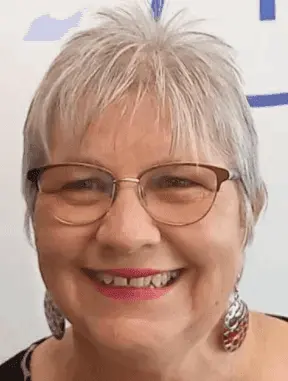
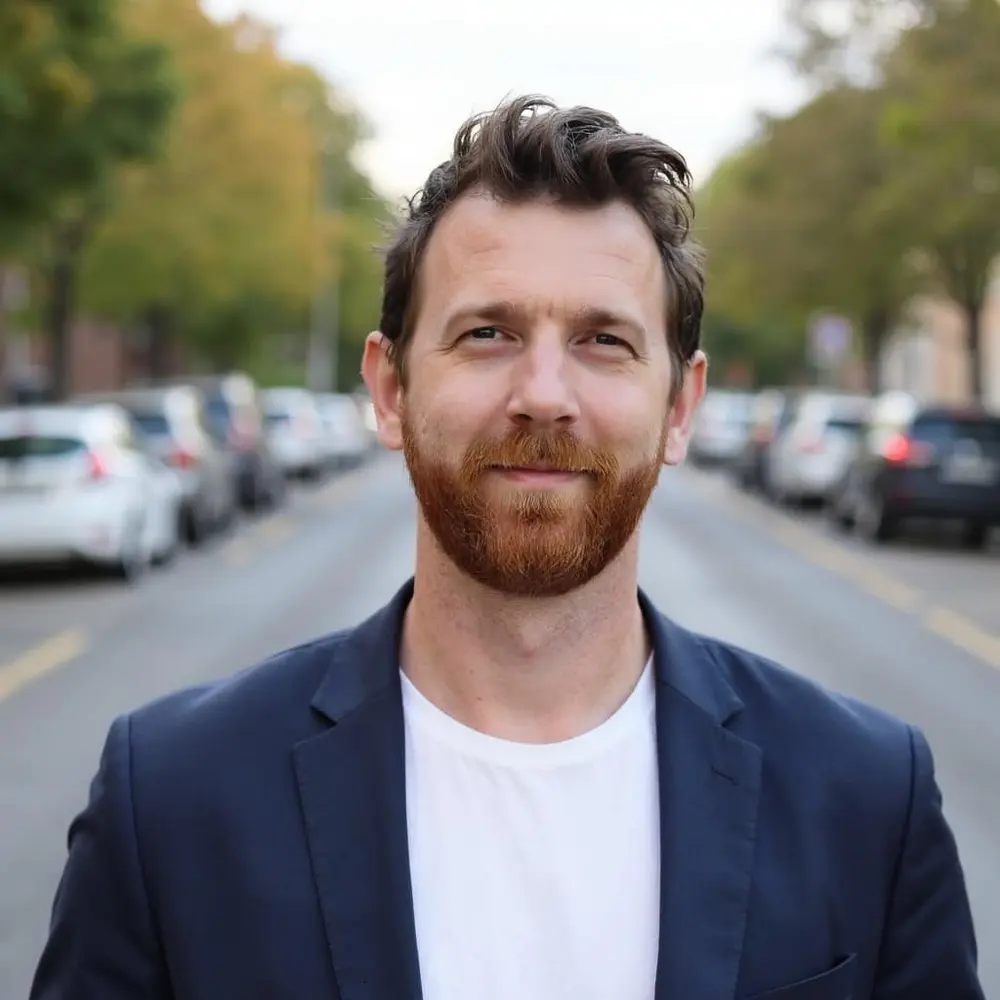
Transcript Synced · select any line to jump ▾ 0:00 Adam Spencer: Let me tell you about our partner, Teamified. If you need to build a top-notch team quickly, Teamified is your go-to solution. They not only provide fractional CTOs, they can also do contractors and even remote team members tailored exactly to your needs. And whether you're looking for expertise in the Philippines, India, or Sri Lanka, Teamified has you covered. What's amazing is that Teamified uses a blend of AI and human expertise to cut hiring times by 50%, cent. The platform handles everything from automated onboarding to day-to-day management and even performance tracking. You can also handle rewards and recognition, buy equipment, and order training all through their platform. Simplify your hiring process and get the best talent fast with Teamified. Check them out now and transform your team. Go to dayone.fm/teamified. That's dayone.fm/teamified. Thank you, T-E-A-M-I-F-I-E-D, and get started today. Hi, I'm Adam Spencer, founder of the Day One Network, which is bringing the history of the Australian startup ecosystem to you. I believe in founders. It's why I do everything I do at Day One and our media company, W2D1 Media. And that's why the Day One Network exists, to create helpful content for founders. We've got some great shows in development, but a large part of what we do couldn't be done without support from our partners and sponsors. And I couldn't be happier than to be working with NTP, who get community better than any other technology recruitment company out there. A Newcastle company like mine, NTP are invested in seeing the growth of the local tech community in Newcastle, Sydney, and more broadly Australia. So thank you, NTP, for helping us bring helpful content to founders and the startup community in Australia. Back to the interview. Hi, I'm Adam Spencer, founder of the Day One Network, which is bringing the history of the Australian startup ecosystem to you. I believe in founders. It's why I do everything I do at Day One and our media company, W2D1 Media. And that's why the Day One Network exists, to create helpful content for founders. We've got some great shows in development, but a large part of what we do couldn't be done without support from our partners and sponsors. And I couldn't be happier than to be working with NTP, who get community better than any other technology recruitment company out there. A Newcastle company like mine, NTP are invested in seeing the growth of the local tech community in Newcastle, Sydney, and more broadly Australia. So thank you, NTP, for helping us bring helpful content to founders and the startup community in Australia. Back to the interview. Hi, I'm Adam Spencer and welcome to Day One, the podcast that spotlights Australian startups, founders, and the organizations that empower Australian entrepreneurship. We go back to the beginning to tell a story of Australia's most inspiring founders and how they built their companies. You're listening to a special interview series as part of a documentary W2D1 is producing about the history of the Australian startup ecosystem. This episode was conducted by guest host Will Cho. 3:20 Speaker: Hello everyone and welcome back to the Australian Startup Series. Our guest today here is Moira Weir. Welcome to the show, Moira. 3:26 Moira Were: Thanks so much, it's great to be here. 3:28 Speaker: Could you tell us a little bit about yourself and what you're currently doing? 3:31 Moira Were: Yeah, I'd love to. So I'm someone who could be considered to be in Act 3, Jane Fonda calls it. I'm over 60 and I've been involved in all sorts of entrepreneurial and innovative things over my life, mainly in the social space and in the economic space. And at the moment, one of the things I'm involved with is I am the founder of the Hen House Co-op, and it's a co-op who what we're dedicated to is closing the gender investment gap. And so we all know about the gender pay gap, but in fact, the gender investment gap is pretty incredible. In the startup world, we've only got 4% of women who get venture capital funding. And you don't get that by mistake, that's by design. So we're trying to redesign and make this revolution completely irresistible. So we're interested in divestment, not just investment. So moving funds away from things that don't support gender equity and things that will help decolonisation. And yeah, so that's what we're about, and I'm really thrilled to be a part of all of that. I'm here on Kaurna Country, and I just want to acknowledge Elders past, present, and emerging, and that this is land that's never been ceded, so we'd like to pay our attention to that. And currently, I'm actually in Tandanya in Adelaide, The land of the big red kangaroo today. 4:53 Speaker: Moira, it's clear that you've got an incredible wealth of experience, as you mentioned, in social impact innovation that spans across government, the private and public sectors, as well as education. What drew you to this space? 5:11 Moira Were: Well, I started off my professional life as a social worker, and one of the things about social workers is we're really interested in systems. What's working and what's not working for individuals and for whole demographics, places, and communities. And so it's inevitable that when something doesn't work, as all entrepreneurs, they start to look for what's— why isn't it working? What are the problems? And so when you think about things like child protection, disability, homelessness, aging, it's inevitable that those problems— we still aren't getting the solutions we need for people. So that leads me to look at what else can we do, what systems can we change to make those things possible. 5:53 Speaker: Interesting. So I guess it was a natural bridge from that problem-focused, solution-focused type of work. 6:02 Moira Were: Absolutely, yeah. So, and I think, you know, a lot of entrepreneurs will be coached into saying, well, please explain your problem. Like, what is it that's not working that you want to fix? And there are so many things that aren't working for our planet and for people right now. We aren't short of challenges to be working on. And I think it's often the role of the entrepreneur to help discover that and also to come up with the solutions and innovations that will actually help those things, you know, transition into being better outcomes for all of us. 6:35 Speaker: What you said just then really piques my interest because It's about this idea that there is just so many things in the world that obviously could be done better and could be fixed. How do you personally decide what to focus on and which social issues that you want to devote your time into? 6:52 Moira Were: Yeah, great question. Well, for me, it's always been feminism as a big, big driver for me, and one of the basic feminist principles is that the personal is political. And so when we think about what's impacting on your own life, it actually has a systems lens to that. And so I've always had a very strong interest in gender and women missing out. One of the very first examples of my own life was, you know, just being a little girl and being encouraged to do certain things and not being encouraged to do other things. And I would always wonder, well, I could do that, or I'd like to play with that, or I'd like to do this. Well, why am I missing out on those things? Equally, my brothers would have wanted to do perhaps some of the things I was being encouraged to. Mm-hmm. So really just unpacking and making visible what the opportunities are. And I think about that from an equity point of view. One of the things I like to encourage people to think about is the difference between equality and equity. So equality is when everyone has, you know, a pair of shoes to wear, but equity is everyone's got a pair of shoes that actually fits. So that usually requires— Mm-hmm. You know, meeting the gap between the fit and the one that actually, uh, that you can wear. 8:09 Speaker: I love that analogy. So when would you say that you first got started, um, in this whole ecosystem? 8:15 Moira Were: Uh, I, I think I've always kind of been around, um, systems change, um, and, but I've moved more into the startup community only because of the way technology has started to unfold. Many of the problems and social solutions that we're looking for do require impact investment. They're big pieces of social and environmental infrastructure. Some of the new tech is enabling those challenges to come by and help people. In the last, probably last 5 to 10 years, particularly in South Australia, we've got a very strong, and it's growing and growing all the time, the way social enterprises and social entrepreneurs in particular are being valued and being supported by the whole ecosystem. And equally, startups are looking to the social and environmental spaces for ideas and also for inspiration. And if we look at what's getting funded and supported, and we're heading into big international conversations about climate, the environmental movement, renewables, startups that are building health and biotech and in the climate space are really taking the world by storm. 9:31 Speaker: That's very interesting. So you mentioned that within the last 5 to 10 years was really, I guess, the sort of growth period for the ecosystem in South Australia. What was it like before that? If you were someone who wanted to drive that social impact and that change, what sort of support structures were out there for you and who could, you turn to? 9:52 Moira Were: Well, in those days, it was very much in the not-for-profit sector. While there was some commercial and some hybrid, if you like, there was very little in the straight commercial environment. And there still isn't as much as there could be and will be in the future. So in those days, it was very much around not-for-profits trying to be creative and develop ideas, their ideas into innovation. A lot of that was in things like aging and housing and disability. And there's always been quite a lot of innovation in those areas, particularly in the disability services where new pieces of tech, whether it's been a new innovation for mobility for people with, you know, in cars or wheelchairs. So we've always had a bit in that space. But in the olden days, so to speak, it was very much driven by the not-for-profit sector. Just trying to do its thing. And some of the commercial initiatives were in the disability and transport areas. 10:52 Speaker: I see. I'd love to get your opinion on social enterprises. It's a bit of a buzzword. What are your thoughts on it? 11:00 Moira Were: Yeah, so social enterprise, people wonder what that really means. And I guess from my point of view, a social enterprise is an enterprise that's doing good and with purpose. And can actually align their purpose with a good outcome. So I always say, you know, not-for-profit is also not-for-loss. And if you're really doing good as a social enterprise, there are some external ways that can be verified. So some people will choose to get certification through Social Traders, which has a certain number of, you know, you get points according to what it is that you're actually being able to deliver and get returned into the business. So there has to be some social outcomes for that. And the other one that's quite well known are B Corps. So in the B Corps, you're trying to do things for planet and purpose and people. And again, you get a certain rating based on— Mm-hmm. And a classification that you can call yourself a B Corp. So those two external validations are often out there for people to say that's, how they define themselves as a social enterprise. But a lot of people just use that language and to describe the way they do business, which is giving a social outcome, a social return, not just a commercial return. 12:17 Speaker: Do you think that as a nation we do enough to support our social entrepreneurs? 12:23 Moira Were: Not yet. It's coming. I'm feeling very optimistic. There is certainly a public policy environment is growing in some states more than others. So Victoria and Queensland and a little bit in New South Wales is certainly, I think, ahead of the game and leading that. I mean, investing in particular in Victoria, investing millions and millions of dollars into trying to build the social enterprise sector and to support industry-led and community-led initiatives to make the economy more just and equitable. We've got some way to go here in South Australia, but there is, you know, there are really good signs on the horizon that this is starting to shift. My view is that all enterprises should be social enterprises. If you're doing good, you can be doing good for everybody. 13:14 Speaker: Hmm. 13:15 Moira Were: And you don't have to just, you know, just focus on your own bottom line. A lot of businesses now are really trying to get their environmental outcomes up and their environmental returns for the work and the things that they're delivering and getting their carbon footprint down and all of that. So I really would love to encourage more businesses to also look at the social outcomes that they're doing as well. And, you know, good outcomes as good social, good economic, and good environmental deliverables on the— at the other end of the spectrum. You know, when you look at your balance sheet, you should be able to talk about to all three of those. 13:51 Speaker: Absolutely, there's no way that, there's no reason really that companies can't focus on all of those aspects. 13:58 Moira Were: Yeah, and the really good ones are, and that's exciting, and it's, and they're really leading the way, and the small social entrepreneur who has often been considered a bit of a cottage industry is now starting, they are starting to scale and get more and more support for their initiatives. 14:15 Speaker: Yeah, so you briefly mentioned that What excites you about, as a nation, we're supporting our social entrepreneurs, is some new public policies that are on the horizon as well as investment into the ecosystem. Is that support just purely monetary? 14:34 Moira Were: No, I think you're building the culture around that. So one of the best levers I think government's got, and you know, this is at all levels, local, state, and federal, is their procurement policy. So if you want to procure things, make sure you put in your procurement policies some attention, you know, a minimum amount like 10 or 20% of procurement needs to go to social enterprises. I mean, our state here in South Australia, the Department of Transport have really done that beautifully. They've started to look at how they can build into all of their contracts a portion of that for social enterprises. And that's fantastic. You know, I'd like to see more and more of that. So procurement is one lever. Also creating the culture is another one so that you begin to support and talk about and make visible those people who are those kind of leaders. So again, a South Australian example of that is we have the Office of the Chief Entrepreneur here, and there's an advisory body, the Entrepreneurship Advisory Board, and I'm a member of that. So that gives me an opportunity to make visible social entrepreneurs and impact investors and impact investment and drawing attention to those things. So that's a really simple way to start to build some of the cultural infrastructure. And then the third one I would say is supporting big movements and national festivals and so that you can showcase these things and people get to see, oh, I can do that or I could support that. 16:06 Adam Spencer: Mm-hmm. 16:07 Moira Were: So just again with the South Australian example, SouthStart, which is an incredible national event that we host annually. Next year it will be in March here in Adelaide. And they've just had such fabulous pieces of the puzzle making the social enterprises visible. For example, they had all their lanyards made by Youth Inc, which is a youth alternative high school. So that was to support their social enterprises all the way through to getting caterers, that are also social enterprises and speakers, making sure that a lot of the panels and presenters were going to bring those perspectives as well. So I think that's how you build some of those things. 16:46 Speaker: Yeah, that's amazing. Are there any particular jurisdictions around the world that you would say that's the gold standard? 16:54 Moira Were: Great question. I'm not so sure there's a gold standard, but there are little elements of things that are really great worldwide. I'll often look to the work that's happening in the Netherlands. They've got a very strong and old culture around enterprises that are community-based. In fact, they probably wouldn't necessarily call them social enterprises. Here in our own country, if we look at First Nations communities who have really shared their resources historically, it's just a form of Indigenous economics, if you like. And I think that there's plenty of lessons we can learn from those nations and those cultures here in our own jurisdiction. And in the UK, there's been a long, long history of social enterprises, particularly through the co-ops and mutuals movement, where people have come together, whether it was in the early days of having a credit union to support workers so that they had easy access and return on their own investment. Bank. Back to them, which I think, you know, though all those financial instruments, we just need more and more of those sorts of things. And there's been some great examples of that in the UK and also here over time. 18:06 Speaker: That's very interesting. So far we've been talking about the role of government in supporting this ecosystem. Do you say— would you say that there is onus on other aspects of society? So I know something that gets frequently mentioned is changing the way that we educate the youth. 18:23 Moira Were: Yeah, so I think, you know, I don't think governments always follow. They're really leaders, so it's up to us as consumers. So I'm quite involved in SheEO, which is a global movement to support female founders, female entrepreneurs, and non-binary people. And we really work hard to make sure that we can be consumers of those products. That's the first thing we can do. We can, we can, you use our consumer dollar to support those businesses. That's always a good place to start. Another one is just in terms of our own behavior, working with communities and people that really can be supportive. So again, if I'm using the Indigenous space, lots of communities have their own arts centers and art leaders and artists and artisans. So if you're visiting those places, buy from them and start to build your own way of understanding and— Mm-hmm. Supporting those artists in those communities. So consumer, how you spend your own dollars, is a really big important part of that. The other thing is how we build our own budgets if we're organisations or businesses ourselves. And giving ourselves some challenges, like let's see if we can spend 20% of our budget on social enterprises. What could we do in our own business to hire someone who perhaps hasn't had a chance and needs, you know, is leaving prison or a domestic violence situation or is a young person who's just left school. And then the third thing, when you were referring to schools and educating young people, I don't think they're the ones we need to educate. 19:57 Adam Spencer: Mm. 19:57 Moira Were: They are always pretty good at coming up with great ideas. We've got some fabulous programs in Australia with young people. As I said, Youth Inc. here in South Australia has a strong entrepreneurial push. We have 5 high schools in South Australia which are our entrepreneurship high schools, where the curriculum is particularly geared towards entrepreneurship. So we're really making, trying to help bring that as a way of doing things. And then there's programs like Young Change Agents, the $20 Boss that gives you example, you know, shows you how to spend your $20 and create a small business. So I think we've got lots of things, we just need to do more and more of them. 20:37 Speaker: So before we briefly touched on this idea that all companies should be social enterprises. Why do you think that there is, I guess for a lack of a better term, hesitancy around wanting to drive that change in Australia and I guess for the rest of the world? 20:56 Moira Were: I think it's 'cause it's hard. 20:58 Speaker: Hmm. 20:59 Moira Were: It requires a lot of creativity. I always say imagination is the only thing we're in short supply. And so I do think that it's really difficult. It's not easy to do and it does require us to shift not just our mindset, but also our, some of our systems. And this is where I think the startup world can be really helpful in terms of building different kind of tech and algorithms that will privilege and support and build, you know, cover some of those equity gaps. We've got, you know, instruments now that are helping people with, you know, suicide prevention because AI is built in and that enables people to get to a service faster. So I think we're getting there, and I think that the barriers have sometimes not been anything other than the hard work that it requires, and what we know is our default. So we default to what's familiar rather than thinking, okay, what could we really disrupt here? We could actually disrupt a whole lot more things. So it's one of my big challenges, I say, to start-up founders, you know, if you really want to disrupt, try and disrupt patriarchy or disrupt colonization. And how would you build that into your business model? And as a way of being provocative and helping them open up some new ways of thinking and perhaps then coming up with some new innovation that might, you know, set them in the market in a new place. 22:24 Speaker: One of their biggest criticisms, and feel free to correct me if I'm wrong here, of this social enterprise movement, ESG, and so forth, is just a lack of concrete measures on how we define social good. Do you think that that's a big issue, or, or do we need some sort of standardization? We briefly mentioned companies like B Corp offering that sort of service, but just, I guess, how do we measure good? 22:50 Moira Were: Yeah, I think it is a really good question, and metrics— we need metrics. And they're still immature to some extent. But we do have the Sustainable Development Goals and they're universal. So I would, countries, there's thousands of datasets behind them already. So that's, I always think, if you don't know where to start, start there. Everybody knows what they are and you can measure against those. So that's my entry point, if you like. And then when you wanna be much more specific and looking at the outcomes, you need to base that on what the change is that you want to see in the world. So if you are, you know, in a housing business and property manager, you might want to say, well, we would like to provide affordable housing for at least 10% of our business. So you just can build that in. And that's the bit you measure. 23:43 Speaker: Mm-hmm. 23:43 Moira Were: Because that's the business you're in. You don't have to do everything else. Just start from whatever is true for you. And if you're not sure where to start, go to the SDGs as your entry point. 23:55 Speaker: Yeah, I guess it's not really something that should be overcomplicated or overthought. 24:01 Moira Were: No, I don't think— and I think metrics, people do make them harder than they need to be. If you want to get granular, you can do that, and there's no reason why you wouldn't want to improve your whole impact, but you can start somewhere. 24:15 Speaker: Do you have an unpopular opinion about our ecosystem, Moira? So something that you believe is true, but other people may not just agree with you. 24:23 Moira Were: Well, I think that, I'm not sure about that. I mean, generally I think we're a pretty generous community, particularly here in South Australia. You know, people really do share well and collaborate quite well together. And I think there is often a myth about entrepreneurs being really competitive. And while they might be competitive for their product or their service, my experience is that there is incredible generosity. People have been incredibly generous to me and to the Hen House Co-op, and we're just, you know, babies in the wood when it comes to these sorts of things. But there's been a lot of kindness extended to us. And I know from the SHEEO network that I'm involved with globally, one of our principles is radical generosity. And I— Yeah. Think that we work really well together because of that. So I think sometimes the outside world might see a bunch of, you know, really competitive, aggressive kind of business people, but inside the community, I find it a place of great generosity. 25:24 Speaker: That's amazing. Overall, would you say that you're optimistic about the future? And if so, what is it that provides you hope for our growth in the future? 25:41 Moira Were: I'm optimistic that we have all that we need for a really just and equitable future. The worry that I have is that we are in the middle of this giant climate crisis and we need to get to solutions very, very quickly, and that will require behavioural change and a shift in some of the systems. But I'm still optimistic even about that because we've got incredible world leaders like Greta Thunberg, and I don't think we should look to our political leaders. [LAUGHTER] But I do think we should look to our community leaders who are really changing the world, literally stopping traffic. When I think about the Extinction Rebellion activities this last week all around the world, and as we head into COP So I'm optimistic, yes, and I want us to look to ourselves and to each other rather than Parliament Houses or heads of other kinds of industries. I think we can, we are the ones that the world's been waiting for. 26:43 Speaker: Yeah, that's amazing. If a new social impact entrepreneur founder came to you, Moira, given all your experiences, your mistakes, your wins, what's one piece of advice that you would like to give them to increase their chances of success? 26:56 Moira Were: Trust them— trust yourself. Find friends and dump the ones that cause anxiety. 27:06 Speaker: Very simple. I like that. 27:08 Moira Were: Yeah. 27:11 Speaker: And lastly, not really a question, but more about just giving you a space to say whatever's on your mind. Our podcast is aiming to reach policymakers, entrepreneurs, investors, educators, everyone across the, across the board. What would you like to say to them? 27:29 Moira Were: Well, I'd like to say to investors, please take seriously those of us who are trying to shift the conditions that are holding inequity in place, and that female founders will give you a better return on investment than just all male founders. The data is in, so don't bother looking at others, just look at the female-founded businesses, just go there straight away and you'll be happily rewarded. To the policymakers, I'd ask them to really help build a culture and create the conditions where people can be successful. I don't have an expectation that you need to change the law to do that or be legislators, but you do need to show up, you do need to cheer us on, and you do need to get out of the way. Thank you. Way when that time comes. And to entrepreneurs, be kind to each other and continue to build the community that you know that will help you thrive. So be that person that you most can be in that community that you belong to. 28:29 Speaker: That's amazing. Thank you so much, Moira. 28:31 Moira Were: Pleasure. Thanks for having me. 28:33 Speaker: Where could the audience go if they wanted to learn more and connect with you? 28:36 Moira Were: Sure. So you can find me on LinkedIn. On LinkedIn, Moira Weare, W-E-A-R-E. You can follow the Hen House Co-op, so just go to the website henhouse.coop, so Hen House Coop. I'm on Twitter as well, and if you want to follow us on Instagram, there's the Hen House Co-op or there's me as well. We'd love to see you. 28:59 Adam Spencer: I hope you enjoyed that interview. More interviews are on the way. Follow the podcast wherever you're listening right now. Stay tuned for more interviews with many, many more amazing people from the Australian startup ecosystem. Thanks for listening and see you next time.