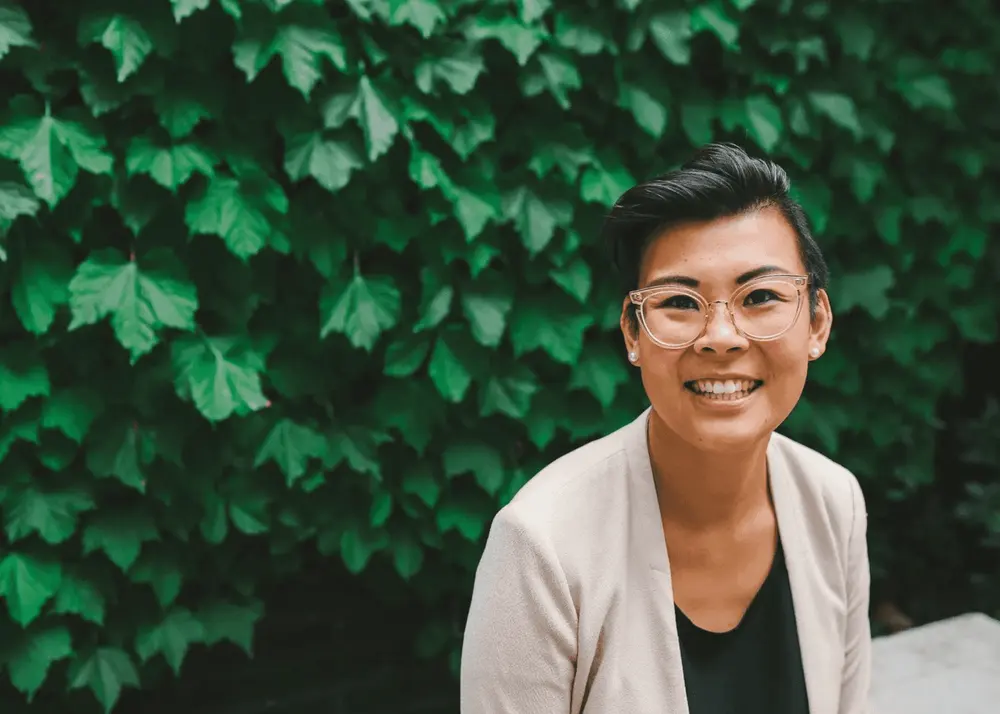
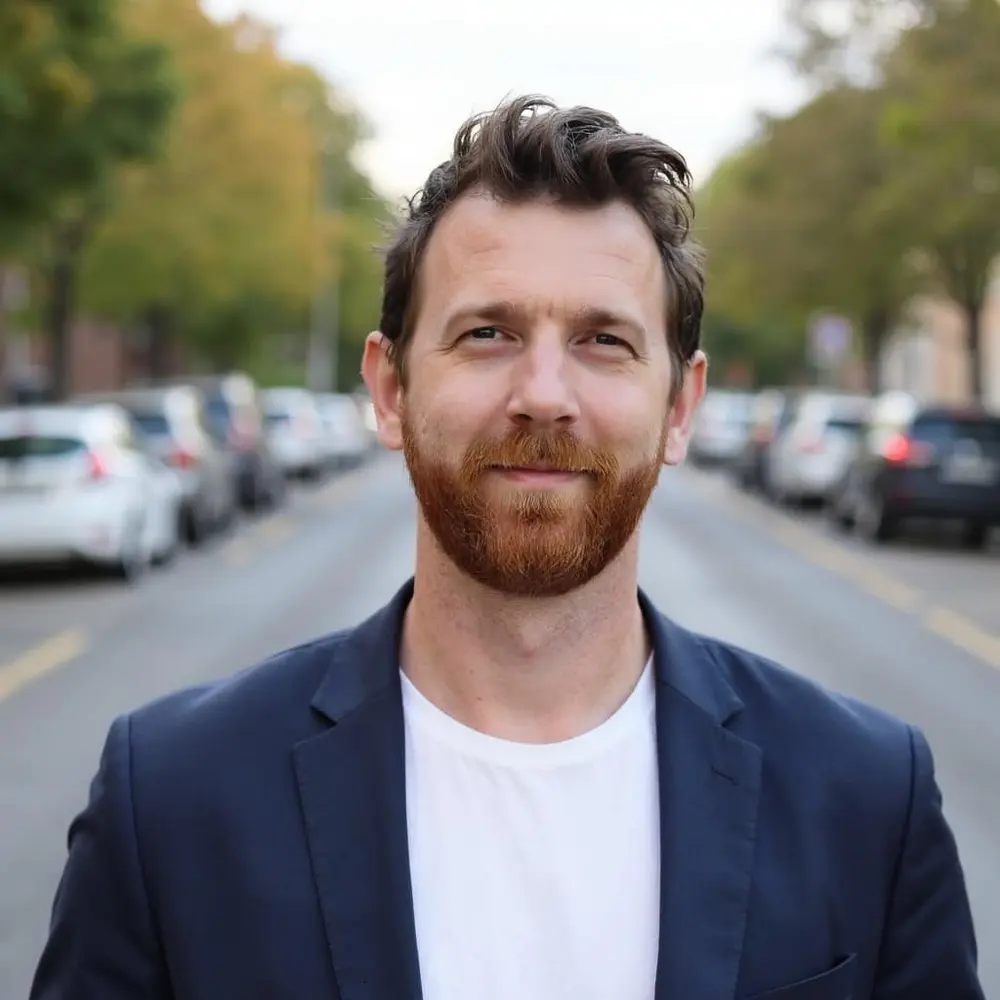
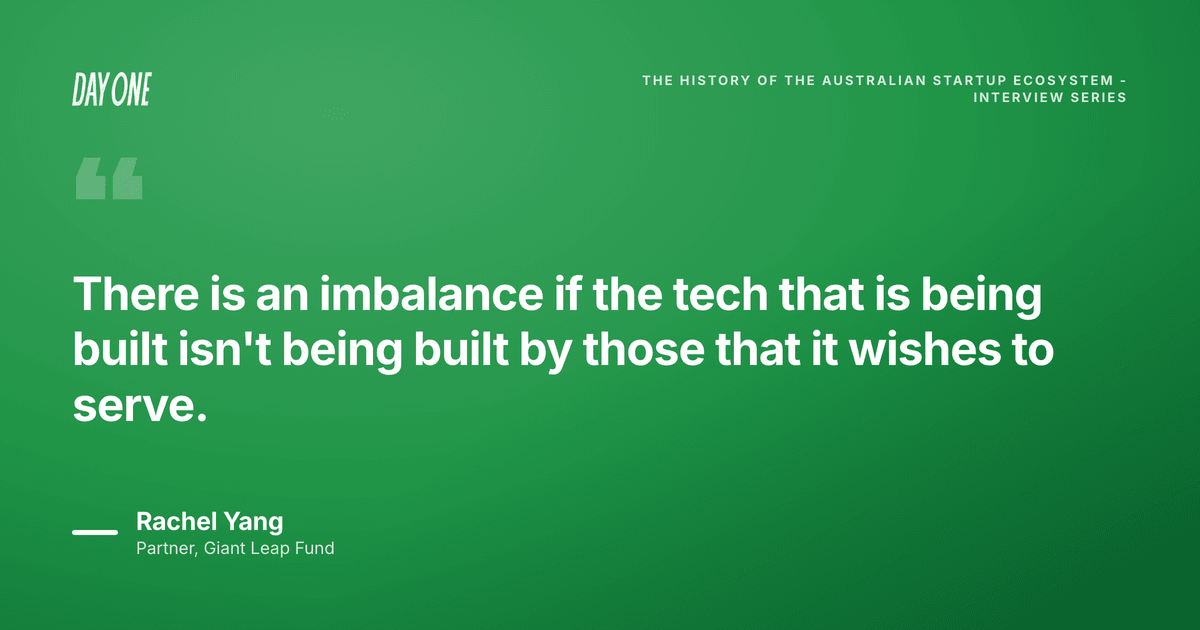
Transcript Synced · select any line to jump ▾ 0:00 Adam Spencer: Let me tell you about our partner, Teamified. If you need to build a top-notch team quickly, Teamified is your go-to solution. They not only provide fractional CTOs, they can also do contractors and even remote team members tailored exactly to your needs. And whether you're looking for expertise in the Philippines, India, or Sri Lanka, Teamified has you covered. What's amazing is that Teamified uses a blend of AI and human expertise to cut hiring times by 50%, cent. Their platform handles everything from automated onboarding to day-to-day management and even performance tracking. You can also handle rewards and recognition, buy equipment, and order training all through their platform. Simplify your hiring process and get the best talent fast with Teamified. Check them out now and transform your team. Go to dayone.fm/teamified. That's dayone.fm/teamified. T-E-A-M-I-F-I-E-D, and get started today. Hi, I'm Adam Spencer, founder of the Day One Network, which is bringing the history of the Australian startup ecosystem to you. I believe in founders. It's why I do everything I do at Day One and our media company, W2D1 Media. And that's why the Day One Network exists, to create helpful content for founders. We've got some great shows in development, but a large part of what we do couldn't be done without support from our partners and sponsors. And I couldn't be happier than to be working with NTP, who get community better than any other technology recruitment company out there. A Newcastle company like mine, NTP are invested in seeing the growth of the local tech community in Newcastle, Sydney, and more broadly Australia. So thank you, NTP, for helping us bring helpful content to founders and the startup community in Australia. Back to the interview. Hi, I'm Adam Spencer, founder of the Day One Network, which is bringing the history of the Australian startup ecosystem to you. I believe in founders. It's why I do everything I do at Day One and our media company, W2D1 Media. And that's why the Day One Network exists, to create helpful content for founders. We've got some great shows in development, but a large part of what we do couldn't be done without support from our partners and sponsors. And I couldn't be happier than to be working with NTP, who get community better than any other technology recruitment company out there. A Newcastle company like mine, NTP are invested in seeing the growth of the local tech community in Newcastle, Sydney, and more broadly Australia. So thank you, NTP, for helping us bring helpful content to founders and the startup community in Australia. Back to the interview. Hi, I'm Adam Spencer and welcome to Day One, the podcast that spotlights Australian startups, founders, and the organizations that empower Australian entrepreneurship. We go back to the beginning to tell the story of Australia's most inspiring founders and how they built their companies. You're listening to a special interview series as part of a documentary W2D1 is producing about the history of the Australian startup ecosystem. On the episode today, we have— 3:18 Rachel Yang: Hi, I'm Rachel Yang. I'm a partner at GiantLeap. 3:21 Adam Spencer: And what exactly is GiantLeap for the uninitiated? 3:25 Rachel Yang: GiantLeap is an impact-focused VC fund. So we target the same returns as traditional VCs, but we use an impact lens to review our investment opportunities. So we invest across 3 themes: health and wellbeing, sustainable living, and empowering people. 3:41 Adam Spencer: When would you say you first got involved in the Australian startup ecosystem? 3:51 Rachel Yang: So I first got involved in 2017, so really just after the inception of Giant Leap in late 2016. 4:01 Adam Spencer: Right, what attracted you to get involved or how, what was your, the first kind of exposure that made you go, okay, this is something I wanna be involved with? 4:11 Rachel Yang: For me, it was very much about the impact potential of venture capital and being able to invest in startups that solve social environmental problems. So when I came across GiantLeap, it really was the combination of all the things I was looking for in my next role. So I'd come from transactions experience, I previously worked in corporate finance and management consulting. I spent some time consulting to government to try and affect change at the policy level. So really working on social and environmental policy areas, business cases, et cetera, and thinking about how to affect change at the structural level. But really where I saw the most potential was in the private sector and thinking about the potential for startups and tech startups particularly to be able to scale change and really create solutions to really pressing social environmental problems in a way that could touch the most lives. 5:15 Adam Spencer: So 2016, around that time, from your point of view, who was visible? So you joined Giant Leap, but what else was visible what were you aware of in this startup community? Who were the most notable organizations or people around? 5:33 Rachel Yang: So I really came into the venture and startup world not knowing a huge number of players and it felt pretty nascent. So Giant Leap was the first 100% impact-focused VC and a lot of the other VCs, you know, were starting to become known but For me, you know about players like SquarePeak or Airtree, but not really very well. So there was a bit of kind of activity that I was aware of, but I wasn't really, it didn't feel like it was in the mainstream media at all. 6:08 Adam Spencer: Right, I think it was Launch Victoria that put your name forward. Does that sound right? 6:15 Rachel Yang: Yeah, that's certainly, yeah, we have a strong relationship with Launch Vic. I also wear a hat as the co-chair of Startup Victoria. We're a not-for-profit member-driven organization that is one of Australia's largest, so we have a reach of 60,000, and we're very much about helping founders to succeed. Launch Vic is the government body that supports startups and innovation, and so Startup Vic and Launch Vic work closely together to build the ecosystem in Victoria. 6:47 Adam Spencer: When you say, I think you just mentioned around 2016 time, when you've got involved, that things were nascent in terms of specifically the impact investment scene or the whole scene? 6:59 Rachel Yang: Definitely the impact investment scene, but also from where I sat, I felt that the startup and VC scene was pretty nascent in terms of not being as kind of talked about as it is now. For sure, the ecosystem more broadly has grown, but impact investment was still very nascent, particularly impact VC with us as Giant Leap being the first 100% impact-focused VC. You know, there were others in the US, but in Australia, there was still a belief that you had to trade off impact for commercial returns. But now the narrative has really changed. People are realizing that, in fact, if you don't focus on impact and don't think about the social environmental problems that a company is solving, then you're potentially leaving value on the table. You know, talent wants to work at places where there is a strong mission and purpose, and then also consumers want to buy sustainably and ethically. So there's a real opportunity now that people are starting to see, but back then it really wasn't talked about, um, in that way. It was kind of seen as you're either working on a not-for-profit or social enterprise, or you're working on a commercial business. 8:19 Adam Spencer: What do you think the catalyst was that not only the impact investment side of things, but more broadly the investment side of things that started to really make people take notice or, you know, wanted to allocate funds to this asset class? Like what really picked things up in your opinion? 8:36 Rachel Yang: So I think there's been a number of factors. Firstly, the success of tech businesses globally, I think has piqued people's interest. So the fact that You know, there are the Amazons and the Facebooks out there now that we can name that everybody knows about. And there has been that significant growth in the tech sector and everyone's moving to working from home. You know, the, the rate of technology adoption and technology development has accelerated exponentially. And so I definitely see that that has played a big part. People are seeing real opportunity in the tech sector. And then also I think people are looking for other asset classes classes because, you know, for various different reasons, but whether they've lost faith in the public markets or whether they, you know, there's more capital in there, there's more capital around that property is not the same as it used to be. Looking at areas for investment that are just a little bit different where you can achieve outsized returns. I think that was, that has been a significant catalyst as well. 9:43 Adam Spencer: Fast forwarding to present day, And either speaking from a Victoria point of view or a national point of view, what do you think some of the biggest gaps are today in the ecosystem? Where could we make the biggest improvements? 9:58 Rachel Yang: I think there are two main areas that we can make the biggest improvements. The first one being talent and attracting people who have, you know, expats that have gone to and experienced a life at some of the larger tech startups in Silicon Valley, for example, and coming back home to share their experiences and having those people that have done it all before to help build the maturity of the Australian ecosystem. And also broadly as our startup ecosystem grows, I think there is just a shortage of talent at all levels. And then secondly, I think we need to come a long way in terms of diversity. And we are gradually getting there and talking about it a lot more in terms of women and cultural diversity within the startup sector, but it certainly needs to be improved even further because I think there is an imbalance if the tech that is being built isn't being built by those that it wishes to serve. So ensuring that there is that diversity around the table, I think, is really important. And we do have some way to go ensuring that the environment is inclusive. And, you know, it's not as it was 10 years ago where it was kind of very, very bro-y and, you know, exclusive. I think now we are shifting towards a more inclusive environment. 11:27 Adam Spencer: Yeah, how do we do that? How do we make some pretty, you know, bold movements or move that needle? 11:35 Rachel Yang: Yeah, there are a number of things I think we, we need to do. Um, there's no silver bullet, and I think the— this type of change does take time. There's a cultural issue, and just firstly, the fact that we recognize that it is a problem, and I think more and more people are starting to recognize that. I think that's a good step in the right direction. But then moving towards things like— so Giant Leap is invested in a platform called Applied. It's a recruitment platform that aims to remove unconscious bias from the process. So it is moving away from CVs and previous experience and moving towards skills-based testing and reviewing blind, and we're currently going through that process at the moment to hire an analyst. And we said that we wouldn't review any applications until we received applications for, from at least 20 women, because we were hearing from our peers in the industry that they were either getting no women applying or a very small percentage. So we thought we'd need to set at least a minimum to try and move the dial and do what we could to demonstrate that we were serious about, and we are serious about diversity. And so I wrote a piece about how our hiring process is as inclusive as possible. And one of those areas is really about trying to remove unconscious bias. 13:02 Adam Spencer: That sounds like a really interesting program that you guys have invested in. Yeah, I'd love to see more people adopt that. 13:10 Rachel Yang: Yeah, it's a really interesting one because I think, you know, some of the little techniques that they include into the platform is things like, you know, you review all the responses to one question and then for the next question, all the responses are jumbled so you don't carry over halo bias. So if you, for example, liked the response to Respondent 1, then for Question 2, it's a different order. So even little things like that can be really powerful in helping us to minimise that bias. 13:41 Adam Spencer: What do you think as a community in general that we're doing really well in? Like what maybe sets this ecosystem or community apart? 13:52 Rachel Yang: I think one of the unique advantages of our ecosystem right now is that it is quite small. And so everybody seems to know each other and, you know, really still be collaborative. I think that's really wonderful to have and be able to share knowledge, to grow together. I think some of the, you know, when you hear about in the US there being a lot more competition and it being a bit more ruthless, um, I think there is a lot of value to be had in collaborating and continuing that collaboration, you know, at least for the, for the moment, as we, as we grow and we learn together in building this environment and, and make it a thriving ecosystem. I also feel like there are pockets of You know, there is goodwill. There's a lot of goodwill in terms of the angel investors working together, and then also organizations like Launchvic that are committing funds to support the, the growth of the innovation ecosystem. So for example, they committed around $60 million to improving digital skills and education. They've got a fund called the Alice Anderson Fund to support women-led businesses. You know, there is that support from certain organizations within the ecosystem broadly. 15:13 Adam Spencer: There's a lady named Susan Oliver who has something to do with that, isn't she? 15:18 Rachel Yang: Yeah, yeah, she's, yep, she's really wonderful and a real, um, advocate for, for women-led businesses, but also for startups and angel investment. 15:28 Adam Spencer: Yeah, I interviewed her a few months ago. Yeah, she's amazing. 15:33 Rachel Yang: Yeah. 15:37 Adam Spencer: Do you have any unpopular opinions that you just firmly believe, like, this is the case and this is what needs to happen, or this shouldn't be happening, that no one else seems to be, or very few people maybe, seem to be on the same page as you? 15:52 Rachel Yang: I think the one that stands out for me is that whilst the world is, is starting to change and move towards acknowledging impact being an opportunity, there are still a lot of people that are not believing that impact startups can actually be scalable. So there are a lot of challenges we've come up against in the ability to, to generate the same returns as, say, a Canva, um, with a business that solves a social environmental problem at the same time. We, we truly believe that is the case, but I think without those examples in the Australian ecosystem yet. We're starting to get there. So Who Gives a Crap is a great example of one of those businesses that's doing really well in the impact space. But globally, there are kind of more examples and more impact funds. But I think locally, we still need a few more examples to demonstrate that, you know, you can generate the same returns, if not better, through investing in impact startups. 16:54 Adam Spencer: Yeah, what do you tell those people, those non-believers? 16:58 Rachel Yang: Yeah, it's a good question. The main areas we touch on are the fact that you can attract the best talent when you're working or you're creating a purpose-driven organization. There was an investor, a US investor I was talking to the other day that was saying that the best talent was actually they're leaving perfectly good jobs to work on something they believe in. You know, they might have a really high-paying, successful job in another growth business, but if the purpose doesn't and mission doesn't resonate with them, then they will leave. Because what we're starting to see is, you know, with the Great Resignation, as the pandemic has kind of taken over, it's, it's made people really rethink what's important and what they want to work on and what motivates them day to day. And I think that we are really going to see the, the move of employees kind of deciding where they want to go based on that aspect of mission. And then secondly is really being able to attract more customers. So as wealth transfers to the millennial generation is much more focused on climate action and minimizing the effects of climate change and ensuring that we do have a world for the future. You know, they're spending in a way that is more ethical and sustainable, so the dollars are going to brands that help them live more sustainably and ethically. So, you know, 88% of consumers want brands to, to help them in the search for sustainable and ethical consumption. You know, being able to do that in a way that aligns their values. 18:47 Adam Spencer: Wow, 88%. 18:49 Rachel Yang: Yeah, yeah, it's huge. And you can think about even people you talk to day to day, everyone's thinking about what their carbon footprint is, like what impact they have in the world, especially in Australia when we saw at the start of 2020 the bushfires, um, you know, the— then the pandemic, and just realizing how interconnected we all are. 19:10 Adam Spencer: What, uh, what one piece of advice would you give to a new founder? 19:16 Rachel Yang: Yeah, that's a really interesting question. I think the piece of advice is almost a bit counter in the sense that everybody will give you advice along your journey and it will feel at times like you've got, you know, we talk about mentor whiplash where you feel like you're just getting kind of told all sorts of different things on what you should do, what you shouldn't do, and how you should go about things. I think ultimately, it's you that is doing the work and you that is committed to the business. If you have a strong north star and that strong kind of mission, stick to that and then trust your gut and be open to advice along the way and definitely take it on board and think about what works. But then also know that, you know, you've got to trust yourself along the way because— Everyone has advice to give. Whether or not it's good advice or bad advice is another point, but I think if you trust yourself to navigate your way through it, I think that will hold you in good stead. 20:21 Adam Spencer: With this last question, I kind of just want to give you a few minutes to talk about something that is just top of mind, you're always thinking about, keeping in mind that we're trying to put, build, you know, what to tell this story of the Australian startup ecosystem as truthfully and holistically as possible. We want founders, academics, I mean, just, we want people from all corners of the startup ecosystem to hear this story. What message would you like to share with, with the community? 20:53 Rachel Yang: That's a tough one because I think that, you know, one of the biggest things for me is just, uh, there is no magic or secret sauce to being a founder in the sense that, you know, you don't have to be a type of person. You don't have to be what you see in, in the media as that archetype. You know, that's— a founder is really just anyone that has a problem that they feel is worth solving, that they're really passionate about, and they want to commit their life to solving and setting up a business to do so. I think there is a preconception that you need to certainly be a type of person or a white male or, you know, whatever it is. There's— if you look around and you dig deep into the ecosystem, we're found— finding that there are so many diverse founders out there that have different skills and different problems that they're out there to solve. The one thing that they do have in common is that they really are motivated by doing their life's work. So I think that's the main thing for me is that it might seem cliquey and exclusive and the tech world might seem unattainable or impossible to tap into, but really if you just start talking to people around, around the place, you'll find that we're all human, approachable, happy to chat and and want more people to get involved. 22:22 Adam Spencer: Thank you so much, Rachel. 22:23 Rachel Yang: Thanks, Adam. 22:33 Adam Spencer: I hope you enjoyed that interview. More interviews are on the way. Follow the podcast wherever you're listening right now. Stay tuned for more interviews with many, many more amazing people. From the Australian startup ecosystem. Thanks for listening and see you next time. 22:49 Adam Spencer: Thank you.