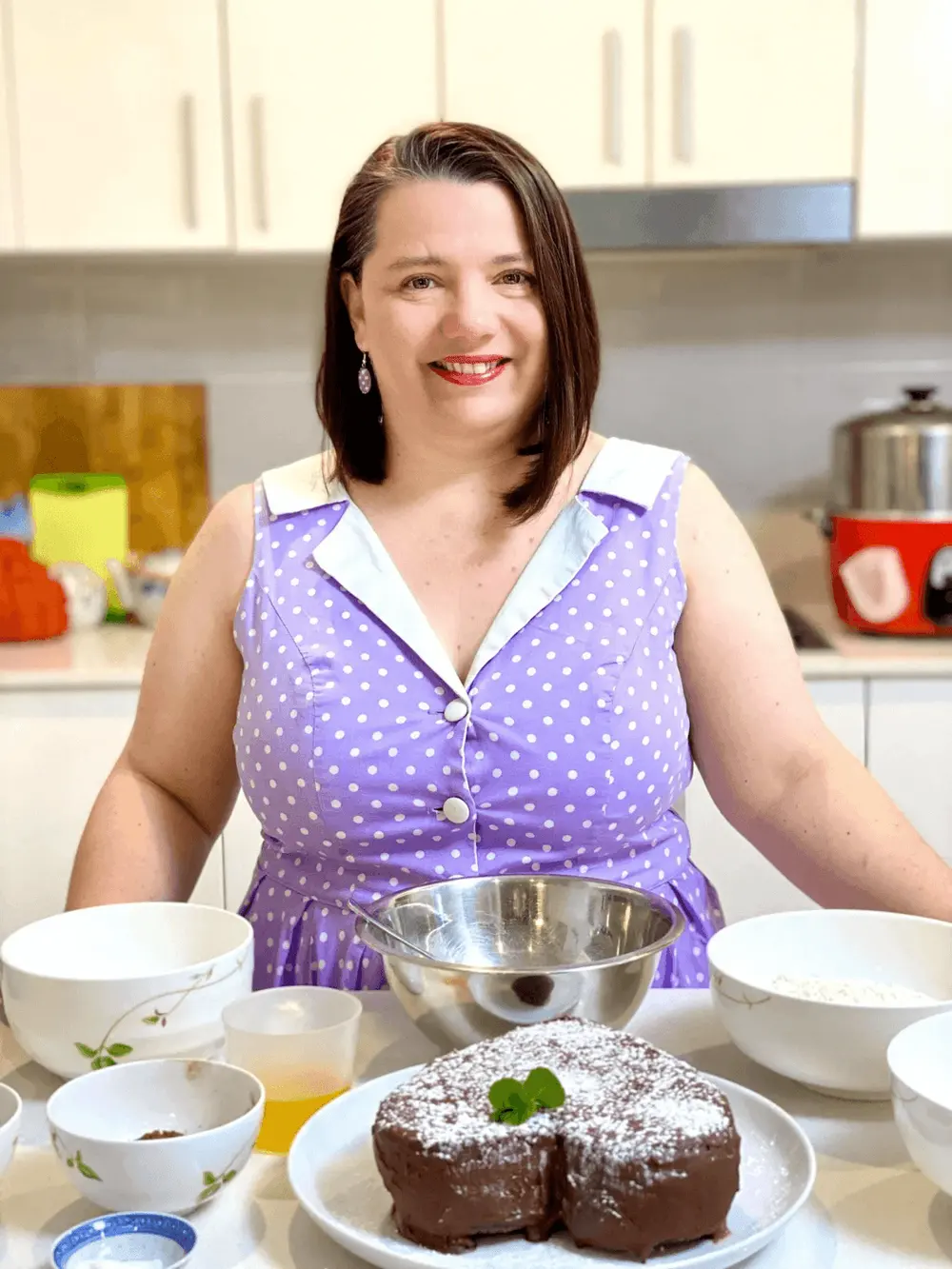
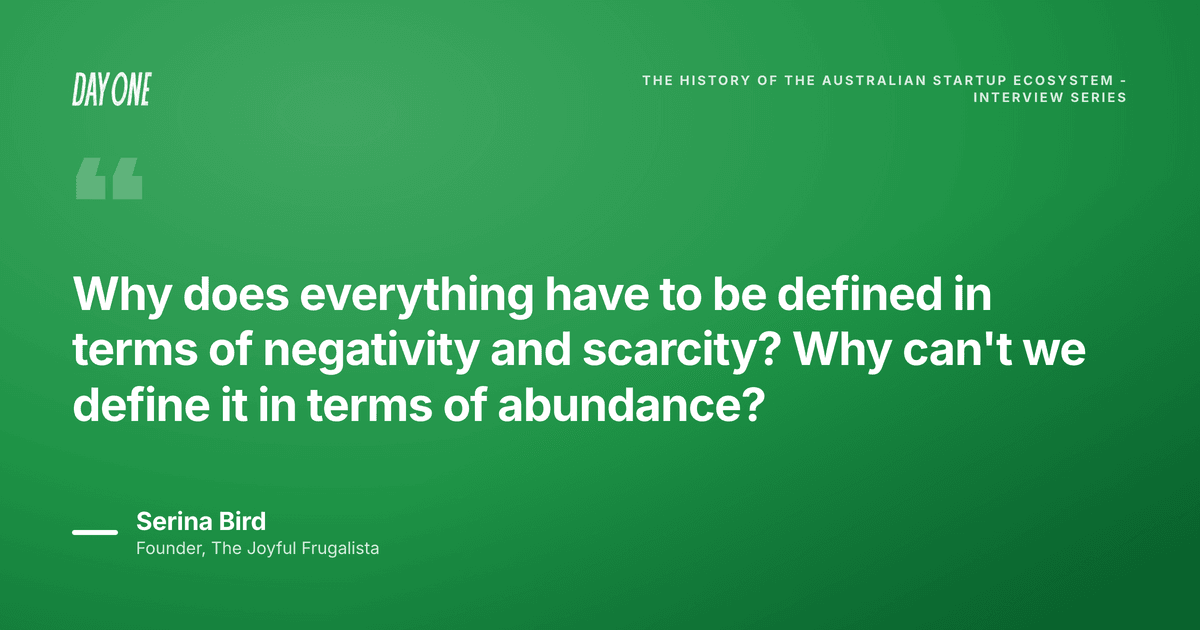
Transcript Synced · select any line to jump ▾ 0:00 Speaker: Let me tell you about our partner, Teamified. If you need to build a top-notch team quickly, Teamified is your go-to solution. They not only provide fractional CTOs, they can also do contractors and even remote team members tailored exactly to your needs. And whether you're looking for expertise in the Philippines, India, or Sri Lanka, Teamified has you covered. What's amazing is that Teamified uses a blend of AI and human expertise to cut hiring times by 50%, cent. Their platform handles everything from automated onboarding to day-to-day management and even performance tracking. You can also handle rewards and recognition, buy equipment, and order training all through their platform. Simplify your hiring process and get the best talent fast with Teamified. Check them out now and transform your team. Go to dayone.fm/teamified. That's dayone.fm/teamified. Thank you, T-E-A-M-I-F-I-E-D, and get started today. Hi, I'm Adam Spencer, founder of the Day One Network, which is bringing the history of the Australian startup ecosystem to you. I believe in founders. It's why I do everything I do at Day One and our media company, W2D1 Media. And that's why the Day One Network exists, to create helpful content for founders. We've got some great shows in development. But a large part of what we do couldn't be done without support from our partners and sponsors. And I couldn't be happier than to be working with NTP, who get community better than any other technology recruitment company out there. A Newcastle company like mine, NTP are invested in seeing the growth of the local tech community in Newcastle, Sydney, and more broadly Australia. So thank you NTP for helping us bring— Thank you. Helpful content to founders and the startup community in Australia. Back to the interview. Hi, I'm Adam Spencer, founder of the Day One Network, which is bringing the history of the Australian startup ecosystem to you. I believe in founders. It's why I do everything I do at Day One and our media company, W2D1 Media. And that's why the Day One Network exists, to create helpful content for founders. We've got some great shows in development. But a large part of what we do couldn't be done without support from our partners and sponsors. And I couldn't be happier than to be working with NTP, who get community better than any other technology recruitment company out there. A Newcastle company like mine, NTP are invested in seeing the growth of the local tech community in Newcastle, Sydney, and more broadly Australia. So thank you NTP for helping us bring helpful content to founders and the startup community in Australia. Back to the interview. 2:46 Speaker: Hi, I'm Adam Spencer and welcome to Day One, the podcast that spotlights Australian startups, founders, and the organizations that empower Australian entrepreneurship. We go back to the beginning to tell a story of Australia's most inspiring founders and how they built their companies. You're listening to a special interview series as part of a documentary W2D1 is producing about the history of the Australian startup ecosystem. On the episode today, we have— 3:18 Serina Bird: Hi, my name is Serena Bird. I'm known as the Joyful Frugalista. My other businesses are the Joyful Business Club and the Joyful Fashionista. I guess, how joyful can one be, right? You know, people say you should only have one thing and you should just focus, and I'm kind of a break the rules kind of person, and my intuition told me to do this, so I just did it. And it is crazy, it's totally crazy. Like, it would be much better off focusing on one business, but there you have it. 3:55 Speaker: So how many businesses was that? Was that 3? 3:57 Serina Bird: It's 3, yeah. 3:59 Speaker: Do you— how do you split your time between those 3? 4:02 Serina Bird: Not in a conscious way. I have been told that I should spend certain times, you know, have certain days that are allocated to do certain things, but it doesn't really work because you'll get emails about certain things, you'll get podcast guest interviews, for instance, about certain things. Sorry. No, very, very welcome. You'll get all sorts of random things for certain things that aren't in your day that you're supposed to be focusing on one business. And while it sounds a bit strange to have 3, the core market, which is women and predominantly women age 35 and older. I don't discriminate against younger women or men, by the way. It's just that's kind of where my segment is. 4:41 Speaker: Yeah. 4:41 Serina Bird: That is still the same, and there are still the same themes that come across that in terms of, you know, supporting and empowering women, sustainability, building abundance, those types of themes that go across all three. So it's not as strange as it might seem. 4:58 Speaker: Why did you choose 35+? 5:02 Serina Bird: Yeah, why did I choose 35+? Well, actually, really, most of the women in my target audience are kind of in their 40s or 50s. But, you know, they don't really identify as being that old. I guess I myself, I'm going to be 49 this year. I don't feel that. I don't really feel my age defines me per se. But I do think that, you know, there is a little bit of a difference in thinking sometimes, a generational difference. Between much younger women who are, say, at university or just finished, and then other women who've gone through life experiences such as having children. Not all women have children, of course, but some, many do. And just that the life not going to plan, I guess. So I think more women who have had the experience of having tried things, whether it's relationships or businesses or jobs, and encountering more difficulties, tend to resonate a little bit more with what I'm doing and my messaging, if that makes sense. Yeah. But I certainly don't discriminate against younger women, and I think it is actually really important to have intergenerational relationships. 6:09 Speaker: Did you make that word up, or is that an actual word, frugalista? 6:13 Serina Bird: It is actually an actual word. It existed before me, but I've certainly given a lot more life to it. 6:19 Speaker: How did you come up with the name Joyful Frugalista? Fruit, am I saying that right? 6:25 Serina Bird: Yeah, you are indeed. You're saying it exactly right. Well, actually, my publishers came up with the name. So it was derived by Murdoch Books, And when I heard the name, I was actually literally overjoyed. I thought it was fabulous. So originally my blog was named Ms. Frugal Ears, which was always a bit difficult to explain. It had a backstory, but it was always a bit difficult to explain. And the working title of my book was "Frugal Dare to Millionaire." But the publishers really wanted to change it, that name, and I just loved it. And I really felt that it encapsulated so much of what I was trying to convey. And they would be like, "Do you mind? Like, would it be okay if you changed your branding?" change your website. And I'm like, hell yeah, this is fantastic. 7:09 Speaker: Can you give me that little elevator pitch? I don't know, how do you, how do you do that? Do you do an elevator pitch for each business, or do you have one that kind of covers everything? 7:18 Serina Bird: Yeah, this is a great question actually, especially when I go to networking events, because most people, it takes a long time for people just to get used to one business, let alone three. So I tend usually to focus on The Joyful Frugalista. So usually I'll say, hi, my name is Serena, I'm also known as The Joyful for Frugalista. I'm really passionate about helping people save money and live a joyful life and to have real abundance in their lives. So I'll usually say something like that. If I have longer, I might talk about the other two, but it tends to freak people out, to be honest. So I tend to just pick one. 7:56 Speaker: How did you actually get involved with CIBRN? 7:59 Serina Bird: The Canberra Innovation Network? 8:01 Speaker: Mm-hmm. 8:02 Serina Bird: Well, I've known about them for a number of years and actually, About 4 years ago now, I applied for their Griffin Accelerator Program, and it was actually way before The Joyful Frugalista or Ms. Frugal is. I pitched an idea for fermented foods such as soy sauce, so an Asian food brand, thinking that I might also do some vegan meat products. I'm not vegan, by the way, I just really like vegetarian products. 8:28 Speaker: Hmm. 8:29 Serina Bird: And much to my surprise, I got in and then I was like, "Holy, what on earth am I going to do here? I'm a single mum with 2 kids." I sort of did this sort of putting it out to the universe, not expecting I would get in. But what I'd actually done was I had submitted 2 proposals and I'd been invited to pitch on that one. But the second proposal was actually about developing my blog on personal finances and to take that forward into something more. And at the time, I think they thought I was crazy, to be honest. It was pre-Barefoot Investor. 9:01 Speaker: Wow. 9:01 Serina Bird: And no one in Australia was really talking about money or finances. But through that process, they actually paired me with a mentor who was a writer from Hong Kong. So he was a very prolific writer. He had his own digital media assets in Hong Kong. Um, very sad, of course, everything that's happening in Hong Kong at the moment, and that I guess is partly why he's here. And through his mentorship, I really lent into my writing. So while I applied for something that, you know, was kind of wasn't something I ended up doing. It led me in a whole new direction, and that's been really exciting. And then when I left work 18 months ago, I started hanging out at Seabourn a lot more. They have a First Wednesday Connect, which is kind of fun, so it's a networking event. And they also started during COVID having a Female Founders Series. So under the sort of, I guess, inspiration of their chair Hala— I can never pronounce her surname, but she's fabulous. And she was really keen to do more for women entrepreneurs. They started this series. And then I started coworking there about 1 day a week. And to be honest, I'm not always the best coworker. Sometimes I get distracted by loads of washing and other things to do at home. Mm-hmm. But when I go there, it makes a huge difference. And then Earlier this year, I was successful in receiving a grant through Innovation Connect, so an ICON grant, so a significant grant of $17,500 for developing the Joyful Fashionista. And last year, I also received an ACT government scholarship to attend an Ideas to Impact course that the Canberra Innovation Network ran. 10:47 Speaker: Wow. What were you doing before all of this, before you started down this road? 10:53 Serina Bird: What was my career? 10:55 Speaker: Yeah. 10:56 Serina Bird: Well, good question. I was a Commonwealth public service. I was working in the Department of Foreign Affairs and Trade, mainly specialising in China issues. So, to actually say no to all of that was actually kind of a big deal. It was crazy, to be honest. 11:12 Speaker: What, yeah, what made you want to go out and start your own business when you had, I assume it was like, —pretty, it's a pretty good career up until that point. 11:23 Serina Bird: Look, it was. But I guess the key thing was I didn't have my own voice. So, and that's really it. When you're part of the bureaucracy, you know, you are serving, like public servants serve. You don't have your own voice. And that's understandable, like, because you don't want public servants routinely criticising the government when they're told to implement things. By nature, they have to serve. That's why they're called public servants. And I had published a book, The Joyful Frugalista, and it was, was doing quite well. And I was being invited to have more and more kind of media opportunities, and that was becoming a little bit difficult to manage. Like, I mean, I didn't just go off and do that and disregard work. Like, you have to seek approvals for things to do. I was always very clear about not discussing my work in my writing. I made a very, very conscious decision to differentiate the two. I mean, I never talk about, you know, my work in, in the public service. They're just completely separate things. And then also too, the area I was in had become quite toxic. So I mean, these things can happen. I think many people who've been in the workplace find this, and I think as timelines become tighter and tighter and expectations grow and grow Some people don't always deal with that so well. And so, I was kind of like, "Well, I'm writing about saving money and investing. I'm really close to my financial independence goals. I'm at work, I'm unhappy, and I'm stressed." And I'd always had a real interest in innovation and entrepreneurship, and I was the sort of person who at the back of my diary would always be scrawling notes about potential business models and things I could do. Right. So, I'm like, "Well, you only live once, really." Like, I mean, in my late 40s, if I wait any longer, like, It's like that opportunity's never gonna happen again. And by this stage I had remarried and my husband's in a very stable Commonwealth Public Service career. He's reaching the end of his career. He's retiring earlier than most. It's a long story. And you know, we had very, very little debt. The home loan was nearly paid off. So it's like, well, it's time. 13:34 Speaker: Mm. When would you say you really got introduced to this whole world of startups and— Yeah, the opportunities that are out there for founders? 13:43 Serina Bird: I think I've always been interested, and I guess there was a few experiences. One was serving in Taiwan. I wanna be clear here that Australia doesn't have diplomatic relations with Taiwan, but I was there in an economic and trade role. And Taiwan, for those who know, has a tremendously innovative ecosystem. You know, its high-tech products are amazing. You know, think computers like Acer, ASUS and Acer, and, um, you know, they do quite some interesting things in virtual reality and a few things. And it was a lot of people returning from Silicon Valley back to Taiwan because of that climate. So I was really interested to see what was happening when I was there. And the government also had a strong focus on the creative innovation as well and sort of recognizing what was happening there. So, you know, in my role, I was seeing a lot of what was happening and observing that as well. And it was just really, really exciting, to be honest. And that interest continued when I came back to Australia. 14:44 Speaker: What year was it again that you were accepted to the Sea-BRINZ, was it Sea-BRINZ program you were accepted to? 14:52 Serina Bird: So last year, so 2020, I was on an Idea to Impact program run by the Canberra Innovation Network, which is basically a lean innovation program. An introduction to different innovation methods. But I'd also been very fortunate, I'm trying to think, about 5 years ago, I think 4 or 5 years ago, I was on a pilot Commonwealth APS government program called 21st Century, I think, run with Australian Futures Institute, I think, somehow affiliated with La Trobe University. 15:30 Speaker: Hmm. 15:30 Serina Bird: So I was on a 12-week program that was teaching basic design thinking, and that was really exciting as well. Interesting being with a group of public servants who didn't quite know what to make of the course, but also very exciting. 15:44 Speaker: So let's just say, what's that? Did you say 5 years, about 5? 15:48 Speaker: Yeah. 15:48 Speaker: 5 years. Through all of that time, from your perspective, what would you say, like, have you, where's some big, the biggest gaps in this kind of, system that we call the Australian startup ecosystem? Are there any areas that you think we could improve on? 16:07 Serina Bird: This is gaps for people starting out. 16:09 Speaker: Yeah, from a founder's point of view. 16:13 Serina Bird: Yeah, look, I think this is a great question, and the thing that I'm really interested about is women, and particularly women entrepreneurs, and the lack of startup financing. I think the year before last, globally, I think it was only 2.7% of women-led founders received funding. Last year, it's, slid to, I can't remember, it was only 2.2 or 2.3%. And then when we're talking about women of color, it's even lower. It's only about 0.2% of total startup funding goes to women of color. Now, when you can think that women often make up to three-quarters of purchasing decisions, it means that there's a lot of people buying things whose ideas aren't being funded in the ecosystem. So it's— Yeah. I think a huge gap and it's really unfortunate. I think I'm, I feel very proud to be part of the Canberra Innovation Network because they've made a conscious effort to reduce this gap. And in fact, 5 of the 10 grantees from Innovation Connect this year were women and female-led founders. But that is definitely not the global norm. 17:22 Speaker: That's awesome. Yeah, why do you think that is? 17:25 Serina Bird: Look, there's many reasons for this, and there's a lot of research that is around that. Often women are more comfortable with a small business model. They often don't even think that they've got like a, you know, multi-billion dollar idea on their hands. So it often, you know, they're looking often for a different model to start with. And if they are looking to grow, they don't always know how to pitch it in the way that it sounds like the next big sexy unicorn. So they're more interested about building sustainability sustainable businesses, often, you know, to help the planet or help their communities. So it doesn't sound like it's the next big, um, you know, Amazon or Uber or Facebook. And so it doesn't grab the attention the same way. And then it's often the way they pitch too. Like, uh, women tend to talk about their passion for their business and how it's going to help other people rather than the traction and the numbers. And then often when they're pitching to a group of investors, most of the investors are male. So there's that unconscious bias where people tend to look for, to invest in who they trust. And when they're looking for that, they're looking at people who are like themselves. 18:37 Speaker: Mm-hmm. 18:37 Serina Bird: So they're often looking at like a younger person at themselves that they can mentor. And when women come up with these ideas and they're talking about their passion for a project, you know, something that's gonna to support often other women, like the male investors just sort of don't get where they're coming from. 18:53 Speaker: Yeah, we'll circle back to that in a second, but just for a change of pace, what do you think as a community or as an ecosystem we're doing really, really well at? Like where do our strengths lie from what you've seen? 19:11 Serina Bird: Well, I'm gonna speak specifically to the Canberra ecosystem because this is a place I know well, and I would say that it's highly collaborative. I'm always really impressed when the networking events that I go to, how willing people are to meet up with you and follow through and to help and to guide others on the way. And I think people who are really passionate about startups and innovation, you know, they're willing to do that. They're willing to find ways that they can work collaboratively with others. 19:40 Speaker: Have you been exposed to any other kind of regional, not necessarily regional, but other ecosystems? Other than the Canberra one? 19:49 Serina Bird: A little bit to the Sydney ecosystem, not a lot. I had, at one point I was looking to have a business partner who was based in Sydney. Unfortunately that partnership didn't work out, but she was based in Sydney. And so it gave me a little bit of an insight. And I think it's sort of scarier in a way, 'cause it's a bigger city, bigger city, bright lights. Well, I know we're all probably not meeting in person as much as previously, but you know, it is a little bit more daunting than say the community that I'm in that's a little bit smaller smaller. 20:23 Speaker: Do you have what I've just been calling an unpopular opinion? Is there something that you just wholeheartedly believe to be true as it relates to the, you know, these ecosystems, but that no one else seems to be on the same page with you about? 20:40 Serina Bird: Oh, I regularly have unpopular decisions. I regularly have my own decisions. I guess the big one was around competitors, and then the other really big one is around finding and defining the problem. It seems almost to become a standard mantra that the only way you can have a good product is that when you're solving a problem. I mean, why does everything have to be defined in terms of negativity and scarcity? Why can't we define it in terms of abundance? In terms of coming up with something that makes people feel good, You know, it's not necessarily solving a problem. I mean, Facebook didn't solve a problem. We didn't need it before we had it, but now we've got it, most people use it. So, or maybe it did solve a problem of communication, but we didn't perceive it to be a problem before it was around. 21:31 Speaker: You know that there's that saying that Henry Ford, right? That if I asked people what they wanted, they would have said a faster horse. 21:39 Serina Bird: Yeah. Yeah. And competitors is another one too. I feel sometimes there's way too much time spent in the early part of a business looking at what the competitors is doing and either trying to differentiate or make yourself different. Now I'm not suggesting at all that people steal ideas from competitors, but rather I think at some point you just need to put blinkers on because if you're looking, particularly for women who often have really high levels of imposter syndrome, if you spend so much time looking at your competitors, you'll freak yourself out and you'll never do anything. So particularly when I was writing my book, I just went la la la la la, hands over ears. I don't wanna know what anyone else is writing about or doing. I'm just gonna do my own thing and then I'll read their other work. 22:24 Speaker: Yeah, well, that's the point. The whole thing, the reason why you said you, I mean, I think you probably wrote your book before you left your public service sector, but the reason why you left was 'cause you wanted your own voice. And what's the point in writing something, you wanna express your voice, not like reframe or reword someone else's voice. 22:46 Serina Bird: Well, exactly, 'cause otherwise it'll just be like someone else's voice. And let's look at the personal finance space as an example. I mean, there's so many writers in that genre now, and often we're saying the same thing, which is, you know, save more money, invest conservatively, but there's so many ways to say that. And you'll often resonate with a voice that sounds, you know, similar. To your own lived experiences because there'll be something in that that really resonates for you. So therefore we need more diversity in the writing on those topics. 23:19 Speaker: Just out of curiosity, I don't think I asked this question, but like why personal finance? Why are you so interested in that? 23:26 Serina Bird: Yeah, great question. Well, I was always sort of on the frugal spectrum anyway, and I was always one of those people who would like wear op-shop suits to work and not tell people and sort of look like I had more money than I did in terms of what I was spending. So I was always doing that. And my ex-husband and I, we together amassed 10 properties that we had together. But outwardly we looked, you know, pretty normal. Like, you know, I'd wear tracksuits to the local shopping center on weekends. We didn't live a high life. And he actually didn't earn a lot of money, so I was the main income earner. 24:04 Speaker: Mm-hmm. 24:05 Serina Bird: Sadly, that marriage didn't go too well. And in the end, I took out a domestic violence order. 2. I was awarded 2 as I left and had suddenly was single with 2 young children. Now we had a lot of assets, but we also had a lot of debts. So if you can imagine how scary it might be separating, knowing you were the main income earner, having the highest childcare rates in Australia that you had to pay for yourself, plus service 10 mortgages. Like, it's pretty scary stuff. Jesus. But I knew that I could do all of that because I had the faith that I was good with money. And I knew that we could make sacrifices I could make really cheap meals and we would find a way through and we did. But it also occurred to me that for a lot of people, they didn't have that confidence with their money, particularly women. Like particularly women get themselves into relationships or jobs that really don't serve them because they really are scared of the money. I mean, it's often real issues as well, but it's often the fear of the money. So my message has always been about financial resilience. It's not just amassing a lot of money. It's being able to feel confident that you will adjust to whatever life throws at you and to have that mindset of abundance. And, you know, I couldn't have predicted the pandemic and the bushfires and the mouse plague and everything else. But I guess I try and write about practical things rather than saying, "Oh, that's too bad, that's really hard," to say, "Okay, yes, but how can we cook a meal that's going to be really cheap?" How can you save money on your electricity and other things? How can you find things? 25:46 Speaker: I only have one or two more questions. This one I like to ask everybody. If a brand new founder came to you tomorrow, what one thing would you tell them? Or if you were to give yourself advice 5 years ago, what would you say that would slightly increase the chances of success? 26:05 Serina Bird: I'd actually probably ask them a question. I'd ask them why. I mean, I have new founders coming to me all the time through the Joyful Business Club, and I'm writing at the moment about how to start a startup. But I mean, it's your why that's gonna carry you through, not because you think you should be in business or you should have a startup. It's deep down inside, everyone has a why. 26:28 Speaker: The last question I have is not really a question per se. It's a, I just wanna open the floor up to you. To talk about something that you just are really passionate about, something that you think the Australian startup community needs to hear, and so something that needs to go into this series. 26:45 Serina Bird: Oh, I'm so passionate about so many things, I don't even quite know where to start, but I think, you know, while the startup community is trying to be out of the box, sometimes they do create their own boxes. We're always looking for the next best thing of a business model that already is, and we're often looking for tech because we know that tech has performed well, or we're looking for clean energy because we know clean energy is performing well, or we look for, you know, existing models. So I think it's really important to be open-minded about those things that you don't quite understand or quite, you know, foresee, and don't just dismiss them because they haven't been proven yet. And just to keep that positivity, because if you're talking to someone and they've got this idea and then you sort of are a bit disparaging, like, it can kill this next best amazing thing. Like, it might just be totally utterly bonkers, you never know. But it might be the next best amazing thing you've never heard of. 27:40 Speaker: I actually just thought of one more question. 27:43 Serina Bird: Fabulous. 27:44 Speaker: We might have covered it near the beginning, but 'cause you've been, 'cause Seabrain, you've been involved with those guys and they've been helpful. How have they been helpful? How helpful have they been? 27:55 Serina Bird: Well, they've been helpful with money. But more than that, they're just so friendly. Like, it's just such a welcoming space. They really wanted me to co-work there because they have a particular gender issue where they have a lot of guys who work on tech and sit there and do coding all day. And they really wanted to have a conscious effort to close that gender gap a little bit. But I just find them just really, just really friendly and open-minded. And especially when you're doing something that's a little bit different, it's— although from your comprehension of your immediate family or your friends, your former work colleagues, and it's just nice to be in a supportive environment where they just don't think you're weird. 28:37 Speaker: Yeah, yeah, I get that. 28:39 Serina Bird: I thought you might. 28:42 Speaker: Ah, thanks Serena, thank you so much for your time. 28:44 Serina Bird: Thank you. 28:54 Speaker: I hope you enjoyed that interview. More interviews are on the way. Follow the podcast wherever you're listening right now. 29:02 Speaker: Stay tuned for more interviews with many, many more amazing people from the Australian startup ecosystem. Thanks for listening and see you next time.