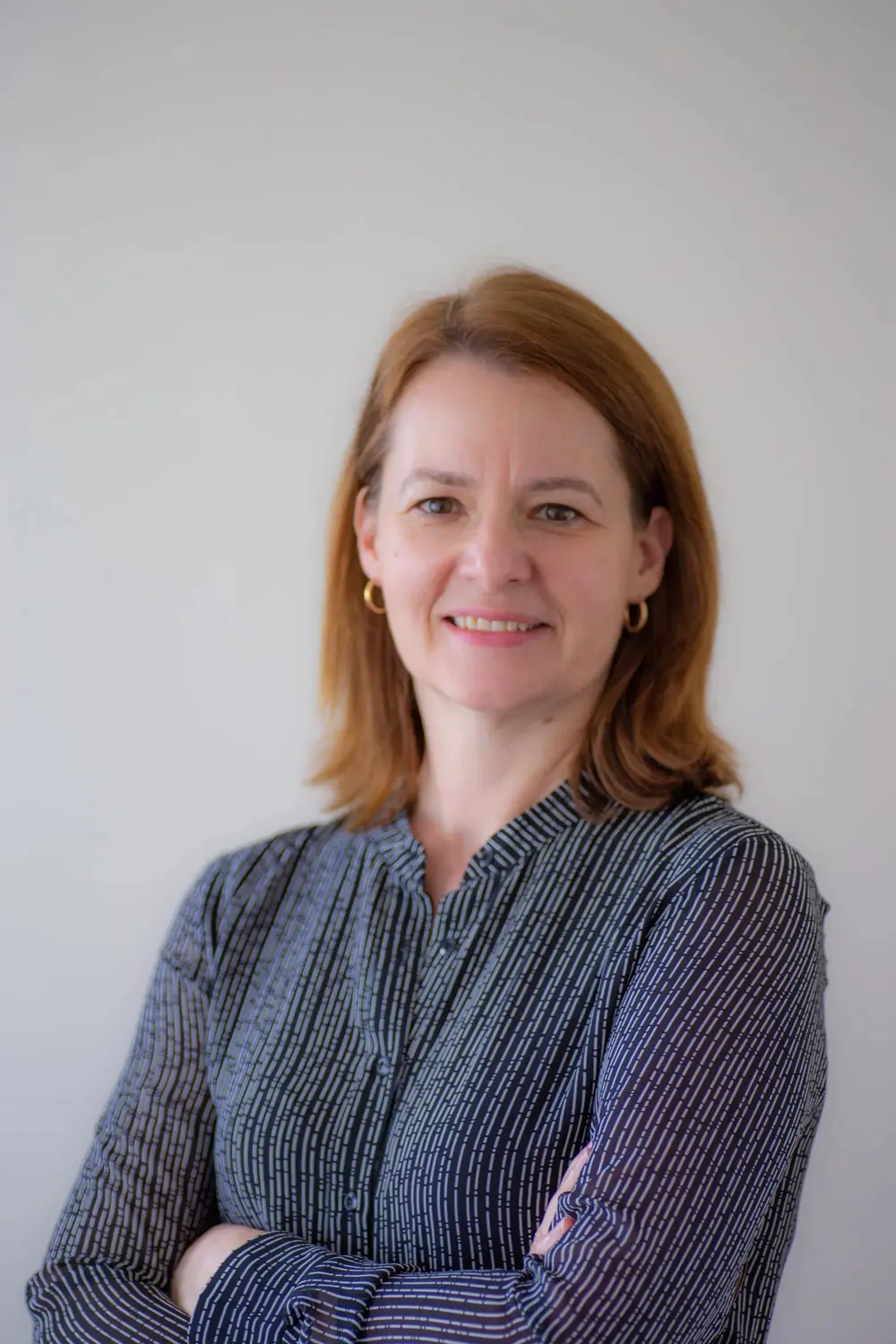
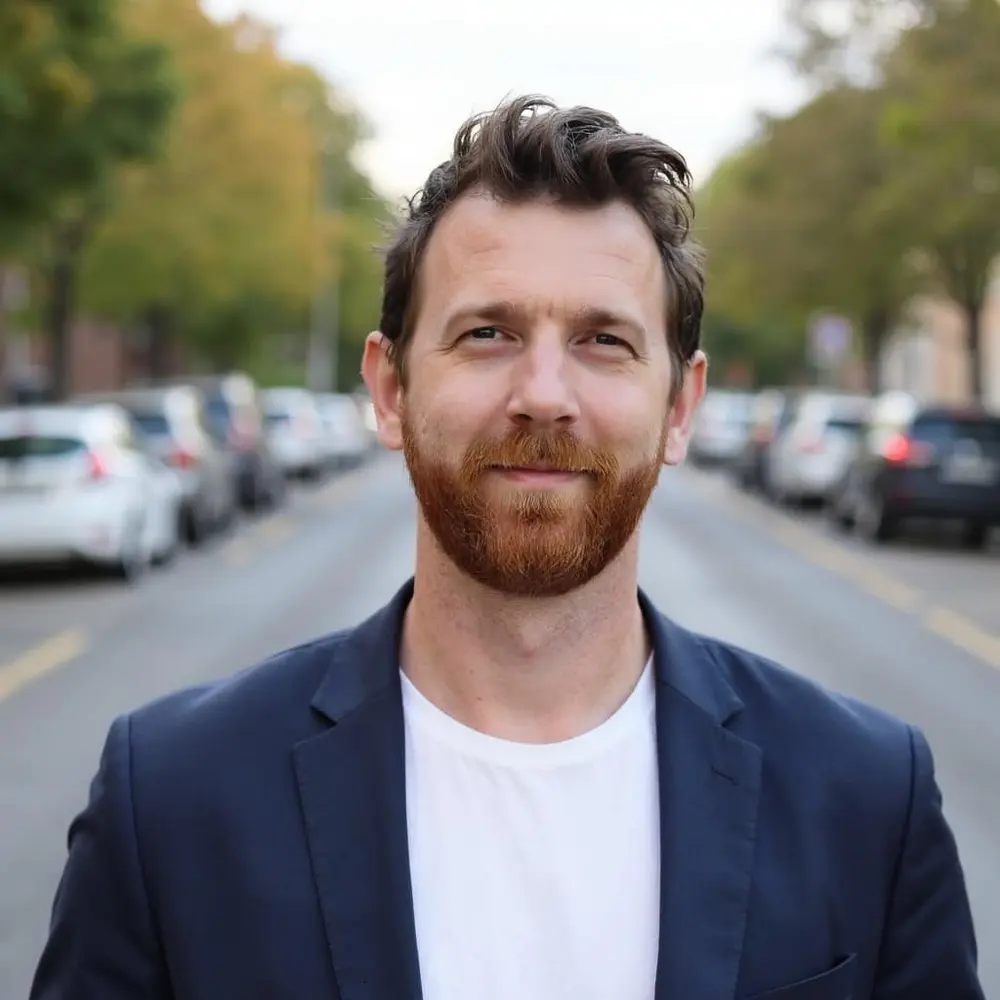
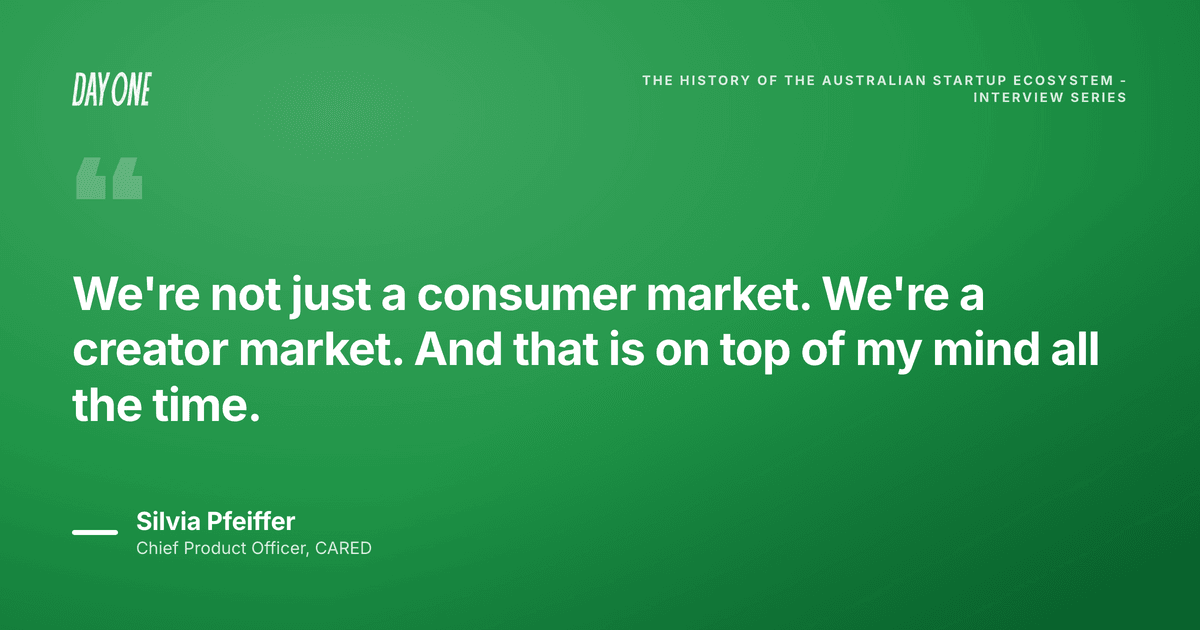
Transcript Synced · select any line to jump ▾ 0:00 Speaker: Let me tell you about our partner, Teamified. If you need to build a top-notch team quickly, Teamified is your go-to solution. They not only provide fractional CTOs, they can also do contractors and even remote team members tailored exactly to your needs. And whether you're looking for expertise in the Philippines, India, or Sri Lanka, Teamified has you covered. What's amazing is that Teamified uses a blend of AI and human expertise to cut hiring times by 50%, cent. Their platform handles everything from automated onboarding to day-to-day management and even performance tracking. You can also handle rewards and recognition, buy equipment, and order training all through their platform. Simplify your hiring process and get the best talent fast with Teamified. Check them out now and transform your team. Go to dayone.fm/teamified. That's dayone.fm/teamified. Thank you. T-E-A-M-I-F-I-E-D, and get started today. Hi, I'm Adam Spencer, founder of the Day One Network, which is bringing the history of the Australian startup ecosystem to you. I believe in founders. It's why I do everything I do at Day One and our media company, W2D1 Media. And that's why the Day One Network exists, to create helpful content for founders. We've got some great shows in development. But a large part of what we do couldn't be done without support from our partners and sponsors. And I couldn't be happier than to be working with NTP, who get community better than any other technology recruitment company out there. A Newcastle company like mine, NTP are invested in seeing the growth of the local tech community in Newcastle, Sydney, and more broadly Australia. So thank you NTP for helping us bring— Thank you. Helpful content to founders and the startup community in Australia. Back to the interview. Hi, I'm Adam Spencer, founder of the Day One Network, which is bringing the history of the Australian startup ecosystem to you. I believe in founders. It's why I do everything I do at Day One and our media company, W2D1 Media. And that's why the Day One Network exists, to create helpful content for founders. We've got some great shows in development. But a large part of what we do couldn't be done without support from our partners and sponsors. And I couldn't be happier than to be working with NTP, who get community better than any other technology recruitment company out there. A Newcastle company like mine, NTP are invested in seeing the growth of the local tech community in Newcastle, Sydney, and more broadly Australia. So thank you NTP for helping us bring helpful content to founders and the startup community in Australia. Back to the interview. Hi, I'm Adam Spencer and welcome to Day One, the podcast that spotlights Australian startups, founders, and the organizations that empower Australian entrepreneurship. We go back to the beginning to tell a story of Australia's most inspiring founders and how they built their companies. You're listening to a special interview series as part of a documentary W2D1 is producing about the history of the Australian startup ecosystem. On the episode today, we have— 3:18 Silvia Pfeiffer: Hi, I'm Silvia Pfeiffer. I'm the CEO of Coviu. Coviu is a video telehealth company, so we provide software to healthcare providers, that's your GPs or mental health provider, allied health, whatever it is, to offer video telehealth to you at home. And yeah, we've been active since 2018 and really scaled up through the pandemic. 3:48 Speaker: I'm just curious about the birth of Coviu. Did it come out of CSIRO? 3:55 Silvia Pfeiffer: Yes, Coviu is a spin-out from the CSIRO. We spun it out in 2018. We had a couple of customers at that time, but it was really tiny. 4:03 Speaker: Were you part of the ecosystem before we had this vocabulary around this kind of modern wave of the ecosystem? 4:10 Silvia Pfeiffer: Yes, so I'm obviously from Germany. I came to Australia in year 2000. When I came to Australia, we basically didn't have a startup ecosystem here. I know in 2001 we had the dot-com crash in the US, but we really didn't have similar kinds of companies here, not a lot of them at least. I came to Australia within the CSIRO to work as a postdoc in the CSIRO, and by 2006 I'd gotten to the point where we'd been working on digital video technology for 6 years, and I'd seen the birth of Google, I'd seen the birth of companies like YouTube, and by that time— actually, that was before I left. YouTube was born around 2006. We were developing a video search engine within CSIRO, and so in 2006 I decided to also go out on my own and built a digital technology company, a video technology company. And that was right in the middle of almost, that was probably when we had the first couple of VCs in Australia. Most VCs would be investing in mining or maybe some in digital technology, but very few. I was going out to raise capital and the first thing I was always asked was, So you're writing a couple of software programs? Why can't you just do it in your garage? And why do you need investment for that? So there was just no appreciation of the complexity and effort required in building a digital company. 5:40 Speaker: Why did you want to strike out on your own? Where did that come from? 5:44 Silvia Pfeiffer: Very good question. I don't know. I think, so I had been at CSIRO for 6 years and undertaken a lot of groundbreaking research, even contributed to standards around video on the web. And I just felt I wasn't really participating participating. I was contributing to some of these technologies that were in development, but I was not participating in all the flurry that was happening around it in the US with all the companies, the startups that were getting millions of dollars to execute on their visions, etc. But I wanted to experience that as well. I wanted to build something of value for Australia and wanted to do it in Australia and thought, how hard can it be? It needs to be possible to do this in Australia as well. As it turned out, I was trying to build a B2C digital company in Australia, and even nowadays this is still very hard. We can build B2B companies in Australia quite well by now. B2C is still extremely hard to do from Australia. I was doing something basically impossible at a time where Australia's ecosystem really wasn't set up for it. 6:51 Speaker: Why is it so hard? 6:53 Silvia Pfeiffer: With B2C companies, you need a lot of consumers to pick it up, to actually to show impact and growth. And Australia is, you can try it in Australia and there are some success stories now. And we have a fair number of population, but it's not comparable to the US. There's just so many more people in the US that you can sell to, you can get to. And the uptake of consumers in the US is just enormous when you've got something that you're really targeting at them. All these digital marketing technologies, marketing approaches work really well in the US. 7:26 Speaker: So 2006, there wasn't a whole lot happening in the ecosystem. At what point did you start to notice something resembling a startup ecosystem starting to emerge? 7:38 Silvia Pfeiffer: Yeah, very good question. So in 2006, there were a couple of VCs around, but you can count them on one hand. They had maybe, you know, a couple of million dollars of investment for digital companies. There were no accelerators. There was no accelerators in organizations. There were no accelerators in the community. There were no coworking spaces. There were very few people that would actually provide support. And you do need support companies such as cheap or affordable lawyers and accountants and that kind of stuff. So it was just really difficult to do it back in the day and very expensive. What really changed it all was I think around 2012 I could really see a change. By that time I had given up this first company, it had completely failed. As a research scientist coming out of the CSIRO, that was not surprising. I thought I could do it, I had a business degree as well and thought, how hard could it be? As it turned out, you really, really need to understand product development and product market fit, and that was a big lesson that I learned. In 2012, I was again working at the CSIRO by that time, and I could see that there was an actual ecosystem developing in Australia. Increasingly more money was being put into venture capital. But I mean, 2012, basically there was nothing around. There was a whole actual area when you basically couldn't get any investment. But after that, it really started taking off. We started getting, the accelerators were starting to happen. There was investment coming into Australia. Maybe it was because of companies like Atlassian that were recognized overseas, and there was an interest starting to happen in the digital capabilities in Australia. 9:28 Speaker: After that first failure, that first company that you just mentioned, what would you have done differently now, knowing what you know now? 9:34 Silvia Pfeiffer: Oh, well, I did a lot differently. I've got a new company. I started my own started up in, well, I went back to CSIRO in 2012. By 2015, I had created another technology, this time in digital health. And this time around, I, the environment was just so supportive. CSIRO had the On Accelerator, so we went through the On Accelerator to build out our business model. There were VCs that wanted to talk with us. I went also through a couple of accelerator Springboard, for example, which is a female founder accelerator. All of these companies really helped to not just get your head in the right space as to what you need to get together to commercialize, but also to introduce you to the right kinds of investors. As we all know, going cold at an investor, particularly a VC company, is always difficult. It's always best when you get introduced by someone else that believes in you. Mm-hmm. So that's one of the important lessons I think that I would have learned and would have done differently in my first startup. Also, actually having a working prototype is what I would call it. It doesn't need to be a fully functioning product, but in my first startup, I was really selling an idea as was typical in the 2000s with the dot-com crash. Everyone was just selling ideas and was getting money just for having an idea. By 2006, I was still I'm still trying to do this, and then we created initial demonstrators, but I now know much better how to create a quick demonstrator and how to turn it into a story that will actually explain what it means to build a company around it. And there's huge amounts of knowledge that I've absorbed just from having a failure with one company. I highly recommend it. 11:27 Speaker: Around that 2012 time, do you have any educated guesses, aside from Atlassian being very visible, to what maybe were some of the drivers behind the ecosystem really kicking off around that time, early 2010s? 11:44 Silvia Pfeiffer: Yeah, it's a very good question. It slowly crept up. There were more founders that were interested in creating a startup. There was a Campaign Monitor was building and lots of other companies. They were partly getting funding from Australian companies, but also from the US. In 2006, it was impossible to get a US company to invest in you in Australia. By that time, and I do think it's probably partly because of the Atlassian success, by that time, companies in the US, investors in the US were looking to also invest in Australian companies. So money was flowing in. I believe the setup of the super funds were starting to actually look towards investing into startups. And so there was money coming to the VCs through super funds. That was starting to happen. There were a number of, in what I would call, experienced startup founders. So people that had gone during the dot-com to the US and maybe after that and had experience in the US, had built companies in the US and then came to Australia. And became investors in Australia. And that also started changing things. There were people starting to build co-working spaces. It just all seemed to start to happen. And all of these pieces started to come together to really make it a vibrant ecosystem. 13:09 Speaker: Fast-forwarding up to present day, now looking back over the last, you know, 15 years, what are some of the gaps that you see that you've observed over the years and again, even today? 13:22 Silvia Pfeiffer: Yeah, we still have gaps in Australia in the investment ecosystem. So it seems to be relatively easy to get money from angel investors nowadays. I do think there is a big gap when it comes to Series A investment. That seems to be one of the hardest investment rounds to land. Because that's like at the gap between a small investor, Somebody would put in $1 million, maybe $1.5 million in the seed round, and a large investment which would go towards $10-15 million. You go towards a very different kind of investment profile when you get to that size. Also, we don't have the size of investors in Australia that exist in the US. There are some investors that have $2-3 billion under their management. In Australia, I think we now probably have if we're lucky, about $5 million overall in the Australian ecosystem. So that wouldn't be in one investor's hands. So, you know, once you're getting to the really big end, you cannot get the funding exclusively from Australia anymore either. You really have to go international. 14:37 Speaker: What do you think we're doing really well? Like what sets us apart in your opinion, or a competitive advantage that we might have as a community? 14:46 Silvia Pfeiffer: Hmm, very good question. I do think we're a very friendly and supportive environment, at least within the founders and the businesses here. I've seen a lot of really competitive behavior in the US where startups might be fighting against each other. I haven't seen any of that in Australia. We tend to, you know, while we compete, but it's not like we actively destroy each other, whereas I've seen some really aggressive behavior in the US. That doesn't happen here. I think we're in a growth mindset at the moment. We're in this mindset of, wow, this is starting, this is bubbling, this is great, and let's get on board and let's make it happen. In comparison to the US, where when you go to Silicon Valley, it almost feels like it's all mature, starting to become a bit sad. It's starting to become a bit just business as usual. It's almost like if you don't do a startup, you don't live. Whereas— here we still have normal people, so to speak, people that are not involved in startups. It's still part of the community. It's not just all about bubbles and money and investment. It's actually creating businesses. I do think that's a good advantage for us, that we're actually all about creating really working businesses with the industry, with the community, and creating revenues and incomes for for our staff. 16:07 Speaker: I'd like to ask you the advice question. If a brand new founder, or even give yourself advice back in 2006, like what one piece of advice would you share? 16:17 Silvia Pfeiffer: Really understand your target customer. So from my point of view, the key thing to succeeding in a business is really solving somebody's problem, and a problem that somebody wants to pay for you to solve it. That's core to the whole idea of creating a business. It's not your own problem that you're solving, somebody else's problem. And if you can make somebody pay you for solving that problem, then you have a business. On top of that, just to add, if you can get other people to pay you for selling something to them, you don't have to take investment, and that's always preferable. So revenue is always preferable over investment if you can get it. 16:54 Speaker: I have only one more question. Keeping in mind that what we're trying to do here is, you know, create a documentary that really tells the history of the Australian startup ecosystem. We want founders, investors, academics, policymakers, people from all corners of the ecosystem or community to hear this story. Either pick any one of those categories or all of them. What is, what do you think about all the time? What is on the top of your mind that you just want to share with these people that you think they need to know? 17:23 Silvia Pfeiffer: We have a lot of really great talent here in Australia. Australia, and we should not underestimate that. There are great software engineers here, there are great industries here, there's great minds here, and we can bring a digital transformation in lots of different areas, in lots of different industries into Australia. We don't have to wait for companies in overseas, in the US, in Europe, etc., to solve the hard problems and to build the successful businesses and for them to solve our problems and then come to us and sell to us. We're not just a consumer market, we're a creator market, and that is on top of my mind all the time. I want Australia to take the reins and to be part of the creator market internationally. 18:10 Speaker: Just before we go, is there anything else that you want to get on record that we maybe didn't cover today? 18:17 Silvia Pfeiffer: I do see that there's a lot of energy in the startup space right now, We've also got, you know, awards have also been introduced, lots of awards where we can actually see and demonstrate some of the talent we have. The ecosystem is really developing now. It's really exciting to see where we've gotten to and how different it is to a single startup founder in 2006, having no support from anywhere, really trying to figure this out completely for myself, versus now there is a really supportive ecosystem. There are founder groups, there are community groups, there are investor events, etc. It's really exciting to see where we're going. 19:01 Speaker: I hope you enjoyed that interview. More interviews are on the way. Follow the podcast wherever you're listening right now. Stay tuned for more interviews with many, many more amazing people. From the Australian startup ecosystem. Thanks for listening and see you next time. 19:17 Silvia Pfeiffer: Thank you.